REVIEW · NAPLES NATIONAL ARCHAEOLOGICAL MUSEUM
Naples: National Archaeological Museum Ticket & Audio App
Book on GetYourGuide →Operated by GetYourGuide Tours & Tickets GmbH · Bookable on GetYourGuide
Naples can feel loud outside, then this museum turns it into quiet art appreciation. You’re paying for entry to one of Italy’s heavyweight archaeology stops, with collections tied to the Farnese legacy and standout finds from Pompeii and Herculaneum. I especially like how much you get for the money (ticket + digital audioguide), and I like the way the Pompeii/Herculaneum material makes those ruins feel more human. One drawback: the digital audio experience can be hit-and-miss, and the Egyptian section is noted as closed in the ticket details.
This museum is also a smart companion to a Naples-to–Pompeii plan. Give yourself real time, because it’s big and information-heavy, and you’ll get more satisfaction if you don’t rush room to room like you’re late for a train. I’d plan about 4 hours as a comfortable pace, with longer runs if you’re the type to linger over statues, small objects, and the museum’s special exhibits.
If you want a museum day that feels calm and clear (not chaotic and frantic), this works well. You’ll likely enjoy it most if you like ancient art, want context before or after Pompeii/Herculaneum, and don’t mind reading labels to get the full story.
In This Review
- Key Things to Know Before You Go
- Entering the Museo Archeologico di Napoli With a Smartphone Voucher
- Ticket Value: Why $29 Makes Sense Here
- The Museum’s Big Story: Bourbon, Farnese, and a Museum Founded in the 1700s
- Farnese Marbles and Engraved Gems: The Collection That Sets the Tone
- Pompeii and Herculaneum Artifacts: Seeing Daily Life After the Ruins
- Egyptian Art and the Secret Cabinet: What You’ll Actually Find
- Audio Guide Reality Check: When It Helps and When It Doesn’t
- How Long Should You Stay? Layout, Crowds, and a Smart Pace
- Pair This With Pompeii or Herculaneum for Real Context
- Who This Ticket Best Fits
- Should You Book This Naples Archaeological Museum Ticket?
- FAQ
- Where do I meet for this Naples Archaeological Museum ticket?
- What’s included with the $29 ticket?
- Is a guided tour included?
- How long is the ticket valid?
- Can I re-enter the museum after I leave?
- Is the museum wheelchair accessible?
- Do I need to bring an ID?
- How do I access the digital audioguide?
- Is the Egyptian section available?
- Is there free cancellation?
Key Things to Know Before You Go
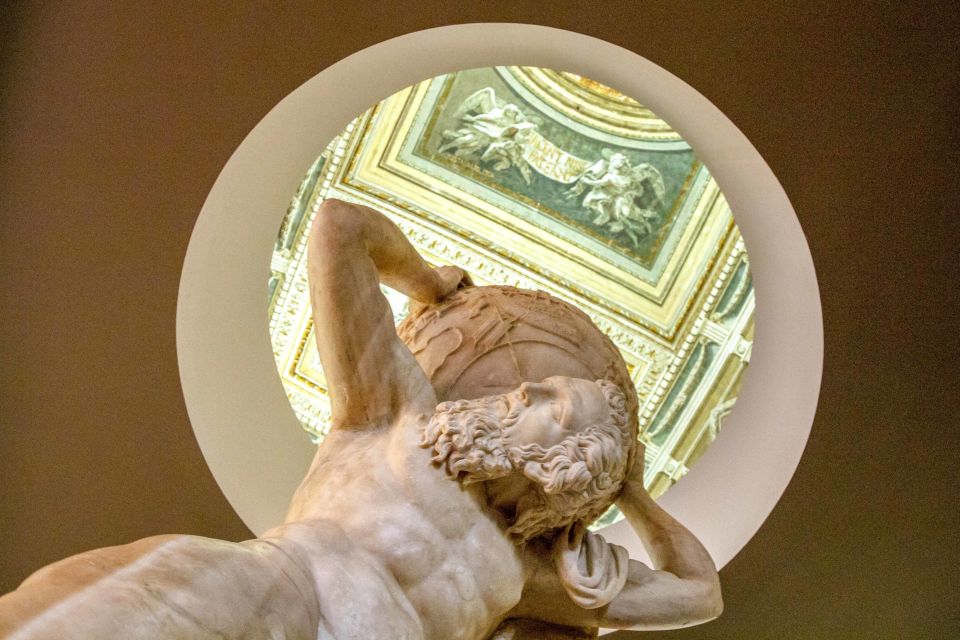
- Farnese treasures in one place: engraved gems and the Farnese marbles anchor the visit.
- Pompeii and Herculaneum artifacts matter here: you’ll connect everyday objects to famous sites.
- Special exhibits include the Secret Cabinet: there’s an erotic side of Roman life.
- Egyptian section timing matters: it’s listed as closed until March 31, 2023 in the ticket info.
- Plan for at least 3–4 hours: the museum is large and mentally active.
- Audio guide isn’t guaranteed: some people had download or link issues, so be ready to go label-first.
Entering the Museo Archeologico di Napoli With a Smartphone Voucher
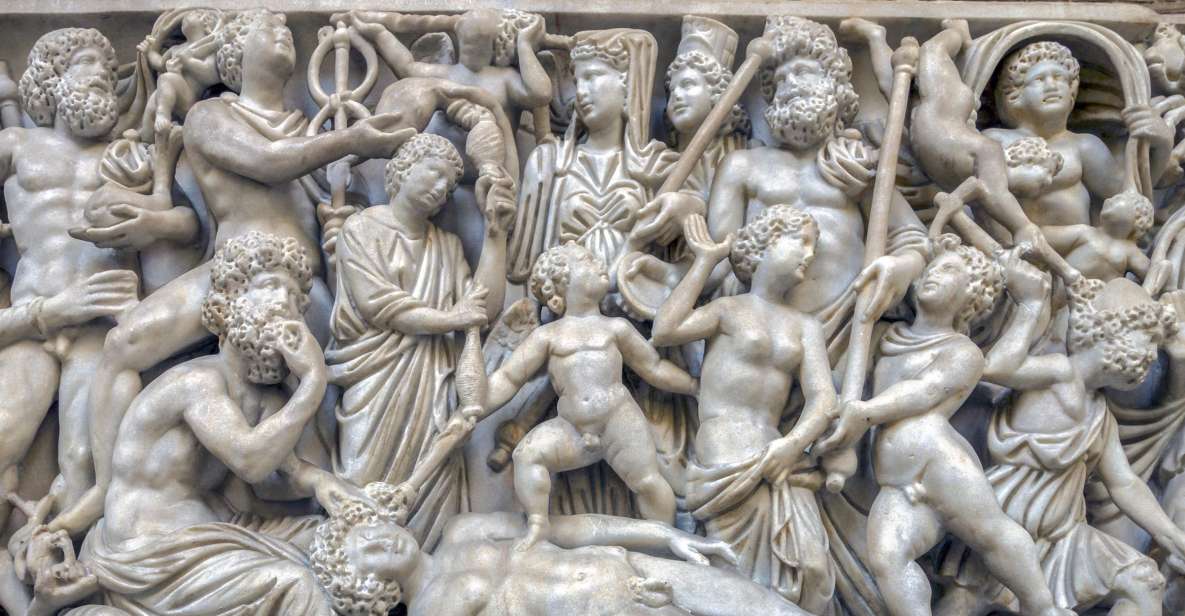
This experience is straightforward: you start at the Museo Archeologico di Napoli ticket office. Your job is simple—exchange your smartphone voucher for an official entrance ticket, then go through security before you enter the galleries.
One practical tip: treat that voucher swap as your first “checkpoint.” If you show up right before a chosen entry window, give yourself a buffer for the security line and the ticket desk process. Once you’re inside, you’re in museum mode for the day, because this ticket is single-entry only. No reentry means if you step out for a snack run, you’ll need to commit to going back later by buying an additional entry (so plan your breaks carefully).
Also bring an ID (passport or ID card). The ticket info is explicit that you’ll need it, and security procedures can slow you down if you’ve left it behind.
You can also read our reviews of more tours and experiences in Naples National Archaeological Museum.


Ticket Value: Why $29 Makes Sense Here
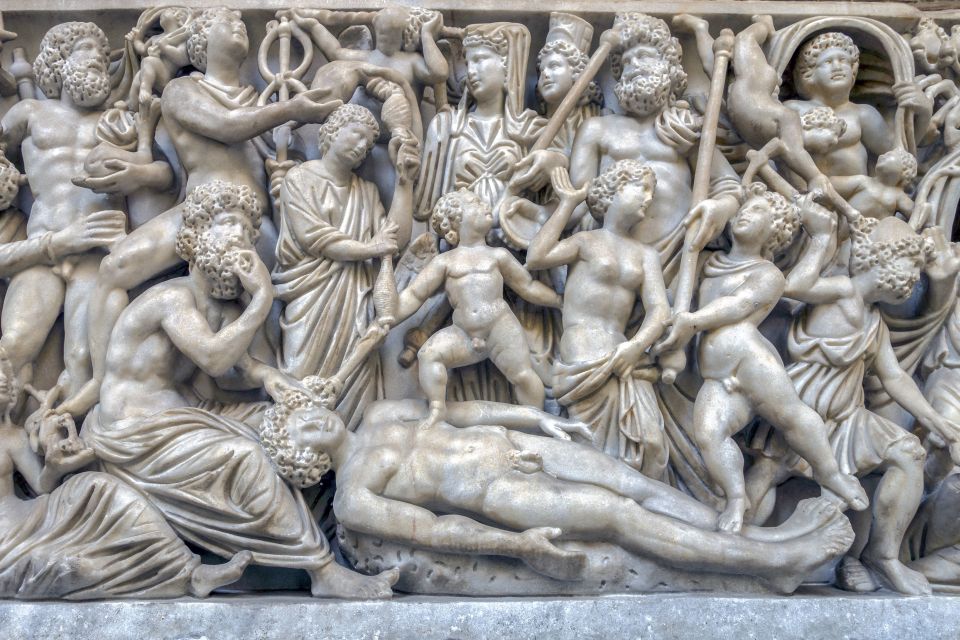
At about $29 per person, you’re buying admission to a museum that pulls together major Greco-Roman collections and museum “anchor stories” tied to Naples’ heritage. What makes this feel like good value is that you’re not paying extra for a guided tour—this is a self-paced ticket with a digital audioguide bundled in.
In plain terms: you’ll get the best deal if you can navigate on your own. The museum itself has information on-site, and many visitors find they can do a very solid visit without leaning heavily on the audio guide. If you love listening and hate reading, you might feel the pain if the app doesn’t cooperate. But if you’re flexible—great, this ticket is a cost-effective way to do a top-tier museum day.
One more value point: skip-the-line or reduced friction at entry can be worth it here. When big museums get crowded, time disappears fast. Buying entry ahead and swapping your voucher tends to smooth the start.
The Museum’s Big Story: Bourbon, Farnese, and a Museum Founded in the 1700s
This museum has the kind of origins that make you feel like you’re walking through a long project, not just a modern building full of rooms. It was founded in the mid-18th century by Charles III of Spain, and it became a home for collections that trace back through the Farnese story.
Here’s what that means for your experience: you’re not just looking at random statues. You’re looking at a collection that was formed with intention—first by royal collecting, then by museum curation, and now by how the exhibits guide you through themes of ancient life and art.
If you like seeing how collections “make sense” historically, you’ll probably enjoy the way this museum builds from Greek and Roman antiquities into more specific topics, including coins and special cabinets. It’s one museum day where the objects feel like they belong to a bigger narrative.
Farnese Marbles and Engraved Gems: The Collection That Sets the Tone

The core of the museum’s collection is tied to the Farnese Collection, including the famous Farnese marbles and engraved gems. This is the section of the museum where you’ll feel the scale of what a major European collecting tradition looks like—big sculpture energy plus small-object focus, all under one roof.
I like this kind of mix because it keeps your brain from going numb. When you move from large statues to engraved gems, your eyes adjust. You start noticing details that your first glance would miss. And when you’re looking at engraved stones and crafted objects, you get a feeling for how luxury worked in the ancient world—small items weren’t “less important,” they were just a different kind of power.
If you’re short on time, prioritize what the collection does best: the Farnese sculptures and the sections that connect those masterpieces to later discoveries from Pompeii and Herculaneum.
Pompeii and Herculaneum Artifacts: Seeing Daily Life After the Ruins
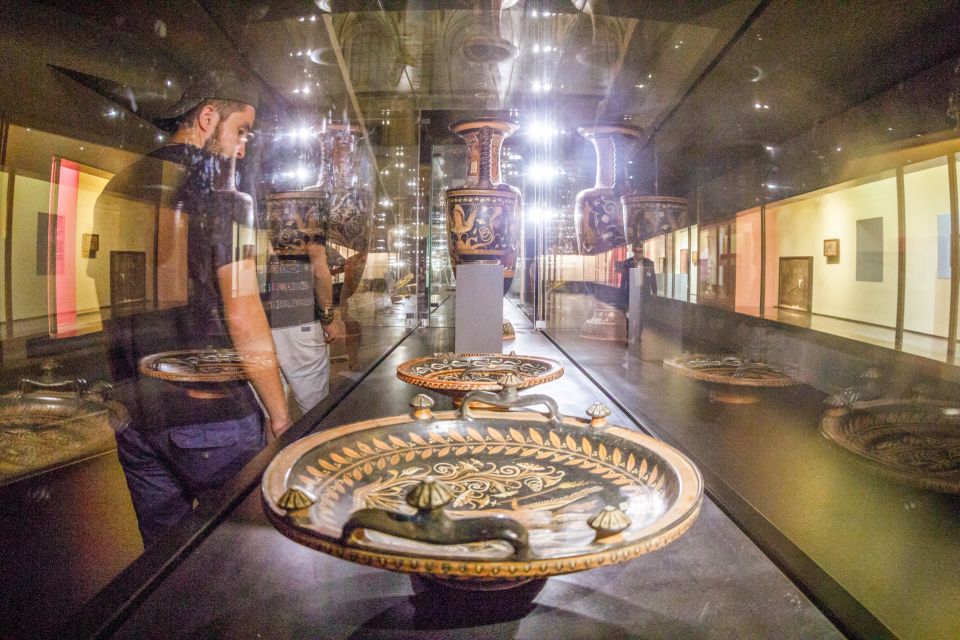
The Pompeii and Herculaneum material is one of the main reasons this museum is such a big deal. You’re seeing treasures recovered from those sites—objects that carry emotional weight because they were used for real life: glassware, vessels, small everyday tools, and more.
This is where the museum can genuinely upgrade your understanding of the ruins you might visit afterward (or already visited). When you see artifacts pulled from Pompeii and Herculaneum, you stop thinking of them as “historical images.” They become objects with context—what people drank from, cooked with, carried, and kept.
A couple of practical notes:
- Plan a slower pace in the Pompeii/Herculaneum sections. These rooms reward attention.
- If you’re also doing Pompeii or Herculaneum in the same trip, treat this museum as your “prequel” (if you go first) or your “explanation machine” (if you go after).
Many visitors end up spending about 3 hours at minimum and more like 4–5 hours if they keep extending their time in the key galleries. If you want a meaningful visit, don’t try to power through everything in 90 minutes.
Egyptian Art and the Secret Cabinet: What You’ll Actually Find

This museum is also known for special exhibit sections, including an Egyptian artifacts area and the Secret Cabinet—an exhibit tied to the erotic side of ancient Roman life.
One important caution: the ticket info you’re using notes that the Egyptian section is closed until March 31, 2023. Since that’s a time-specific detail, you should still plan as if Egyptian rooms might not be your focus on your visit. If Egyptian art is a major reason you booked, check for updated on-site status before you arrive so you’re not setting yourself up for disappointment.
The Secret Cabinet is different. It’s not something you usually expect at a “normal” archaeology stop, and that’s exactly why it can be memorable. If you’re the type who likes to see how history includes humor, desire, and social life—not just emperors and battles—you’ll likely appreciate it.
Audio Guide Reality Check: When It Helps and When It Doesn’t
This ticket includes a digital audioguide, accessed through a provided link plus a username and password in your voucher details. That sounds perfect on paper, but real-world experience can be uneven.
Here’s my advice: treat the audio guide as a bonus, not your entire plan. Some visitors report long download times or trouble getting the app to work. Others found they stopped using it after a short start and relied on labels instead.
You’ll still be fine either way. The museum has information signage in multiple languages, and you can get a lot from just reading and using your own curiosity. If the audio plays smoothly, great—use it to add context while you browse. If it doesn’t, don’t let that ruin your momentum. Museums like this don’t require audio to be rewarding.
How Long Should You Stay? Layout, Crowds, and a Smart Pace
This museum is large, and “mentally active” is the best way to describe it. You’re not just walking past objects—you’re absorbing a lot: sculpture history, excavation context, catalog-style labels, and themed exhibits.
A good planning rule:
- If you want highlights: aim for about 3 hours.
- If you want a satisfying experience: plan closer to 4 hours.
- If you love statues, mosaics, fresco-related context, and small finds: go 5 hours and don’t fight it.
Crowd levels can change your experience fast. Some people find the museum calm and relaxed, especially when timing is favorable. Others feel the squeeze because the museum is popular and spaces can get tight. The best defense is simple: start earlier in the day if you can. It’s much easier to take photos, move through rooms, and actually see details when you’re not getting pushed along.
Also, consider where you take breaks. Since your ticket is single-entry, don’t wander in and out as you please. Decide where you want your snack break before you start moving deep into the galleries.
Pair This With Pompeii or Herculaneum for Real Context

If you’re doing Pompeii and/or Herculaneum on the same trip, this museum can act like an interpretive map. You see the artifacts first, and then the sites stop being only “ruins.” They turn into places that connect to everyday life.
If you’re visiting Pompeii after this museum: you’ll likely notice details with more meaning—how objects and rooms connect to what’s still visible on-site.
If you’re visiting Pompeii first: the museum gives you the missing backstory, especially when you see items recovered from those sites.
And if you’re thinking, Can I do both Pompeii and this museum in one day? You can, but it’s a long travel day and a lot of standing. A better plan is to split them across days or at least give the museum a larger chunk of time.
Who This Ticket Best Fits
You’ll probably love this if:
- You’re a fan of Greco-Roman art and want a museum that’s more than a few famous rooms.
- You want Pompeii and Herculaneum context without buying a guided tour.
- You prefer a calm, self-paced experience where you control your pace.
You might be less thrilled if:
- You want a highly structured tour with a live guide (this ticket doesn’t include one).
- You’re counting on the digital audioguide to work perfectly every time.
- You’re mainly there for Egyptian galleries, given the Egyptian section closure note in the ticket info.
Should You Book This Naples Archaeological Museum Ticket?
Yes, if you want a top museum experience in Naples with strong value and you’re okay going self-guided. The Pompeii and Herculaneum collections, the Farnese legacy, and special exhibits like the Secret Cabinet give you a visit that feels specific to this city, not like a generic archaeology stop.
Skip this only if your entire priority is a live guided narration or if Egyptian art is your non-negotiable focus and you’d be upset if that section is still closed on your dates. Otherwise, booking this ticket is a smart move—especially if you want to spend your Naples time on something that connects ancient objects to the stories you’ll see around Campania.
FAQ
Where do I meet for this Naples Archaeological Museum ticket?
You start at the Museo Archeologico di Napoli ticket office, where you exchange your smartphone voucher for an official entrance ticket.
What’s included with the $29 ticket?
The experience includes museum entry and a digital audioguide.
Is a guided tour included?
No. A guided tour is not included.
How long is the ticket valid?
The ticket is valid for 1 day. You’ll need to check available starting times.
Can I re-enter the museum after I leave?
No. The ticket is valid for a single entry and does not include reentry.
Is the museum wheelchair accessible?
Yes, the activity is wheelchair accessible.
Do I need to bring an ID?
Yes. Bring your passport or ID card.
How do I access the digital audioguide?
You access it through the digital audioguide link provided in your voucher details, using the username and password provided there.
Is the Egyptian section available?
The ticket info notes that the Egyptian section is closed until March 31, 2023.
Is there free cancellation?
Yes. Free cancellation is available up to 24 hours in advance for a full refund.