REVIEW · NAPLES
Authentic Neapolitan Pizza Lesson
Book on GetYourGuide →Operated by NapoliCityVision · Bookable on GetYourGuide
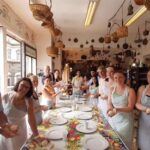
Naples teaches pizza by hand. This hands-on Neapolitan pizza lesson puts you at a working pizzeria oven with a real pizzaiolo, not a demo from the back row.
I especially like the way you learn the basics you can actually repeat at home, and the wood-fired baking happens while the experience is still fresh in your hands.
You’ll also like the food part. You make your own pizza, then eat it as part of a pizza dinner, with a drink (water, wine, or a soft drink) included.
One thing to consider: transfer service isn’t automatically included (it depends on the meeting point setup), so you may want to plan for your own taxi or confirm pickup details early.
In This Review
- Key things I’d focus on before you book
- Neapolitan Pizza in Campania: what this 1.5-hour class really teaches
- Meet the pizzaiolo, then get your hands on the dough
- Wood-fired oven baking: the moment everything comes together
- Toppings and dough stretching: how to think like a pizza maker
- Pizza dinner, drinks, and the extras that change the value
- Language, pickup, and practical logistics around Naples
- Price and value: is $77 worth it?
- Who should take this Neapolitan pizza lesson
- Should you book this pizza class?
- FAQ
- How long is the Neapolitan pizza lesson?
- What is included in the $77 per person price?
- Do I make my own pizza during the class?
- What drinks are available during the tasting or meal?
- What languages is the instructor able to use?
- Is the activity wheelchair accessible?
- What is the cancellation policy?
Key things I’d focus on before you book
- Real pizzaiolo instruction: You learn from a professional pizza maker, sometimes 3rd or 4th generation.
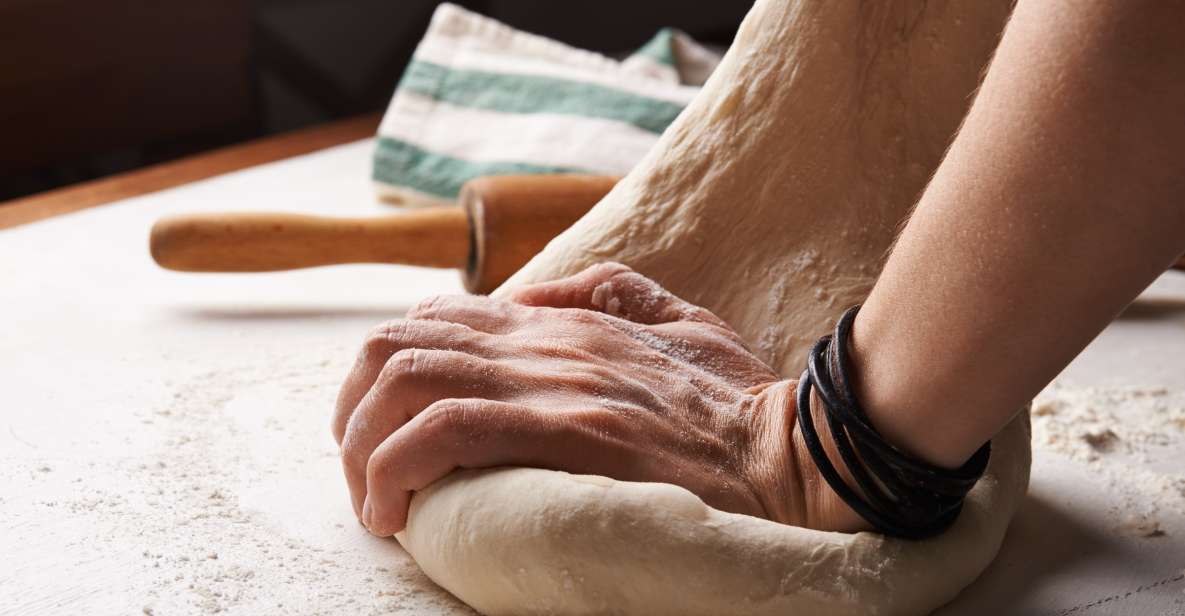
- Hands-on dough work: Kneading, stretching, and topping are the main event.
- Wood-fired oven baking: Your pizza goes into the same type of oven the city is built on.
- Language support works: Even if the chef speaks Italian only, an English instructor/translator is used in many sessions.
- You eat a lot: Your meal includes your pizza plus additional tastings and extras like dessert in many cases.
- Fast, efficient format: In just 1.5 hours you cover history, technique, bake time, and eating.
Neapolitan Pizza in Campania: what this 1.5-hour class really teaches
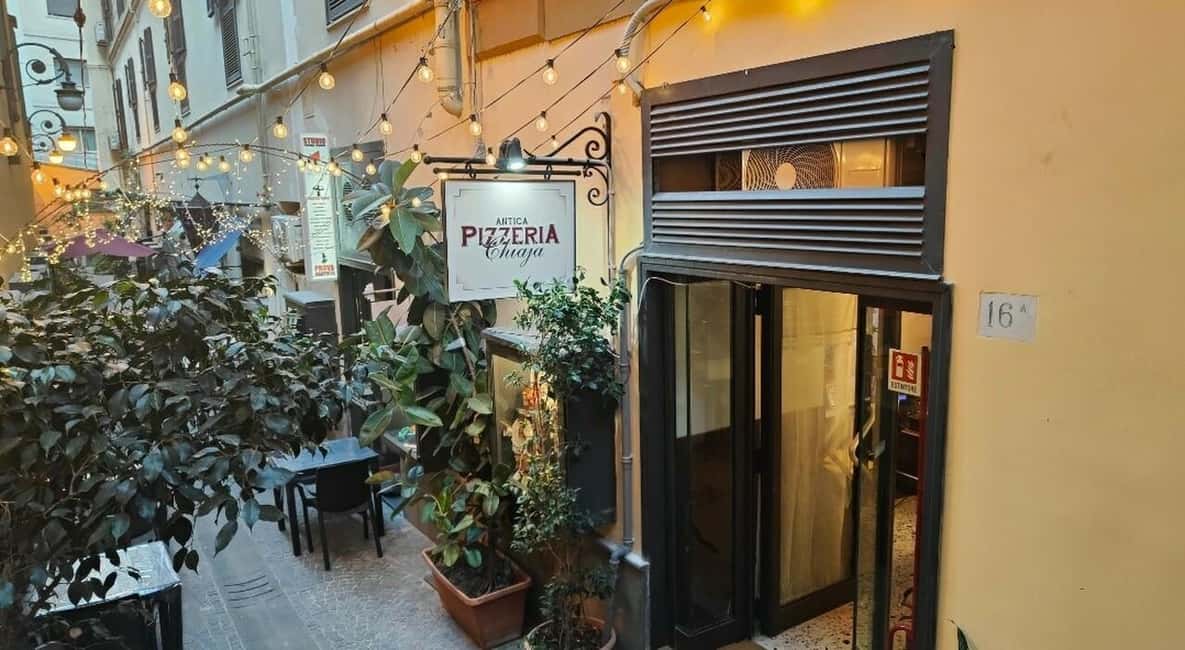
This is a short class with a clear goal: you leave knowing how Neapolitan-style pizza is made in real life, not just how it sounds in theory. The setting is Campania, and the focus stays on traditional technique—dough handling, toppings, and baking in a wood-fired oven.
You’ll start with an intro to Neapolitan pizza, including some history and the key methods behind the style. Then the tone shifts from listening to doing, and that’s where the value really shows.
A lot of pizza classes are mostly watching. This one is about your hands on the dough—kneading and stretching—and your pizza going into the oven.
You can also read our reviews of more tours and experiences in Naples

Meet the pizzaiolo, then get your hands on the dough
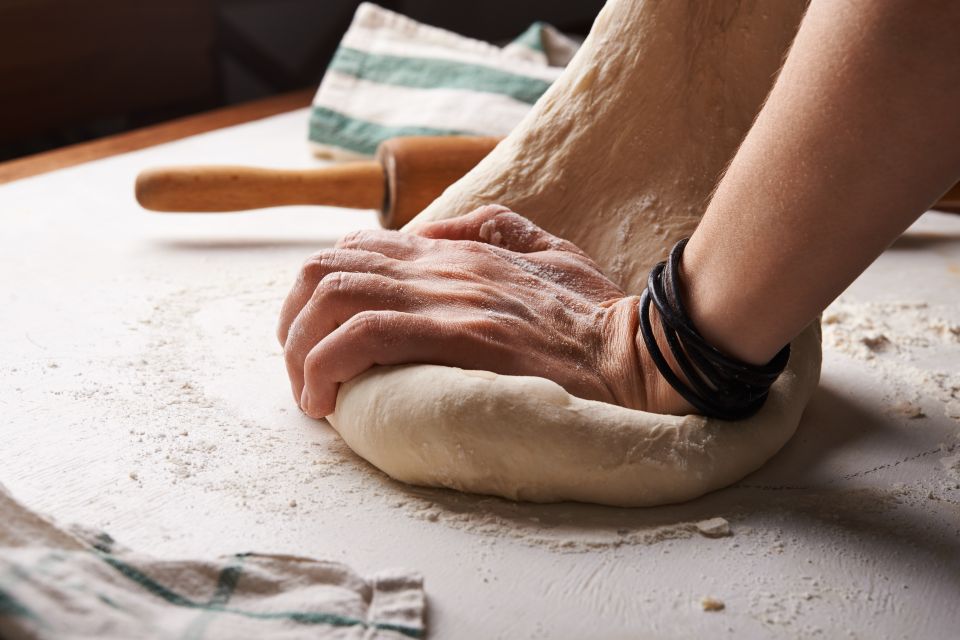
The lesson begins with the pizzaiolo walking you through the process, usually starting with dough basics. In past sessions, guides and hosts like Franco have helped set the pace, while chefs such as Fabio, Antonio, or Armando have handled instruction at the counter and in the kitchen.
If you’re worried about language, don’t. The activity lists English and Italian instruction, and the experience has a history of using translators when the chef’s comfort language is Italian. You’ll still get the meaning of every step, including what to look for in the dough.
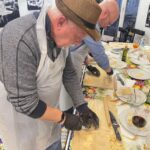
Then it’s your turn. You knead, stretch, and shape your pizza base. The class is built around traditional technique, so you’re learning why the dough is handled a certain way, not just memorizing a list of ingredients.
A small but important practical point: the stretching part is where most people either relax and follow guidance—or try to muscle it. Expect patient coaching so your pizza doesn’t end up too thick or uneven.
Wood-fired oven baking: the moment everything comes together
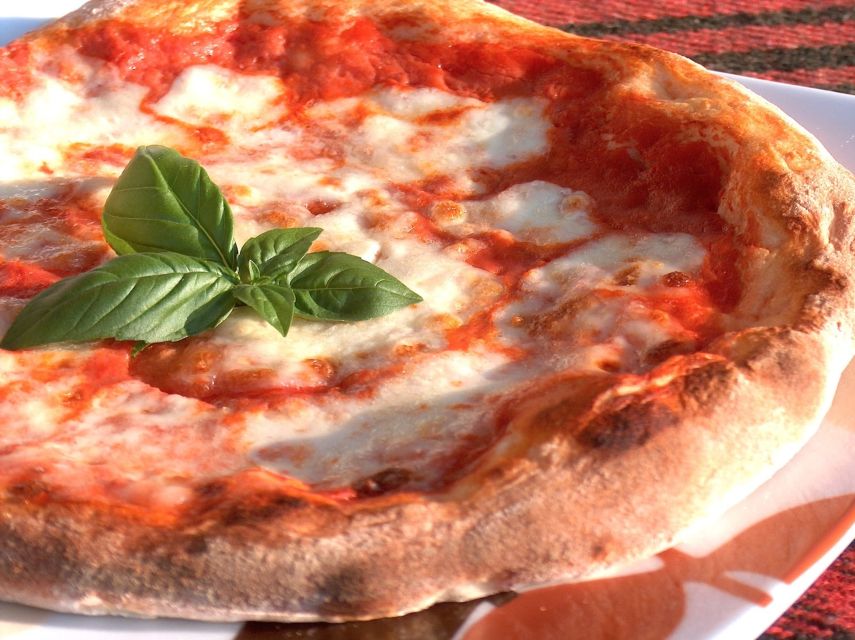
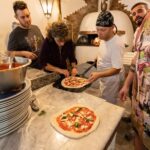
This is the part you can’t fake. Once your pizza is topped, it goes into a wood-fired oven, described as the real heart of the pizzeria. The heat changes everything: the dough texture, the quick bake, and the way the base sets.
In many sessions, you’ll also get to sample pizzas during the program—often practice pizzas made by the chef. That means you get a comparison between what the chef produces and what you produce, which helps you understand the technique while you still have time to adjust your own.
Your baking portion isn’t just a transfer to a dining room. It stays connected to the lesson, so you learn by seeing, smelling, and finally tasting the result.
Toppings and dough stretching: how to think like a pizza maker
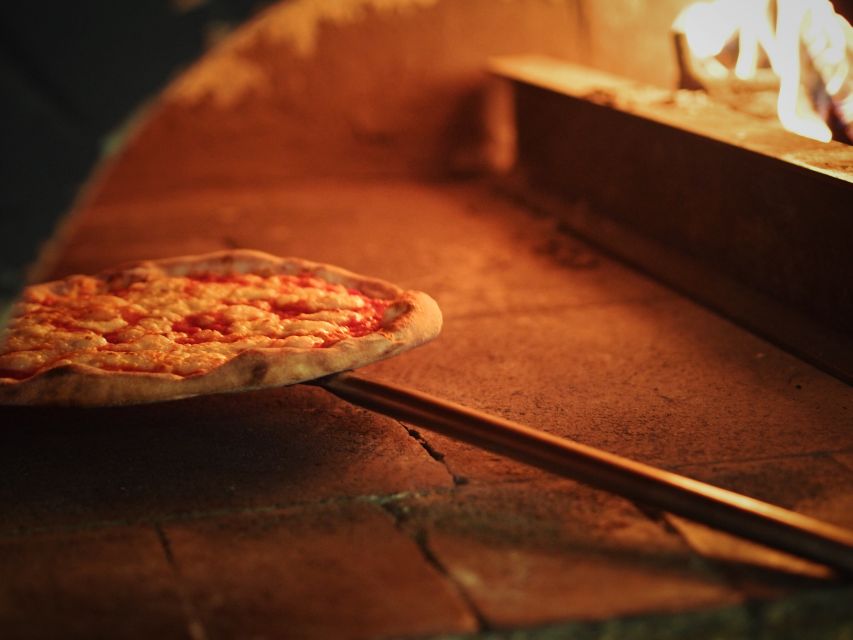
The class structure is simple: you learn the mechanics, then you choose toppings. The experience description says you’ll top with the finest local ingredients, and the goal is to make something traditional, not a random grab bag.
A few sessions focus on classic combinations such as Margherita and Marinara, including times when you watch the chef make them before you make yours. Even if your pizza has your chosen toppings, the technique behind the base and sauce matters more than the novelty factor.
What you should watch for while you’re working:
- The dough texture as you stretch it
- How much pressure you use (gentle wins here)
- Keeping toppings from getting too heavy so the bake stays right
The class is short, so the instructor guidance is key. This is one of those experiences where being slightly focused beats multitasking. Put your phone away for the lesson portion and you’ll enjoy it more.
Pizza dinner, drinks, and the extras that change the value
Your ticket includes a pizza dinner, not just a quick tasting bite. Alongside your own pizza, the experience includes a drink—water, a glass of wine, or a soft drink.
In some versions of the experience, the food spread goes beyond just pizza. People have mentioned tastings of multiple pizzas, plus extras like dessert such as apple cake, and sometimes an appetizer beforehand. Even when the exact sequence varies, the theme stays the same: you’re eating what you make, and you’re eating enough to feel satisfied.
If you’re the type who likes to linger over food conversations, you’ll probably enjoy this. The meal portion turns the class into a real evening, not a stopwatch event.
One note: the “dinner” part is part of why the price feels reasonable compared to classes that only hand you a slice and call it done.


Language, pickup, and practical logistics around Naples
The experience is designed for English speakers, and it lists English and Italian for the instructor. In practice, the chef may be Italian-first, so translation support has been part of the experience.
Hosts and drivers have included people like Franco and Elvis in past sessions, and there’s a strong pattern of making you feel looked after from the start. Some formats also include a welcome drink and nibbles while you wait for the lesson to begin.
Pickup is where you need to be a little careful. Transfer service is listed as not included for centrally located restaurants, but some sessions have offered pickup from the center of Naples with a return drive. My advice: confirm pickup details in advance and don’t assume it’s automatic for your exact address.
If you’re already comfortable using a taxi in Naples, plan that as Plan B. It keeps you calm, and you’ll still get to the class on time.
Price and value: is $77 worth it?
At $77 per person for a 1.5-hour class, the price isn’t just paying for instruction. You’re paying for:
- a professional pizzaiolo teaching technique
- wood-fired baking
- your pizza made with guidance
- a pizza dinner and an included drink
Compared with “show-and-snack” cooking experiences, this has the right ratio of hands-on time to eating time. And compared with paying for a top Naples pizza alone, you’re getting the lesson on technique plus the experience of making it yourself.
Is it the cheapest meal in Naples? No. But it’s close to the best kind of “pay once, learn something” value: you go home with repeatable skills, not just a full stomach.
Who should take this Neapolitan pizza lesson
This works well if you’re any of these:
- A food lover who wants technique, not just a meal
- A beginner who wants clear steps and patient help
- A couple or group who wants a fun, shared activity
- A family looking for something that feels hands-on for kids and adults alike
It’s also good if you want Naples flavor in a single evening without a long day of planning. And it’s listed as wheelchair accessible, which is a big plus if mobility access is on your checklist.
If you want a super long class with lots of repeat baking, this might feel brief. But if you want a focused, practical session that ends with you eating what you made, the 1.5 hours is exactly the point.
Should you book this pizza class?
Book it if you care about authenticity and hands-on technique. This is the kind of class where the oven is real, the pizzaiolo is real, and you’re not stuck watching someone else do everything.
Think twice if you’re very sensitive to logistics and you don’t want to handle transfers at all. Because transfer service isn’t universally included, you’ll want to confirm how you’re getting to and from your meeting point.
If you want a Naples food experience that’s both fun and practical, I’d put this Neapolitan pizza lesson high on your list.
FAQ
How long is the Neapolitan pizza lesson?
The experience lasts 1.5 hours.
What is included in the $77 per person price?
It includes the pizza lesson and pizza dinner, plus a glass of wine, water, or a soft drink.
Do I make my own pizza during the class?
Yes. The experience includes a practical session where you knead, stretch, top, and bake your own pizza.
What drinks are available during the tasting or meal?
You can choose among water, a glass of wine, or a soft drink.
What languages is the instructor able to use?
The instructor supports English and Italian.
Is the activity wheelchair accessible?
Yes, it is listed as wheelchair accessible.
What is the cancellation policy?
Free cancellation is available up to 24 hours in advance for a full refund.