REVIEW · NAPLES
Backwater Adventure’s CraigCat Tours of the 10,000 Islands
Book on Viator →Operated by Backwater Adventure · Bookable on Viator
CraigCats make the mangroves feel close. This Ten Thousand Islands National Wildlife Refuge tour has you in a small guided group on a two-person catamaran, following an onboard guide boat while you scan for wildlife and zip through the backwater channels.
I love that you’re not stuck watching from a big deck. You actually drive (with instruction), so the cruise feels personal and fast. I also love the wildlife odds: dolphins and lots of birds show up often, and you get a low-in-the-water view that makes photo chances feel real. The main catch is simple: you should expect to get wet, and the ride comes with safety rules you must follow.
Another big plus is the small-group setup. With a maximum of 11 travelers, it’s easier for the guide to keep an eye on everyone and help you get comfortable quickly. Just be sure you can meet the vessel limits: there’s a 250 lbs per person weight capacity with no exceptions, and skipping that means you won’t be able to board.
In This Review
- Key things to know before you go
- Where You Start: San Marco Marina in Goodland (near Naples)
- The CraigCat Experience: Small Boat, Real Control
- The Wildlife You’re Actually Chasing (and what you can’t control)
- Timing on the Water: 1.5 to 2.5 Hours That Move
- What Happens During the Tour: From Briefing to Mangrove Backwaters
- Meet, brief, and learn the boat
- Cruise through the mangroves and channels
- Possible island stop for beach time and shelling
- Return to the marina
- Price and Value: Why $135 Can Feel Like a Steal
- What to Bring (So the Wet Parts Don’t Ruin Your Day)
- Safety, Rules, and the Weight Limit You Must Respect
- Who This Tour Fits Best (and who should skip it)
- A Few Small Detours You Can’t Always Predict
- Should You Book Backwater Adventure’s CraigCat Tour?
Key things to know before you go
- You drive the catamaran after a short briefing, which turns the trip from sightseeing into a real activity.
- Wildlife viewing is the main goal; dolphins and native birds are common, but not guaranteed.
- Two-person craft rules matter for odd-number groups, so plan around the guide pairing.
- Expect spray and some beach/wet time; wear swimwear and bring backup clothes.
- Small group size (up to 11) helps the guide manage safety and spacing in the backwaters.
Where You Start: San Marco Marina in Goodland (near Naples)
This tour runs out of San Marco Marina at 604 E Palm Ave, Goodland, Florida (about the Naples area). You’ll meet there, and the experience is designed so you’re on the water fast rather than spending an hour waiting around.
Plan to arrive about 30 minutes before your scheduled departure. That timing matters because you’ll get a briefing first, then you’ll follow the guide through the refuge. One practical tip from people’s on-the-ground experience: you can park in the outside grass lot or drive through the gate if it’s open, then head up the outside stairs near the gift shop to the deck area where you’ll gather.
If you hate waiting, you’ll like this format. If you hate early starts, still show up early. In this part of Florida, your time on the water is the product.
You can also read our reviews of more tours and experiences in Naples.


The CraigCat Experience: Small Boat, Real Control
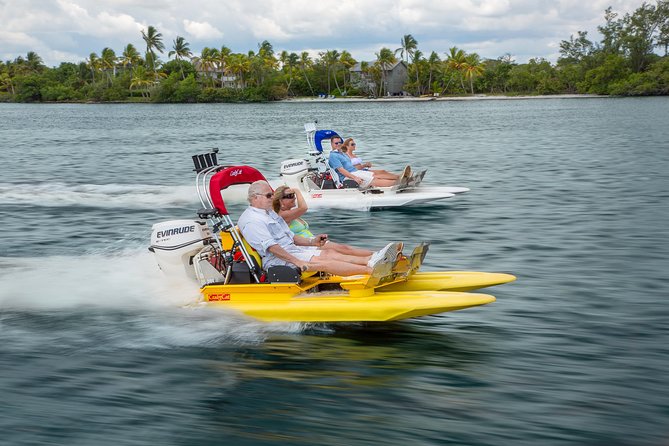
The headline here isn’t just the destination. It’s the boat.
You’ll be on a two-person CraigCat catamaran, and you’ll learn how to operate your craft before heading out. Reviews and trip details point to the same vibe: the boats are fun to handle, maneuver well, and don’t feel like a huge ordeal to learn. The guide’s job is both safety and flow, keeping you from getting turned around in the mangrove maze.
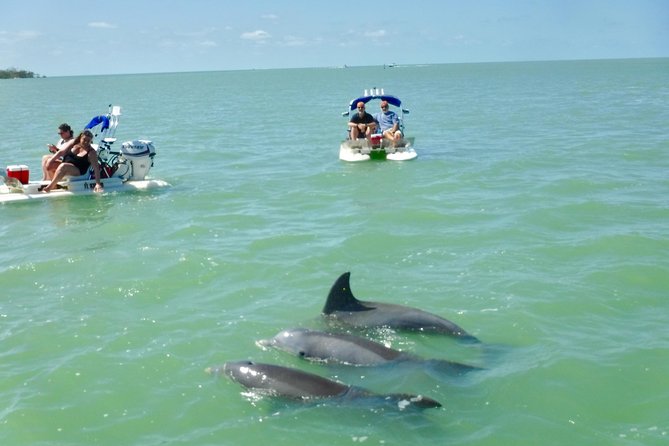
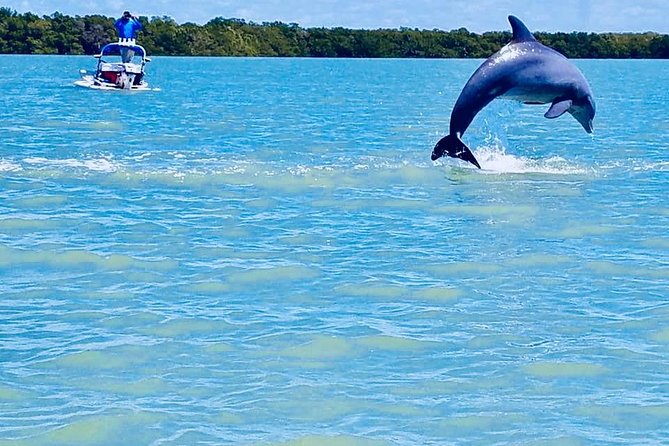
You’ll also notice the “low and close” feel. Because you’re not in a tall, high-sided vessel, the wildlife viewing can feel more direct. People call out dolphin pods coming near the catamarans, plus birds that are easier to spot when you’re not sitting high above everything.
One more reality check: this tour is not designed for standing around. You’ll move, you’ll pay attention, and you should stay seated. One very consistent piece of advice is to not stand up in the craft, and to follow instructions even when the ride feels exciting. It’s part of how you stay in control at speed in tight water.
The Wildlife You’re Actually Chasing (and what you can’t control)
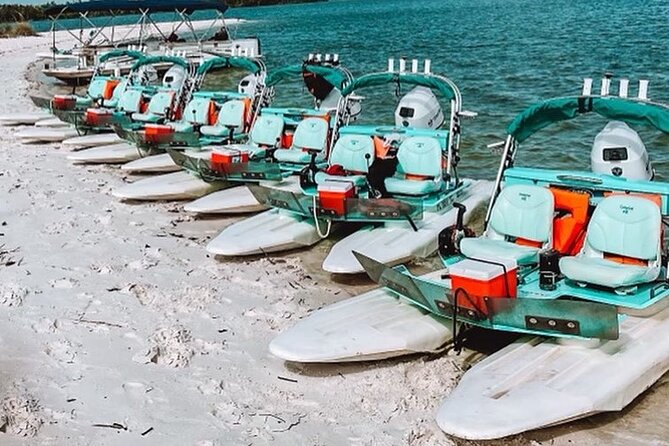
The Ten Thousand Islands National Wildlife Refuge is a huge place, so nobody can promise dolphins every single trip. But the pattern is strong: dolphins and native birds are a common theme, and many people describe multiple dolphin groups in a single outing.
Here’s what the guide setup helps with. A good guide knows where the channels run, where to slow down, and how to keep the group positioned so you can look without bouncing around. You’ll cruise through mangroves and channels where sea life hangs out, and you’ll have chances for photo ops along the way.
A couple of practical points to manage expectations:
- Dolphins are common, not guaranteed. Some departures will be dolphin-heavy; others may be lighter on the marine life.
- Stopping and slowing can affect sightings. If you want the best odds for animals to show themselves, you’ll want to cooperate with the pacing your guide sets.
In the same spirit, don’t treat this like a “sit still and get lucky” tour. You’ll be scanning the water and mangrove edges constantly, and that active watching is part of the fun.
Timing on the Water: 1.5 to 2.5 Hours That Move
Tours run for about 1 hour 30 minutes to 2 hours 30 minutes (depending on the schedule and conditions). The range matters because you’ll want enough time for:
- briefing and instruction,
- cruising in the refuge,
- wildlife scanning,
- and any island/beach stop that’s part of the route.
Most of the experience is spent on the water, and the “driving behind the guide” format keeps things moving. People often describe a mix of thrill and relaxation: some stretches feel zippy, then you slow to look and listen.
Weather is another factor. This is a “good-weather” activity. If conditions are poor and the trip gets canceled due to weather, you’ll be offered another date or a full refund. That’s comforting if you’re trying to plan around Florida’s mood swings.
What Happens During the Tour: From Briefing to Mangrove Backwaters
Here’s the flow you should expect, step by step.



Meet, brief, and learn the boat
You meet at San Marco Marina and then get a safety and instruction briefing. This is where you learn the basics of operating your craft so you can handle it confidently once you’re cruising. It’s also where you’ll get the rules of the day: where to sit, how to move safely, and how to follow the guide boat.
If you’re pairing up with someone, confirm you’ll both be on the correct craft. The tour requires two people per craft (excluding the guide boat). If your group count is odd, one person must ride with the guide boat. That’s not a problem, but it’s something you should plan for so you don’t arrive confused.
Cruise through the mangroves and channels
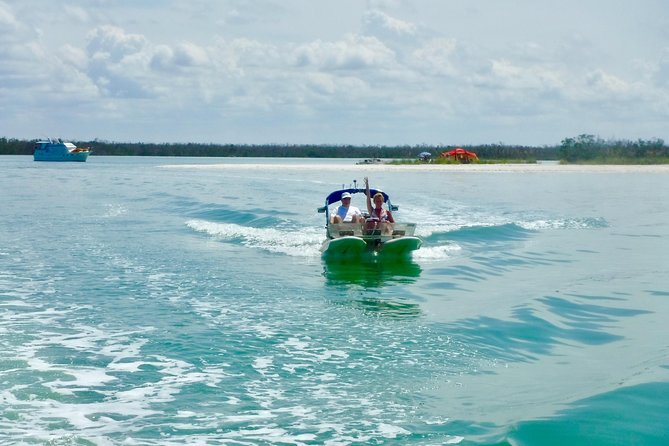
After briefing, you’ll head out and cruise in the refuge with a small group. You’ll stay oriented by following your guide and watching for marine life like dolphins and fish. Bird sightings are also a big part of the experience, with people mentioning big birds and species like spoonbills and osprey.
This is where guides can make a noticeable difference. People specifically mention guides such as Andrew, Devin, Eric, Erik, and Tyler. The common thread is that they’re organized, keep people safe, and explain what you’re seeing and why it matters in the backwaters.
Possible island stop for beach time and shelling
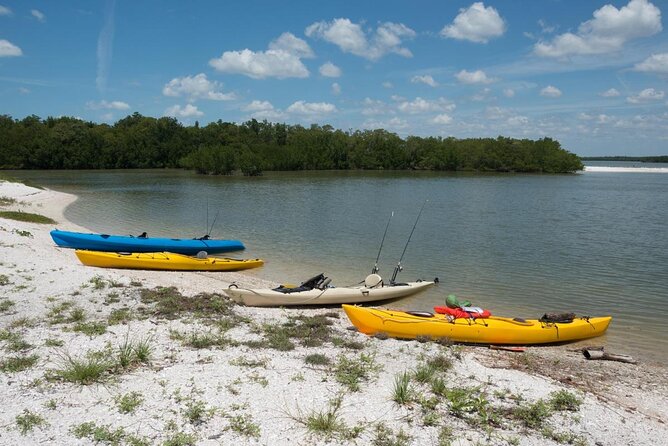
Many trips include a short beached time on a small island, and some people mention shelling during that stop. You might also hear mention of White Horse Key on certain departures. Since routes can vary, treat that part as a “you may get it” moment, not a guaranteed itinerary stop.
When you do get beach time, it’s brief compared with your total time on the water. But it breaks up the cruise and lets you see the refuge from a different angle.
Return to the marina
You’ll end back at the meeting point at San Marco Marina. From an energy standpoint, the best way to think about it is: you’ll be busy enough to feel like you did something active, but not so long that you’ll be exhausted after.
Price and Value: Why $135 Can Feel Like a Steal
At $135 per person, this is not “cheap,” especially if you compare it to a low-effort boat ride. But the value comes from what you’re paying for:
- You drive a personal two-person catamaran, not just sit on a tour boat.
- Coolers are provided with bottled water and ice.
- You get USCG-required equipment plus a safety and instruction briefing.
- You travel in a small group (max 11 travelers), which tends to mean more attention for everyone.
So you’re paying for a combination of activity, guidance, and time on the water in a protected area. If your goal is to see the Ten Thousand Islands with your hands on the controls, this price starts to look fair.
If your goal is purely “see wildlife, stay dry, minimal rules,” then you may prefer a traditional larger tour boat.
What to Bring (So the Wet Parts Don’t Ruin Your Day)
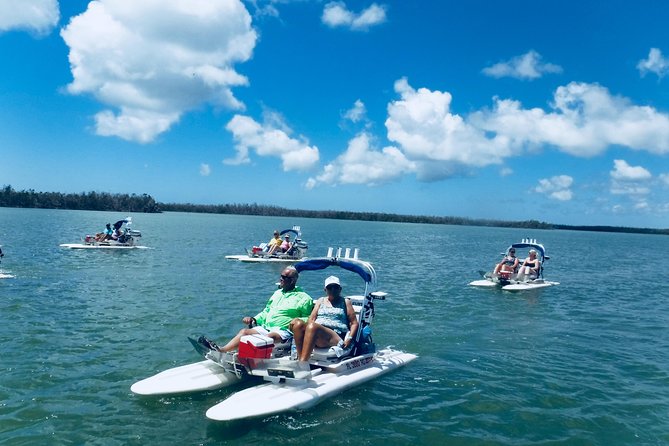
You will likely get wet. Not a trick. Multiple people give the same advice: wear swimwear and expect spray.
I’d plan for:
- Bathing suit or SPF swim top (sunscreen helps too)
- Sunglasses (people recommend this over a loose hat, since spray can knock things off)
- A hat that’s clipped and secure if you insist on wearing one
- A small bag you can keep stable and dry where possible
- Change of clothes and towels for after
- Sunscreen reapply if you’re out for closer to 2.5 hours
Also, do the small things early: use the bathroom before you leave. It’s the kind of detail that keeps the trip from feeling stressful.
Safety, Rules, and the Weight Limit You Must Respect
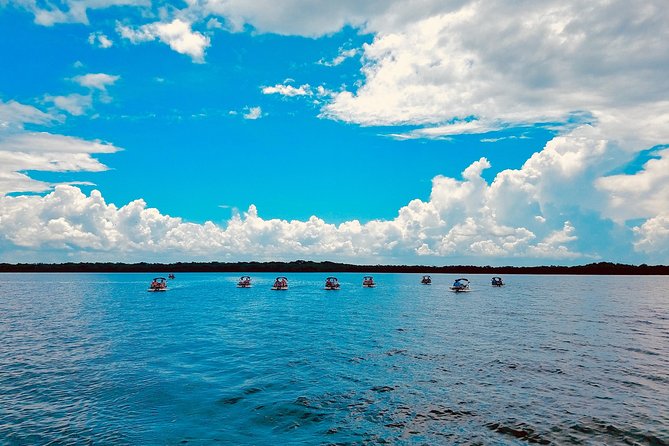
Safety is not optional on this tour. Your guide will keep you from getting lost and will manage traffic in narrow backwaters.
The rules you should expect to hear and follow include:
- keep to seating and don’t stand up in the craft,
- follow the guide’s spacing and movement instructions,
- don’t ignore warnings just because you want to chase a dolphin faster.
Two more practical items are worth repeating because they can affect whether you can go at all:
- You must meet the 250 lbs per person weight limit (no exceptions). If someone is over, there are no refunds for those who show up not meeting the requirement.
- If you plan to operate your craft, you need to be 18 or older with a valid driver’s license. Also, a boater certificate may be required depending on birth date (it is required if born after Jan 1, 1988, and not required if born before).
If you’re not operating, you still need to be a passenger age 5 or older.
Who This Tour Fits Best (and who should skip it)
This is a great match if:
- you like hands-on experiences and want to drive,
- you enjoy wildlife watching and don’t mind scanning constantly,
- you and your partner (or you solo with proper pairing) want a small-group vibe.
It may not be the best fit if:
- you need a totally dry experience,
- you’re unwilling to follow safety rules like staying seated and following pacing,
- you may run into the weight limit issue.
It’s also a solid option for families with older kids (5+), especially if they can follow instructions. Many people emphasize that with the right gear and listening skills, kids do fine.
A Few Small Detours You Can’t Always Predict
Some things vary by day, and that’s normal in a refuge:
- dolphin activity levels,
- bird activity levels,
- how much time you spend stopped vs zipping,
- whether your route includes a small island/beach moment.
That one lower-rated experience mentioned dolphins not appearing and felt a bit more “regimented” with single-file pacing. The tradeoff there is clear: tighter movement can improve safety, but it can feel limiting if you’re craving maximum freedom.
If your top priority is maximum sightings, go in with a flexible mindset. Wildlife doesn’t read calendars.
Should You Book Backwater Adventure’s CraigCat Tour?
I’d book it if you want a hands-on way to experience the Ten Thousand Islands—one that blends mangroves, speed, and wildlife chances in a small group. The $135 price makes more sense when you factor in that you’re driving your own two-person craft, getting water and ice, and traveling with a guide who keeps the trip on track. Names like Andrew and Devin show up often in guide praise, and people credit them with safety and making it fun, not just “wait while we point.”
I’d think twice if you’re worried about getting wet, if meeting the strict 250-lb per person limit could be an issue, or if you require guaranteed dolphins. If weather is poor, plan to be flexible too since the trip depends on good conditions.
Bottom line: if you’re game to listen, wear the right gear, and actively watch the water, this is one of the most fun ways to see the refuge.