REVIEW · NAPLES
4 Hours Herculaneum Private Tour from Naples
Book on Viator →Operated by Worldtours · Bookable on Viator
Herculaneum hits different. In just 4 hours, you get a tight, private look at the most famous remains—plus the kind of explanation that turns stone rooms into a real town.
I like two things right away: the small private group (up to 8) keeps the pace comfortable, and the guide-driven storytelling really lands. When a guide like Lello breaks down daily life and connects it to Pompeii, the site stops feeling like random walls and starts feeling like a community. Even the driver Luigi stands out for smooth logistics and a clean car, which matters when you’re squeezing everything into half a day.
One drawback to keep in mind: pickup timing depends on the email instructions you receive, and last-minute communication can be a headache if your phone isn’t reachable or you’re not watching messages closely. For an expensive private outing, that initial coordination is the part you’ll want to nail.
In This Review
- Key points before you go
- Herculaneum in Four Hours: What You Really Get
- Naples Pickup and the 4-Hour Time Budget That Controls Everything
- Parco Acheologico di Ercolano: The Main Walk That Sets the Stage
- House of the Deer (Casa dei Cervi): Small Rooms, Big Life Details
- House of the Bicentenary (Casa del Bicentenario): Why the Quick Stops Work
- Wooden Sliding Panels (Partem Domus lignea – Casa del Tramezzo di Legno): The Detail Stop You’ll Remember
- The Back-and-Forth Transfers Between Herculaneum and Naples
- Guide Power in English: From Rooms to Culture
- Price and Value: Is $161.35 Worth It?
- Who Should Book This Private Herculaneum Tour?
- Should You Book This 4-Hour Herculaneum Private Tour?
- FAQ
- How long is the 4 Hours Herculaneum private tour?
- Is this tour private or shared?
- Where does the tour start?
- What language is the tour offered in?
- Do I need to buy tickets for the sites?
- What’s included in the price?
- Is the tour okay in bad weather?
- What if plans change?
Key points before you go
- Private and small: up to 8 people, which makes questions and slower walking easier
- Herculaneum’s standout houses: quick visits to major room layouts like the House of the Deer and the House of the Bicentenary
- Real explanation time: a good guide (English) helps you understand what you’re seeing, not just where to stand
- Pompeii-free feeling: Herculaneum often feels less crowded than Pompeii, so the ruins can feel more readable
- Ticket mix matters: some parts are noted as free (specific houses), while the main park admission is listed as not included
Herculaneum in Four Hours: What You Really Get
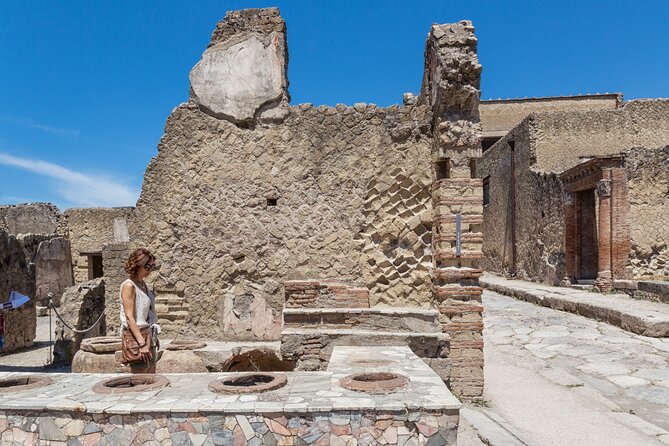
This tour is built for people who want the big highlights without spending a whole day. Herculaneum isn’t just “pretty ruins.” It’s one of the best places to understand Roman life because so much structure survived. In a few focused stops, you’ll see why the site became famous after its 18th-century discovery and why archaeologists keep returning to it as a time capsule.
The best part is that you aren’t left to wander. You’re guided through key points, then given short bursts of time inside major house sites. That rhythm is ideal when you have limited time and want your brain to actually make sense of what you’re looking at.
You should also expect some walking on uneven ground and stairs inside archaeological areas. The tour asks for moderate physical fitness, so if you move slowly, plan on taking your time and bringing comfortable shoes.
You can also read our reviews of more private tours in Naples



Naples Pickup and the 4-Hour Time Budget That Controls Everything
Logistics drive the experience here. You’ll receive pickup instructions by email, typically 24 hours after booking, with the pickup time and directions. That means you should treat the email like it’s your itinerary, not a nice-to-have note.
Once you’re picked up, the day runs like a clock. The tour is about 4 hours total, and the core time goes into the archaeological site. That’s why it’s private: it helps your guide manage the pace and keep you on schedule.
If you’re the type who likes buffer time, this might feel a little tight. The good news is that the tour is structured, and guides can adjust within reason when your group needs a slower pace.
Parco Acheologico di Ercolano: The Main Walk That Sets the Stage
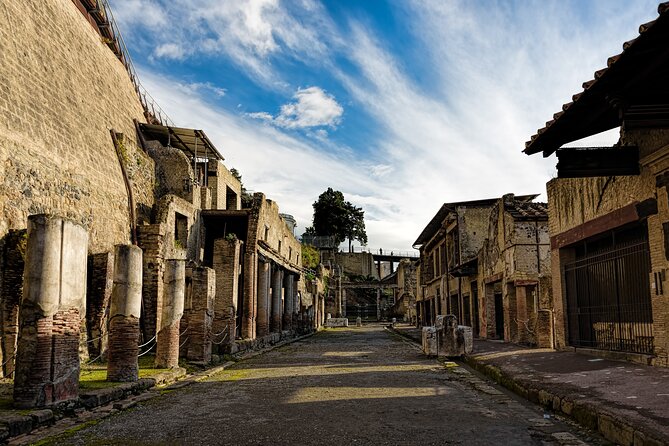
The centerpiece stop is Parco Acheologico di Ercolano, where you’ll spend about 2 hours. This is the area that introduced the world to Herculaneum, and it’s where the scale really hits you. Expect broad views of the site, enough context to understand how the town was laid out, and the chance to get oriented so the smaller “house” stops don’t feel random.
Admission at this main park area is noted as not included. So, before your tour starts, I’d plan on handling the main entry ticket yourself unless your voucher says otherwise. (You’ll thank yourself for checking early, especially during busy periods.)
What makes this stop valuable is that it gives your guide a platform to explain. A good guide can connect what you’re seeing—street layouts, architecture details, and the way rooms relate—to the bigger story of how people lived here before the eruption.
House of the Deer (Casa dei Cervi): Small Rooms, Big Life Details
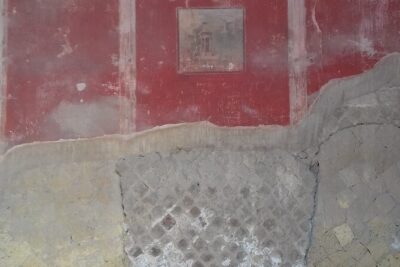
Next you’ll hit the Casa dei Cervi, also called the House of the Deer. The time here is short—about 10 minutes—but it’s targeted. This is one of the house interiors where the visual details matter, because they help you picture how these spaces worked as homes, not just excavations.
Since this stop is listed as free admission, you don’t lose time paying extra at the gate. It’s a smart add-on when your tour is time-limited.
The biggest benefit of a short house visit is focus. You’ll see key features, your guide can point out what to look for, and then you move on instead of getting stuck in “museum mode.” If you like architectural details, this part can feel satisfying because it’s fast but specific.
Drawback to consider: if you’re the type who wants long, quiet time inside every room, 10 minutes can feel brief. In that case, think of it as a highlight reel—then plan to return later on your own if you want deeper exploration.
House of the Bicentenary (Casa del Bicentenario): Why the Quick Stops Work
Then comes the Casa del Bicentenario, another internal highlight inside the archaeological area. Again, it’s about 10 minutes, and again it’s listed as free. This is basically the tour’s “second course”—a chance to compare how different homes were arranged and what types of rooms and decoration you can still read in the ruins.
What you’ll like here is the contrast. Herculaneum isn’t one uniform building style. Even in a short visit, you can start noticing differences in how spaces were used. Your guide’s job is to help you see patterns fast: where daily activity happened, how homes were organized, and what the layout suggests about wealth and routine.
If you’re traveling with someone who enjoys history but doesn’t want a whole-day classroom experience, these quick stops are a good compromise. You get key rooms without turning the tour into a long grind.




Wooden Sliding Panels (Partem Domus lignea – Casa del Tramezzo di Legno): The Detail Stop You’ll Remember
One of the coolest segments is Partem Domus lignea – Casa del Tramezzo di Legno, often described as the house with the wooden sliding panels. Your time here is about 10 minutes, and it’s also listed as free.
This stop stands out because it’s not just “stone survived.” It’s about layout features tied to how rooms were partitioned and used. When you can visualize movement—how partitions could slide or change space—you understand Roman domestic life in a way flat museum explanations can’t match.
This is also a good moment to slow down and actually look. The guide may explain a concept quickly, but the real payoff comes when you connect that explanation to what’s in front of you.
If you’re traveling with kids or someone who only likes ruins when there’s action and spectacle, this type of detail might feel more “history class” than “wow factor.” It can still work, but I’d set expectations accordingly.
The Back-and-Forth Transfers Between Herculaneum and Naples
After the site time, there are driving segments: a 45-minute trip from Herculaneum to Naples, and another 45-minute transfer back toward the archaeological area route. Admission is listed as free for those driving segments, but practically, this is where your time is being managed.
Here’s why this matters: the tour stays efficient by using driving time as downtime. If you want to take photos, grab water, or simply reset, this is your window. It also means the tour is less flexible on pacing once you start walking inside the archaeological area.
If you’re sensitive to car time, plan on keeping your energy up before you start the main park walk. Those 2-hour and 10-minute bursts add up, and you’ll feel it by the end if you’ve been under-fueled.
Also, since this operates in all weather conditions, bring a light layer or rain protection. Archaeological sites can look very different when the weather shifts, and your comfort affects how well you enjoy the explanations.
Guide Power in English: From Rooms to Culture
This tour shines when the guide clicks with your group. The experience includes an expert guide if selected, and the difference between seeing stones and understanding a town is huge.
The guide’s style matters. In the feedback I’ve picked up from similar tours, guides named Lello are the kind of narrators who connect the ruins to bigger themes—how the town’s economy and culture relate to Pompeii, and why certain features matter beyond their appearance. That type of explanation can turn a walk into something you remember later, even when you’re back in your hotel.
Because the tour includes short house visits, you need interpretation. Ten minutes disappears quickly when you’re trying to figure out what you’re looking at. With a guide, those minutes become useful.
So, when choosing the option with a guide, don’t treat it as a nice add-on. Treat it like the engine of the whole trip.
Price and Value: Is $161.35 Worth It?
At $161.35 per person, you’re paying for a few things at once: private format (small group), pickup/drop-off in Naples if selected, and guided time plus admission-related costs tied to the Herculaneum sites.
The value question usually comes down to this: are you paying extra so you don’t waste time figuring things out? Here, the answer can be yes, especially if you’re short on time and want the highlights with context.
A couple factors to keep in mind:
- The main park admission is noted as not included, even though the tour lists Herculaneum entrance fees as included overall. That means your final cost can depend on what your voucher clarifies for you.
- The non-free house stops are listed as free (Casa dei Cervi, Casa del Bicentenario, and the wooden sliding panel area), which suggests you won’t get nickel-and-dimed for every stop.
- Your group size is capped at 8, so you’re not splitting the guide attention across a crowd.
If you’re the kind of traveler who likes to read on your own and doesn’t care about interpretation, you might do better with self-guided tickets. But if you want the ruins explained in plain language and you like structure, this price can feel fair.
One more practical note: the tour is often booked about 46 days in advance on average. That doesn’t guarantee availability later, but it’s a hint that you should plan ahead if your dates are fixed.
Who Should Book This Private Herculaneum Tour?
This is a strong match if you want a focused half-day that covers multiple iconic stops without turning into a marathon. The private up to 8 setup makes it easier to ask questions and keep the pace aligned with your group.
You’ll likely enjoy it most if:
- You want interpretation rather than just entry tickets
- You’re okay with moderate walking and short indoor stops
- You want Herculaneum’s feel without spending an entire day
It might feel less satisfying if:
- Your group is mostly about modern-day sightseeing rather than ancient ruins
- You’re bringing someone who gets bored by history-focused explanations (the detail stops can be slower-paced)
- You strongly prefer unstructured time inside every area
Should You Book This 4-Hour Herculaneum Private Tour?
I’d book it if your top goal is high-quality, guide-led time at Herculaneum while staying efficient. The short house visits plus the main park walk create a good “greatest hits” loop, and when the guide is a strong communicator, you leave with a clearer picture of how Romans lived here.
I’d pause and double-check before booking if you’re worried about timing and message-based pickup instructions. The tour depends on smooth coordination, so make sure you can receive the pickup email and follow the directions carefully.
If you’re choosing between this and a Pompeii-centered day, Herculaneum has a very different vibe, and you’ll likely appreciate the less crowded feel. This tour is built for that calmer, more readable experience.
If you book, do one simple thing that pays off: wear comfortable shoes, bring weather protection, and arrive ready to walk and ask questions. With that, this half-day can turn into a standout part of your Naples trip.
FAQ
How long is the 4 Hours Herculaneum private tour?
The tour lasts about 4 hours.
Is this tour private or shared?
It’s private. Only your group participates, with a maximum of 8 guests.
Where does the tour start?
The tour is based in Naples, and pickup in Naples is offered if selected.
What language is the tour offered in?
The tour is offered in English.
Do I need to buy tickets for the sites?
The main stop at Parco Acheologico di Ercolano lists an admission ticket as not included. The specific house stops (Casa dei Cervi, Casa del Bicentenario, and the wooden sliding panels area) are listed as free admission.
What’s included in the price?
The tour includes an expert guide if selected, Herculaneum entrance fees, and pickup/drop-off in Naples if selected.
Is the tour okay in bad weather?
It operates in all weather conditions, so you should dress appropriately.
What if plans change?
You can cancel for a full refund if you cancel up to 24 hours in advance of the experience’s start time.