REVIEW · NAPLES
Pizza lesson
Book on GetYourGuide →Operated by GRAND TOURS ITALY · Bookable on GetYourGuide
Neapolitan pizza starts with your hands. That’s the whole point of this 2-hour lesson in Naples: you learn the real Neapolitan method at NaplesBay COOKING LESSON LAB, kneading and shaping dough in front of a wood-fired oven. I especially loved the hands-on dough coaching (not just watching) and the easygoing, classic Italian setting where the mood stays relaxed. One consideration: this workshop is not suitable for people with gluten intolerance.
You’ll finish by sitting down with your team and eating what you made, plus the usual Neapolitan add-ons: bruschetta, a glass of wine (or beer/soft drink), and lemon sorbet. It’s close to the center too, with the meeting point about 3 minutes from Naples Cathedral near LINE 1 Duomo.
In This Review
- Key things to know before you go
- NaplesBay COOKING LESSON LAB: the spot that makes it feel real
- The 2-hour plan: from dough to wood-fired oven
- Kneading like a Neapolitan: the technique you actually need
- San Marzano tomatoes and mozzarella di bufala: why the toppings matter
- Shaping, seasoning, and timing: where most home attempts go wrong
- The wood-fired oven moment: the payoff
- What’s included with your pizza: bruschetta, wine, and lemon sorbet
- Price and value: is $92 per person fair for Naples?
- Who should book, and who should skip
- Should you book this Neapolitan pizza lesson?
- FAQ
- How long is the pizza lesson?
- Where do I meet for the lesson?
- What is the price per person?
- What does the class include?
- Is wine included?
- What else do I eat besides my pizza?
- What languages are available for the instructor?
- What oven will I bake in?
- Is this experience suitable for gluten intolerance?
- What if I want to change my plans?
Key things to know before you go
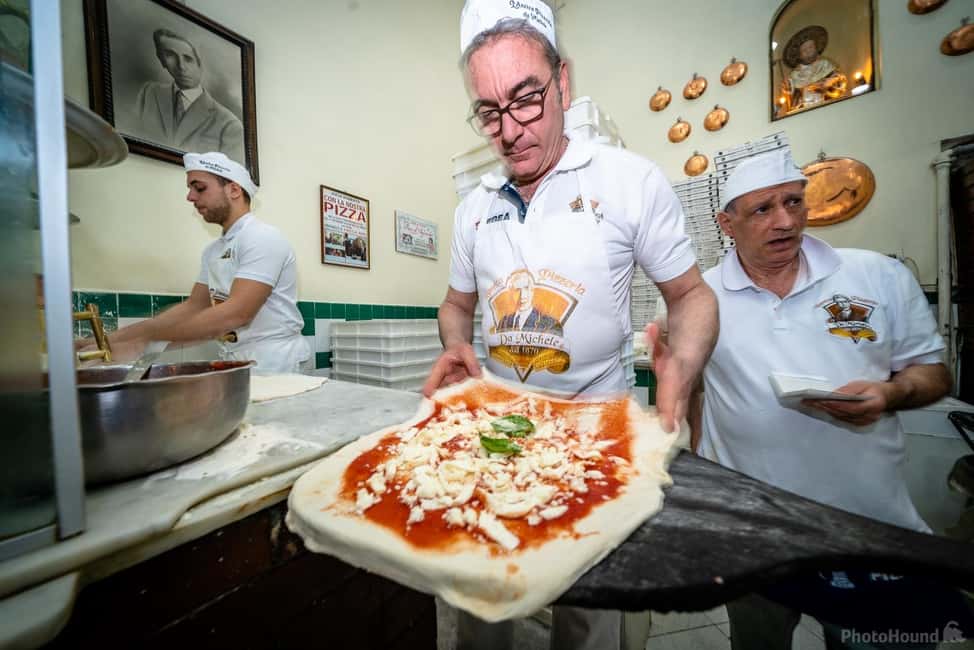
- You knead and bake your own Neapolitan pizza, using a wood-fired oven and real technique, not shortcuts
- San Marzano tomatoes + mozzarella di bufala (PDO) are part of the lesson, so your pizza tastes like the real deal
- Anna leads the class with charm and humor, and you get individual tips while you work
- You season and bake with timing in mind, so your pizza doesn’t end up pale, soggy, or overdone
- A pizza chef diploma caps the experience, plus the meal at your table
NaplesBay COOKING LESSON LAB: the spot that makes it feel real
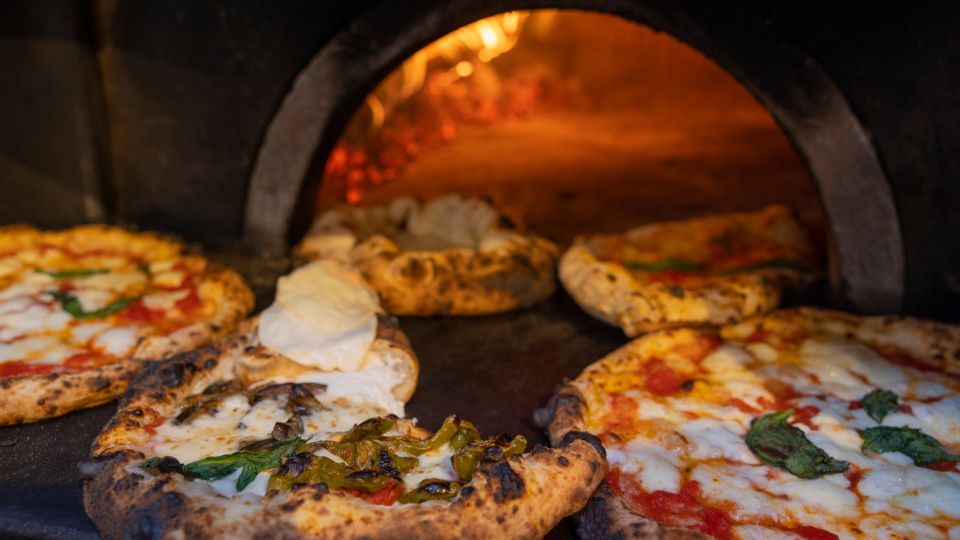
Naples is the place where pizza isn’t a trend; it’s daily food. This lesson helps you tap into that mindset quickly. You meet at NaplesBay COOKING LESSON LAB in the historical center, just a few minutes from Naples Cathedral of VIA DUOMO. If you’re using public transit, LINE 1 Duomo is the station stop that keeps you close.
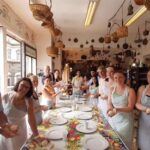
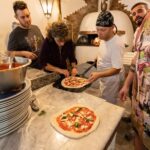
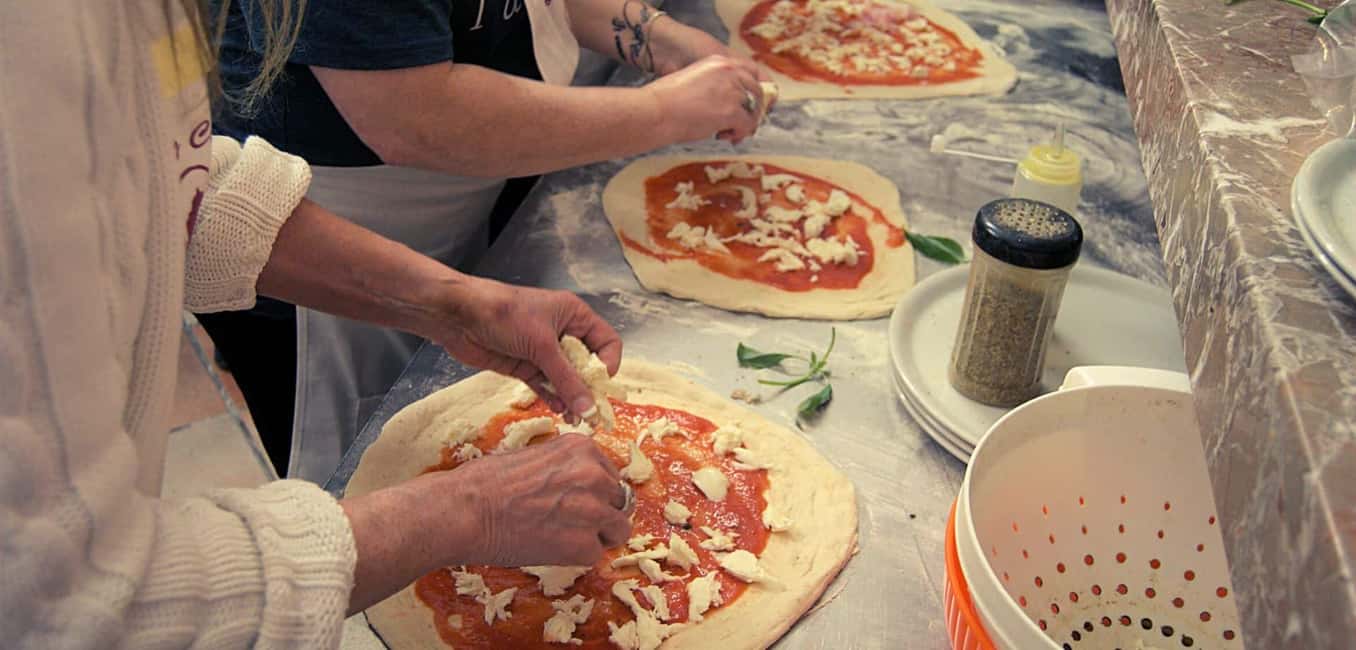
Once you’re inside, the pace is practical. You’re not waiting around for long presentations. You get set up with a typical pizza maker’s apron and move to the kneading table area, where the lesson becomes physical and focused. That’s a big part of why people enjoy it: your attention goes into the dough and the oven timing, not into translation of food theories.
Also, I like that the vibe stays relaxed. In the class I attended, the instructor’s style (Anna’s charm and wit) kept it light without turning the training into a joke. You still learn the rules, like how leavening works, how to treat the dough, and what to do when the dough feels slightly different from what you expected.
If you want a Naples memory that isn’t just photos, this format helps. You leave with a mental recipe: how the dough should look and feel at each step, and when to move from kneading to seasoning to baking.
You can also read our reviews of more tours and experiences in Naples

The 2-hour plan: from dough to wood-fired oven
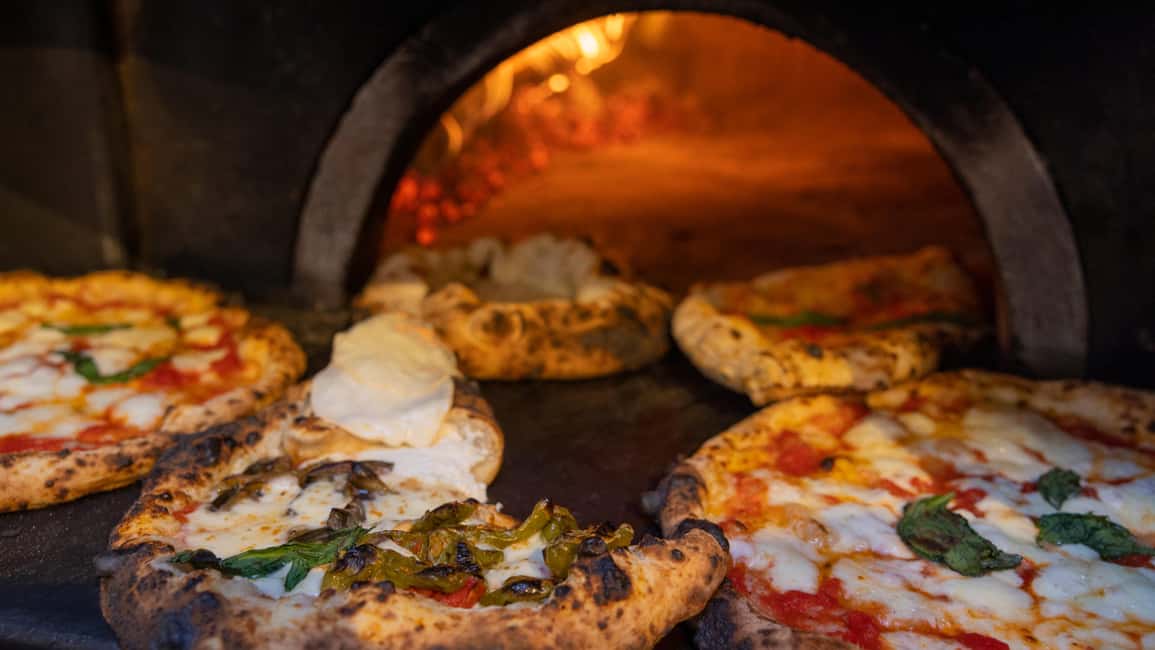
This experience runs about 2 hours, which is perfect for a hands-on food class. Not too short that it feels rushed, and not so long that you lose the thread.
The flow is basically:
- Learn the Neapolitan process (leavening, dough handling, seasoning rules)
- Knead your dough with your own hands
- Bake in a traditional wood-fired oven
- Eat your pizza at the table with the meal extras
What makes that structure valuable is how it trains your brain for cooking at home. You don’t just taste the result. You build a sequence: dough preparation → shaping → sauce and cheese decisions → oven timing. That’s what lets you repeat it later, even if your home kitchen doesn’t have a Naples wood-fired setup.
And because it’s a workshop, you get instruction as you go. That matters because dough is reactive. Flour, humidity, and your own kneading pressure can change how the dough behaves. Good coaching helps you correct quickly instead of waiting until you already made a mistake that can’t be fixed before baking.
Kneading like a Neapolitan: the technique you actually need
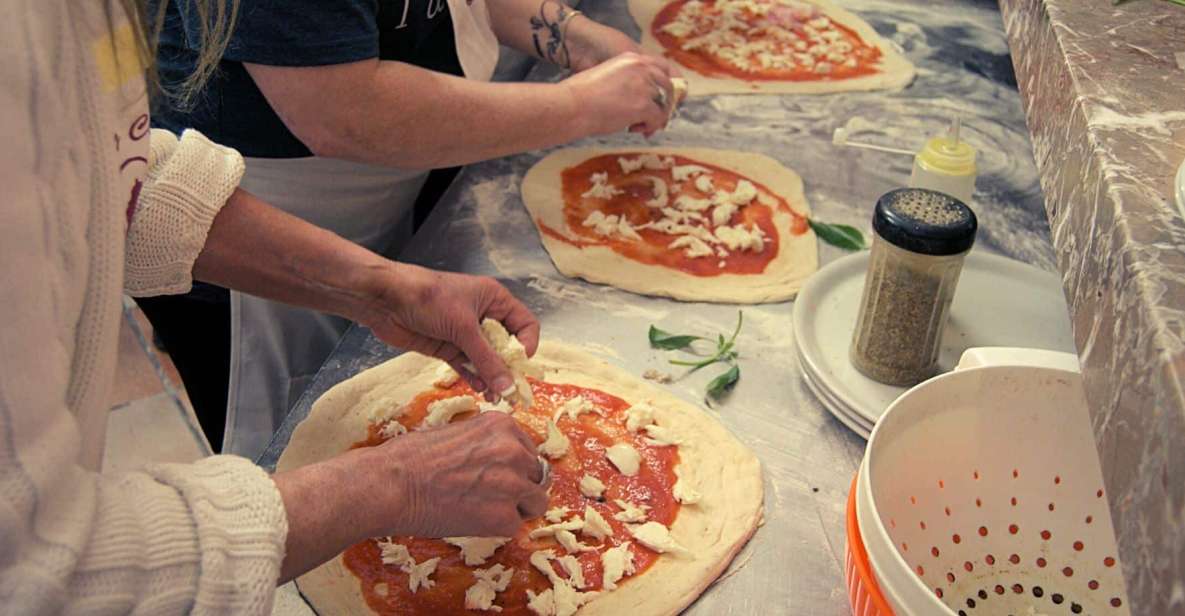
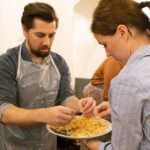
If there’s one moment that defines this lesson, it’s the kneading. The workshop is built around teaching you how to knead pizza dough with your own hands, not just how to talk about kneading.
In practice, the instruction focuses on the feel: how the dough becomes smoother, more elastic, and more workable as you work it. Neapolitan pizza dough has a specific character, and your goal is to get it to the right stage so it stretches properly later and bakes with a good texture.
I also liked the way coaching was individualized. In the class atmosphere, Anna gave different tips depending on what each person was doing. That’s a huge advantage compared to classes where everyone gets the same lecture and you’re left guessing. When someone points out a small issue while you’re still at the kneading stage, you save the dough from ending up too tight, too sticky, or uneven.
A practical tip for you: stay present. Kneading requires attention. If you’re distracted, your dough will tell on you. But if you focus, you’ll start recognizing the signs quickly. That learning is one of the best parts of taking a cooking class like this in Naples—it’s sensory, fast, and very teachable.
San Marzano tomatoes and mozzarella di bufala: why the toppings matter
A Neapolitan pizza is only as good as its foundation, and here the ingredients are part of the lesson. You’ll learn about the use of San Marzano tomatoes and how they’re handled, plus the processing and use of mozzarella di bufala, a PDO product of local excellence.
Why this matters for your results: topping quality changes the final bake. Tomatoes that are treated correctly won’t overwhelm the dough. Mozzarella di bufala behaves differently than generic mozzarella, especially in how it melts and how it contributes to that classic Neapolitan texture.
The workshop also covers seasoning and cooking times. That’s the difference between copying ingredients and actually cooking the pizza properly. You might have great cheese and tomatoes at home, but without the right approach, you can still end up with a pizza that feels heavy or bland.
One more thing I appreciated: the class doesn’t talk about ingredients like they’re trophies. It treats them like working components. You learn what they do and how to use them in a way that supports the oven and the dough.
Shaping, seasoning, and timing: where most home attempts go wrong
After kneading, the focus shifts to shaping and seasoning in the Neapolitan style. This is where most people struggle when they try to recreate pizza at home. The dough can be decent, but the pizza ends up under-seasoned, over-loaded, or baked at the wrong time.
Here’s what you’ll walk away understanding:
- How to season in a way that stays balanced (not drowning the dough)
- Why cooking time matters to the final texture
- How the oven’s behavior affects what you should do next
The lesson includes cooking times and the use of utensils, so you’re not improvising with random kitchen tools. You get the rhythm of how to build a pizza that can handle a wood-fired bake.
Also, because this takes place in Naples with a traditional setup, the cues feel real. Wood-fired ovens don’t behave like typical home ovens. Heat comes fast and intense. That means the right timing is not optional. When the instructor explains when to bake and how to manage the process, you start to understand the logic behind the Neapolitan style, not just the steps.
And yes, your pizza comes out better when you trust the process and don’t overload the dough. The class helps you understand why.


The wood-fired oven moment: the payoff
This is the part you’ll remember. You bake in a traditional wood-fired oven, which is where your pizza’s final texture comes together.
In a lesson like this, baking isn’t just the last step—it’s feedback. The dough you kneaded and the toppings you applied show up as crust structure, bubbling, and the overall bake quality. If you kneaded well and respected the seasoning, the pizza bakes into that classic Neapolitan feel.
This is also where Anna’s approach lands. In a fun, no-stress way, she gives you the kind of corrections that matter right before baking. That timing is key. You’re not learning only in theory. You’re learning while the pizza is actively changing.
Practical advice for you in the oven stage: be ready when your pizza goes in. Have your head up. Don’t wander. Wood-fired baking moves quickly, and the best results come from staying attentive to what’s happening to your pizza.
Once your pizza is ready, you don’t just take it to go. You sit down and eat it comfortably at your table. That matters because you can actually taste the difference you created with your hands.
What’s included with your pizza: bruschetta, wine, and lemon sorbet
After baking, the meal part is part of the experience, not an afterthought.
You’ll enjoy your pizza with a Neapolitan appetizer that includes cherry tomatoes, mozzarella, homemade bread, and extra-virgin olive oil. Then you’ll also have a taste of bruschetta, along with a glass of wine. If you prefer, the class includes a choice of wine, beer, or soft drinks. Lemon sorbet rounds out the meal.
This is a smart setup for value. You get the training and you also get a proper tasting session where you can compare flavors. You’ll notice how the tomatoes and mozzarella taste in different forms—on the appetizer, in the pizza, and alongside the bruschetta.
And it feels very Naples: not a big formal banquet, but a sit-down meal that connects cooking with eating. That’s what makes this kind of class more than a cooking demo. The pizza is the center, and everything else supports it.
At the end, you also receive a pizza chef diploma. It’s a small thing, but it gives the experience a clear finish point and makes it feel like you earned something.
Price and value: is $92 per person fair for Naples?
$92 per person for a 2-hour hands-on pizza lesson in Naples can sound like a lot until you break down what you’re actually getting.
For that price, you receive:
- An instructor chef and a structured workshop
- Apron, ingredients, and utensils
- Your own pizza plus the included meal items
- A choice of drink for the meal (wine/beer/soft drinks)
- A pizza chef diploma
The value comes from the fact that you’re not only tasting pizza. You’re getting guided training through the steps: dough handling, seasoning, and wood-fired baking. That’s time plus skill transfer plus ingredients. You also get a real ingredient focus—San Marzano tomatoes and mozzarella di bufala—so you’re not learning a technique using generic shortcuts.
Could the cost be high if you’re only looking for a quick bite? Sure. But if you want a practical skill you can repeat later, it’s a reasonable spend for what’s included.
My rule: if you enjoy cooking and you like eating the result you make, this price usually feels fair. If you’re mostly there for a snack or you dislike cooking tasks, look for something simpler.
Who should book, and who should skip
This lesson is best for you if:
- You like hands-on activities more than watching
- You want to learn the Neapolitan method using traditional ingredients
- You’d enjoy baking in a wood-fired oven with real coaching
- You’re the type who tries to recreate food at home and wants the steps to make sense
It may not suit you if:
- You have gluten intolerance, since it’s not suitable for gluten intolerance
- You want a longer event with more sightseeing elements, because this is focused on cooking rather than city touring
- You’re not comfortable getting involved in dough work
Also, if languages matter, the class is taught in Italian, English, French, and Spanish, which makes it easier to follow instructions without guessing.
Should you book this Neapolitan pizza lesson?
If you want a Naples experience that teaches you something real, this is an easy yes. The biggest strengths are practical: you knead, you shape, you bake in a wood-fired oven, and then you sit down to eat what you made. The ingredient focus (San Marzano tomatoes and mozzarella di bufala PDO) helps your pizza taste right, while the individual coaching style—Anna’s charm and specific tips—keeps the class feeling personal.
I’d book it if you’re curious about why Neapolitan pizza works and you want a skill you can reuse later, not just a meal.
Skip it if you need gluten-free options or you’re looking for a casual food stop without any hands-on work.
FAQ
How long is the pizza lesson?
The workshop lasts 2 hours.
Where do I meet for the lesson?
You meet at NaplesBay COOKING LESSON LESSON LAB, about 3 minutes from Naples Cathedral of VIA DUOMO, in the historic center.
What is the price per person?
The price is $92 per person.
What does the class include?
It includes an instructor chef, workshop session, a Neapolitan appetizer (cherry tomatoes, mozzarella, homemade bread, and extra-virgin olive oil), an apron, your pizza, use of utensils, ingredients, a choice of wine/beer/soft drinks, and a pizza chef diploma.
Is wine included?
Yes. You can choose wine, beer, or soft drinks, and the meal includes a first glass or drink.
What else do I eat besides my pizza?
You’ll also have bruschetta and lemon sorbet as part of the experience, along with the appetizer.
What languages are available for the instructor?
The instructor teaches in Italian, English, French, and Spanish.
What oven will I bake in?
You bake in a traditional wood-fired oven.
Is this experience suitable for gluten intolerance?
No, it’s not suitable for people with gluten intolerance.
What if I want to change my plans?
Free cancellation is available up to 24 hours in advance for a full refund, and you can reserve now and pay later to keep plans flexible.