REVIEW · NAPLES
Full-day Sorrento, Amalfi Coast, Pompeii from Naples or Salerno
Book on Viator →Operated by Mondo Guide Srl · Bookable on Viator
One day can’t cover the Amalfi Coast and Pompeii well. This tour does it by keeping each stop focused, including port pickup/drop-off and an organized Pompeii guided visit. I like that you get real walking time in Positano and Sorrento instead of just a drive-by, and I also like the way Pompeii is handled with a guide for a clear, manageable route. The main drawback is simple: you’ll move quite a bit, and the cobblestones and hills in these towns can feel tough if you’re not used to that.
In This Review
- A realistic way to see Amalfi and Rome’s ruins
- Quick hits you’ll care about
- How the day actually runs (and why that matters)
- Groups and guides: what changes for you
- Positano’s steep charm: ceramics, lemons, and quick photo stops
- What to do in your hour
- The reality check
- Sorrento: a gentler pace with views of Capri and Vesuvius
- What makes this stop worth it
- Possible drawback
- The Amalfi Coast drive: where the scenery is the main attraction
- How to handle the photo problem
- Pompeii in 2 hours: guided ruins that actually make sense
- What you’re paying for (and what you’re not)
- Why the guide matters in Pompeii
- A historical snapshot you’ll feel on site
- The practical drawback
- What’s included, what costs extra, and what it means for your budget
- Lunch timing: plan for your choices
- Port pickup, meeting point, and how to avoid the usual cruise-day chaos
- Return-to-ship timing: the big reassurance
- Who this tour suits best (and who should rethink it)
- Should you book this Naples day trip?
A realistic way to see Amalfi and Rome’s ruins
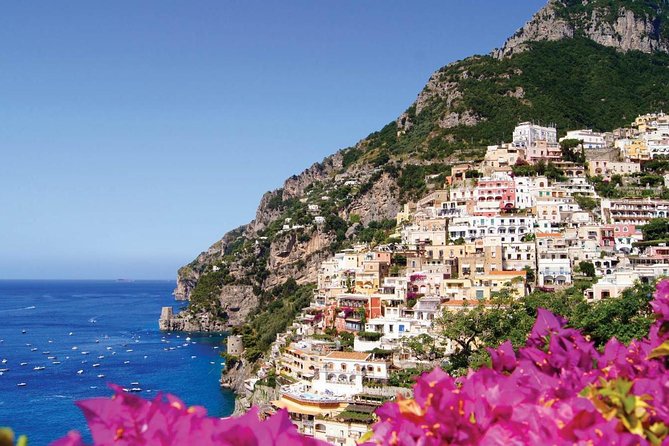
This is built for cruise schedules, so the day runs on a timetable. You’ll ride in an air-conditioned minivan, enjoy the scenic drive along the UNESCO-listed coastline, and then finish with the heavy-hitter: Pompeii’s Roman streets and buildings. If you want the big names without the stress of transfers and ticket timing, it’s a practical fit.
One more note I’d plan around: Pompeii admission isn’t included, so you’ll pay the entrance fee on arrival (cash). Still, the guided portion is what turns Pompeii from a scatter of ruins into a story you can follow.
Quick hits you’ll care about
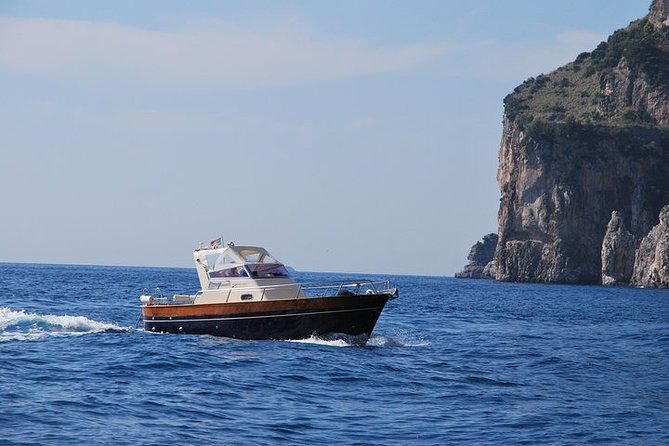
- Port pickup and return that matches cruise timing, so you’re not guessing about traffic
- One-hour free time in Positano, plus one-hour free time in Sorrento for photos and street wandering
- Guided Pompeii time with an English-speaking guide, sized for small-group comfort (small groups in the van, larger group with guide in the minibus)
- UNESCO Amalfi Coast viewpoints along the drive, where the scenery does the talking
- Pompeii admission is extra (paid in cash on arrival), while the core tour structure is included
You can also read our reviews of more tours and experiences in Naples



How the day actually runs (and why that matters)
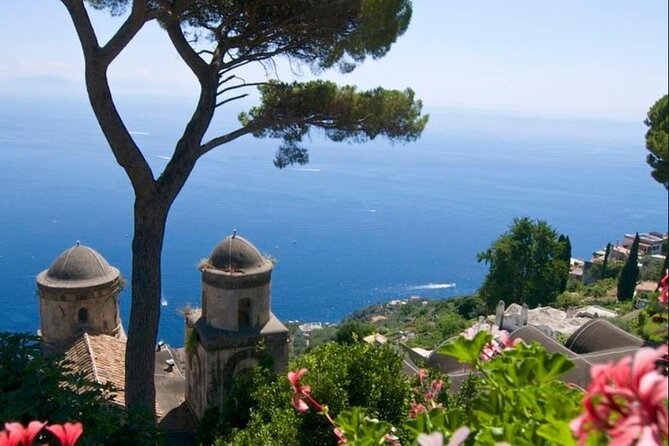
The tour starts at the Naples cruise port with pickup from right outside customs at the Cruise Terminal Building–Stazione Marittima Building. You’ll then head toward the Amalfi Coast first, with Positano as your first stop. The pacing is deliberate: one scenic ride, one compact town block, another town block, and then Pompeii at the end.
From a value standpoint, this approach works because it reduces the chaos that hits most cruise shore days. Instead of spending your energy figuring out buses, parking, or where to begin, you get dropped off where it’s worth your time. The tradeoff is you won’t have hours and hours in any single place. This is a highlights-and-structure day.
Groups and guides: what changes for you
Your group size affects how you experience the day:
- For groups of 6–8, you share an 8-seat van with an English-speaking driver, and you’re met by a Pompeii guide for the ruins.
- For groups of 9–21, you ride in a 21-seat minibus with an English-speaking guide for the entire excursion.
Either way, Pompeii gets an English guide. The names show up in the reviews—drivers like Francesco (Frank), Vincenzo, Eduardo, Genaro, and Marco; Pompeii guides like Roberta and Andrea—but your actual pairing depends on the day.
Positano’s steep charm: ceramics, lemons, and quick photo stops
Positano is the kind of town that looks like it’s pouring straight into the sea. You’ll arrive and then have about one hour of free time. That’s short, but it’s enough to get that first hit: the pastel building layers, the stair-and-slope streets, and the views that open up every time you turn.
What to do in your hour
You’ll likely find a mix of:
- Walking narrow paths between viewpoints
- Artisan ceramic shops (a common shopping stop here)
- Local lemon products—often including lemon-flavored snacks or drinks, though anything you buy is your expense
A small practical tip: choose one direction and commit. With only an hour, it’s easy to crisscross and end up nowhere near the best viewpoints.



The reality check
Positano is hilly and can be uneven underfoot. If you’re sensitive to steep inclines or cobblestones, you’ll want to plan your pace. Even in good shoes, expect effort.
Sorrento: a gentler pace with views of Capri and Vesuvius
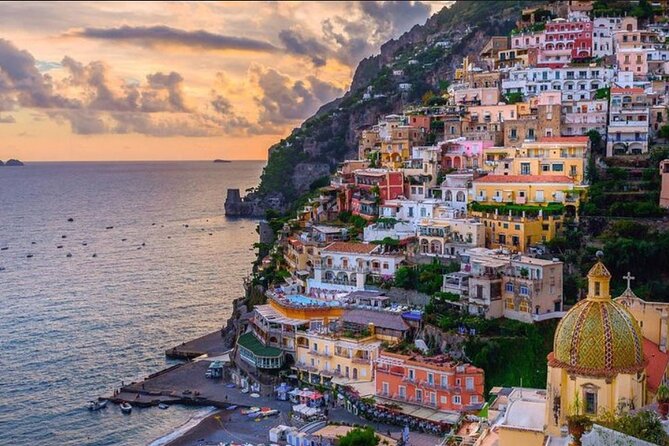
After Positano, you’ll drive about 40 minutes north to Sorrento. You’ll get another block of one hour of free time to explore.
Sorrento often feels more relaxed than Positano, which is exactly what makes it a smart second stop. You can wander, grab a coffee, and still have time to soak in the broader panorama. The drive context here matters too: you’ll be moving along a stretch where you can keep spotting Mount Vesuvius and Capri when the light is right.
What makes this stop worth it
In that hour, I’d prioritize:
- A short stroll for bay views
- A simple lunch or snack if you’re hungry (lunch is your expense)
- Quick breaks to watch the town’s rhythm without rushing
Capri and Vesuvius aren’t just scenic props; they’re part of why the region is so famous. Even if you never go to the islands, you get a sense of the geography that shaped daily life here.
Possible drawback
Because the schedule is tight, you won’t fit big-ticket experiences like museum visits or long lunches. If your idea of Sorrento is slow dining, treat the hour as sightseeing and stop-and-breathe time, not a full day.
The Amalfi Coast drive: where the scenery is the main attraction
Between Positano and Sorrento, and in the overall transfer time, the point is the road itself. This is where you enjoy the UNESCO-listed Amalfi Coast views from the comfort of an air-conditioned vehicle.
What’s useful here is that you’re not trying to park or navigate. You simply watch cliffside towns appear, then disappear around the next bend. In several reviews, drivers were praised for making the ride enjoyable—sometimes with extra information, sometimes with humor, and often by pointing out where to look for photos.
How to handle the photo problem
You’ll want your camera ready, but also remember: roadside pull-offs and photo moments are brief. Bring what you need, but don’t plan on perfect framing every time. Think of the Amalfi drive as a moving gallery.
Pompeii in 2 hours: guided ruins that actually make sense
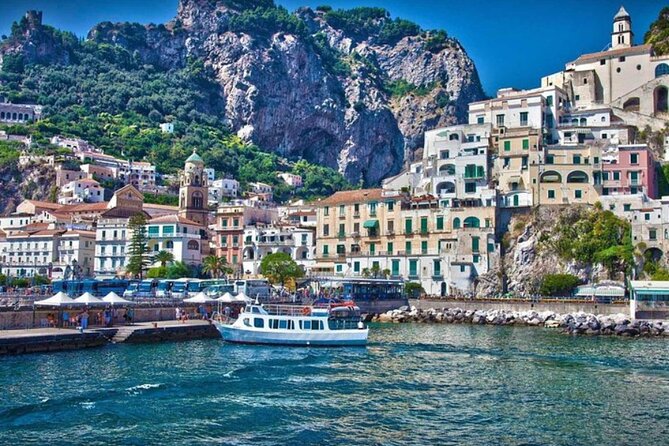
Pompeii is the anchor of this day. You’ll spend about two hours at the Archaeological Site of Pompeii with an English-speaking guide, in a small group format. The goal isn’t to race through everything—it’s to see the right parts and understand what you’re looking at.
What you’re paying for (and what you’re not)
Your tour includes the guided portion and the timing. However, Pompeii admission is not included. You’ll pay €22 in cash upon arrival. Plan for that in your day. If you forget, it can slow things down right when you want to be moving.
Why the guide matters in Pompeii
Pompeii is an open-air museum. Without structure, it’s easy to feel lost: walls, fresco fragments, doorways, and streets that look similar if you don’t know the story.
That’s where the guide makes the difference. The guides mentioned in the reviews—such as Roberta and Andrea—were described as strong at helping people understand daily life rather than turning the ruins into just a list of dates. If that’s your interest, the guided time is the key value.
A historical snapshot you’ll feel on site
Pompeii was buried in ash after a volcanic event, and it was only uncovered much later (with the site’s rediscovery commonly tied to the mid-1700s). Standing in those spaces, you get the sense of an ancient city preserved in place—streets and buildings that look eerily intact.
The practical drawback
Expect more walking and uneven ground. Even if you can do a few short steep climbs, Pompeii is a real archaeological site, not a smooth museum floor. If mobility is an issue, you’ll want to judge your comfort carefully.
What’s included, what costs extra, and what it means for your budget
Here’s the budget logic for this tour:
- Included: air-conditioned transportation, port pickup and drop-off, and Pompeii guiding (with English-speaking guide coverage based on group size)
- Not included: lunch and food/drinks
- Not included: Pompeii admission (€22 cash)
That mix is common for cruise shore excursions. The value comes from what you don’t have to organize: the transport and the guided Pompeii visit. You pay for on-site things directly, and you keep some flexibility with lunch choices.
Lunch timing: plan for your choices
Because lunch isn’t included, you’re free to eat where it fits your preferences. Just know that the day is timed, so pick something that won’t trap you in a long sit-down.
Port pickup, meeting point, and how to avoid the usual cruise-day chaos
The meeting point is outside customs at the Naples Cruise Terminal Building–Stazione Marittima Building. A map link is provided for the exact spot, and in practice that matters because cruise ports can feel like a maze on arrival day.
A few reviews praised the overall ease of pickup, but they also hinted that the meeting area can get crowded with multiple tours. My practical advice: arrive a little early, keep an eye out for your group sign, and avoid lingering far from where the port staff typically funnel people.
Return-to-ship timing: the big reassurance
One of the strongest promises in the tour details is that you’ll return to your cruise ship on time. That matters more than people expect—traffic can be unpredictable, and cruise lines are strict.
Who this tour suits best (and who should rethink it)
This day trip fits best if you want:
- Amalfi Coast highlights without planning intercity transport
- Positano and Sorrento as quick, focused town visits
- A guided Pompeii visit that helps you understand what you’re seeing
- A format made for cruise schedules
It’s less ideal if you:
- Can’t handle walking on hills and cobblestones
- Want lots of free time in just one town
- Prefer Pompeii without timed planning and guided pacing
Should you book this Naples day trip?
If your goal is to tick the big boxes—Positano, Sorrento, and Pompeii—while keeping stress low, I think this is a strong choice. The main reason is structure: you get scenic transfers, two short town blocks that work for photos and wandering, and then Pompeii with an English guide that makes the ruins feel coherent.
Book it if you’re comfortable with a day of movement and you can handle extra on-site costs like the Pompeii ticket and lunch. Skip it if you need a slower, more relaxing schedule or if uneven ground is a dealbreaker for you.
Before you click confirm, do two quick checks:
- Budget for €22 cash for Pompeii admission plus your meals.
- Be honest about your walking comfort on uneven surfaces and steep streets.
If weather turns rough, the tour requires good conditions, and you may be offered an alternative date or refund, so keep some flexibility in your cruise mindset.