REVIEW · NAPLES
Hypogeum of the Crystallines Standard Visit
Book on GetYourGuide →Operated by Ipogeo dei Cristallini · Bookable on GetYourGuide
Down in Naples, the past has color.
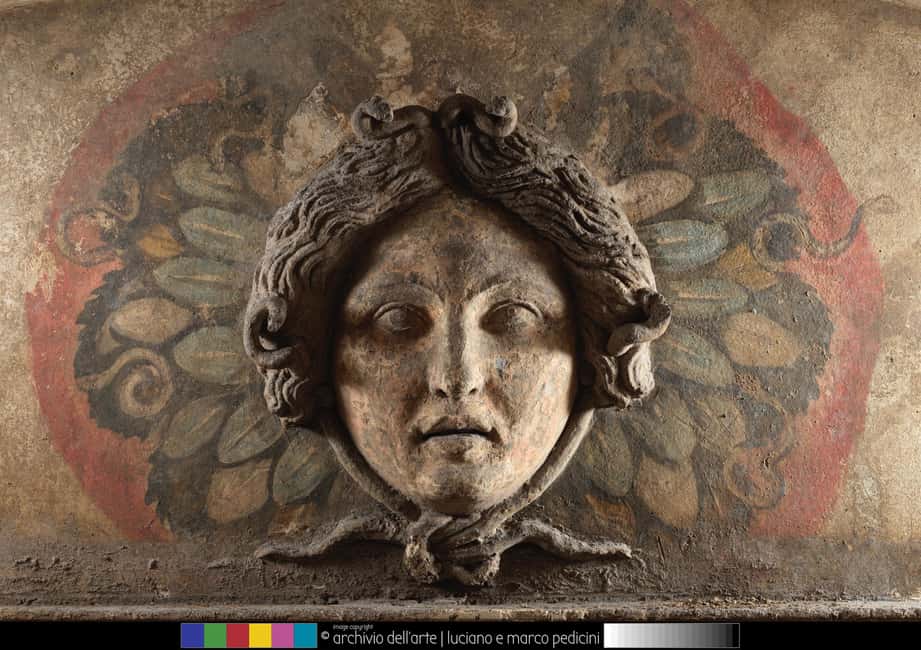
I especially love the well-preserved frescoes and the Medusa carved and painted by ancient Greeks. The main drawback? This is a tight visit at about 25 minutes, so you’ll want to focus on what you came for.
What makes this worth your time is the setting: you head underground and come up to an ancient world that still looks lived-in. You also get a small-group feel (up to 10), which helps you actually see the details instead of just moving past them.
In This Review
- Key highlights to look for
- Why the Hypogeum of the Crystallines is such a strong Naples stop
- Entering Neapolis: what happens the moment you go underground
- Neapolis street walk: a rare kind of archaeological viewing
- Frescoes and architecture: the details that make this one worth returning to
- The 1889 discovery story and why it feels personal
- Greek myths you can point at: Medusa in the Hypogeum
- Rione Sanità and the meaning of restoration
- Duration, group size, and price: is it good value for $11?
- Who this visit is best for (and who should think twice)
- Practical tips to get more from your 25 minutes
- Booking value: the “right time” to reserve
- Should you book the Hypogeum of the Crystallines visit?
- FAQ
- How long is the Hypogeum of the Crystallines standard visit?
- How much does it cost?
- Is it a small group tour?
- What language options are available?
- Do children get discounts or free entry?
- Can I skip the ticket line?
- Is the tour suitable for people with mobility or accessibility needs?
- What’s included besides the guided visit?
Key highlights to look for
- A real 12-meter descent into the underground Neapolis area
- Greek Hellenistic tombs with painted architectural details you can still study
- The story of the 1889 discovery tied to Baron Giovanni di Donato
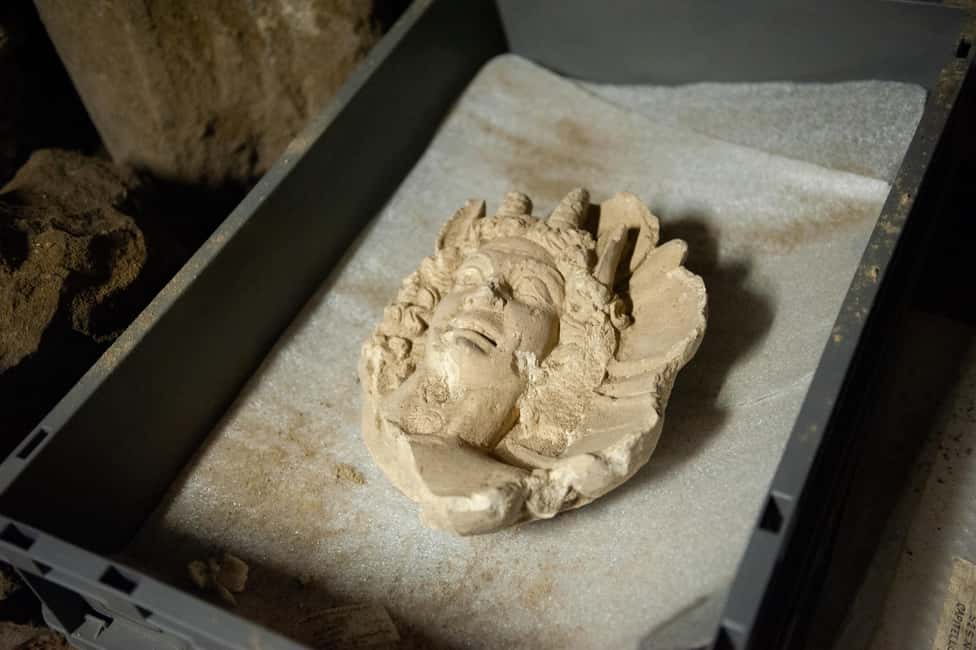
- A rare Medusa artwork attributed to ancient Greek carving and painting
- A guided walk on the original Neapolis road, not just a room-and-go viewing
- A virtual reconstruction video to help you connect what you’re seeing
Why the Hypogeum of the Crystallines is such a strong Naples stop
If you only have one or two “underground Naples” experiences, the Ipogeo dei Cristallini is a smart pick. It’s not just a tunnel or a quick look at ruins. You’re exploring an underground section tied to Neapolis, with carved and painted details that feel unusually intact for an ancient site.
The value here is in the combination: art, archaeology, and myth all share the same space. You’re looking at painted surfaces, architecture meant to frame stories of life and death, and Greek legends that Naples still carries today. It’s the kind of site that makes you slow down, even if your clock is ticking.
You can also read our reviews of more tours and experiences in Naples.


Entering Neapolis: what happens the moment you go underground
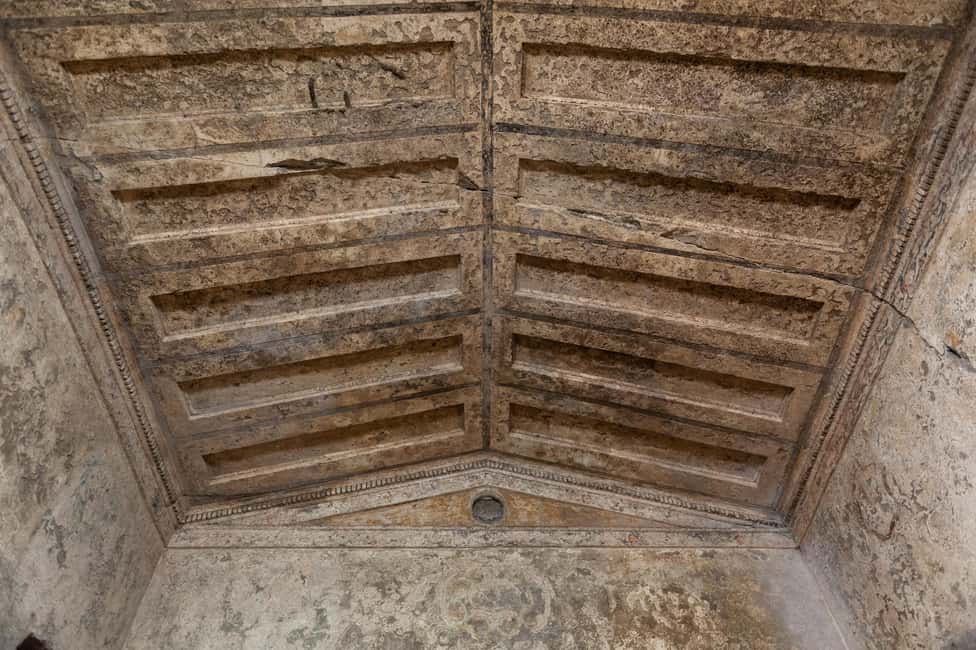
Your visit starts with a welcome from a local guide connected to Rione Sanità. From there, you’ll descend about 12 meters into the underground world of Naples, where the goal is to bring you back to Neapolis of the 4th century BC.
This descent matters more than it sounds. You feel the shift from modern street-level noise to a quieter, enclosed environment where the walls and ceilings become the main characters. The experience is built to help you read the site: you’re not just walking through a space—you’re walking through a preserved idea of a city.
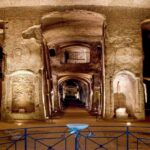
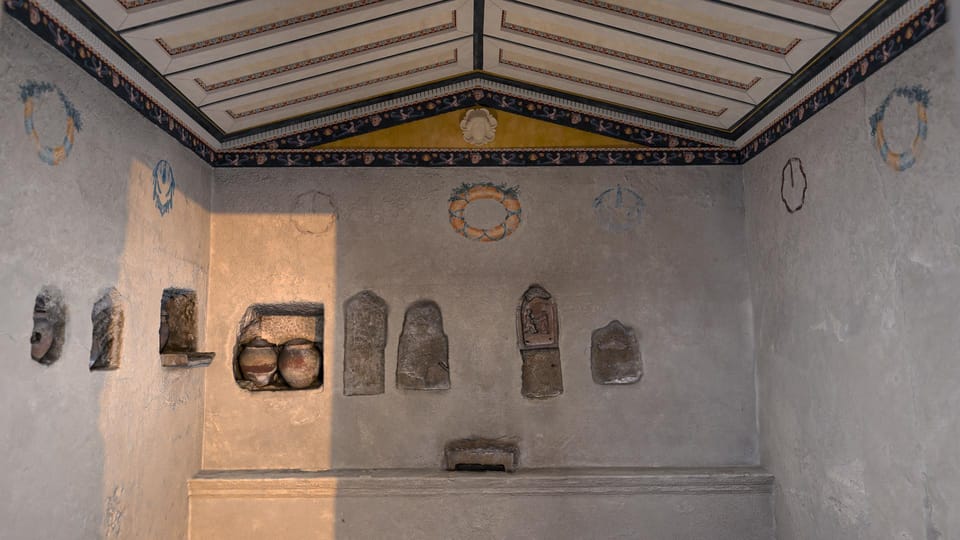
Expect architectural remnants that include four Hellenistic tombs, beautifully carved and painted. Even if you’re not a museum person, you’ll likely recognize how rare it is to still see color and design elements tied to ancient Greek work.
Neapolis street walk: a rare kind of archaeological viewing
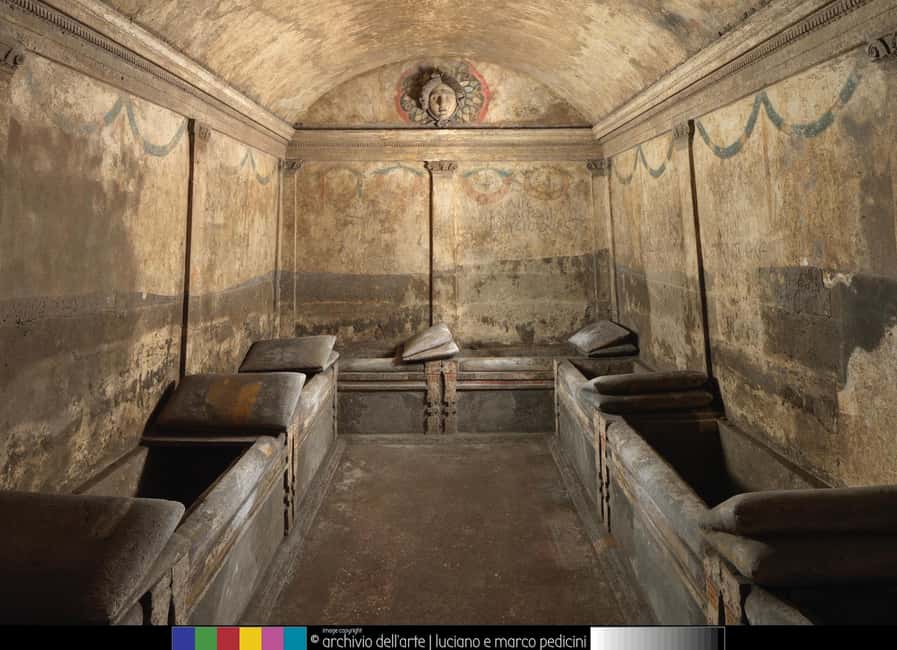
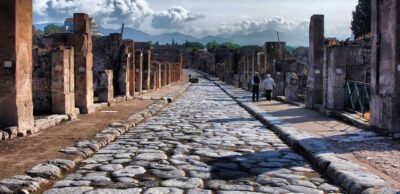
A standout part is the walk along the ancient road of Neapolis. Instead of staring at artifacts behind glass, you move through the space they were meant for. That changes your understanding fast. The floor under your feet and the way the walls frame space make the site feel like a place with movement, not just a display.
The site also helps you connect the dots between street-level Naples and the ancient layers below. You’ll see how the “underground city” concept in Naples isn’t a vague idea—it’s built from real streets, real tombs, and real carved design.
One small consideration: because this is underground and designed as a historical space, you may feel the conditions more than you would in an outdoor ruin. If you’re sensitive to enclosed spaces, plan for that mentally.
Frescoes and architecture: the details that make this one worth returning to
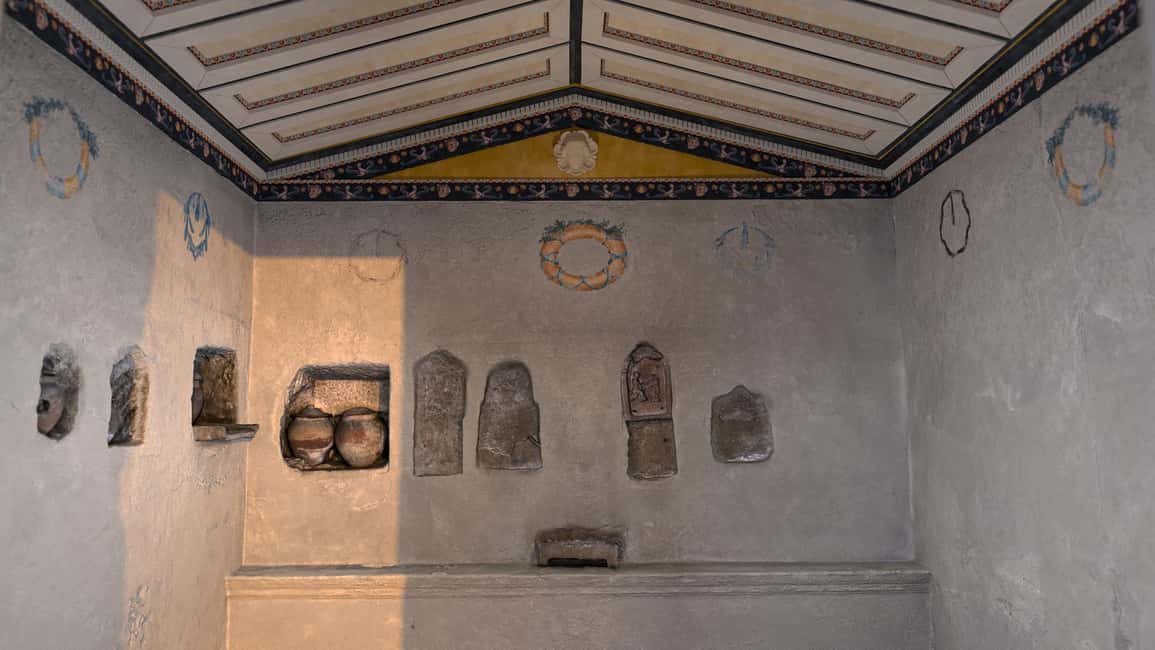
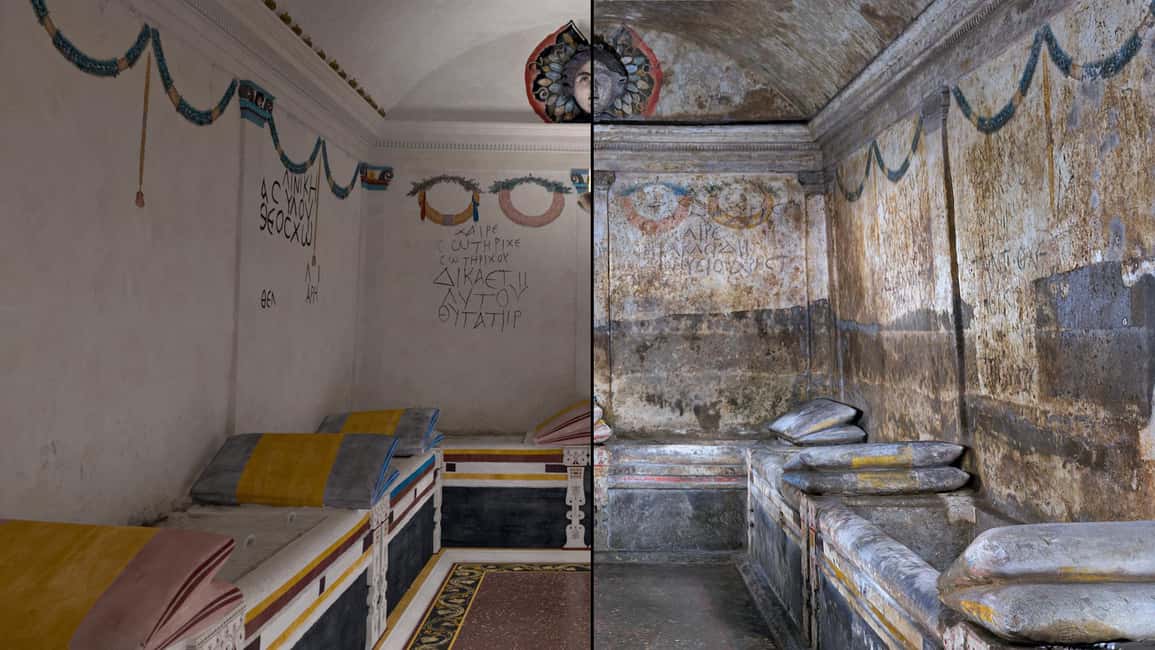
The strongest praise for this visit is almost always the same theme: the site is very well preserved, especially the painted surfaces. You’ll be guided through the frescoes, architecture, and the design elements that help you picture what people believed and how they decorated spaces around major life themes.
You’ll likely spend time looking at:
- painted sections that still show “workmanship” rather than only faded shapes
- carved architectural elements that create structure inside the tomb spaces
- the overall layout that turns a tomb setting into a storytelling environment
This is also where the Greek-and-Roman mix shows up. The experience is described as a fusion where Greek origins meet Roman artistic additions, and you can see the results in the way styles blend across the site. That matters for you because it explains why the Hypogeum doesn’t feel like a single, frozen moment. Naples layers cultures—then keeps them.
Also, you get a video with a virtual reconstruction. It’s there to help you connect the site you’re standing in with how it may have looked in its original context. When used well, that kind of tool makes the details make more sense.
The 1889 discovery story and why it feels personal
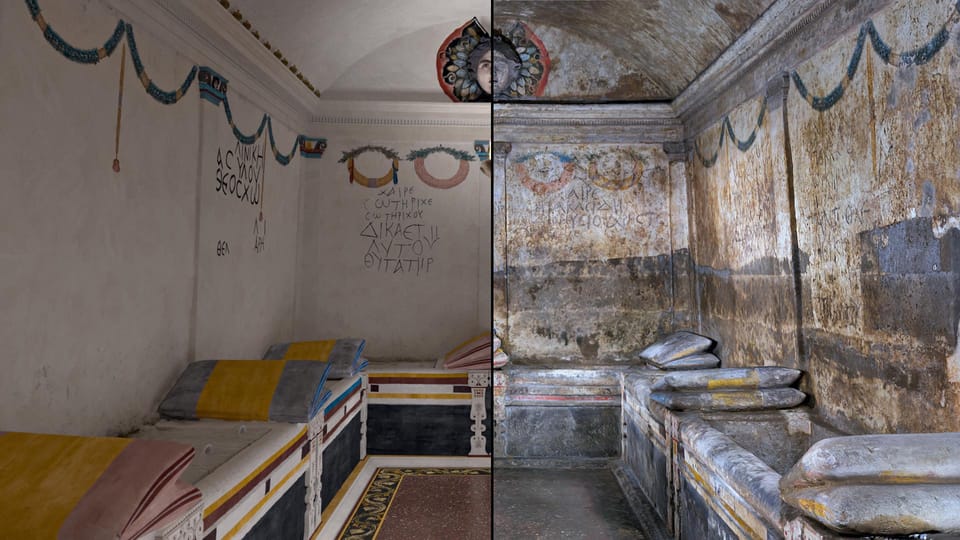
This isn’t only about ancient Naples. It’s also about how modern Naples learned to look at what was already underfoot.
You’ll hear the story of the Hypogeum of the Crystallines discovery in 1889 by Baron Giovanni di Donato. Knowing a site’s discovery story changes how you view it. Instead of thinking you’re seeing a “finished museum object,” you’re remembering that the site was uncovered through curiosity and the chance timing of history.
That human angle adds a layer of meaning, especially in a city like Naples where layers of time are everywhere—but rarely preserved in such a compact, readable way underground.


Greek myths you can point at: Medusa in the Hypogeum
Let’s talk about the star: the Medusa.
You’ll be able to admire the carved and painted Medusa created by ancient Greeks. The way this is described—as a precious unicum in the world—isn’t just hype. What makes it powerful is that Medusa isn’t treated like a random decoration. It’s presented as part of a myth-driven visual program, tied to ancient ideas about protection, fear, and the boundaries of life and death.
For you, that means the artwork isn’t only visually interesting. It becomes a clue. You’re not just seeing an image—you’re seeing how myth was used in real spaces, for real people, in real city life.
One more reason this section works: the guide ties the Medusa into the broader themes of the site, including the way ancient designs handled family, care, love, friendship, and mortality. If you like when art and meaning stay linked, you’ll appreciate this part.
Rione Sanità and the meaning of restoration
You’ll also learn about the powerful history of Rione Sanità and the sociocultural redevelopment process connected to the area. This matters for the kind of traveler you want to be: someone who doesn’t treat ruins like props for photos.
In practice, it means your guide is likely framing the Hypogeum not just as an ancient artifact, but as part of a living neighborhood story. When historic spaces are maintained and interpreted responsibly, they can shape community pride and keep local voices involved in what tourism shows.
So yes, you get ancient art. But you also get a reminder that heritage is not only ancient. It’s current. It has to be protected, explained, and kept relevant.
Duration, group size, and price: is it good value for $11?
At about 25 minutes, this is a short experience by design. For me, that’s not a negative. It’s a way to deliver the most important points—frescoes, architecture, tomb details, the Medusa, and the discovery story—without turning the visit into a marathon.
The price is listed as $11 per person, which is a solid value if you care about preservation and guided interpretation. You’re paying for access to a specific underground site, a guide welcome connected to Rione Sanità, and structured time in the space. You’re also skipping the ticket line, which helps if you’re trying to stitch together a day around Naples sights.
Group size is capped at 10 participants. That matters more than you’d think. In places with tight viewing angles, a large group makes you rush. A smaller group helps you pause and see.
Here’s the one timing consideration to keep in mind: because it’s short and starting times depend on availability, you should plan your schedule around the departure you choose rather than assuming you can arrive “anytime.”
Who this visit is best for (and who should think twice)
This is a great match if you:
- love archaeology that’s readable, not just fenced-off stones
- want Greek myth imagery in a real, preserved setting
- prefer small groups and clear guidance
- like experiences that connect ancient art to Naples neighborhoods today
It might be less ideal if:
- you need a long, unhurried museum-style pace
- you struggle with enclosed spaces
- you’re expecting a full-day deep dive across multiple sites
Also consider the age rule. Children 8 to 12 are free, but children under 8 are not permitted. If you’re traveling with very young kids, this won’t work as planned.
Practical tips to get more from your 25 minutes
You’ll get the most out of this visit if you arrive ready to focus. Here are simple ways to make it pay off:
- Decide what you’ll look for first: frescoes, the Medusa, or the tomb architecture. It helps you keep moving with purpose.
- Take notes mentally: the Greek-to-Roman fusion and the 1889 discovery are key themes—link them to what you see.
- Use the virtual reconstruction video as a “map,” not a distraction. It should guide your attention underground.
- Go at the pace the guide sets. This site rewards close watching more than rapid scanning.
If you’re sensitive about accessibility, plan ahead. The site has architectural barriers due to its historical nature. If you have mobility needs, contact the provider before your visit to check what access will realistically look like for you.
Booking value: the “right time” to reserve
This is one of those experiences where reserving ahead makes your day smoother. Starting times depend on availability, and the visit is only 25 minutes, so choosing the slot that fits your schedule is worth the effort.
You can also reserve and pay later, keeping travel plans flexible. And if plans change, free cancellation up to 24 hours before is offered for a full refund.
Should you book the Hypogeum of the Crystallines visit?
Yes, if you want a Naples experience that’s small-group, guided, and focused on preserved detail. For the money, you’re getting a real underground look at Neapolis, a guided walk on an ancient road, four painted and carved Hellenistic tombs, and a Medusa you can actually see.
I’d skip it only if you’re looking for something long and slow, or if access concerns make you unsure about comfort and movement underground. Otherwise, this is the kind of site that makes Naples feel older than your calendar—and more interesting than a typical postcard stop.
FAQ
How long is the Hypogeum of the Crystallines standard visit?
The standard visit lasts about 25 minutes. Starting times depend on availability.
How much does it cost?
The price is listed as $11 per person.
Is it a small group tour?
Yes. It’s limited to small groups of up to 10 participants.
What language options are available?
The guide or host availability includes Italian, English, Spanish, and French.
Do children get discounts or free entry?
Children aged 8 to 12 are free. Children under 8 are not permitted.
Can I skip the ticket line?
The experience includes skipping the ticket line.
Is the tour suitable for people with mobility or accessibility needs?
The site has architectural barriers due to its historical nature. Visitors with disabilities are asked to contact the provider before their visit to assess possible access.
What’s included besides the guided visit?
You’ll receive a guide welcome, a guided look at the frescoes, myths, and architecture, a walk on the ancient road of Neapolis, and a video with a virtual reconstruction of the archaeological site.