REVIEW · NAPLES
Naples: Cook 3 Authentic Recipes in a Local’s Home
Book on Viator →Operated by Cesarine: Cooking Class · Bookable on Viator
Naples smells like dinner for a reason. This private cooking class in a real local home teaches you three classic Neapolitan recipes and turns them into a sit-down meal with wine, all in about three hours.
You get hands-on coaching with a chef in the same room, not a demo you watch from afar. I like how the menu focuses on real, recognizable Neapolitan favorites, like pasta (including options such as spaghetti alle vongole) and desserts such as pastiera, babbà, and tiramisu.
One thing to consider: because it’s inside a private home, the exact address is handled carefully, and a couple of people have struggled with finding the place when instructions weren’t clear. If you’re the type who likes effortless navigation, read the meeting instructions closely and message early.
In This Review
- What I’d Prioritize: Why This Class Feels Worth It
- Key Highlights You’ll Care About
- Cooking in Naples: What Makes a Cesarine-Style Class Different
- The 3-Hour Flow: From Kitchen Start to Dessert Finish
- The First Course: Seasonal Starter, Neapolitan-Friendly by Design
- The Main Event: Pasta That You’ll Recognize on Sight
- Dessert Finish: Pastiera, Babbà, or Tiramisu-Style Sweetness
- What You Actually Learn (Beyond Recipes)
- Technique wins: pasta control and sauce sense
- The Meal Part: Wine Included, Dinner-Table Vibes
- Price and Value: Is $118.94 a Good Deal?
- Logistics That Matter: Finding the Home Without Stress
- Who This Naples Class Fits Best
- Should You Book? My Honest Recommendation
- FAQ
- What is the duration of the Naples cooking class?
- Is this a private cooking class?
- What language is the class offered in?
- What food will I cook and eat?
- Is wine included?
- Where does the experience start and end?
- Is there a mobile ticket?
- Is it near public transportation?
- Can the menu be adjusted for dietary needs?
- How far in advance should I book?
- Is free cancellation available?
What I’d Prioritize: Why This Class Feels Worth It
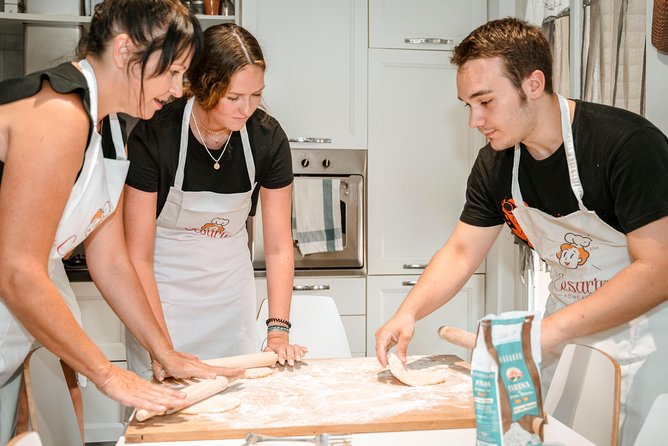
First, I really like the private format. Only your group is in the kitchen, so your instructor can correct what you’re doing, not just answer questions between courses.
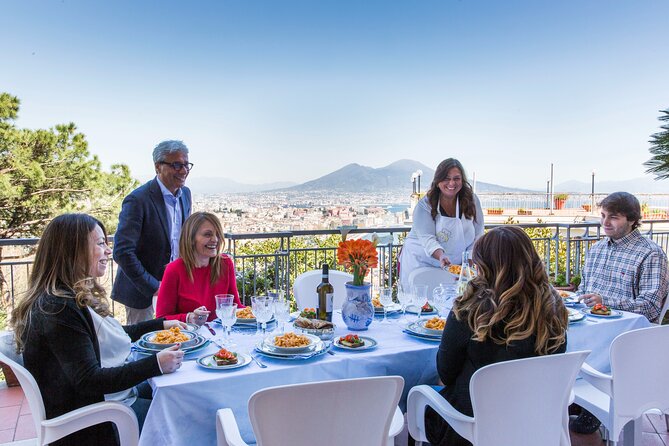
Second, I love the way the meal is built around the cooking. You’re not just tasting Naples—you’re making it, then eating your starter, main, and dessert as a proper 3-course sit-down, paired with local wine.
The tradeoff is logistics: you’ll be relying on your host’s guidance to find the home kitchen. In one case, the host’s messaging details and the final location instructions didn’t match expectations for a booking, so you should plan to communicate quickly once you have the details.
Key Highlights You’ll Care About
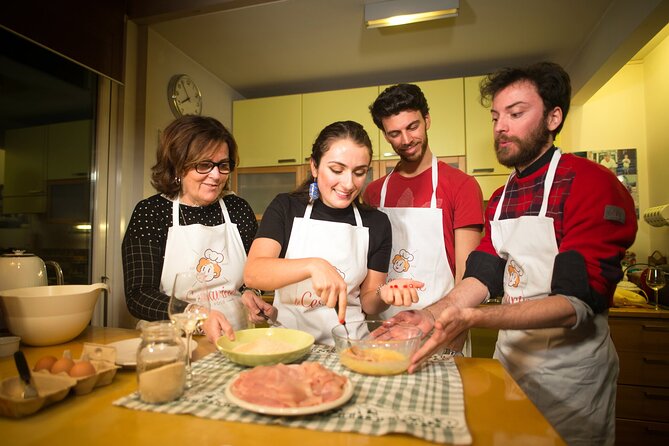
- Private class in a chef’s home: real kitchen time with your instructor, not a group show.
- Classic Neapolitan menu structure: starter + pasta main + traditional dessert.
- Wine included with your meal: you cook, then you eat like you mean it.
- Hands-on coaching: you learn techniques and not just which ingredients go where.
- Menu adjustments happen: some hosts have catered to dietary needs when asked.
- Hosts bring personality: many classes feel like dinner at a friend’s place, not a school.
You can also read our reviews of more tours and experiences in Naples.

Cooking in Naples: What Makes a Cesarine-Style Class Different
If you’ve ever taken a cooking class that felt like a tourist activity, this is the opposite vibe. The point isn’t to teach “generic Italian food.” It’s to show how Neapolitans actually think about dinner: simple ingredients, smart technique, and a strong opinion about what the dish should taste like.
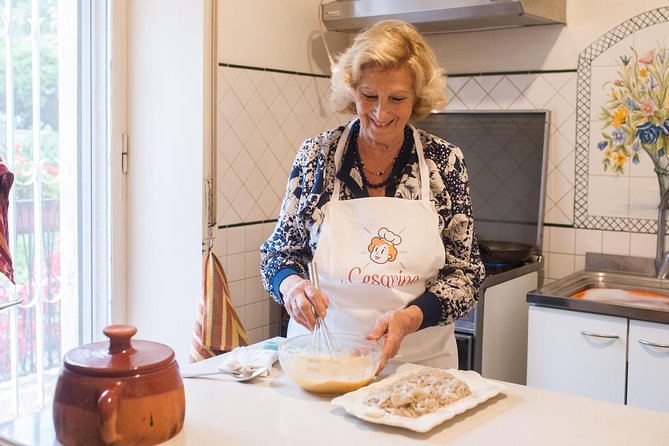
The Cesarine model (this is the provider) centers on a home setting with a local chef/host. That matters because it changes your pace. In a restaurant class, everything is set up for speed and cameras. In a home kitchen, you’ll notice the small things: how tools are stored, how the host explains timing, and how you get corrected while you work—especially with pasta and sauces.
And yes, you’ll eat what you make. Not a tiny sample plate. A full 3-course meal is the goal, with wine included.
The 3-Hour Flow: From Kitchen Start to Dessert Finish
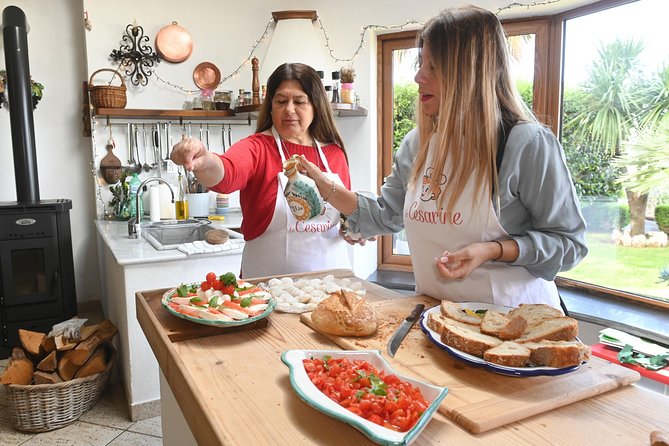
This experience runs about three hours, and it moves like a real evening meal. You start with the starter, move into pasta, then close with a traditional dessert. The rhythm is part of the value: you’re practicing techniques that connect—prep habits for starter and main, then timing and finishing for dessert.
Because it’s a private setup, you’re also less rushed. You don’t have to keep up with ten strangers while your instructor talks to the room. You get more back-and-forth, more chances to ask why a step matters, and more time to redo something if it’s not clicking.
The First Course: Seasonal Starter, Neapolitan-Friendly by Design
Your starter is a seasonal dish. That’s a big deal in Naples-style cooking. Instead of forcing a single “tourist standard,” the host can lean into what’s freshest and most typical for the moment.
What you’ll take away here is usually technique and flavor logic: seasoning habits, how to handle texture, and how Neapolitans treat starter courses as part of the rhythm of the meal—not as an afterthought.
One practical note: since it’s seasonal, expect the exact starter to vary by the day and host. The format stays consistent; the dish may change.
The Main Event: Pasta That You’ll Recognize on Sight
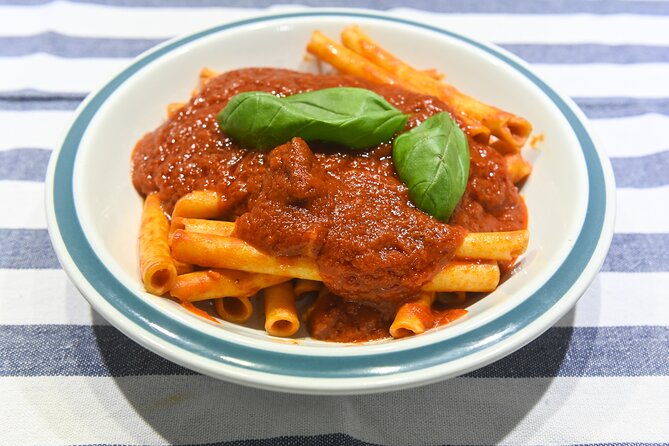
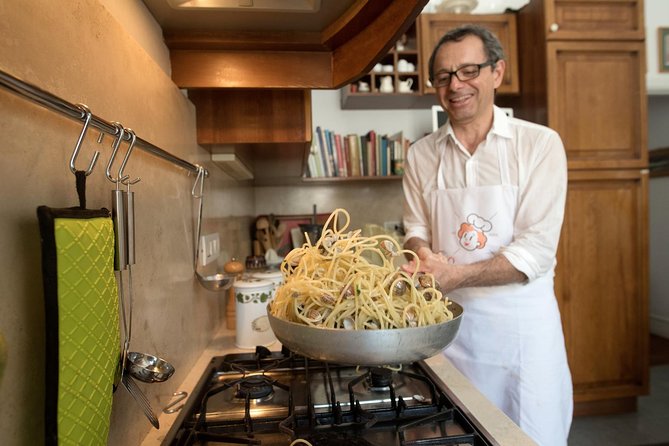
The main course is pasta, with options that fit the Neapolitan canon. You might cook something like:
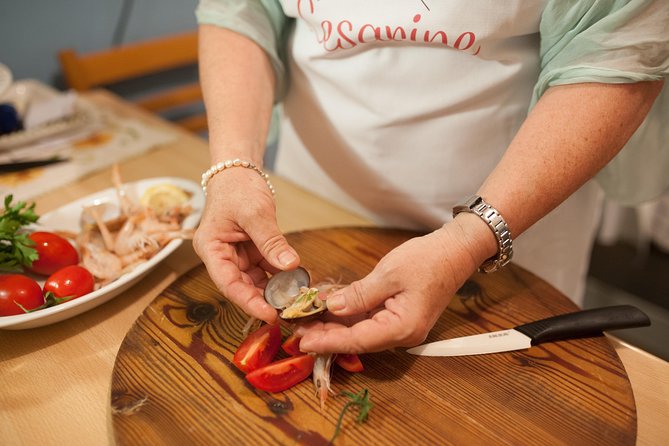
- Spaghetti alle vongole (spaghetti with fresh clams)
- Pasta with potatoes
- Paccheri with seafood
Even if your exact pasta is different, the method is what counts. Pasta in Naples cooking tends to be about timing and control. You’ll likely practice things like how to build a sauce base, how to treat the seafood or vegetables so they stay flavorful and not watery, and when to combine everything so it tastes finished—not just “cooked.”
And because this is private, you can ask questions as you go. That’s how you learn to recreate the dish later at home: not by memorizing steps, but by understanding what the food should look and smell like when it’s ready.

Dessert Finish: Pastiera, Babbà, or Tiramisu-Style Sweetness
Dessert options are classic Neapolitan favorites. Depending on the day/host, you might make:
- Pastiera
- Babbà
- Casatiello cake
- Tiramisu
- Or a similar typical dessert
Desserts are where many cooking classes fall apart—too complicated for a group, too rushed at the end. Here, dessert is built into the class length, and the home setting helps. You’re not waiting in a line while someone else holds the bowl. You’re working with guidance right when you need it: mixing, shaping, setting, and finishing.
Pastiera and babbà are also a reminder that Neapolitan dessert can be about more than sweetness. It’s texture and aroma: citrus notes, spice cues, and the “bigger flavor” approach Italians love at the end of a meal.
What You Actually Learn (Beyond Recipes)
The best part of this class isn’t only the dishes. It’s what your host explains while you work.
In the classes I’ve seen described, hosts often share more than instructions. They talk about why certain dishes became famous, and what to watch for so the dish tastes right even when you’re cooking at home later. That could be as practical as how to tweak seasoning, how to adjust timing, or how to handle a sauce when it’s thicker or thinner than expected.
Some hosts go a step further and share a local Naples perspective—stories and context tied to the food. Names that come up in past sessions include Emanuela, Elisa, Anna, Giovanni, and couples like Emanuela and Maurizio, plus Eleonora and Simone. Different people, same core idea: you leave knowing the dish, not just the recipe card.
Technique wins: pasta control and sauce sense
The two places where you’ll likely feel the most growth are:
- Pasta technique: timing, water and sauce balance, and how you finish pasta so it tastes like it belongs.
- Sauce sense: building depth without complicating the process.
That’s what makes the class repeatable. Anyone can follow a recipe once. Knowing what to fix when something’s off is the real skill.
The Meal Part: Wine Included, Dinner-Table Vibes
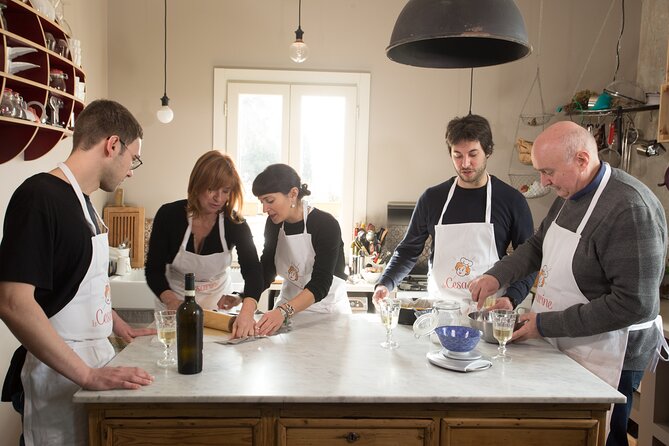
You’ll enjoy the 3-course meal you cook—starter, pasta main, and dessert—with a glass of local wine included. This changes the tone of the class. It’s not “cook and leave.” It’s “cook and eat,” which is the whole point of learning in the first place.
In many home-style classes, the meal also becomes a conversation. People mention hosts being warm and personable—inviting you in like you’re part of the evening. That’s why this experience lands for many food-first travelers: you get a full Naples dinner experience, not just cooking instruction.
And yes, you might end with coffee depending on the host and how the class is paced. Since that detail isn’t guaranteed, treat it as a pleasant extra if it happens.
Price and Value: Is $118.94 a Good Deal?
At $118.94 per person for about three hours, this can be a strong value if you care about three things:
- Private attention (your group only)
- A full meal you cook and eat
- Wine included plus hands-on teaching
If you compare it to half-day tours that mostly involve walking and tasting small bites, the value is different. Here, you’re paying for time in a real kitchen and instruction you can use again.
It’s also a good price point when you consider that home cooking classes often include ingredients, a guided meal, and wine as part of the package. You’re not buying lunch separately afterward because you’re already in dinner mode.
The only “value risk” is if you hate strict timing or you’re uncomfortable with local communication. When the location and messaging are smooth, this is a bargain-feeling night out. When it’s not, the experience can feel stressful instead of fun.
Logistics That Matter: Finding the Home Without Stress
The class is near public transportation, which helps. But because it’s in a private home, you should treat directions as part of the experience.
Here’s what I’d do:
- Wait for your confirmation details, then read the message instructions carefully.
- If your host uses a chat app for coordination (WhatsApp has shown up in past experiences), send a quick reply so you’re on the same page.
- Expect that you may need to locate the home based on landmarks and short walking directions—one past participant even described steps like spotting a known building, then walking through a specific gate area to reach the yellow building.
That’s the upside and downside in one sentence: it’s personal and local, but you have to follow the instructions closely.
Who This Naples Class Fits Best
This is a great match if you:
- Want hands-on cooking more than watching
- Like authentic Neapolitan dishes such as clams-and-spaghetti styles or seafood pasta
- Enjoy learning technique and want to bring real home-cooking skills back
- Travel with a group and like the idea of private group attention
It might be less ideal if you:
- Want a big, no-drama tourist machine (this is a home kitchen)
- Get anxious if an address isn’t handed to you upfront
- Need heavy schedule flexibility (the class follows set booking conditions)
If you’re sick the day of, don’t assume you can simply swap dates. The format is fixed around host availability, so it’s best to only book when you’re confident you’ll be able to go.
Should You Book? My Honest Recommendation
I’d book this Naples cooking class if your main goal is to learn Neapolitan cooking in a real home setting—and then eat a full dinner you made yourself. The private format, classic menu choices, and the way hosts guide you while you cook are exactly why this experience consistently scores well.
If you’re the kind of traveler who hates complicated meeting points, do two things before committing: confirm you can follow the final location instructions, and plan to contact your host promptly when details arrive. Handle that, and you’ll likely end up with a memorable night of food, conversation, and a few skills you’ll actually use again.
FAQ
What is the duration of the Naples cooking class?
It lasts about 3 hours.
Is this a private cooking class?
Yes. It’s private, and only your group participates.
What language is the class offered in?
The class is offered in English.
What food will I cook and eat?
You’ll make a 3-course meal: a seasonal starter, a pasta main (options can include spaghetti with clams, pasta with potatoes, or paccheri with seafood), and a typical Neapolitan dessert (such as pastiera, babbà, casatiello cake, tiramisu, or a similar dessert).
Is wine included?
Yes. You get a glass of local wine with your meal.
Where does the experience start and end?
It starts in Naples, Metropolitan City of Naples, Italy, and ends back at the meeting point.
Is there a mobile ticket?
Yes. The experience uses a mobile ticket.
Is it near public transportation?
Yes, it’s near public transportation.
Can the menu be adjusted for dietary needs?
The information provided doesn’t guarantee dietary accommodations, but some past hosts have catered to dietary needs, so it’s smart to request adjustments when booking.
How far in advance should I book?
On average, it’s booked about 46 days in advance.
Is free cancellation available?
Yes, free cancellation is available if you cancel at least 24 hours in advance for a full refund.