REVIEW · NAPLES
Pastum and Buffalo Mozzarella Drive
Book on Viator →Operated by city & tour soc coop arl · Bookable on Viator
Greek temples and mozzarella in one day. From the start, this trip feels made for people who want Paestum’s Doric temples and a proper Campana buffalo mozzarella stop without the headache of renting a car or building a route.
I like that you get a guided-feeling experience through live commentary while staying comfortable in an air-conditioned vehicle, even when the weather outside is warm. You also get real structure to the day: ancient ruins, a major museum, then food and time to unwind by the sea.
One possible drawback: the setup is driver-led, and for the actual museum/ruins visits you won’t have a separate attraction guide included. If you want a deeper, walk-by-walk archaeology explanation inside the sites, you may want to consider the optional archaeological tour guide.
In This Review
- Key highlights at a glance
- Paestum’s Doric temples: what you’ll really see
- The Paestum Archaeological Museum: where the stones turn into people
- Buffalo mozzarella in Campania: quality you can taste
- Paestum beaches after the ruins: time to reset
- Getting there from Naples: pickup, comfort, and timing
- Day trip math from Rome (real schedule guidance)
- Price and value: what you’re paying for
- Who should book this tour (and who should consider alternatives)
- Should you book? My take
- FAQ
- How long is the Paestum and Buffalo Mozzarella drive tour?
- Does the tour include pickup and drop-off?
- Is entrance to archaeological sites and the museum included?
- Is there an English-speaking guide during the visits?
- What should I wear for the day?
- Can I cancel for a full refund?
Key highlights at a glance
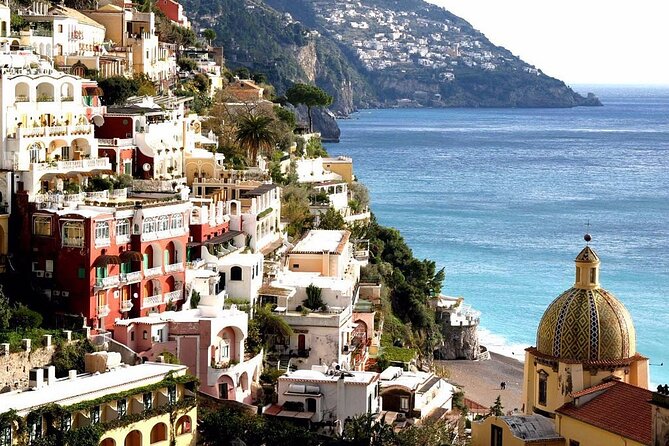
- Pickup where you are in Naples: hotel, station, or port, with a smooth start
- Three major Doric temples at Paestum: Neptune, Hera, and Athena
- Museum stop with standout finds, including the Tomb of the Diver
- Campana DOP buffalo mozzarella tasting in the heart of the mozzarella area
- Beach time after Paestum, with golden sand and crystal-clear water
- English-language live narration, plus the option of extra archaeology help
Paestum’s Doric temples: what you’ll really see
Paestum is famous for a reason: it’s one of the best places in Italy to wrap your head around Greek Doric architecture in a way that feels immediate, not textbook. In a single visit you’ll move through the key landmarks, and the layout makes it easy to build a mental picture fast.
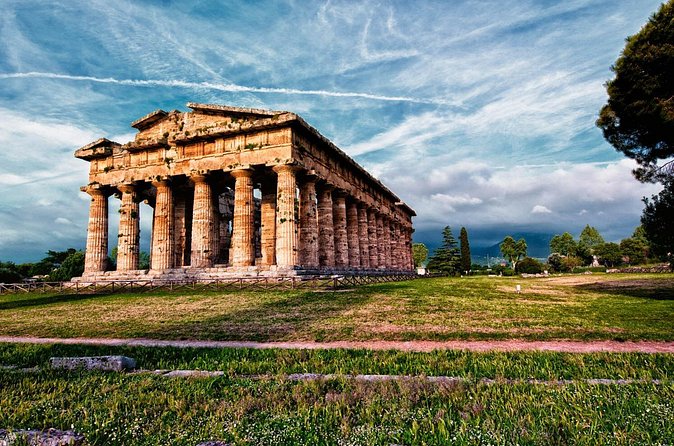
You’ll start with the Temple of Neptune, the largest and best preserved of the set. This is the one you’ll likely notice first because it holds together so well. Columns line up cleanly, proportions feel balanced, and it’s a strong example of how Doric design was meant to look both solid and dignified.
Next comes the Temple of Hera. This one is tied to the 6th century BC and is described as the oldest, with massive, imposing columns. Stand here and you can feel the weight of early Greek stonework—less about decoration, more about scale and construction choices.
Then you’ll reach the Temple of Athena, set on a hill and mixing Doric and Ionic elements. That blend is a useful detail: it hints at how styles evolved and how Paestum wasn’t stuck in one look. Even if you’re not an architecture nerd, it gives you something practical to compare temple-to-temple.
After the temples, you’ll also see Roman Paestum traces, including the Roman forum and amphitheatre remains. This matters because it keeps the story from being only Greek. The area lived on, changed hands, and kept being used—so you’re seeing a cultural layer, not a frozen moment.
Photo tip: bring shoes you can trust on uneven ground. Temple areas are outdoor and exposed, and you’ll want to move slowly so you can line up the columns and get the scale right in your photos.
You can also read our reviews of more tours and experiences in Naples.

The Paestum Archaeological Museum: where the stones turn into people
If you’re doing Paestum for the temples only, you’re missing half the payoff. The museum near the park is the part that helps everything click—because it gives you objects tied to real daily life and real beliefs.
The headline attraction is the Tomb of the Diver, described as the only example of Greek funerary painting with symbolic scenes. That alone is worth your attention because it changes how you think about burial practices: it’s not just “a tomb,” it’s a story told in imagery.
You’ll also see Archaic metopes connected to the Sanctuary of Hera at the mouth of the Sele. Metopes can feel abstract when you only see them in photos, but in person you get a better sense of the craft and the message carved into stone.
On top of that, the museum holds vases, statues, and everyday artifacts—things that help you move beyond monuments. You’ll leave with a better feel for what people used the area for, and how their objects reflect daily routines, not only ceremonial life.
One practical note: entrances aren’t included where applicable, so if you want the full museum experience, budget for it. That’s not a deal-breaker, but it can change the final price of your day.
Buffalo mozzarella in Campania: quality you can taste
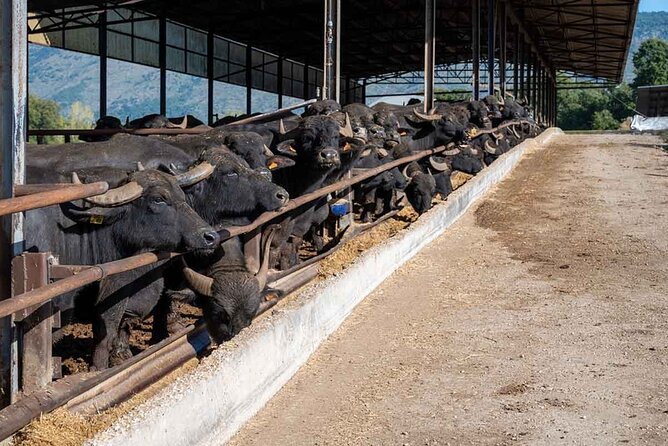
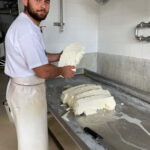
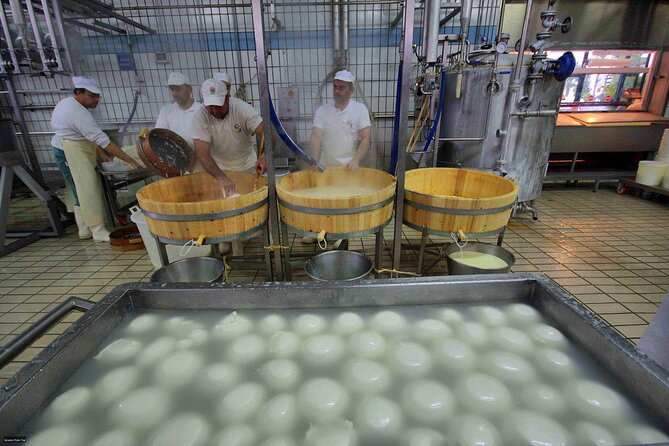
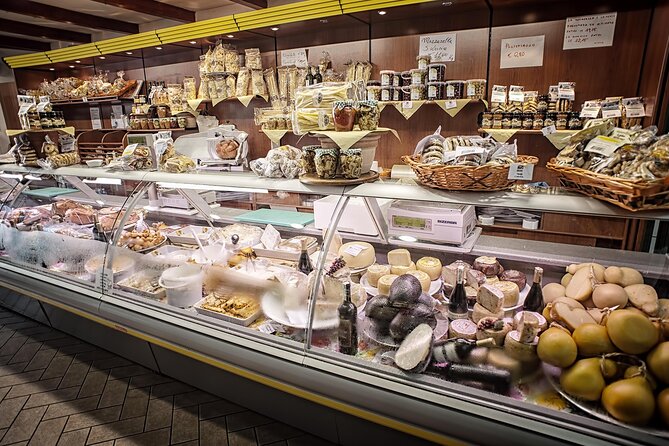
This is where the tour shifts from archaeology to eating well. The mozzarella stop is built around DOP-certified buffalo mozzarella, tied to the Campana area. That certification matters because it’s a way to protect origin and production standards—so you’re not just buying “something creamy,” you’re tasting a product with real regional identity.
You’ll visit the mozzarella area in the middle of the day, which is smart timing. The temples and museum take mental energy, and food is the reset button. The experience is also framed as a sampling moment rather than a shopping hard-sell, so you can focus on taste and conversation.
In at least one well-reviewed instance, the tasting stop included a visit at Barlotti, which shows how the tour connects you to a specific, local place rather than a generic roadside stop. If you have any food questions—like how they serve it or how it’s typically used—you can often get clearer answers in the mozzarella sector because staff work with the product daily.
Even if you’re not a big cheese person, this section works. It’s a real, local product that Naples visitors often miss unless they go farther out.
Paestum beaches after the ruins: time to reset
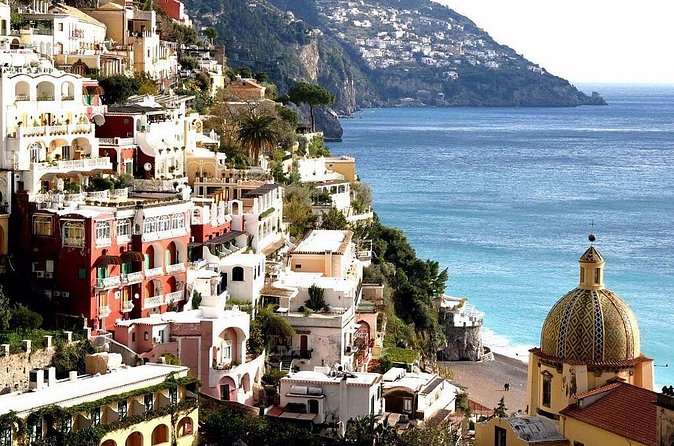
After the museum and the temple complex, you’re given time to enjoy the beaches of Paestum. The description is straightforward: golden sand and crystal-clear sea. This is one of the smartest parts of the day because it balances “look, read, walk, repeat” with a slower rhythm.
If it’s a sunny day, plan like you’re going to the beach, not just the shore for photos. Wear sunscreen, bring water, and consider a light layer even if you expect warmth. Wind can shift along the coast, and you’ll be glad you packed something simple.
Also, don’t underestimate how beach time helps your museum memory. When your brain isn’t constantly processing ruins, you’ll actually remember more of what you saw.
Getting there from Naples: pickup, comfort, and timing

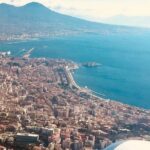
This tour is built around convenience. You can get picked up from your Naples hotel, or from the station or port, and then you travel in a deluxe air-conditioned vehicle. That’s not just comfort; it’s how you stay fresh enough to enjoy both the temples and the museum without feeling cooked by heat.
On board, you get live commentary in English. The wording matters here: narration can be the difference between seeing stones and understanding why those stones matter.
You’ll also get drop-off back at designated meeting points, and the operator notes that they’ll ensure your timely return to the Naples port for the activity. If you’re connecting to a cruise or a specific departure plan, that built-in timing focus is exactly what you want to hear.

Day trip math from Rome (real schedule guidance)
If you’re starting from Rome, the suggested plan is practical and time-sensitive:
- Take the Freccia Rossa from Rome Termini at 7:35 am to Naples Centrale (arrive 8:45 am)
- The tour pickup is then direct from the Naples train station
- At the end, you’ll drive back to Naples so you can catch a suggested train leaving around 6:30 pm
If you’re trying this as a same-day combo trip, treat it like a commuter schedule: be prompt, keep your phone charged, and don’t build in extra buffer time for “maybe I’ll grab coffee.” The tour is designed to run on a tight, full-day flow.
Price and value: what you’re paying for

At $291.82 per person for about 8 hours, you’re buying a few things at once:
- Transport that gets you out to Paestum and back without car rental stress
- A/c comfort for the long day
- English live commentary
- A logistics package that includes tolls, parking, petrol, and taxes
What you’re not automatically getting is every kind of guide support. The tour notes that entrance fees where applicable are not included, and it also specifies a driver-only approach for the attraction visits. There’s an optional archaeological tour guide if you want more detail.
So the value question becomes simple:
- If you want a stress-free day with good narration and clear stops, this price can feel fair.
- If you want an expert guide walking you through every object and room, you’ll likely spend extra for that extra layer.
For many people, though, the balance is right. You’re paying mostly for time, transport, and interpretation, not just for “access to a site.”
Who should book this tour (and who should consider alternatives)
This works especially well if you want:
- Greek temples you can actually appreciate in one day
- A structured museum stop with memorable highlights like the Tomb of the Diver
- A genuine food moment tied to Campana DOP buffalo mozzarella
- Some beach recovery time so your day doesn’t feel like a nonstop march
It may be less ideal if:
- You expect a separate, professional archaeology guide inside the sites to walk you through details beyond the onboard narration
- You’re sensitive to long day timing and want a slower pace with more breaks
Because the tour operates in all weather and asks for smart casual dress, it also suits travelers who don’t want to gamble on weather-based plans.
If you’re going with a small group, it’s also worth noting that it’s listed as a private tour/activity where only your group participates—so the experience feels more controlled than big, crowded bus tours.
Should you book? My take
I’d book this tour if your Naples trip includes one “big day out” and you want it to pay off in both culture and food. The temple-and-museum combo is the kind of pairing that makes Paestum feel like more than scenery, and the mozzarella tasting gives you a clear, local reward.
I’d think twice if your ideal day is mostly deep guided walking inside every site with a specialist. In that case, look at the optional archaeological guide idea or consider a different format where attraction guides are included.
If you want an efficient, comfortable day with real highlights and practical logistics from Naples, this is a strong choice.
FAQ
How long is the Paestum and Buffalo Mozzarella drive tour?
It runs for about 8 hours.
Does the tour include pickup and drop-off?
Yes. Pickup and drop-off are offered from designated meeting points in Naples, including hotel pickup, the station, or the port.
Is entrance to archaeological sites and the museum included?
No. Entrance fees where applicable are not included.
Is there an English-speaking guide during the visits?
The tour includes an English-speaking driver/guide with live onboard commentary, but it is described as driver-only for visits to attractions (not a separate guide inside the sites). An archaeological tour guide is optional.
What should I wear for the day?
The dress code is smart casual, and the tour operates in all weather conditions—so dress appropriately for outdoor time.
Can I cancel for a full refund?
Yes. You can cancel up to 24 hours in advance for a full refund. If you cancel less than 24 hours before the start time, the amount paid is not refunded.