REVIEW · NAPLES
Pompeii & Herculaneum Day Trip from Naples with Lunch
Book on Viator →Operated by Napoli City Vision · Bookable on Viator
Pompeii and Herculaneum in one organized day is smart. You get expert guide storytelling with people like Chris in the mix and guides such as Erica or Maria in Pompeii, plus lunch so the day doesn’t collapse under hunger. The catch: with time in both sites, this is a highlights visit, not a cover-every-street marathon.
What makes this trip work is the contrast. Pompeii is the famous ash-buried city, with major stops like the Forum and the Teatro Grande, and it’s big enough that even a guided route can feel like speed-walking through history. Herculaneum is smaller, often more complete in the details, and you’ll spend your afternoon with an audioguide system at the ruins.
If you’re planning during summer, plan for heat and walking. This is marked as moderate physical fitness, and it’s not suitable if you have walking difficulties—so bring a game plan: water, shade items, and realistic expectations.
In This Review
- Key takeaways before you go
- Naples coach pickup to ancient ash-burial dreams
- Entering Pompeii: Forum, Teatro Grande, and what fits in two hours
- My practical advice for Pompeii
- Lunch break in the middle: included, but keep expectations grounded
- Herculaneum afternoon: better preserved, more walking, and real audioguides
- Herculaneum reality check
- The optional coral and cameo stop: good if you like craft
- Price and logistics: what you’re really paying for
- Who should book this Pompeii and Herculaneum day trip?
- Should you book?
- FAQ
- What’s included in the tour price?
- How long does the day trip take?
- Do I need to pay entrance fees for Pompeii and Herculaneum?
- Is lunch included, and are drinks included?
- Do I get a live guide at both sites?
- Is the tour suitable for people with walking difficulties?
- What languages are offered?
Key takeaways before you go
- Two famous Roman sites, one day from Naples: great for first-timers who don’t have time for an overnight.
- Guide-led Pompeii + audioguided Herculaneum: you get live commentary where it matters most for orientation.
- Lunch included: a real sit-down break in the middle, with drinks not included.
- Pompeii entry ticket is extra: expect to add site fees on top of the tour price.
- Small-to-medium group focus: if the group is under the live-guide threshold, you may rely more on audio.
Naples coach pickup to ancient ash-burial dreams
Your day starts with pickup from select Naples hotels. After the last pickup, you’ll ride by modern coach toward Pompeii. In practice, this means you’ll spend the first chunk of the morning on the road, and you should be okay with waiting a bit if you’re not the first stop.
The value here is simple: you don’t need to figure out trains, parking, or transfers. Plus, the guide commentary starts early enough to help you understand what you’re about to see. You’ll also get a sense of the big historical arc: Mount Vesuvius buried both cities in 79 AD, and excavation didn’t begin until centuries later under the Bourbons, starting in 1748. That timeline matters because it explains why Pompeii and Herculaneum feel so different today—both are “discovered” in an era that loved new ideas and collecting the past.
One more practical note: the tour max is 52 people. You’ll still want to dress like you’re going to walk a lot—because you are.
You can also read our reviews of more tours and experiences in Naples

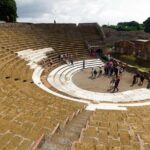

Entering Pompeii: Forum, Teatro Grande, and what fits in two hours
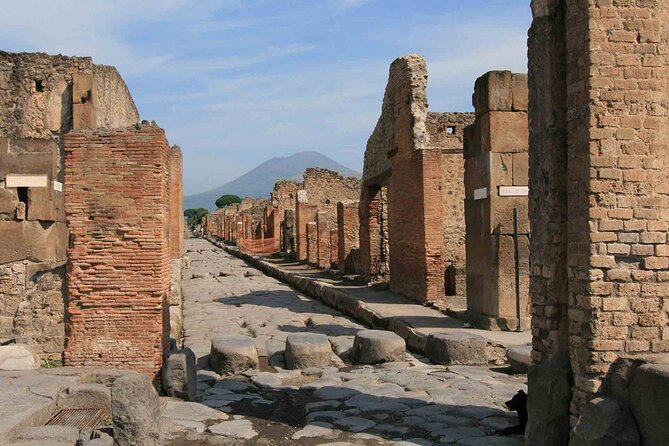
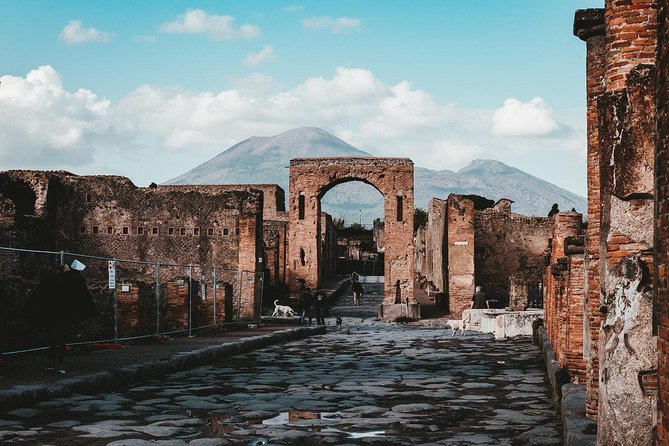
Pompeii is huge. Even with a guide, you’re not seeing the entire park—you’re seeing the most important excavated areas along a route that makes sense. One clear pattern from people who’ve done this: the Pompeii portion can feel like about a fraction of the site, but it’s enough for orientation and the big wow moments.
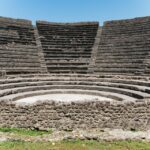
In Pompeii, the tour route typically includes stops such as the Forum and the Teatro Grande, a theater that once held up to about 5,000 spectators. You’ll also hear about how Pompeii wasn’t just a working city—emperors and aristocrats had holiday villas there. That helps you read what you’re walking past: it’s not random stones, it’s a place with social tiers and daily routines that were preserved in ash.
A big plus: your Pompeii guide often does more than recite facts. People specifically praised guides like Erica, Monica, Martina, and Maria at Pompeii for clarity and enthusiasm. That matters because Pompeii is confusing when you’re on your own. The guide gives you a mental map fast: where you are, what you’re seeing, and why it matters.
Cost reality check: Pompeii entrance is not included. It’s listed at €19 per person. Plan to pay this separately at the site or in the way the operator instructs.
Time check: Pompeii visit is about 2 hours. That sounds short, but it’s why this tour is able to add Herculaneum the same day.
My practical advice for Pompeii
- Wear shoes you can stand in for a long time, not just walk for 10 minutes.
- Bring something for sun protection—people recommend umbrellas, hats, and fans in hot months.
- If you’re hoping to take dozens of photos without moving, accept that you’ll still be on a schedule.
Lunch break in the middle: included, but keep expectations grounded
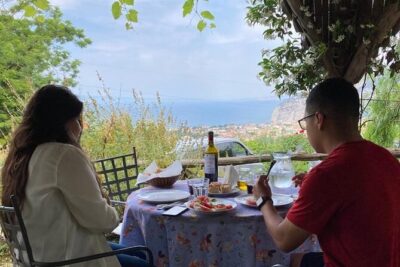
Between the two sites, you’ll stop for lunch at a local restaurant. Lunch is included in the tour price, and multiple people called it delicious or a pleasant surprise.
Still, not every meal will land perfectly. One review mentioned chicken that was chewy, and nobody at the table ate it. That’s a reminder that included lunches can be hit-or-miss depending on the menu that day. The best move is to treat lunch as a reliable reset, not a culinary mission.
Drinks are not included, so you may want to budget for water or order accordingly. Also, give yourself permission to eat efficiently. One-hour lunch breaks go fast once you’re paying the bill or waiting for your table.
Herculaneum afternoon: better preserved, more walking, and real audioguides
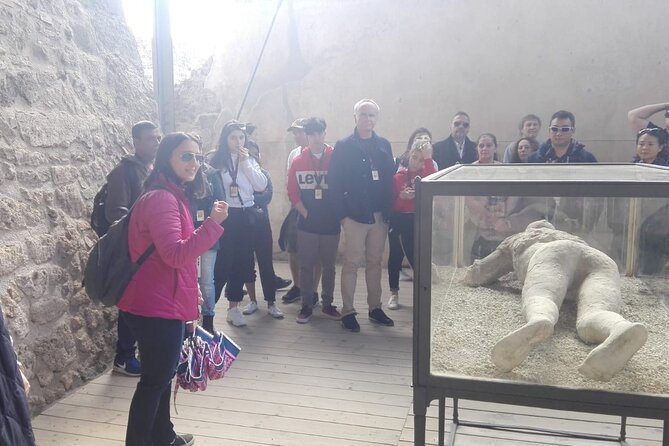
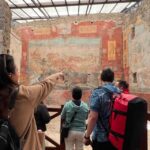
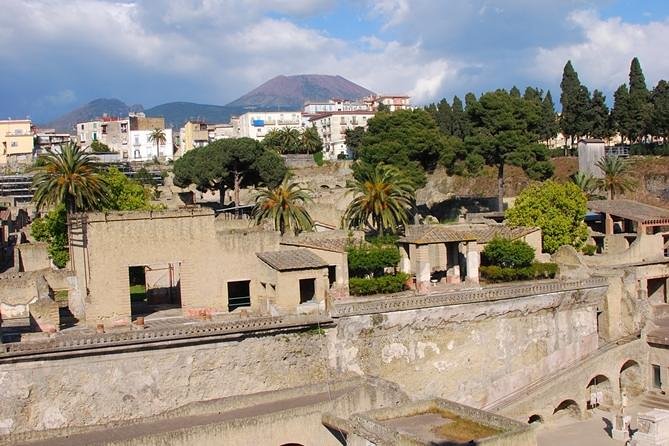
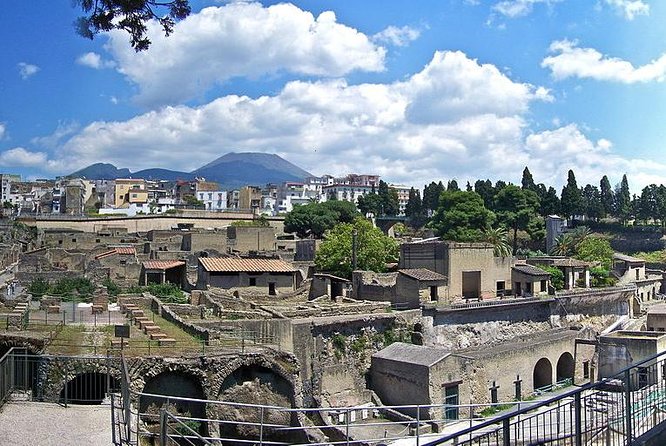
After lunch, you’ll travel to Herculaneum. The tone changes here. Pompeii can feel like you’re learning the city from the outside; Herculaneum often feels like you’re reading it from the inside, because many elements are preserved in a more detailed way.
Herculaneum is the smaller site, and that can make it feel easier to process. One common takeaway: the route covers about half the site, so you still won’t see everything, but you’ll likely leave feeling like you got more “finished” street-level impressions.
What you’ll connect with here:
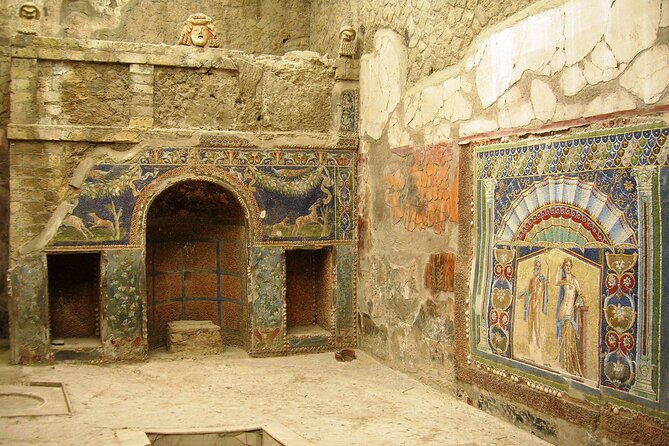
- preserved mosaics and details
- monuments and everyday-room layout
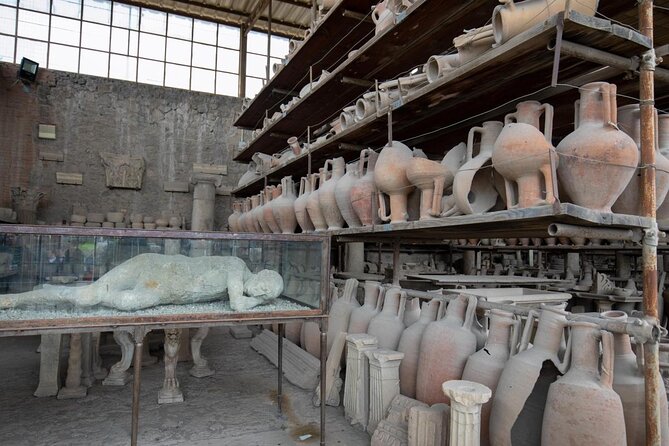
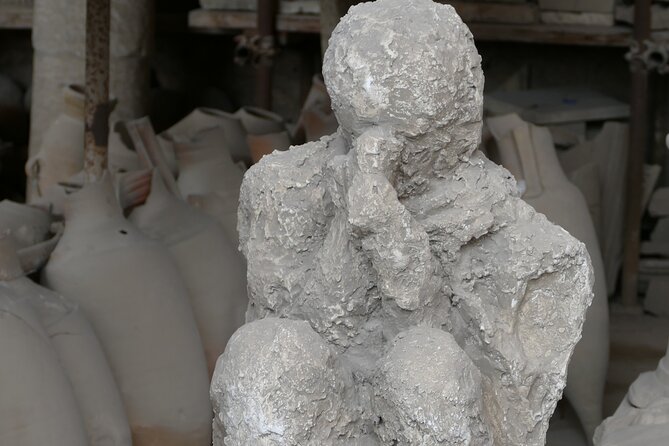
- fossils preserved under volcanic material
- and the famous Villa dei Papiri, noted for a library of over about 1,800 papyruses
Entrance is separate: Herculaneum entrance is listed at €16, and you’ll also see €14 mentioned in the fee section. Either way, it’s an extra add-on you should plan for.
The guide format is different from Pompeii. Herculaneum includes audioguides in the ruins rather than continuous live guiding. The tour provides audio devices, and some people found them fine, while others said the audio setup wasn’t hands-free enough. If you want to listen comfortably, bring earbuds if you have them. It’s a small thing that can make the ruins experience feel smoother, especially if you’re trying to both walk and listen.
Time here is about 1.5 hours. That’s enough to follow a route, stop at key areas, and still have the day feel complete.
You can also read our reviews of more tours and experiences in Naples




Herculaneum reality check
If you’re the type who loves reading every plaque slowly, you may want more time. But if your goal is to see why Herculaneum is often praised for preservation and everyday context, this timing is about right.
The optional coral and cameo stop: good if you like craft
If there’s time, the itinerary includes a stop at a coral and cameo factory—described as family-run—where you can watch or learn about the production methods. People can pick up jewelry, and the learning part is a nice counterbalance to the archaeological focus.
This stop is optional and time-dependent. If you hate shopping stops, it’s the kind of thing you should decide in the moment based on how hot and crowded the day feels.
Price and logistics: what you’re really paying for
The tour price is $120.68 per person for a 6 to 7 hour day, with transportation, commentary, a lunch, and audioguides included where noted. The biggest additional costs are site entrance tickets.
Here’s the practical math, using the amounts that are listed:
- Pompeii entrance: €19
- Herculaneum entrance: €14 to €16 (shown as both values)
- Drinks: not included
- Coral/cameos: optional purchases
So you’re paying for more than transport. You’re paying for:
- a guided orientation at Pompeii (where getting your bearings is hardest)
- a lunch break
- coach round-trip from Naples
- structured timing that makes the two-site day feasible
Where the value can dip is when the group is too small. This tour runs with a minimum number of travelers to operate with a real local guide. If there are fewer people in your language group, you may get an audio guide instead of an in-person guide. One person described winter weekdays as less worth it because they lost the level of live guidance and felt they could have done the day cheaper on their own. If you care a lot about having a human explain details at the sites, check your departure date and aim for days likely to have enough participants.
Who should book this Pompeii and Herculaneum day trip?
This is a strong pick for:
- first-timers who want both cities in one go
- people who like having someone explain what you’re looking at
- travelers who value lunch included and hate figuring out transfers
It might be a bad fit if:
- you need a slow, low-walking day (the tour isn’t suitable for walking difficulties)
- you’re extremely sensitive to heat (summer can be intense, with little shade and lots of pavement)
- you want a full, unhurried exploration where you can roam freely for hours
Should you book?
I’d book this if you’re visiting Naples and Pompeii is on your must-do list, but you also want the contrast that Herculaneum provides. The guide-led Pompeii route plus the afternoon in Herculaneum is a sensible combo, and the included lunch keeps you from spending the day in food chaos.
I would pause and reconsider if you expect a perfectly guided experience everywhere. Herculaneum is audioguided, and the entire day is paced to fit into a 6 to 7 hour window. If you truly want to wander every lane and every room without pressure, you may be happier choosing a longer stay or a different format.
FAQ
What’s included in the tour price?
Transportation by modern coach, onboard commentary, a guide (or an audio guide if the group is too small), audioguides in Herculaneum, and lunch are included. Drinks are not included.
How long does the day trip take?
It runs about 6 to 7 hours.
Do I need to pay entrance fees for Pompeii and Herculaneum?
Yes. Pompeii entrance is listed as €19 per person, and Herculaneum entrance is listed as €16 and also shows €14 in the fee details.
Is lunch included, and are drinks included?
Lunch is included. Drinks are not included.
Do I get a live guide at both sites?
Not always. If there are fewer than six people in your language group, the tour operates with an audio guide instead of a real local guide. Pompeii is described as a guided visit, while Herculaneum is self-guided with an audio device.
Is the tour suitable for people with walking difficulties?
No. It’s not suitable for passengers with walking difficulties, and it requires a moderate physical fitness level.
What languages are offered?
The tour is offered in English.