REVIEW · NAPLES
From Naples: Pompeii and Herculaneum Tour with Lunch
Book on GetYourGuide →Operated by NapoliCityVision · Bookable on GetYourGuide
Ancient streets in the shadow of Vesuvius are not a bad way to spend a day. This Naples-to-Pompeii-and-Herculaneum tour stacks two UNESCO World Heritage Sites into one efficient schedule, with a bus transfer, a guided walk at Pompeii, and time to explore Herculaneum after lunch.
I really like the way the day is organized: you get a real guide at Pompeii (so you don’t miss the big daily-life details) and then you have your own pacing time at Herculaneum, where the preserved ruins make it easier to look closely. I also like that the pickup options are practical for hotels across Naples, and the small-group possibility helps the day feel less chaotic.
One consideration: the lunch is labeled light, but it often turns out to be a fuller sit-down meal than you expect, which can squeeze how quickly you move through Pompeii before and after. On very hot days, you’ll also appreciate planning for shade and breaks.
In This Review
- Key Highlights You’ll Feel Immediately
- Pompeii and Herculaneum: why this pairing works
- From Naples pickup to the bus ride: the day’s rhythm
- Pompeii in about two hours: what to prioritize with a guide
- Pompeii downside to watch for
- Lunch break in Pompeii: included, often more than light
- Herculaneum after lunch: the preserved city you can actually study
- Audio guide matters here
- What you’re really paying for: value, tickets, and timing
- Logistics that can make or break your experience
- Who this Pompeii and Herculaneum day trip suits best
- Should you book this Pompeii and Herculaneum tour?
- FAQ
- How long is the Pompeii and Herculaneum tour from Naples?
- What’s included in the price?
- Is hotel pickup included?
- What languages are available for the tour?
- Does lunch include drinks?
- What should I bring?
- Are large bags allowed?
- What happens if the group is small for the live guide?
Key Highlights You’ll Feel Immediately
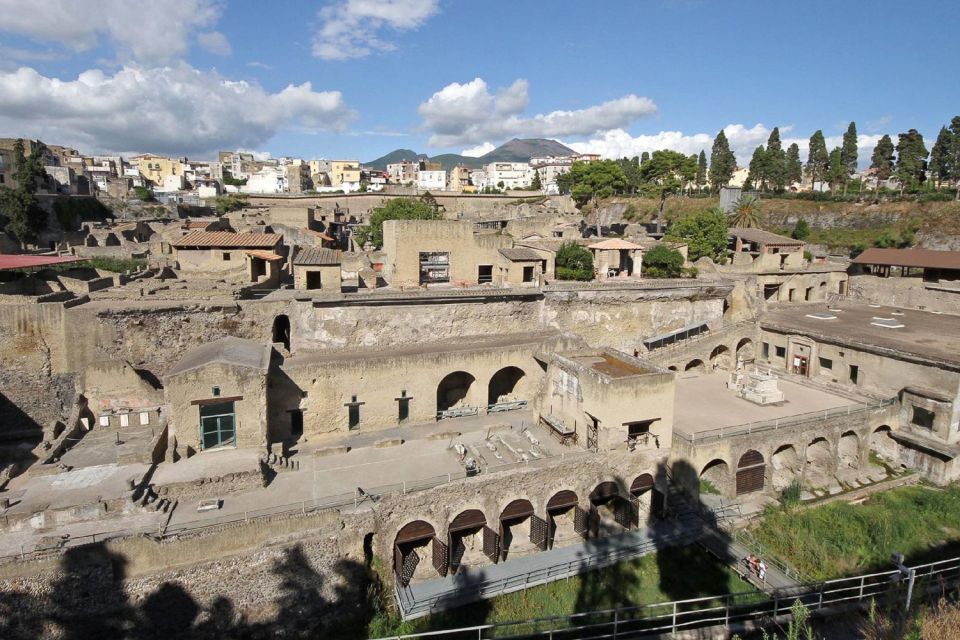
- Two UNESCO sites, one day: Pompeii in the morning, Herculaneum in the afternoon, so you see both cities without a second trip.
- Guided Pompeii, self-guided Herculaneum time: you get context at Pompeii, then you can slow down at Herculaneum.
- Included lunch is usually more filling than the wording suggests: you won’t need extra snacks if you eat normally.
- Multiple Naples pickup points: you’re not stuck walking across town just to catch the bus.
- A smaller feel is possible: small-group availability helps if you want a calmer experience at the ruins.
- Skip big bags: the tour doesn’t allow luggage or large bags, so pack light.
Pompeii and Herculaneum: why this pairing works
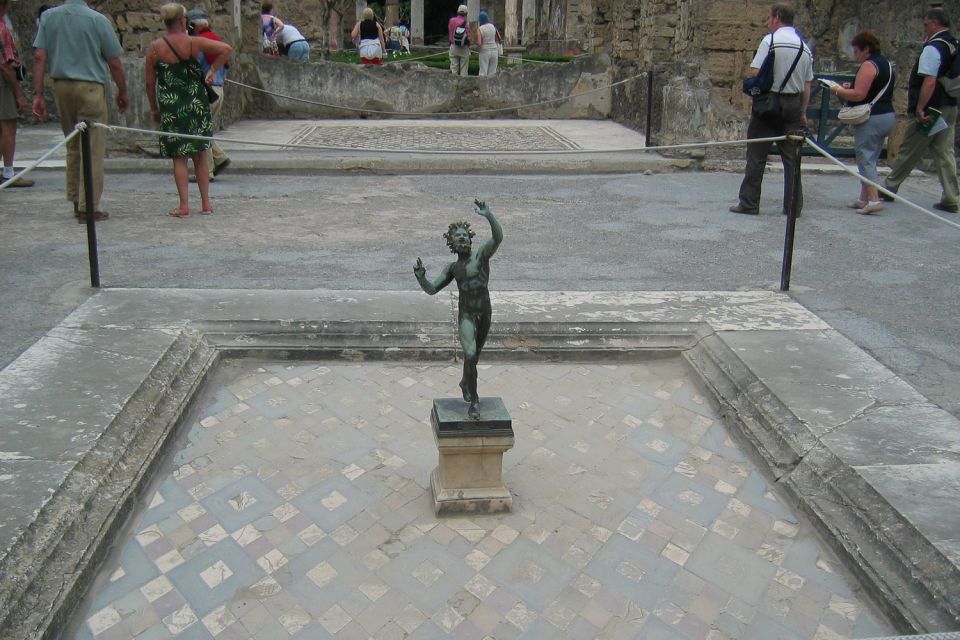
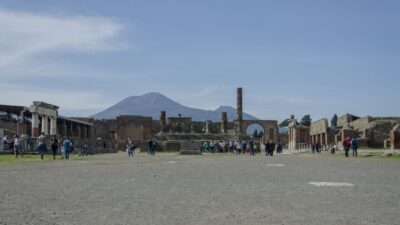
Pompeii and Herculaneum are close enough to handle in one day, but they feel very different once you’re there. Pompeii is the bigger, more dramatic site: lots of monuments, public spaces, and “check these highlights off” energy. Herculaneum is smaller and often easier to read street-by-street—especially because the volcanic material that buried it also helped preserve what was underneath.
That “two-city contrast” is why this combo tour is smart. You’re not just collecting ruins. You’re comparing how people lived in two places that got buried at the same catastrophic moment. And since you start in Pompeii and end in Herculaneum, you’re positioned to enjoy the most detailed look at daily life before your energy runs out.
You can also read our reviews of more tours and experiences in Naples


From Naples pickup to the bus ride: the day’s rhythm
Your day starts with hotel pickup in Naples from several meeting points (different hotels and central stops). You’re asked to be there about 10 minutes early, and traffic can shift timing a bit—so I treat that as normal in Naples. Once you’re on the bus, you get live commentary during the transfer, which helps you understand what you’re about to see before you step off into crowds and stone.
A practical note: the tour uses buses and multiple guides depending on group size and language setup. If the group doesn’t hit a certain number, you may receive an audio guide instead of a live guide on parts of the experience. That can be fine—just know you might spend a bit of extra time when languages are relayed in parallel. If you hate waiting, keep your expectations flexible.
Also, pack for comfort. Bring comfortable shoes and a basic umbrella. You’ll be walking at both sites, and Pompeii in particular can mean long stretches with little shade. The “no large bags” rule matters too: plan to travel with a small day bag or personal item.
Pompeii in about two hours: what to prioritize with a guide
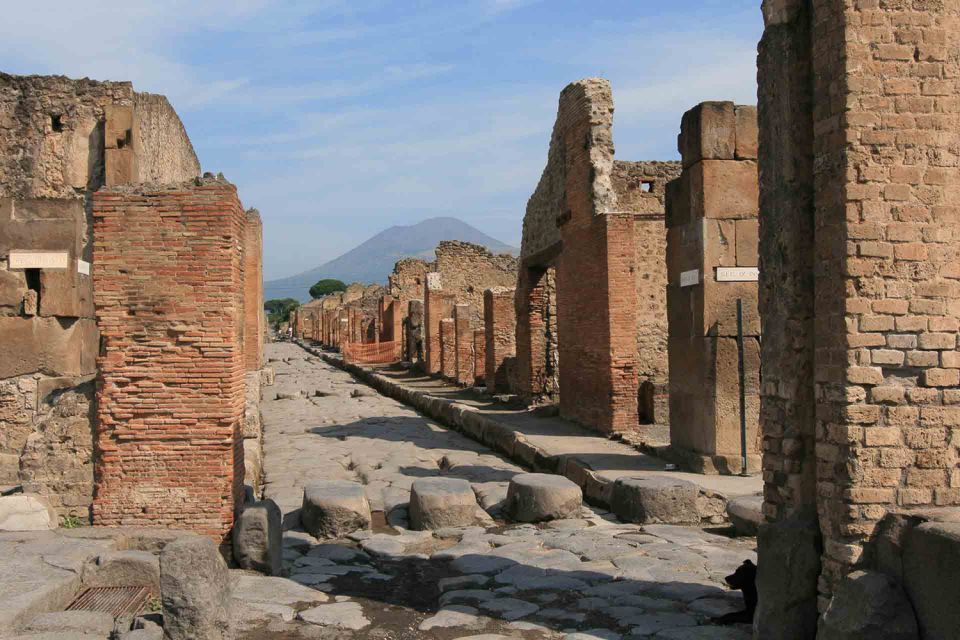
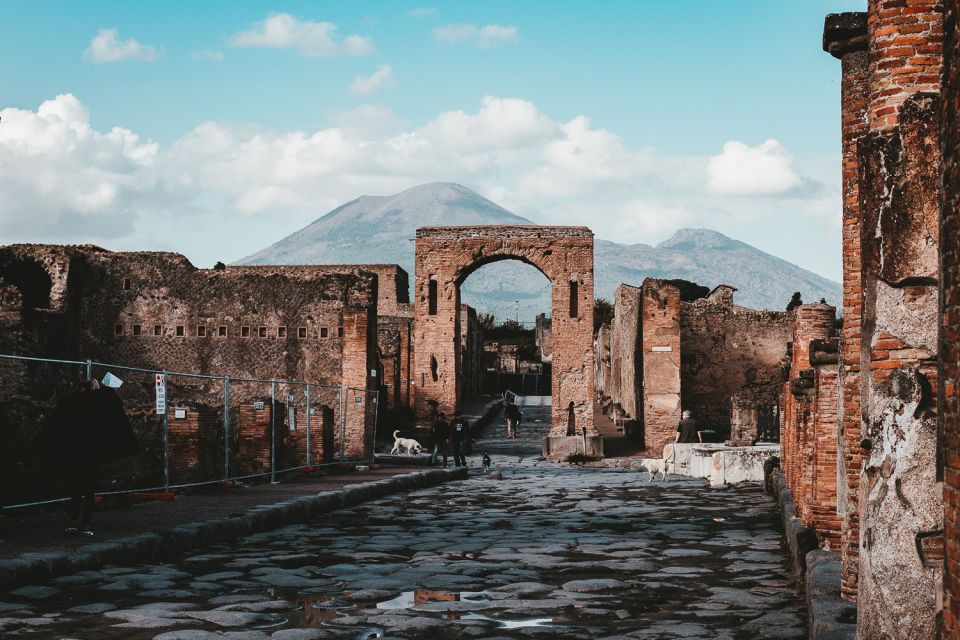
Pompeii is huge. Two hours guided is not enough to see everything, which is exactly why the guided walk is the point. You don’t waste time trying to figure out the city’s layout while you’re fighting the heat and the crowds.
With the guide, you’ll focus on what makes Pompeii feel lived-in:
- The large theater
- The necropolis
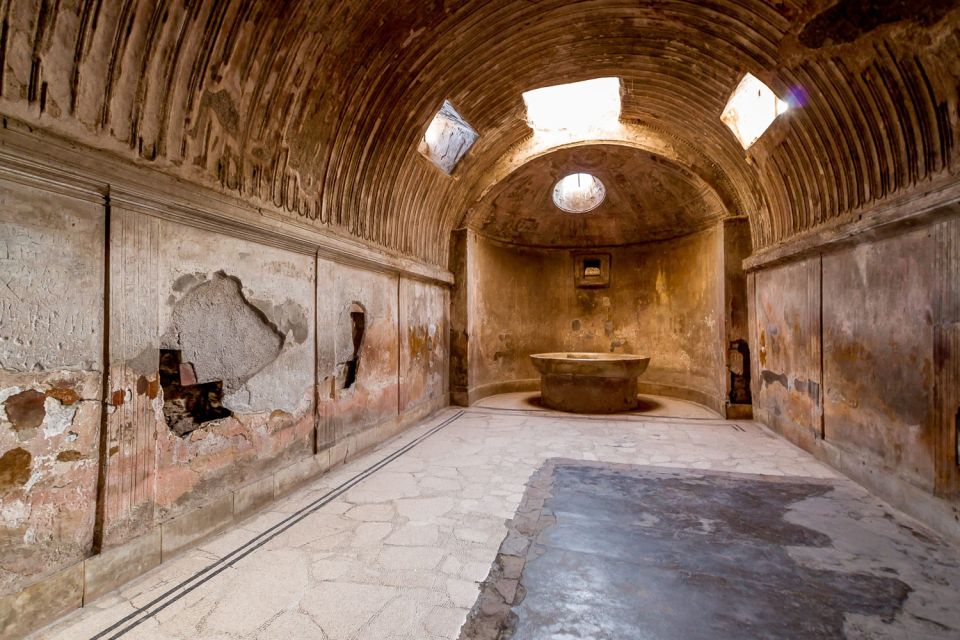
- The thermal baths
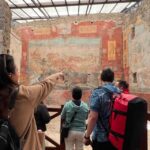
- Selected houses, including homes associated with wealthier residents
What I like about this approach is that it teaches you how to look. You start recognizing clues—public versus private space, how bathhouses worked socially, and how entertainment and business shaped daily routines. A guide can also help you connect Pompeii’s visible ruins to what the city was like before the eruption.
There’s another small but important benefit: the guide can help you route. Pompeii can feel like a maze if you’re wandering on your own. With a guided start, you learn where to aim your attention first so you leave with a coherent mental map, not just photos.
Pompeii downside to watch for
Two hours flies. Even with a plan, you’ll have moments where you want to linger longer—especially if you’re the type who likes to read inscriptions slowly or photograph doorways and mosaics without rushing. If Pompeii is your top priority, you may wish you had more time. If you see Pompeii as part of a “day-trip story,” this schedule is a good tradeoff.
Lunch break in Pompeii: included, often more than light
Lunch is part of the deal, and it’s scheduled as a break—about an hour. It’s described as a light lunch, but in practice it’s often more substantial than that phrase sounds. In multiple depictions of the included meal, it’s been served as a multi-course setup, with options like pasta, pizza, and sometimes chicken or fish, plus dessert such as ice cream.
What you should do with this information: don’t assume you’ll finish lunch and be hungry 30 minutes later. You likely won’t need extra snacks if you eat your portion and drink water. Since drinks aren’t included, plan to pay attention to what you choose to drink there—heat makes that matter.
If you’re hoping for a high-end culinary stop, temper expectations. This lunch is built for efficiency on a tour day, not for food tourism. I treat it like refueling: good enough to keep you going, simple and predictable, and a useful reset before Herculaneum.




Herculaneum after lunch: the preserved city you can actually study
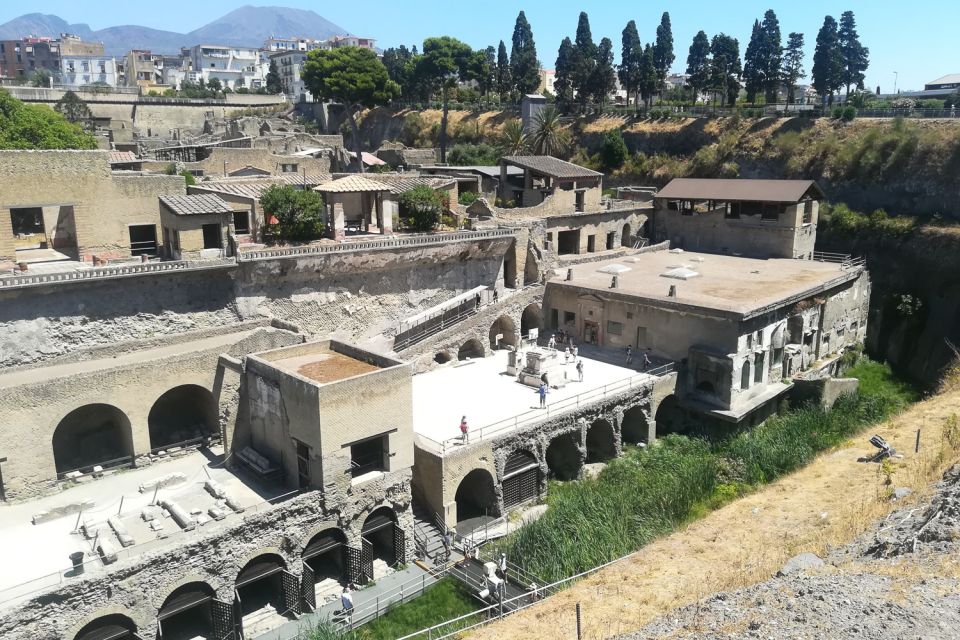
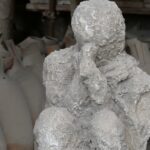
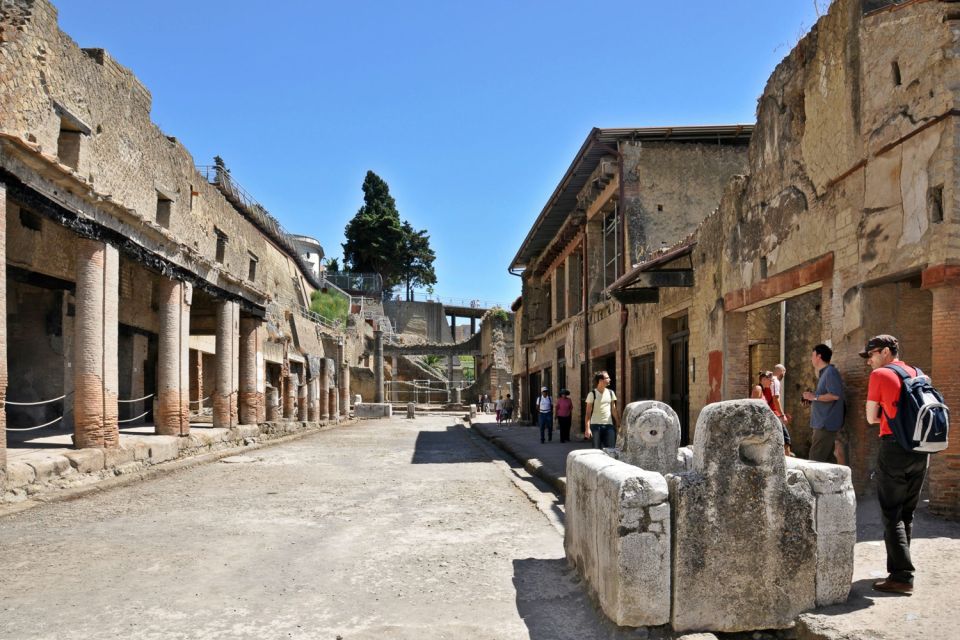
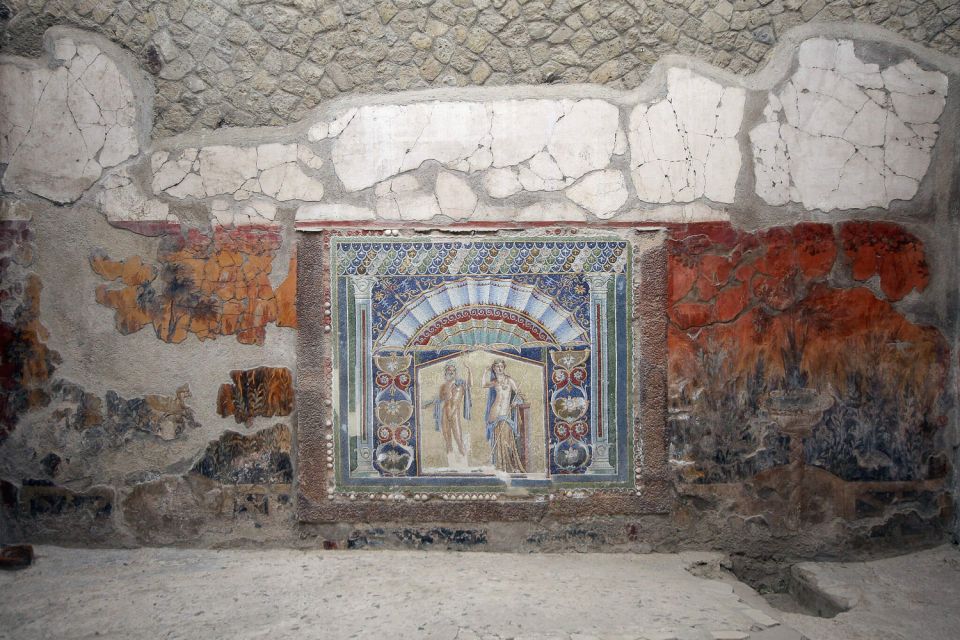
Herculaneum is where this tour can surprise you—in a good way. The ruins are often easier to interpret, partly because the city was buried under mud and volcanic debris. That kind of preservation can make buildings and everyday artifacts easier to understand as the city’s structures stayed intact.
In this tour, you get a guided introduction (about 1.5 hours) and then time to explore on your own. That “guided setup + self pacing” combo is ideal for Herculaneum because you can choose what to slow down for: doorways, stair steps, floor levels, and the layout that shows how space worked in real households.
Herculaneum can also feel more manageable than Pompeii. It may be less packed at certain times of day, which gives you room to walk carefully and look closely. Even if the crowds are still there, the site’s size and the preservation style help you feel like you’re learning something, not just moving through.
Audio guide matters here
You’ll typically have audio support at Herculaneum in several languages, and in some versions of the tour a guide may focus more on setting you up while you explore. I like this format because it means you control your pace. You can pause for a mosaic detail, a room layout, or simply to read how the space functioned.
If you prefer a steady talk throughout the ruins, be aware that your experience here may depend on group size and language setup. Still, the audio option is generally a good safety net.
What you’re really paying for: value, tickets, and timing
The headline price is $113.29 per person for an 8-hour day trip. That number feels “reasonable” only if you factor in the big costs people forget: round-trip bus transport from Naples, organized site time, and a lunch stop. You’re also getting entry tickets only if your option includes them. So before you lock in, check which version you selected.
Here’s how I see the value:
- If tickets are included, you’re paying for less hassle and a smoother day.
- If tickets are not included, you’re buying a more flexible tour structure, but you’ll need to handle admission.
- Either way, the real value is the pairing: Pompeii is hard to do well without guidance, while Herculaneum becomes more rewarding when you can spend time looking rather than figuring out where to start.
Timing is another value factor. This isn’t a “stay all day at one site” trip. It’s built to compress two major stops without leaving you stranded in one place. If you only have one day in Naples, that’s a win.
Logistics that can make or break your experience
A smooth day trip is not about fancy perks. It’s about avoiding annoying friction. Here are the practical pieces that matter most for this tour:
1) Luggage rules
No luggage or large bags are allowed. If you’re also traveling around Italy, you’ll want a plan so you’re not wrestling with a big suitcase at the meeting point.
2) Walking comfort
You’ll be walking at both sites. Comfortable shoes are non-negotiable. I also suggest bringing a small bottle of water, since you’ll be out in sun and heat.
3) Shade and pacing
Pompeii can be exposed. Even with a guided walk, you may hit sun-heavy areas. If you’re sensitive to heat, keep your umbrella handy for occasional shade.
4) Air conditioning
A few accounts mention the bus being comfortable and cool, while others asked for better air conditioning. Either way, don’t dress as if you’ll be in full summer comfort for the whole day. Bring layers you can handle if the temperature swings.
5) Language setup
The live guide can be English, Italian, and Spanish, and the tour can be bilingual. If your group ends up split by language, you may spend a bit of time waiting while information is repeated. It’s not a disaster, but it’s something to keep in mind if you hate losing time.
Who this Pompeii and Herculaneum day trip suits best
This tour is a strong fit if you:
- Want a one-day UNESCO hit from Naples without renting a car
- Like guided context at Pompeii but want freedom at Herculaneum
- Prefer a structured route over trying to plan your own order inside two large archaeological sites
- Are traveling with limited time and want a schedule that actually delivers
It may be less ideal if you:
- Want a slow, deep archaeological experience with lots of unhurried reading at Pompeii
- Are picky about tour lunch quality as a major part of the day (this meal is functional more than gourmet)
If you’re the type who enjoys street-level details—bathhouses, houses, theaters, household layouts—this itinerary matches your interests well.
Should you book this Pompeii and Herculaneum tour?
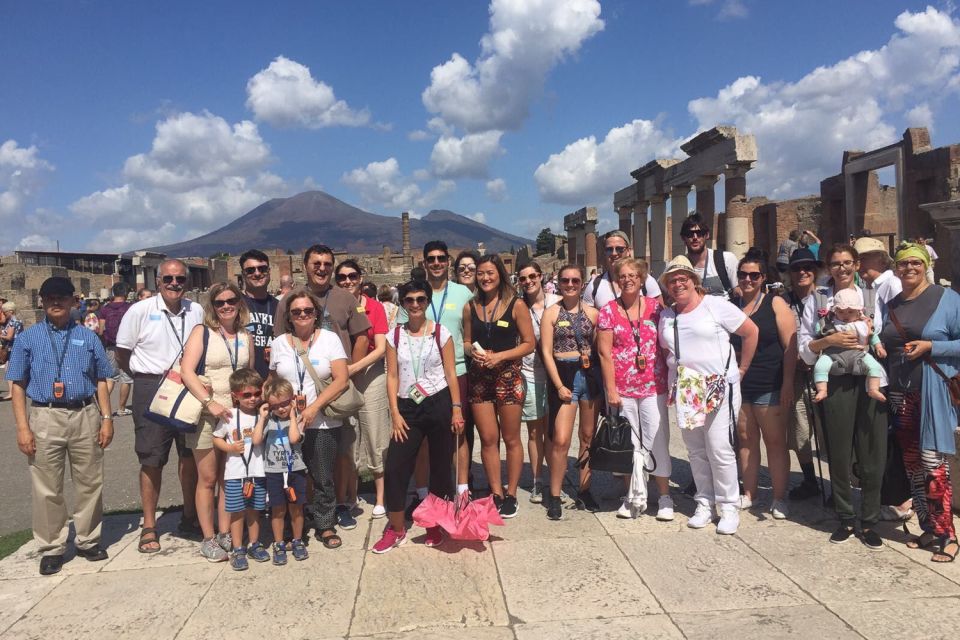
If your goal is to see both cities and understand what daily life looked like under that volcanic cloud, I think this is a good booking. The mix of guided Pompeii highlights and more study time at Herculaneum is the right balance for most people with one day to spend.
Book it if you want structure and less decision fatigue, especially on a busy day in Naples. If you’re very photo-obsessed or hate the feeling of time limits, consider whether you’d rather do Pompeii more slowly on a separate trip. But for many visitors, this combo day is one of the best ways to get the most meaning out of limited time in Campania.
FAQ
How long is the Pompeii and Herculaneum tour from Naples?
The tour lasts about 8 hours.
What’s included in the price?
The tour includes round-trip transfer, live commentary on the bus, a guide or audio guide, guided walking tours at Pompeii and Herculaneum, and a light lunch. Entry tickets are included only if you select the option that includes them.
Is hotel pickup included?
Yes, pickup is included from selected Naples meeting points. You need to confirm the exact meeting point with the provider by contacting them via email at least 24 hours before the tour.
What languages are available for the tour?
Live commentary is available in English, Italian, and Spanish. Audio guides are included in several languages including French, German, Portuguese, Traditional Chinese, Japanese, Russian, Chinese, and Polish.
Does lunch include drinks?
No. Drinks are not included with lunch.
What should I bring?
Wear comfortable shoes and bring an umbrella.
Are large bags allowed?
No luggage or large bags are allowed on this tour.
What happens if the group is small for the live guide?
A live guide is provided if a minimum number of participants is reached; otherwise you receive audio guidance for the relevant parts. The tour can also be bilingual.