REVIEW · POMPEI CAMPANIA
Pompeii: Afternoon to Sunset Guided Tour with Ticket
Book on GetYourGuide →Operated by Enjoy Pompeii · Bookable on GetYourGuide
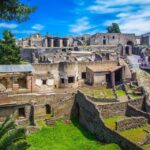
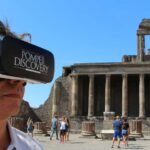
Pompeii at sunset feels like time travel. This 2.5-hour guided walk follows the streets of the ancient city that Vesuvius buried in AD 79, with an archaeologist explaining what you’re seeing as you go. You also get skip-the-line entry plus a set route designed to hit major highlights before the light turns magical.
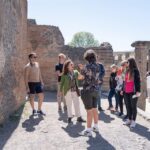
I especially like the way the tour turns big ruins into something you can picture as real life—bread shops, homes, public buildings, and the routines behind them. If you get a guide like Francesco (often called Frankie) or Anna, you’ll hear sharp, human stories that make Pompeii feel less like a museum and more like a neighborhood you could visit.
One thing to consider: this is a walking tour on uneven ancient surfaces, so it’s not a fit if you have mobility limits, heart or respiratory issues, or if you’re over 95.
In This Review
- Key things to know before you go
- Pompeii at sunset: the smart timing for crowds and comfort
- Ticket value: what $58 buys you in real terms
- Where you meet: Ristorante Bar Sgambati and the easy handoff
- The walk itself: how the 2.5 hours tends to feel
- Forum and Basilica: where Roman public life happened
- Thermal Baths and Theater: how Pompeians relaxed and stayed healthy
- Neighborhood streets, bakeries, and housing blocks
- The eruption story: what changed and why it matters
- Lighting and the sunset finish: what you’ll feel at the end
- What to bring and how to pace yourself
- Who should book this Pompeii afternoon-to-sunset tour
- After the tour: make the most of your extra time
- Should you book this Pompeii sunset guided tour?
- FAQ
- How long is the Pompeii afternoon to sunset guided tour?
- What’s included with the ticket?
- Where do I meet the guide?
- What languages are available for the live guide?
- Do I need transportation booked with the tour?
- Do I need ID for the tour?
- Is this tour suitable for people with mobility or health concerns?
Key things to know before you go
- Archaeologist-led walking tour with a live guide (Italian, English, French) and a clear focus on the highlights
- Forum, Basilica, Thermal Baths, and Theater in one compact 2.5-hour route
- Everyday-life details including areas that look like bakeries and typical housing blocks
- Smaller-group feel in many departures, which helps you ask questions and move at a human pace
- Sunset timing that tends to mean cooler air and softer light over the ruins
- You can often linger after the tour to explore extra corners on your own (and some spots aren’t covered)
Pompeii at sunset: the smart timing for crowds and comfort
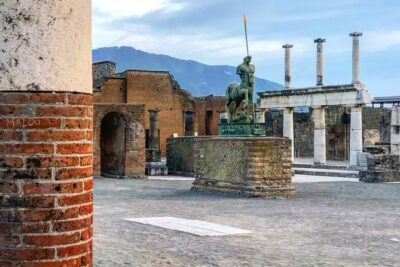
Pompeii is famous for a reason, but it can also overwhelm you. The site is huge, and without a plan you can spend hours wandering while missing the buildings that explain how Roman civic life worked. This afternoon-to-sunset format solves that problem by giving you a guided route that stays efficient, while still leaving you with that late-day calm when the city’s stones start to glow.
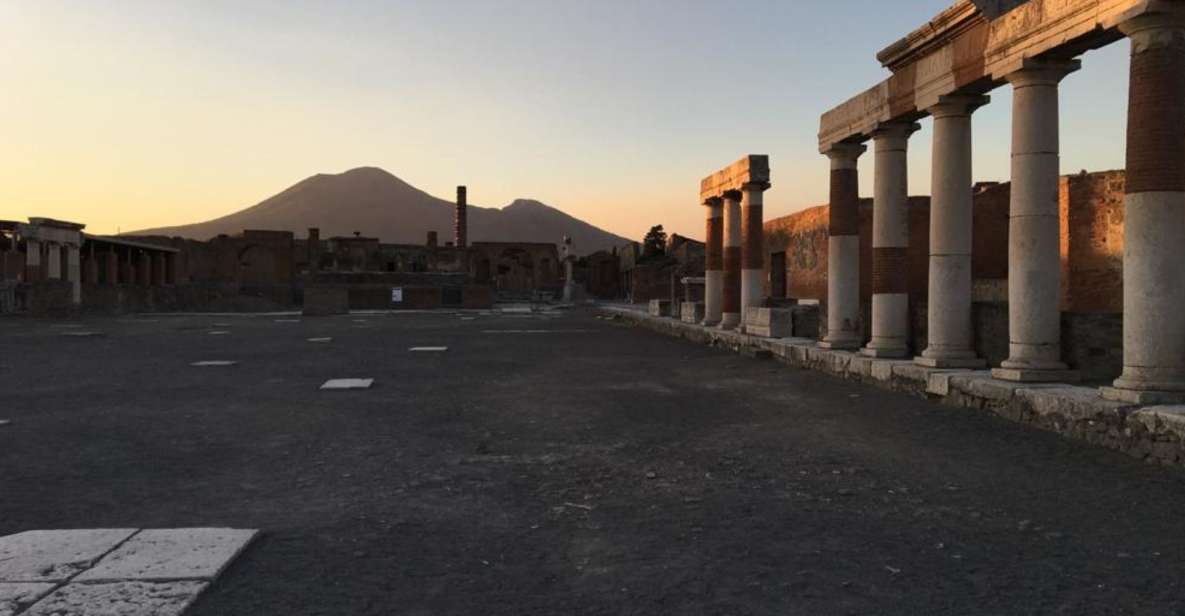
Late day light also changes the experience. You’ll notice it when you look across the Forum area, or when the Theater and Baths sit under gentler sun. Several guides in this program (like Francesco, Angelo, and Sasa) are praised for pacing the group well, including finding better spots in shade when possible—exactly what you want when the ground is uneven and the walking adds up.
You can also read our reviews of more tours and experiences in Pompei Campania


Ticket value: what $58 buys you in real terms
At $58 per person, you’re not just buying an entry ticket. You’re paying for two things that matter in Pompeii: skip-the-line entry and an archaeologist guide.
Pompeii’s lines can eat your time fast. Getting access through a separate entrance means more of your afternoon goes toward the ruins instead of waiting outside in the heat. Then there’s the guide. A live archaeologist doesn’t just point at walls—they explain the purpose of spaces like the Forum and Basilica, why the Thermal Baths look the way they do, and what daily life likely felt like before the eruption.
The tour lasts about 2.5 hours, which is a sweet spot if you want the biggest, most explainable parts without committing to a full day. If your time in Pompeii is short, this format is strong value.
Not included: transportation. You’ll want to already be in Pompeii (train, bus, or car) when you meet your guide.
Where you meet: Ristorante Bar Sgambati and the easy handoff
You meet your guide at Ristorante Bar Sgambati. Look for a red sign that says Enjoy Pompeii. That simple landmark matters because Pompeii can feel confusing at first—so having a specific meeting point reduces stress right away.
Most groups get going quickly after that, and the tour style keeps you moving while still stopping enough to answer questions. People consistently mention guides like Francesco, Angelo, and Sasa for being patient and responsive, which you’ll feel most during the moments when you want context—like what a particular building functioned as.
The walk itself: how the 2.5 hours tends to feel
Think of the tour as a guided circuit through the parts of Pompeii that best explain how the city worked—public life, leisure, daily commerce, and the homes behind it. The pacing is built for a short visit: you won’t cover the entire site, but you should leave with a map in your head.
As you walk, expect regular pauses for explanations—Roman architecture, engineering, and how people used these spaces day to day. Several guides are praised for humor along the way, which isn’t just for fun. It keeps the information sticking when you’re surrounded by ruins that can look confusing if nobody gives you the story.
Also, since this is an afternoon-to-sunset schedule, you’ll likely enjoy a smoother experience than earlier in the day. People mention that later timing can mean fewer crowds and more comfortable temperatures.
Forum and Basilica: where Roman public life happened
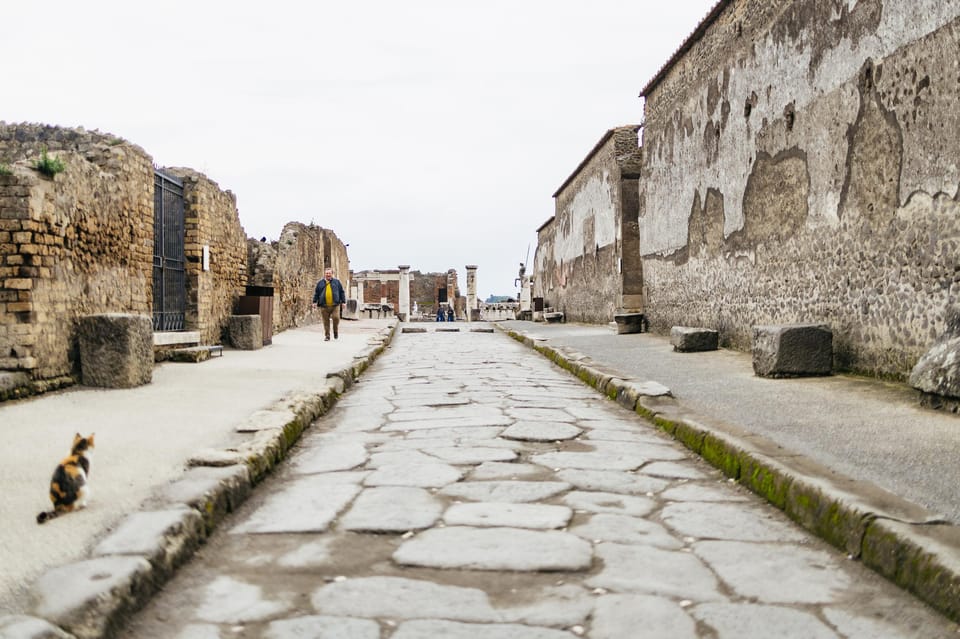
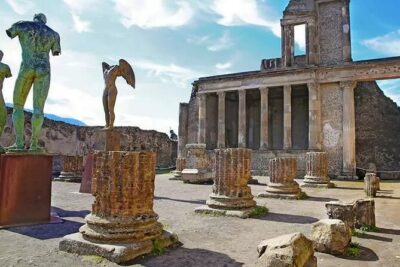
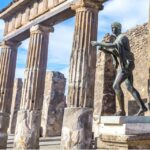
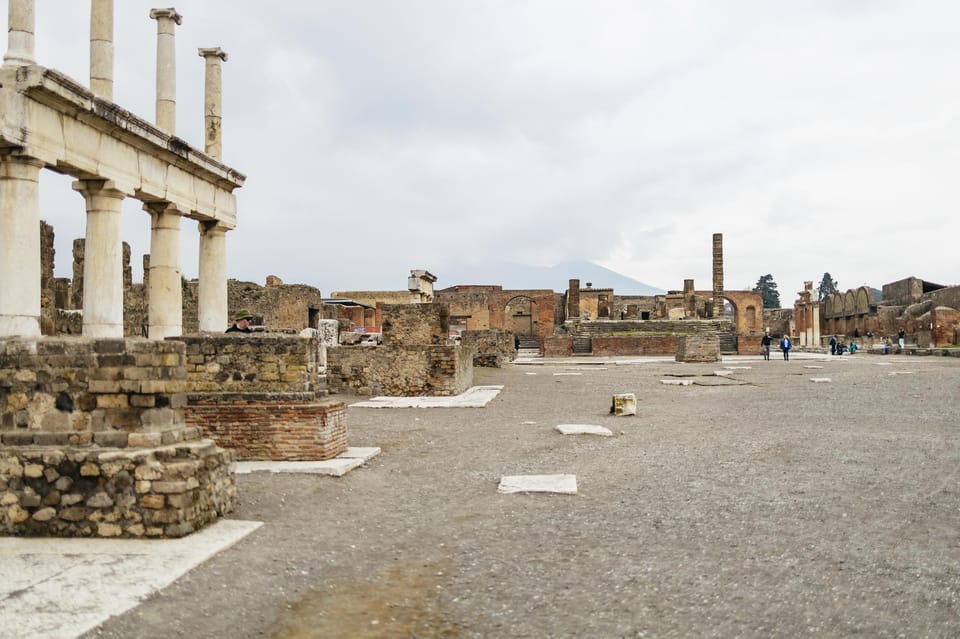
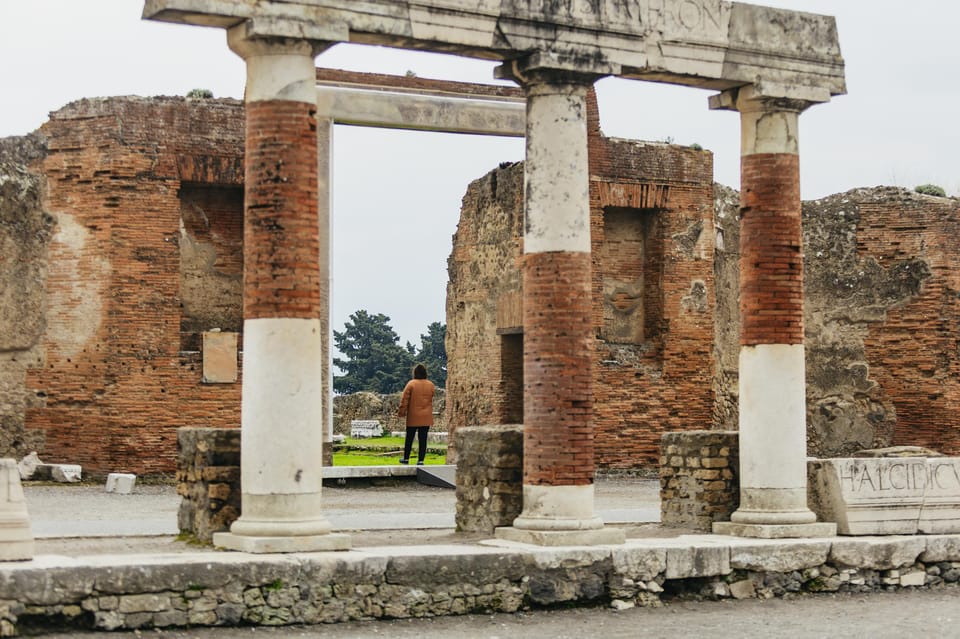
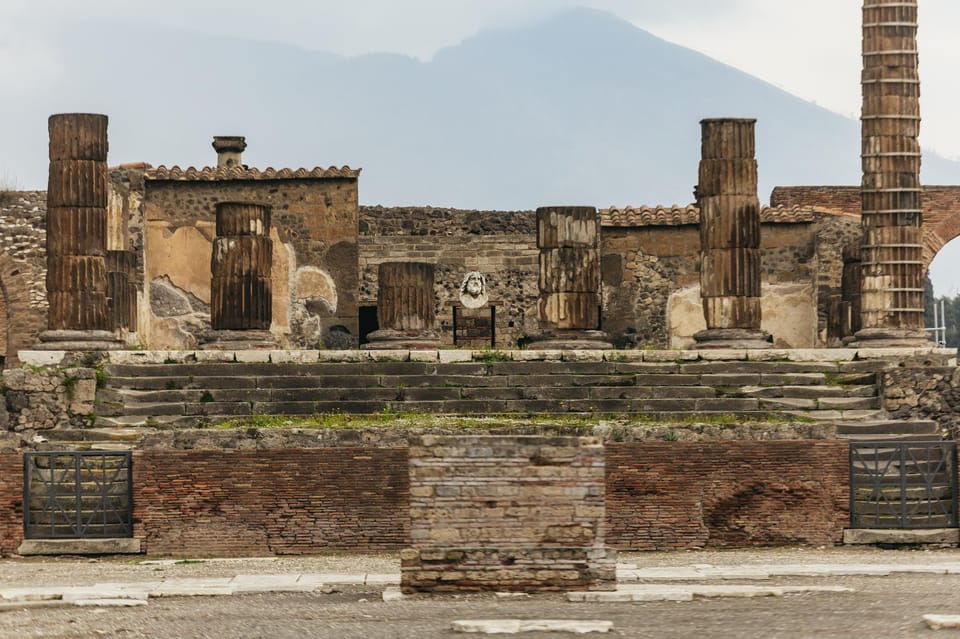
You’ll spend time in the civic core, including the Forum and the Basilica. These aren’t just impressive stone shells—they’re the kind of spaces where decisions got made, business got conducted, and people gathered.
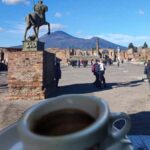
The Forum area helps you understand the city’s rhythm. It’s where public affairs and social interaction took place, not tucked away in private rooms. If you’ve ever wondered why Romans built these large, formal spaces, this part answers it: it’s built for the city to function as a community.
The Basilica adds another layer. You’ll see how Roman design supported everyday flow—people moving, meeting, and conducting legal or civic matters. Even if you’ve read about Pompeii before, this is where a guide earns their place, because it’s hard to infer function just from ruins alone.
You can also read our reviews of more guided tours in Pompei Campania
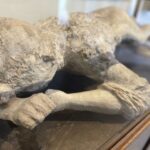
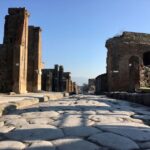
Thermal Baths and Theater: how Pompeians relaxed and stayed healthy
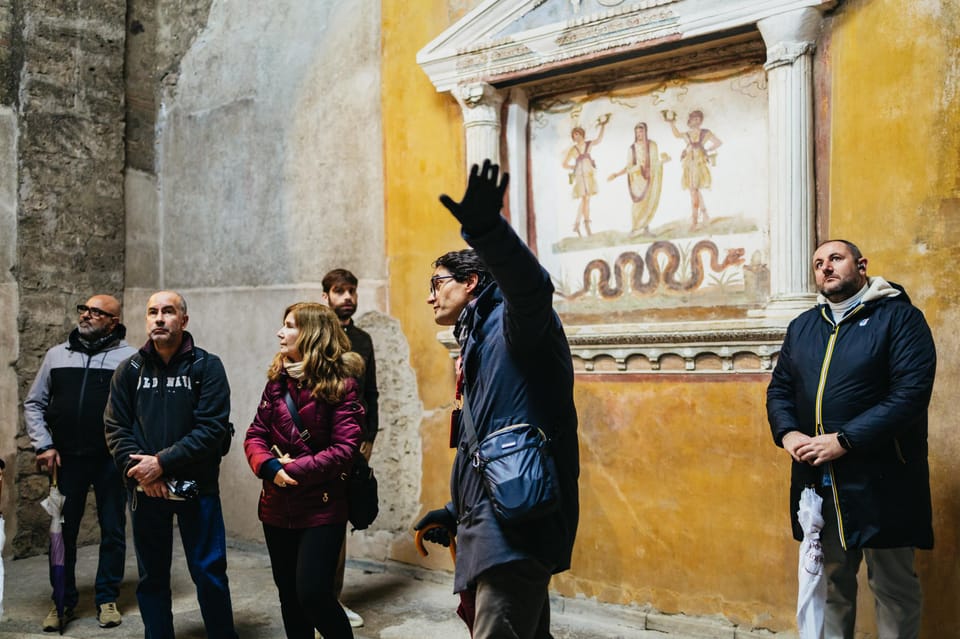
Next up is a strong combo: Thermal Baths and the Theater. It’s a great pairing because it covers both body and leisure.
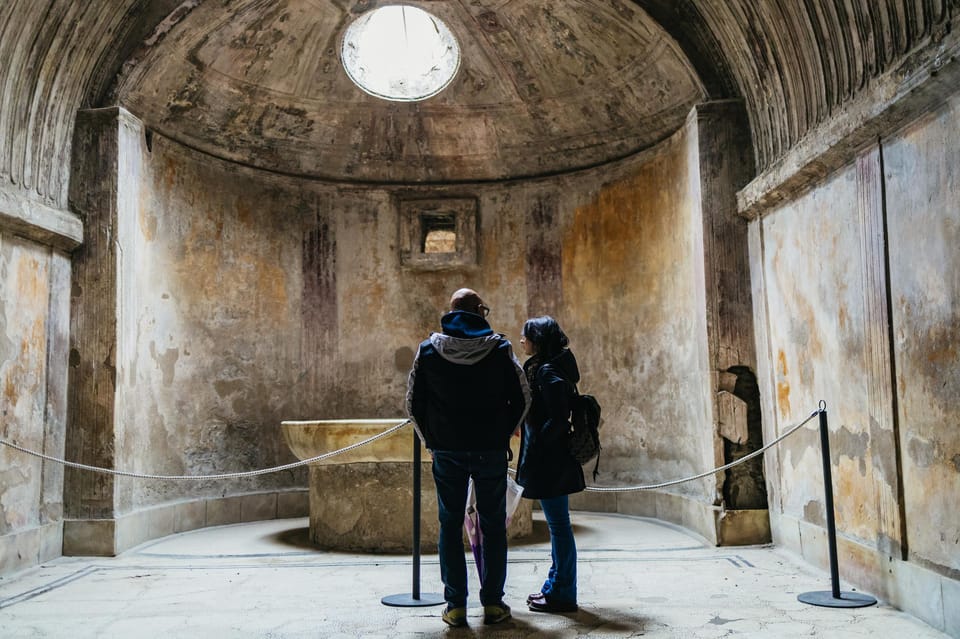
In the Baths, you’re looking at a practical system—spaces arranged for comfort, routine, and public use. The guide explanations help you see why it was worth investing so much in these facilities. This isn’t just about bathing; it’s about how Pompeians socialized while maintaining their health habits.
Then the Theater shows another side of the city: entertainment on a communal scale. Pompeii’s Theater makes more sense when you hear how it fit into Roman social life. Without a guide, you can walk past and admire it. With a guide, you understand what a performance would have meant for locals and how the space shaped the experience.
Neighborhood streets, bakeries, and housing blocks
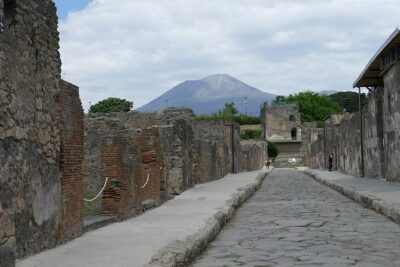
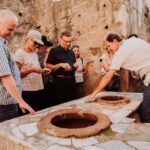
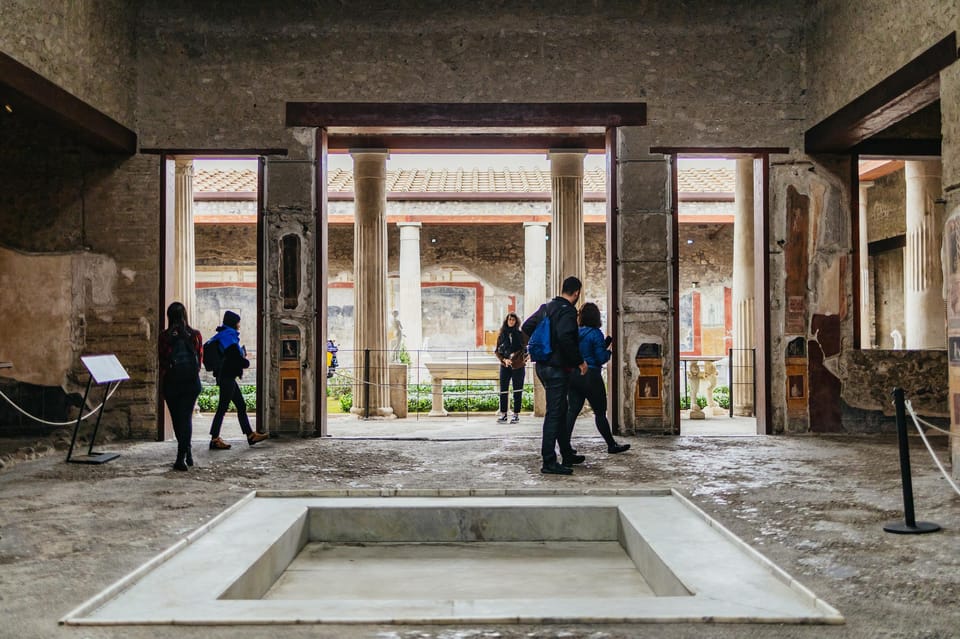
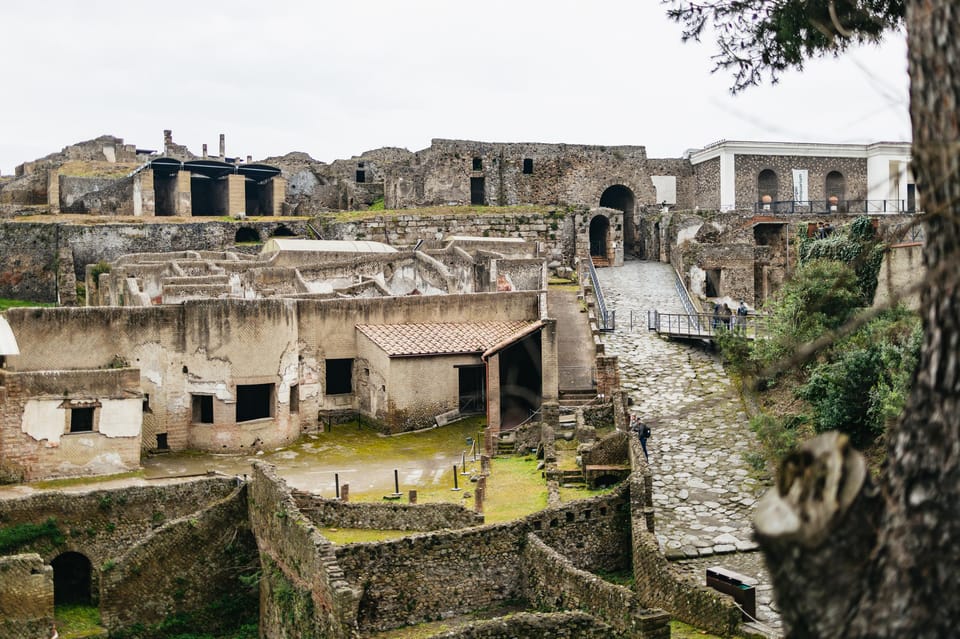
A lot of Pompeii visits focus only on the big monuments. Here, you also get time for the commercial and residential feel of the city—areas described with bakeries and typical housing blocks.
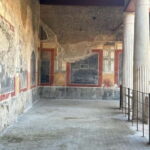
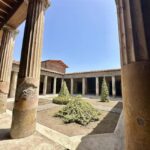
This is where the tour becomes more personal. When the guide points out signs of daily work and living areas, Pompeii starts to look less like a tragedy and more like a functioning place with routines. You can almost picture a normal day: food being prepared, people living in tight quarters, and commerce happening on streets that still look street-shaped.
If you’re a first-timer, this everyday section helps you understand the city beyond the famous dramatic moments. If you’re returning, it helps you see that Pompeii isn’t only about the eruption—it’s also about the ordinary life right up to it.
The eruption story: what changed and why it matters
Most tours mention Vesuvius, but this one ties the eruption to consequences. You’ll learn about the catastrophe and its impact on Pompeii, plus how that event echoed into broader society and historical memory.
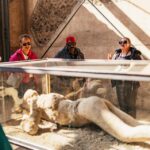
The value here is in the way the guide links cause and effect. Instead of treating the eruption as a single dramatic event, you hear how the destruction froze details in place—so today we can study daily life like an open textbook. That’s why the site still matters: it doesn’t just show ruins. It preserves evidence of how people lived.
If you want a Pompeii visit that explains the why behind the buildings, this part delivers.
Lighting and the sunset finish: what you’ll feel at the end
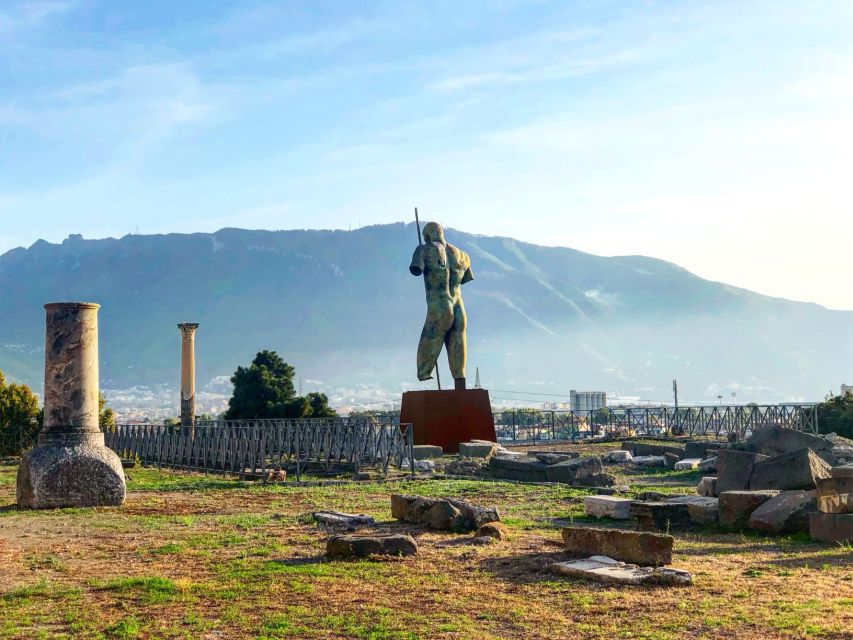
The tour ends with a more tranquil atmosphere as the sun moves toward evening. In practical terms, that usually means less glare, more comfortable temps, and a more relaxed mood when you look back across the ruins.
Several people specifically like the late-day timing because it’s cooler and helps with the walk. One tip worth taking seriously: if you care about photos, plan to keep your camera ready near the final stretch—when the light is softer, small details in the stonework and across courtyards look much better.
Also, Pompeii has a way of feeling more human late in the day. The city’s emptiness becomes part of the story.
What to bring and how to pace yourself
This is a walking experience, so pack like you’re going to explore outdoors on textured ground. You’ll be happiest if you bring:
- Sun hat
- An ID card (a copy is accepted)
Wear shoes that work on uneven surfaces. You’ll see cobbles and broken edges. The guides are praised for helping the group move safely and keeping people aware of where the ground changes—still, you should do your part with good footwear.
If you’re traveling with kids or multiple ages in one group, this format tends to work well because the route is focused. People mention that guides like Francesco and Sasa were great at adjusting pace for mixed groups, answering questions without steamrolling the slow walkers.
Who should book this Pompeii afternoon-to-sunset tour
Book this if you want:
- The Pompeii highlights in about 2.5 hours
- A living explanation of civic buildings (Forum, Basilica) and daily spaces (bakeries and housing blocks)
- A guide who can answer questions and keep the walk lively, with humor reported again and again by people who got Francesco, Angelo, Anna, Luigi, or Sasa
It’s especially good for first-timers who don’t want to guess their way through the site. If you’re short on time between trains or day trips, the timing helps you avoid wasting hours.
If you can’t handle uneven walking or you’re managing health concerns like heart or respiratory issues, skip this and look for a different format better suited to your needs.
After the tour: make the most of your extra time
One of the smartest ways to use this tour is to treat it as your Pompeii starter kit. You’ll get oriented, understand what you’re looking at, and then you’ll know where you want to go next.
Some people note that after the tour finishes there’s time to explore on your own. A key detail: at least one person says the Arena isn’t included in the tour and suggests it’s worth adding if it’s on your must-see list. So if the Arena matters to you, plan your schedule with extra time in Pompeii to add it.
Should you book this Pompeii sunset guided tour?
Yes—if you want a high-value Pompeii experience without turning it into a full-day endurance test. The skip-the-line entry plus an archaeologist guide makes the biggest difference: you see important buildings and you understand what they meant, not just what’s left standing.
I’d especially recommend booking this format if:
- You’re visiting Pompeii for the highlights only
- You want the comfort of later-day light
- You prefer a guided route that keeps the story straight as you walk
Skip it if you need a fully accessible plan or you know uneven walking won’t work for your body. Otherwise, this is one of the more efficient ways to leave Pompeii with your head full of clear, practical context—and with sunset as the payoff.
FAQ
How long is the Pompeii afternoon to sunset guided tour?
The tour runs for 2.5 hours.
What’s included with the ticket?
You get a skip-the-line entry ticket to Pompeii and a live archaeologist guide.
Where do I meet the guide?
Meet at Ristorante Bar Sgambati. Look for a red Enjoy Pompeii sign.
What languages are available for the live guide?
The guide is available in Italian, English, and French.
Do I need transportation booked with the tour?
No. Transportation is not included.
Do I need ID for the tour?
An ID card is required, and a copy is accepted.
Is this tour suitable for people with mobility or health concerns?
The tour is not suitable for people with mobility impairments, heart problems, respiratory issues, or for people over 95 years.