REVIEW · POMPEI CAMPANIA
Pompeii: Guided Tour with Skip-the-Line Entry
Book on GetYourGuide →Operated by Enjoy Pompeii · Bookable on GetYourGuide
Pompeii hits different with a guide. This skip-the-line tour gets you past the worst bottlenecks and into the city with an expert archaeologist guide who explains what you’re seeing and why it mattered in Roman life. I love that the pacing stays realistic for a 2–3 hour visit, and I also like how guides steer you through Pompeii so you don’t just wander and miss the meaning.
The one big thing to factor in is the 2–3 hours of walking over uneven ground with a lot of sun exposure. If you have pre-existing medical conditions, this may not be the best fit for you.
In This Review
- Key takeaways
- Skip-the-Line Entry: What You Save at Pompeii
- Where You Meet: Ristorante Bar Sgambati and the Enjoy Pompeii Sign
- The Big Picture: What This 2–3 Hour Pompeii Walk Covers
- A note on pacing
- Antiquarium and Civic Centers: Learning How Roman City Life Worked
- The Basilica and Forum
- Thermal Baths
- Theater and the Public Face of Pompeii
- Everyday Streets: Bakery Stops and Typical Housing Blocks
- Why these stops matter
- Guides Who Tell Stories, Not Just Facts
- Group vs Private: Choosing the Right Comfort Level
- When to Go: Heat, Crowds, and the First Sunday Free Tip
- Off-season can feel easier
- Afternoon can bring a breeze
- Free entry on the first Sunday
- Price and Value: Is $58 Worth It?
- Who This Tour Suits Best (and Who Should Rethink It)
- Should You Book This Pompeii Skip-the-Line Tour?
- FAQ
- How long is the Pompeii guided tour?
- What is included with the tour price?
- Where do I meet the guide?
- Is skip-the-line entry included, and how does it work?
- What languages are the tours offered in?
- Can I choose a group tour or a private option?
- Which parts of Pompeii will we see?
- Is Pompeii free on certain days?
- What should I know about cancellation?
- Is the tour suitable for everyone?
Key takeaways
- Skip-the-line entry via a separate entrance so your visit starts sooner
- Forum, Basilica, baths, and theater covered with plain-language context
- Everyday streets like a bakery and typical housing blocks, not just monuments
- Guides who manage the route to reduce crowd crush and time in harsh sun
- Private or small-group options, ideal if you want a calmer pace
Skip-the-Line Entry: What You Save at Pompeii
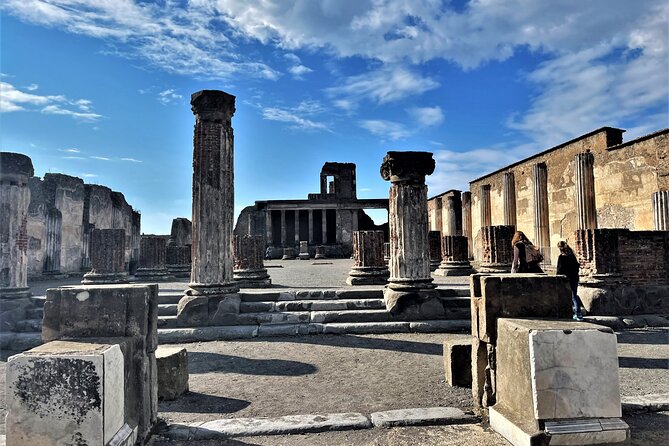
Pompeii is huge, and the clock matters. Even if you love ruins, a long entry line can eat your best daylight and turn the visit into stress math. With this tour, you get skip-the-line entry through a separate entrance, which usually means you arrive at the first meaningful sights while your energy is still high.
That’s the real value of paying extra here: it turns Pompeii from a ticketed maze into a guided route. You’re not just buying access—you’re buying time with a guide who can point out what matters quickly and then keep you moving at the right speed for a 2–3 hour walk.
You can also read our reviews of more guided tours in Pompei Campania


Where You Meet: Ristorante Bar Sgambati and the Enjoy Pompeii Sign
Start here because it keeps everything smooth: meet your guide at Ristorante Bar Sgambati. Look for the Enjoy Pompeii red sign. That matters because Pompeii-area tours often rely on tight timing—miss the meeting point and you can lose your entry slot.
Once the group gathers, the tour flows as a walking route inside the site. From there, you’re focused on the ruins instead of figuring out where to go next.
The Big Picture: What This 2–3 Hour Pompeii Walk Covers
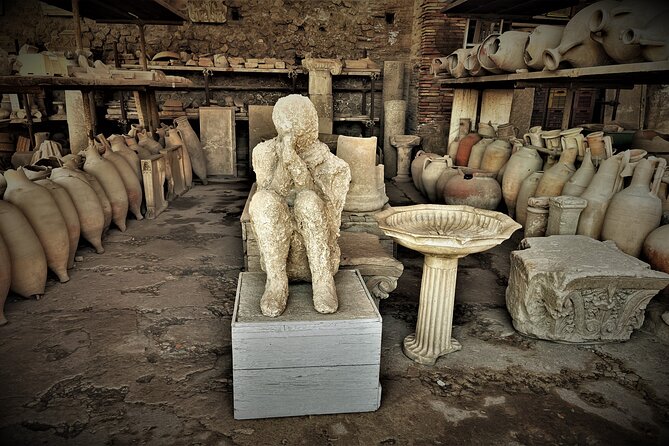
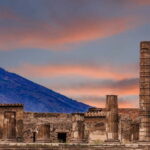
Pompeii can take days if you want to slow down and read every label. This tour is built for something different: a smart, guided pass through the must-see civic and everyday areas. In a short window, you’ll get a structured story—how a Roman city worked, how it looked, and what was still standing before Vesuvius changed everything in 79 AD.
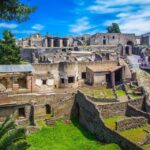
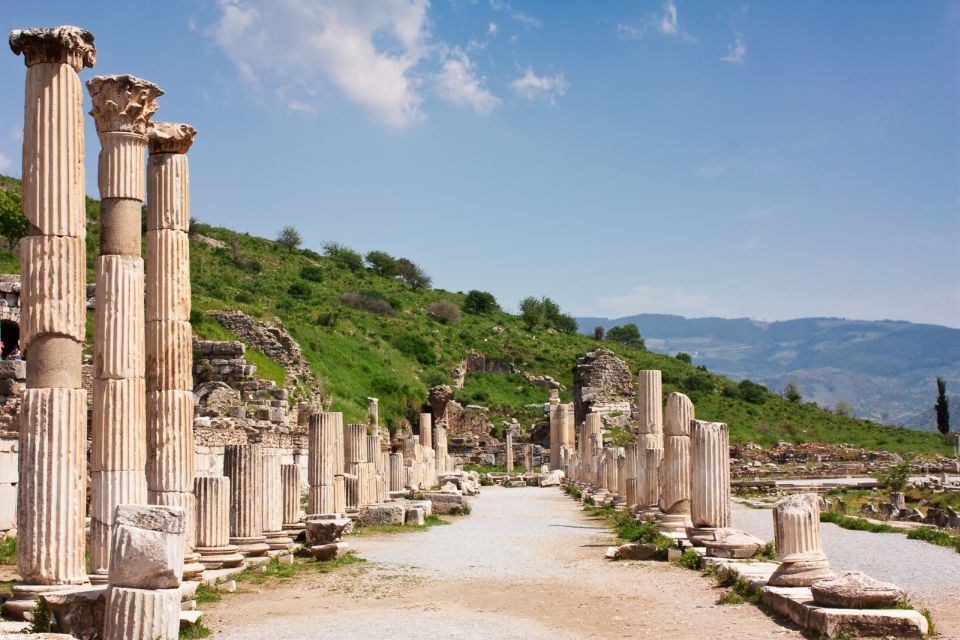
You’ll mainly walk through areas tied to civic life, including the new Antiquarium, Basilica, Forum, thermal baths, and theater. Then you’ll shift to what daily life looked like in quieter commercial and residential neighborhoods—places like a bakery and typical housing blocks—so Pompeii doesn’t feel like only temples and big buildings.
A note on pacing
Many guides in this experience are careful about time and comfort. Expect explanations to happen near the spots that you’ll actually see, not only while you’re stuck in full sun.
Antiquarium and Civic Centers: Learning How Roman City Life Worked
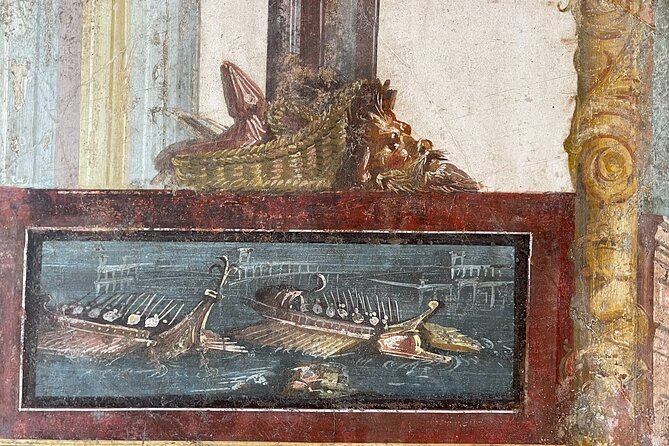
The new Antiquarium is one of those stops that can change how you read the site. Instead of treating Pompeii like a collection of stones, it helps you understand what you’re looking at and how the excavations connect to the original city. For first-timers, this kind of context is gold because it prevents the “I saw a lot, but I don’t know what it meant” feeling.
From there, the tour heads into major civic landmarks:
You can also read our reviews of more tours and experiences in Pompei Campania




The Basilica and Forum
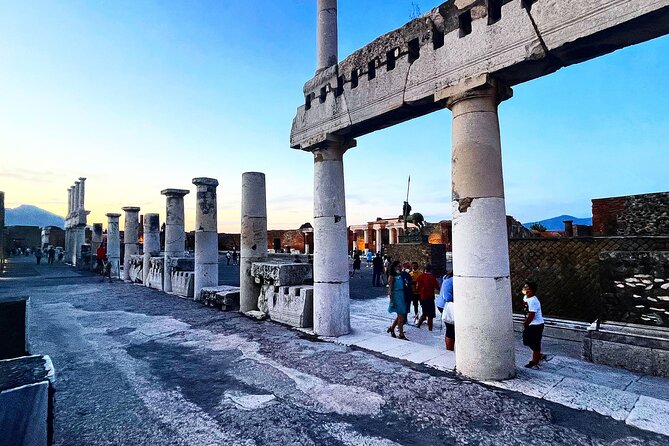
The Basilica and Forum were the heart of public life—where people gathered, debated, conducted business, and moved through the city’s social pulse. With a guide, those spaces stop being abstract. You’ll learn how architecture supported the routines of a Roman city, not just the names of buildings.
If you’ve only visited museums, you may be surprised how much the layout tells you. The guide helps you see how people would have flowed through these spaces, and why certain design choices mattered.
Thermal Baths
The thermal baths are a great reminder that “civic” in Rome wasn’t only politics. Baths were social, practical, and part of how people spent time. Your guide connects the physical layout to daily habits—where people would have moved, met, and relaxed—so it feels like a working city, not a frozen set.
Theater and the Public Face of Pompeii
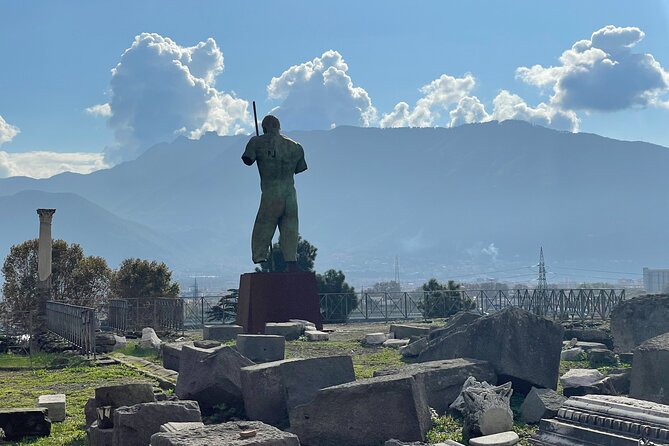
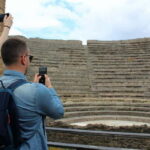
The theater rounds out the public life story. Even if you know Roman culture broadly, the theater’s role becomes clearer when someone ties it to entertainment and community routines.
In a short tour, this kind of stop gives you variety. You don’t only see religious or governmental structures; you see how the city provided shared experiences for ordinary people.
Everyday Streets: Bakery Stops and Typical Housing Blocks
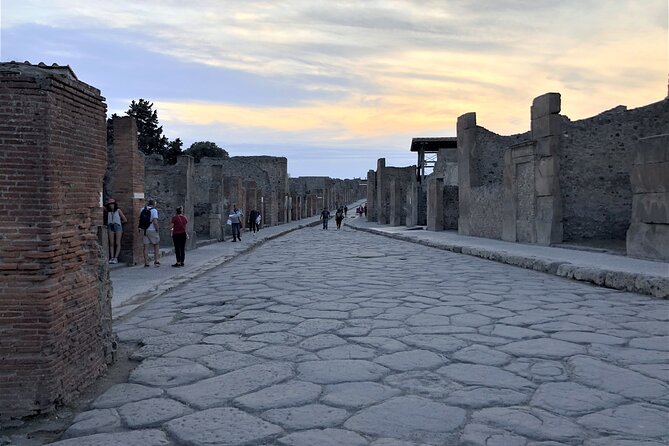
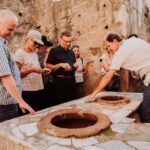
This is where Pompeii becomes personal. A lot of sites lean hard on famous monuments and skip the small stuff. Here, you get into areas that reflect everyday life: a bakery and typical housing blocks.
Why these stops matter
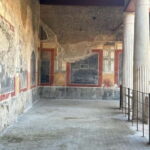
These parts help you imagine daily rhythms—where food was made, how buildings were used, and how families lived in cramped but functional spaces. When you connect those details with what you learned in the forum and baths, you get a more complete picture of Pompeii as a living city.
Also, guides often help you avoid the worst congestion during busy times. That means you can actually look at the small details instead of being swept along by crowds.
Guides Who Tell Stories, Not Just Facts
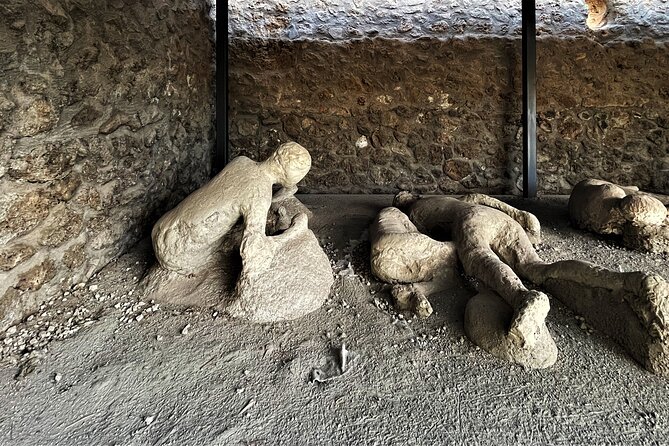
What I’d call the standout here is the guide style. The experience consistently emphasizes live tour guiding in Italian or English, and the guides tend to be both clear and entertaining, with strong Q&A.
You may hear different personalities depending on who you get. For example:
- Guides such as Francesco (Frankie) and Angelo are described as humorous and strong storytellers.
- Alessandra, Anna, Sa Sa (Salvatore), and Sasa show up as examples of guides with deep site understanding and a focus on route planning.
- One guide, Angelo, also brings a specific interest in Vesuvius, which adds extra meaning when you’re watching the city frozen in time.
But the practical part is this: good guides don’t just explain what you see—they help you see it in the right order. Several accounts describe routes designed to avoid crowds and spend more time in shaded spots during explanations. That kind of attention can make the difference between a tour you remember and a tour you endure.
Group vs Private: Choosing the Right Comfort Level
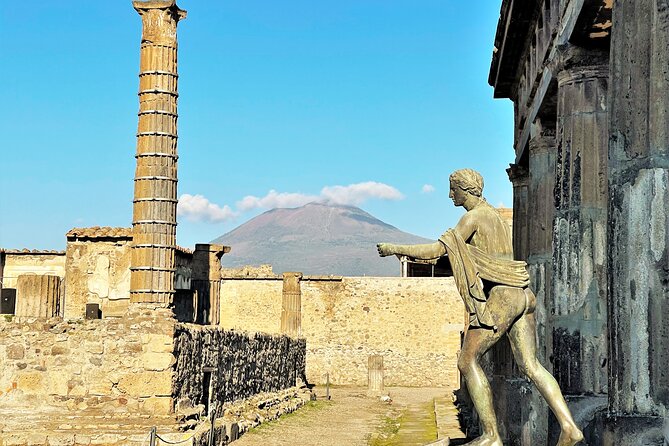
You can book this as a group tour or a private option. In practice, small-group dynamics matter at Pompeii. When the group is tight, you’re more likely to get questions answered and to feel like the guide is watching the whole group, not only moving everyone like luggage.
If you want flexibility—extra time at a stop, a quieter pace, or tailored questions—private or small-group options tend to fit better. If you’re happy with a set route and just want the best highlights explained, the group version can work well too.
When to Go: Heat, Crowds, and the First Sunday Free Tip
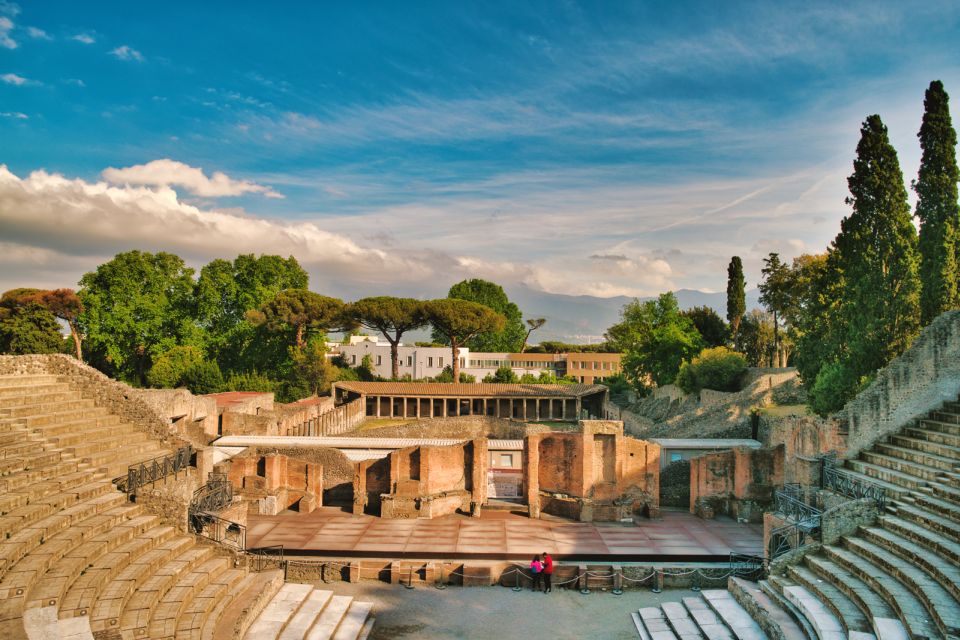
Pompeii can be seriously hot, and the ruins aren’t known for forgiving shade. That’s why the tour’s emphasis on smart stopping points is so important.
Off-season can feel easier
Some guides and experiences shine when crowds are lighter. One example was an off-season visit that felt calmer with pleasant weather—exactly the kind of day where you can enjoy the details instead of fighting for space.
Afternoon can bring a breeze
Timing matters. One experience ran at about 15:30, and the guide noted that afternoons can sometimes bring more breeze from the mountains than mornings. If you’re heat-sensitive, it’s worth considering afternoons over the hottest part of midday.
Free entry on the first Sunday
Here’s an important planning detail: the first Sunday of each month has free entrance. This can be a huge cost-saver, but you should expect it to be a more popular day. If you go for the first Sunday deal, the guided route and skip-the-line setup may help you still get through efficiently.
Price and Value: Is $58 Worth It?
At $58 per person, this isn’t a budget add-on. But the value comes from what’s included: skip-the-line ticket, a walking tour, and a tour guide. You’re essentially paying for three things that are hard to replicate on your own:
- Time saved by entering faster
- Interpretation so the ruins make sense fast
- Route strategy so you don’t waste your short visit on the wrong places or in the wrong crowd pockets
If you only have a limited window—say you’re trying to fit Pompeii before or after another stop—this format can be a practical way to get the biggest impact without turning the day into a logistics puzzle.
If you’re the kind of traveler who wants to wander on your own for hours and read quietly, you might prefer a self-guided approach. But if you want Pompeii to feel understandable and well-paced, this price often feels like it buys relief, not just instruction.
Who This Tour Suits Best (and Who Should Rethink It)
This tour suits you if:
- You want a short, high-impact Pompeii visit with real context
- You’re traveling with kids who can handle a guided walk (a 2-hour option may feel tight for younger legs)
- You care about route planning, crowd avoidance, and staying out of harsh sun when possible
- You want the Roman city story, not only the famous scenic angles
It might not suit you if:
- You have pre-existing medical conditions that make walking or uneven ground risky
- You hate group movement and would rather roam freely without structure
Should You Book This Pompeii Skip-the-Line Tour?
I’d book it if you’re aiming for a smart first visit and you want Pompeii explained in a way that sticks. The skip-the-line entry, the focus on key civic sites like the Forum, Basilica, baths, and theater, and the inclusion of everyday stops like a bakery and housing areas make this a well-rounded route for the time you have.
If you’re traveling during peak heat or you only have a half day, the guide-led route planning and comfort-aware pacing can be the difference between seeing Pompeii and truly enjoying it.
FAQ
How long is the Pompeii guided tour?
The tour runs for 2–3 hours, depending on the starting time and how the visit is paced.
What is included with the tour price?
The tour includes a skip-the-line entry ticket, a walking tour of Pompeii, and a tour guide.
Where do I meet the guide?
Meet at Ristorante Bar Sgambati and look for the Enjoy Pompeii red sign.
Is skip-the-line entry included, and how does it work?
Yes. You get skip-the-line access through a separate entrance.
What languages are the tours offered in?
Tours are offered with live guides in Italian and English.
Can I choose a group tour or a private option?
Yes. You can choose between a private experience or a small group option.
Which parts of Pompeii will we see?
The tour focuses on the ruins of Pompeii and highlights Antiquarium, Basilica, Forum, thermal baths, and the Theater, along with commercial and residential neighborhoods such as a bakery and typical housing blocks.
Is Pompeii free on certain days?
Yes. Entrance is free of charge on the first Sunday of each month.
What should I know about cancellation?
The experience offers free cancellation up to 24 hours in advance for a full refund.
Is the tour suitable for everyone?
It is not suitable for people with pre-existing medical conditions, based on the activity’s guidance.