REVIEW · POMPEI CAMPANIA
From Herculaneum to Pompeii: Audioguides + Entrance Tickets
Book on GetYourGuide →Operated by Tempio Travel Pompei Tickets · Bookable on GetYourGuide
Some ruins work best with a voice in your ear.
This Herculaneum + Pompeii experience is built for exactly that: you’ll get entrance tickets plus an audioguide device (with a map) so you can explore at your own speed across both archaeological parks. I also like the practical setup: you start at Herculaneum, then make your way to Pompeii the same day, with a plan that’s easier than juggling two separate tours.
There is one catch to plan around: Pompeii is big, and finding the second audioguide pick-up spot isn’t as clearly signposted as it is for the first site. You’ll also want to bring your own earphones, since they’re not included—and the audio can use architectural terms without always translating them into plain language.
In This Review
- Key things to know before you go
- A single-day plan for Herculaneum and Pompeii
- Price and what you actually get for $66.84
- Start smart: locating the Herculaneum audioguide desk
- Herculaneum on your own: how the audio guides your pace
- The switch to Pompeii: how to travel between sites
- Pompeii at your pace: where the day can slow down
- What’s included—and what you’ll need to bring
- Language support and how it helps (or doesn’t)
- Practical tips that keep the day smooth
- Who this day works best for
- Should you book this Herculaneum and Pompeii audioguide day?
- FAQ
- How long is the Herculaneum and Pompeii audioguide experience?
- What’s included in the price?
- Is this a guided tour?
- Do I need earphones?
- Where do I pick up the audioguide?
- What languages are available for the audio?
- Is the Villa dei Misteri area included?
Key things to know before you go
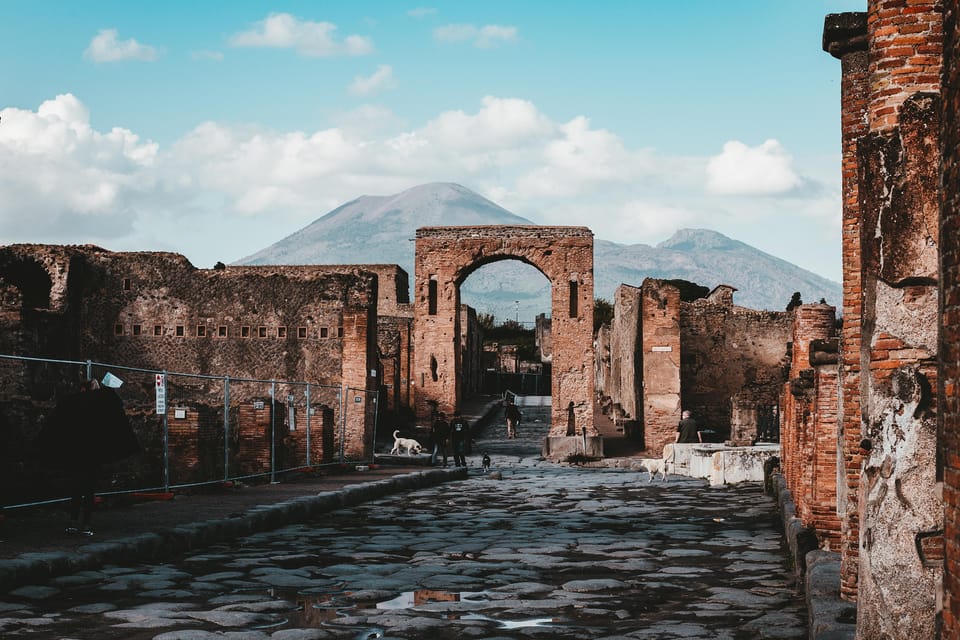
- Skip-the-line entry: You use a separate entrance so you should lose less time at the gate.
- Self-guided, not a group tour: The audio device and map carry the experience; there’s no guided narration in real time.
- Two stops in one day: Start at Herculaneum, then continue to Pompeii, both with included entrance tickets.
- Audio in multiple languages: English, Italian, French, Spanish, and German are offered for the commentary.
- Villa dei Misteri is excluded: You won’t have access to the “Villa dei Misteri” area.
- Earphones aren’t included: Plan to bring them so you can actually hear the device.
A single-day plan for Herculaneum and Pompeii
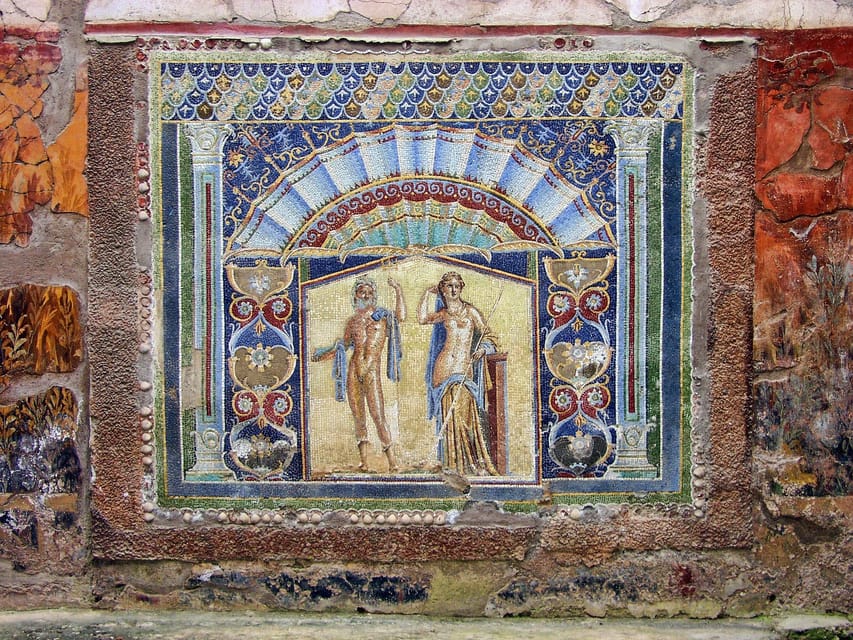
If you’re trying to see more than one major site without spending your whole trip zigzagging, this format is smart. You’re set up for a full day by pairing Herculaneum first, then Pompeii next, with tickets and an audio guide so the narration stays with you across both parks.
You’ll also appreciate the “your pace” approach. There’s no schedule where you have to keep up with a group, so if you want to pause for photos, slow down at a detail, or move on when something doesn’t click, you can.
The only time you may feel friction is when you switch between sites—especially in Pompeii, where the pick-up point for the second audio device can take a bit of hunting.
You can also read our reviews of more tours and experiences in Pompei Campania



Price and what you actually get for $66.84
At $66.84 per person, the value here comes from bundling three things that cost time (and sometimes money) when booked separately: entrance tickets, an audioguide device, and a map.
This price also makes sense if you’re traveling with someone who likes wandering. You’re not paying for a live group guide, so the cost is more about access and the audio delivery system than about being led by a person. For a seven-hour day, that’s a decent trade-off if you know you’ll use the audio.
Where your “true cost” can creep up is the items not included: earphones. If you don’t pack them, you may end up buying something onsite, which is rarely a bargain.
Start smart: locating the Herculaneum audioguide desk
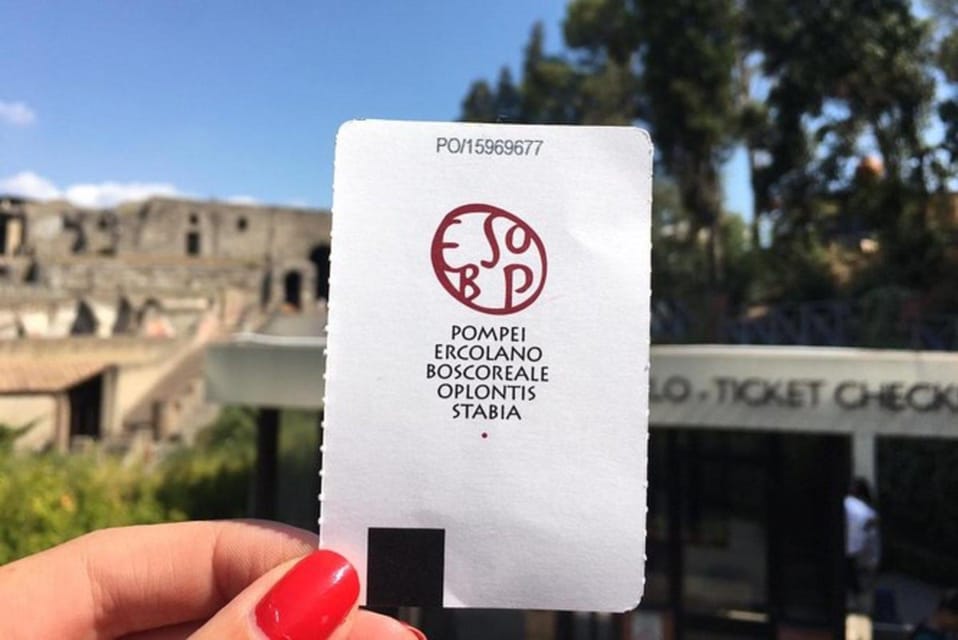
Your day begins at the entrance. Look for the Audioguide Desk and pick up what you need there. The key detail is that the meeting instructions are straightforward at the start, so you can get your audio running quickly and stop wasting your first hour.
This matters more than it sounds. When you’re entering an archaeological park for the first time that day, the first few stops set your bearings. Starting with the audio already in place usually helps you read the site layout faster.
One practical tip: wear comfortable shoes and plan to move often. A lot of the value of an audioguide day comes from being able to stop and listen, then walk to the next viewpoint without feeling rushed.
Herculaneum on your own: how the audio guides your pace
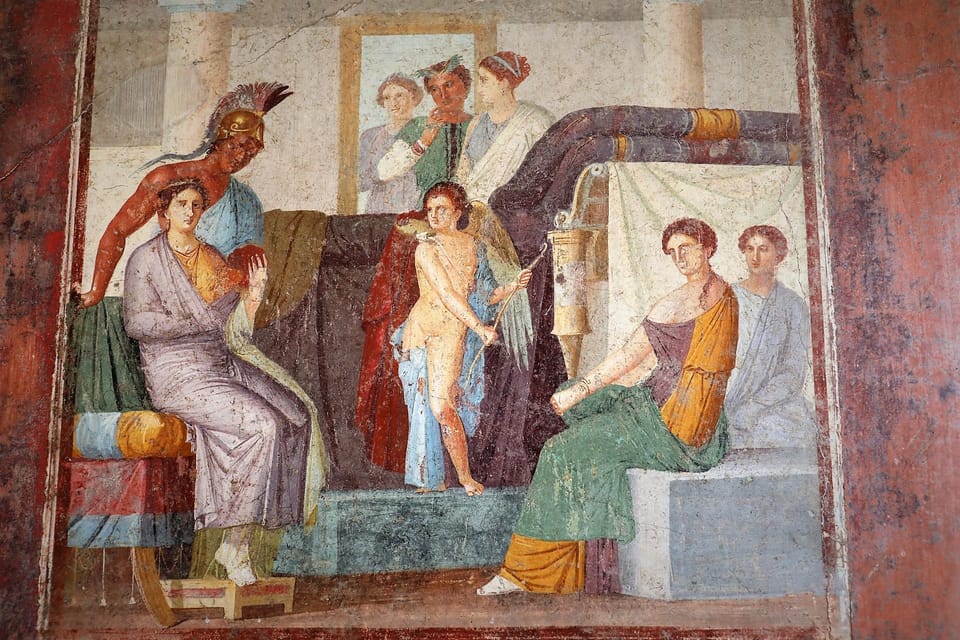
Once your Herculaneum visit begins, it’s a self-guided walk powered by the commentary. The audio is designed to take you through the highlights so you don’t have to guess what’s worth your time in the moment.
I like that the commentary includes enough structure to keep you from feeling lost. Since you also receive a map, you’re not stuck with audio-only directions that don’t match what you’re seeing.
That said, the narration can include technical terms that may not be intuitive if you’re not used to describing ancient architecture. Words like atrium-style vocabulary may come up without a plain-language explanation, so if you prefer ultra-simple descriptions, keep that in mind.
Also, conservation work can change what you see. If an audio cue points you to landmarks that used to be present, you might hit moments where the reference no longer matches the physical barrier or visual guide described in the commentary.
The switch to Pompeii: how to travel between sites
The day is structured for two parks, and the data spells out an easy transfer method. From Herculaneum to Pompeii, the Circumvesuviana train is described as the simple option, heading in the direction of Sorrento.
That’s the kind of practical detail you’ll be glad you had once you’re out of the Herculaneum area and trying to stay on track. With a self-guided day, your timeline is only as good as your ability to move efficiently between stops, and this suggestion aims to do exactly that.
Plan on enough time for the whole transfer, not just the ride. You’ll want a buffer for getting to and from train areas, plus time to settle before you start the Pompeii portion.




Pompeii at your pace: where the day can slow down
Pompeii is where you’ll want to be extra organized, mainly because this experience ends up being very simple on paper and slightly messy on the ground. The audio works the same way as in Herculaneum—self-guided with commentary and a device—but the pick-up point for the second audioguide isn’t as obvious once you’re inside the huge site.
This is the main drawback noted in the reviews: the first pick-up spot at Herculaneum is clearer, while the second isn’t. If you want to avoid losing time, arrive ready to ask staff where the audioguide desk is, or plan a quick, calm walk first to orient yourself.
When it’s working, though, the experience is satisfying. The audio explanations are described as complete and interesting, and they can help you connect what you’re standing in front of with the broader story the commentary is trying to convey.
What’s included—and what you’ll need to bring
Included:
- Entrance ticket
- Audioguide device
- Map
Not included:
- Guided tour
- Earphones
- Access to the Villa dei Misteri area
That “no guided tour” part is important for expectations. You won’t have a person meeting you to explain context in person. Instead, the voice on your device is the guide, so you’ll get more out of the day if you actually plan to listen, not just keep the device on in the background.
And since earphones aren’t included, bring a basic pair. If you’re the type who listens only in short bursts, having earphones ready can still be worth it because the commentary is meant to work stop-to-stop.
Language support and how it helps (or doesn’t)
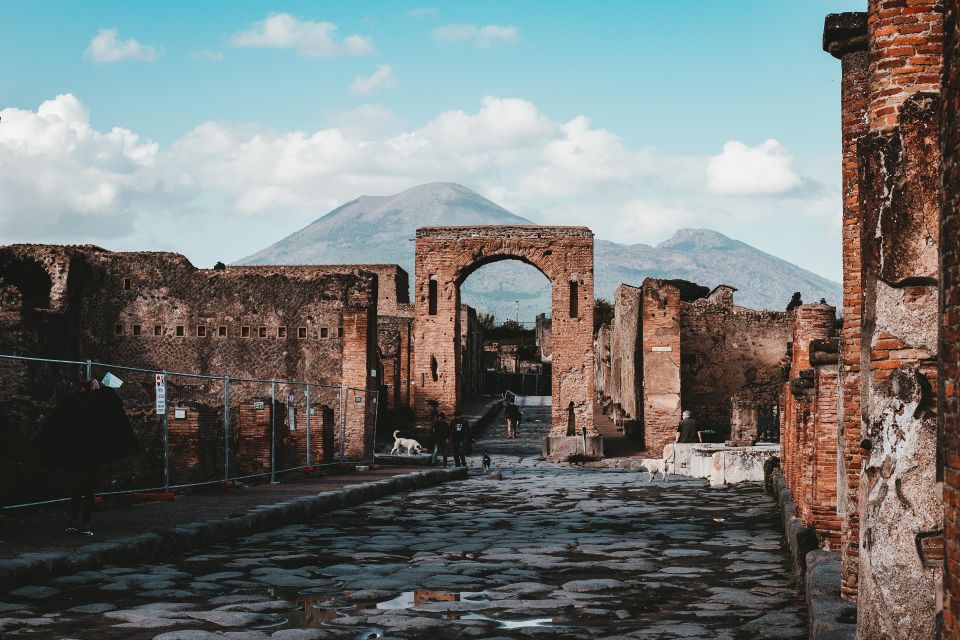
The host/greeter support is listed in English, Italian, French, Spanish, and German, and the audio commentary is also available in those languages. That’s a big deal if you’re visiting with someone whose language comfort matters.
Even with translations, though, technical wording can be a hurdle. If you’re listening in a language you’re less than fluent in, the chance of missing nuances rises—especially when the narration uses architectural vocabulary.
If you run into that, you can still get value by using the audio as a highlight route. Even when a term isn’t crystal clear, you’ll often still learn what area you’re looking at and what the commentary wants you to notice.
Practical tips that keep the day smooth
Here’s how I’d make this day feel easy rather than stressful, based on how the experience is set up.
- Do a fast orientation at each park. In Herculaneum, once you get the audioguide desk sorted, your listening starts right away. In Pompeii, do not assume the second pick-up point will be instantly obvious.
- Wear shoes you can walk in for hours. The plan is seven hours total, with movement between two large sites.
- Bring ID. A passport or ID card is listed as required, so keep it with you.
- Accept that some audio references may drift. Conservation and site changes can make old visual directions feel off. Use the map and your common sense.
- Keep your listening active. If you let the audio guide you, it becomes more than background noise.
Who this day works best for
This experience fits best if you want maximum site time with minimal group structure. You’ll likely enjoy it if you:
- Like exploring on your own but still want a guided route through the highlights
- Prefer audio explanations in your chosen language rather than a live tour
- Are comfortable moving between Herculaneum and Pompeii using public transport
It may feel less ideal if you need a highly structured, person-led explanation. Since there’s no live guide, you’ll depend on the audio for context—and a bit of architectural jargon can slow some people down.
Also, if you specifically want the Villa dei Misteri area, this ticket won’t cover it. That doesn’t ruin the day, but it does change what you can expect to see.
Should you book this Herculaneum and Pompeii audioguide day?
If your goal is a good-value, self-guided day across two major archaeological parks, this is a solid booking. The included combination of tickets + audioguide + map is the core strength, and the audioguide commentary is described as complete and interesting when it matches what you see.
I’d especially recommend it if you travel independently and like moving at your own speed. Just go in with eyes open: bring earphones, expect a bit of time spent figuring out the Pompeii audioguide pick-up, and don’t get frustrated if some audio cues refer to things that have changed due to conservation.
If you hate hunting for desks inside huge sites or you want a more plain-English, human-led explanation at every step, you might prefer a live guided tour instead. But for many visitors, this format hits the sweet spot between structure and freedom—while still keeping the day realistic.
FAQ
How long is the Herculaneum and Pompeii audioguide experience?
The duration is listed as 7 hours. Starting times vary, so it’s worth checking availability when you book.
What’s included in the price?
You get entrance tickets for both sites, an audioguide device, and a map.
Is this a guided tour?
No. It’s self-guided with the audioguide device. A guided tour is not included.
Do I need earphones?
Yes. Earphones are not included, so plan to bring your own.
Where do I pick up the audioguide?
You start at the entrance and should look for the Audioguide Desk. The activity ends back at the meeting point.
What languages are available for the audio?
The audio guide is available in English, Italian, French, Spanish, and German. A host or greeter is also listed in those languages.
Is the Villa dei Misteri area included?
No. Access to the Villa dei Misteri area is not included.