REVIEW · POMPEI CAMPANIA
Pompeii & Herculaneum Tour with an archeologist
Book on GetYourGuide →Operated by Around Amalfi Coast · Bookable on GetYourGuide
Walking these streets is one thing. Understanding AD 79 is the payoff. I love how this tour uses an archaeologist to connect what you see in Pompeii and Herculaneum to the eruption’s different effects, and I also love the small-group feel that keeps the pace human and the questions simple.
You’ll start in Pompeii with the Forum and move through a dense web of streets, then shift to Herculaneum, often described as the more intact site. The main drawback to plan for is cost: the tour price covers the guide and service, but entry tickets are not included, which can be a surprise.
In This Review
- A Quick Snapshot of What You’ll Actually Get
- Key Points That Matter Before You Go
- Why Pompeii and Herculaneum Feel Different Right Away
- Worth the Price for a Small-Group Archaeologist Tour
- Pompeii Stop: Forum First, Then the Street Maze
- The Archaeologist’s Pompeii-to-Herculaneum Comparison
- Herculaneum’s Casas: Casa del Salone Nero and Casa Sannitica
- Mosaics, Charred Furniture, and the Thermal Baths
- Skip-the-Line Access and Realistic Timing
- Where You Meet and How the Day Flows
- Should You Book This Pompeii and Herculaneum Tour?
- FAQ
- How long is the Pompeii & Herculaneum tour?
- Is the tour guided in English?
- Are entry tickets included in the price?
- What’s the group size?
- What’s the meeting point?
- Is this tour wheelchair accessible?
A Quick Snapshot of What You’ll Actually Get
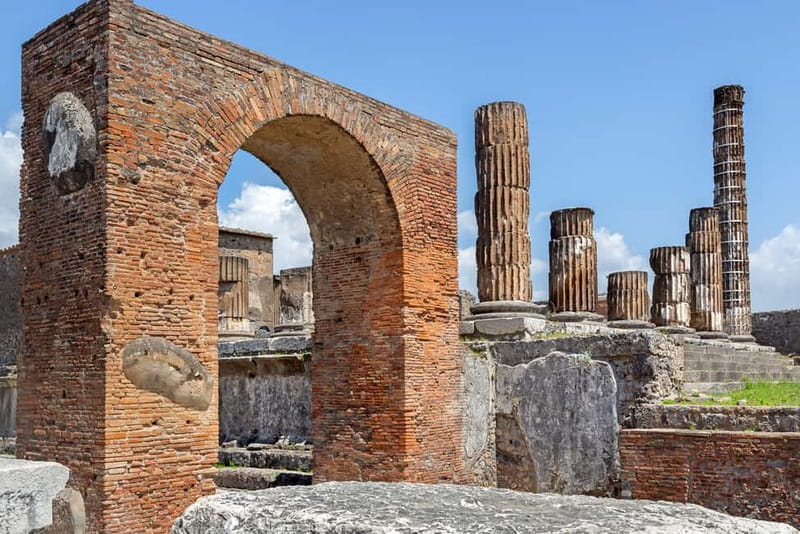
The core value here is learning on the ground. The guide makes the contrast clear: both towns were buried in AD 79, but Herculaneum’s higher survival rate means you can see more of what the Romans left behind, including charred but still-form furniture and standing upper floors in select houses.
The tour also runs about 5 hours, so it’s not an all-day crawl. It’s long enough to make the differences feel real, but short enough that you won’t be stuck watching crowds shuffle past.
Key Points That Matter Before You Go
- Archaeologist-led focus: you’re not just sightseeing; you’re getting site-specific context
- Forum first in Pompeii: you start where political and commercial life concentrated
- Herculaneum’s preservation: upper floors and fine details often survive better here
- Standout houses: Casa del Salone Nero and Casa Sannitica are part of the route
- Small group size (up to 8): you’ll usually hear the explanations without craning
You can also read our reviews of more tours and experiences in Pompei Campania.


Why Pompeii and Herculaneum Feel Different Right Away
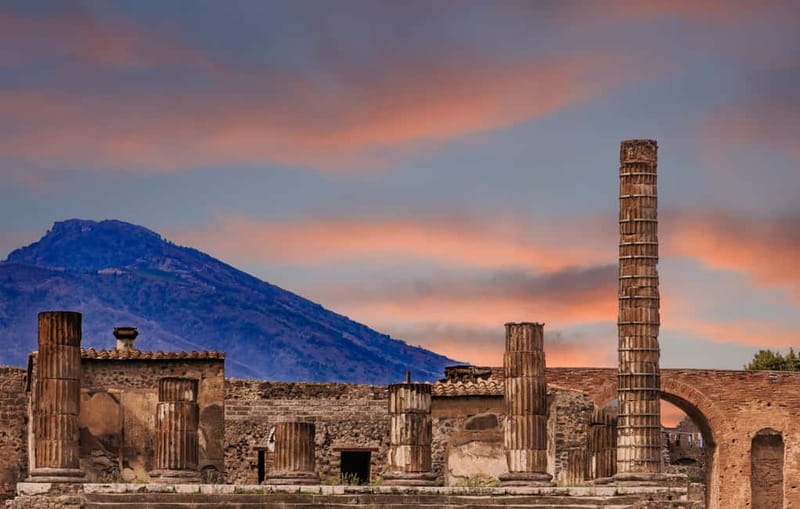
Pompeii and Herculaneum are neighbors in the broadest sense, but they don’t tell the same story. On this tour, the archaeologist explains how the eruption affected both places while also showing why the outcome isn’t identical when you’re standing in the ruins.
What I like about this approach is that it helps you read the site like a map. In Pompeii, you’re going to notice big public spaces and the street grid logic. In Herculaneum, you’re going to notice how much daily life stayed visible—like the shape of rooms, the placement of objects, and even decorative surfaces.
This matters because the ruins can otherwise feel like random piles of stone. With the right guide, you start asking better questions: What was a house used for? Where did people gather? How did daily routines survive until the moment everything stopped?
Worth the Price for a Small-Group Archaeologist Tour
The price is $993.72 per group (up to 8 people) for a 5-hour experience. At first glance, that’s a lot of money—especially if you’re comparing it to budget city tours. But here’s the value math: you’re paying for two major sites, guided by a specialist archaeologist, in a group that stays tight.
That small group detail is not fluff. When you’re walking Pompeii’s uneven ground and navigating Herculaneum’s preserved spaces, it helps to move as a unit with fewer people blocking your view. It also helps you hear the “why” behind what you’re seeing, instead of just hearing generic dates.
One practical note: entry tickets are not included in the tour price. You can also run into an odd budgeting situation on the first Sunday of each month, when entrance is free but tickets can’t be reserved ahead of time, so entry isn’t guaranteed. My advice is simple: plan to pay for tickets unless you’re booking specifically around that first-Sunday window and you’re okay with uncertainty.
Pompeii Stop: Forum First, Then the Street Maze
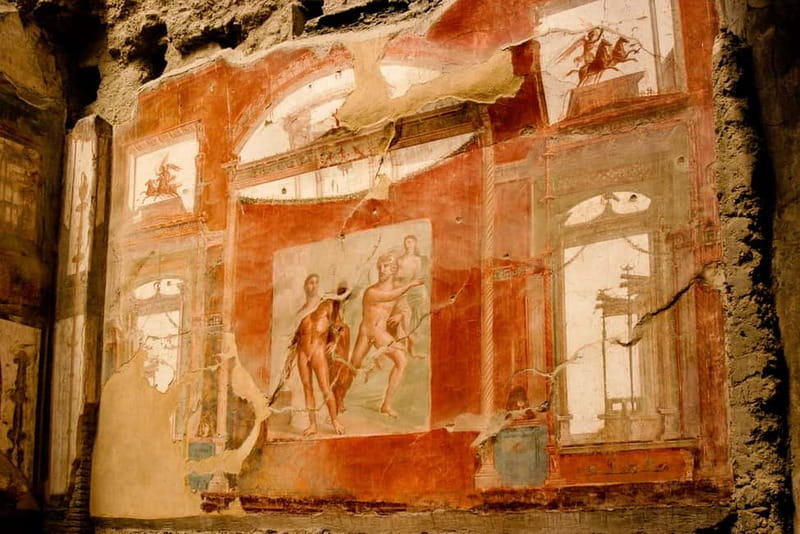
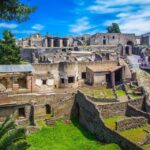
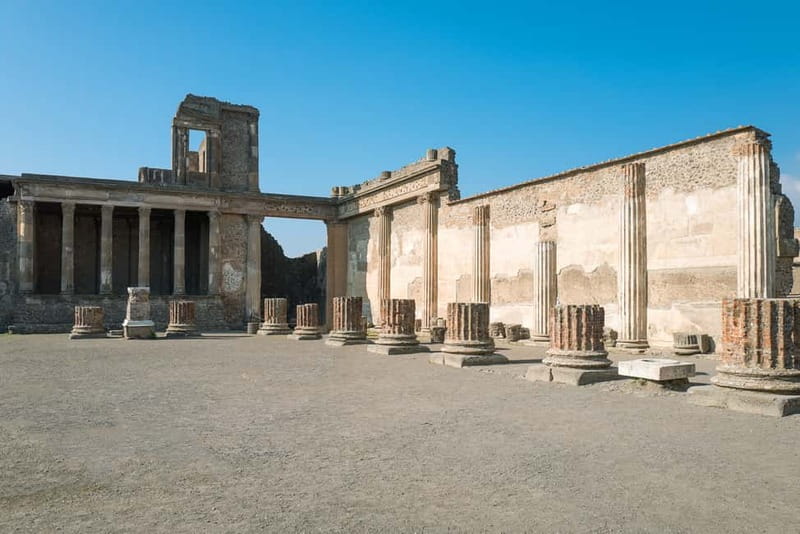
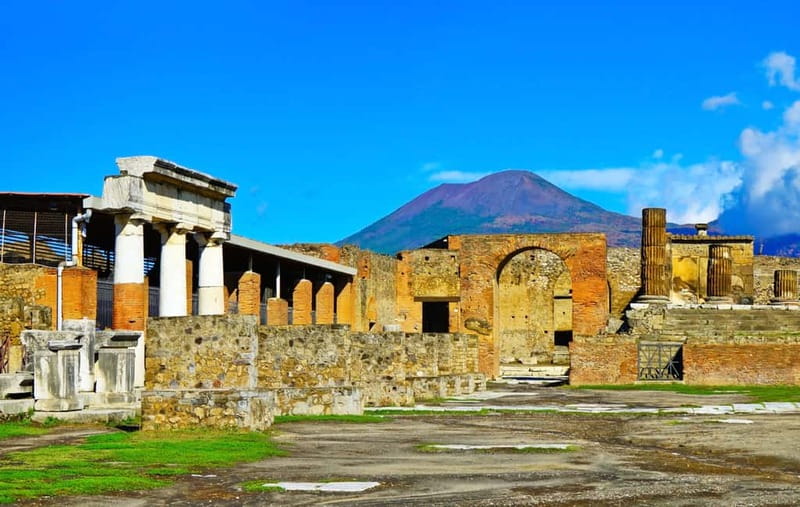
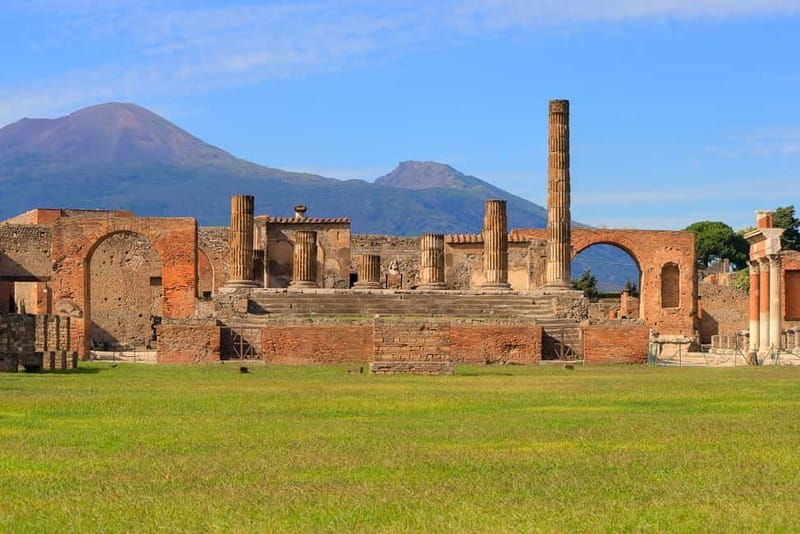
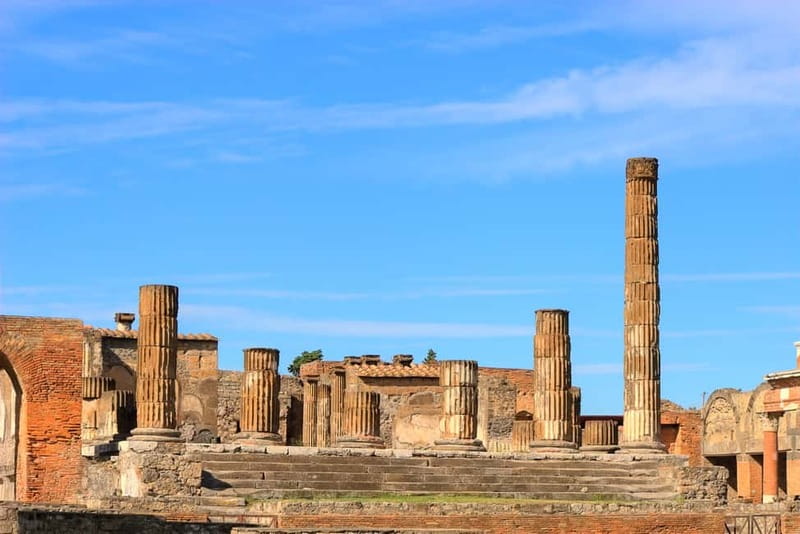
You begin in Pompeii, and you start at the center of the action: the Forum, the heart of political and commercial life. This is a smart way to open, because it gives you a mental anchor. Once you understand where the public life concentrated, the rest of the site starts to make sense.
From there, the tour moves through a dense network of streets. Pompeii’s streets can feel like a maze at first, but with guidance you’ll start noticing the logic of movement: where the foot traffic would have flowed, where buildings faced key spaces, and how the city’s layout supported its everyday rhythm.
This is also where you’ll feel what good guiding changes. A great guide doesn’t just point out walls—they explain what those walls imply about social life and infrastructure. The strongest feedback from people who did this tour points to guides who make the history feel alive, and that’s exactly what you want in Pompeii.
The Archaeologist’s Pompeii-to-Herculaneum Comparison
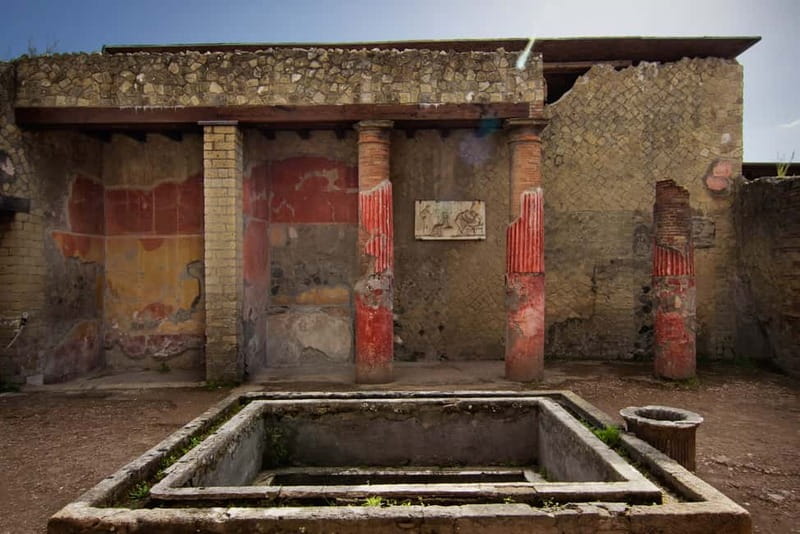
The tour’s biggest mental shift happens when you change sites. The archaeologist spells out the similarities and differences: both cities were buried in AD 79, but the impact wasn’t the same in the way the ruins survived.
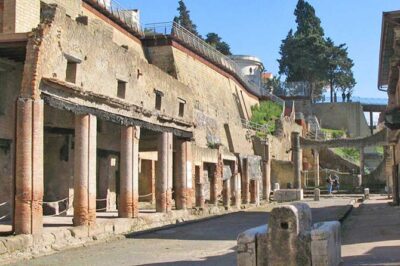
The big takeaway is preservation. In Herculaneum, more upper levels of elegant buildings remain standing than in Pompeii. So instead of imagining how rooms used to look, you can often see more of the vertical story—how spaces rose, how daily life occupied multiple levels, and how decoration survived when you’d expect it to be long gone.
This comparison is the kind of thing that turns “I saw ruins” into “I learned something.” You’ll walk the sites thinking less about postcard views and more about how people lived before the eruption—and why the aftermath preserved those clues differently.
Herculaneum’s Casas: Casa del Salone Nero and Casa Sannitica
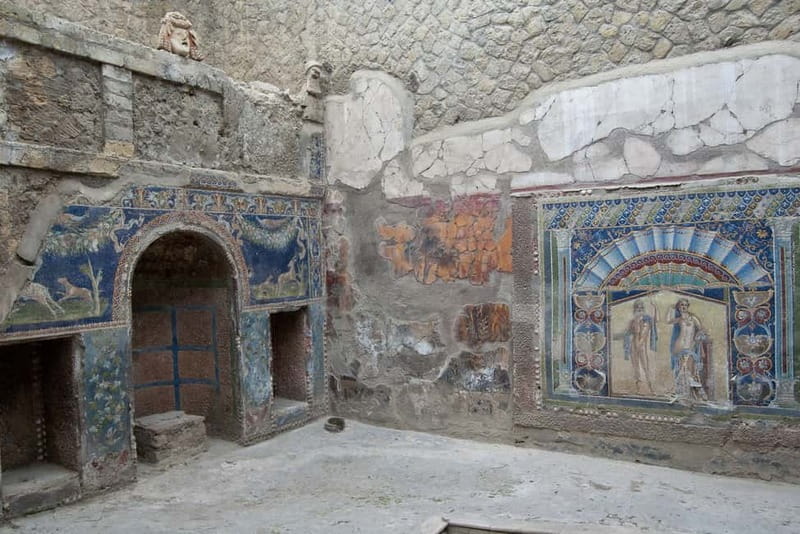
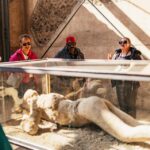
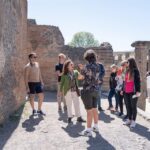
Herculaneum is often called a jewel of archaeology, and the reason becomes obvious when you reach the houses. This tour includes stops at Casa del Salone Nero and Casa Sannitica, two places highlighted for what they reveal about upper-floor survival and household life.
In practice, this means you’re not only looking at foundations. You’re seeing more of the structure that shapes how the home functioned. When upper floors remain, you get a clearer sense of how family members moved through the building, how rooms related to each other, and how status and comfort were expressed in domestic space.
These are the stops that help you understand “wealthy holiday retreat” in concrete terms. Herculaneum sat overlooking the sea and served as a vacation town for Rome’s rich. When you stand in houses like these, it’s easier to grasp why the upper floors and preserved details matter—they’re part of the lifestyle.
If you’re the type who likes architecture and floor plans, you’ll likely get more out of Herculaneum than you expect. The guide’s explanations help you see the building as a lived-in place, not just an archaeological exhibit.
Mosaics, Charred Furniture, and the Thermal Baths
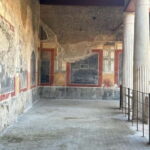
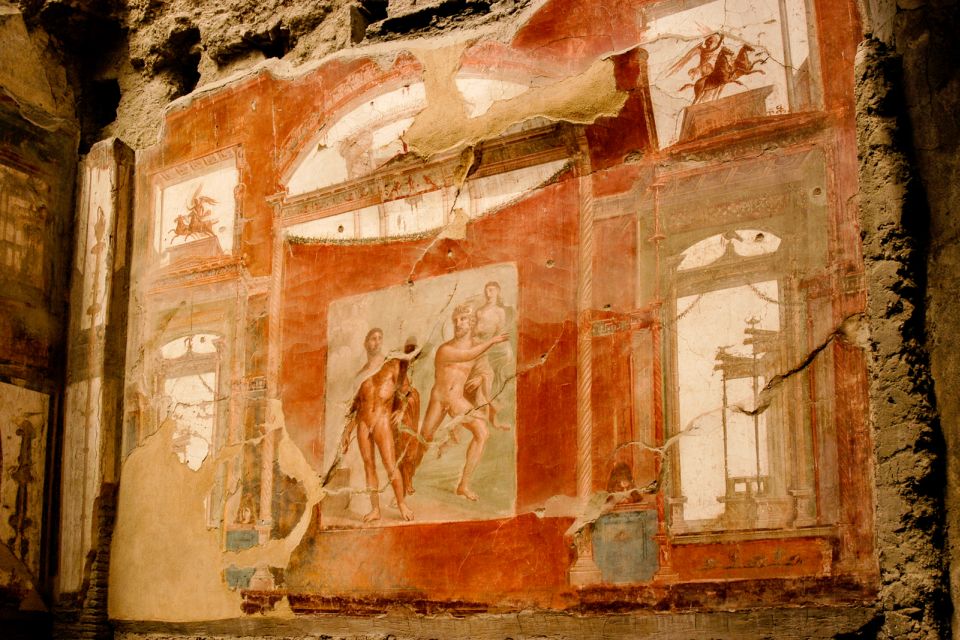
The tour focuses heavily on visual evidence, and it’s worth knowing what makes Herculaneum so striking: beautiful mosaics and preserved items that you might not expect to survive in such condition. You’ll hear about charred but extraordinarily intact furniture, which is the kind of detail that hits hardest when you see it in the context of the room.
This isn’t just shock value. It’s also a clue. When objects stay in place, you can better understand layout and habits—where items sat, how rooms were arranged, and how people used spaces right up to the disaster.
Then you’ll move to the thermal baths, where the guide ties the ruins to real-life recreation. Roman bathing wasn’t just hygiene; it was social time and leisure culture. In a place where decorative elements survived, you get the chance to admire fine decorations that survived almost by accident of the eruption’s effects.
For many visitors, the baths section is where the tour feels most human. You’re looking at a space designed for relaxation and routine, and the guide helps you picture the social rhythm that would have filled it.
Skip-the-Line Access and Realistic Timing
One of the practical wins is skip-the-line access via a separate entrance. In both Pompeii and Herculaneum, lines can eat up valuable time, especially when you’re dealing with uneven walking and fixed site pacing. Having a separate entrance can keep your day from getting swallowed by logistics.
The duration is about 5 hours, which is a balanced stretch. Long enough to cover Pompeii’s major anchor points and reach Herculaneum’s household highlights, short enough that you don’t feel like you’re sacrificing the rest of your trip.
English is the tour language, and it’s live guided. People rate this tour strongly on explanation quality, with one guide standout being Maria, noted for interesting, perfect knowledge and very good explanations. That’s the kind of feedback that usually translates into clearer on-site context.
There’s also wheelchair accessibility listed for the experience, which is good to know. The site terrain is still challenging in general, so if mobility is a concern, it’s smart to ask the operator what route adjustments they can handle.
Where You Meet and How the Day Flows
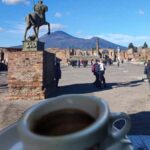
You start at Coffee Shop Vittoria, and the tour ends back at that meeting point. That’s a helpful detail because it cuts down on end-of-tour navigation stress.
About pickup and drop-off, the information is a little inconsistent: it’s listed as included in one section and also mentioned as not included elsewhere. I’d treat this as a “confirm before you go” item. If pickup is important for you, message the provider during booking and get it in writing.
Should You Book This Pompeii and Herculaneum Tour?
Book it if you want more than a walk-through and you like structure. The Pompeii-to-Herculaneum comparison is a strong way to learn, and the inclusion of key stops like the Pompeii Forum plus Herculaneum houses (Casa del Salone Nero and Casa Sannitica) gives your eyes something specific to track.
Skip it or rethink it if entry-ticket costs would stress your budget. The tour price doesn’t include tickets, and ticket strategy gets tricky on the first Sunday of the month because free entry can’t be reserved ahead of time and entry isn’t guaranteed.
If you’re traveling with limited time and you care about seeing the best-preserved evidence—especially the household details in Herculaneum—this is a good use of a half-day. You’ll leave with a clearer picture of how the same eruption could still produce different ruins, and you’ll understand why those surviving upper floors, mosaics, and rooms feel so startlingly close to daily life.
FAQ
How long is the Pompeii & Herculaneum tour?
The tour lasts 5 hours. Starting times vary, so you’ll need to check availability for the specific slot you want.
Is the tour guided in English?
Yes, the tour includes a live guide in English.
Are entry tickets included in the price?
No. Entry tickets are not included. The tour does include skip-the-line access through a separate entrance.
What’s the group size?
It’s a small group limited to 8 participants.
What’s the meeting point?
You meet at Coffee Shop Vittoria. The tour ends back at the meeting point.
Is this tour wheelchair accessible?
Wheelchair accessibility is listed for this activity.