REVIEW · POMPEI CAMPANIA
Pompeii: Tour with Archaeologist Guide & Skip-the-Line Entry
Book on GetYourGuide →Operated by Angelo (Travelcampania) · Bookable on GetYourGuide
Pompeii feels real the moment a guide starts talking. With skip-the-line priority entry and an archaeologist-led walkthrough, you spend your limited time on the parts that actually connect to Roman daily life.
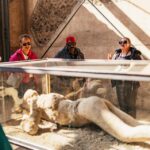
I like that the format does more than point at ruins. It turns the site into a story, including the famous plaster casts and the feeling of stepping back to a city founded in the 7th century BC.
One thing to plan for: this tour is not suitable for wheelchair users or people with mobility impairments, since you’ll be moving around an outdoor archaeological site.
In This Review
- Quick hits before you go
- Pompeii’s punch: why an archaeologist guide changes everything
- Skip-the-line with Pompeii Express: what your time is really buying
- Meeting at the Welcome box: the part that can make or break the start
- Two hours of Pompeii: your stop-by-stop route (and what each moment adds)
- Porta Marina: the city begins at the gate
- Teatro Piccolo: public life, but in a smaller scale
- House of Menander: seeing private life as part of the whole city
- Thermopolium: street-level routines and the rhythm of commerce
- Terme Stabiane: baths as a social space
- Lupanare: a tougher topic handled with context
- Foro Civile di Pompei: the civic center and your short free window
- Radioguides and earpieces: hearing the story in a crowded site
- The value of a curated walk: how you avoid Pompeii’s biggest trap
- Practical stuff that saves stress: IDs, bags, lockers, and water
- Price and value: is $57 fair for a 2-hour guided Pompeii visit?
- Who should book this tour, and who should skip it
- Should you book? My practical call
- FAQ
- How long is the Pompeii tour with an archaeologist guide?
- Does this tour include skip-the-line entry?
- Where is the meeting point?
- What languages are offered on the tour?
- What’s included in the price?
- What do I need to bring for the tour?
- Are bags allowed?
- Is there audio or a radioguide?
- Is the tour suitable for wheelchair users or limited mobility?
- Is free cancellation available?
Quick hits before you go
- Priority access through Pompeii Express helps you skip long ticket lines.
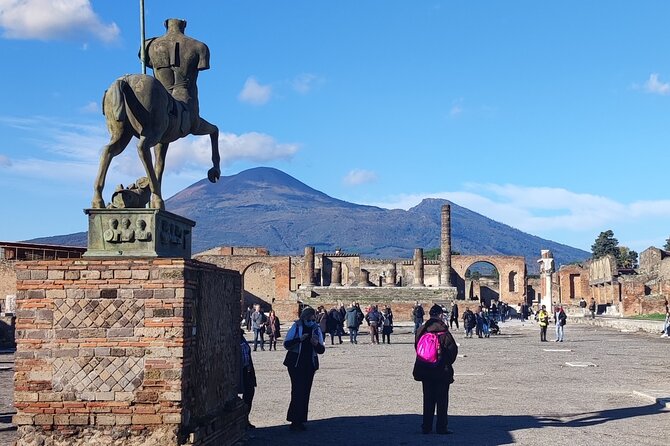
- Archaeologist guide explains how the eruption of Vesuvius destroyed Pompeii in 79 AD and what you’re seeing now.
- Targeted route in 2 hours across major stops, ending with a short free moment at the Forum.
- Radioguide/audio setup keeps you hearing the guide in a crowded site (earpieces can run loud).
- Meeting at the Welcome box makes the start and end straightforward once you find the group.
Pompeii’s punch: why an archaeologist guide changes everything
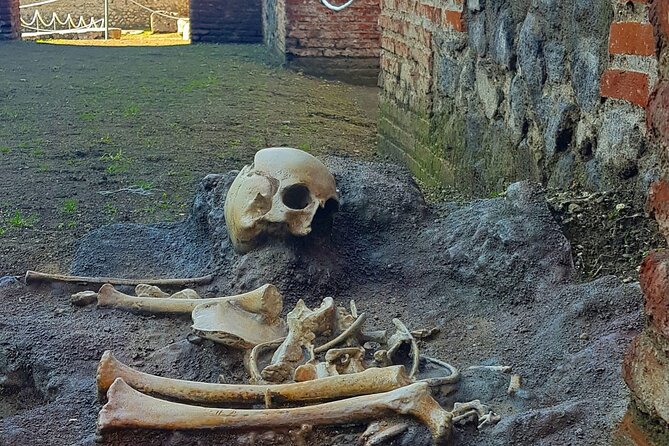
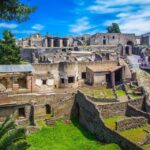
Pompeii is the rarest kind of time machine. It’s one of the only places where you can walk through an ancient Roman city that’s nearly intact, preserved under ash and debris after Vesuvius erupted in 79 AD. The result is UNESCO-level meaning, but that meaning doesn’t automatically land if you wander on your own.
That’s where an archaeologist guide matters. You’re not just looking at walls and street corners. You’re getting context: how a city founded in the 7th century BC grew, how people lived, worked, and spent time, and why the layout and objects matter. The tour is built to help you connect art, customs, crafts, and everyday routines to specific parts of the city.
I also appreciate the focus on details. Guides on this program often point out small-but-human elements like how the streets were designed and where daily activity would have fit in. Those cues are the difference between a pile of ruins and a place that feels inhabited.
You can also read our reviews of more guided tours in Pompei Campania


Skip-the-line with Pompeii Express: what your time is really buying
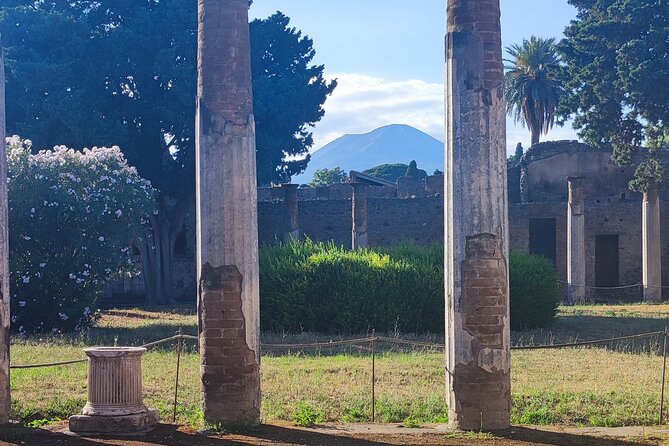
The big practical win is right in the name: skip-the-line entry. Priority access means you spend less time standing around sorting tickets and more time walking the excavations.
That matters more than it sounds. Pompeii is busy, and crowds can make good viewing feel impossible. With a timed, guided plan, you’re more likely to see important spots while the site is still manageable. You also get an efficient route that doesn’t leave you guessing which areas are worth the effort.
Even if you love exploring slowly, two hours can evaporate fast in Pompeii. Priority entry helps protect your schedule, especially if you’re doing Pompeii as part of a day trip from elsewhere.
Meeting at the Welcome box: the part that can make or break the start
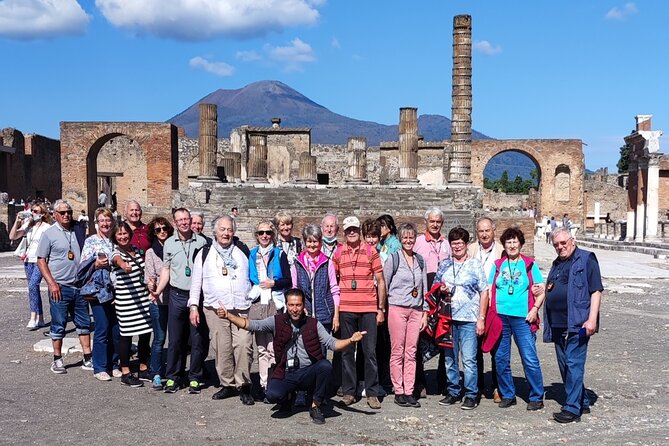
The tour starts at the Welcome box and ends back at the meeting point. That round-trip setup is genuinely helpful, because Pompeii can feel like a maze once you’re inside the site.
Still, one caution: the meeting spot can be tricky to locate on arrival. Plan to get there a bit early and double-check you’re at the right Welcome box before you assume you’re in the correct line.
You’ll also need to handle a simple but important admin step. The tour asks participants to provide the names and ages of everyone in the group, so have that ready when you check in. (And bring identification too; more on that below.)
Two hours of Pompeii: your stop-by-stop route (and what each moment adds)

The tour moves through the ruins with guided stops that total about 2 hours in the excavated area. Here’s what that typically feels like on the ground, in the order you’ll visit.
Porta Marina: the city begins at the gate
You’ll start at Porta Marina for a short guided intro. This is a smart first stop because it sets the scene. You’re not thrown into random streets. You start with a city entry point and then build from there.
A drawback of Pompeii is that it can feel like every path is equally confusing. Starting at a structured point helps you orient faster.
You can also read our reviews of more tours and experiences in Pompei Campania



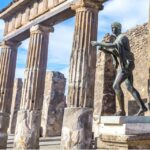
Teatro Piccolo: public life, but in a smaller scale
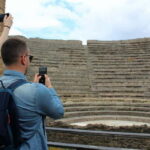
Next is Teatro Piccolo. A small theatre stop like this helps you understand Pompeii beyond homes and markets. Even if you don’t know Roman entertainment details yet, the guide’s job here is to connect the space to how people gathered and spent time.
In practice, this stop also gives you a break from heavier walking while keeping the story moving.
House of Menander: seeing private life as part of the whole city
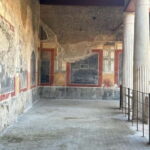
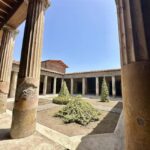
Then you’ll visit the House of Menander. Houses in Pompeii don’t read like single buildings. They read like social stages: who lived where, how spaces were used, and how wealth and taste showed up in everyday routines.
This is also a good time to practice looking. Instead of trying to memorize everything, I’d focus on the big idea your guide emphasizes: what this home tells you about daily life and social identity.
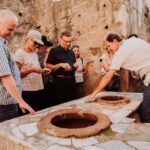
Thermopolium: street-level routines and the rhythm of commerce
At the Thermopolium, you shift from domestic space to street life. The guide frames what you see as part of the city’s everyday economy—how people moved through the city and how local businesses connected to regular habits.
Even if the site details blur, the takeaway usually sticks: Pompeii wasn’t only “fancy buildings.” It was a living town with practical stop-and-go needs.
Terme Stabiane: baths as a social space
At the Terme Stabiane, you’ll spend time in the bathing areas. This stop is useful because baths show up as more than hygiene. In Roman cities, they were places for routine, conversation, and community.
If you like understanding how people used spaces, this is one of the stops where the explanation tends to click quickly.
Lupanare: a tougher topic handled with context
Next is Lupanare, one of the more sensitive locations in Pompeii. A good guide keeps it grounded in context—what the site reveals about social realities—without turning it into shock value.
This stop lasts longer than some others, which gives the guide time to explain the significance clearly. If you’re traveling with kids, this is worth considering in advance.
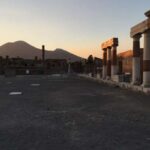
Foro Civile di Pompei: the civic center and your short free window
You’ll finish at the Foro Civile di Pompei with a guided segment, then get a short 10 minutes of free time.
That free moment matters. You can step back, re-orient, and look at the space without constant narration. It’s also a chance to ask a final question or two, then decide how you want to continue your Pompeii day after the tour.
Radioguides and earpieces: hearing the story in a crowded site

This tour uses live guidance with a support system. When the group passes 8 participants, it includes a radioguide. If the group is smaller (up to 4 participants) and everyone is in the same language, it switches to an audio guide plus a tour guide in English.
A couple practical notes from the field:
- The audio system can make hearing easier in crowded areas.
- The earpieces can be quite loud, but they’re also necessary to catch details while other tours and groups overlap.
If you’re sensitive to sound, consider using whatever ear fit tips you have and keep an ear ready to adjust volume if needed.
The value of a curated walk: how you avoid Pompeii’s biggest trap
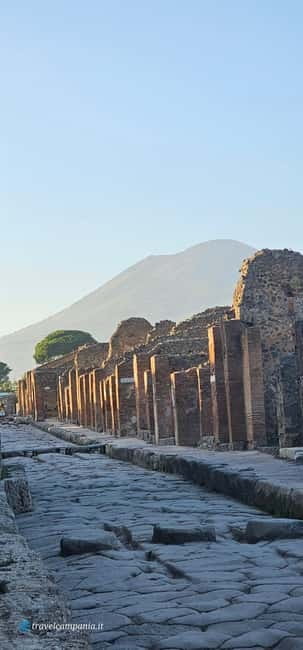
The most common “mistake” in Pompeii is treating it like a museum. You’ll see more, but you’ll understand less. This tour is built to prevent that.
Instead of letting you bounce from highlight to highlight, the guide keeps you moving along a route that teaches cause and effect: how daily life worked, how the city functioned, and what the eruption changed. That approach also helps when you want to keep exploring afterward. When you leave the tour with a mental map, it’s much easier to return to areas you actually care about.
One tip I’d steal from past experiences: if your guide offers suggestions for what to see next, take them seriously. Pompeii can overwhelm you fast, and a short plan beats random wandering.
Practical stuff that saves stress: IDs, bags, lockers, and water
Before you go, keep these rules in mind so you don’t lose time at the gate:
- Bring your passport or ID card for adults and children. Copies are accepted.
- You’ll also need to provide the names and ages of participants.
- No bags are allowed, and bikes are also not allowed.
- Alcohol and drugs are not allowed.
Two practical perks can make your visit easier:
- There are free lockers at the gates for storing a backpack.
- You may find water fountains inside the site, but they can be unmarked, so don’t expect signage for everything.
If you’re doing this in warmer months, treat water as part of your plan, not an afterthought.
Price and value: is $57 fair for a 2-hour guided Pompeii visit?

At $57 per person for about 2 hours, the value is strongest because your ticket and interpretation are bundled. You’re paying for:
- Priority entry via the Pompeii Express entrance ticket (so you’re not buying time waiting in lines)
- An authorized archaeologist expert guide who connects structures and artifacts to how the city worked
If you already know Pompeii well and you’re comfortable building your own route, a self-guided visit can feel fine. But if you’re seeing Pompeii for the first time or you only have a short window, this format is a time-saver and a meaning-maker.
It’s also easy to feel like you’re getting your money’s worth when the guide is actively helping you notice details you’d otherwise miss—like subtle street planning cues and the way public spaces connect to daily routines.
Who should book this tour, and who should skip it

This Pompeii tour works especially well if you:
- Want a structured walk through the ruins without guessing what matters most
- Care about context—how Romans lived and what Pompeii’s layout reveals
- Prefer efficiency, since the visit runs about two hours
- Want priority entry to reduce wasted time
I’d rethink it if you:
- Need wheelchair access or have significant mobility limitations. This tour is not suitable for wheelchair users and people with mobility impairments.
- Are traveling with someone at an age above 95, since it’s listed as not suitable for people over that age.
If you’re somewhere in the middle, a good strategy is to ask yourself a simple question: can you handle uneven outdoor surfaces for a short, guided walk? If yes, the tour should be a strong use of your day.
Should you book? My practical call
Book this Pompeii tour if your top goal is to see Pompeii without losing hours to lines and confusion. The combination of archaeologist-led explanations and skip-the-line priority tends to make the site feel readable and not just impressive.
Don’t book it if mobility is an issue or if you’d rather wander freely with no scheduled stops. Pompeii is big enough that DIY can be great for the right traveler—but this particular tour is best for people who want meaning fast.
If you do book, come early to the Welcome box, bring your ID, and be ready for a loud-but-useful audio setup. Then let your guide do the heavy lifting.
FAQ
How long is the Pompeii tour with an archaeologist guide?
The guided visit lasts about 2 hours. You can check available starting times when you book.
Does this tour include skip-the-line entry?
Yes. It includes Pompeii Express priority entry, which helps you avoid long ticket lines.
Where is the meeting point?
You meet at the Welcome box. The tour ends back at the same meeting point.
What languages are offered on the tour?
The live tour guide is available in Italian, Spanish, French, English, and German.
What’s included in the price?
You get the Pompeii Express entrance ticket and an authorized archaeology expert guide.
What do I need to bring for the tour?
Bring your passport or ID card. Passports/IDs for children are required too, and copies are accepted.
Are bags allowed?
No. Bags are not allowed during the activity.
Is there audio or a radioguide?
Yes. The guided tour includes the radioguide when the group passes 8 participants. If the group is 4 or fewer in the same language, you get an audio guide plus a tour guide in English.
Is the tour suitable for wheelchair users or limited mobility?
No. It is not suitable for wheelchair users and not suitable for people with mobility impairments.
Is free cancellation available?
Yes. Free cancellation is available up to 24 hours in advance for a full refund.