REVIEW · POMPEI CAMPANIA
Pompeii: Guided Tour with Archaeologist with max. 12 People
Book on GetYourGuide →Operated by Benedetto Tourist Guide · Bookable on GetYourGuide
Pompeii hits harder with a real archaeologist. I love the small group pace and the fact that Benedetto brings an archaeologist’s lens, not just tour-bus storytelling. Two hours is tight, though, so if you’re the type to linger, you’ll want extra time after the tour.
You’ll meet at Ristorante Suisse and start near Porta Marina Inferiore, then move through the city’s key neighborhoods: theatres, decorated houses, Roman eateries, the public baths at Terme Stabiane, and the forum area where the story turns from life to catastrophe. The tour also includes express entry, which helps when Pompeii gets crowded.
This isn’t a sit-and-watch experience. You’ll walk a lot on uneven ground, and it’s not suitable for wheelchair users or people with mobility impairments. Bring comfortable shoes, water, and your passport or ID, because Pompeii tickets are named.
In This Review
- Key highlights you’ll actually feel
- Pompeii with Benedetto: what changes when your guide digs for facts
- A quick reality check on timing
- Starting at Suisse Restaurant and getting oriented near Porta Marina Inferiore
- Theatres, streets, and Roman shopfronts: the city before the story turns tragic
- House of Menander: frescoes and mosaics that make domestic life click
- Terme Stabiane: the baths as a social engine, not just a tourist stop
- Lupanare and the Forum: power, public life, and the uneasy realities of the city
- Temple of Jupiter, Macellum, and the Basilica: learning how the city moved
- Plaster casts and frescoes near the end: how the tragedy is explained
- Express entry and free time: how to plan the rest of your Pompeii day
- Group size, headsets, and languages: making sure you can hear and ask
- Price value: why $65 can make sense in Pompeii
- Who should book this Pompeii tour (and who might skip it)
- Should you book this Pompeii: Guided Tour with Archaeologist?
- FAQ
- How long is the Pompeii guided tour?
- Where do I meet the guide?
- Is express entry included?
- Do I need to bring an ID?
- Is the tour suitable for kids?
- Is this tour wheelchair accessible?
Key highlights you’ll actually feel
- Archaeologist-led interpretation: you’re not just seeing ruins; you’re learning how the city worked
- Small group of max. 12: easier questions, smoother pacing, and less time getting separated
- Express entry + headsets (when needed): less waiting, more time on the ground
- See the everyday city: shops, bakeries, baths, and public buildings, not only the famous stops
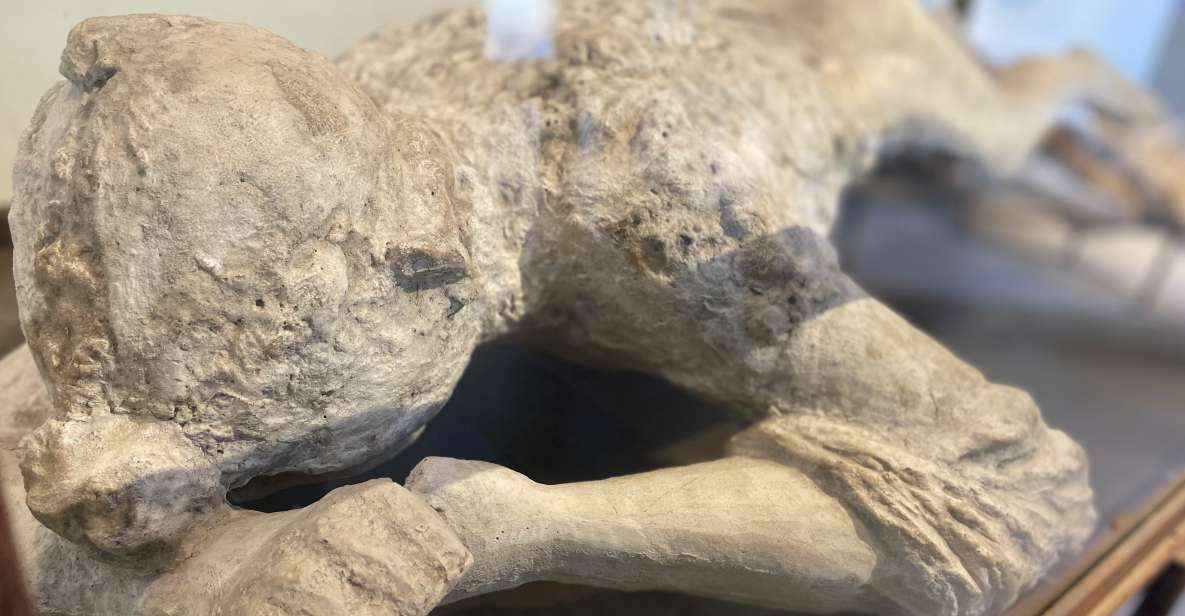
- The AD 79 tragedy is explained clearly: including frescoes and the plaster casts of victims
Pompeii with Benedetto: what changes when your guide digs for facts
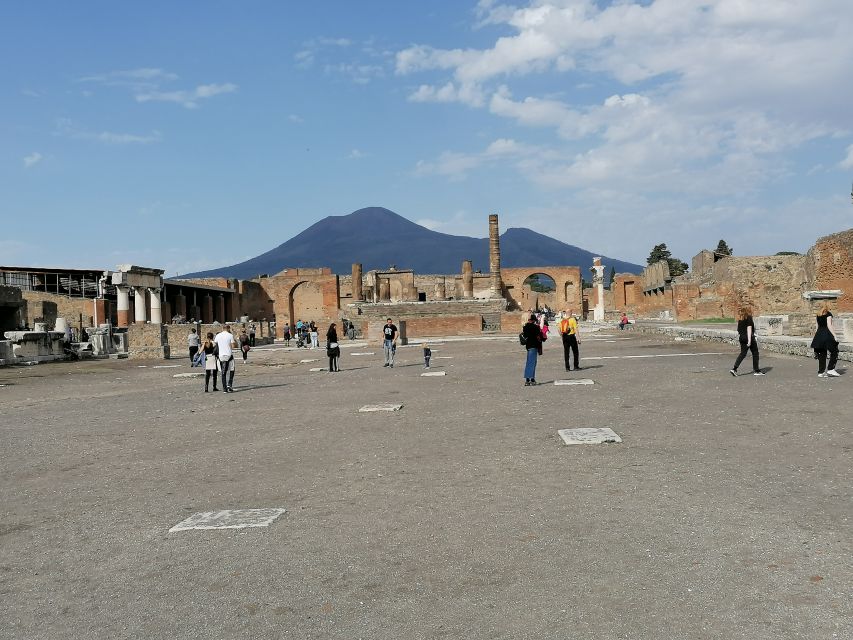
Pompeii is one of those places where you can either rush and snap photos… or you can understand what you’re looking at. This tour leans hard toward the second option. You’re with Benedetto Tourist Guide, and the biggest difference is that the talk is tied to real archaeological thinking: what survived, what’s been reconstructed, and what the layout says about Roman daily life.
I also like the group size. With up to 12 people, you can hear your guide, ask follow-up questions, and stay together without constant regrouping. That matters at Pompeii because the site is enormous and navigation on your own can feel like wandering through a museum with no labels.
The practical upside is that this experience doesn’t just add information. It adds meaning. You start noticing how Romans moved through space, shopped, relaxed, and gathered in civic areas—then you get the eruption story in context, not as a dramatic headline.
You can also read our reviews of more guided tours in Pompei Campania


A quick reality check on timing
Two hours sounds like enough—until you’re standing in front of decorated rooms and realizing you’re seeing only part of what’s here. The good news: you also get time to explore after the guided portion, so you’re not forced to make rushed decisions while still learning.
Starting at Suisse Restaurant and getting oriented near Porta Marina Inferiore
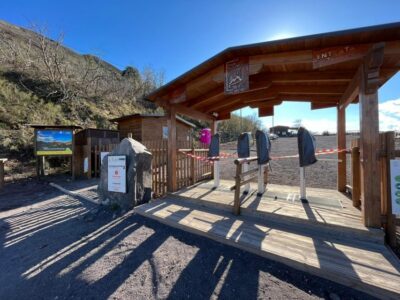
Your tour begins at Suisse Restaurant. The guide waits for you at the meeting point with a sign showing your name, which is helpful because meeting points can be chaotic around major attractions.
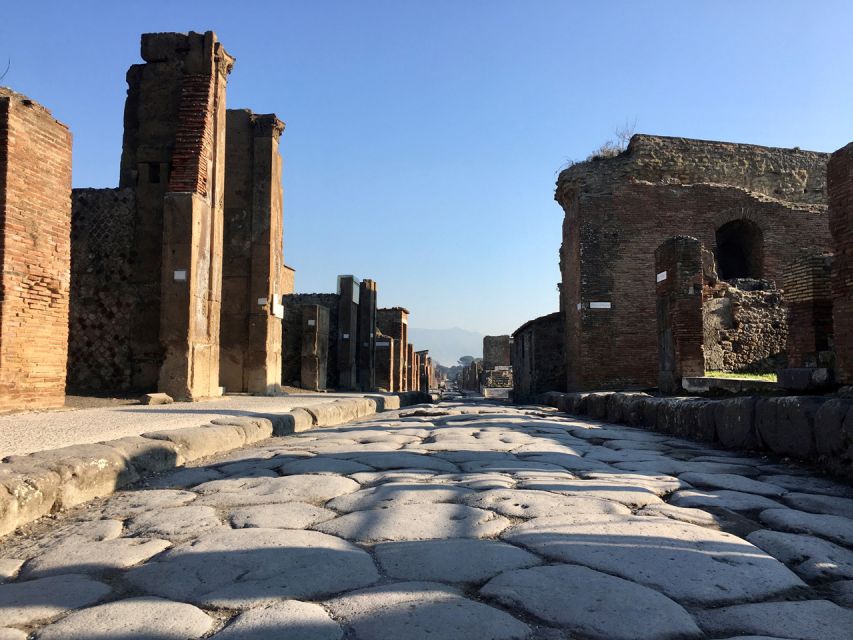
From there, you head toward Porta Marina Inferiore and start in the areas that help you build a mental map. The early stops matter because Pompeii can be confusing at first glance. Streets, doorways, and building entrances look similar unless someone points out how the city’s original layout worked.
You’ll also move through the theatre area early on. That’s smart because it sets the rhythm of Roman public life: entertainment and community weren’t occasional treats; they were built into the city’s daily calendar.
And since the tour includes express entry, you’re not spending your best morning hours trapped at the ticket line. At Pompeii, that alone can make a huge difference in how much you see.
Theatres, streets, and Roman shopfronts: the city before the story turns tragic
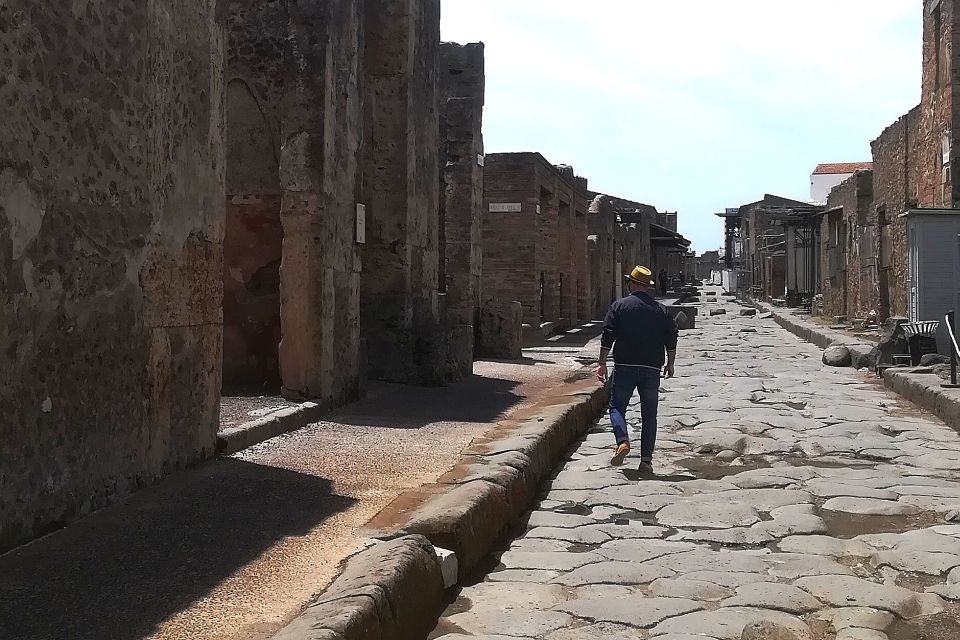
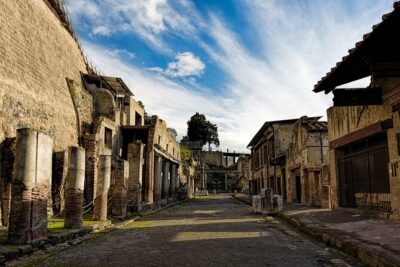
One of my favorite parts of this tour setup is that it doesn’t start with doom. You learn how people actually lived first. That includes walking streets lined with shops and everyday commercial spaces.
As you go, your guide points out details that make Roman life feel less distant: how storefronts relate to the street, where you’d likely pause for a snack, and how the flow of people would move through markets and public areas. It’s the opposite of sightseeing-only mode.
You’ll also hear about the fateful eruption of AD 79 while still standing in the places where residents would have gone about their day. That sequencing helps. Instead of Pompeii being only a disaster site, it becomes a fully functioning city that happened to meet a catastrophe.
House of Menander: frescoes and mosaics that make domestic life click
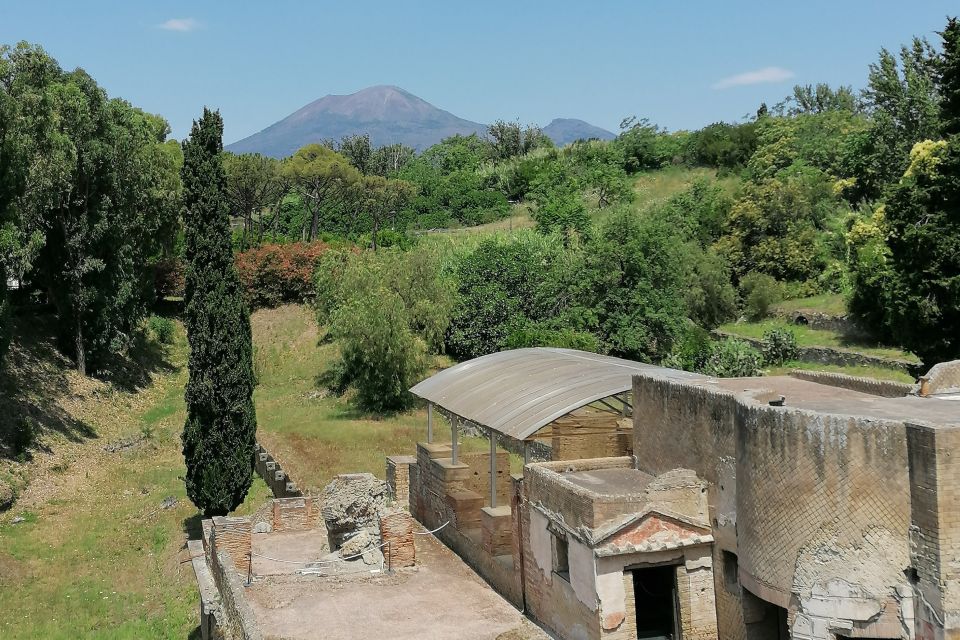
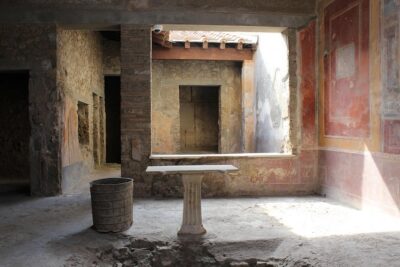
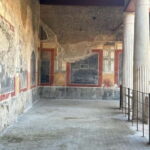
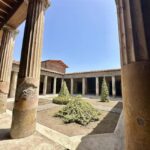
At the House of Menander, you get into the kind of space that makes Pompeii special: private rooms with decoration that looks too human to be ancient. Frescoes, mosaics, and the remnants of marble-like finishes are part of the story here, and the guide helps you connect decoration to lifestyle.
This is also where the archaeologist approach shows. In a standard tour, you might get a quick description of what’s on the wall. Here, the focus is on how such spaces fit into daily routines—what this house likely signaled socially, and how art inside homes shaped the experience of living there.
A small caution: this is also an area where you’ll want to slow down. If it’s a hot day, remember that you’re on stone and open air. Bring a hat, drink water when you can, and take pauses when your guide suggests them.


Terme Stabiane: the baths as a social engine, not just a tourist stop
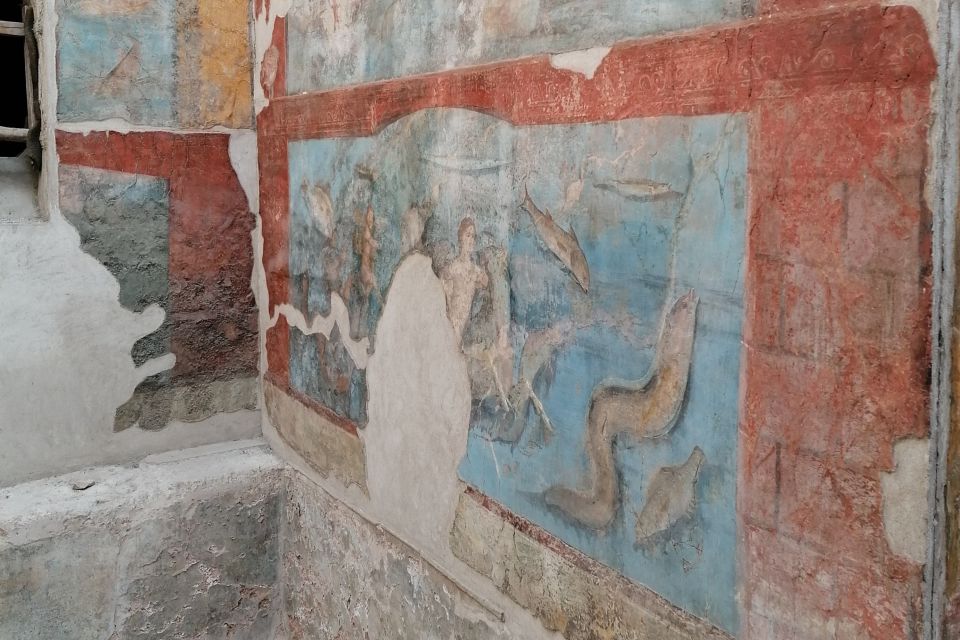
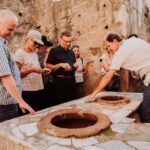
Thermal baths in the Roman world weren’t just for cleanliness. They were meeting places, gossip hubs, and part of the city’s social calendar. At Terme Stabiane, the tour helps you understand this in a way that goes beyond a simple history lesson.
You’ll see the public thermal baths and get oriented to the logic of the space: how people would move through bathing areas and where the social vibe would have happened. This stop is one of the best “life of Pompeii” anchors in the tour because baths were so woven into everyday habits.
If you like places where culture shows up in design, you’ll appreciate this one. A bath complex is practical, yes, but it also reveals priorities: comfort, routines, and public interaction.
Lupanare and the Forum: power, public life, and the uneasy realities of the city
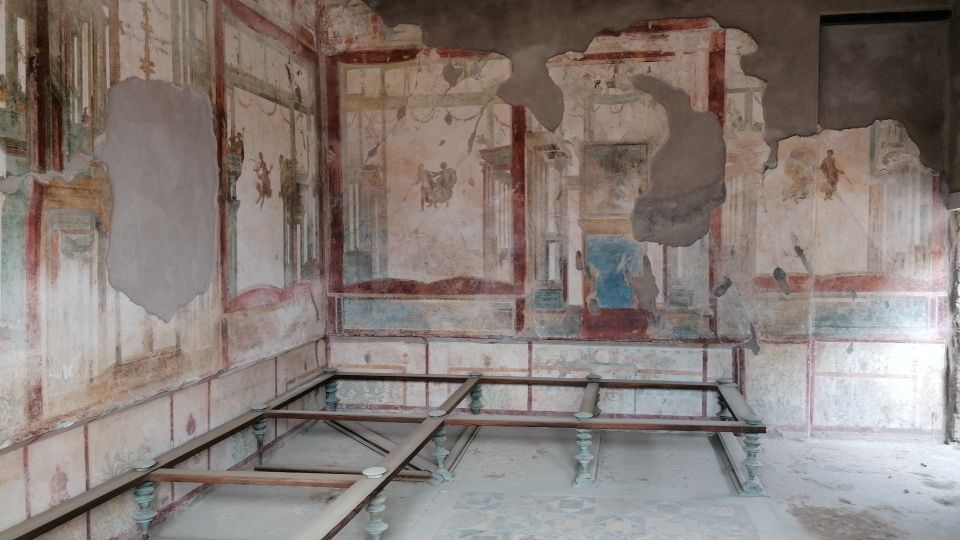
Next comes a stop that most people only know by reputation: the lupanare, Pompeii’s famous brothel area. It can be an uncomfortable topic, but it’s also part of the complete picture. Romans did not live inside a fantasy bubble. Cities had complicated services and social dynamics, and Pompeii includes those realities.
The tour uses this stop to keep Pompeii human. You’re not just collecting “wow” facts; you’re learning how a city functioned, including the less polished corners.
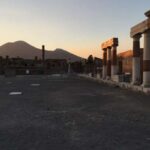
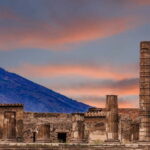
Then you reach the forum area, where public buildings and civic life take the lead. This section is key because it connects everything: people gathered here, laws and administration happened here, and the city’s social structure would have been visible in the spaces around you.
Temple of Jupiter, Macellum, and the Basilica: learning how the city moved
After the forum, you continue through some of Pompeii’s major public spaces. This part is where the Roman city feels like a machine you can understand.
- Temple of Jupiter gives you a sense of religious authority and how belief was built into city structure.
- Macellum (the market) is where daily consumption and commerce come into focus. It helps you picture what people ate, bought, and traded.
- Basilica ties the civic story together, since it’s linked to public gatherings and formal life.
The best value of these stops is that they aren’t presented as separate monuments. Your guide helps you see connections: where people would go when they wanted to participate in public life, handle business, or simply be part of the crowd.
This is also where the “small group” advantage matters again. You can ask questions without feeling like you’re holding everyone up.
Plaster casts and frescoes near the end: how the tragedy is explained
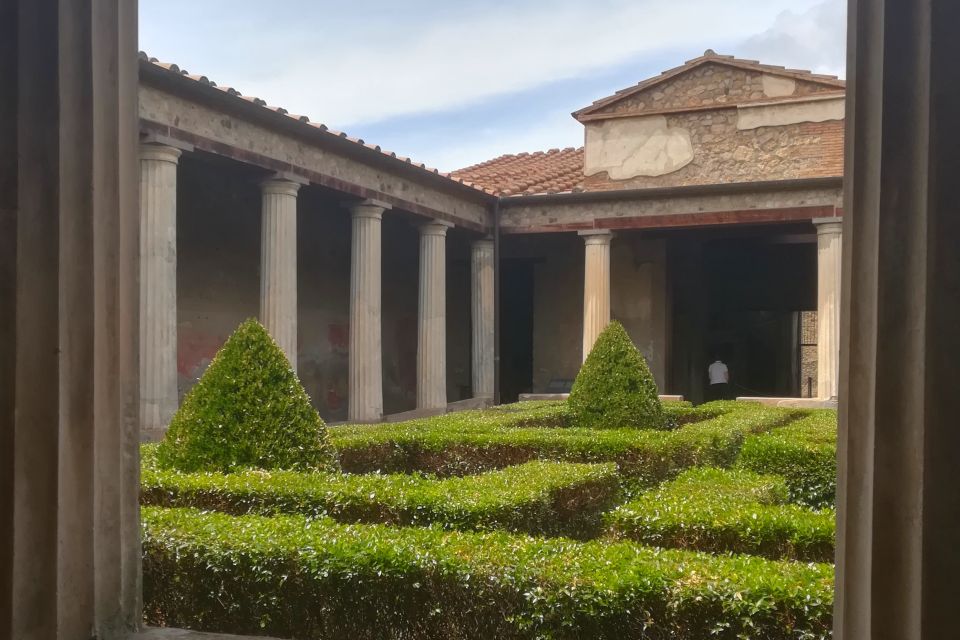
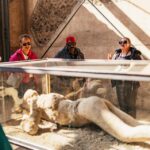
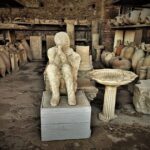
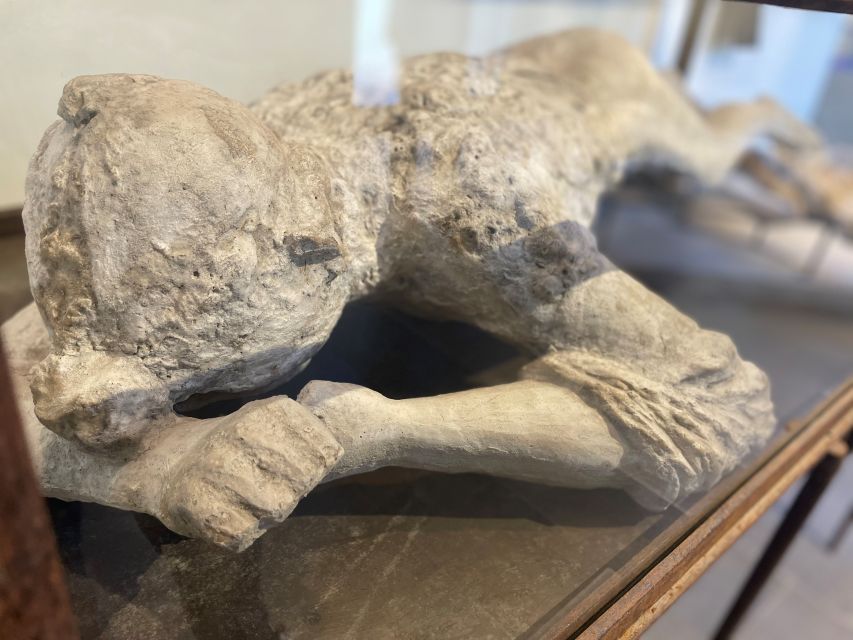
The final part of the tour is where Pompeii becomes more than an architectural walkthrough. You’ll reach the forum area public buildings and the plaster casts of the victims—an unforgettable moment because it turns the disaster story into something you can actually picture.
Your guide also ties this section to what you’ve already seen. Since you walked through daily spaces first, the tragedy lands with more weight. It’s not just what happened; it’s what people were doing right before everything stopped.
Along the way, you’ll see frescoes too, which help explain how decorative art carried into public and private life. Even when the ruins are damaged, the surviving wall paintings still show the everyday aesthetic that existed before the eruption.
If you’re sensitive to graphic themes, this is the part you’ll want to handle at your own pace. You can still enjoy the tour, but take a moment before moving on.
Express entry and free time: how to plan the rest of your Pompeii day
This tour includes express entry and a guided segment of about two hours, plus time to explore on your own afterward. That combination is smart. Pompeii is too big to do “everything,” but you don’t want to leave without seeing the parts you’re most excited about.
After the guide finishes, I suggest using your free time for one of two approaches:
- Revisit the stops that moved you most and spend longer observing details your guide pointed out.
- Focus on sections your route didn’t cover and build your own mini itinerary based on what you learned about how the city functions.
One practical note: sometimes there are active excavation areas during a visit. If that’s happening when you’re there, ask Benedetto where to look. Since he works from an archaeologist’s perspective, his recommendations tend to be grounded in what’s actually meaningful.
Group size, headsets, and languages: making sure you can hear and ask
The tour caps at max. 12 people, and headsets are included for groups bigger than eight. That setup is useful because Pompeii has noise—footsteps, crowds, and the general chaos of people trying to get where they’re going. Headsets mean you’re not forced to lean in and hope your guide stays at the right volume.
Languages offered are Italian, English, and French. The tour is run in a way that’s built for different backgrounds, including people who already know the eruption story and people seeing it for the first time.
Also, I like that the guide tends to steer the route to avoid long waits and busy crowd pockets. When you’re walking constantly, avoiding gridlock is what keeps the experience enjoyable.
Price value: why $65 can make sense in Pompeii
The price is $65 per person for a 2-hour archaeologist-guided tour with express entry. Here’s how I think about value.
You’re paying for two things that are hard to DIY:
1) Interpretation: Pompeii is dramatic, but it’s also fragmented. A guide helps you understand what you’re seeing and why it matters.
2) Time saving: express entry reduces dead time at the entrance, and two hours is still only two hours.
Free time afterward also adds value because you get both guided structure and the freedom to wander with better instincts. And with a small group, your “minutes with the expert” don’t disappear into a crowd.
If you’re the kind of visitor who wants just a quick walk and photos, this might feel like “too much structure.” But if you want Pompeii to make sense, the price is often reasonable for the expertise you get.
Who should book this Pompeii tour (and who might skip it)
This tour is a strong pick if you want:
- A guided explanation focused on Roman daily life
- More art appreciation (frescoes and domestic spaces), not only major monuments
- A smoother visit than you’d manage alone, especially since the site can be hard to read at first
It’s also a good match for families. I’ve seen this work well with children because the guide takes questions seriously and keeps the pace approachable—especially when kids are curious about how people lived.
Skip it if:
- You don’t want to walk much. The site isn’t set up for wheelchairs or mobility-limited visitors.
- You prefer total freedom over a planned route. This tour does follow a clear sequence.
Should you book this Pompeii: Guided Tour with Archaeologist?
If Pompeii is high on your list, this is the kind of booking that tends to pay off. You get an expert-led walk through the places that explain Roman life—then you end in the forum area with the plaster casts that make the AD 79 story unforgettable. Add in the small group size, express entry, and headsets when needed, and you get a visit that feels organized without feeling rigid.
My call: book it if you want understanding as much as you want sights. If you’d rather roam without guidance, set aside more time and prepare to do extra reading. For most people, though, Pompeii makes more sense with a real archaeologist at your side.
FAQ
How long is the Pompeii guided tour?
The tour lasts 2 hours, with time built in for visiting major areas and learning from the archaeologist guide.
Where do I meet the guide?
Meet at Suisse Restaurant. The guide will wait there with a sign that shows your name.
Is express entry included?
Yes. Your ticket includes express entry to Pompeii, which helps you skip the ticket line.
Do I need to bring an ID?
Yes. Pompeii tickets are named, and you’ll need to bring your passport or ID card in original form on the day.
Is the tour suitable for kids?
It can be a good option for families. The guide has shown patience with children and answers questions in a way that keeps younger visitors engaged.
Is this tour wheelchair accessible?
No. It is not suitable for people with mobility impairments and wheelchair users.