REVIEW · POMPEI CAMPANIA
Pompeii: 2-Hour Guided Tour with an Archaeologist
Book on GetYourGuide →Operated by Askos Tours · Bookable on GetYourGuide
Roman streets, ash-cold, still whisper here. This archaeologist-led Pompeii tour turns a huge ruin into a clear, human story, and I especially like the stop-by-stop focus on everyday places like the Forum and the bath area. I also really value the plaster casts segment, because it makes the tragedy of 79 AD feel immediate. One consideration: at $175.74 per person, it only feels like a smart splurge if you want guidance enough to justify paying for it, and two hours means you won’t see everything.
You’ll start near Porta Marina Superiore and walk the western part of Pompeii where the most important public buildings and lots of shops and homes cluster together. The tour is private, so the pacing stays realistic, not rushed like big bus groups. If you are counting on wheelchair access, double-check with the operator first, because the details provided are a little conflicting.
In This Review
- Key Pompeii moments you’ll hit on this 2-hour tour
- Price and what you’re really paying for
- Where the tour starts (and how to not waste time)
- The western Pompeii route: how the guide gives structure
- Stop-by-stop: Forum and court life in the Basilica
- Forum Baths: where daily routine met architecture
- Private homes: House of Menander, House of the Faun, and more
- The Lupanar: why the brothel matters to the story
- “Instant history”: plaster casts and what they actually show
- A bakery stop and the strange comfort of everyday details
- Theatres and amphitheater: spectacle under Roman skies
- Private group pacing, earphones, and guide languages
- UNESCO context: why Pompeii still matters
- First Sunday entry and other practical gotchas
- Should you book this 2-hour Pompeii archaeologist tour?
- FAQ
- How long is the Pompeii guided tour?
- What is the price per person?
- Where do you meet the guide, and where does the tour end?
- What sights are included in the tour?
- Do you get Pompeii entry tickets included?
- What language options are available?
- Is it free to enter Pompeii on the first Sunday of the month?
Key Pompeii moments you’ll hit on this 2-hour tour
- Western Pompeii route built around major public sites and neighborhood life
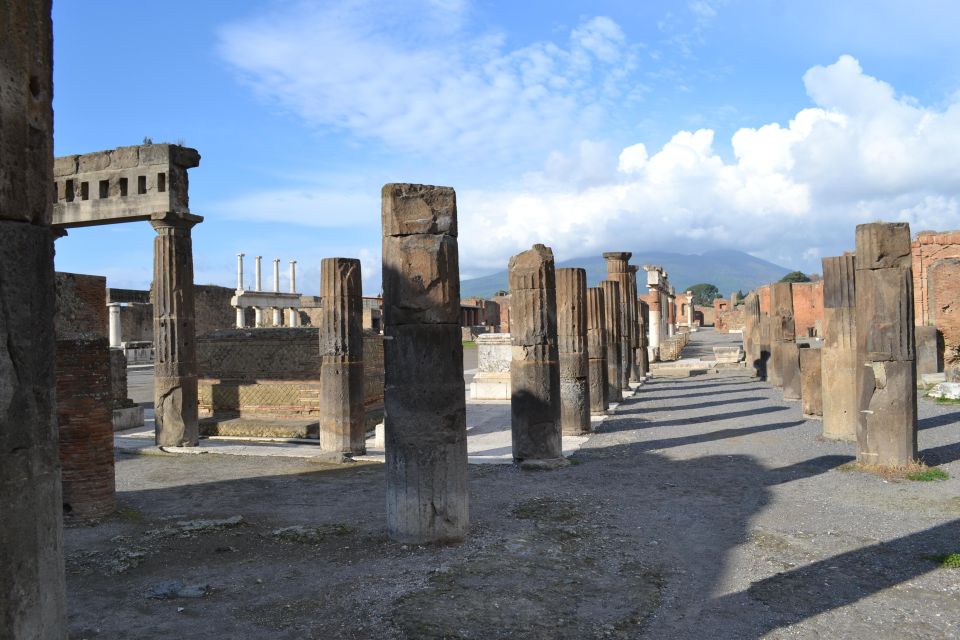
- Forum + Basilica explained as the center of politics, justice, and social routine
- Forum Baths shown as a key part of Roman daily culture, not just architecture
- Lupanar visit tied to how Romans talked about (and did) private business and entertainment
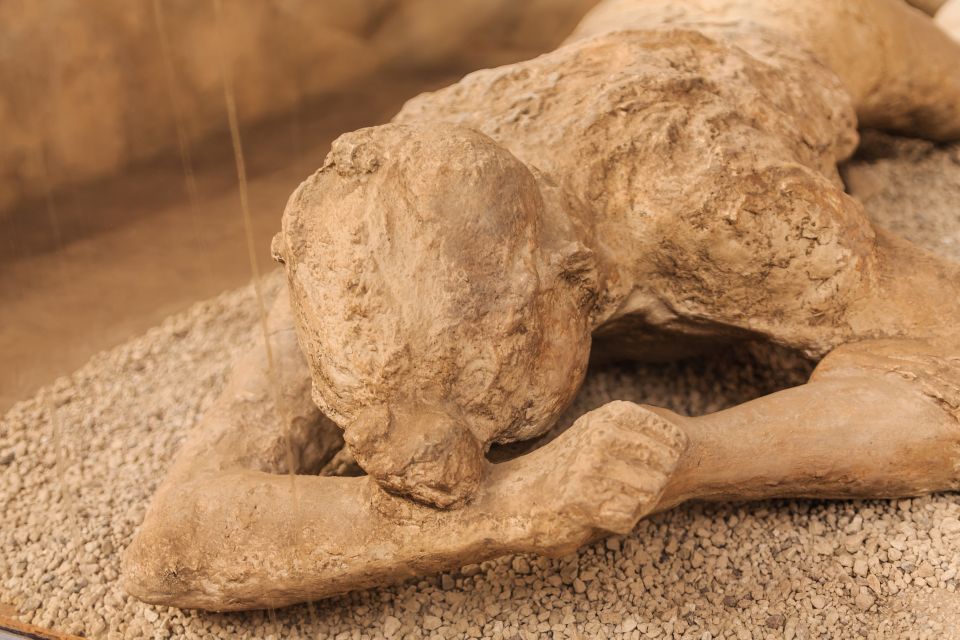
- Plaster casts of victims plus a bakery where utensils and even food remains can be seen
- Theatres and amphitheater for the spectacle side of Roman life—without trying to do the whole site
Price and what you’re really paying for
$175.74 per person is not small money. For that kind of price, you should expect more than someone pointing at stones. Here, you’re buying interpretation: an archaeologist-style guide who can translate what you’re seeing into how Pompeii functioned day to day—public life, private life, work, worship, and leisure.
Pompeii is big, uneven, and easy to wander through without context. A guided route matters because it prevents the most common problem: you walk past the most important buildings and miss what made them important in the first place. This tour is also timed tightly at two hours, which sounds short until you realize it forces a thoughtful route rather than a chaotic sprint.
And there’s another value point: you get Pompeii entry tickets included. That helps you avoid the budgeting headache of ticket lines and adds up to a more predictable spend for a day with a lot going on (transport, other stops, meals).
You can also read our reviews of more guided tours in Pompei Campania


Where the tour starts (and how to not waste time)
This tour meets by Porta Marina Superiore, specifically near Via Villa dei Misteri, 2, depending on which starting option you book. The end point is listed as Pompeii Scavi – Villa Dei Misteri, but the activity description also says it ends back at the meeting point—so it’s smart to look at your exact confirmation before you assume the walk back will be automatic.
Practical tip: plan to arrive early. One issue that can slow people down is that the meeting location may not show up smoothly in common GPS apps. Give yourself extra time to find the right spot so you’re not doing last-minute stress while wearing museum shoes.
What you should bring is straightforward:
- Comfortable shoes (uneven stone paths are the norm)
- Water, plus a sun hat and sunglasses
- A willingness to stand and walk for the whole 2-hour block
The western Pompeii route: how the guide gives structure
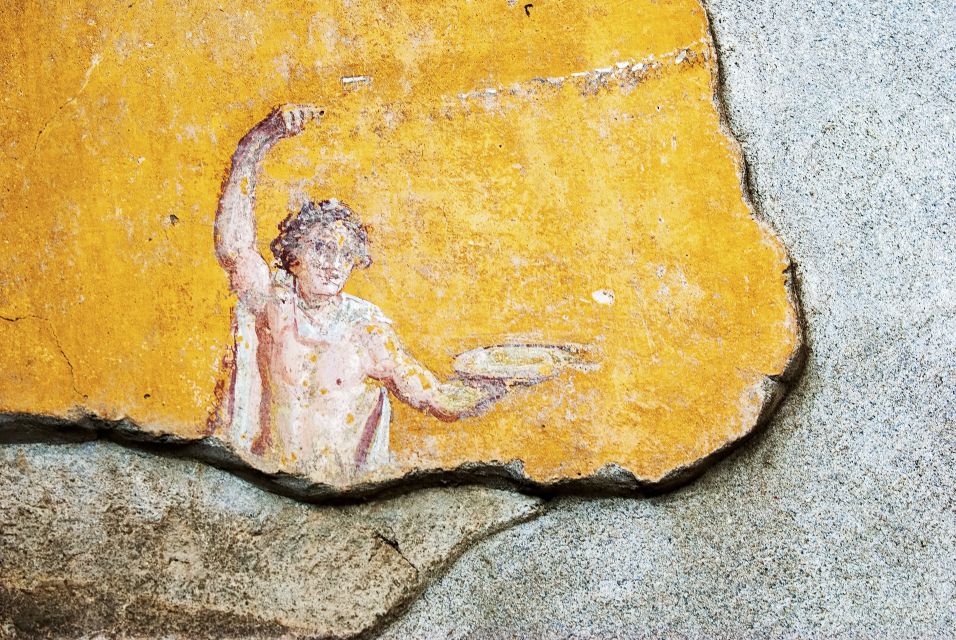
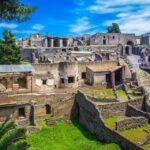
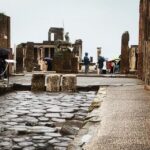
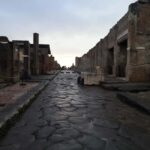
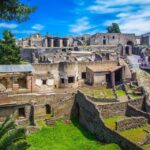
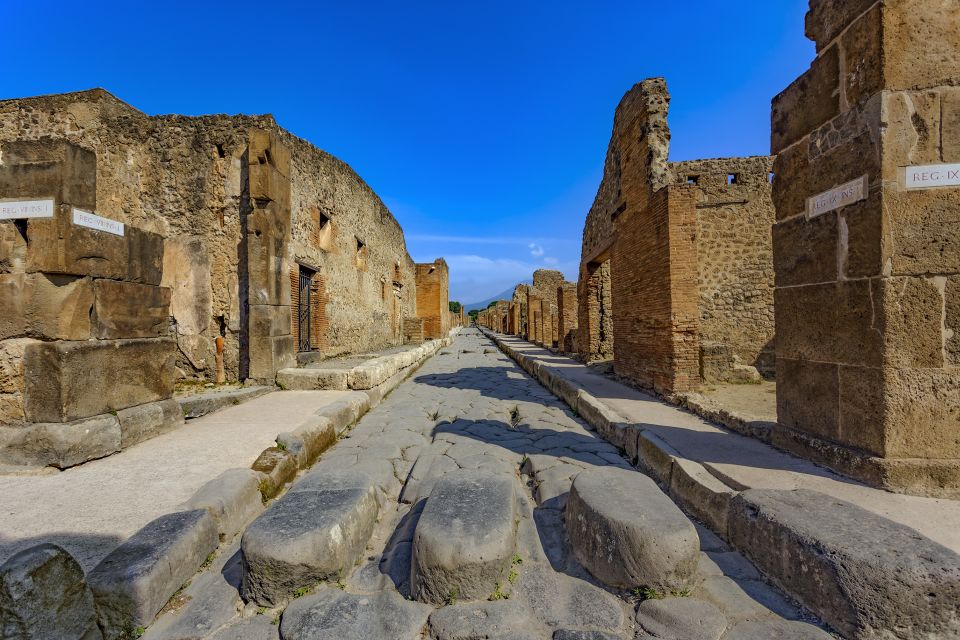
This tour focuses on the western part of Pompeii, where you get a concentration of major public buildings, houses, and commercial spaces. That matters because Pompeii is not one “thing”—it’s a city. A good guide helps you connect the dots fast: where politics happened, where people bathed and socialized, how commerce worked, and what daily routines looked like.
You also get an archaeology angle right away: the guide explains how the eruption buried the city under molten ash and lava in 79 AD, and how the site was later rediscovered in the 18th century. That story isn’t just a dramatic intro. It sets up why the ruins still feel so readable today.
Stop-by-stop: Forum and court life in the Basilica
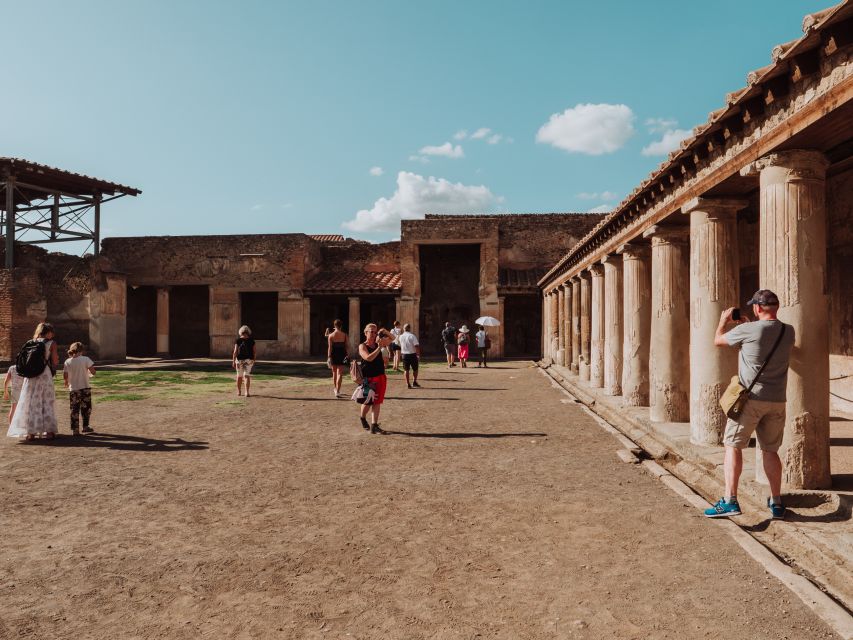
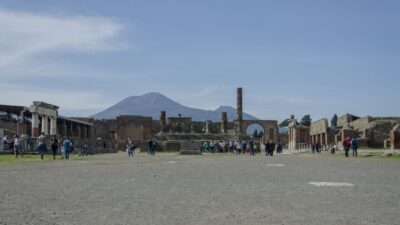
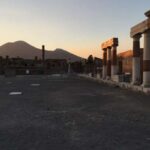
The route funnels you into the heart of civic power, starting with stops around the Forum area and key public buildings.
Here’s what this portion is really about:
- The Forum as the city’s political and social center
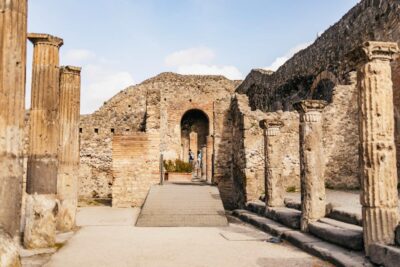
- The Basilica (court house), which shows how Romans organized law, business, and formal life
Seeing these buildings in sequence helps you understand the vibe of the place. The Forum wasn’t only about big speeches and major decisions—it was also where people watched news move through the city. When your guide points out the practical function of spaces like the Basilica, the architecture stops feeling like random columns and starts feeling like a machine for civic life.
If you like interpretation, this is one of the strongest segments of the tour because it gives you a mental map. And once you have that map, the rest of Pompeii clicks faster.
Forum Baths: where daily routine met architecture
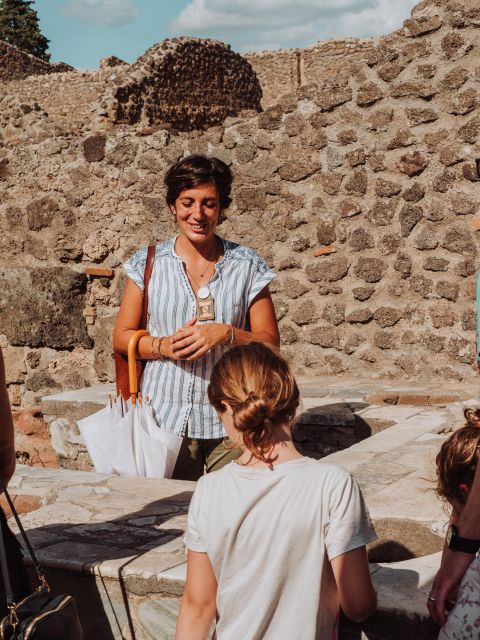
Next comes the Forum Baths, and this stop is valuable even if you’re not a “bath person.” Roman baths were social infrastructure. They shaped schedules, relationships, and daily habits—especially for people who lived nearby and used these spaces often.
Your guide typically connects what you see to the bigger point: Romans didn’t treat bathing as a private chore. It was part of the public rhythm, and that’s one reason the preserved layout is so helpful. In just a couple of minutes here, you start understanding why Pompeii’s city design mattered as much as any single building.
The potential drawback: like many Pompeii experiences, you’ll be doing a lot of walking and looking in a short window. If you want long pauses for photos, you may have to be selective. Still, a two-hour tour is built for clarity over wandering.
You can also read our reviews of more tours and experiences in Pompei Campania
Private homes: House of Menander, House of the Faun, and more
You’ll then shift from public spaces to residences, including notable houses like:
- House of Menander
- House of the Faun
- House of the Vettii
- House of the Tragic Poet (highlighted as a must-see)
This is where Pompeii stops being a monument and starts feeling like a place where people lived their routines—food, visitors, work, and status.
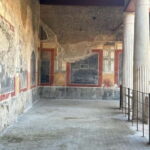
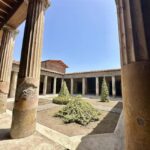
What makes these home visits useful on a short tour is how the guide can translate the layout. Even if you don’t catch every architectural detail, you can usually understand the basics: where daily movement happened, how rooms supported social or private life, and how decorations or notable features signaled wealth or taste.
If you love contrasts, these homes deliver them. You’ll see how public life and private life differed, yet still connected through the same city grid.
The Lupanar: why the brothel matters to the story
The tour includes Lupanar, also described as the old brothel. This stop is not just scandal value. It’s part of how Pompeii shows full-spectrum city life, including entertainment and commercial relationships.
A good guide keeps this part grounded. They tie it to the city’s social ecosystem rather than treating it like a shock stop. You’ll also benefit from context about how places like this fit into the broader neighborhood fabric, not as a standalone oddity.
Sensitivity note: if sexual content or adult themes are a dealbreaker for your comfort level, this is the stop to think about before you book. The tour is short, so you’re not stuck there for long, but it is still part of the route.
“Instant history”: plaster casts and what they actually show
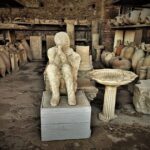
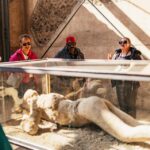
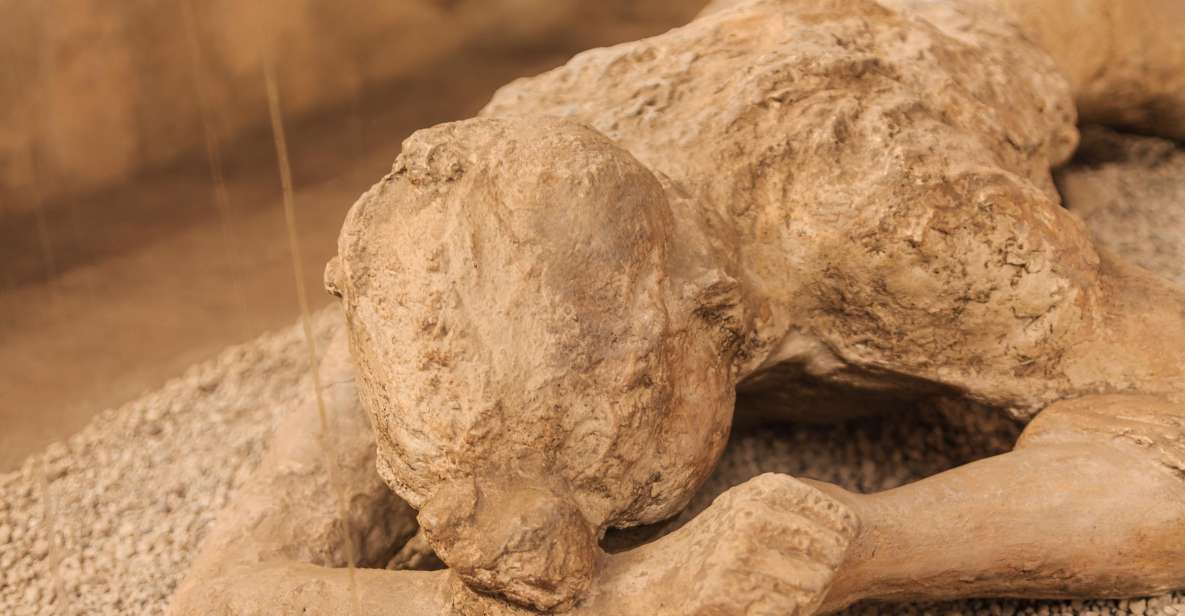
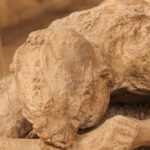
One of the most powerful features of this experience is the plaster casts of humans and animals at the moment of their death. This segment is worth the money because it turns a historical event into something you can grasp emotionally and intellectually at the same time.
When you understand how the bodies were preserved and later reproduced as casts, you stop treating Pompeii like a backdrop. You start seeing it as a record of how real people froze mid-life. It also reinforces why Pompeii’s preservation is so rare: you can study not only buildings but also the human impact.
This is one of the segments that consistently makes people feel the tour hit a higher level—because the guide’s framing gives those casts meaning beyond shock.
A bakery stop and the strange comfort of everyday details
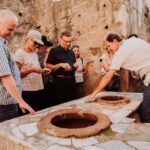
Another standout stop is a bakery where you can still see remnants of:
- the utensils
- and even traces of food
This is the sort of detail that makes Pompeii work as a city story. It answers a key question you might not realize you have: what did daily eating and work actually look like?
Even if your time is limited, that kind of “still here” evidence helps your imagination work in the right direction. Instead of filling in blanks, you’re looking at what survived.
Theatres and amphitheater: spectacle under Roman skies
The route finishes with major entertainment spaces including:
- Large Theatre
- Amphitheater of Pompeii
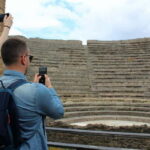
These stops are where you see how Pompeii fit into Roman cultural life. Entertainment wasn’t a separate world—it was connected to social status, public gatherings, and civic identity. A guide can make the scale feel logical, explaining how performances and crowds would have used the space.
If you’re visiting during hotter months, keep your pacing in mind. Theatre steps can be bright and exposed, and Pompeii is not built for slow hanging out. Still, it’s a strong way to end the tour because it reminds you the city wasn’t only tragedy and death. It also had music, drama, and crowds.
Private group pacing, earphones, and guide languages
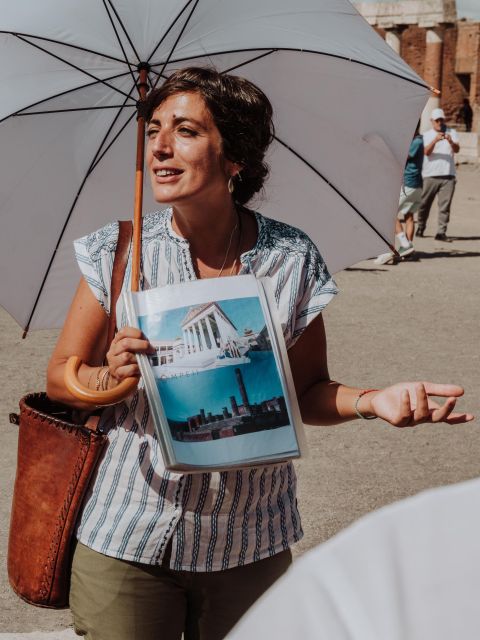
You’ll be with a private group, and the tour provides disposable earphones for bigger groups. Either way, it’s designed to keep your listening clear in loud or busy outdoor areas.
Languages listed include English, French, German, Spanish, and Italian. The practical advantage for you: you get the same route plus an explanation that doesn’t assume you already know Roman terms. That’s a big deal in Pompeii, where lots of labels look similar until someone translates what they mean.
About the guides: the narration often includes names you might recognize from past tours, such as Rosalina, Tonia, Enzo, Paola, Alessandro, Giancarlo, Sergio, Ana, Felicia, and Chiara. The consistent theme is strong storytelling—answers to questions, and a pace that keeps your eyes moving through the right places.
One word to the wise: if your goal is maximum photo time, a tightly paced guided tour will still feel brisk. But if your goal is understanding what you’re looking at, the short format is a win.
UNESCO context: why Pompeii still matters
The tour also connects the experience to why Pompeii and Herculaneum earned UNESCO recognition. The idea is that Pompeii and Herculaneum provide a complete, vivid picture of society and daily life at a single moment in history—something you can’t easily find elsewhere.
On the ground, this turns into an easy takeaway: your guide isn’t just walking you through attractions. They’re showing why Pompeii is studied and preserved. You can see how daily routines left physical traces, how public buildings structured interactions, and how personal spaces reveal priorities.
If you enjoy understanding why a site is world-famous, this context makes the visit feel more grounded.
First Sunday entry and other practical gotchas
There’s a helpful timing note: on the first Sunday of each month, entrance is free of charge, but tickets can’t be reserved ahead of time, so entry isn’t guaranteed. If you’re booking around that date, plan for the possibility that your schedule could need flexibility.
Also, because the meeting point can be tricky, don’t rely on just one navigation app. Arrive early, and keep your confirmation details handy so you can match the exact start spot.
Should you book this 2-hour Pompeii archaeologist tour?
Book it if:
- you want a structured route through Pompeii’s western area instead of wandering
- you care about understanding public life, private life, and the 79 AD impact, including the plaster casts
- you like learning from a guide who explains what buildings were for, not only what they look like
- you’re okay with a 2-hour limit and want the highlights without trying to see everything
Consider skipping or pairing it with extra time if:
- you prefer unstructured free roaming and long photo pauses
- the adult-themed stop at the Lupanar could be uncomfortable for you
- you need guaranteed wheelchair support and want confirmation in writing first, since the provided accessibility notes conflict
In plain terms: this is a smart choice when you want Pompeii to make sense quickly. If you’re happy paying for that clarity, you’ll likely leave feeling like you didn’t just see ruins—you understood a living city frozen in time.
FAQ
How long is the Pompeii guided tour?
The tour is listed as 2 hours.
What is the price per person?
The price is $175.74 per person.
Where do you meet the guide, and where does the tour end?
The meeting point may vary by option, with a start at Porta Marina (via Villa dei Misteri, 2). The finish is listed as Pompei Scavi – Villa Dei Misteri, but the activity description also says it ends back at the meeting point, so check your exact confirmation.
What sights are included in the tour?
The tour includes highlights such as the Forum, Thermal Baths, Lupanar (old brothel), and multiple notable houses and public buildings, plus plaster casts and a bakery stop.
Do you get Pompeii entry tickets included?
Yes, Pompeii entry tickets are included.
What language options are available?
The live guide languages are listed as French, German, Spanish, Italian, and English.
Is it free to enter Pompeii on the first Sunday of the month?
On the first Sunday of each month, entrance is free of charge, but tickets can’t be reserved ahead of time, so entry isn’t guaranteed.