REVIEW · NAPLES
Pompeii: Private Tour with an Archaeologist
Book on GetYourGuide →Operated by Askos Tours · Bookable on GetYourGuide
Pompeii hits different when you’re not herded. This private walk takes you through western Pompeii with a certified archaeologist-guide, so the stones feel like a real place instead of a checklist. You’ll connect the buildings to daily life before Vesuvius covered it all in 79 A.D.
I love how much the guide can slow the city down: you get time to ask questions and catch the small details that most big tours skip. Many guides are praised for turning the site into human stories—people like Nicoletta and Patrizia are repeatedly noted for pointing out small things and adapting to interests.
One thing to plan for: Pompeii is intense walking, and the tour is only 3 hours, so you won’t see every corner of the sprawling site. Wear comfortable shoes, expect crowds at key points, and you’ll be happier with what you can realistically cover.
In This Review
- Key Things You’ll Be Glad You Book
- Why Pompeii Feels Like a Town, Not a Museum
- Starting at Porta Marina Superiore and Getting Oriented Fast
- Porta Marina, Then Temple Life: Marina Gate to the Temple of Apollo
- The Forum and Basilica: Where Pompeii Ran on Civic Life
- The Houses of Menander and the Faun: Private Space, Shared Patterns
- Baths and the Life Around Them: Stabian Baths and Forum Baths
- Lupanare: A Tough Stop, Handled Better With Context
- Theaters, Then the Amphitheater: Public Entertainment at Full Scale
- Plaster Casts and the Tragedy That Still Feels Present
- Pompeii in Price and Time: Is $508.15 Worth It?
- Who This Private Pompeii Tour Fits Best
- Quick Practical Advice Before You Go
- Should You Book This Pompeii Private Tour?
- FAQ
- How long is the Pompeii private tour?
- Where do I meet the guide, and where does the tour end?
- Is this a private tour, and who leads it?
- Are skip-the-line tickets included?
- What languages are available for the live guide?
- What should I bring, and what is not allowed?
- Is Pompeii free on the first Sunday of each month?
Key Things You’ll Be Glad You Book
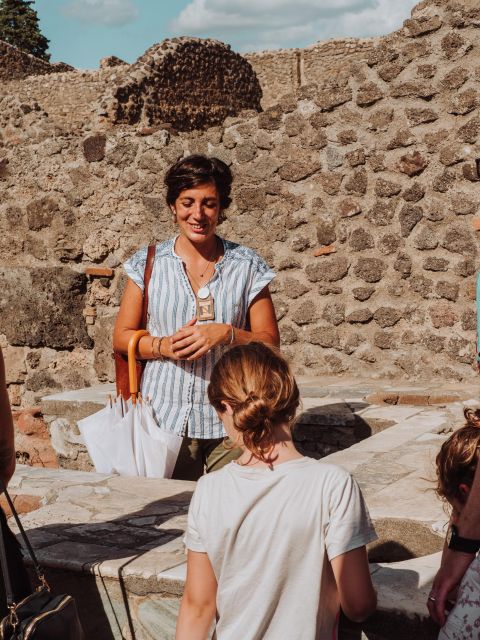
- Private pace, real Q&A: the tour is built for a guided, question-friendly walk rather than a rushed loop
- Skip-the-line admission fees included: you spend less time stuck at the ticket bottleneck
- Western Pompeii highlights in one circuit: Marina Gate, Forum spaces, major houses, bath areas, and big entertainment venues
- Everyday Roman life focus: public buildings plus homes, shops, and baths—not just “pretty ruins”
- Human scale details: plaster casts of victims and the everyday layout make the tragedy feel immediate
- Works in many languages: Japanese, English, Spanish, Italian, German, French, Portuguese, Chinese, Russian
Why Pompeii Feels Like a Town, Not a Museum
Pompeii is one of those places that can be either inspiring or exhausting, depending on how you see it. With a private archaeologist-guide, you get the “why” behind the “what”—how spaces were used, how people moved through the city, and what daily routines looked like in Roman life.
What makes this tour especially good value is the pairing of time and expertise. At Pompeii, a general overview can leave you staring at walls wondering what you’re actually looking at. Here, you’re walking a tight route through major sights, and the guide is there to translate the city block by block.
The best part is that the tour leans into the city’s lived-in feel. When you’re standing at a doorway, a bath entrance, or a forum facade, you start to notice how the setting would shape everyday behavior—where people met, worked, argued, drank, and relaxed.
You can also read our reviews of more private tours in Naples



Starting at Porta Marina Superiore and Getting Oriented Fast
You meet at the Pompeii main gate: Porta Marina Superiore, in front of the Hortus bar-restaurant (look for the lemons and oranges hanging outside). This is a smart start, because it helps you get your bearings early, before the site becomes a maze of streets and buildings.
From the gate area, the tour shifts quickly into city structure and movement. That matters, because Pompeii is large and you can lose your sense of direction in minutes if you’re going self-guided. Having someone guide your route makes the site feel ordered—like you’re walking through a map that comes with answers.
You’ll also get disposable earphones for bigger groups. If you’re in a private group you may not always need them, but it’s a useful detail that keeps the guide’s explanations clear near noisy corners and crowded passages.
Porta Marina, Then Temple Life: Marina Gate to the Temple of Apollo
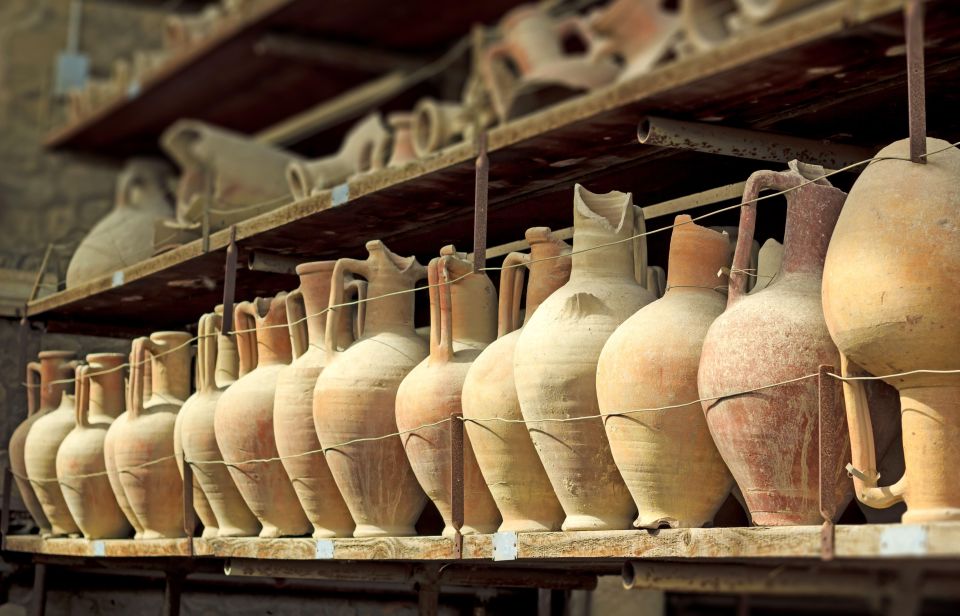
Your first major stop is Porta Marina, the gateway that sets the tone for how Pompeii functioned. Gates weren’t just entrances. They were part of how goods, people, and information flowed. Even if you only spend a short time here, you’ll start to understand Pompeii as an active city rather than a sealed archaeological site.
Next you visit the Temple of Apollo. Temples like this are where Pompeii’s public religious life shows up in stone. The value of a guide here is in interpretation: you’re not just looking at columns and steps. You’re learning what the space meant, how it was used, and how religion sat inside civic life.
A good guide can also make the layout click. After a couple of stops, you’ll start recognizing patterns in how Pompeii was organized—public vs. private spaces, and where people would naturally gather.
The Forum and Basilica: Where Pompeii Ran on Civic Life
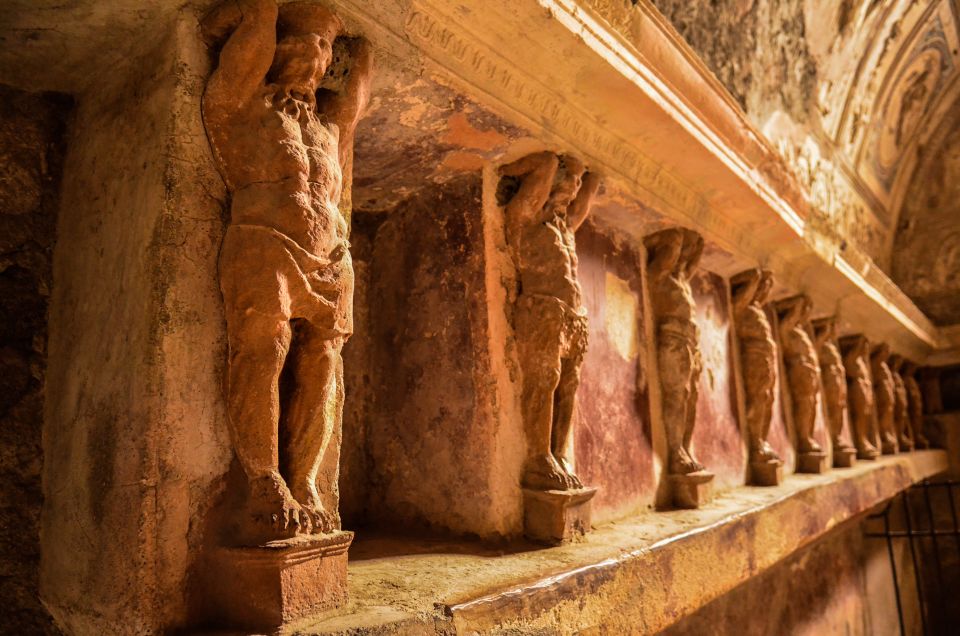
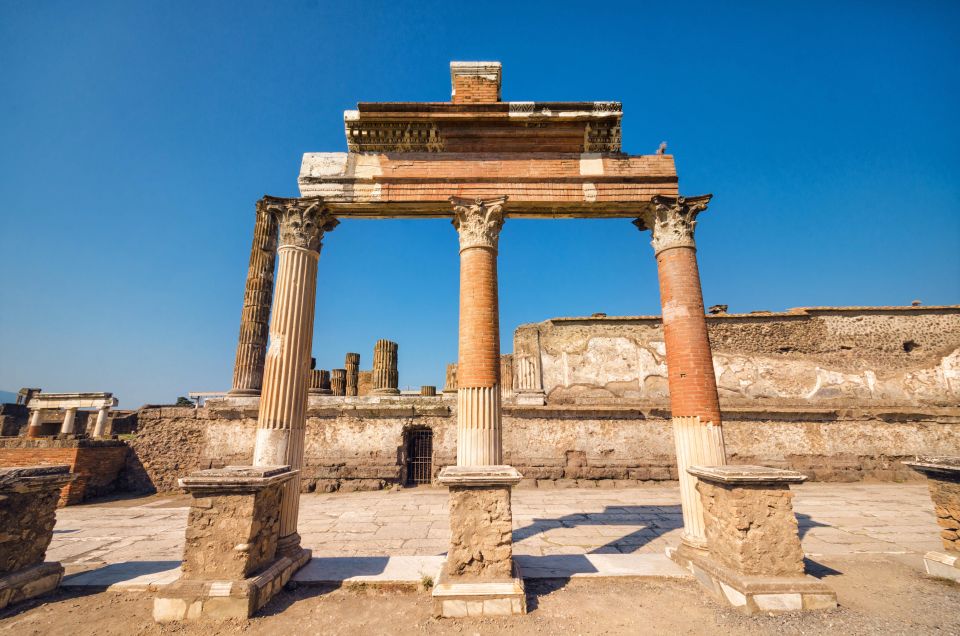
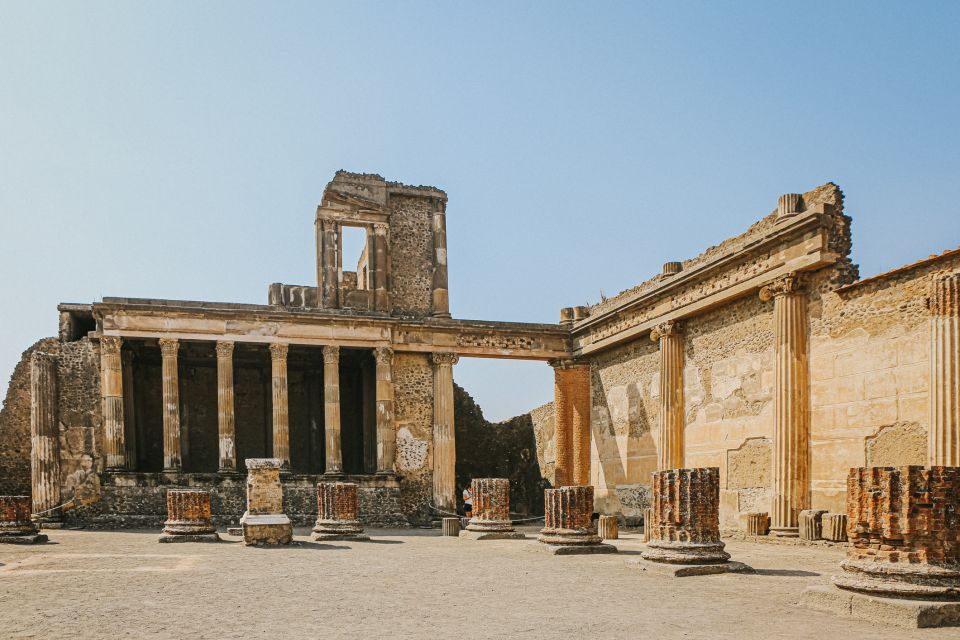
The route brings you to the civic core with stops at Foro Civile di Pompei and the Basilica. This is where Pompeii stops being “ruins you photograph” and turns into “government and business you can almost imagine.”
The forum area helps you understand social behavior. People didn’t just walk around randomly. They came here to meet, transact, hear news, and do civic tasks. In a private tour, the guide can explain why these spaces were built the way they were and what kinds of activities fit where.
The Basilica is another key piece. It’s the kind of building that looks straightforward until you learn what it was for. A guide will connect it to the practical business of life in a Roman city, so you’re not standing there wondering what the big room actually did.
If you enjoy history that connects to real people, this is usually the segment that lands hardest. The forum spaces show daily order—the city’s rhythm.
The Houses of Menander and the Faun: Private Space, Shared Patterns
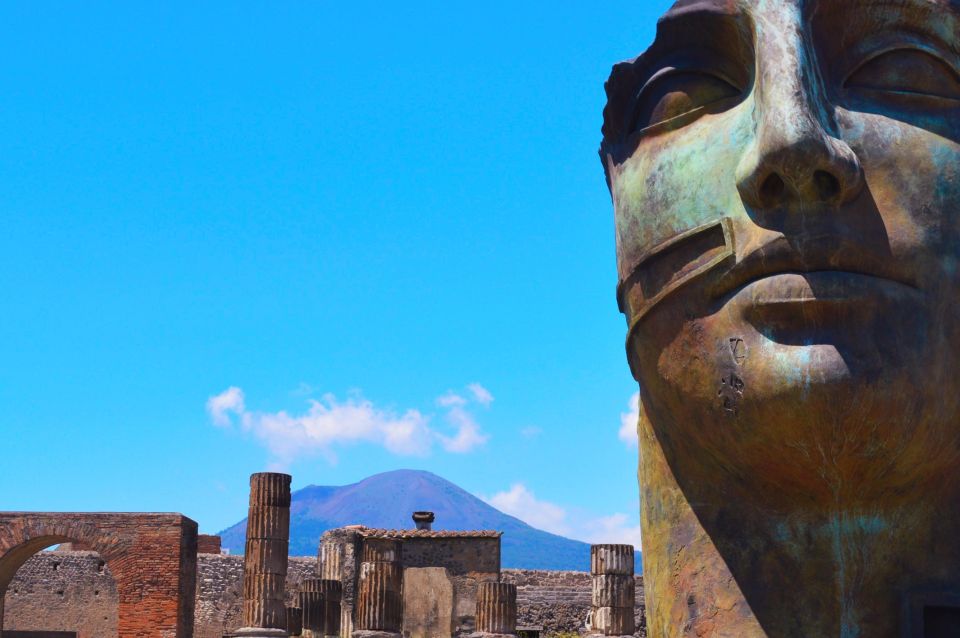
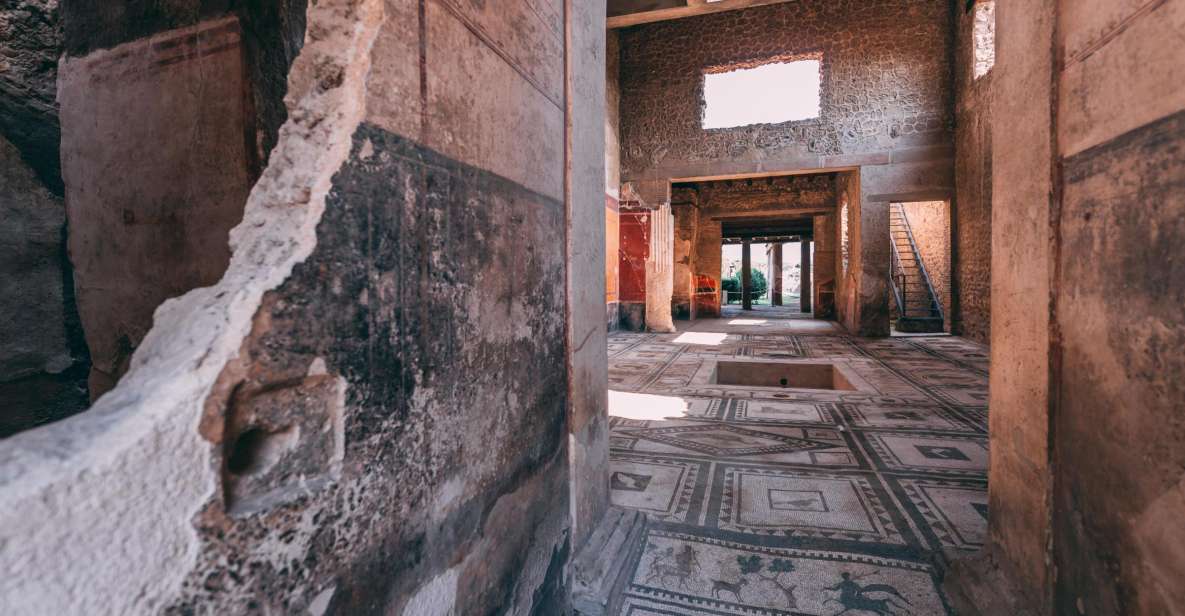
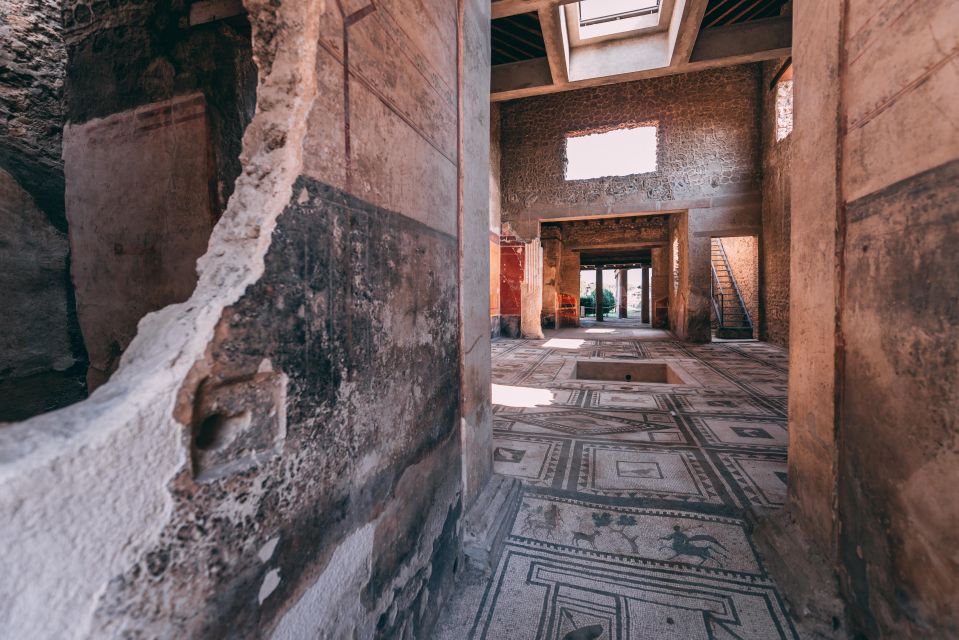
Once the tour shifts from civic spaces to homes, you start seeing Roman life from the inside out. You visit the House of Menander, which is especially interesting because it reminds you that private houses in Pompeii were designed for status, comfort, and display.
Then you move on to the House of the Faun. Even if you’re not an architecture nerd, houses like this teach you how Romans used rooms, courtyards, and decorative programs to signal identity. You’ll likely focus on how space worked socially: where visitors would stand, where daily movement happened, and what made some homes more impressive than others.
A standout theme in the best guide performances is how they keep the story human. Guides like Jasmine and Diego are praised for being warm, engaging, and thorough in connecting details to culture. In practice, that means you don’t just learn facts—you start understanding what daily routines might have felt like.




Baths and the Life Around Them: Stabian Baths and Forum Baths
Baths are one of the best places to learn about Roman habits because they blend function and social life. You’ll visit bath-related stops such as the Stabian Baths and the Forum Baths.
Here’s what makes bath areas click during a guided walk: the guide can show you how different rooms would map to different temperatures and uses, and how the bathing routine wasn’t just hygiene. It was also a social scene—people talking, relaxing, and spending time.
If you want an “I can’t believe this is real” moment, bath spaces often deliver it. They feel less like a monument and more like a lived-in setup. And that’s where Pompeii’s tragedy and immediacy come through—people had routines, and those routines got interrupted.
Lupanare: A Tough Stop, Handled Better With Context
The tour includes the Lupanare, the brothel. This is one of the most talked-about places in Pompeii, and it’s also the one where context matters most.
Without guidance, you might just look for sensational details. With a good archaeologist-guide, you get a more grounded explanation of how such a business fit the city’s economy and street life. You’ll still see why the site made such an impact, but you’re also learning how Romans categorized spaces and traffic.
This stop can be uncomfortable for some visitors. That’s normal. If you’d rather skip it, you can still keep the rest of the tour strong, but do know this is part of the route built around major highlights.
Theaters, Then the Amphitheater: Public Entertainment at Full Scale
Pompeii’s entertainment venues are where you see scale and collective behavior. You visit the Large Theatre and later the Amphitheater.
At the Large Theatre, you learn how performance shaped public life. A private guide helps you understand what seating meant, how crowds would gather, and why these spaces were central to community identity.
Then the Amphitheater brings you to a different style of spectacle—an even more dramatic setting for public events. Standing in these spaces, it’s easier to picture how people spent their free time and what kinds of events drew them together.
The best guides help you notice sightlines and movement. That turns the buildings into a lived environment. Without a guide, you might see the big structure and miss what it was designed to do.
Plaster Casts and the Tragedy That Still Feels Present
One of the tour’s included highlights is seeing the plaster casts of victims. This is where Pompeii stops being a “cool ancient city” and becomes a direct human story.
Even if you’ve read about the eruption, standing near the casts changes the way you understand it. The guide’s job is to keep you oriented—what you’re seeing, why it was preserved, and how it fits into the broader story of the disaster and excavation.
Guides like Laura and Michele are specifically praised for warmth and passion, and this kind of stop depends on that. You don’t want a tour that turns tragedy into trivia. You want a guide who treats people as people, not props.
Pompeii in Price and Time: Is $508.15 Worth It?
This tour is priced at $508.15 per group (up to 1 person). On paper, that’s a lot. But you should weigh what you’re buying: a private archaeologist-guide plus skip-the-line admission fees.
For Pompeii, that combo can be a genuine value if you care about interpretation. If you’re the kind of traveler who reads signs but still wants meaning, a private guide saves you from spending your day stuck in your own guesswork. You’re paying to shorten the distance between seeing and understanding.
It can also be worth it if you’re trying to avoid the worst parts of crowds. A good guide can keep your pace realistic and route you through key areas without endless re-stopping. Several guides in the experience are praised for keeping groups engaged and moving well through busy moments.
Where it may not be worth it is if you’re happy with a self-guided route and you’re comfortable spending time figuring things out on your own. Pompeii can still be spectacular without a guide. This is mainly about how much you’ll get out of those 3 hours.
Who This Private Pompeii Tour Fits Best
I think this tour is best for people who want Pompeii to make sense. If you love history that connects to everyday life—public buildings, homes, baths, and street-level culture—this route will feel like it’s doing something right.
It also fits well for:
- travelers who dislike crowd chaos and want a slower, question-friendly pace
- anyone who wants the human story told thoughtfully, not just the facts
- visitors short on time who still want major highlights covered in one focused circuit
It may feel like too much for people who hate walking. The tour is a lot of ground in a short window, and Pompeii’s surfaces aren’t smooth in the way modern streets are.
And one more note: the info says it’s wheelchair accessible, but it also states it’s not suitable for wheelchair users. If accessibility matters, I’d confirm details with the provider before you book so you don’t arrive hoping it will work out.
Quick Practical Advice Before You Go
Pompeii rewards preparation. Bring comfortable shoes. The walking is intense, and you’ll want your feet to be on your side.
Weather-wise, the tour runs in any condition. If rain shows up, you’ll want rain gear. The guidance recommends bringing a small umbrella and/or raincoat, but umbrellas are also listed as not allowed, so I’d plan around a raincoat if you can.
Also note the basic rules: pets aren’t allowed, and umbrellas are restricted. If you travel with a backpack, keep it manageable so you can move with the group at each stop.
Should You Book This Pompeii Private Tour?
Yes, if you want Pompeii to feel like a city, not an assignment. A private, archaeologist-led walk through major western highlights is one of the best ways to get meaning out of limited time, and skipping ticket lines helps you start faster.
I’d book it when you care about details—how Romans lived, how public buildings worked, how private homes were organized, and what the plaster casts really represent. If you’re mostly there for sweeping photos and you’re happy reading on your own, then a self-guided visit may suit you better.
FAQ
How long is the Pompeii private tour?
The tour lasts 3 hours.
Where do I meet the guide, and where does the tour end?
Meet your guide at Porta Marina Superiore at the Pompeii main gate, in front of the Hortus bar-restaurant with lemons and oranges hanging outside. The tour ends back at the meeting point.
Is this a private tour, and who leads it?
Yes. It’s a private group guided by a certified archaeologist-guide.
Are skip-the-line tickets included?
Yes. The tour includes skip-the-line admission fees.
What languages are available for the live guide?
Japanese, English, Spanish, Italian, German, French, Portuguese, Chinese, and Russian.
What should I bring, and what is not allowed?
Bring comfortable shoes. Pets aren’t allowed, and umbrellas aren’t allowed.
Is Pompeii free on the first Sunday of each month?
Yes. On the first Sunday of each month, entrance is free, but tickets can’t be reserved ahead of time, so entry is not guaranteed.