REVIEW · POMPEII
Private Day Tour to Vesuvius, Herculaneum & Pompeii with Pick Up
Book on Viator →Operated by A DRIVE INTO THE BLUE · Bookable on Viator
Vesuvius and two cities in one day sounds wild. What makes it work is the private pickup plus timed site guides that help you see the big moments of Pompeii and Herculaneum without feeling like you’re constantly sprinting. I love that you can upgrade for site guiding, so you spend your time looking at things instead of guessing what you’re seeing.
My favorite part is the crater climb itself, with a trail that’s rough but very doable for most people with decent shoes and moderate fitness. One thing to plan around: the climb and the views depend on weather, and clouds can sock it in, especially by later morning.
In This Review
- Key Points That Matter
- Pompeii, Herculaneum, and Vesuvius: The Best One-Day Combo
- How the Pickup Actually Changes the Day
- Pompeii Archaeological Park: From the Main Gate to Real Daily Life
- Piazza Porta Marina and the City’s Big Picture
- Forum to Basilica: Where Politics, Law, and Business Ran
- Thermopolium VI and Street Food Reality
- Casa del Fauno and Casa dei Vettii: Wealth, Status, and Symbols
- Baths and Theatre: Routine and Entertainment
- Herculaneum at Parco Archeologico di Ercolano: Smaller, Better Preserved
- Salone della Barca di Ercolano: The Boat Discovery Moment
- Casa dei Cervi: Wealth, Again, But With a Different Feeling
- Vesuvius Crater Climb: Views, Rough Trail, and Cloud Risk
- Tickets, Guides, and Value: What You’re Paying For
- Lunch and Break Time: Don’t Let It Sink the Day
- Comfort Tips That Actually Help
- Who Should Book This Vesuvius-Day Plan
- Should You Book This Private Tour?
- FAQ
- How long is the tour?
- Is the tour private?
- Do I need to buy tickets?
- Will there be a guide at the archaeological sites?
- What’s included besides guides and transport?
- What should I wear for Vesuvius?
- Does the tour run every day?
- What if the weather is bad?
- Is there free cancellation?
Key Points That Matter
- Private, door-to-door-style pickup from accommodation, train stations, or cruise areas helps you start fast.
- Optional professional guide at Pompeii and Herculaneum turns ruins into stories you can follow.
- Vesuvius hike timing is built in, with a set drive-and-walk rhythm rather than a scramble.
- Herculaneum earns its own place: smaller site, better preservation, and details you miss in Pompeii.
- Guides like Antonino (Tony), Giacomo, and Alona are repeatedly praised for pacing and clarity.
- Vesuvius tickets cost extra (listed as €12.60 per person), so check what’s included for your option.
Pompeii, Herculaneum, and Vesuvius: The Best One-Day Combo
This is the classic three-part day: Pompeii first, Herculaneum second, and Vesuvius as the finish line. The value is in how the day is structured. You’re not just ticking off famous names; you’re moving from one kind of Roman life to another, then ending with the volcano that created the whole preservation story.
If you like history that feels specific (food shops, bath routines, courtroom spaces, wealthy houses), this route makes sense. Pompeii gives you the big sweep of public and everyday life. Herculaneum then reframes that life with better survival and a more intimate feel. Finally, Vesuvius adds the physical context: the rise, the ash-blanket reality, and the crater viewpoint if weather cooperates.
The big consideration is fatigue. It’s a full day, and you’ll walk. The good news: the tour is private, so your guide can adjust stops to your pace. The practical bad news: if anyone in your group is prone to getting worn down, you’ll want to build in a slower lunch plan and a calm exit from Vesuvius if needed.
You can also read our reviews of more private tours in Pompeii


How the Pickup Actually Changes the Day
This tour is built around pickup. If streets allow, it goes straight from your accommodation; if not, it routes you to the closest car-access spot. It also works for people coming by train, plus cruise passengers in Naples, Salerno, Amalfi Coast, and Sorrento zones.
That matters more than it sounds. Pompeii can get crowded at the entrance, and trains and cruises can make timing stressful. A smooth start helps you arrive with a clear head, which is key when you’re walking through layered streets of a city frozen in time.
You’ll ride with a driver in a vehicle that gets you between sites efficiently. Bottled water is included, and the day is in English. And because this is a private experience, it’s only your group—no mixing and no waiting on strangers.
Pompeii Archaeological Park: From the Main Gate to Real Daily Life
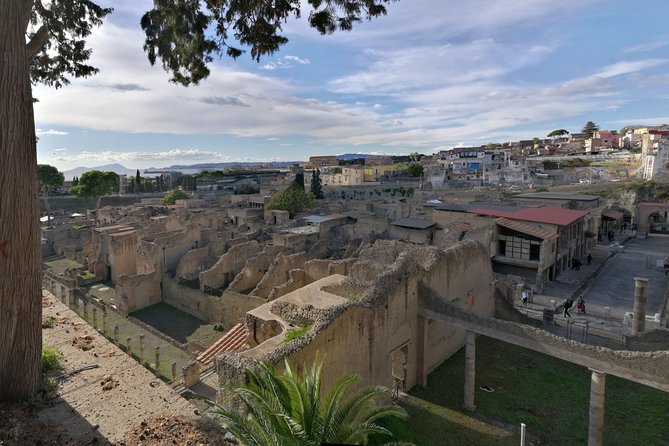
Pompeii is the headline, but the tour focuses on the parts that teach you how the city functioned. You meet a licensed guide at the main gate after your ticket step, then begin right away.
You typically get around two hours here, which is short for Pompeii—but smart for a one-day plan. The idea is not to see everything. It’s to see the parts that make sense together: public spaces, commerce, food, entertainment, and housing for different social levels.
If you’re the type who wants to understand what you’re seeing, pay attention to whether you booked the professional guide option. With a guide, Pompeii stops start to click: you can identify zones and interpret details instead of just wandering among walls.
Piazza Porta Marina and the City’s Big Picture
One early highlight is Piazza Porta Marina, a main gate with a strong sense of arrival. It’s described as the most impressive among Pompeii’s seven gates, and it gives you a clear entry point into the western side of the city.
Right after that, you move into the Forum area—the Civil Forum. This isn’t just a pretty plaza. It’s the core of daily life, tied to administration, justice, markets, and worship. When a guide points out what happened where, you start to see the city as a living machine, not a museum of stones.
Forum to Basilica: Where Politics, Law, and Business Ran
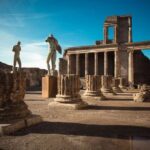
The Basilica is one of those places that sounds boring until you stand there. In Pompeii, it functioned for business and administration of justice. It connects to the Forum through multiple entrances separated by tuff pillars, so it feels like the hub of formal city life.
If you’ve ever wondered how a Roman city made decisions and handled trade, this is one of the easiest ways to get the answer. The tour’s time here is brief, but the context is the point.

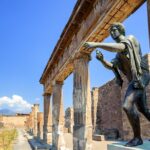
Thermopolium VI and Street Food Reality
Next comes Thermopolium VI, a small cook-shop where hot food was sold. This is one of those moments that changes how you picture ancient life. You stop thinking only about villas and monuments and start thinking about lunch.
You also see the Roman habit of turning everyday needs into permanent architecture. Even in ruins, you can get a real sense of daily rhythms.
Casa del Fauno and Casa dei Vettii: Wealth, Status, and Symbols
Housing in Pompeii helps you understand social hierarchy fast.
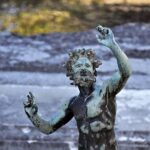
- Casa del Fauno is one of the larger houses, covering a full block of about 3,000 square meters, with origins dating back to the 2nd century BC. In other words, this wasn’t a small-time operation.
- Casa dei Vettii is famous for its richness and is linked to Aulus Vettius Restitutus and Aulus Vettius Conviva, brothers who became wealthy through trade. A key detail is the artwork by the door, tied to Priapus, the god of prosperity.
That Priapus detail is the kind of thing you’ll appreciate more with a guide than without. It turns decoration into meaning: the house was sending a message about status and success.
Baths and Theatre: Routine and Entertainment
Pompeii also gives you glimpses of leisure and routine.
The tour includes Stabian Baths (Terme Stabiane), where you can follow the bath sequence: apodyterium (dressing room), then frigidarium (cold), tepidarium (medium), and calidarium (hot). This is a great stop if you like “how people lived” details.
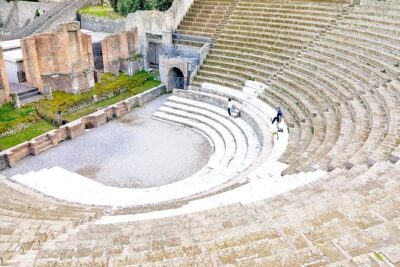
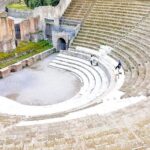
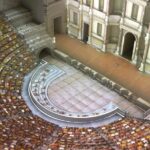
Then you reach Teatro Grande, a large theatre built by using the natural slope. You’ll hear how the auditorium was separated into areas and sectors, designed around a passage with a barrel vault. Even with limited time, it’s one of Pompeii’s most educational stops because it shows engineering plus entertainment in the same space.
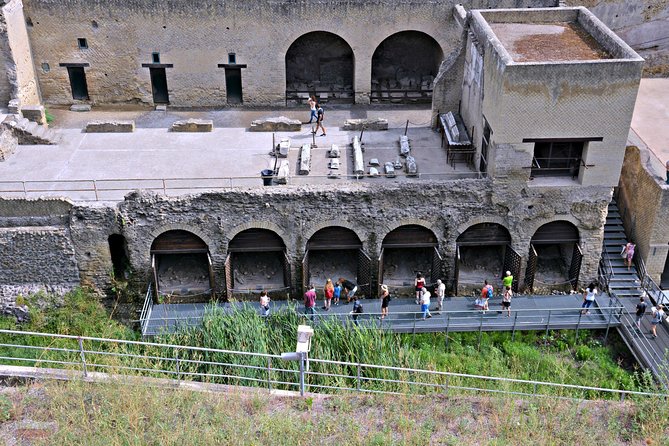
Herculaneum at Parco Archeologico di Ercolano: Smaller, Better Preserved
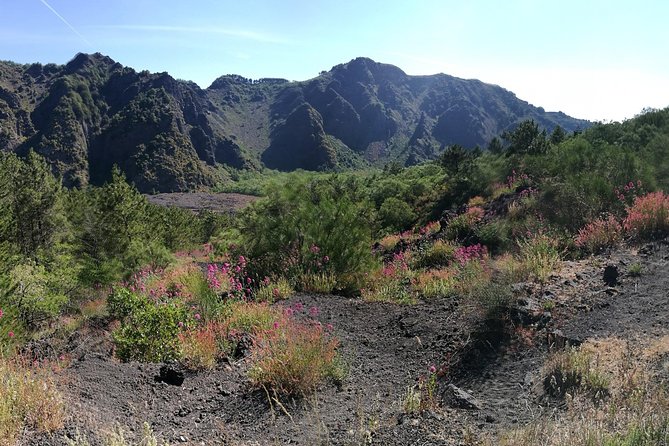
Then the day pivots. You’re driven to Parco Acheologico di Ercolano, meet a licensed guide at the main gate, buy tickets, and start exploring. Here you get about 1 hour 40 minutes, which is enough to feel Herculaneum’s difference.
Pompeii can feel overwhelming because it’s huge. Herculaneum hits differently because it’s better preserved and often more detailed in what survives. It can feel almost like Pompeii’s older sibling who studied harder.
Salone della Barca di Ercolano: The Boat Discovery Moment
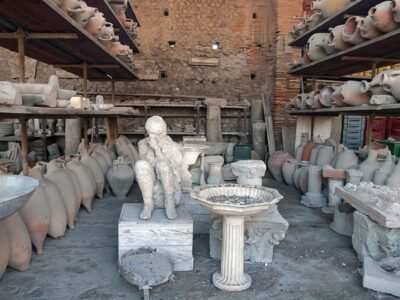
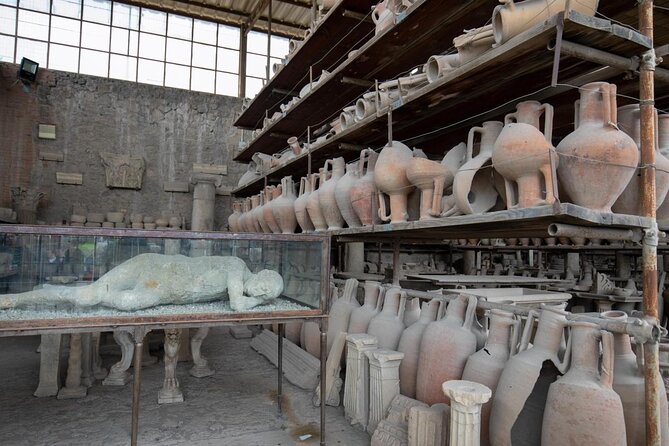
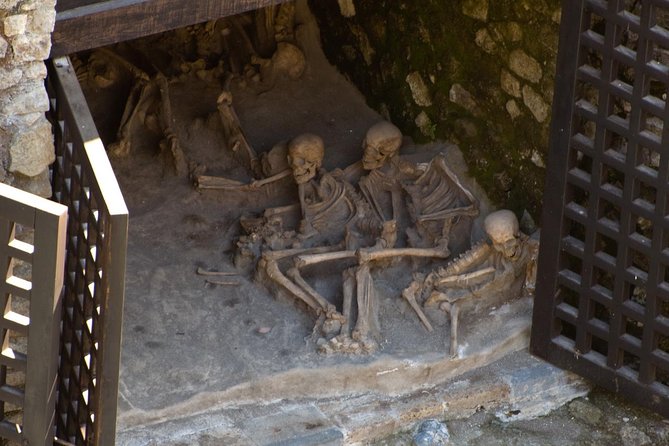
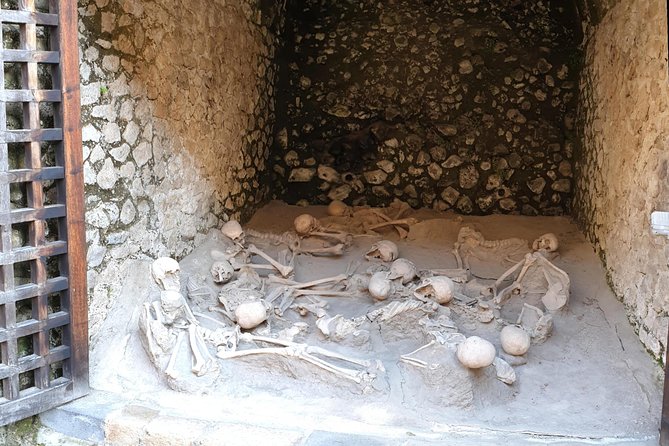
A standout is Salone della Barca di Ercolano, where you see one of the last major archaeological discoveries: the restored remains of a boat dug up near the marina area. The tour notes that this same area is tied to the discovery of 300 skeletons.
Even if you’re not an archaeology nerd, this stop lands. It’s the tangible link between people, daily movement, and the aftermath.
Casa dei Cervi: Wealth, Again, But With a Different Feeling
You also visit Casa dei Cervi, described as one of the wealthiest private homes in Herculaneum. The tour data points to an owner who was certainly a billionaire (in today’s terms, the meaning is that the scale and wealth are extreme).
In Pompeii, wealth often reads as big showy statements. In Herculaneum, those same wealth clues feel more personal—less spread out, more “this is where life happened.”
Vesuvius Crater Climb: Views, Rough Trail, and Cloud Risk
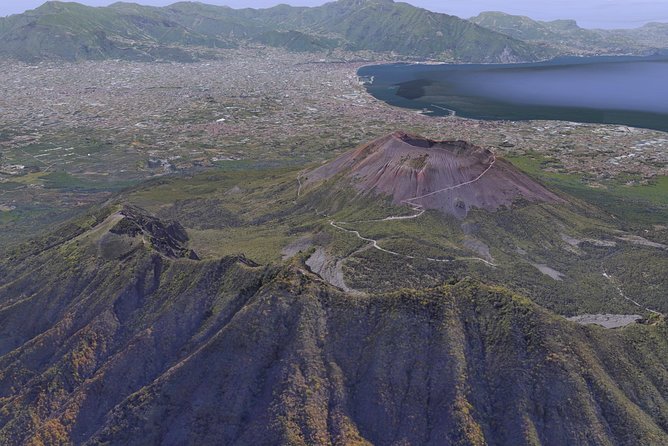
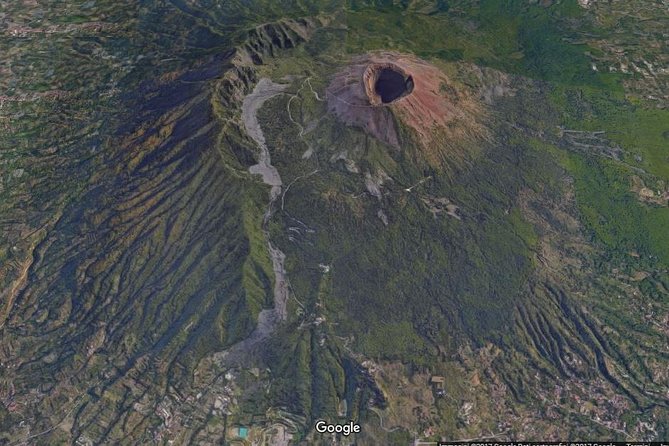
Now the day turns physical. You move to Vesuvius National Park, where you can visit info points and grab a map before the climb. The trail route mentioned is trail n. 5 Il Gran Cono, starting near 1,000 meters altitude in the area linked to Herculaneum.
Here’s the key structure of the climb:
- about 35 minutes up and 35 minutes down
- with a longer drive time overall before and after the hike
- planned walking time totals about 2 hours 30 minutes at this stage
The trail can be rough and gravelly, so you’ll want good walking shoes. This is not a stroll. It’s a steady climb on a wide trail, which reviews often describe as manageable, but your feet will feel it.
And then there’s the weather reality. Cloud cover can block crater views. One common suggestion is to do the Vesuvius portion earlier in the day for a better chance at clear skies. If your schedule is flexible, you’ll feel happier if you treat the morning climb as the priority.
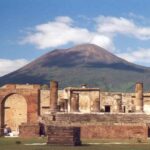
When the conditions are good, the reward is huge: bay-and-town views around Naples and a crater viewpoint that makes the whole trip click. You’re not just seeing ruins; you’re seeing the mountain that shaped them.
Tickets, Guides, and Value: What You’re Paying For
The advertised price is $120.98 per person, and that needs a quick reality check for value.
You’ll see these inclusions:
- pickup and drop-off from your area
- driver
- bottled water
- mobile ticket
- professional guide if you select the option
- tickets to Pompeii and Herculaneum if your option includes tickets
- English-speaking service
You’ll also see extra costs:
- Lunch is not included
- Vesuvius tickets are €12.60 per person
- tickets for archaeological sites are described as not included in some stop details, so double-check what your booking includes for Pompeii and Herculaneum.
So where is the value? In the day design. Without private pickup, you’d lose time and energy before you even start walking. Without a guide option, you’d spend precious time decoding ruins that were built to be understood through context: what’s a bath? what’s a courtroom? what’s a cook-shop?
Reviews repeatedly praise guides such as Antonino (often called Tony), Giacomo, and Alona for pacing and making history readable. That’s not fluff. It’s the difference between seeing stones and understanding why those stones matter.
Lunch and Break Time: Don’t Let It Sink the Day
Lunch isn’t included, and that can be good or bad depending on your priorities. If you’re hungry and tired at Pompeii, you’ll want a plan that keeps you moving and doesn’t create a long detour.
The tour data you have suggests there may be restaurant options presented during the day. Reviews include one person who felt an off-site lunch stop was a poor match, so I’d treat lunch as your responsibility even if you’re given suggestions. If you have dietary needs, ask ahead and confirm what will be offered.
My practical advice: bring a small snack stash if you can (nothing fancy). You’ll feel better during the transition from Herculaneum to Vesuvius, when the climb starts to take over your attention.
Comfort Tips That Actually Help
You’ll walk at Pompeii and Herculaneum, and you’ll hike at Vesuvius. That’s why the tour asks for moderate physical fitness and good shoes.
A few simple moves that make a big difference:
- Wear shoes you trust on uneven stone and gravel.
- Bring a light layer. Sites can be bright and warm, then cooler in shaded areas or near the climb.
- Plan for photos, but also plan for pauses. A good guide will manage crowd flow and stop points, so you don’t end up waiting in the wrong place.
- If someone in your group has mobility needs, it’s worth mentioning during booking. Some reviews mention help arranged for a disabled family member, which suggests the operator pays attention to requests.
And because it’s private, you can ask your guide to spend a little extra time at your priority stops—like the baths, the Forum, or the boat hall at Herculaneum—without losing the whole day.
Who Should Book This Vesuvius-Day Plan
This tour is a strong fit if you want:
- one-day structure that links three major sites
- guided explanation at the ruins (especially if you upgrade)
- a chance to climb Vesuvius rather than just look at it from below
- a private experience with pickup that reduces stress
It’s also ideal for families and mixed ages, as long as everyone can handle a full day of walking and one real hike. Some reviews mention kids staying engaged thanks to guide storytelling and Q and A time.
If you want to wander slowly with zero time pressure, this might feel rushed. The tour is built for a focused hit of the best-known—and most instructive—areas in Pompeii and Herculaneum.
Should You Book This Private Tour?
If you’re short on time in the Naples area but want a day that makes Pompeii and Herculaneum feel understandable, I’d book it. The private pickup, English-guided option, and built-in Vesuvius hike make it a good value when compared to cobbling together buses, tickets, and timed entry on your own.
Before you hit confirm, do these two checks:
1) Confirm whether Pompeii and Herculaneum tickets are included in your selected option, since stop details can vary.
2) Count Vesuvius add-on costs (€12.60 per person) into your total budget and reserve energy for the climb.
If the weather forecast looks shaky, treat morning timing as your friend and keep expectations flexible for crater views. When skies cooperate, this is the kind of day that stays with you—because you connect the story of AD 79 to the mountain that caused it.
FAQ
How long is the tour?
It runs about 8 to 9 hours. The plan includes time at Pompeii (around 2 hours), Herculaneum (around 1 hour 40 minutes), and the Vesuvius drive plus hike time.
Is the tour private?
Yes. It’s a private tour/activity with only your group participating.
Do I need to buy tickets?
Tickets for Pompeii and Herculaneum may be included if you select the option that includes them, but the stop details note that admission may not be included. Vesuvius tickets are listed as €12.60 per person and are not included.
Will there be a guide at the archaeological sites?
A professional guide is included if you select the option. The tour also describes licensed guides meeting you at Pompeii and Herculaneum after the ticket step.
What’s included besides guides and transport?
Included items are bottled water, pickup and drop-off (including from accommodation and certain train or cruise areas), the driver, mobile tickets, and professional guide/tickets where selected.
What should I wear for Vesuvius?
Wear casual clothes, but bring good walking shoes. The hike trail is rough and gravelly, so sturdy footwear matters.
Does the tour run every day?
Yes, the dates are listed as daily, with confirmation at the time of booking.
What if the weather is bad?
This experience requires good weather. If it’s canceled due to poor weather, you’ll be offered a different date or a full refund.
Is there free cancellation?
Yes. You can cancel up to 24 hours in advance for a full refund. If you cancel later than that, the amount you paid is not refunded.