REVIEW · POMPEII
Skip the Line Guided Tour of Pompeii led by an Archaeologist
Book on Viator →Operated by Tours of Pompeii with Lello & Co. · Bookable on Viator
Pompeii is huge; this tour keeps you focused. This skip-the-line experience gets you into the big sights fast, then ties what you see to real Roman life with an archaeologist guide in a small group. You’ll spend about two hours on foot covering the highlights you’d otherwise miss—or misunderstand—on your own.
I love the way the route hits the main story points in a short time. You’ll walk Pompeii’s signature street, then move into the political and shopping center at the Forum, before stepping into the Stabian Baths and ending at the Lupanar area known for erotic frescoes. I also like the pacing: guides like Lello, Italo, and Ana have a knack for keeping groups moving without turning the visit into a race.
One drawback to plan around: this is a guided confirmation, not a stand-alone ticket. If you’re late or miss the tour, there’s no refund, so you’ll want to show up early and bring the ID that matches the booking name.
In This Review
- Key things I’d bet on
- Pompeii in 2 hours: what this route actually delivers
- Getting in fast: skip-the-line and why it changes everything
- Via dell’Abbondanza: the main street you learn to read
- The Forum (Foro de Pompeya): markets, politics, and public life
- Stabian Baths (Terme Stabiane): why a bathhouse feels like a social hub
- The Lupanar: erotic frescoes, context, and respectful viewing
- Small group pacing with archaeologist guides like Lello, Italo, Ana, and Clelia
- Price and value: is $95.53 worth it?
- Practical stuff you should lock in before you go
- Should you book this archaeologist skip-the-line Pompeii tour?
- FAQ
- Where does the tour start?
- How long is the Pompeii guided tour?
- Is this tour offered in English?
- Does the tour include skip-the-line entry?
- What stops are included on the walk?
- Are admission tickets included?
- Is this a ticket to the ruins that you can use without the guide?
- How big is the group?
- What should I wear?
- Is private transportation included?
Key things I’d bet on
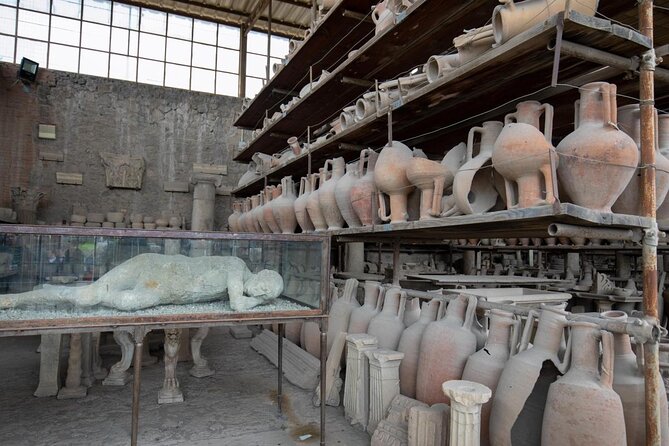
- Guaranteed skip-the-line entry so your time goes to the ruins, not queues
- Archaeologist-led storytelling that connects streets, buildings, and everyday habits
- A tight route in ~2 hours that targets Pompeii’s most visited zones
- Max 15 travelers, which usually means better listening and less crowd pressure
- Smart start-to-finish flow on foot along Pompeii’s original stone streets
- Forum-area orientation from some guides so you can keep exploring after
Pompeii in 2 hours: what this route actually delivers
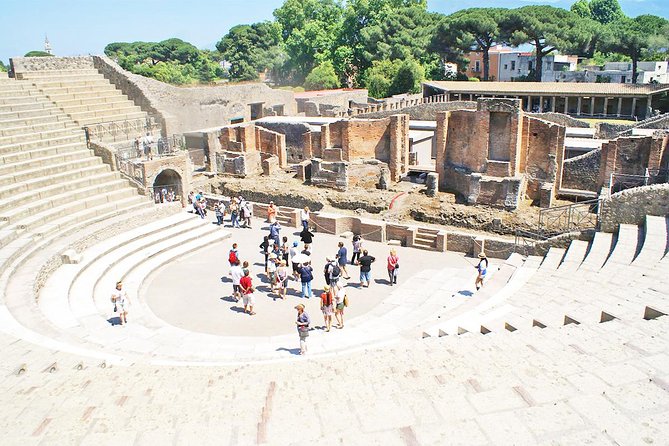
Pompeii can overwhelm you fast. The site is massive, and without a plan you can wander for hours and still come away with a vague “I saw a lot of old stuff” feeling.
This tour gives you a structured loop that covers the big anchors. You’ll move through the main street (Via dell’Abbondanza), land in the Forum (where markets and public life met), and then shift into two very human places: the Stabian Baths and the Lupanar area. That mix matters because it shows Pompeii as a living town, not just a set of ruins.
Because the guided time is short, you get value by learning how to read what’s in front of you. A bathhouse plan makes more sense when someone explains how it worked, and frescoes at the Lupanar hit differently when you understand what you’re actually looking at.
You can also read our reviews of more guided tours in Pompeii


Getting in fast: skip-the-line and why it changes everything
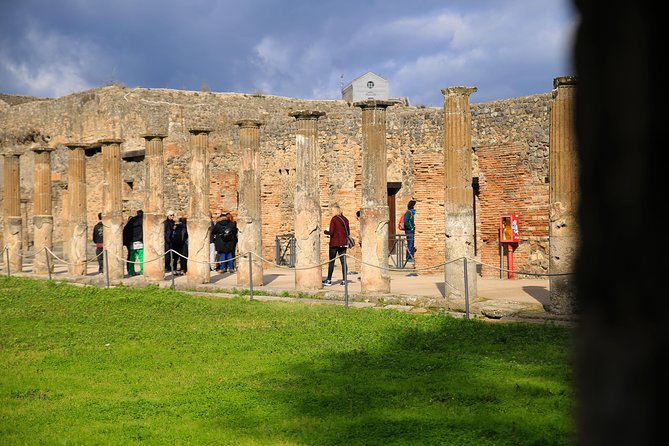
Pompeii lines can eat your day. This tour includes skip-the-line tickets with guaranteed no long waits, so you avoid the typical entry scramble.
That time-saving isn’t just convenience—it changes the whole experience. When you start the walk without delays, you’re more likely to enjoy each stop at a human pace instead of rushing to fit more ruins before you run out of daylight or energy.
The tour also keeps things organized at the start. You meet at Piazza Esedra, 80045 Pompei NA, Italy, and the experience ends back at the meeting point, so you’re not trying to reverse-engineer your way through Pompeii while tired.
Via dell’Abbondanza: the main street you learn to read

Via dell’Abbondanza is the kind of place you’ll recognize even if you’ve never been. It’s one of the main roads of Pompeii, lined with evidence of daily activity, shops, and the rhythms of city life.
With a guide, you don’t just look at stone. You learn how street location, building layout, and the flow of people would have shaped commerce and movement. It’s the difference between seeing a corridor of ruins and understanding why this road mattered.
One practical upside: this stop sets you up for everything else. After you get your bearings on Via dell’Abbondanza, the Forum doesn’t feel random—it feels like the logical next chapter in the same city map.
The Forum (Foro de Pompeya): markets, politics, and public life
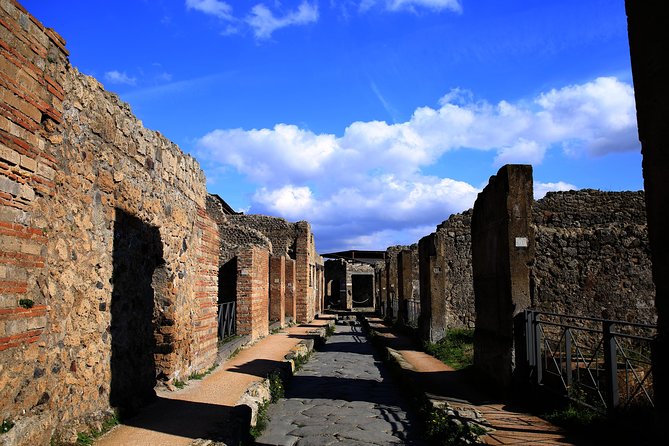
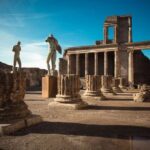
In Pompeii, the Forum is where civic life gathered. On this tour, you’ll walk through Pompeii’s main streets and end at the Forum area, which gives you a clear sense of how the city organized public space.
What I like about this stop is how it reframes buildings that can look similar at first glance. Markets and public buildings aren’t just grand backdrops; they’re where people coordinated work, politics, and social life. That context helps you interpret details you might otherwise gloss over.
This is also the point where many guides start helping you see the city as a grid rather than disconnected sights. Some guides (like Italo, in particular) have been known to show how the layout works so you can use your map more confidently after the tour ends.
Stabian Baths (Terme Stabiane): why a bathhouse feels like a social hub
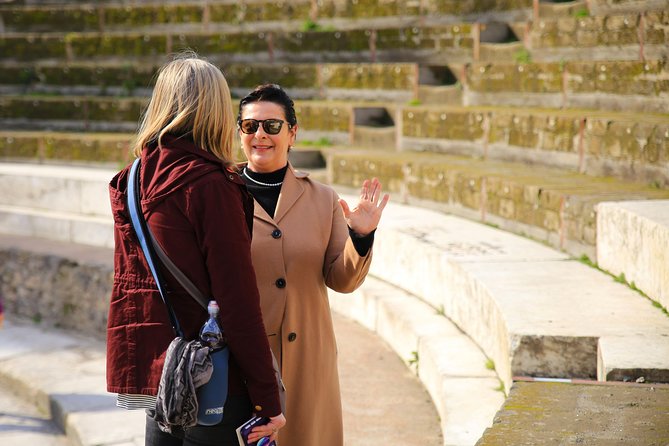
The Stabian Baths are one of Pompeii’s most compelling stops because they’re both practical and social. You’ll see the thermal bath area, and that’s a big deal: baths weren’t just for cleanliness—they were a routine part of public life.
With an archaeologist guide leading the explanation, you’re better able to visualize how the bathing spaces would have been used. You’ll also notice how the architecture supports that flow—different rooms and levels designed for specific stages of the visit.
A small warning that’s really just a planning note: this is still Pompeii. Expect walking on original stone streets and plenty of uneven ground. Comfortable shoes are not optional.
You can also read our reviews of more tours and experiences in Pompeii






The Lupanar: erotic frescoes, context, and respectful viewing
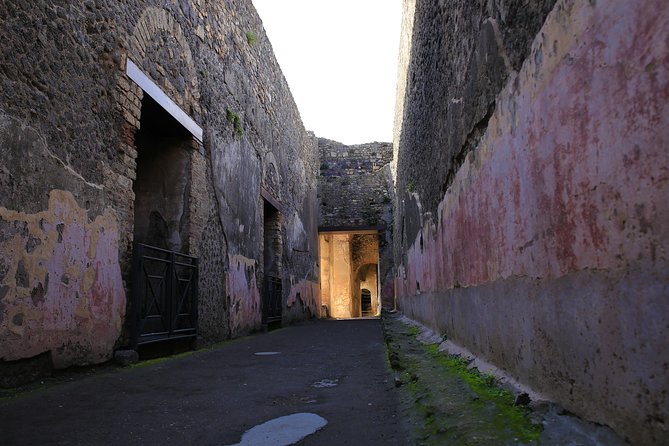
The Lupanar area is famous for its erotic frescoes. This stop can feel shocking if you only expect “ruins and Roman glory,” but with a guide, you’ll get the context behind what you’re seeing.
I appreciate that the tour doesn’t treat these images like salacious trivia. The value is in helping you understand how space and art worked together in Pompeii’s culture, so you can view it as archaeology rather than a tabloid stop.
If you want to know what you’re looking at without awkward guessing, this is one of the best parts of the tour to have someone interpret. The frescoes are part of a larger story about Pompeii’s daily reality.
Small group pacing with archaeologist guides like Lello, Italo, Ana, and Clelia
The best Pompeii guides don’t just recite facts. They turn buildings into scenes.
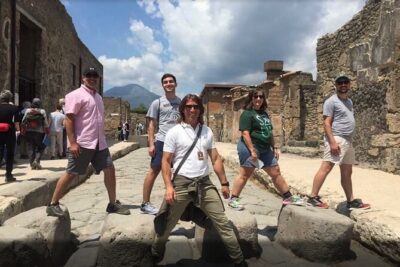
On this tour, the difference shows up in group size—this experience caps at 15 travelers, and many groups report feeling more like a small circle than a mass tour. That matters because Pompeii can get crowded fast, and you’ll want someone managing the flow so you aren’t stuck behind slower groups.
Guides from past tours include Lello, Italo, Ana, and Clelia (and others), and they’ve been praised for humor and storytelling that keep attention from drifting. Some guides also provide audio support (like earbuds or small receivers), which helps when you’re in a noisy area or the group gets spread out.
If you’re the type who loves asking questions while walking, this format tends to work better than a huge herd. You’ll usually get a more human conversation pace.
Price and value: is $95.53 worth it?
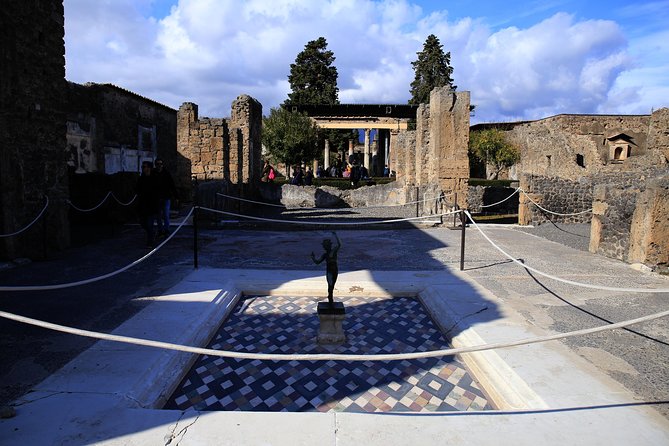
At $95.53 per person, this tour isn’t the cheapest way into Pompeii. But value isn’t only about price—it’s about what you lose if you skip a guide.
You’re paying for three things that add up fast: skip-the-line entry, admission included with the guided stops, and an archaeologist-led route that helps you understand what you’re seeing. Without that, you’ll spend time in queues and you’ll still need to do your own learning on the fly.
Two things make it especially good value:
- You get a focused route in about 2 hours, which is ideal if Pompeii is one of a few stops in your day.
- You’re walking on Pompeii’s original streets. A guide helps you make that walking count instead of turning it into aimless wandering.
This price may feel less worth it if you’re already deeply confident reading Pompeii’s layout and historical context from your own materials. But for most visitors, the guide + speed-to-entry combo is where the money goes.
Practical stuff you should lock in before you go
Plan for walking. The tour is set up for moderate physical fitness, and you’ll be on the original ancient streets, not smooth museum paths. Bring comfortable shoes and dress smart casual.
Bring the right ID. Entrance requires IDs the day of the tour, and the names on your reservation have to match your IDs.
Show up early. The tour notes that if you’re late or miss the tour, there will be no refunds. Local road delays can happen, so it’s smart to buffer your schedule rather than assume you’ll sail in.
Finally, remember the key detail: this is not a self-guided admission ticket. It’s a guided tour confirmation you use with the guide.
Should you book this archaeologist skip-the-line Pompeii tour?
I’d book it if you want Pompeii to feel understandable, not just impressive. This is a good fit for first-timers, history buffs who want the stories tied to specific sites, and anyone short on time who still wants the major highlights done well.
You should think twice if you strongly prefer wandering independently and don’t mind queues or doing all the interpretation yourself. Also, if your schedule is tight and you hate any risk of missing a start time, this format may be stressful because there’s no refund for lateness or missed tours.
If you do book, go in with one goal: learn how each stop fits into daily Roman life. When you do that, Pompeii stops being a pile of ruins and becomes a place you can actually picture.
FAQ
Where does the tour start?
You’ll meet at Piazza Esedra, 80045 Pompei NA, Italy.
How long is the Pompeii guided tour?
The duration is about 2 hours.
Is this tour offered in English?
Yes, it’s offered in English.
Does the tour include skip-the-line entry?
Yes. Skip-the-Line Tickets are included, with guaranteed no long waits.
What stops are included on the walk?
You’ll visit the Archaeological Park of Pompeii, Via dell’Abbondanza, the Forum (Foro de Pompeya), Stabian Baths (Terme Stabiane), and the Lupanar.
Are admission tickets included?
Yes, admission ticket(s) are included for the guided stops listed in the itinerary.
Is this a ticket to the ruins that you can use without the guide?
No. It’s a guided tour confirmation, and it can only be used with the guide.
How big is the group?
The tour has a maximum of 15 travelers.
What should I wear?
The dress code is smart casual, and you should wear comfortable shoes because you’ll be walking on the original ancient streets.
Is private transportation included?
No, private transportation is not included.