REVIEW · POMPEII
Ancient Pompeii Private Tour: Skip the Line & Kid-Friendly Option
Book on Viator →Operated by Leisure Italy · Bookable on Viator
Pompeii is huge; this tour keeps you sane. You’ll walk through the UNESCO ruins of a Roman city preserved by Vesuvius, and the best part is how quickly a private guide helps you read what you’re seeing. I especially like the included skip-the-line access and the way the guide shapes the route to your interests.
Two things I really like: the private, Blue Badge-style guide attention, and the family setup that turns big ruins into a kid-friendly scavenger hunt. You’re not stuck with random facts; you get stories tied to real places—baths, markets, temples, and houses—so it feels like a living city, not a pile of stones.
One possible drawback: you’ll be walking and Pompeii can cook in summer. If your group has mobility limits or you prefer a slow, unhurried pace, you’ll want to speak up early so the guide can pace you, not the crowd.
In This Review
- Key highlights to know before you go
- Why a skip-the-line private guide changes Pompeii
- Meeting at Via Villa dei Misteri: starting point and timing reality
- Pompeii basics: how your guide makes the Vesuvius story click
- Forum of Pompeii + Via dell’Abbondanza: politics and everyday street life
- Terme del Foro: walking through Roman bathing like it’s a routine
- Temple of Apollo + Basilica: what to spot in religion and government
- Casa dei Vettii: why restored wall art is a must-see
- Teatro Grande and the social edges of Roman life
- Antiquarium di Pompei: the casts that change how you feel
- Family Tour option: kid map, stickers, clues, and shorter attention spans
- Price and value: $165.05 per person, and what you’re really paying for
- Who this private Pompeii tour is best for
- Should you book this Pompeii Private Tour?
- FAQ
- FAQ
- Is this a private tour?
- How long is the Pompeii tour?
- Where do we meet, and where does the tour end?
- Is the tour offered in English?
- Does the tour include skip-the-line entry?
- What’s included for the family option?
- What ages is the family option recommended for?
- Are admission fees included?
- Do I need passport information for children?
- Is free cancellation available?
Key highlights to know before you go
- Skip-the-line admission included, so you spend less time waiting and more time looking
- Private guide with a flexible route, including plenty of time for questions
- Forum + Via dell’Abbondanza for the big-picture political and daily-life view
- Terme del Foro with a clear walk-through of Roman bathing rooms
- Casa dei Vettii with famous restored wall art (a huge reason people remember Pompeii)
- Antiquarium casts that make the eruption instantly human
Why a skip-the-line private guide changes Pompeii
Pompeii is one of those places where the ruins are spectacular, but the site is also big. Without a guide, it’s easy to zigzag, miss the point, and lose time at entrances. With skip-the-line access, you get a smoother start and more time where it matters most.
I also like that this is truly private. It’s not a packed group sprinting through stops while you fight for a view. Instead, your guide can slow down at details that catch your eye—like floor mosaics, wall paintings, or the layout of public spaces.
This kind of tour also helps with the hardest part of Pompeii: figuring out what you’re looking at. The guide doesn’t just name buildings. They explain how they worked in real Roman life, which is where the wow factor lands.
You can also read our reviews of more private tours in Pompeii


Meeting at Via Villa dei Misteri: starting point and timing reality
You meet at Via Villa dei Misteri, 2, 80045 Pompei NA, Italy, and the walk ends back at the same place. The total time is about 2 hours, but in practice you’ll likely move with the group pace, weather, and how many questions you ask.
A small timing note: Pompeii is better early. On hot days, even a smart route can feel exhausting by midday. If you can, plan a morning start so the “best shade” moments are actually usable.
Bring good walking shoes. The ground can be uneven, and you’ll spend a lot of time on outdoor stone paths. If anyone in your group tires quickly, this is still a good option, but you’ll want to set expectations with your guide about pace.
Pompeii basics: how your guide makes the Vesuvius story click
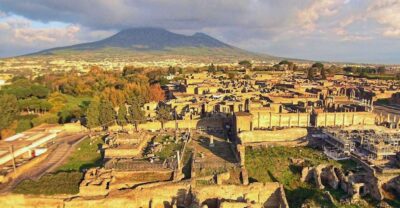
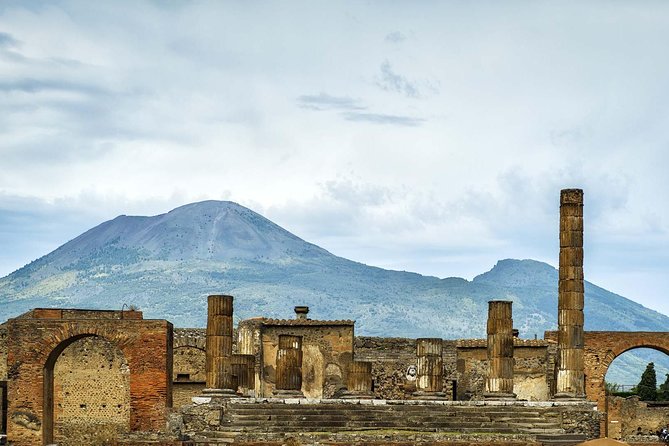
Before you hit the main ruins, your guide will set the scene: Mount Vesuvius erupting in AD 79, the city frozen in ash, and why Pompeii is preserved in such a rare way. You’ll also learn what life looked like just before disaster—politics, religion, shopping, bathing, and home life.
This is where a private guide earns their fee. They help you connect clues across multiple buildings. For example, you don’t just see streets—you understand why they were shaped how they were, and how the city moved people through daily routines.
You’ll also get a “what to notice” mindset. Look at the marks of wear, the layout of public rooms, and the way entrances and stairways guide movement. With that, Pompeii stops feeling like random ruins and starts feeling like a real place.
Forum of Pompeii + Via dell’Abbondanza: politics and everyday street life
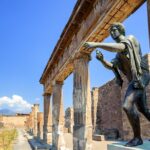
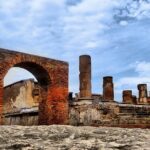
The Forum is the city’s centerpiece. It’s a rectangular public space that functioned as the main hub for political, religious, and commercial activity. Your guide points out how off-limits areas worked too—this plaza was pedestrian-focused rather than for heavy chariot traffic.
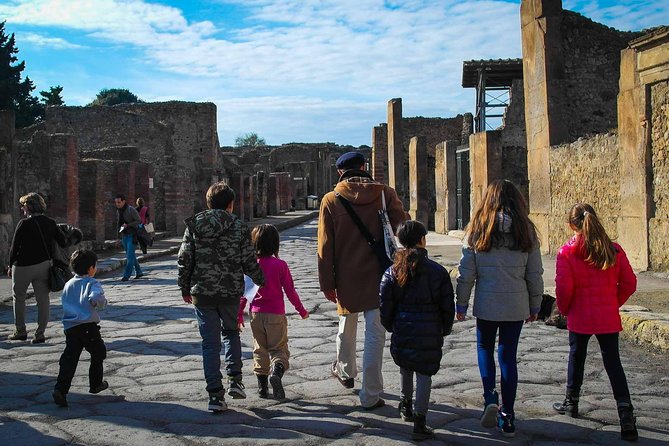
Then you head into Via dell’Abbondanza, Pompeii’s long main street, and one of the best places to understand daily life. This is where you’ll get a vivid sense of the city’s rhythm: shops, public-facing spaces, and the social side of commerce.
I like this pairing because it gives you two angles at once. The Forum shows power and rituals. The street shows the messy, human part—people moving, buying, talking, and living.
Terme del Foro: walking through Roman bathing like it’s a routine
The Terme del Foro are one of the best “how Romans lived” stops because they’re so well-preserved. Your guide walks you through the sequence of Roman bathing spaces, from changing areas to cold, warm, and hot rooms.
What’s useful here is the step-by-step structure. You’ll see the Apodyterium (changing room), the Frigidarium (cold bath), the Tepidarium (warm), and the Calidarium (hot). Even if you’re not a history nerd, this turns a ruin into something understandable.
You’ll also notice the architectural details—barrel-vaulted ceilings and stucco reliefs. The telamones (terracotta figure details) help you appreciate that these weren’t plain functional rooms. This was everyday leisure with serious design behind it.
You can also read our reviews of more tours and experiences in Pompeii


Temple of Apollo + Basilica: what to spot in religion and government
Next up is the Temple of Apollo, one of the older and most important religious sites at Pompeii. It sits in the Forum area and uses a mix of Greek and Italic style elements. Even if you’re not memorizing architectural terms, you’ll learn what the setting means and why it’s built to dominate views from nearby areas.
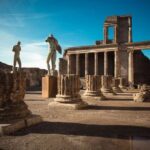
Your route also takes you to the Basilica, the major public building in the Forum. This space is big, imposing, and tied to civic life. Your guide explains why buildings like this mattered to how people organized public business and community decision-making.
Here’s the trick: when you stand in these spots with a guide, you start noticing sightlines. You can better see how Pompeians would have experienced space—where crowds gathered, where people entered, and how the design supported the city’s hierarchy.
Casa dei Vettii: why restored wall art is a must-see
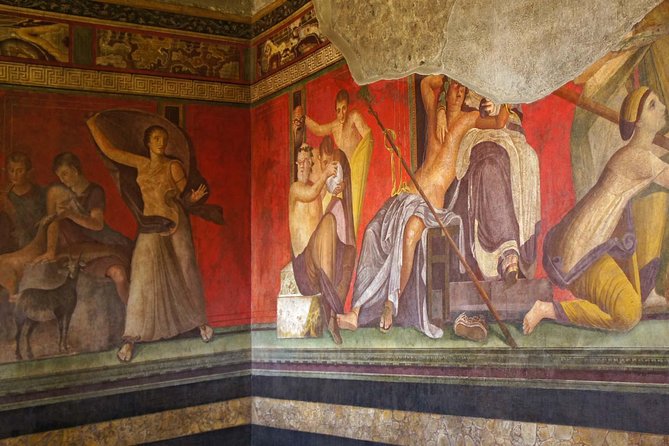
One of the most memorable stops is the Casa dei Vettii. It’s often compared to the Sistine Chapel vibe of Pompeii because the interiors are especially opulent and well preserved. The house belongs to wealthy freedmen wine merchants, which your guide connects to the themes inside the home.
If you like art and interior storytelling, this stop is a big reason to book this tour instead of just wandering. The guide helps you look beyond pretty pictures. You’ll learn what the decoration suggests about status, taste, and the message the owners wanted to send.
Also, the house has been reopened after a long restoration process, so you’ll get to see a space that feels refreshed and carefully managed rather than fragile or half-hidden.
Teatro Grande and the social edges of Roman life
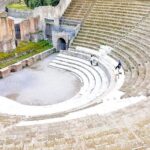
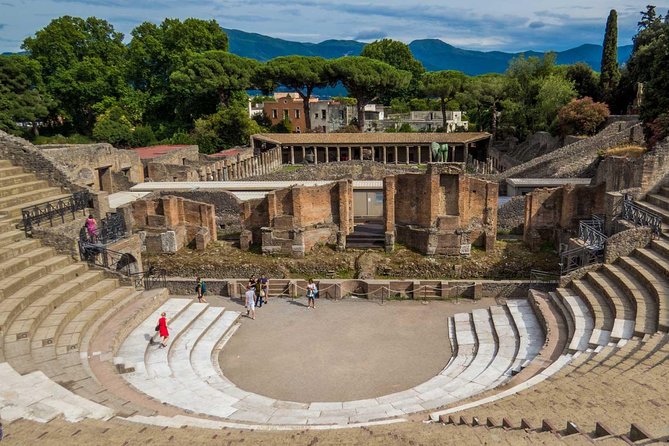
The Teatro Grande is a standout even for non-theater fans. It’s among the world’s oldest surviving masonry theaters, carved into a lava hillside. Your guide points out how it shows the shift from Greek to Roman architecture styles.
What I like about this stop on a guided Pompeii walk is that it adds variety. You’re not only seeing temples, streets, and homes. You’re seeing how public entertainment worked—and why it mattered in everyday social life.
Depending on your interests, your guide may also weave in other social corners of the city, like Roman versions of fast-food-style spaces, public weighing scales, and the more adult side of entertainment and commerce. It’s not just shock value. It’s context for how normal Romans thought about leisure and trade.
Antiquarium di Pompei: the casts that change how you feel
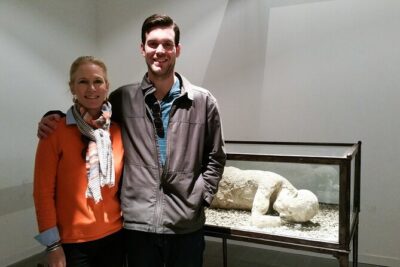
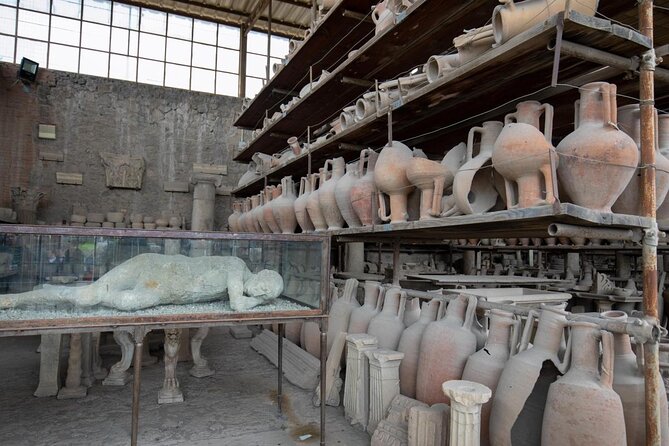
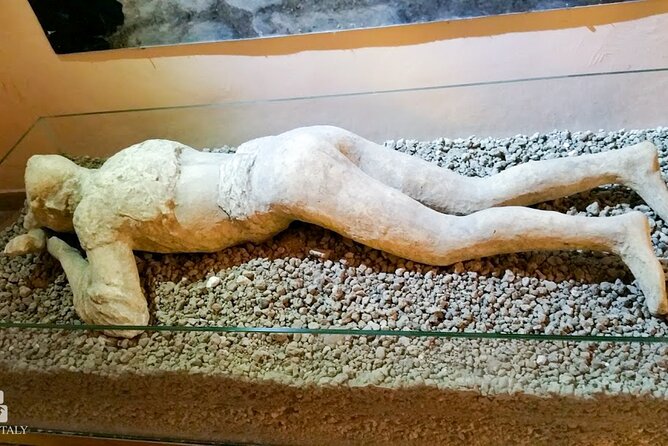
The Antiquarium di Pompei is the emotional turn of the day. This is where you see casts of victims preserved in the moment after the eruption. Even if you’ve read about Pompeii before, this stop lands differently in person.
Your guide helps you handle the visit responsibly. Instead of treating it like a museum photo op, they frame why the casts are so powerful and what you should focus on while you look—details that make the tragedy feel immediate rather than abstract.
It’s also a practical stop. The museum setting is more controlled than the open-air ruins, so it can feel like a breather when you’re already tired from walking.
Family Tour option: kid map, stickers, clues, and shorter attention spans
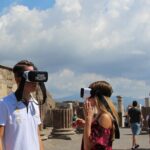
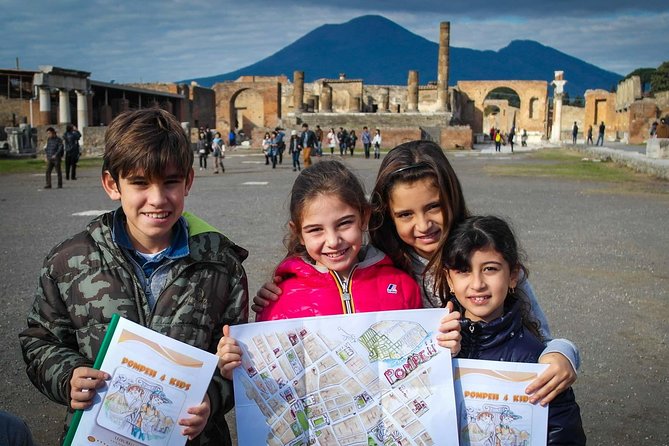
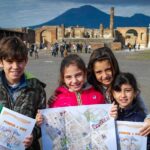
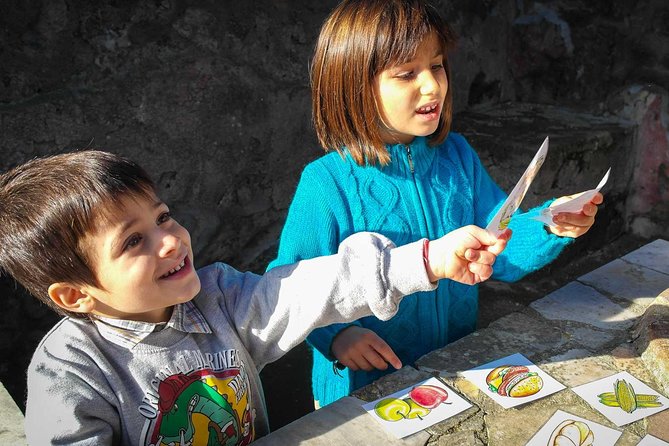
If you’re traveling with kids, the family option is one of the best uses of “private guide” money. This route includes a Pompeii4kids kit with a kid map, stickers, activities, and an activity-book. Your guide also tailors the route to keep kids engaged, using games and clues along the way.
The key detail: this option is recommended for kids ages 6 to 11. That age range matters because the pacing, puzzle style, and map activities fit how kids tend to process information.
What I like is the way the kit makes everyone do something. Kids don’t just listen. They place stickers, answer prompts, and use the map to connect what they see to the story the guide is telling. Adults get to enjoy the ruins too, because the guide still explains the big points in a kid-friendly way.
One practical tip: if your kids are younger (or older) than the suggested range, tell the guide your kids’ attention style. The best family tours flex.
Price and value: $165.05 per person, and what you’re really paying for
This tour costs $165.05 per person and is generally booked about 48 days in advance. That price can feel steep until you break down what’s included: a private guide, skip-the-line access, and the core museum/ruins stops tied to a guided narrative.
You’re also paying for time. Pompeii without a plan can turn into “walk a lot, learn little.” Here, the guide helps you get the right amount of information for the time you have.
One thing to note: the information provided says admission fees are included, but it also indicates that guides can get tickets quickly using fast-track access. Either way, you should expect the guide to handle entry efficiently. Still, it’s smart to confirm expectations when you book, especially for family members.
If your group includes kids, the family kit adds real value. You’re paying not only for a guide but also for the tools that keep kids engaged.
Who this private Pompeii tour is best for
This is a great fit if you want:
- A private guide who can answer questions and slow down when needed
- A route that covers top Pompeii highlights without turning into a museum checklist
- A family-friendly approach that uses games and a kid map instead of lecturing
It’s especially good for first-timers who don’t want to spend days learning how Pompeii is organized. The Forum, baths, temples, houses, and Antiquarium stops create a full picture of Roman life and the eruption’s aftermath.
The one group I’d caution: anyone who needs very slow movement. Even with a guide, Pompeii is a lot of walking, and you’ll be outdoors. You’ll want to set a pace plan at the start.
Should you book this Pompeii Private Tour?
I’d book it if you want Pompeii to feel guided from start to finish. The combination of skip-the-line entry, a private guide, and the family option with activities makes this one of the more practical ways to see the site well in a short window.
Do it if your priority is understanding. Pompeii is too big to learn by accident.
I’d think twice only if you’re looking for a slow, mostly sit-down experience or you know your group struggles with heat and long walks. If that’s you, message the provider in advance and ask for a shade-and-pause plan.
FAQ
FAQ
Is this a private tour?
Yes. This is a private tour/activity, and only your group will participate.
How long is the Pompeii tour?
The duration is approximately 2 hours.
Where do we meet, and where does the tour end?
You meet at Via Villa dei Misteri, 2, 80045 Pompei NA, Italy. The tour ends back at the same meeting point.
Is the tour offered in English?
Yes, it is offered in English.
Does the tour include skip-the-line entry?
Yes. Skip-the-line tickets are included, and the tour information also mentions fast-track access through the guides.
What’s included for the family option?
If the family option is selected, you get the Pompeii4kids kit, including a map, stickers, activities, and an activity-book.
What ages is the family option recommended for?
The family option is recommended for kids ages 6 to 11.
Are admission fees included?
Admission fees are listed as included, and the tour also notes that certified guides can use a fast-track line to buy tickets quickly on the spot.
Do I need passport information for children?
Yes. A current valid passport is required on the day of travel for children under 18 years.
Is free cancellation available?
Yes. You can cancel up to 24 hours in advance for a full refund.