REVIEW · POMPEII
Pompeii: Skip the line ticket (art) + audioguide + map
Book on Viator →Operated by Pompei Tour Organizer_Tempio Travel · Bookable on Viator
Pompeii rewards a slow walk. This self-guided visit gives you pre-booked entry plus an authorized audioguide so you can move at your pace and still hit the big highlights. I like that the audio device uses the on-site numbering system, so the explanations stay anchored to what you’re looking at. I also like that you get a map up front and a dedicated entrance. One thing to plan for: some people find the voucher/pickup process confusing, and it can add time if you arrive without a clear game plan.
You’re visiting the Archaeological Park of Pompeii—one of those places where volcanic ash didn’t just cover buildings, it froze a whole daily life in time. The tour is built for independence: you choose what to linger over, and you skip the pressure of matching a group’s pace.
At a glance, this is a ticket + audioguide + map setup designed to help you spend more time inside the ruins and less time stuck at entrances. If you thrive with straightforward instructions, this is a good fit. If you hate paperwork, vague signage, or any chance of “go here first,” consider a live guide instead.
In This Review
- Key things to know before you go
- Porta Marina Inferiore and the artecard: how the entry works in real life
- The audioguide device: authorized audio plus a numbered system
- What 2 to 4 hours actually covers on the ground
- Where people get tripped up: skip-the-line expectations vs the real workflow
- Using the audio on a phone: comfort, clarity, and maps that help
- Pompeii practicalities you’ll thank yourself for
- Is the $44.31 price good value for this ticket + audioguide setup?
- Who this tour suits best (and who should consider a different plan)
- Should you book? My decision rule
- FAQ
- What’s included with the Pompeii skip-the-line ticket and audioguide?
- Do I need headphones for the audioguide?
- How long should I plan for Pompeii with this experience?
- Where is the entrance for this experience?
- Is this experience really private?
- What ID do I need for the audioguide?
- Is there parking nearby?
- What’s the cancellation policy?
- Is the tour good for people who don’t want to walk far from the entrance?
Key things to know before you go
- Priority access starts at Porta Marina Inferiore (Piazza Esedra), not some random gate
- Audio explanations are delivered via a numbered system tied to the site for up-to-date guidance
- You control the pace, which matters in a place that stretches over a lot of ground
- You need to bring the right headphones (standard jack) or use the device hands-free
- ID is required as a deposit for the audioguide device
- Free parking may be available from 01/04 at Osteria Nonna Cherubina (when open)
Porta Marina Inferiore and the artecard: how the entry works in real life

This tour is centered on getting you into Pompeii efficiently using an artecard-based entry ticket. The key detail is where you enter: the dedicated access is through Porta Marina Inferiore, located in Piazza Esedra.
That matters because Pompeii doesn’t funnel everyone through one perfect line. People who end up at the wrong entrance often get bounced back to sort it out. So before you arrive, I’d treat Porta Marina Inferiore like your North Star and plan your meeting point around it.
There’s a second practical angle, too: several visitors reported that the experience includes a step where a voucher gets exchanged for the actual entry ticket at an office near the train station area. In other words, it may not be a simple “scan barcode and walk in.” If you’re tight on time, give yourself buffer—think extra 30 to 60 minutes for sorting out the process, especially in peak season.
You can also read our reviews of more tours and experiences in Pompeii



The audioguide device: authorized audio plus a numbered system
The audioguide is the heart of this tour. It’s not just random commentary; it’s described as the only authorized audioguide for tour operators by the Pompeii Archaeological Park. That usually means you’re hearing the kind of information that’s meant to be consistent with how the site is interpreted for visitors.
What I like most here is the way the audio ties to the ruins. The device explains what you’re seeing through a numbered system. In practical terms, that helps you avoid the classic self-guided problem: wandering around and wondering if you’re on the right stop.
You have two audio options:
- The device can work hands-free
- Or you can use standard jack headphones (headphones are not included)
You’ll also get an informative map, which sounds basic until you realize how easy it is to lose your bearings in a sprawling archaeological site.
One more thing: the operator requires a valid ID as a deposit, returned when you hand the device back. That means you’ll want to have your passport (or the ID document you’re using) ready, not buried in the bottom of your bag.
What 2 to 4 hours actually covers on the ground

This is a self-paced route through the core types of places you want to see in Pompeii. The audio is designed to guide you through:
- Houses
- Temples
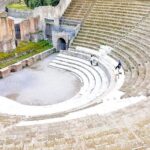
- Theatres
- Streets
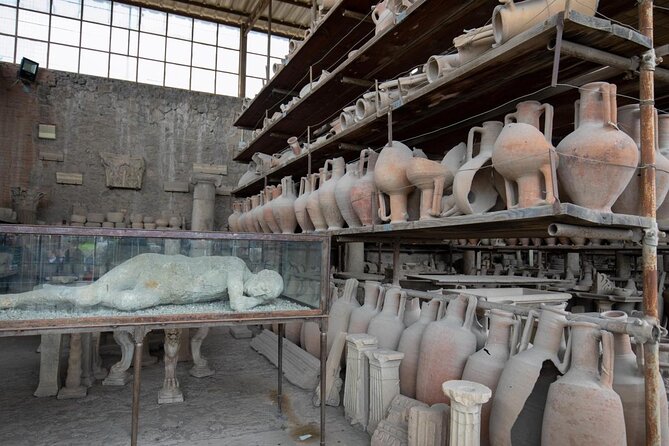
That list is important. Pompeii isn’t one single monument. It’s a whole city, and the volcanic ash preservation is what makes it so powerful: you’re not just looking at walls. You’re seeing rooms, street layouts, public spaces, and architectural details that help you picture daily life before the eruption.
In 2 to 4 hours, you can cover a lot if you keep moving and use the audio like navigation. If you slow down for every stop, you can still do it—but you’ll likely pick fewer highlights. Pompeii is a “choose what you want to remember” kind of place.
Also, this tour is in English and is described as a private experience for your group only. That means you’re not waiting for strangers to decide what time they want to start.
Where people get tripped up: skip-the-line expectations vs the real workflow
The phrase skip-the-line is doing a lot of work here, and you should treat it carefully. The tour includes express-style entry via artecard and dedicated access from Porta Marina Inferiore. That’s the promise.
The reality from what I can infer from common pain points is that many visitors still have a process to complete before entering the park gates. Several people reported needing to:
- Collect or exchange a voucher for the real entry ticket
- Then join a line at a different point than they expected
In other words, you might save time at the park entrance itself, but you shouldn’t assume you’ll bypass all queues end-to-end.
If you want the smoothest experience, do this:
- Arrive early enough that you’re not rushing
- Head straight to the meeting/office instructions tied to your voucher
- Then commit to the correct entrance: Porta Marina Inferiore
If you arrive late or follow the wrong instructions, you can lose the very time this tour is trying to protect.
Using the audio on a phone: comfort, clarity, and maps that help
The audioguide device is described as usable hands-free, and it can also be used with standard jack headphones. That said, some visitors described it as phone-based and noted that comfort can depend on how you hold the device or what you have for audio.
Here are the practical lessons I’d apply:
- Bring or buy a simple pair of standard jack headphones if you want comfort
- Test the audio/numbering before you start walking too far
- Use the included map to connect what the audio is saying with where you are
A few people also mentioned that the audio can feel confusing at first if you’re not sure which segment you’re on. The numbering system is meant to fix that. But like any self-guided system, it’s easiest when you start with a calm moment and get oriented before you sprint off to the next ruin.
And yes, Pompeii can test your attention span. Heat, glare, and the sheer amount of stone can make even a good guide system feel harder. So plan on a small “setup” moment at the start.
You can also read our reviews of more tours and experiences in Pompeii






Pompeii practicalities you’ll thank yourself for
Pompeii is outdoors and the site has limited shade in many areas. Even in less extreme weather, the ruins can feel exposed. So I’d treat this as a summer day on your schedule:
- Wear a hat
- Bring water (there’s at least one place to buy it inside, but it’s often near the end of a walk)
- Plan your route for the hottest stretch of time
Weather also changes how the ruins feel. One person mentioned a rainy day visit was still awesome, which tells me the core experience works in many conditions—but expect surfaces to be slippery and lines to behave differently.
Also, don’t assume you can rely on quick help at the gates. Multiple visitors described a lack of clear understanding about vouchers. That doesn’t mean it’s always bad. It means you should arrive prepared to point to your instructions and walk the correct route.
Is the $44.31 price good value for this ticket + audioguide setup?
At $44.31 per person, you’re paying for three things working together:
- Express-entry via the artecard and dedicated access route
- An audioguide device included with the experience
- A map plus support at the office
Here’s how I think about the value. If you would otherwise buy:
- A standard ticket to the park, and
- A separate audioguide rental,
then this package saves you coordination time.
The bigger value, though, is time management. In Pompeii, time is often lost not to the walking, but to the friction at entrances and pickup points. When the process goes smoothly, the tour lets you start seeing ruins quickly and then spend your energy on what matters.
That said, because the workflow can involve voucher exchange and queues at some step, this price can feel less like a bargain if you’re arriving stressed, late, or confused about where you need to go. For $44.31, you’re buying convenience plus audio. You’re not buying total immunity from lines.
If you’re the type who likes independence, you’ll probably feel like you got your money’s worth. If you need constant guidance to stay oriented, a live guide can reduce mistakes—and mistakes cost time.
Who this tour suits best (and who should consider a different plan)
This works best for you if:
- You’re comfortable exploring on your own
- You want explanations without the schedule pressure of a group
- You can follow clear pickup instructions and head to the correct entrance
- You’re happy using a numbered audioguide system
It may be a rougher fit if:
- You dislike any voucher exchange steps
- You hate the idea of holding or managing a phone-style device
- You’re worried about unclear signage and want a person to point you in the right direction instantly
If you’re visiting with kids, also consider that some visitors said the maps on the device can be less helpful for younger travelers. The audio might work, but navigation support may still need adult attention.
Should you book? My decision rule
I’d book this if you want a self-guided Pompeii visit that includes audioguide + map and gives you a realistic shot at quicker entry through the correct route at Porta Marina Inferiore. The best part is the freedom: you can linger in a house doorway, pause in a theatre space, then move on without waiting for anyone else.
I’d skip it (or switch plans) if your main goal is guaranteed zero hassle. Because the experience may require pickup/exchange steps and because signage and instructions can be interpreted differently, you need a calm, organized mindset to get the full benefit.
If you do book, do it like a pro: arrive early, keep your ID ready for the deposit, and plan to spend the first few minutes getting oriented with the numbering and map.
FAQ
What’s included with the Pompeii skip-the-line ticket and audioguide?
You get an Archaeological Park entry express ticket (artecard), dedicated access from Porta Marina Inferiore in Piazza Esedra, an audioguide device, a map, and multilingual assistance at the office. Free parking may be available from 01/04 at Osteria Nonna Cherubina if it’s offered.
Do I need headphones for the audioguide?
Headphones are not included. The device can be used hands-free, or you can use standard jack headphones.
How long should I plan for Pompeii with this experience?
It’s typically 2 to 4 hours.
Where is the entrance for this experience?
Access is from Porta Marina Inferiore, located in Piazza Esedra.
Is this experience really private?
Yes. It’s listed as a private tour/activity, so only your group participates.
What ID do I need for the audioguide?
A valid ID document is required as a deposit. It’s returned when you return the audioguide device.
Is there parking nearby?
If available, there’s free parking (not gated) from 01/04 at Osteria Nonna Cherubina, Via Andolfi 46.
What’s the cancellation policy?
Free cancellation is available up to 24 hours in advance for a full refund.
Is the tour good for people who don’t want to walk far from the entrance?
You still need to navigate the park on foot, but the tour is built to help you enter correctly and then explore at your own pace within the 2–4 hour visit window.