REVIEW · POMPEII
Pompeii & Herculaneum Family Adventure | Guide+Transport+Tickets
Book on Viator →Operated by Leisure Italy · Bookable on Viator
Two Roman cities, one day, no stress. This family adventure starts in Herculaneum, where the eruption preserved streets and even everyday objects, then moves on to Pompeii with a private guide that keeps kids and adults on the same page. You also get “volcano views from the bottom,” meaning great photo angles without any climbing.
I especially like two things: skip-the-line access helps you spend more time inside the sites and less time at entrances, and the tour’s family booklet and map are built for kids who need hands-on prompts to stay engaged. Add pickup from nearby towns and ports, and the day feels organized from the first hour.
The only real drawback is price: at $738.31 per person, it’s a splurge. If you’re the kind of group that prefers to wander alone and save money, this may feel steep.
In This Review
- Key things you’ll remember
- Herculaneum first: where the day feels more personal
- The Boat Pavilion and Antiquarium: the eruption seen through daily life
- Walking to the ancient shoreline and the House of the Deer
- Exercise courtyard, baths, and the cult of the Emperor
- Volcano views without the climb: photos from Pompeii and Herculaneum
- Pompeii in a family-friendly order: from Porta Marina to the theater
- The Forum, Macellum, and baths: how to see Pompeii as a functioning city
- Aristocratic houses and street life: Alexander mosaic to the dancing faun
- The raised platform and the main theater: an easy way to understand the city
- Price and value at $738.31 per person
- Who this tour suits best
- Should you book this Pompeii & Herculaneum family adventure?
- FAQ
- How long is the tour?
- Is pickup included, and from where?
- What language is the guide?
- Are tickets included, and is there a skip-the-line benefit?
- What kind of activities are included for families?
- Is lunch included?
- How much walking should we plan for?
- What’s the cancellation policy?
- Is this tour private?
Key things you’ll remember
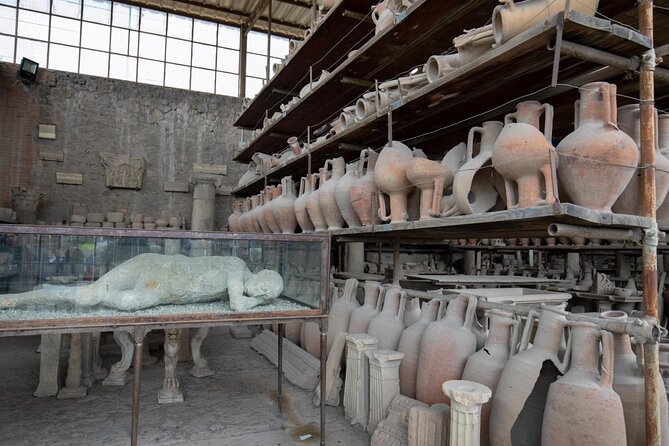
- Herculaneum’s preservation effect: painted walls, wooden beams, furniture details, and everyday objects survive in a way Pompeii can’t match.
- Boat Pavilion + maritime finds: you see a preserved Roman vessel and equipment tied to trade and sea travel.
- Carbonized wood in the Antiquarium: kids get a wow-moment about wood surviving when sealed by volcanic material.
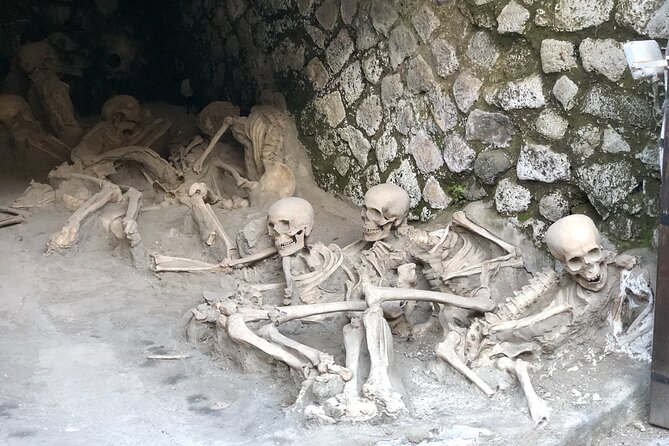
- Human story at the shoreline: the shoreline section is handled sensitively, so families can process what happened at a reasonable pace.
- Pompeii highlights that actually work for kids: theater acoustics, markets, baths, and a raised “dollhouse” view of a whole block.
Herculaneum first: where the day feels more personal
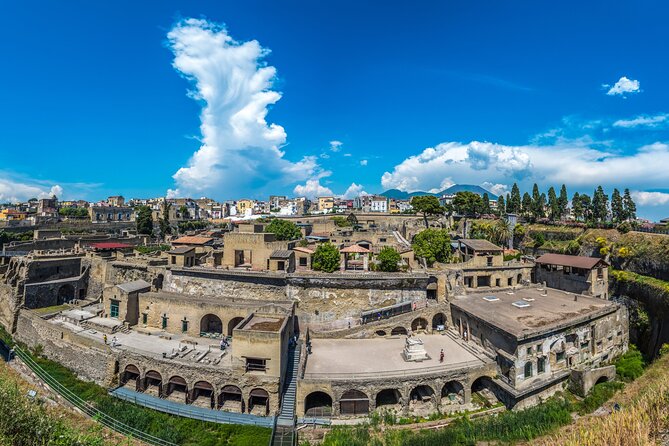
I love the way this itinerary begins in Herculaneum, not Pompeii. Herculaneum is smaller, and that matters with kids and time. Instead of facing huge crowds and massive ruins right away, you start in a place where it’s easier to picture daily life—rooms, streets, and even the ancient shoreline—without feeling overwhelmed.
The volcano story also lands differently here. Pompeii is famous for ash and pumice, but Herculaneum’s major surprise is the way the eruption “sealed” parts of the town. That’s why you can still make out details like wood components, painted surfaces, and household items that are almost impossible to see anywhere else.
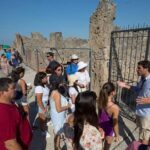
Your private guide keeps the pacing family-friendly. They help you read the spaces like a lived-in town, not a museum display. It’s the kind of guiding that helps kids stop asking what everything is and start asking how people used it.
You can also read our reviews of more tours and experiences in Pompeii
The Boat Pavilion and Antiquarium: the eruption seen through daily life
A big highlight is the stop in the Boat Pavilion, where archaeologists found a Roman vessel and maritime equipment. For kids, it’s imagination fuel: fishermen and sailors preparing to leave, with real objects that make the harbor feel real. Adults get the “this was a working port” connection—Herculaneum linked to movement of goods and people by sea.
Next comes the Antiquarium focused on objects that survived in extraordinary condition, including carbonized wood from furniture, doors, beams, and even shelves. This is where the tour does a smart educational trick: it turns a scary science concept into something touchable and visual. You’ll likely find it helps families understand why the materials look the way they do, and why Herculaneum’s preservation is so unusual.
If your family tends to lose focus in long museum rooms, this part still works because it’s built around specific “what survived” details. It’s not a generic lecture; it’s a tour through objects that survived the unthinkable.
Walking to the ancient shoreline and the House of the Deer
From the boat-related stops, the tour moves toward the ancient shoreline. Your guide leads the walk so you can picture Herculaneum as a seaside town—boats pulled ashore, goods arriving, and the geometry of the waterfront in the moment before disaster.
Then comes one of the most emotional sections: archaeologists found over 300 skeletons inside the boathouses here. That’s a heavy fact, so it’s good to have a guide who slows the story down. You get a way to understand how people tried to escape by sea without the experience turning into shock overload.
After that, the tour balances emotion with beauty in the House of the Deer. It’s known for marble sculptures of deer attacked by dogs, set into a seafront villa setting. Kids usually latch onto the dramatic scene; adults tend to focus on the Roman luxury angle and how art and leisure sat side by side.
Exercise courtyard, baths, and the cult of the Emperor
One underrated reason to do this as a guided family tour is that the guide connects structures to daily routines. In Herculaneum, you see a large exercise courtyard used by young citizens for athletics and social life. It’s not just a “sport place”—your guide helps you connect it to civic pride and the social education that came with growing up in Roman society.
The public baths are another standout, especially because you’ll enter the women’s section that’s remarkably preserved. You’ll see benches, painted walls, and wooden shelving, then step through changing areas and warm and hot rooms where steam once filled the air. For kids, it often turns into a practical comparison—what would this feel like versus a modern bath or gym. For adults, it shows how hygiene, conversation, and daily routine overlapped in Roman life.
The tour also includes a hall tied to the cult of the Emperor, with frescoes that reflect how religion, civic life, and imperial politics merged in daily culture. Your guide explains the Augustales, a local group of freedmen, which adds texture to the social side of Herculaneum. If you’ve ever wondered who had status and how they displayed it, this stop gives you a clear answer using actual space and symbols.
Volcano views without the climb: photos from Pompeii and Herculaneum
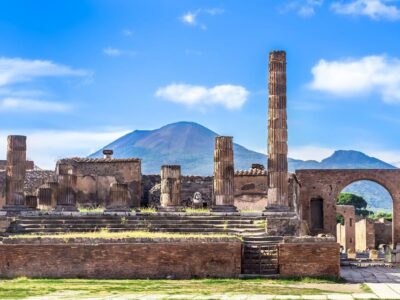
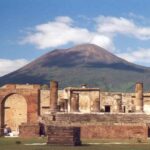
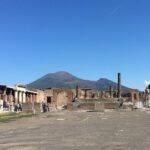
This tour gives you strong Vesuvius photo options without driving to the top. You’ll see the volcano from the bottom, and you get great viewpoints from both Pompeii and Herculaneum. That’s a practical choice for families: you get the iconic scenery, and you don’t waste energy on a hike that isn’t really the point.
The guidance here matters. When you know where the best angles are, you can stop at the right moments and avoid the endless wandering that burns time in hot sun.
You can also read our reviews of more guided tours in Pompeii

Pompeii in a family-friendly order: from Porta Marina to the theater
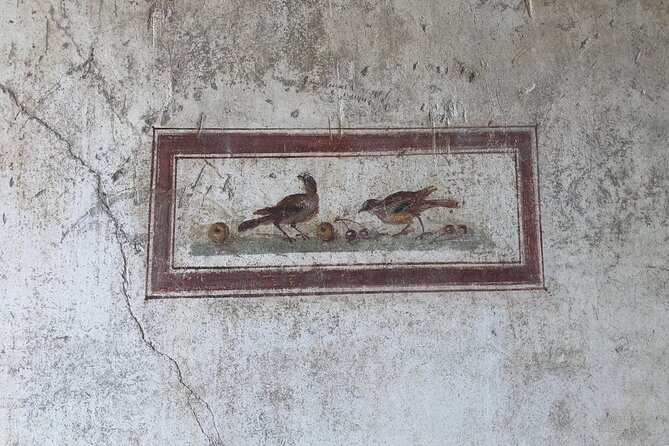
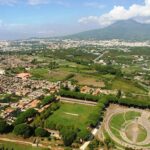
After Herculaneum, you head to Pompeii, the larger site frozen by the eruption of 79 AD. The day plan is flexible depending on season and day-of-week crowd patterns. Your guide may suggest visiting Pompeii in the afternoon when it can be easier to explore at a comfortable pace, especially with kids in tow.
In Pompeii, the experience stays structured but not stiff. The guide leads you through key areas that cover civic, religious, and everyday life—so your family isn’t just looking at random walls.
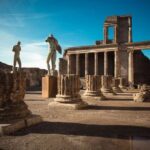
First, you enter through Porta Marina, a main gateway connected to merchants and sailors. It’s a helpful starting point because it sets the city scale fast. Then you move to the Basilica, Pompeii’s major civic building, where contracts and legal disputes happened long before paper signatures ruled the world.
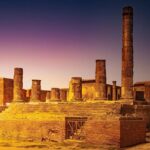
From civic life, you shift to religion at the Temple of Apollo. Kids often enjoy the ceremony-in-their-heads approach, while adults get how worship and identity mixed in Roman public life. If the view is clear, this is also one of your strong “Vesuvius in frame” moments.
The Forum, Macellum, and baths: how to see Pompeii as a functioning city
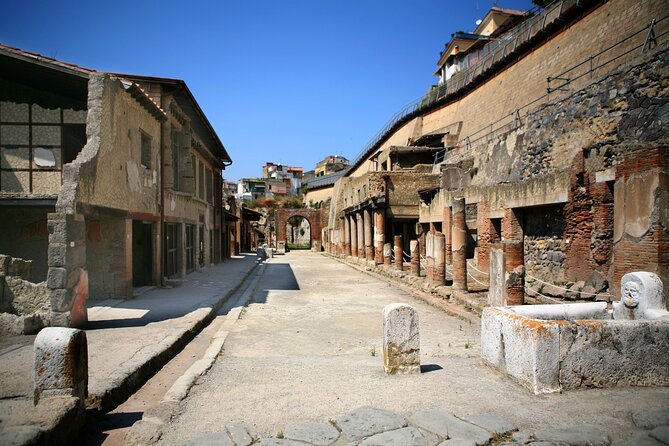
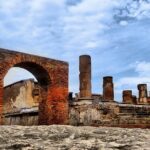
Next you’ll walk through the Forum, which your guide presents as the beating heart of Pompeii. This is where business deals, religious events, and speeches happened. It helps to have a guide here because the Forum can look like a pile of stones if you don’t know what to look for.
You’ll also visit the Macellum, the ancient marketplace where people bought meat, fish, fruit, and imported delicacies. This stop is good for families because it’s a story of everyday needs, not just “big monuments.” Your guide points out the marble counters and storage vessels, which makes the space feel like a real store area.
Then comes the Forum Baths, another major daily-life piece. You’ll see changing rooms and heated areas, along with mosaics and stucco details that survived. Kids often make natural comparisons to modern spas or sports clubs, and adults tend to appreciate how baths combined cleaning, exercise, and social time in one routine.
Aristocratic houses and street life: Alexander mosaic to the dancing faun
Pompeii’s aristocratic homes can be hit-or-miss with families if the tour turns too art-lecture heavy. This one avoids that by pairing each house with a specific “what to look for” story.
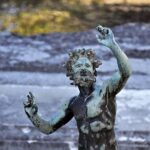
In one grand home, you’ll see an impressive mosaic floor depicting Alexander the Great in battle. Kids often spot the small bronze statue of the dancing faun, which gives them a recognizable anchor. Adults can then connect the art to status and entertainment—how wealthy families used decoration as public messaging.
Another well-known stop is the House of the Vettii, famous for vivid frescoes and a courtyard layout. Your guide helps you notice mythological scenes painted like story panels, which keeps younger eyes engaged. This is also a good example of why preservation matters: the layout and surfaces help you imagine rooms filling with everyday movement.
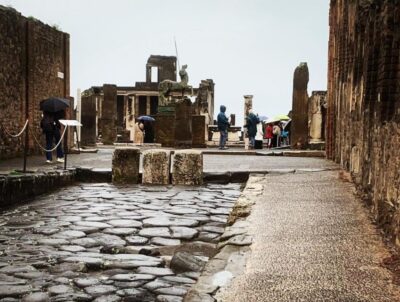
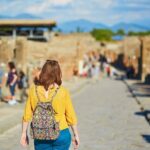
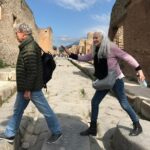
After homes, you’ll walk along Pompeii’s liveliest street area lined with shops like bakeries and bars. Kids often enjoy stepping across the stepping stones in the pavement, and adults can interpret the shop counters and street features as proof of routines—errands, snacks, and daily trade.
The raised platform and the main theater: an easy way to understand the city
A favorite brain-tool stop is the raised platform that gives a bird’s-eye view into an entire Pompeii city block. Kids like the “dollhouse effect,” while adults can see how densely homes and businesses packed behind the street facades. If you’ve ever felt lost inside Pompeii’s streets, this viewpoint is a fast way to get your bearings.
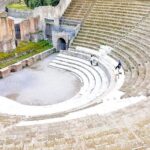
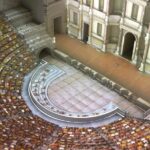
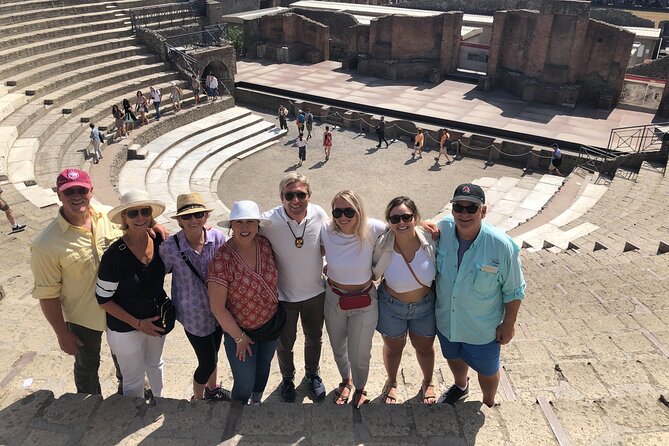
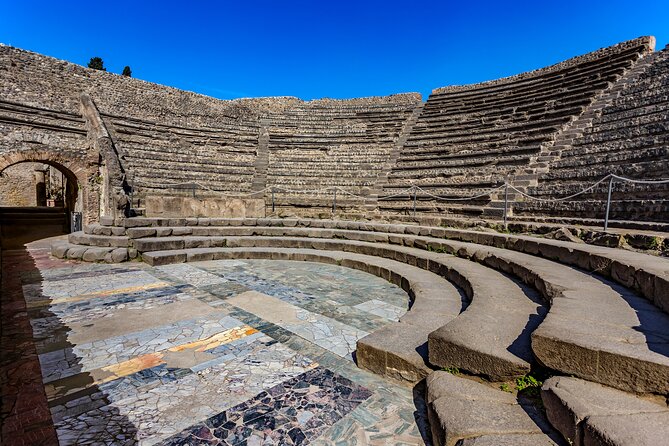
Then the tour ends with Pompeii’s main theater, built into the hillside to amplify sound. This is where the Roman and modern habits feel similar: an audience gathering on stone steps, people reacting to performances, and gossip or chatter between acts. Kids can test the acoustics from the stage area, and you’ll often hear laughter because it’s such a direct way to feel how the structure worked.
Price and value at $738.31 per person
Let’s talk money honestly. At $738.31 per person for an 8-hour day, this isn’t a budget tour. You’re paying for a private setup with transport, Blue Badge private guides in both Herculaneum and Pompeii, and tickets that include skip-the-line access.
So where’s the value? It’s in time and in interpretation. Two major archaeological parks are hard to enjoy without context, and with kids you also need movement and clear “look here” goals. Skip-the-line access helps a lot, and the family booklet plus guided pacing keeps the day from turning into one long slog.
Pickup also adds real value. The tour offers flexible pickup across places like Naples, Sorrento, Pompeii, train stations, airports, and cruise terminals/ports. For families, that reduces the stress of coordinating separate transport and helps you start the day with energy.
If you’re traveling as a small group and want a guide who can keep multiple ages interested, the price starts to make sense. If you’re comfortable navigating alone and don’t need a family-specific pace, you can likely find cheaper options—but you’ll trade off the “everyone understands what they’re seeing” factor.
Who this tour suits best
This works best for families who want Pompeii and Herculaneum in one day without piecing everything together. It’s also a strong fit if you care about preservation details in Herculaneum and want a guide to connect ruins to real daily life.
The tour expects moderate physical fitness and lots of walking, so comfortable shoes and sunscreen are smart. If you’re traveling with a stroller, you’ll want to think carefully, since the data only specifies moderate fitness, not stroller-friendly surfaces.
Should you book this Pompeii & Herculaneum family adventure?
I’d book it if your family wants one guided day that covers both sites with a thoughtful pace, plus practical skip-the-line help. The Herculaneum emphasis is a big reason why this feels special: preserved wood, carbonized objects, the boat story, and the shoreline human account are more than “pretty ruins.”
I’d hesitate if budget is tight or if your group prefers independent exploring with no structured stops. At $738.31 per person, you’re paying for guidance and transport, not just entry tickets. Also remember the volcano viewing is from the bottom, not a summit excursion, so it’s about photo angles and views—not a climb.
If your top priority is making the day manageable and meaningful for both kids and adults, this is the kind of tour that earns its cost.
FAQ
How long is the tour?
It’s listed as about 8 hours. The day includes around 2 hours 30 minutes in Herculaneum and around 2 hours 30 minutes in Pompeii, with travel time between.
Is pickup included, and from where?
Yes. Pickup is offered from hotels, vacation rentals, train stations, airports, and cruise terminals/ports, with service in places like Naples, Sorrento, and Pompeii. You specify your pickup location when booking.
What language is the guide?
The tour is offered in English.
Are tickets included, and is there a skip-the-line benefit?
Admission tickets are included, and the tour includes Herculaneum and Pompeii Express skip-the-line tickets.
What kind of activities are included for families?
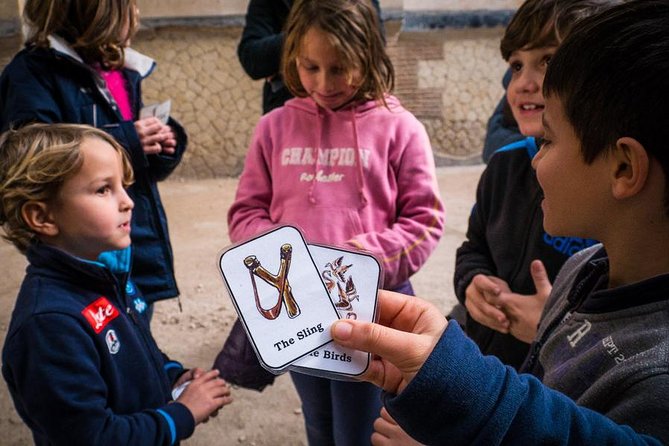
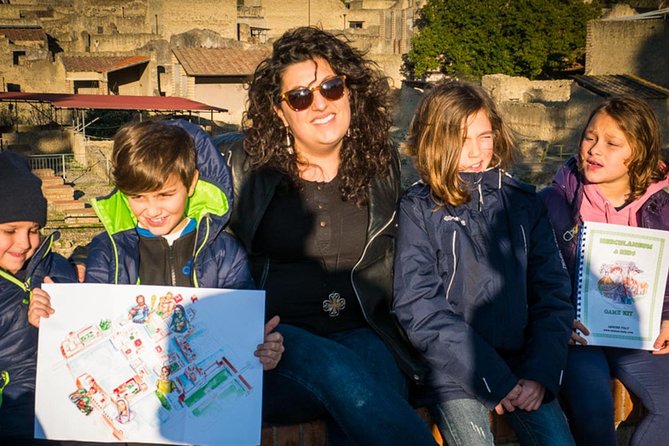
There are family-friendly activities, plus a booklet and map to help kids follow along during the visit.
Is lunch included?
Meals are included only if the pizza lunch option is selected. Bottled water is not included.
How much walking should we plan for?
The tour lists a moderate physical fitness level. Comfortable walking shoes and sunscreen are recommended.
What’s the cancellation policy?
You can cancel for a full refund up to 24 hours in advance.
Is this tour private?
Yes. It’s a private tour/activity, and only your group participates.