REVIEW · POMPEII
Pompeii with an archaeologist, the original!!!
Book on Viator →Operated by Naplesprit · Bookable on Viator
Pompeii is dramatic on its own, but the right guide makes it make sense fast. This private tour is built around an archaeologist who has actually worked on excavations and research at the site, so you get explanations tied to real evidence, not just general storytelling. Two things I especially like are the 100% archaeologist-led format and the way the route targets big landmarks (homes, baths, theatre, and more) while still connecting them to day-to-day Roman life.
Your only real drawback is timing: the tour is about 2 hours, so if you want a slow, photo-heavy wander at every corner, this won’t feel long enough. Also, the main entrance fee is separate, so the headline price won’t be the full Pompeii cost.
In This Review
- Key highlights you’ll actually feel
- Why an archaeologist view changes Pompeii
- The smart timing: afternoon tour to beat heat and crowd stress
- Meeting at Ristorante Suisse and getting oriented fast
- Pompeii Archaeological Park: what you’ll see in 2 focused hours
- The homes: decorations and what daily life looked like
- Shops and the built-in economy of a Roman street
- Thermal baths: public life with real temperature cues
- The theatre: entertainment as a civic center
- The lupanary: harder topics, explained through evidence
- Moving molds: the strange detail that makes the site feel real
- The guide experience: what Valeria’s reputation tells you
- Cost and value: how the $226.89 price adds up
- Practical expectations: tickets, mobile entry, and what to bring
- Who this Pompeii tour fits best
- Should you book Naplesprit’s archaeologist Pompeii visit?
- FAQ
- Is the Pompeii entrance fee included in the tour price?
- How long is the Pompeii tour with an archaeologist?
- What is the group size limit for this private tour?
- Where do we meet, and where does the tour end?
- Do I get a mobile ticket?
- What’s the cancellation policy?
Key highlights you’ll actually feel
- An archaeologist, not an agency guide: you’re with someone trained in archaeology and tied to Pompeii research work.
- Small private group (up to 8): you can ask questions without getting lost in a big herd.
- Afternoon planning for comfort: designed to reduce heat and crowd friction.
- You see the variety of Roman life: houses with decorations, shops, thermal baths, theatre, and the lupanary, plus moving molds.
- Valeria’s communication style: one guide named Valeria is noted for excellent English and clear, fun explanations.
Why an archaeologist view changes Pompeii
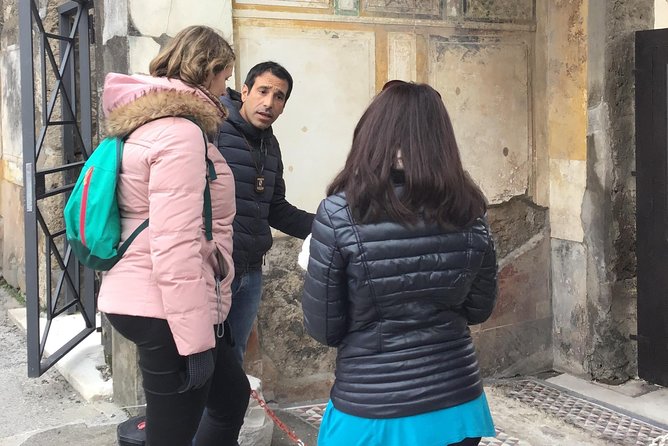
Pompeii isn’t just rubble under a volcano anymore. It’s a preserved snapshot of Roman life, and an archaeologist knows how to read what you’re looking at—layers, repairs, layout choices, and what the objects probably meant.
That’s the core value here. When your guide is trained and research-connected, you spend your time building understanding instead of collecting random facts. You’ll also hear the site explained as a living place—how people lived, worked, visited public spaces, and spent their money.
You can also read our reviews of more tours and experiences in Pompeii.


The smart timing: afternoon tour to beat heat and crowd stress
This is designed as an afternoon visit, and that matters in Pompeii. The ruins are exposed, and the difference between a hot, busy visit and a later one is huge for comfort and attention.
You’ll also get the kind of light that makes the stone textures easier to see from a distance. And because the tour is calibrated to avoid peak crowd conditions, you can actually pause and look instead of constantly shuffling forward.
Meeting at Ristorante Suisse and getting oriented fast
You meet at Ristorante Suisse, Piazza Esedra 10/13, 80045 Pompei NA, Italy. The tour ends back at the meeting point, so you’re not stuck figuring out transport at the end of your time window.
If you’re the type who likes to get your bearings early, this format helps. A private, guided start means you’ll understand where you are in the park and what you’re about to see before you get overwhelmed by all the entrances, streets, and signage.
Pompeii Archaeological Park: what you’ll see in 2 focused hours
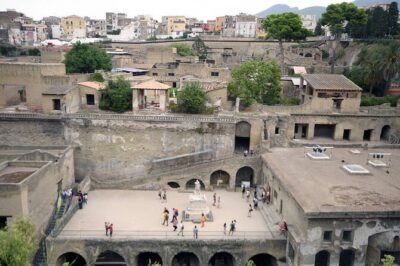
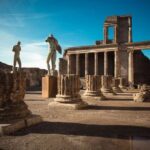
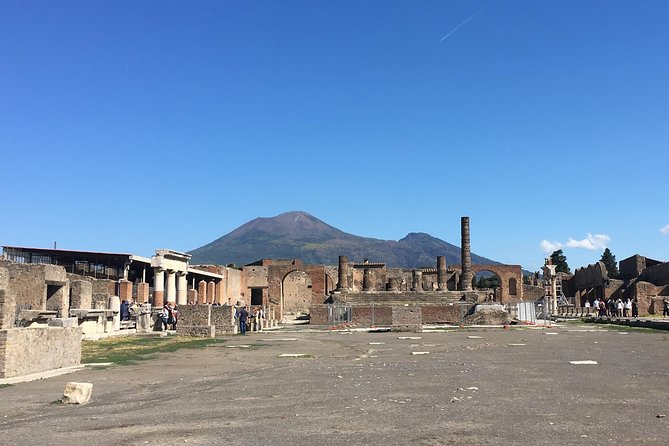
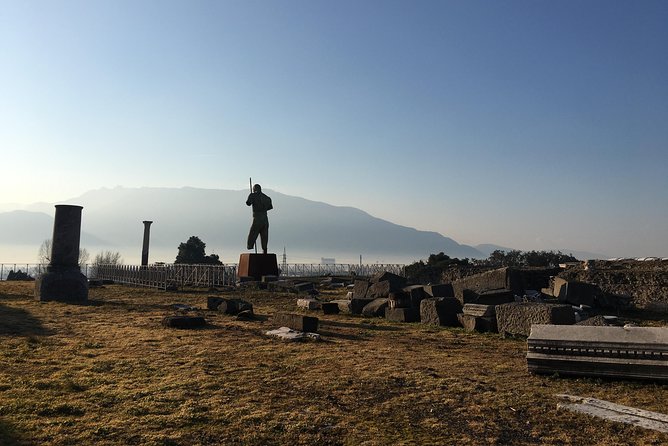
Stop 1 is Pompeii Archaeological Park, the Roman city spread across about 66 hectares and buried after Vesuvius erupted in 79 AD. In a short visit, the goal is not to see everything—it’s to see enough, in the right order, to understand what kind of city Pompeii was.
Here’s how the highlights fit together:
The homes: decorations and what daily life looked like
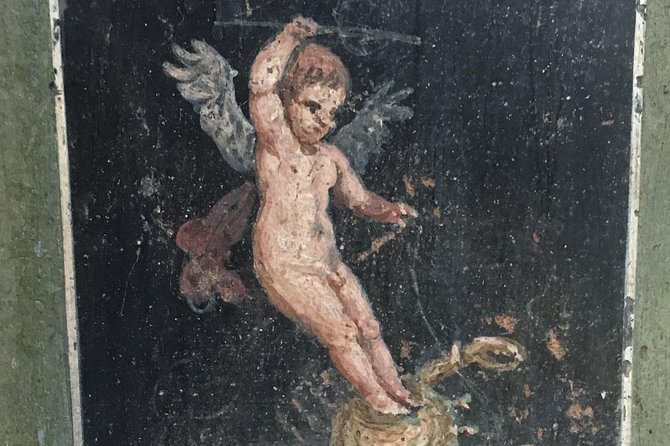
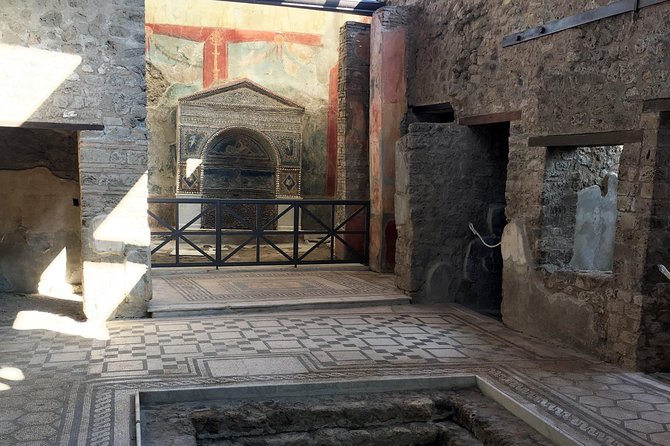
You’ll look at the typical house with its decorations. This is where the city becomes personal. Instead of just imagining Roman domestic life, you can connect the space and decoration to the habits of the people living there.
Pay attention to the way rooms relate to each other and how decoration signals status and taste. Even in a short time, these houses help you understand that Pompeii wasn’t only about temples and public buildings—it was also about private routines.


Shops and the built-in economy of a Roman street
You’ll also pass through areas tied to commercial life, including shops. Pompeii is great for this because you can see how streets functioned as practical routes for customers, workers, and goods.
When you’re with an archaeologist, the shop stops become more than a quick glance. You learn how spaces were used and what the location suggests about trade patterns.
Thermal baths: public life with real temperature cues
The thermal baths are one of those things that usually impress even when you know nothing ahead of time. Baths were social hubs, and Pompeii’s preserved layout makes it easier to picture the flow of people through the facilities.
In two hours, you won’t linger forever, but a guided walk through baths gives you a structure: where people would gather, move, and relax. That structure is exactly what helps Pompeii stick in your memory.
The theatre: entertainment as a civic center
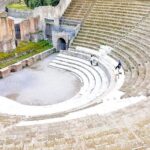
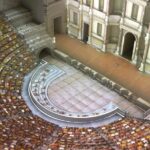
You’ll visit the theatre, which helps you understand Pompeii as a place where entertainment wasn’t random—it was part of public culture. A guide can point out how the theatre fits into the city plan and what it tells you about who had access to leisure.
If you like your history with atmosphere, the theatre stop is often where it clicks. You’re looking at a space built for audiences, not just ruins.
The lupanary: harder topics, explained through evidence
The lupanary is included, and it’s one of those places where visitors often have questions but don’t always know what to ask. A research-trained archaeologist can help you approach it carefully and realistically—based on the physical evidence rather than shock-value assumptions.
This stop is useful because it rounds out the city picture. Pompeii wasn’t only about polite homes and public speeches; it also included adult economies and human behavior you can’t sanitize away.
Moving molds: the strange detail that makes the site feel real
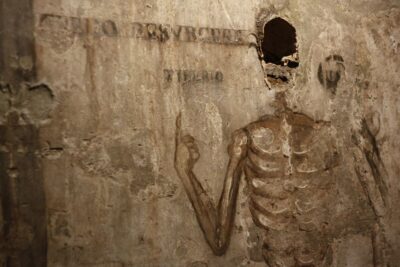
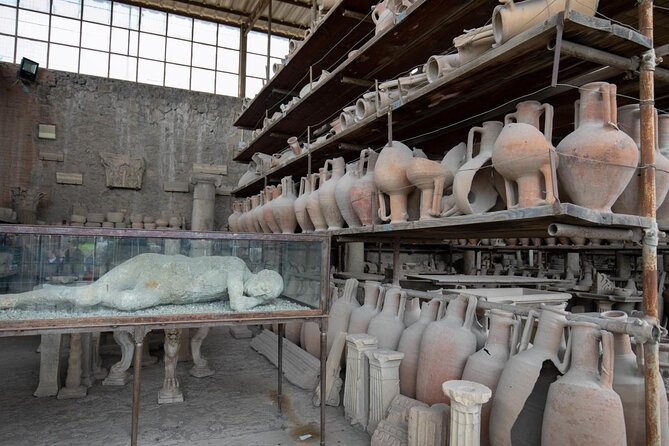
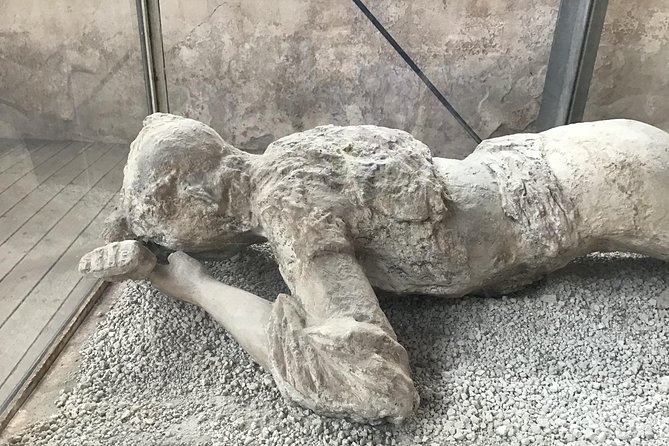
You’ll also hear about the moving molds. Even if you’ve seen Pompeii photos before, this kind of detail can make the site feel more three-dimensional, because it focuses attention on documentation and interpretation—how we study what was lost and what can be reconstructed.
It’s the sort of item that reminds you Pompeii is still a work of research, not just a museum display.
The guide experience: what Valeria’s reputation tells you
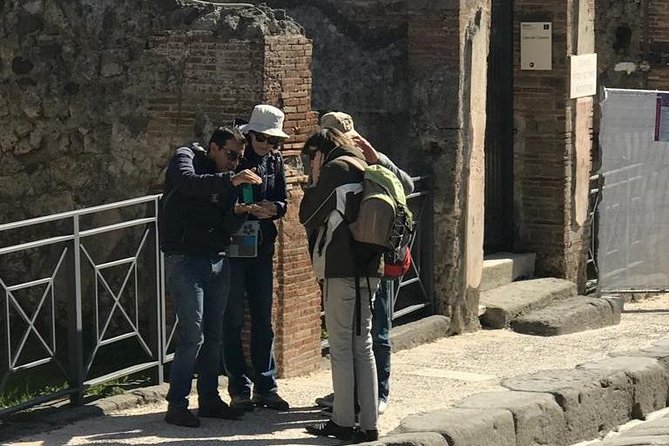
One archaeologist named Valeria is specifically praised for excellent communication, perfect English, and a fun approach. That combination matters more than people think.
Clear English keeps you from mentally translating every sentence. And a fun guide style helps you stay engaged even when the topic gets technical—because Pompeii is technical. You’ll hear explanations about how the site is understood, not just what it looks like.
Also, this is a small private tour. That means the guide can respond to your questions instead of sticking to a one-size-fits-all script for a busload.
Cost and value: how the $226.89 price adds up
The price is $226.89 per group (up to 8 people). Admission is not included, and the entrance ticket is 19€ for adults (with reduced or free options listed for certain ages/statuses).
So, what does that mean for value?
- If you’re traveling with friends or family, the group price makes sense fast. You’re paying for a private archaeologist experience, not a standard mass-tour slot.
- The tour includes a local government guide plus the archaeologist-led component. That pairing can help you get both specialized interpretation and the official context for the site.
- The session length is about 2 hours, which is long enough to hit major areas and make meaning, but short enough to keep the visit focused and manageable.
If you’re a solo traveler, the price might feel steep compared to a basic group tour—but that’s the trade for a private, evidence-based guide. In Pompeii, a better explanation often saves time you would otherwise waste on confusion.
Practical expectations: tickets, mobile entry, and what to bring
You’ll receive a mobile ticket. That’s useful in practice because it reduces hassle on the day when you’re juggling weather, walking, and navigating a big archaeological area.
The entrance ticket is separate, so plan for that. Also, confirmation is sent within 48 hours of booking (subject to availability), so you’re not left guessing forever.
As for the day itself, the experience needs good weather. If it’s canceled due to poor conditions, you’ll be offered another date or a full refund.
Who this Pompeii tour fits best
This is a strong match if you want Pompeii explained as an archaeological site with real research behind it. If you enjoy asking questions, reading details, and understanding how evidence supports interpretation, you’ll get more out of the guide’s approach.
It’s also a good pick if you dislike crowds and heat. The afternoon timing is built for comfort, and the small group format keeps things from turning into a bottleneck.
If you’re traveling with someone who just wants a quick sightseeing hit and doesn’t care about how archaeologists interpret ruins, you might find the pace a bit structured. But for most people looking for more than photos, this style hits the sweet spot.
Should you book Naplesprit’s archaeologist Pompeii visit?
Yes, if you care about getting Pompeii right. The standout reason is simple: you’re paying for a real archaeologist-led experience with a research-focused perspective, and that changes how you see the city.
Book it especially if you’re going at a time when heat and crowding can ruin your day. This tour’s afternoon design is meant to protect your attention span.
One last tip: bring enough patience for walking and sun exposure (even in the afternoon). You’ll get the best experience when you slow down for the guide’s explanations—Pompeii rewards that.
FAQ
Is the Pompeii entrance fee included in the tour price?
No. The tour price does not include the entrance fee. The listed admission is 19€ for adults, 3€ for young people aged 18–24 from the European community, and free for minors.
How long is the Pompeii tour with an archaeologist?
The duration is about 2 hours.
What is the group size limit for this private tour?
It’s a private tour. The group size can be up to 8 people.
Where do we meet, and where does the tour end?
You meet at Ristorante Suisse, Piazza Esedra, 10/13, 80045 Pompei NA, Italy. The tour ends back at the same meeting point.
Do I get a mobile ticket?
Yes. The experience provides a mobile ticket.
What’s the cancellation policy?
You can cancel for free up to 24 hours before the experience starts for a full refund. If you cancel less than 24 hours before the start time, you won’t get a refund. The experience also requires good weather, and if it’s canceled due to poor weather you’ll be offered a different date or a full refund.