REVIEW · NAPLES
Private Pompeii, Herculaneum and Winery Tour from Naples
Book on Viator →Operated by city & tour soc coop arl · Bookable on Viator
Pompeii plus wine is a winning combo. This private day tour pairs two of Campania’s top Roman ruins with a relaxed stop for wine grown on the slopes of Vesuvius. You’ll get the convenience of an air-conditioned ride between sites, plus onboard English live commentary so your day feels organized even when you explore at your own pace.
I like that this tour gives you real time to walk, pause, and choose what to see. In the mix, the drivers I’ve heard about—like Carmine and Francesco—seem to set the tone right from the start with clear explanations between stops, especially around the story of the two towns and the volcano. And because the vehicle is AC, the logistics feel much less stressful on hot days.
One thing to consider: entrance fees aren’t included, and you’re required to bring an identity card to enter the sites. Also, the driver handles transportation and commentary, but you won’t have an escort guide inside Pompeii or Herculaneum—so plan to use the site signs, maps, or a guide you can hire on-site if you want that extra layer.
In This Review
- Key things to know before you go
- Why This Pompeii and Herculaneum Combo Works in One Day
- Naples to the Ruins: AC Van, Live Commentary, and Real Timing
- If you’re starting from Rome
- Pompeii Archaeological Park: What 2 Hours Can Actually Cover
- Herculaneum (Parco Acheologico di Ercolano): Smaller, Easier to Read, Often More Moving
- The Vineyard and Wine Break: Turning the Day From Ruins to Relaxation
- Price and What You’re Paying For at $349.21 Per Person
- What’s Included, What Isn’t, and the ID Detail That Matters
- Tips to Make Your Day Feel Smooth (Not Like a Whirlwind)
- Who This Tour Suits Best
- Should You Book This Private Pompeii, Herculaneum, and Winery Tour?
- FAQ
- Are entrance fees included for Pompeii and Herculaneum?
- Do I need an identity card to enter the sites?
- Is lunch included?
- How long is the tour, and how much time is spent at each site?
- Is pickup available, and where does the tour start?
- What is the cancellation policy?
Key things to know before you go

- Private transport with AC keeps the day comfortable and cuts down on backtracking
- Live English commentary in the car helps you connect the dots before you walk the ruins
- Pompeii in 2 hours focuses on the main highlights without turning it into a sprint
- Herculaneum in 2 hours is often easier to read because it’s smaller and better preserved
- Wine break on Vesuvius slopes turns the last stretch into something more than just stones and dust
Why This Pompeii and Herculaneum Combo Works in One Day

If you’re short on time in Naples, this is one of the most practical ways to hit the big hitters. Pompeii gets the headlines, but Herculaneum can be easier to understand on a first visit because the town is smaller and the remains are famously well preserved after the 79 AD eruption. Doing both in one day means you get two different “views” of everyday Roman life—politics, homes, baths, and street culture—without needing separate trips and separate planning.
I also like the pace philosophy here: you’re not forced into one rigid line of talking. The tour is structured around major stops, but you can explore at your own speed inside the sites. That matters because these places reward curiosity. Some parts of Pompeii feel like a whole city you can walk through; other parts are best if you slow down for details like floor mosaics, room layouts, and how public spaces were used.
The other value is how the day is built around transportation. Between Naples and the ruins, and between Pompeii and Herculaneum, it’s easy to lose time if you’re doing it independently. Here, you’re paying for a smoother chain of logistics—pickup and drop-off from designated meeting points, with a drive that’s designed for a full day.
You can also read our reviews of more private tours in Naples


Naples to the Ruins: AC Van, Live Commentary, and Real Timing
This tour runs about 8 hours total, with pickup and drop-off from set meeting points in Naples. It also includes tolls, parking, petrol, and taxes, so you’re not getting surprised later when you’re trying to budget a day out. Inside the car, you’ll have live English commentary, which is a big help because it sets context fast.
That onboard narration is useful even if you’re not a total archaeology nerd. Pompeii and Herculaneum are not just “ruins”—they’re two towns with different vibes. In the car, you can get your bearings on topics like why the volcano matters, what daily life looked like, and how each site connects to the larger story of Roman Campania. When you then walk the streets and buildings, the place starts to feel less random.
The tour also has a built-in reality check: you’re on a schedule, and the operator says they’ll ensure your timely return. If you’re doing this as a cruise day, that kind of promise matters, because ports are strict and time evaporates fast.
One planning note: the tour operates in all weather conditions, so dress for what you actually face that day. Casual dress is fine, but bring layers if it’s cool, and expect walking—lots of walking.
If you’re starting from Rome
This can also work as a day trip from Rome. The guidance here is to take Freccia Rossa from Rome Termini at 7:35 am to Naples Centrale (arrival 8:45 am). The plan then suggests pickup at the train station, and a return drive so you can catch a train back to Rome around 6:30 pm. That schedule is a helpful starting point, but you’ll still want to confirm timing when you book.
Pompeii Archaeological Park: What 2 Hours Can Actually Cover
Pompeii is the name you already know. But it helps to go in with a short list so your brain doesn’t get overwhelmed. This tour gives you about 2 hours in the Pompeii Archaeological Park, focused on core highlights. That’s long enough to get a sense of the city plan and hit the major public and private spaces, without burning out.
Here are the key stops you can expect:
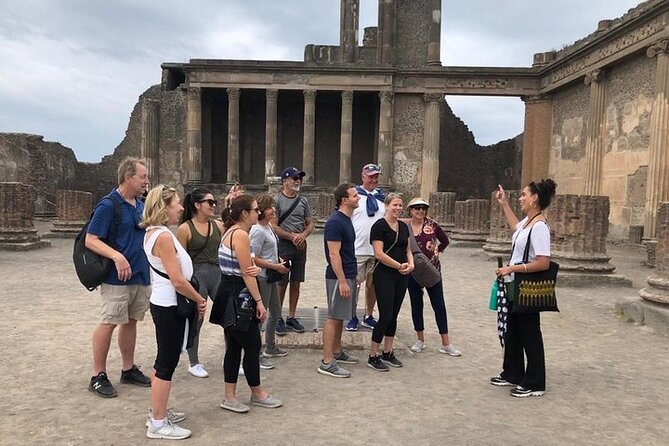
Pompeii Forum
This was the political, economic, and religious heart. Expect big landmark buildings around the forum area, including the Temple of Jupiter and the Basilica. If you’re trying to understand how Roman power and business mixed in everyday life, this is a great place to start. It’s also a good spot to look at scale—Pompeii feels huge until you realize how people moved through the city around this central zone.
House of the Vettii
This is one of the best-preserved homes, and it’s famous for refined frescoes and more luxurious decoration than you might expect. Houses like this help you picture what wealthy domestic life looked like—private spaces, room-by-room design, and how art and status showed up indoors.
Pompeii Amphitheater
Dating to 70 BC, this is one of the oldest amphitheaters in the world, tied to gladiator events. It’s a reminder that Roman entertainment wasn’t background noise—it was a major public event that shaped social life.
Lupanar
This ancient brothel shows you another side of Pompeii, with erotic frescoes tied to evidence of daily life. It’s not for everyone, but if you want Pompeii to feel real—not just “pretty stones”—this kind of stop is part of the picture.
Stabian Baths
Public baths were central to Roman daily routines, and the Stabian Baths include areas for hot and cold bathing. This stop is useful because it shows how people relaxed, socialized, and moved through the city without needing to leave the neighborhood.
A practical consideration: Pompeii site walking includes uneven ground and lots of steps. You don’t need to dress formally—just wear shoes you trust. And because there are many routes through Pompeii, your best move is to decide what matters most to you. If you’re into politics and public life, prioritize the Forum and amphitheater. If you want the “what did people do at home” feeling, focus on houses and the baths.
Also, plan your entry timing. The tour notes that you should coordinate with the office entrance time in Pompeii before you buy tickets. That’s a small step that can save you from arriving at the wrong moment and losing precious time.
Herculaneum (Parco Acheologico di Ercolano): Smaller, Easier to Read, Often More Moving
Then comes Herculaneum, and it often lands differently than Pompeii. This stop is also about 2 hours, and the site is called Parco Acheologico di Ercolano. The reason it’s so compelling is straightforward: a volcanic mud flow sealed the town in 79 AD, leading to extraordinary preservation compared with what most people expect from buried cities.
Because the town is smaller, you can read it with less mental effort. Streets and building plans can feel more legible, and details like mosaics and room functions come into focus.
Here are the highlight areas you’ll likely focus on:
House of Neptune and Amphitrite
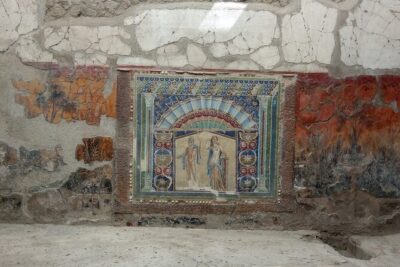
This house is known for mosaics, including the depiction of Neptune and Amphitrite, plus a luxurious nymphaeum decorated with shells and colored glass tiles. It’s a great example of how wealthy Roman homes blended art, water imagery, and status in one place.
Central Baths
You’ll see changing rooms, tubs, and mosaics. Baths were not just for cleanliness. They were for routine, meeting people, and passing time. In a way, the baths are one of the fastest ways to understand daily life here.
House of the Deer
This is described as one of the most sumptuous residences in Herculaneum. Even without spending hours on every house, seeing at least one high-end residence helps you understand the range of wealth and how it showed up in architecture and decoration.
The drawback with Herculaneum is that you’ll wish you had a bit more time after the first 2 hours. That’s not a criticism of the tour—it’s just what happens when a site feels more human-scale. Use that time well: pick a couple of major houses or bath areas, and then circle back for anything that grabs your attention on the second pass.
You can also read our reviews of more wine tours in Naples





The Vineyard and Wine Break: Turning the Day From Ruins to Relaxation
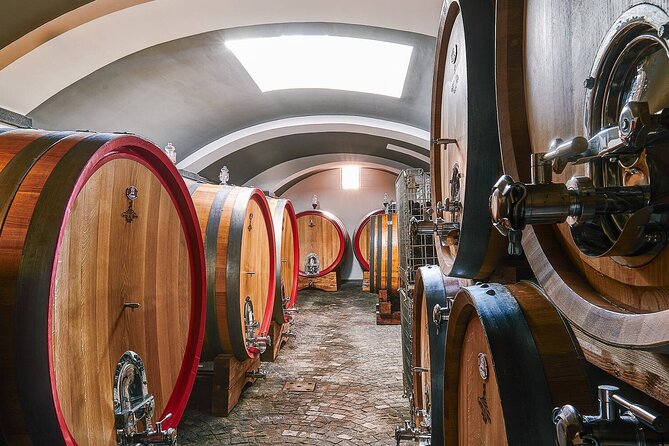
Some tours cram in food and make it feel rushed. This one adds a breather: a stop at a vineyard for wine grown on the slopes of Vesuvius. The idea isn’t complicated. After walking through ash-and-stone history, you get a chance to slow down, reset your legs, and taste something connected to the living landscape around Naples.
What you should expect here is a change of pace rather than a full day-long winery itinerary. The tour calls it a wine break with a vineyard visit, so think of it as a focused stop to sample local flavors and enjoy the surroundings—especially if you’re doing the tour on a warmer day when sitting with a drink feels like a small miracle.
Practical tip: since lunch isn’t included, plan what you’ll do for food. You can bring snacks if you want, or arrange a meal idea that fits the timing of the tour. Even a simple plan helps so you’re not making last-minute decisions while hungry.
Price and What You’re Paying For at $349.21 Per Person
At $349.21 per person, this isn’t a bargain-style group tour. But it’s not just paying for entry doors and a map. You’re paying for:
- Deluxe air-conditioned transportation
- English-speaking driver/guide with live onboard commentary
- All tolls, parking, petrol, and taxes
- Pickup and drop-off from designated points
- A schedule that handles the big transfers between sites
Where the cost can feel like a mismatch is if you’re traveling solo and you don’t share the expense with anyone. In that case, the price can sting. If you’re traveling with others, the per-person cost can start to feel more reasonable because the private vehicle benefits all of you.
Then there’s the “not included” part you should factor in early:
- Entrance fees to the sites (you’ll need to pay those separately)
- Lunch
- A note that a Pompeii guide can be hired on-site (optional)
That ID detail matters for budgeting too: you’ll want to bring the right document so you don’t lose time at the gate.
What’s Included, What Isn’t, and the ID Detail That Matters

This tour is very clear about what it covers and what you handle.
Included:
- Deluxe air-conditioned vehicle
- English speaking driver/guide
- Live commentary on board
- All tolls, parking, petrol, and taxes
- Pick-up and drop-off from designated meeting points
Not included:
- Entrance fees
- Lunch
- Site-specific guidance while inside the parks
The big must-know item is the identity card requirement to enter the sites. Bring it. This is one of those rules that can ruin your day if you assume you’ll be fine without it.
Also, the driver only provides transportation and commentary. If you want someone to walk you through Pompeii or Herculaneum in detail, the notes say you can hire a guide on-site. That’s a helpful option if you love history and want a slower, more interpretive experience.
Tips to Make Your Day Feel Smooth (Not Like a Whirlwind)
You’ll walk a lot, so treat this like an all-day walking plan, not a quick museum hop.
Here’s what helps:
- Wear comfortable casual clothes and shoes you can handle on uneven surfaces.
- Bring your identity card the day of the tour.
- Coordinate Pompeii entrance timing with the office before you buy tickets, so you’re not stuck with a mismatched entry slot.
- If you’re sensitive to heat, rely on the AC vehicle, but still bring a hat or water plan for when you step outside.
- Bring patience for crowds around the most famous areas—Pompeii is popular, and even a private day can’t change that.
One more detail I like: the tour is private, meaning it’s only your group. That reduces the pressure of being slowed down or rushed by strangers, and it makes bathroom breaks and photo stops feel less chaotic.
Who This Tour Suits Best
I think this tour is a strong match if you want:
- A guided structure (transport + commentary) but still time to explore on your own
- Two major archaeological sites in one day without the hassle of planning transfers
- Comfort during travel thanks to AC
- A break that feels different at the end with a vineyard wine stop
It can also work well if you’re doing this as a cruise excursion or as a Rome-to-Naples day trip, since the plan mentions timely return to your port and provides a train schedule suggestion.
If you’re traveling with kids, or if your group has mixed interests—one person wants amphitheaters, another wants mosaics—this kind of flexible pacing can be a better fit than a strict, lecture-heavy group tour.
Should You Book This Private Pompeii, Herculaneum, and Winery Tour?
If your priority is a smooth, well-connected day—Pompeii, Herculaneum, then wine—this is the kind of tour that makes sense. The combination of AC transport, live onboard commentary, and a schedule that hits key highlights without demanding that you “keep up” is good value for the effort it saves.
I’d especially book it if:
- You want to avoid the stress of managing transfers yourself
- You like the idea of reading the sites at your own pace after getting context in the car
- You want a Vesuvius-area payoff that isn’t just another museum room
I’d think twice if:
- You’re trying to keep costs ultra-low, since entrance fees and lunch are extra
- You don’t want to deal with the ID requirement
- You’re the type who wants a full guide walking you minute-by-minute inside the ruins (in that case, you may need an on-site guide add-on)
FAQ
Are entrance fees included for Pompeii and Herculaneum?
No. Entrance fees are not included, so you’ll need to pay them separately.
Do I need an identity card to enter the sites?
Yes. An identity card is required to enter the sites, so bring it with you on the day of the tour.
Is lunch included?
No. Lunch is not included in the tour.
How long is the tour, and how much time is spent at each site?
The tour lasts about 8 hours. It includes about 2 hours at Pompeii and about 2 hours at Herculaneum.
Is pickup available, and where does the tour start?
The tour includes pickup and drop-off from designated meeting points in Naples. The activity starts in Naples and ends back at the meeting point.
What is the cancellation policy?
You can cancel for free up to 24 hours in advance for a full refund. If you cancel less than 24 hours before the experience starts, the amount paid is not refunded.