REVIEW · NAPLES
Street food tour: the Neapolitan culinary art
Book on GetYourGuide →Operated by GRAND TOURS ITALY · Bookable on GetYourGuide
Naples tastes better when you walk. This 2-hour street food tour turns Neapolitan culinary art into a clear, story-led route, with tastings tied to how the food developed and why it matters in daily life. You’ll get enough variety to feel like you’re sampling a whole neighborhood, not just grabbing a quick snack.
I especially like how the guide connects each dish to its origin story, from pinsa’s older roots to why pizza Margherita became a symbol in 1889. I also like the mix of savory street classics and the two dessert heavyweights, babà and sfogliatella, so the experience doesn’t fade out halfway through.
One consideration: the menu includes items that can be off-limits for many people (lactose and gluten intolerance are specifically listed as not suitable), and beverages are not included—so come hungry and plan your drink needs ahead.
In This Review
- Key things that make this tour worth your time
- Neapolitan street food is culture you can eat
- Where you start: meeting by Mura Greche (Greek Walls)
- The 2-hour pacing: how the tasting-heavy format works
- What you’ll taste: a Naples sampler you can count
- Mozzarella, San Marzano tomato, and olives: the base layer of everything
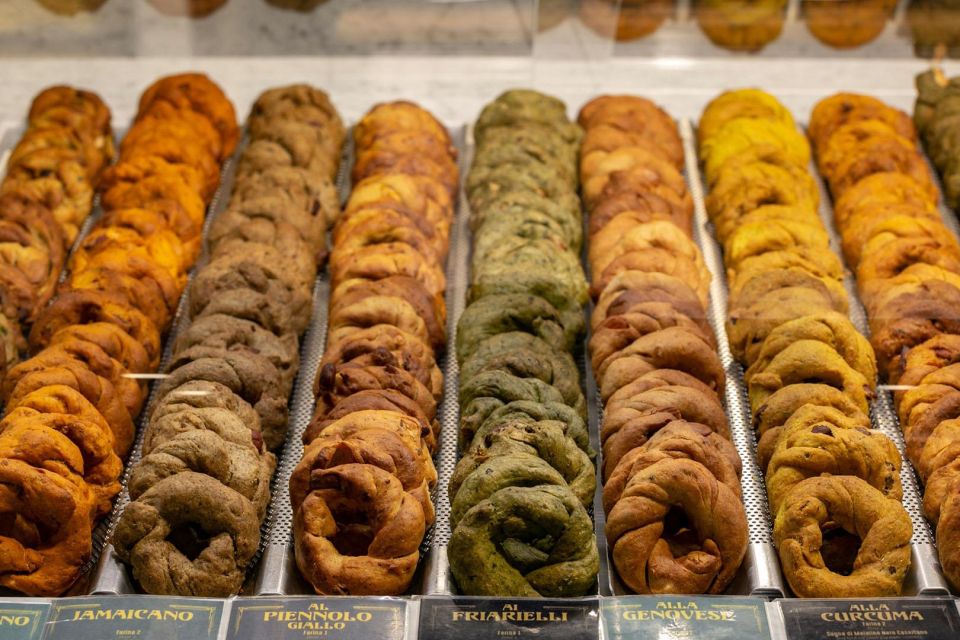
- Friarielli and taralli: the street flavors that show the local personality
- Pizza margherita plus fried pizza: two ways to experience the same love
- The pizza story: pinsa origins and the 1889 margherita moment
- Frittatina and fried street logic: how Naples keeps it light-ish (sort of)
- Espresso talk and Naples water: the craft detail you’ll remember
- Limoncello and the Bourbon dessert chapter
- Babà and sfogliatella: two Naples icons with different personalities
- Ice cream at the end: a street-friendly finish
- Price and value: $82 for a full street-food run
- Who should book this Naples street food tour
- Should you book? My practical take
- FAQ
- Where is the meeting point?
- How long is the street food tour?
- What’s included in the tastings?
- Are drinks included?
- Is it suitable if I have gluten or lactose intolerance?
- Is it wheelchair accessible?
Key things that make this tour worth your time
Pinsa-to-pizza origin story: You learn where the dough idea comes from and how it transformed over time.
Two dessert icons included: You taste both babà and sfogliatella, with the guide explaining their identity.
A real street-food flow: You eat well while staying in the street-culture mindset, not in a formal, seated setting.
Savory variety across Naples favorites: Mozzarella, San Marzano tomato, friarielli, taralli, pizza margherita, and more.
Short, focused 2-hour format: It’s built for maximum tasting without eating all day.
Guide flexibility when plans go sideways: Reviews highlight a guide who can wait for late arrivals when needed.
Neapolitan street food is culture you can eat
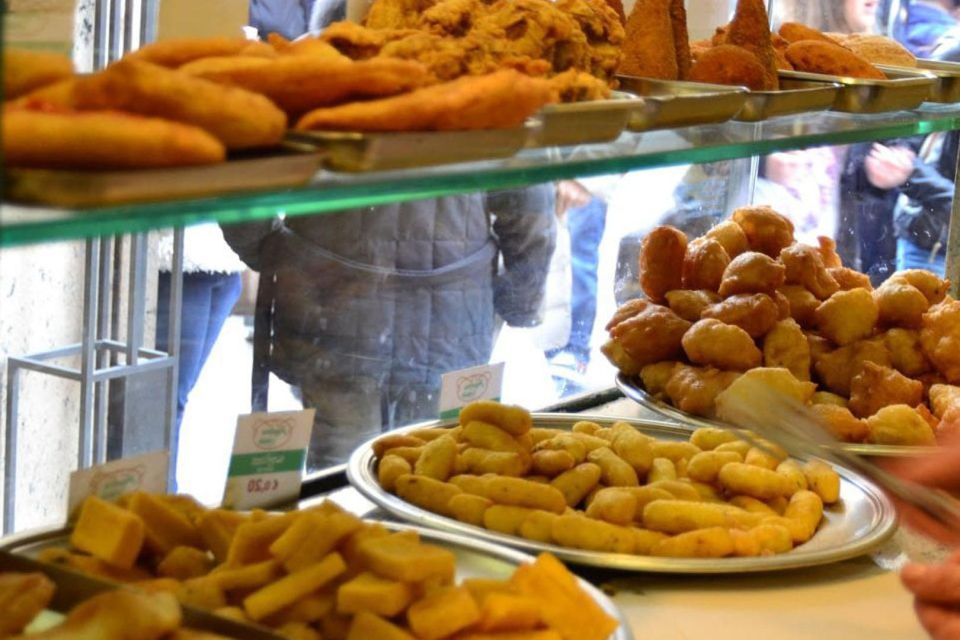
In Naples, food isn’t a side quest. It’s how people connect, how they celebrate, and how they show pride in local tradition. This tour is built around that idea: you’re not just tasting dishes, you’re learning what Neapolitans treat as identity—day after day.
What I like most is that the experience stays grounded in the street-food mindset. You’ll hear that Naples street eating is about doing life outside and eating well at the same time—so the focus is on flavor, craft, and neighborhood rhythm, not on museum-style explanations.
The result is a tour that feels practical. In two hours, you leave with a mental map of what to look for when you’re eating on your own later.
You can also read our reviews of more food & drink experiences in Naples



Where you start: meeting by Mura Greche (Greek Walls)
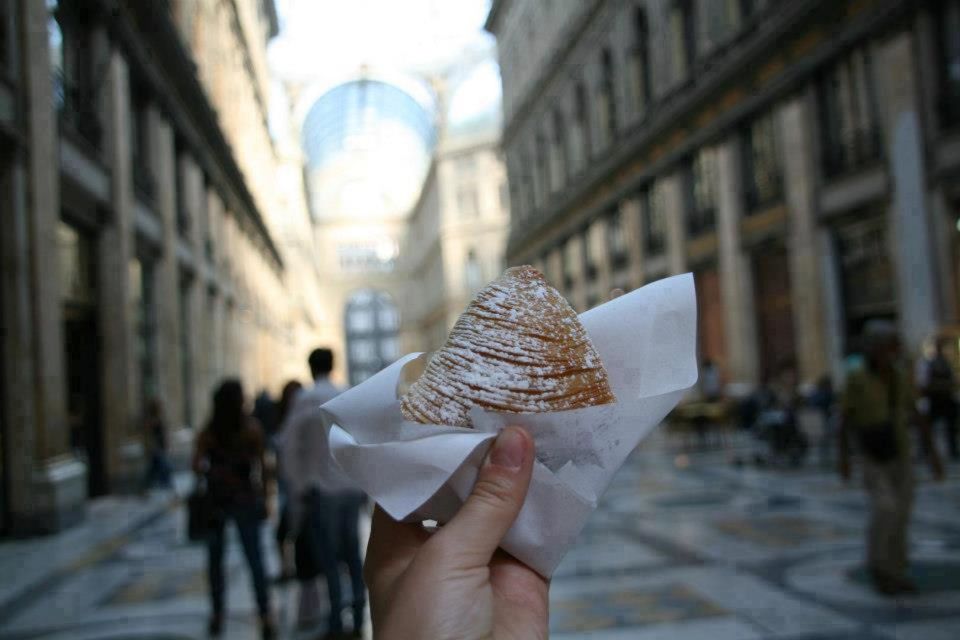
Your meeting point is near Mura Greche (Greek Walls). That’s a handy start for a food story that reaches back through Naples layers, because the whole tour leans on origins—Greek and Roman threads included.
Arrive a few minutes early. Two hours moves fast once you’re walking and sampling, and you’ll want time to get oriented before the first stop.
Also, the tour uses a separate entrance to skip the line, which can matter a lot in Naples when you’re trying to keep momentum. Less waiting means more tasting time.
The 2-hour pacing: how the tasting-heavy format works
This is a tight, food-forward schedule. You should expect multiple servings and different textures—soft, fried, creamy, and pastry-heavy—within a short window.
That pacing works well if you:
- want a “greatest hits” Naples food sampler
- only have a limited time window and want maximum payoff
- enjoy learning alongside eating
It can feel intense if you prefer slow dining. But even then, the benefit is you’ll know exactly what you liked most and what you’d want to repeat on your own.
What you’ll taste: a Naples sampler you can count
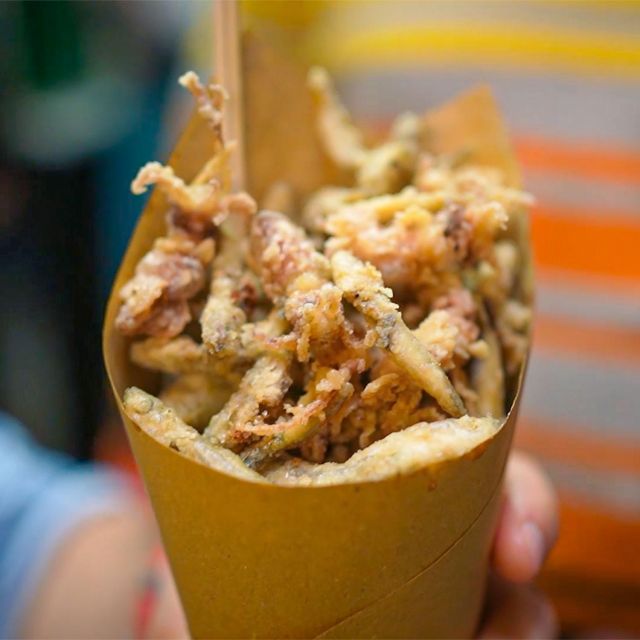
This tour includes a long list of tastings, which is a big part of why the price can make sense. Here’s what’s included: Mozzarella, San Marzano tomato, olives, friarielli, taralli, fried pizza, pizza margherita, frittatina, limoncello liquor, babà, sfogliatella, and ice cream.
That’s twelve items. Not twelve small “samples” you can’t taste—more like a structured run through classic flavors that add up.
A useful way to think about it: you’ll taste categories, not just individual dishes. You start with foundational ingredients (like mozzarella and tomato), move into street savory specialties (taralli, friarielli, pizza), then finish with the dessert chapters that Naples takes seriously.
Mozzarella, San Marzano tomato, and olives: the base layer of everything
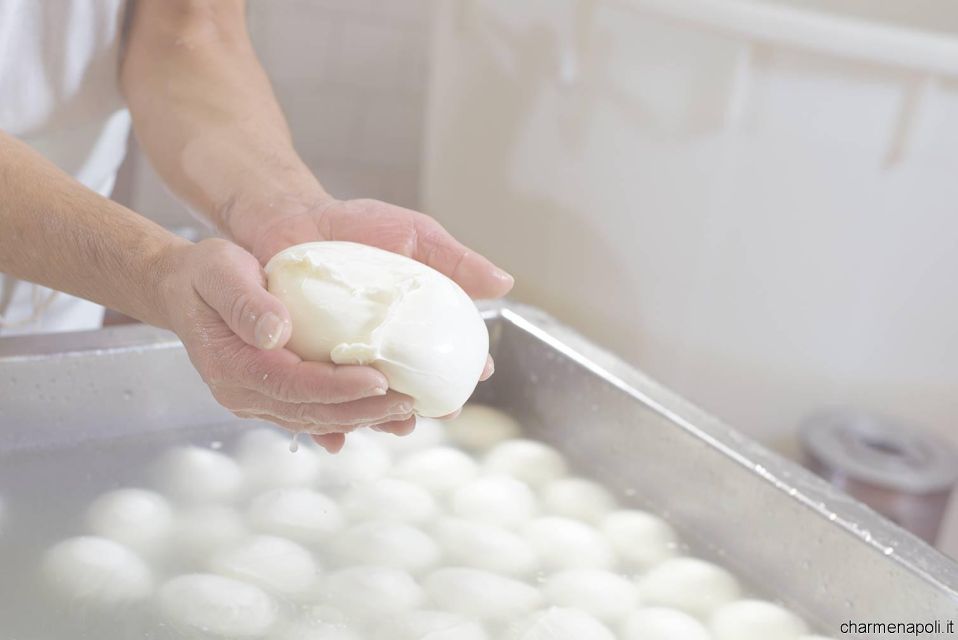
The tour includes a tasting pairing of mozzarella and San Marzano tomato, plus olives. This is a smart early move because it sets the baseline for what Neapolitans consider essential.
San Marzano tomato is talked about as a cornerstone ingredient, and tasting it alongside mozzarella helps you understand why the simpler dishes get pride of place. You’re not dealing with a complicated menu yet—you’re learning what “good” tastes like before fried and pastry turns up later.
If you like fresh flavors, this part is where you’ll start to get excited.
You can also read our reviews of more tours and experiences in Naples


Friarielli and taralli: the street flavors that show the local personality
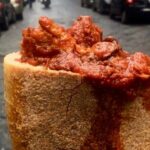
Friarielli (a Naples-famous green) and taralli (crunchy, snackable breads) represent the local side of the story. These aren’t the kind of ingredients that usually get attention outside Naples, so a guided tasting is one way to try them without guessing what to order.
The practical benefit: if you taste friarielli here and enjoy it, you’ll know what to hunt down afterward.
If you don’t, you’re still learning. The guide’s explanations help you understand why these foods show up at street level and holiday tables alike.
Pizza margherita plus fried pizza: two ways to experience the same love
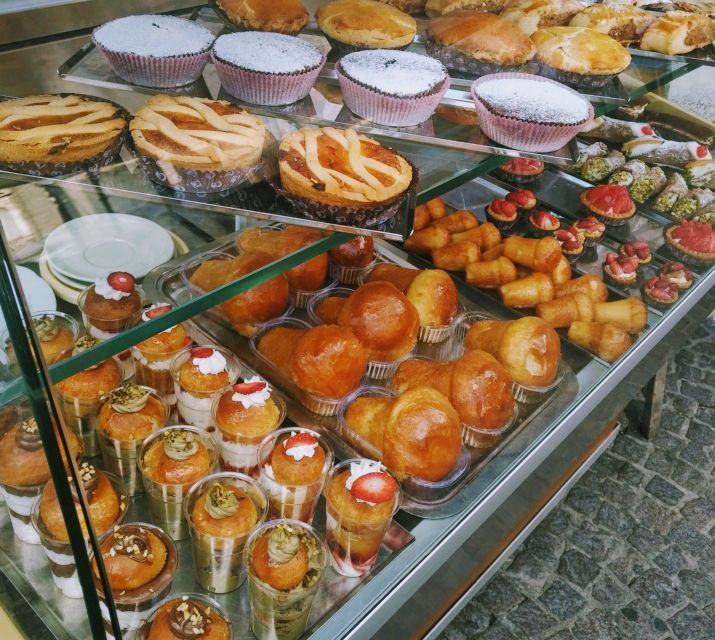
You’ll taste pizza margherita and also fried pizza (often called pizza fritta in Naples contexts). That pairing is one of the tour’s best ideas because it shows how a single “identity food” can take different forms.
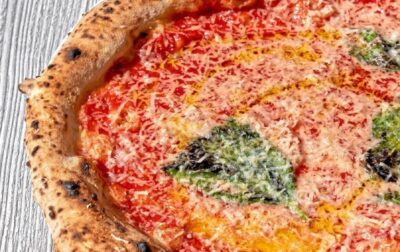
Pizza margherita is the iconic, classic anchor. Fried pizza shows the street interpretation—comfort food you can eat fast, with a different texture and energy.
The best part is that the guide connects these choices back to the historical story of Neapolitan pizza, which helps you understand why margherita became a worldwide symbol rather than just a recipe.
The pizza story: pinsa origins and the 1889 margherita moment
The tour includes a clear explanation of where the pizza dough idea came from. You’ll hear that the “pinsa” concept comes from the verb pinsare, meaning to pull, and that there are older influences—Greek origins are mentioned. It was reportedly served street-side in small kiosks along streets of Neapolis, the first Greek-origin city.
Then the story moves through Roman times and later eras until pizza gained international fame with Pizza Margherita, dedicated to Queen Margherita in 1889. That’s when Neapolitan pizza became known worldwide—described locally as the gold of Naples.
Why this matters for you: when you taste pizza on the street later, you’ll understand the emotional weight. It’s not random comfort food. It’s a local symbol with a timeline you now recognize.
Frittatina and fried street logic: how Naples keeps it light-ish (sort of)
You’ll also taste frittatina, plus you’ll hear about Naples street choices around fried foods. The tour’s narrative leans on the idea that Naples is a seaside city, and fried specialties make everything taste better—especially when seafood culture is involved.
Even if you don’t end up craving fried fish specifically, this section helps you understand why fried foods show up so often in Naples. It’s not only flavor; it’s tradition, street practicality, and a culture of sharing.
The texture shift from pizza to frittatina is also a good pacing tool. You’re not stuck repeating the same flavor profile.
Espresso talk and Naples water: the craft detail you’ll remember
The tour description makes a big point about espresso in Naples—how it’s treated like craft, with meticulous blending and measurement. You’ll also hear about something very local: water.
It’s said the water in Naples aqueducts is exceptionally good and helps create that distinctive espresso taste. Whether you buy that exact line or not, the point is clear: Naples treats the ingredients behind the drink as part of the ritual.
Even though drinks are not included, this is still a valuable lesson. You’ll know what to look for the next time you order an espresso in Naples, and you’ll stop treating it like an afterthought.
Limoncello and the Bourbon dessert chapter
Dessert isn’t treated as a sweet afterthought here. You’ll taste limoncello liquor, and the tour includes an explanation of the dessert tradition tied to Bourbon royal culture and ingredients from the Kingdom of the Two Sicilies.
This is where the tone shifts from savory street pride to a kind of elegant Naples. The guide frames desserts as sophisticated but delicate—each with history, identity, and a tradition behind it.
If you enjoy dessert, don’t rush through this part. This is the section you’ll want to pay attention to, because the tasting choices later (babà, sfogliatella) make more sense once you understand the “why” behind them.
Babà and sfogliatella: two Naples icons with different personalities
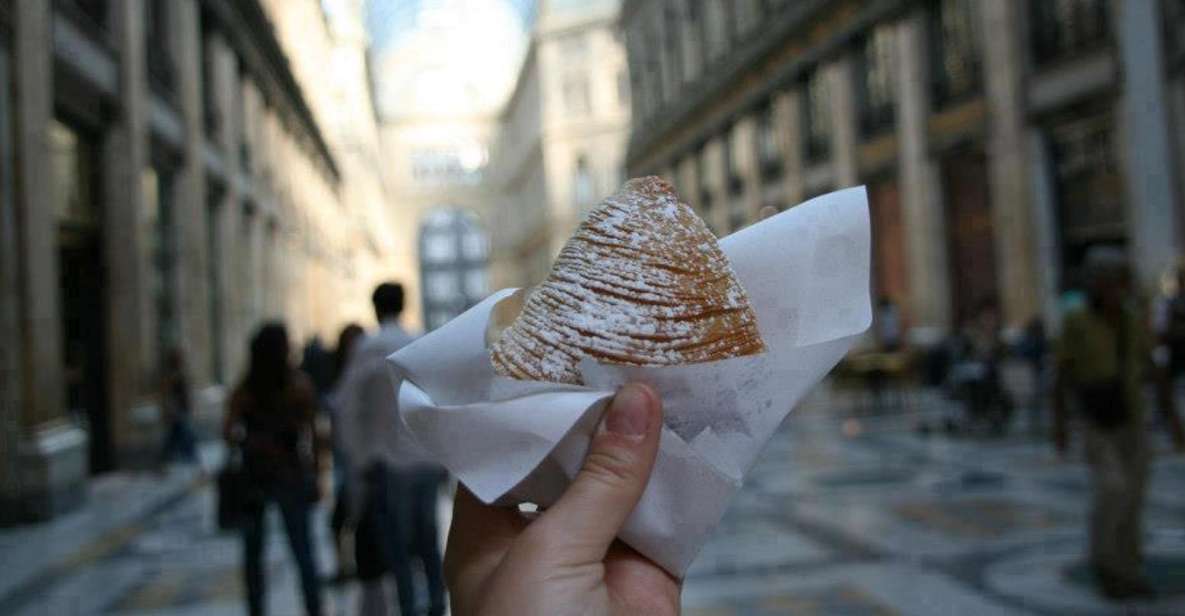
You’ll taste babà and sfogliatella, two of Naples’ most famous pastries. They’re both celebratory, but they don’t taste the same and they don’t feel like the same food.
Babà is soaked and tender, leaning into that celebratory, royal-culture vibe. Sfogliatella is more layered and textural, with a pastry structure that makes every bite feel different.
This is also where the tour’s learning payoff lands. When the guide gives the background, the flavors stop being random. They become recognizable as Neapolitan choices—foods people respect enough to keep them alive.
Ice cream at the end: a street-friendly finish
The tour includes ice cream, which works as a clean landing after pastry and liquor. It’s a street-food-friendly ending because it helps reset your palate without adding another heavy course.
You’ll feel ready to keep wandering after this. That’s an underrated part of good food tours: they don’t only feed you; they set you up to enjoy the city afterward.
Price and value: $82 for a full street-food run
At $82 per person for a 2-hour experience, the value hinges on what’s included. You’re getting twelve included tastings plus a live guide, and the story connects them so you actually learn something instead of just eating a list.
Where the price feels fair is the variety:
- foundational ingredients like mozzarella and San Marzano tomato
- local street staples like friarielli and taralli
- two pizza experiences, plus frittatina
- both big dessert icons, plus limoncello and ice cream
The one thing that can change how you feel about value is drinks. Beverage is not included, so if you like pairing food with a drink, you’ll want to plan for it outside the tour.
Who should book this Naples street food tour
This fits best if you:
- want a fast overview of Neapolitan street classics
- like food stories tied to real ingredients and tradition
- enjoy savory food and also care about dessert
It’s also a solid choice if you’re the type of traveler who wants to learn what to order next, not just eat once.
If you have gluten intolerance or lactose intolerance, you’ll want to skip this one. The list of not-suitable conditions also includes people with diabetes and heart problems, so be cautious and check with the provider if any health factors apply.
Should you book? My practical take
I think you should book if you want a concentrated Naples experience where taste and history move together. The combination of savory street staples, two iconic desserts, and the pizza origin story gives you real direction for what to try on your own later.
Skip the tour if you can’t do the listed dietary constraints. Also remember that beverages aren’t included, so budget for water or other drinks separately if you need them.
One more reason I like this choice: it’s short, and the guide’s flexibility is a real perk. There’s an example from a late-flight situation where the guide waited an extra 5 hours, which suggests the team takes your time seriously and won’t treat delays as an automatic loss.
FAQ
Where is the meeting point?
The meeting point is near Mura Greche (Greek Walls).
How long is the street food tour?
It lasts 2 hours.
What’s included in the tastings?
Included tastings are mozzarella, San Marzano tomato, olives, friarielli, taralli, fried pizza, pizza margherita, frittatina, limoncello liquor, babà pastry, sfogliatella pastry, and ice cream.
Are drinks included?
No. Beverage is not included.
Is it suitable if I have gluten or lactose intolerance?
No. People with gluten intolerance and people with lactose intolerance are listed as not suitable.
Is it wheelchair accessible?
It is listed as wheelchair accessible, but the not-suitable list also mentions wheelchair users. Check with the provider before booking to confirm what they can accommodate.