REVIEW · NAPLES
Cooking Lesson: Neapolitan pasta homemade
Book on GetYourGuide →Operated by GRAND TOURS ITALY · Bookable on GetYourGuide
Fresh pasta lessons in Naples feel practical, not touristy. You’ll learn to make homemade egg pasta the traditional way, then sit down to eat what you just produced. The whole setup is built around Campanian ingredients and hands-on technique, so the time actually teaches you something you can use at home.
I especially like the no-pasta-machine approach. Rolling, cutting, and shaping are taught step-by-step, which makes the result feel earned. I also like that you’re not just watching dough happen you’re making ravioli and fettuccine, with an explanation of other shapes like tagliolini and pappardelle.
One thing to consider: this class is not suitable for gluten intolerance, since it’s an egg-pasta lesson with wheat dough. If that’s you, look for a separate gluten-free cooking option instead.
In This Review
- Key things that make this Neapolitan pasta lesson worth your time
- Cooking Neapolitan pasta the traditional way, right in Naples
- Meeting at Naples Cooking Lab on Spaccanapoli Street
- Start with pasta types and an 1800s-style egg dough
- Rolling without a machine: fettuccine, ravioli, and more
- Filling ravioli and mixing it into the pasta
- Cooking your pasta and choosing between two sauce styles
- Dinner or lunch included: eating what you made
- Price and value: what $92 buys you in Naples
- Who should book this and who should skip it
- Small tips so you get the most from the two hours
- Should you book the Neapolitan homemade pasta lesson?
- FAQ
- How long is the Neapolitan pasta cooking lesson?
- Where is the meeting point?
- How much does the experience cost?
- What pasta will I learn to make?
- Do you use a pasta machine?
- What happens while the dough rests?
- What sauces are included?
- Is lunch or dinner included?
- What drinks are included?
- Is this suitable for gluten intolerance?
Key things that make this Neapolitan pasta lesson worth your time
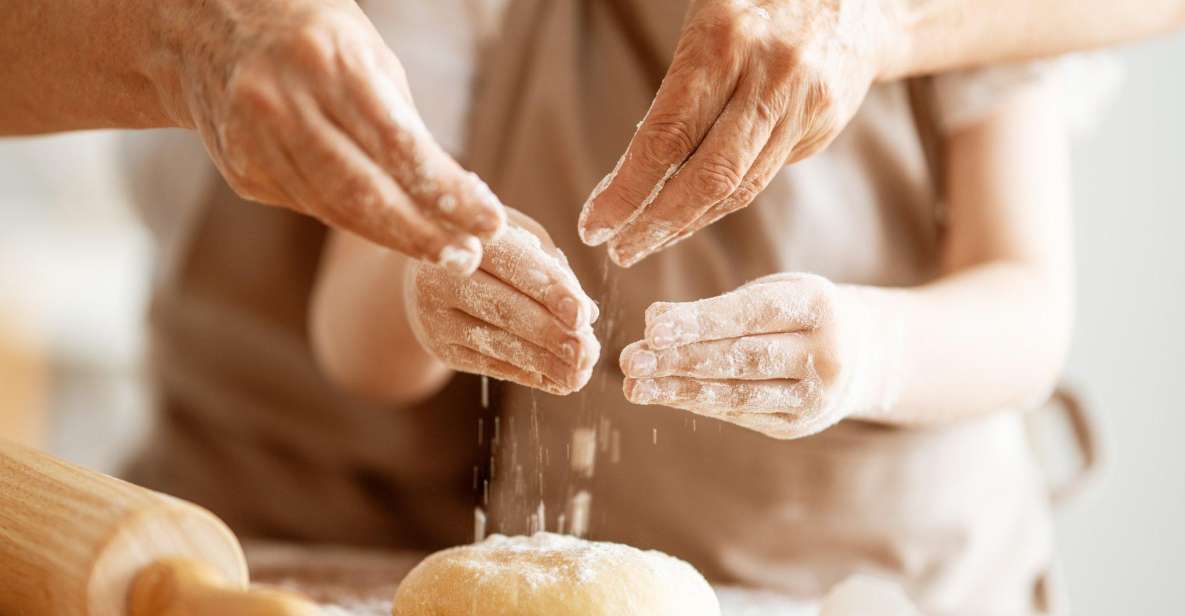
- Hand-rolling only: you’ll roll and cut with traditional methods, no machinery
- Real dough education: you start with pasta types, then move into an 1800s-style egg dough
- Quality ingredients tastings: you get to taste organic tomato from Vesuvio and homemade bread while the dough rests
- Multiple pasta shapes in one class: you make ravioli and fettuccine, and learn about tagliolini and pappardelle
- Two finished sauces: you’ll taste tagliatelle with Neapolitan sauce and ravioli al ragù
- Chef-led experience with a diploma: tools, apron, chef instruction, lunch or dinner, and a chef diploma are included
Cooking Neapolitan pasta the traditional way, right in Naples
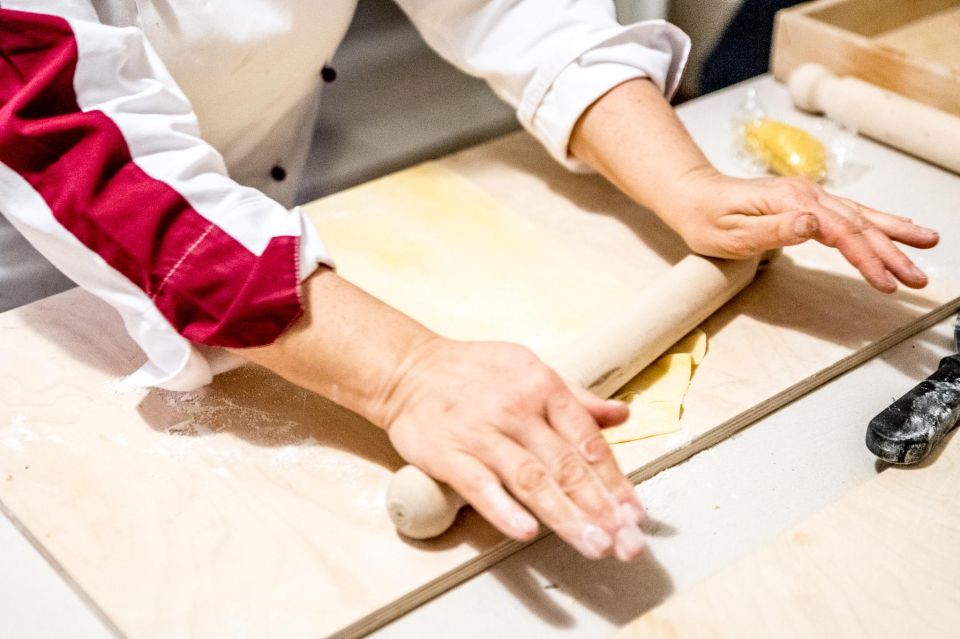
Naples is where pasta culture feels close to the street. This cooking lesson leans into that. You’re in Campania, learning pasta shapes you actually see in everyday Italian cooking, then eating a plated meal based on your work.
The best part is that the class is designed around both technique and judgment. You’ll learn what makes egg pasta behave the way it does, how dough should feel, and why resting time matters. Then you’ll see how that technique turns into something you can eat immediately.
It’s also a good fit if you want a cooking class that feels like a small workshop. You’re not just doing a single final dish. You’re building a sequence: dough prep, rolling and cutting, filling, shaping, cooking, and finishing with sauce.
You can also read our reviews of more cooking classes in Naples


Meeting at Naples Cooking Lab on Spaccanapoli Street
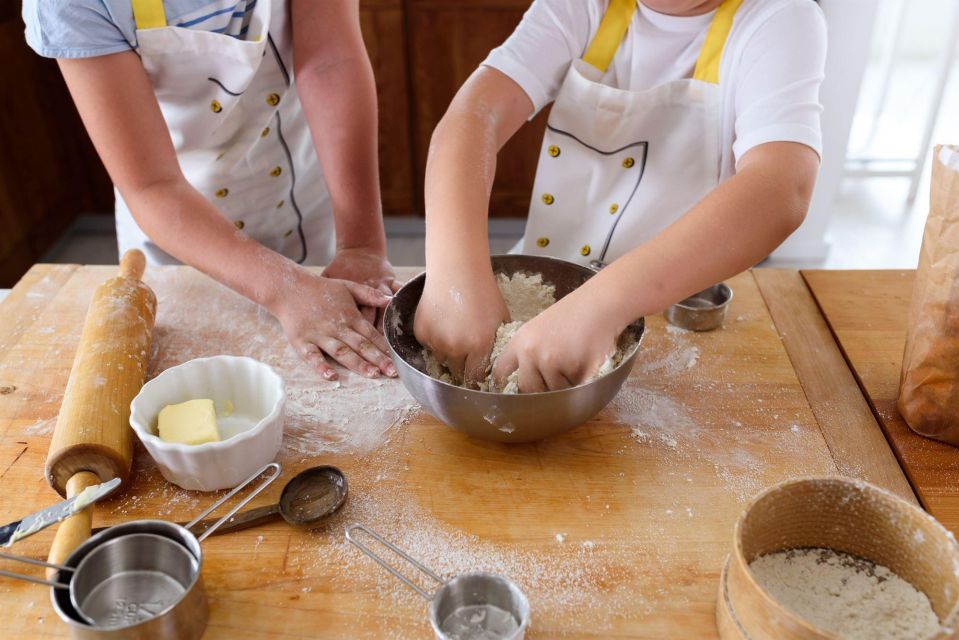
Your meeting point is Naples Cooking Lab, on Spaccanapoli street in the historical centre. That location matters because it’s not a stripped-down classroom. You’re starting your experience in the Naples you came for: walkable streets, old-city energy, and quick access to local food culture.
Sometimes the course shifts to Pizzeria Mammina in Galleria Umberto I. If that happens, you’ll be told in advance. Either way, you’re in a central area, which keeps the day from turning into travel time.
Once you arrive, you’ll get the tools and an apron, and the chef will guide the pace. The class runs about 2 hours, so everything moves along at a confident rhythm: enough time to learn, not so long that it turns into a long lecture.
If you’re hoping for a separate entrance to avoid waiting, this experience includes a skip-the-line style entry. That’s a small point, but in a busy historic centre it saves energy.
Start with pasta types and an 1800s-style egg dough
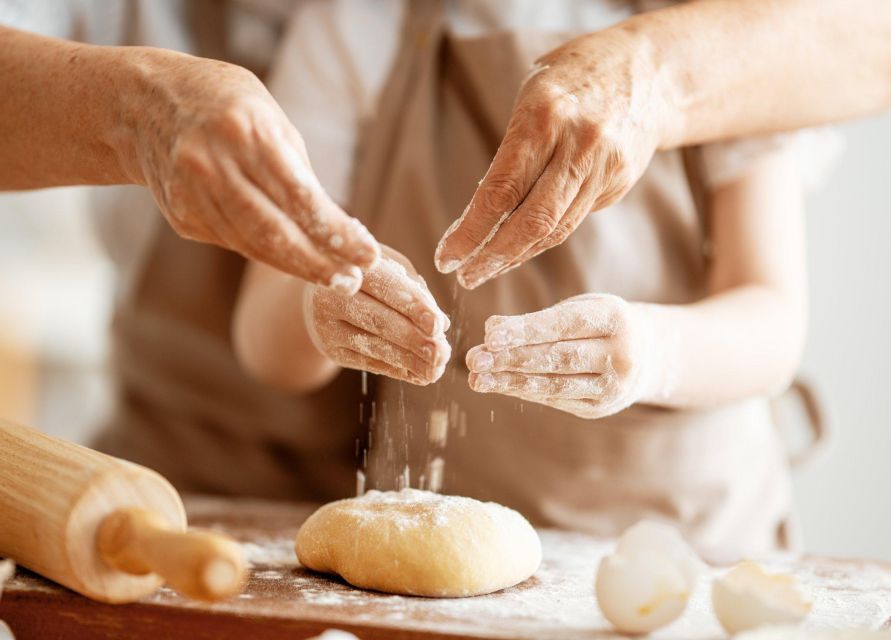
Before anyone touches a rolling pin, you’ll get context. The chef first explains the differences between pasta types. This part is more valuable than it sounds, because it teaches you what you’re looking for: how shapes differ, how thickness changes texture, and why ravioli isn’t just fettuccine cut differently.
Then you move into the dough. The class uses an egg pasta dough inspired by an 1800s-style approach, with the dough’s ingredients explained clearly. You also get a lesson on what’s happening while it rests. Resting isn’t filler time. It’s part of how dough becomes workable without being tough.
While the dough rests, you taste local products. This is one of those moments that turns a cooking class into a real Naples experience. You’ll sample local starter, organic tomato from Vesuvio, and homemade bread. The point isn’t just to eat while you wait. It helps you understand that fresh pasta isn’t separated from ingredients. Sauce flavor, tomato quality, and bread matter.
Chef Amos (who teaches classes) is known for being friendly and ready to explain everything during the full session. That matters if you’re the type who wants to know why, not only how.
Rolling without a machine: fettuccine, ravioli, and more
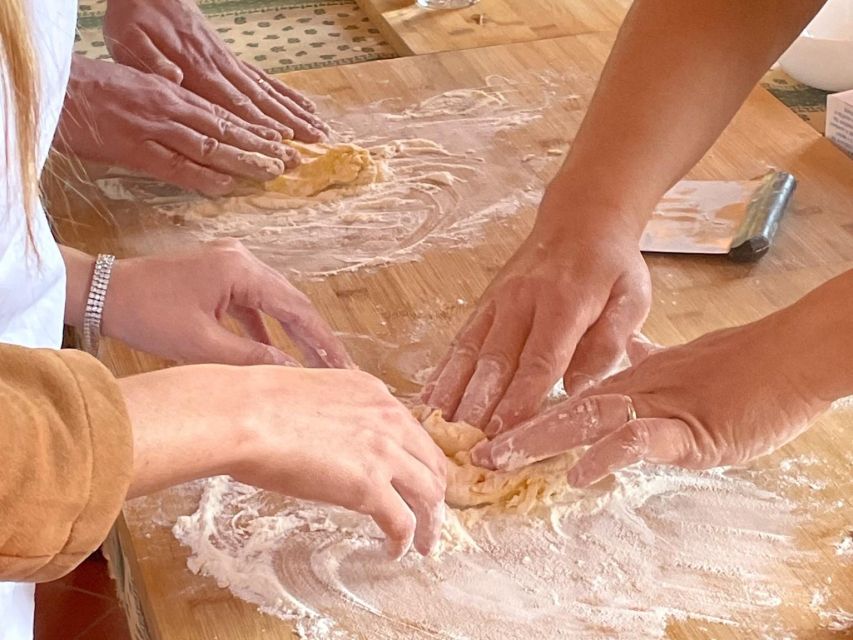
Now comes the hands-on part. You’ll roll out the dough with a rolling pin, using traditional methods with no pasta machinery. That choice changes the whole feel of the class. A machine can standardize thickness, but it can’t teach you control. Hand-rolling makes you learn how dough responds as you work it.
You’ll cut and shape fettuccine and ravioli. The class also shows you how to prepare tagliolini and pappardelle, even if your hands are focused on the main shapes. That wider exposure is useful: when you’re back home, you’ll recognize how different shapes suit different sauces.
Here’s what you should pay attention to while rolling:
- How the dough stretches before it starts fighting you
- How thin you can go while still keeping it easy to handle
- How flour and handling affect stickiness and drying
If you like learning by doing, this is the section that will stick with you. The satisfaction comes from watching your work become recognizable pasta, not just dough.
Filling ravioli and mixing it into the pasta
After cutting, you’ll move into the filling stage. The chef explains how to mix the filling ingredients, then helps you work it with the pasta you shaped. This is where ravioli stops being a “technique” and becomes a dish.
Ravioli has a specific texture goal: tender pasta around a filling that stays distinct. Your job is to assemble it neatly enough to cook well, and with enough care that the pasta seals and holds together.
Because it’s a short class, don’t expect a slow, artistic pace. Instead, you’re learning practical forming methods you can repeat later. It’s very “workshop” energy: concentrate on the process, not perfection.
You can also read our reviews of more tours and experiences in Naples
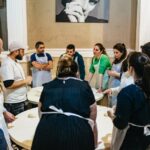
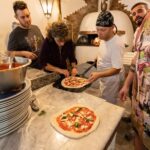
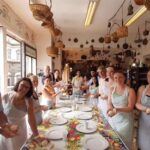
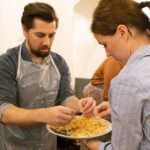
Cooking your pasta and choosing between two sauce styles
Once your pasta is ready, it’s cooked in water. You’ll see the timing firsthand: fresh pasta cooks quickly compared to dried. That’s one reason the class is so satisfying. You don’t make something and hope it tastes good later. You make it, cook it, and eat it soon after.
After cooking, the pasta gets seasoned with two different sauces. Then you sit down to your meal:
- Tagliatelle with Neapolitan sauce
- Ravioli al ragù
This is a smart structure for a 2-hour lesson. You get two flavors that show what Neapolitan cooking can do: one sauce experience that’s classic and comforting, and one that’s built around ragù richness. Even if you only learn one day, you leave with a clearer idea of what sauce families pair best with different pasta shapes.
And yes, there’s a drink included: either alcoholic or non-alcoholic. If you’re driving or just prefer no alcohol, you’ll still get a drink with your meal. Additional drinks aren’t included, so plan on paying separately if you want more.
Dinner or lunch included: eating what you made
This class includes a meal with fettuccine and ravioli, plus a local appetizer. Whether it’s lunch or dinner depends on the session, but the important part is that you eat as part of the experience, not at an unrelated restaurant.
That included meal is a big part of the value. For many cooking classes, the tasting is small. Here, you’re eating pasta that matches the work you did. It turns the lesson into a full mini-food experience, not only a kitchen demo.
If you’re cooking with a group, eating together also gives the class a warmer mood. It’s not just about solo skill building. It’s shared results.
Price and value: what $92 buys you in Naples
At $92 per person for about 2 hours, this sits in the mid-range of cooking classes in a high-demand city. The question is whether it’s worth it for you, not whether it’s cheap.
Here’s the value math that makes sense:
- You get chef instruction plus the kitchen tools and apron
- You get a meal (fettuccine and ravioli) plus a local appetizer
- You get two sauce tastings through your plated lunch or dinner
- You leave with a chef diploma
- You learn a technique that doesn’t rely on equipment: hand-rolling and shaping
The no-pasta-machine element is a big deal for value. It means you’re learning process skills, not just how to press buttons. That’s what gives you something to carry home: you can try the same hand-rolling approach in your own kitchen.
The main limitation is also clear: you should plan for wheat-based dough and this isn’t made for gluten-free needs.
Who should book this and who should skip it
This lesson is a great match if you:
- Want to learn practical pasta technique you can repeat at home
- Prefer traditional methods over gadget cooking
- Like tasting local ingredients like organic Vesuvio tomato while you work
- Enjoy cooking in a group setting with a clear finish meal
It’s also a nice option for celebrations. One past group vibe described it as fun for an addio al nubilato style get-together, which fits the overall mood: hands-on, shared meal, and an instructor who explains everything.
Skip it if:
- You have gluten intolerance (it’s not suitable)
- You want a purely instructional talk class with no physical rolling and shaping
- You expect advanced gourmet precision like a long professional workshop. This is focused, but it’s still a short class.
Small tips so you get the most from the two hours
You’ll get the best experience if you come ready to work with your hands and not get stressed about speed. Two hours can feel short once flour starts flying.
A few practical pointers:
- Wear sleeves or clothing you don’t mind getting a little flour on
- Expect hands-on rolling and cutting, which can be slippery or tiring if you’re not used to it
- Plan to eat after, since your meal is part of the class flow
- If you’re sensitive to timing, keep your schedule flexible. The class is designed as one continuous session
Also, if you’re choosing between sessions, pick based on your meal preference. Lunch or dinner can change how you feel during the sauce stage.
Should you book the Neapolitan homemade pasta lesson?
If you want a Naples food experience that’s more than a photo stop, I’d book it. The format is strong: you learn hand-rolled dough, make ravioli and fettuccine, taste key local ingredients while the dough rests, and then eat two classic Neapolitan sauce styles based on what you made.
I’d think twice only if gluten intolerance applies, or if you’re looking for a super-long, slow-paced culinary course. Otherwise, this is a smart value for the time. You leave knowing what fresh pasta feels like, how it behaves, and how to finish it in a Neapolitan way.
FAQ
How long is the Neapolitan pasta cooking lesson?
The lesson lasts 2 hours.
Where is the meeting point?
The meeting point is at Naples Cooking Lab on Spaccanapoli street in Naples’ historical centre. Sometimes the course is held at Pizzeria Mammina in Galleria Umberto I instead, and you’ll be informed in advance.
How much does the experience cost?
The price is $92 per person.
What pasta will I learn to make?
You’ll make homemade egg pasta and prepare ravioli and fettuccine. You’ll also learn about tagliolini and pappardelle.
Do you use a pasta machine?
No. You’ll roll out the dough and work with traditional methods using a rolling pin.
What happens while the dough rests?
The chef describes the dough ingredients, then you’ll taste a local starter, organic tomato from Vesuvio, and homemade bread while the dough rests.
What sauces are included?
Your pasta is cooked and then seasoned with two different sauces. You’ll eat tagliatelle with Neapolitan sauce and ravioli al ragù.
Is lunch or dinner included?
Yes. The included meal features fettuccine and ravioli, plus a local appetizer. A drink is included as well.
What drinks are included?
An alcoholic or non-alcoholic drink is included. Other drinks after the first one are not included.
Is this suitable for gluten intolerance?
No. The activity is not suitable for people with gluten intolerance.