REVIEW · CAMPANIA
Creative Experience with clay in the Cilento National Park
Book on Viator →Operated by Cilentolab Art & Ceramics. Laboratorio di ceramica e creativo per bambini, ragazzi ed adulti · Bookable on Viator
Clay turns your hands into a tiny workshop. In Orria, you’ll learn the basics of working with it, create your own ceramic piece, and then slow down with a walk to Piano Vetrale, the town of murals. It’s part making, part wandering, and all pretty low-stress.
I especially liked the step-by-step guidance from the hosts, including Ornella and Giulia, so even if you’ve never touched clay, you’re not left to figure things out. I also liked how the day mixes creative time with real local rhythm, including lunch and a village walk that feels more like a friendly day out than a rushed activity.
One consideration: this is a clay-dust activity, so it’s not recommended if you’re sensitive to dust. Also, your piece needs firing later, and shipping costs aren’t included.
In This Review
- Key things to know before you go
- A small-group clay workshop in Orria’s Cilento countryside
- What you make: kneading to glass coating, plus two clay techniques
- Stop 1: Piano Vetrale, the town of murals walk
- Lunch in Cilento: brunch, pasta with basil, and an olive-grove picnic
- The workshop pace: what the hosts do well
- Price and what’s actually included for $114.80
- Who this is perfect for (and who should skip it)
- Quick practical tips so you enjoy the clay part
- Should you book this clay workshop in Orria?
- FAQ
- What time does the clay workshop start?
- Where do I meet the group?
- Is pickup available?
- Is the workshop offered in English?
- Is lunch included?
- Do I get my ceramic piece finished the same day?
- Is this activity suitable for kids?
- Is clay dust an issue?
- What are the cancellation terms?
Key things to know before you go
- Two ceramic techniques: you’ll work with both the columbine technique and the slab technique.
- Full process, not just shaping: you’ll cover kneading, shaping, finishing, drying, and glass coating.
- Small group size: capped at 10 travelers, so the pace stays personal.
- Lunch is part of the plan: brunch with typical Cilento products, sometimes as a picnic in an olive grove.
- Village time with mural stops: you’ll walk to Piano Vetrale, known for its murals.
- Your final piece isn’t finished yet: the creation must be fired, and shipping isn’t included.
A small-group clay workshop in Orria’s Cilento countryside
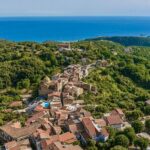
This experience is based in Orria (Campania), in the Cilento National Park area, and it runs about 7 hours starting at 10:00 am. You meet at Via Giuseppe Garibaldi, 13, 84060 Orria SA, Italy. If pickup is offered, you’ll be greeted with a sign with your name—simple and easy.
The group stays small (maximum 10 people), and that matters. With a smaller class, you’re more likely to get real attention as you handle the clay and try the techniques. Also, because the experience is offered in English, you won’t have to translate your way through basic instructions while you’re trying to shape your piece.
It’s intended for adults, but it can be adapted for children too. So if you’re traveling with family, you’re not automatically stuck in a boring adult-only session. And if you bring a service animal, it’s allowed.
You can also read our reviews of more tours and experiences in Campania.


What you make: kneading to glass coating, plus two clay techniques

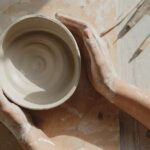
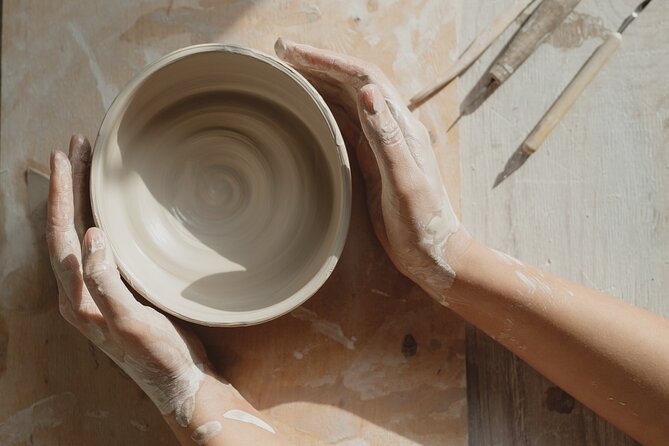
The core of the day is learning how to work with clay in a structured way, not just making something random. You’ll start with clay preparation and kneading—the early steps that help the clay behave. Then you’ll practice two working techniques: the columbine technique and the slab technique.
From there, the workshop covers the steps that most people skip when they do a quick craft project. You’ll handle shaping and finishing, then you’ll work through drying so the piece can hold up to what comes next. After that, you’ll see examples of decoration and how a glass coating is part of the final look.
Here’s the practical part: your piece isn’t fully finished the day you create it. The experience notes that it must be fired, and shipping costs are not included. Translation for your planning brain: you’re paying for the creative process here, and you should budget extra if you want it returned to you (or if you need help with firing logistics).
If you want the end result in your hands during the trip, this probably won’t work the way a typical souvenir shop order does. But if you’re okay with a “make it now, finish it later” approach, it’s a satisfying trade.
Stop 1: Piano Vetrale, the town of murals walk
After the creative start, you’ll take time to walk in Orria and Piano Vetrale. Piano-Vetrale is described as the town of murals, and that lines up with the vibe you’re going for: color on walls, local stories, and a slower pace than most formal sightseeing.
This section of the day is valuable because it balances your hands-on activity. When you spend hours shaping clay, you get a little tunnel vision. Walking helps you reset. You’ll also see the kind of everyday details you normally miss when you only pass through towns quickly.
The walk is also a good fit for different comfort levels. The tour is set up so most people can participate, and the day doesn’t read like a hard hike. Still, if you have mobility limits, it’s worth taking a close look at your own comfort with uneven village walking.
And yes, murals can be a big draw here. In the experience, you’re not just told that the town has street art—you get a guided way to spot it while you stroll.
Lunch in Cilento: brunch, pasta with basil, and an olive-grove picnic
Food is not an add-on here. Lunch is baked into the day, and it’s one of the easiest ways this experience feels genuinely local.
You’ll share lunch together as a family, and the plan can shift based on weather. If it’s nice, you may have a picnic with typical Cilento products at a picnic point in the village or in the host’s grandfather’s olive grove. That detail alone can turn a craft day into something memorable.
One review mentioned lunch as pasta with homemade tomato sauce and fresh basil leaves. Even if your exact meal varies, that gives you a real expectation: simple, Cilento-style cooking rather than buffet cafeteria food.
Also, brunch-style timing plus a long session means you don’t end up hungry halfway through clay work. Clay can be oddly tiring for your hands, and having a proper meal helps you stay patient when you’re focusing on shaping and drying steps.
If you have food restrictions, you’ll want to check in when booking. The general food approach is described, but exact menus aren’t spelled out in the information provided.
The workshop pace: what the hosts do well
The workshop is built around teaching you how to handle the material. That means you’re not just watching from across the room. You’ll learn the rules of clay, get help with the various steps of working it, and see example decoration along the way.
The reviews also point to a very warm teaching style. Ornella and her daughter are described as perfect hosts, and the teaching includes following you through the steps so you’re not guessing. Another review highlights Giulia and Ornella as warm, and specifically says they follow you every step.
So for your expectations: this is interactive, supportive, and fairly hands-on. You’ll likely spend most of your time working at a table or workspace with direct help, rather than doing something distant and scripted.
One more thing you’ll appreciate in practice: because the group stays small, the pace doesn’t feel like a production line. You can ask a question without shouting over a crowd.



Price and what’s actually included for $114.80
At $114.80 per person for about 7 hours, this feels priced like an experience that combines instruction, materials/creative time, and a shared meal—not a quick craft class.
What’s included:
- Brunch / lunch together (often typical Cilento products; picnic options if weather allows)
- Walking to Piano Vetrale (the murals village area)
- Creative ceramics experience (the clay preparation and two techniques, plus drying and glass coating steps)
What’s not included:
- Firing of the piece
- Shipping costs (if you plan to have it returned)
That “firing” detail is the big planning hook. When you’re comparing price across experiences, always check what happens after you make the item. A cheaper class that doesn’t include the steps that lead to firing can still cost more later if you need everything processed.
So here’s the smart way to judge value: treat this as a paid workshop day with a later finishing step. If you’re local enough to handle firing or if you’re okay with waiting for the final result elsewhere, the overall value makes sense.
And if you want a day that’s both creative and restorative, you’re getting both. The walk and the meal aren’t tacked on to fill time; they’re part of the experience’s rhythm.
Who this is perfect for (and who should skip it)
This works best if you want a slow, hands-on day. It’s ideal for:
- Adults who want to learn ceramics basics without feeling overwhelmed
- People who like small-group teaching and want time to get comfortable with a process
- Travelers who enjoy pairing a craft session with a real village walk
- Families who want an activity that can be adapted for children
It’s less ideal if:
- You’re sensitive to clay dust (this is explicitly noted)
- You need an immediately finished fired ceramic piece before the end of the day (firing is required later, and shipping isn’t included)
If you’re the type who likes to see how something is made—from start to shaping and finishing—this should feel satisfying. You’re not just making an object; you’re learning a sequence.
Quick practical tips so you enjoy the clay part
Even though the hosts guide you through the steps, you’ll enjoy the workshop more if you plan for a hands-on medium.
- Wear clothes you don’t mind getting messy. Clay can be stubborn, and you’ll be shaping and finishing.
- Expect some dust exposure. If you’re even borderline with sensitivities, take that seriously and consider choosing a different activity.
- Bring a good attitude about time. Drying and finishing steps are part of the process, and the day moves at a workshop pace, not a sightseeing sprint.
The best part is that the experience stays friendly and human. It’s not a distant class where you disappear into a worksheet. You’ll be guided.
Should you book this clay workshop in Orria?
I’d book it if you want a small-group ceramics workshop that includes both creative teaching and a village day in Piano Vetrale. The combination is what makes it feel complete: you make something with clay, then you step into the murals and local pace of the area.
Skip it if you’re strongly bothered by clay dust or if you need your ceramic piece finished and shipped as part of the same payment. Since firing is required and shipping costs aren’t included, that end step needs planning.
If you’re excited by learning the process—kneading, shaping, finishing, drying, decoration, and glass coating—and you’ll be happy with a piece that gets fired after your visit, this is a great way to spend a day in Cilento.
FAQ
What time does the clay workshop start?
It starts at 10:00 am and runs about 7 hours.
Where do I meet the group?
You meet at Via Giuseppe Garibaldi, 13, 84060 Orria SA, Italy.
Is pickup available?
Pickup may be offered. If it is, the guide will have a sign with your name.
Is the workshop offered in English?
Yes, it’s offered in English.
Is lunch included?
Yes. Brunch and lunch are included, and you may have a picnic with typical Cilento products if weather is nice.
Do I get my ceramic piece finished the same day?
Not fully. The piece must be fired, and shipping costs are not included.
Is this activity suitable for kids?
It’s intended for adults, but it can be adapted for children.
Is clay dust an issue?
If you’re sensitive to clay dust, this is not recommended.
What are the cancellation terms?
Free cancellation is available up to 24 hours before the experience starts for a full refund. If you cancel later than that, you won’t get a refund.