A village walk in Pisciotta feels like a time machine. You start at Piazza Pinto and thread your way through key medieval spaces, with stories tied to the Cilento uprisings of 1840 and the life of Bishop Luigi Pappacoda. I love how the walk connects buildings to real people and events, not just stone for stone’s sake. I also like the practical end stop, where you see how local goods get made and you get time for a small tasting.
You’ll see the Marquis’ palace area, then two noble chapels, and finally the majestic 16th-century mother church—an art stop that points you toward what 18th-century Naples looked like. One thing to think about: this is a steps-and-alleys kind of village. If you’re not steady on your feet, plan for plenty of climbing.
In This Review
- Key Highlights You’ll Actually Care About
- Piazza Pinto To Medieval Streets: How This Walk Feels
- Marquis Palace and Luigi Pappacoda: The Name Behind the Stone
- Two Noble Chapels: Small Spaces With Big Story Power
- The 16th-Century Mother Church: Art From Naples, Right Here
- Cilento Uprisings of 1840: When the Streets Start Talking
- The Laboratory Stop: How Local Goods Get Made
- Value for Money: What $28.97 Really Buys You
- Who This Tour Best Fits
- A Few Smart Tips Before You Go
- Should You Book This Walk?
- FAQ
- Where does the tour start and end?
- How long is the walking tour?
- What does the tour include in the historic center?
- Is there a tasting during the experience?
- What happens at the laboratory stop?
- How big is the group?
- Can I cancel for a refund?
Key Highlights You’ll Actually Care About
- Piazza Pinto as your anchor point: the tour routes through the center and returns to where you started.
- Luigi Pappacoda connection: you’ll hear how he ties into the broader Baroque story of southern Italy.
- Two noble chapels plus a 16th-century mother church: you’re not just passing by; you’re visiting.
- 1840 Cilento uprising stories: the guide uses history to give the streets context.
- A laboratory stop with an owner-led explanation: you learn how local products are made, not just what they are.
- Small tasting and shopping time: you can pick up local delicacies and ceramics with a bit of guidance.
Piazza Pinto To Medieval Streets: How This Walk Feels
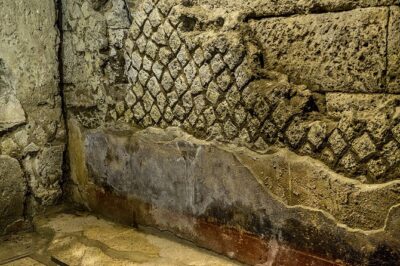
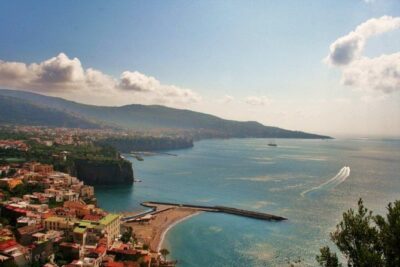
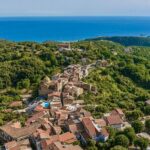
Pisciotta’s historic center is the kind of place that rewards slow steps. From Piazza Pinto, you work your way through older lanes and central spaces that feel designed for foot traffic, not cars. It’s compact, but it never feels rushed. The timing—about 1 hour 30 minutes—sets a good pace: enough time to absorb the atmosphere without turning it into a slog.
What I like most is how the tour treats the village like a living map. You’re not just sightseeing buildings. You’re being guided through why those buildings mattered. You also get the story layer: the Cilento uprisings of 1840 show up as part of the narrative, so you understand what people were dealing with in the 1800s, not just what medieval walls look like today.
You’ll also be in a small group (maximum 25). That matters more than people think in hill-town walks. It makes it easier to hear the guide, pause when you want photos, and keep your bearings. With a mobile ticket, you’re also not stuck with paper chaos before you even start.
Practical tip: wear shoes you trust. Even if you’re fine with stairs, the alleys can be uneven and you’ll likely be climbing more than you expect.
You can also read our reviews of more walking tours in Campania
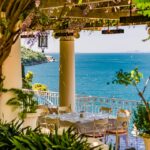
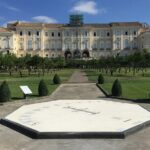
Marquis Palace and Luigi Pappacoda: The Name Behind the Stone
One of the tour’s most interesting threads is Bishop Luigi Pappacoda. He’s described as a promoter of Lecce Baroque in the second half of the 17th century, and the tour begins by connecting him to the Marquis palace area—his birthplace.
This is a nice moment because it’s not abstract. Baroque in southern Italy can feel like a style word until you tie it to a person who mattered locally. When your route passes through the Marquis palace context, you get a sense that the village wasn’t isolated. It sat inside larger cultural currents across the region.
The takeaway for you: you’ll understand what to look for when you see church art and chapel spaces later. The walk builds toward that payoff. First comes the “who,” then comes the “why does the interior matter.”
If you’re into art and culture: this piece gives you a reason to pay attention beyond the usual “pretty church” stop.
Two Noble Chapels: Small Spaces With Big Story Power
Next come the two noble chapels. These are the kind of spaces people often skip in self-guided visits. A guided route helps here. You’re meant to notice the details and understand the role chapels played in village life.
Chances are you’ll see them described as “noble” for a reason—these were not casual rooms. In older towns, chapels often reflect patronage, family identity, and local status. On this walk, they’re treated as key links between the early medieval feel of the center and the later centerpiece you’ll reach in the mother church.
The benefit for you is pacing and focus. Instead of wandering from one doorway to another, you know which stops matter and what kind of vibe to expect in each. These chapel visits also slow you down a touch, which is exactly what you want in a village like Pisciotta.
Watch your footing here too. Chapels and lanes can mean tighter corners and more uneven stone.
The 16th-Century Mother Church: Art From Naples, Right Here
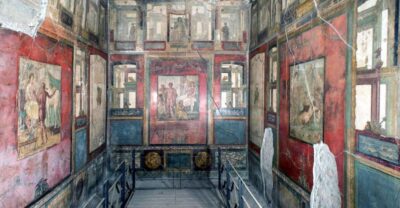
The route culminates at the majestic mother church of the 16th century. This is where the tour shifts from “village history” into “art you can actually look at.”
The promise is clear: it’s a jewel of a church where you can admire works of the eighteenth century in Naples. That’s the kind of phrase that could sound vague on paper, but in practice it gives you a lens. You’re not just seeing an old building; you’re seeing how later artistic trends landed here in Cilento.
What I think is smart about this stop is the way the tour frames it inside the larger story. Earlier stops (Marquis palace context and chapels) prime you to see the church as the final anchor of the route. By the time you’re inside, you’re better prepared to notice what’s “local” versus what came from Naples’ broader artistic world.
What you’ll enjoy most: a church visit that feels connected to a timeline, not a standalone detour.
Cilento Uprisings of 1840: When the Streets Start Talking
One of the tour’s most distinctive ingredients is that it’s accompanied by stories tied to the Cilento uprisings of 1840. That changes the tone. Instead of history being a separate subject, it becomes the thread that explains why the village matters.
For you, this is where the walk can become more memorable. Political and social unrest stories have a way of turning empty spaces into meaningful places. Even if you don’t memorize dates, you start to feel the village’s past as something that affected everyday life.
It also helps that the setting fits the stories. Pisciotta’s center is all narrow streets, small squares, and architectural layers. Put a human story into that environment and suddenly you’re not just looking at corners; you’re imagining what life might have been like.
If you like history: this is the section where the tour earns its value.


The Laboratory Stop: How Local Goods Get Made
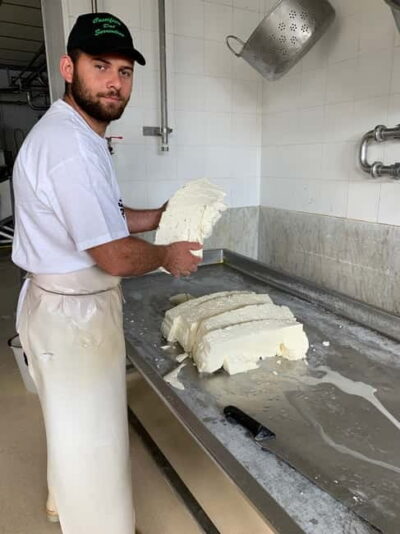
The final part of the experience takes you out of pure sightseeing and into local production. You’ll stop in a laboratory where the owner explains how she makes her products. Then there’s a small tasting and time to shop local delicacies and ceramics.
This is one of those smart tour choices that makes the experience feel useful. You’re not only walking through the past. You’re also meeting the people shaping what you can bring home now.
The area is described as famous for Pisciottano and Alici olive trees, which gives the tasting and product focus a clearer “why.” Olive-based goods can be simple or complex depending on how they’re made, and the owner-led explanation is exactly what turns a purchase into something you understand.
You also get shopping time, and that’s practical. If you’ve ever bought souvenirs without knowing what they are, you’ll appreciate having the products explained first. Ceramics are mentioned too, so you’re not limited to food.
Suggested approach: if you’re buying edible items, ask how to store them. The tasting plus the explanation is the perfect window to get those practical tips.
Value for Money: What $28.97 Really Buys You
At $28.97 per person, this walk is priced like a classic short guided experience. The value comes from the mix: multiple historic stops (palace context, two chapels, and a 16th-century church), a story-driven guide approach (including the 1840 uprisings), and then a production-focused ending (laboratory explanation plus tasting and shopping time).
If you only wanted a quick church photo, you could do it on your own. But you’d miss the “what this means” layer, especially the connections to Luigi Pappacoda and the way the route stitches together different eras.
The short duration also helps your budget. You’re not spending half a day on transport or multiple ticketed activities. It’s about 90 minutes—enough to feel like an experience, short enough to fit into a day that includes other Cilento stops.
And with a maximum group size of 25, you’re not getting a chaotic crowd experience.
Who This Tour Best Fits
This tour fits best if you like:
- Historic centers with real story context
- Church and chapel interiors (or at least the chance to see why they matter)
- Short, guided walking routes with a clear endpoint
- Ending with food/product time instead of just sightseeing
It’s also a good match for people staying locally who want something structured but not too long. Near public transportation helps if you’re arriving by bus or making your way from a nearby base.
One consideration: the village has many alleys and lots of steps. If you’re traveling with mobility limits, this could be tiring. Even if you’re capable, plan for slow pacing and extra breaks.
A Few Smart Tips Before You Go
- Start time matters: it begins at 10:00 am, so you’ll likely be in the village during daytime hours when the streets are easier to navigate.
- Bring water for the walk portion, especially in warm weather.
- Use the lab stop time wisely: if you want olives or olive-tree-related products, ask questions before you buy.
- Plan for stairs: even if you don’t mind steps, your calves will notice by the end.
- Come hungry enough for the tasting, but don’t assume it’s a full meal. It’s described as a small tasting and shopping time.
Should You Book This Walk?
I think you should book this if you want a focused historic-center experience in Pisciotta that goes beyond surface sightseeing. The strongest reason is the story thread: Luigi Pappacoda’s connection, the two chapels, the 16th-century mother church with links to 18th-century Naples art, and then the 1840 Cilento uprising stories that give the streets meaning.
Book it too if you like ending tours with a real-world connection—watching an owner explain how products are made and then tasting and shopping local goods tied to Pisciottano and Alici olive trees.
Skip it if you need a mostly level, minimal-walking experience. Between the alleys and the stairs, you’ll feel the climb. If that’s your situation, you might still enjoy Pisciotta on your own—but this specific guided format may be less comfortable.
FAQ
Where does the tour start and end?
The tour starts at Piazza Pinto and ends back at the same meeting point.
How long is the walking tour?
It lasts about 1 hour 30 minutes.
What does the tour include in the historic center?
You visit the Marquis palace area (birthplace context of Bishop Luigi Pappacoda), two noble chapels, and the 16th-century mother church.
Is there a tasting during the experience?
Yes. At the end, there’s a small tasting along with free time for shopping local delicacies and ceramics.
What happens at the laboratory stop?
You stop at a laboratory where the owner explains how she makes her products.
How big is the group?
The tour has a maximum of 25 travelers.
Can I cancel for a refund?
Yes. You can cancel for a full refund up to 24 hours in advance of the experience start time.