REVIEW · NAPLES
Dark Sky’s in the Florida Everglades
Book on Viator →Operated by Everglades Jeep Tours · Bookable on Viator
Stars start early in the Glades. This Naples-based Jeep outing blends guided Everglades wildlife time with Big Cypress dark-sky stargazing, so you get real nature value before the stars show up. I especially like how the guides connect what you see on the ground to what you’ll see in the sky, and how the group stays small enough for attention.
My second big like is the focus on night photography: there are laser pointers to help you orient fast, and you can end up at an isolated spot with a view for shooting. One thing to keep in mind: the experience requires good weather, so if conditions are poor you’ll likely be offered a different date or a full refund.
In This Review
- Key highlights you should know
- From swamp trails to star charts: how the full 4-hour flow works
- Fakahatchee Strand Preserve State Park: wetlands, ghost orchid habitat, and wildlife spotting
- Expect a guided safari-style experience
- A realistic drawback at this stop
- Big Cypress dark sky in the Florida night: constellations, the Milky Way, and laser-pointer orientation
- What you can realistically expect to see
- Photo help that makes a difference
- Price and what $150 buys you in real terms
- Practical logistics: meeting at Naples, snacks, and what to bring
- Who this Jeep dark-sky tour is best for
- A few realistic expectations before you go
- Should you book Dark Sky’s in the Florida Everglades?
- FAQ
- How long is the Dark Sky’s in the Florida Everglades tour?
- Where does the tour start and end?
- Is pickup available?
- How many people are in a group?
- What’s included in the price?
- Is there a mobile ticket?
- Are snacks allowed?
- Do they provide stargazing help for photos?
- Is the tour weather-dependent?
- Can service animals participate?
Key highlights you should know
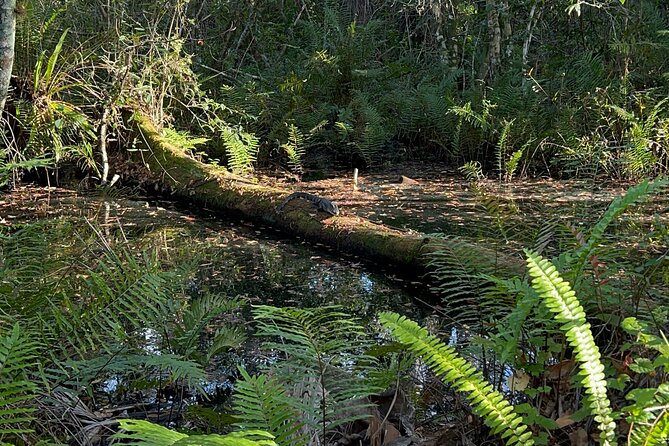
- Fakahatchee Strand Preserve: a linear rain-fed swamp where rare plants get a chance to survive
- Ghost orchid country: the guide can point out where this legendary orchid fits into the habitat
- Small group max 8: easier spotting and more time for questions than larger buses
- Big Cypress dark-sky session: a guided look at constellations away from city glow
- Photo help with laser pointers: you get a practical way to find targets fast at night
From swamp trails to star charts: how the full 4-hour flow works
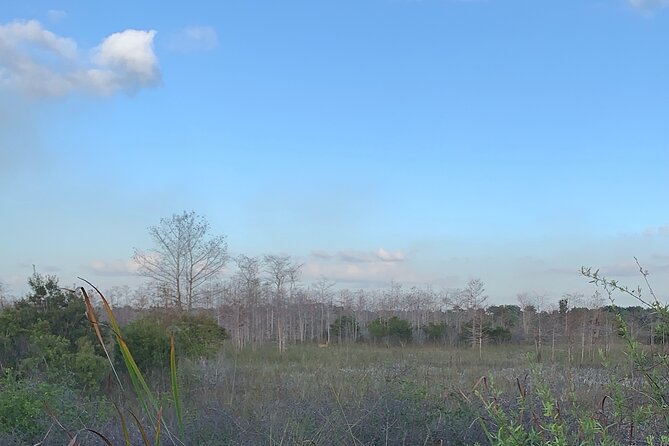
This tour runs about four hours total, counting travel time, and it keeps the pacing simple. You start with daytime-style nature time at Fakahatchee Strand Preserve State Park, then you shift into the night-sky portion at Big Cypress National Preserve. It’s a smart pairing: the Everglades and the night sky both depend on the same thing—good conditions and time outdoors—so you’re not bouncing around for disconnected stops.
You’ll meet at 137 Coast Line Dr, Naples, FL 34114 and the tour includes pickup offered, which matters if you don’t want to coordinate your own parking and timing in the dark. You’ll also use a mobile ticket, so keep your phone charged. The tour is in English, and the max group size is 8 travelers, which is a quiet upgrade for a night activity.
Now the real value is what the guides do with that format. They don’t just say look up. They help you understand what you’re looking at, then they help you do something with it—like take steadier photos or notice wildlife behavior while you’re still in the parks’ daytime ecosystems.
You can also read our reviews of more tours and experiences in Naples.

Fakahatchee Strand Preserve State Park: wetlands, ghost orchid habitat, and wildlife spotting
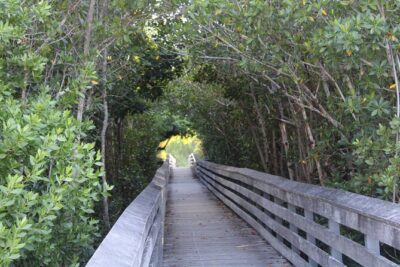
The Fakahatchee Strand Preserve State Park segment is about quality time in a place that feels wild in the best way. The park covers 80,000 acres, and it’s a patchwork of wetlands, cypress domes, and tropical hammocks—so the guide has plenty of material to work with. You’re not just driving past trees; you’re being shown how the habitat functions.
One detail I like is the idea of the Fakahatchee Strand itself: a linear swamp nourished by rainwater. That matters because it explains why the vegetation stays so distinct along the water pathway. If you’ve ever wondered why some trails in Florida look different five minutes apart, this is the kind of place where that makes sense.
Expect a guided safari-style experience
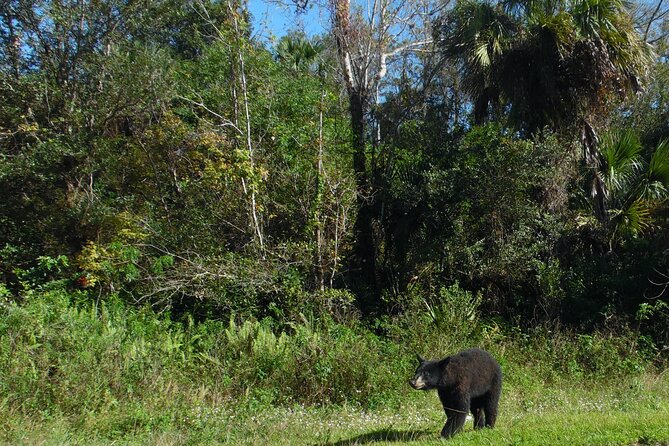
The tour uses a Jeep safari-style approach with expert guidance. That means you’re more likely to spot wildlife without having to guess where to look. The guides focus on native and invasive flora and fauna, and you’ll get explanations for animal behavior and conservation efforts—not just a checklist.
Based on what you’re likely to encounter here, keep an eye out for:
- White-tailed deer
- Birds that wade and birds that soar
- Raptors overhead
- And the chance of seeing larger predators in the broader ecosystem context, including Florida panther (sightings aren’t guaranteed, but it’s part of what the guide looks for)
You should also know the park is tied to rare plant life, including the ghost orchid. The ghost orchid gets talked about a lot, but the practical value here is that a good guide shows you the kind of habitat where it belongs, so you’re not just chasing a celebrity plant.
A realistic drawback at this stop
Night tours tend to blur into one long “look around” moment unless you stay sharp. At Fakahatchee, that can happen if you assume it’s only about animals. The better strategy is to treat it like a guided habitat lesson: listen for why certain plants are where they are, and it becomes easier to understand what you’re seeing.
Big Cypress dark sky in the Florida night: constellations, the Milky Way, and laser-pointer orientation
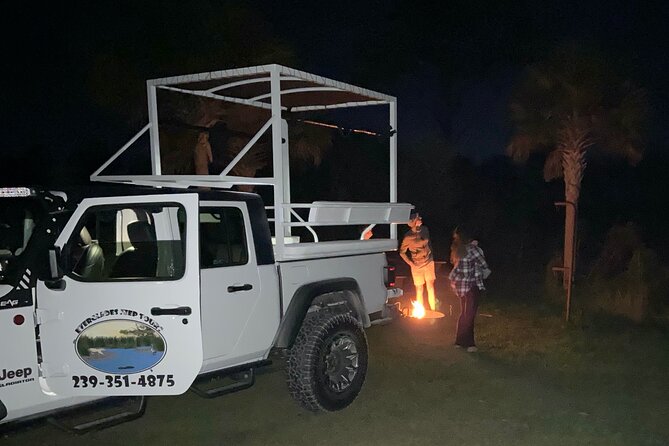
After your swamp time, you shift to the night setting in Big Cypress National Preserve. This is where the tour’s name and purpose really click: you’re in a designated dark sky area, far from city lights, so the stars can look like they belong to a different planet.
This is a stargazing session with structure. The guide uses laser pointers to help you navigate the sky, which is crucial when it’s dark and you’re trying to find specific constellations. Without that kind of pointing help, people spend half the time squinting and the other half trying to remember where the moon went.

What you can realistically expect to see
The big targets are the kinds of sights that only really pop in low light: constellations and the Milky Way’s patterns. In this area, you’re not battling glare from neighborhoods or parking lots. That’s the advantage of designated dark sky territory.
Also, the experience isn’t only about static star maps. You’re likely to get a running talk about celestial stories—what those groupings mean and how to read them. And if the timing lines up, the moon can become part of the scene. One couple highlighted that rising-moon photos turned out incredible, which tells me the guide pays attention to moments that can improve your shots.
Photo help that makes a difference
If you care about photos, this part is built for you. The tour takes you to an isolated area so you can shoot over a lake view, and your guide helps you aim using laser pointing. That’s a practical workflow: get your bearings fast, then refine.
Here’s the mindset shift: instead of photographing the whole sky, you’ll do better focusing on a few targets and learning how they appear relative to each other. With the guide’s help, you’re more likely to leave with images that look intentional instead of random.
Price and what $150 buys you in real terms
At $150 per person, the main question is whether this is just a “nice idea” or a value-forward experience. Based on what’s included, it leans toward the real deal.
You get:
- Entrance fees covered for Fakahatchee Strand State Park and Big Cypress National Preserve
- Bottled water for all
- Bug spray and flashlights provided by the guides
- A guided night-sky experience with laser pointers
- Expert-led interpretation across plants, animals, and conservation
Those inclusions matter more than they sound. Park entrance fees can add up, and for a night tour, gear like flashlights and bug spray isn’t optional—it’s the difference between enjoying yourself and cutting the trip short. Plus, a small group max of 8 travelers can turn $150 from “ticket price” into “attention price.” You’re not fighting for your turn to ask a question.
Also, the tour is listed for about 4 hours total, which is a decent commitment for a night activity from Naples. It’s long enough for both ecosystems, but not so long that you feel stuck outdoors waiting for the stars to do their thing.
One more value point: pickup offered can save time and hassle. You’re paying for a day-night combo plus reduced friction. If you would otherwise have to drive yourself and figure out timing and access, this becomes easier to justify.
Practical logistics: meeting at Naples, snacks, and what to bring
Start point is 137 Coast Line Dr in Naples. The activity ends back at the meeting point. That round-trip setup helps you avoid the usual scavenger hunt of where do we park and who goes where.
Snacks are allowed. The guides have a community cooler with room for snacks you bring. That’s helpful because the tour covers both a nature stop and a dark-sky stop. Even if the water and schedule keep things comfortable, having something small in the cooler can make the difference, especially if you’re sensitive to long waits outdoors.
Since bug spray is provided, I’d still plan to dress for Florida night conditions. Wear shoes you can move in on uneven ground around nature areas, and bring a layer. The tour provides flashlights, but you’ll still want personal control—like a small flashlight or headlamp if you prefer it. Also keep your phone charged for the mobile ticket and for photo review.
For photo lovers, do a quick personal checklist before you leave:
- Make sure you know how to adjust camera settings in the dark
- Decide whether you’ll shoot wide sky shots or pointed targets
- Bring extra storage if you plan to shoot a lot during the stargazing window
Who this Jeep dark-sky tour is best for
This is ideal if you want more than a generic stargazing walk. You’re paying for a blend: wetland ecosystem time and a guided dark-sky sky session. If you enjoy learning why landscapes look the way they do, you’ll likely appreciate how the guides talk about native versus invasive plants, and how animal behavior ties into habitat.
It’s also a strong pick for couples and small groups because the max size is 8 travelers. You’ll get a better chance to hear guidance clearly and to ask questions without feeling like you’re yelling over a crowd.
If you’re traveling with kids, this can work too since it’s described as suitable for all ages. That said, remember it’s outdoors at night, so bring patience for wildlife and the practical pace of spotting and pointing.
Finally, if you’re in Naples and you want a day-to-night shift without driving across multiple areas on your own, the pickup option and round-trip meeting point reduce stress.
A few realistic expectations before you go
This isn’t a guarantee of seeing specific animals at specific moments. Wildlife spotting depends on conditions and animal behavior. What you’re getting is guidance, spotting help, and interpretation, plus the chance to witness how the ecosystem works.
Stargazing is also weather-dependent. The tour requires good weather, so if clouds or poor conditions show up, expect the operators to offer a different date or a full refund. That’s not a bad thing—it’s how you protect the whole dark-sky purpose.
And remember: night photography is easier when you don’t rush. Give yourself time to adjust, accept that the first few shots might be off, and use the guide’s laser-pointer orientation to help you refine.
Should you book Dark Sky’s in the Florida Everglades?
Yes—if you want a guided night-sky experience that’s tied to real Everglades context, this tour is a good fit. The value is strongest when you care about both parts of the evening: learning from the Fakahatchee ecosystem and then getting practical help finding and photographing sky targets in Big Cypress.
I’d especially book it if:
- You’re excited by the Big Cypress dark sky idea and want more than a casual look
- You want help with photo orientation (laser pointers and guided positioning)
- You’d rather spend $150 on a guided, gear-supported outing than juggle two separate self-planned visits
I’d think twice if:
- You hate weather-linked plans, since the experience requires good weather
- You only want stargazing and not the earlier wildlife and plant context
If you go in ready to listen and to look closely—at plants, animals, and the sky—this is the kind of Naples night outing that feels purposeful instead of just pretty.
FAQ
How long is the Dark Sky’s in the Florida Everglades tour?
It lasts about 4 hours total, and that duration includes travel time.
Where does the tour start and end?
It starts at 137 Coast Line Dr, Naples, FL 34114, and it ends back at the meeting point.
Is pickup available?
Yes, pickup is offered.
How many people are in a group?
The tour has a maximum of 8 travelers.
What’s included in the price?
Entrance fees are included for both Fakahatchee Strand Preserve State Park and Big Cypress National Preserve, plus bottled water, bug spray, and flashlights from the guides.
Is there a mobile ticket?
Yes, the tour offers a mobile ticket.
Are snacks allowed?
Yes. There is a community cooler with room for snacks you bring.
Do they provide stargazing help for photos?
Yes. Guides use laser pointers to help you navigate the stars, and the tour includes opportunities for night photography.
Is the tour weather-dependent?
Yes. The experience requires good weather, and if it’s canceled due to poor weather you’ll be offered a different date or a full refund.
Can service animals participate?
Service animals are allowed.