REVIEW · CAMPANIA
Archaeological Park of Velia “An Italian jewel, Costa Campana”
Book on Viator →Operated by Discover Cilento · Bookable on Viator
One site can hold three eras without feeling crowded. That’s the appeal of Torre Velia di Ascea, where you move from Greek traces to Roman paths in a compact archaeological park.
I especially like how the experience is built for real-world Cilento travel, with round-trip private transport from Pisciotta. And once you’re at the site, the visit centers on standout areas like the necropolis and Porta Rosa, plus views from higher ground.
One consideration: this is a half-day on mostly open-air ruins, so you’ll want to be ready for sun, wind, and the fact that the program can change based on conditions.
In This Review
- Key things to know before you go
- Cilento’s ruins are worth it, but getting there can be a hassle
- Torre Velia di Ascea in one sentence: three cultures, one walk
- The half-day plan: how you spend your 4 hours
- Necropolis and Porta Rosa: where the timeline becomes real
- Tower-area views and the bonus of seeing archaeology at work
- Your guide and the small group size: why it feels personal
- Walking comfort: easy paths, but wear the right shoes
- Tickets and the real value of the $77.95 price
- What kind of traveler will enjoy Torre Velia di Ascea most?
- A balanced reality check: maintenance and signage can be inconsistent
- Weather matters here, and it affects your day
- If you want the most from your visit, do this
- Should you book this tour or DIY it?
- FAQ
- What is the duration of the Archaeological Park of Velia tour?
- Where does the tour start and end?
- Is the entrance ticket included in the price?
- How many people are in the group?
- Is transportation from Pisaçotta / hotels included?
- Is the tour suitable for most people?
- Is the site visit dependent on weather?
Key things to know before you go
- Up to 8 travelers keeps the visit conversational, not a rush job
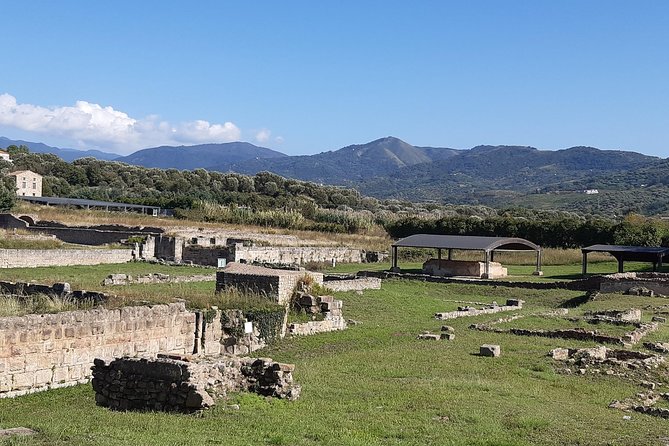
- Necropolis + Porta Rosa give you a clear timeline of Greek, Lucanian, and Roman layers
- Views from the tower area make the ruins feel bigger than the ground you stand on
- Guided visit with an authorized guide helps you read what you’re seeing
- Admission tickets are not included, so budget a separate entry cost for the park
Cilento’s ruins are worth it, but getting there can be a hassle
Cilento is stunning, but it’s not set up for easy hopping between sites by public bus like parts of Italy that cater to day-trippers. If you’re staying around Pisciotta, that matters. You can either spend your energy on schedules and transfers, or you can put that time into the actual archaeology.
This tour makes the logic simple: you get private round-trip transportation and a guided visit at Torre Velia di Ascea. That alone is a big part of the value, because Torre Velia di Ascea is the kind of place that rewards a relaxed pace and good interpretation, not a frantic drive-by.
You can also read our reviews of more tours and experiences in Campania.

Torre Velia di Ascea in one sentence: three cultures, one walk
Torre Velia di Ascea is in the Piana di Velia district in the municipality of Ascea. The site is tied to a broader world of ancient Velia, including important philosophers like Parmenides and Zeno, connected to the Eleatic school and later Hellenistic and Roman development.
What I like about this place is how the story feels physical. You’re not just staring at scattered stones; you’re moving through an archaeological park designed with accessible routes, where you can connect structures to the civilizations that left them behind—Greek, Lucanian, and Roman.
The half-day plan: how you spend your 4 hours
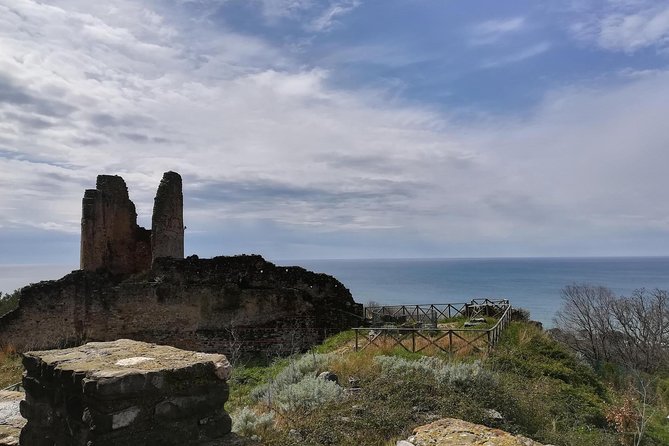
The timing is built as a true half-day. You start at 9:00 am at Via Borgo, 84066 Pisciotta SA, and you return to the same meeting point when the experience ends.
At the center of the schedule is one main stop: Torre Velia di Ascea. That focus is good. It keeps the day from turning into a long itinerary of quick stops, and it gives your guide room to explain the layout, the key zones, and what to look for as you walk.
Also, the experience notes that the program is subject to change. In practice, that usually means timing can shift a bit depending on site realities—weather and conditions come first.
Necropolis and Porta Rosa: where the timeline becomes real
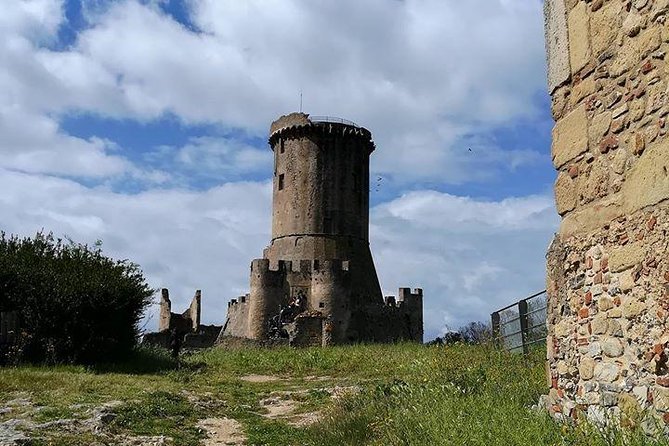
The visit zeroes in on two parts that help you understand the site’s depth: the necropolis and Porta Rosa.
The necropolis is where history stops being abstract. Burial zones are among the most emotionally direct remains of ancient life, and necropolises often show you how later cultures reused or reorganized older spaces. Porta Rosa—described as a journey through time—helps you see the idea of a passage, a boundary, a shift. When you combine the two, the park starts to read like a sequence instead of a collection.
This is exactly the kind of stop where a guide adds value. Without explanation, you can still enjoy the ruins—but with the right framing, you notice details you’d otherwise miss.
Tower-area views and the bonus of seeing archaeology at work
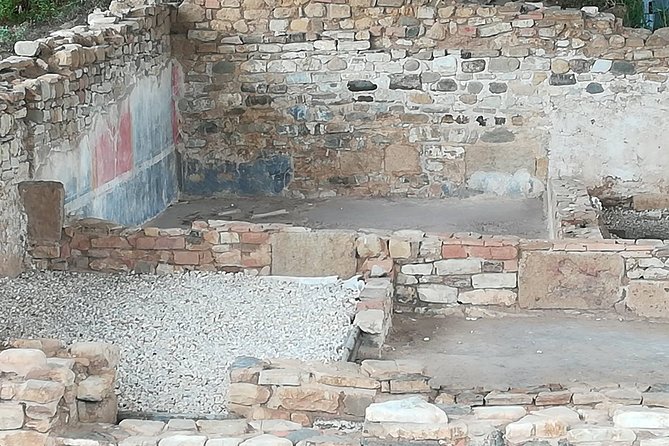
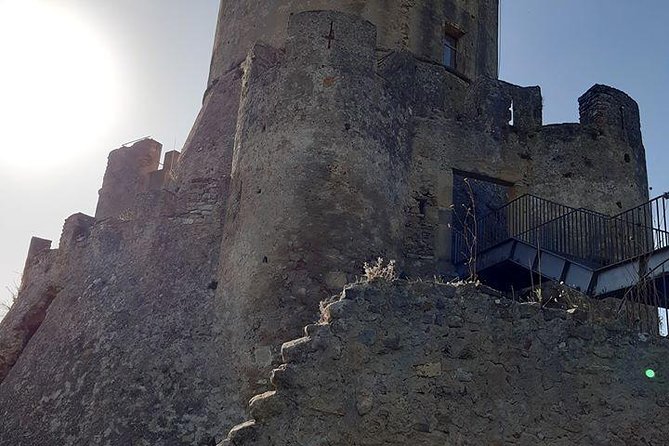
There’s more here than just ground-level ruins. The site includes viewpoints from the tower area, and those heights give you a different sense of scale for the whole region.
One of the best moments is when the park’s current work becomes visible while you’re touring—archaeologists working on site as you visit. That turns the experience from a static museum visit into something more like watching history being uncovered in real time.
And yes, the views from the tower can be a highlight even if you’re not usually a “views guy.” The way the ruins and the surroundings relate makes it easier to understand why people built there in the first place.




Your guide and the small group size: why it feels personal
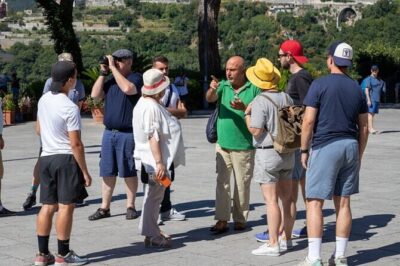
The tour is for a maximum of 8 travelers, which changes the whole tone. Smaller groups mean your questions are easier to answer, and your guide can slow down when something catches your interest.
Guides are authorized, and multiple people highlight that the guidance is engaging and professional. One guide name that comes up clearly is Anna, praised for being knowledgeable and attentive. That matters because Torre Velia di Ascea isn’t one of Italy’s most over-touristed sites. You’ll get more out of it when someone helps you connect the dots.
Also, a handy detail: the site experience is supported by an information tool. Some visitors mention a helpful app that explains different locations on-site. That gives you a second layer of interpretation after the guide points out the main features.
Walking comfort: easy paths, but wear the right shoes
The park is laid out with accessible paths, and you can even walk on parts of old Roman roads. That’s a big deal, because it lets you do more than view from the side.
At the same time, you’re walking on archaeological ground outdoors. One person notes that sturdy shoes aren’t strictly required, but I’d still treat comfortable footwear as non-negotiable—especially if you get any heat or uneven-surface sensitivity.
Bring a bit of practical common sense:
- Plan for sun and wind even if it doesn’t feel hot.
- Keep water handy if you’re the type who gets dry quickly.
- Take your time at the necropolis areas, where the ground can feel different.
Tickets and the real value of the $77.95 price
The price is listed as $77.95 per person, for a tour that runs about 4 hours. What’s included is the big piece: transportation from and to your hotel plus a tour with an authorized guide.
What’s not included: entrance tickets. So the final cost is the base tour price plus whatever entry fee applies at the time you go.
Here’s the value math that makes sense for most people:
- If you would otherwise spend time figuring out transport to a less-served area, the included private round-trip is money well spent.
- If you care about understanding what you’re looking at, paying for a guided visit is usually more efficient than doing it solo—especially in sites where labels alone won’t explain the full story.
This is the kind of tour that feels like good spending, not just a paid box-check.
What kind of traveler will enjoy Torre Velia di Ascea most?
If you like ancient sites that are easier to “read” than the largest, most chaotic attractions, this is a strong match. I’d point you here if you enjoy:
- archaeology that spans Greek, Lucanian, and Roman periods
- guided interpretation that helps you connect structures to history
- a half-day pace that doesn’t drain your whole day
It also fits families or multi-generational groups, because the core tour is built around walking paths rather than technical climbing.
And if you’re the kind of person who appreciates working context—being there while archaeologists work—this adds an extra layer.
A balanced reality check: maintenance and signage can be inconsistent
One downside shows up in an honest way: a guest felt the site maintenance was lacking, mentioning recycled or inadequate signage and tall weeds. That doesn’t ruin the experience, but it can affect how polished the visit feels.
So I’d frame it like this: Torre Velia di Ascea is more about the ruins and the story than about a perfectly managed visitor experience. If you’re okay with that trade-off, you’ll likely be very happy. If you need everything to look crisp and modern, set expectations accordingly.
Weather matters here, and it affects your day
This experience requires good weather. That’s not a small detail. Open-air sites change their comfort level fast if wind or rain rolls in, and the operator can cancel and offer another date or a refund if weather won’t cooperate.
If you’re planning around a tight vacation schedule, it’s worth being flexible—especially because your half-day starts early and depends on conditions.
If you want the most from your visit, do this
You’ll get better results if you treat Torre Velia di Ascea like a short story, not a checklist.
Before you arrive, bring curiosity about these three themes:
- What is a necropolis telling you about ancient beliefs and daily life?
- How does Porta Rosa function as a boundary or passage in the site layout?
- What does the Roman road access let you understand about movement through the city?
During the visit, ask questions. In a small group of up to 8, that’s the difference between seeing ruins and understanding them.
And after your guide points out key spots, use the on-site app information to reinforce what you just learned. It’s the easiest way to keep your brain from sliding back into auto-pilot.
Should you book this tour or DIY it?
Book it if you want a stress-free way to reach a less-visited archaeological site and you value interpretation. The included private transport from Pisciotta is the deciding factor for many people, because Cilento is beautiful but not the simplest place to coordinate on your own.
DIY might make sense only if:
- you already have reliable transport lined up,
- you don’t care much about guided context,
- and you’re comfortable navigating the site with only basic wayfinding.
For most visitors, the combination of small group size, an authorized guide, and a focused half-day plan is the sweet spot.
If your goal is to see ancient layers—Greek to Lucanian to Roman—without turning your day into logistics, I’d say this one is a solid yes.
FAQ
What is the duration of the Archaeological Park of Velia tour?
It lasts about 4 hours (approximately), with the main time spent on the Torre Velia di Ascea archaeological site for a half-day visit.
Where does the tour start and end?
It starts at Via Borgo, 84066 Pisciotta SA, Italy, and it ends back at the meeting point.
Is the entrance ticket included in the price?
No. The tour price includes the guided experience and transportation, but entrance tickets are not included.
How many people are in the group?
The group maximum is 8 travelers, which keeps the visit smaller and more interactive.
Is transportation from Pisaçotta / hotels included?
Yes. Transportation from and to your hotel is included in the experience.
Is the tour suitable for most people?
Most travelers can participate. Comfortable walking shoes are recommended.
Is the site visit dependent on weather?
Yes. The experience requires good weather, and if it’s canceled due to poor weather, you’ll be offered a different date or a full refund.