REVIEW · NAPLES
Herculaneum Private Tour with an Archaeologist
Book on Viator →Operated by Askos Tours · Bookable on Viator
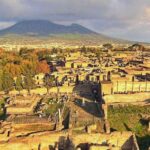
Herculaneum feels like a Roman city paused. A private archaeologist-guided stroll through the ruins of Ercolano is a smart way to read daily life in the first century, before the eruption of Mount Vesuvius turned everything to ash and stone. I like that the experience is family friendly and built around short, focused stops you can actually process.
Two things I’d put at the top of your list: first, the private format means you can ask questions and slow down when something catches your eye. Second, the tour mixes big-picture spaces with specific house details, so you get more than a blur of walls—expect a tour that connects homes, terraces, and the Central Thermae area into one story.
One possible drawback: the listing title promises an archaeologist, and there has been at least one complaint about a guide’s credentials not matching that promise. If archaeologist expertise is the whole reason you booked, ask for confirmation of who you’ll be with before you commit.
In This Review
- Key Highlights You’ll Feel During the Walk
- Herculaneum’s Frozen-Street Magic (and Why It’s Not Like Pompeii)
- Meeting Point at the Red Building on Via dei Papiri Ercolanesi
- Price and Value: What $178.38 Covers (and What It Doesn’t)
- Entrance Tickets You Pay Separately
- How the 2-Hour Private Format Works (11 Stops, Short and Sharp)
- Stop-by-Stop: From College of the Augustales to the House of the Deer
- Stop 1: College of the Augustales (quick context start)
- Stop 2: House of the Skeleton (a striking name, a memorable moment)
- Stop 3: Casa del Rilievo di Telefo (sculpture and storytelling)
- Stop 4: Partem Domus lignea – Casa del Tramezzo di Legno (a house feature you can picture)
- Stop 5: La Terrazza di M. Nonio Balbo (a terrace that changes the viewpoint)
- Stop 6: House of the Black Salon (style, comfort, and status cues)
- Stop 7: Casa Sannitica (regional identity through architecture)
- Stop 8: Central Thermae (community space, not just private rooms)
- Stop 9: Casa del Bel Cortile (courtyard living)
- Stop 10: House of the Grand Portal (what an entrance says)
- Stop 11: House of the Deer (final highlight with a memorable name)
- The Guide Factor: Names to Watch for (and Why Credentials Matter)
- Comfort and Practical Tips for a Smooth Ruins Walk
- Who This Tour Fits Best
- Should You Book This Herculaneum Archaeologist Tour?
- FAQ
- Where do we meet for the Herculaneum private tour?
- How long is the tour?
- Is the Herculaneum entrance ticket included?
- Is this tour private?
- What language is the tour offered in?
- Is transportation included?
- Are food and drinks included?
- Is there luggage storage at the meeting point?
- Can service animals join?
- What is the cancellation policy?
Key Highlights You’ll Feel During the Walk
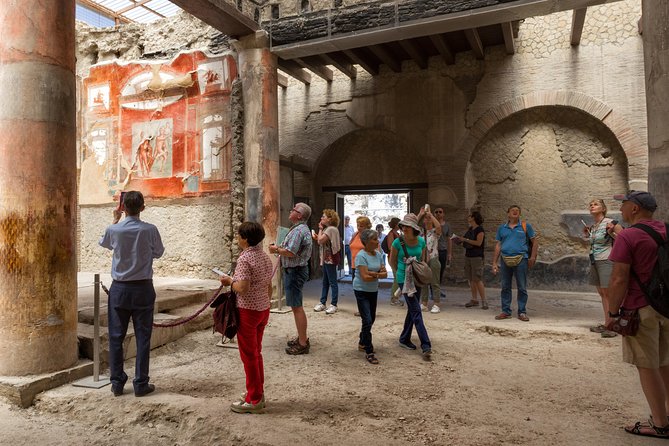
- Private-only experience: only your group, not a shared shuffle with strangers
- 11 named sites in about 2 hours: houses, terraces, and the Central Thermae area with a steady rhythm
- English guidance with big Q&A potential: short stops mean you can get answers fast
- Herculaneum’s preservation matters: the site’s smaller and often feels easier to grasp than Pompeii
- Site entry is separate: you’ll budget entry tickets on top of the tour price
Herculaneum’s Frozen-Street Magic (and Why It’s Not Like Pompeii)
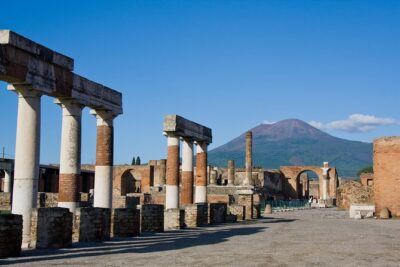
Herculaneum hits different because it’s smaller, more readable, and famously better preserved than Pompeii. That matters on a guided tour: you can actually track how streets, homes, and public spaces connect instead of racing from one major landmark to the next.
On this Herculaneum private tour with an archaeologist, the pacing helps. You’re not just looking at ruins—you’re learning how the place worked as a real town, including the everyday rhythm suggested by houses and community spaces.
If you’re the type who likes turning ruins into people, this is the right format. When the guide knows what to point out, you start spotting the same patterns across different houses—layouts, entrances, and the way space was used.
You can also read our reviews of more private tours in Naples


Meeting Point at the Red Building on Via dei Papiri Ercolanesi
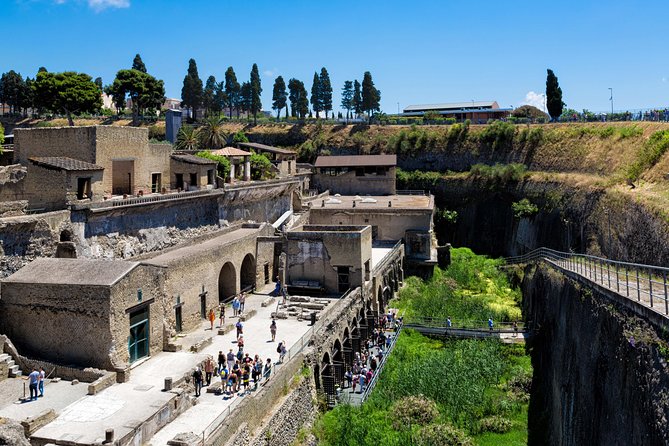
You meet outside the ticket office of the archaeological site, in a red building. The start point is Via dei Papiri Ercolanesi, 80056 Ercolano NA, Italy, and the tour ends back at the same meeting place.
Two practical perks help a lot. There’s a free luggage store at the meeting point, and the site is near public transportation, so you’re not stuck planning a complicated transfer just to meet your guide.
Plan your timing around heat and sun, especially if you’re traveling in summer. One of the most useful pieces of advice I’d follow is to choose an earlier slot rather than the hottest part of the day.
Price and Value: What $178.38 Covers (and What It Doesn’t)
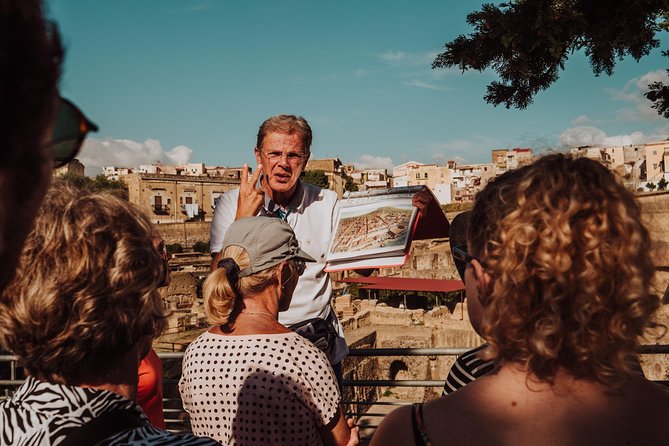
The tour price is $178.38 per person, lasting about 2 hours. It’s a private tour, guided in English, with multiple time slots throughout the day.
Here’s the value equation: you’re paying for a trained guide plus a tight itinerary that gets you to the most meaningful pieces of the site without wasting time wandering. Since the tour itself doesn’t include the Herculaneum entrance ticket, you should budget for site entry separately (more on that below).
Not included is also important: transportation, food, and drinks are on you. That’s fine, but it means you should bring what keeps you comfortable (especially water) and plan for a snack break outside the tour window if you need one.
Entrance Tickets You Pay Separately
Herculaneum entry tickets are listed as €16 for adults and €2 for EU citizens ages 18–25. If your group includes younger EU citizens, this can make the overall spend drop quickly.
How the 2-Hour Private Format Works (11 Stops, Short and Sharp)
The tour is designed around quick, readable segments. Each stop is about 10 minutes, so you get a sequence of highlights instead of one long lecture at the same spot.
That style is great for families and for mixed ages. Short stops keep kids engaged and keep adults from zoning out mid-explanation.
It’s also a good match if you want to see a lot without feeling rushed. Private tours can go two ways—either your guide fills every second, or you get a calm, responsive pace. The structure here leans toward the second option.
One more note: this tour has group discounts and is often booked around 45 days in advance. If your dates are fixed, I’d book early enough to lock in the time slot you want.

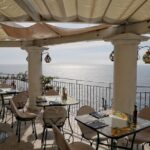
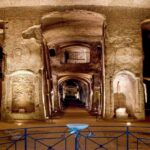


Stop-by-Stop: From College of the Augustales to the House of the Deer
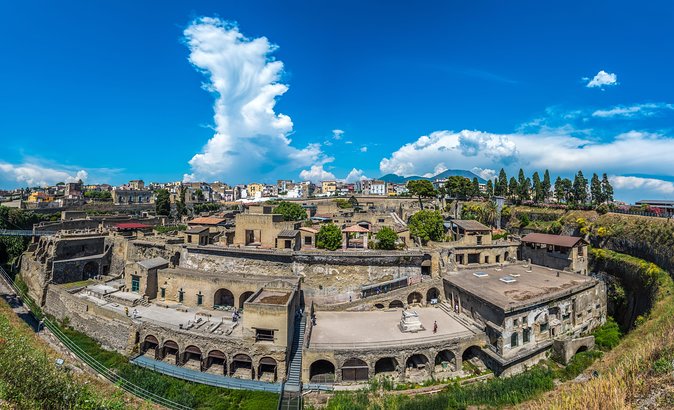
You’ll move through 11 named areas. I like this setup because each stop feels distinct, and the guide can connect details as you go.
Stop 1: College of the Augustales (quick context start)
You begin at the College of the Augustales. Even in a short visit, this kind of stop is useful because it sets the tone for how organized community roles show up in Roman life.
Drawback to know: it’s only about 10 minutes here, so don’t expect a deep dive into any one building on this itinerary.
Stop 2: House of the Skeleton (a striking name, a memorable moment)
Next is the House of the Skeleton. Names like this tend to make you look harder at what’s in front of you, because the guide can explain what makes the house stand out.
In a short stop, the best payoff is learning how to interpret the space. You’ll want your guide to point out what the layout suggests about everyday movement through a home.
Stop 3: Casa del Rilievo di Telefo (sculpture and storytelling)
You’ll visit Casa del Rilievo di Telefo, also called the House of the Relief of Telephus. This stop is where Roman art and myth-style themes often get explained through the building itself.
The practical value here is that art in a ruin can feel random. A good archaeologist-led guide gives it meaning, and helps you understand why it was placed where it was.
Stop 4: Partem Domus lignea – Casa del Tramezzo di Legno (a house feature you can picture)
You then see Partem Domus lignea – Casa del Tramezzo di Legno, the House of the Wooden Partition. The name alone is a clue: it’s about interior structure, how rooms could be separated, and what that says about how people lived.
Because the stop is short, ask your guide to frame it in plain terms: what does a wooden partition change about privacy, airflow, or how you’d use the space?
Stop 5: La Terrazza di M. Nonio Balbo (a terrace that changes the viewpoint)
Next is La Terrazza di M. Nonio Balbo. Terraces are where you start thinking about views and daily rhythms—light, shade, and the way a home faced outward to its surroundings.
This is also a nice mental break. Looking out from a terrace-style space tends to make the ruins feel less like museum display and more like lived-in architecture.
Stop 6: House of the Black Salon (style, comfort, and status cues)
You’ll visit the House of the Black Salon, often linked to the Salon of Nero. A stop like this is meant to show how room design signals taste and social status in Roman homes.
Quick stop tip: if the guide mentions decoration or color, pay attention to how that detail would’ve looked in real life. Color effects get lost in ruins unless the guide puts you back in the original context.
Stop 7: Casa Sannitica (regional identity through architecture)
Then comes Casa Sannitica. Even without a long stop, it’s valuable because it can broaden the story from one type of home into the idea that buildings can reflect different influences.
This stop is often where a guide can help you avoid the trap of thinking all Roman homes were identical. The variety is the point.
Stop 8: Central Thermae (community space, not just private rooms)
You’ll visit the Central Thermae. This stop matters because it turns your tour from home life into community life.
If you’ve only visited ruins without guidance, it’s easy to forget that public or semi-public spaces were part of everyday routines. A guide helps you connect the thermae area to how people spent time together.
Stop 9: Casa del Bel Cortile (courtyard living)
Next is Casa del Bel Cortile, also described as the House of the Fine Courtyard. Courtyards are one of the easiest features for a guide to explain, because they affect light, air, and how different rooms relate.
In a short stop, you’ll get the best result if you ask how the courtyard would’ve shaped daily movement through the house.
Stop 10: House of the Grand Portal (what an entrance says)
Then you’ll see the House of the Grand Portal. Entrances tell a story faster than most details: they hint at how visitors were received and how the home wanted to be seen.
This is a great place to ask, in plain language, what the portal tells you about social identity. A strong guide can connect this detail to how Roman households operated.
Stop 11: House of the Deer (final highlight with a memorable name)
You end at the House of the Deer. Like the Skeleton house, the name helps you remember the site because it’s specific.
By the end, you should feel like the city has more coherence. You’ve seen enough varied pieces that the tour stops don’t feel random.
The Guide Factor: Names to Watch for (and Why Credentials Matter)
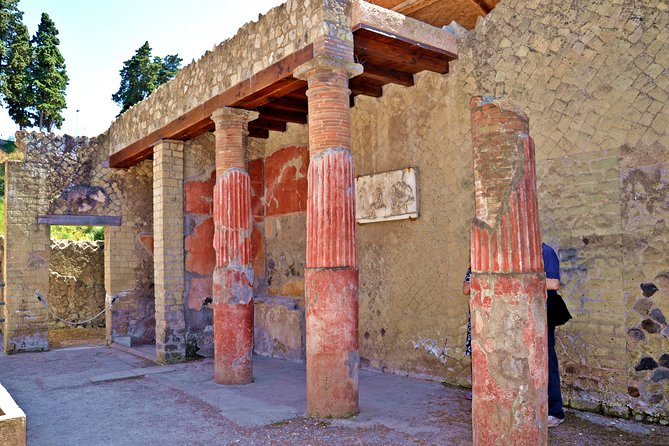
The tour includes guidance and assistance by an Archaeologist guide, and the overall rating is very high. In the published feedback, certain guides come up repeatedly, including Mena, Michele Lamberti, Lucio, Daniela, Luciano Leone, Sara, Giuseppe, and Antonella.
That name list isn’t just trivia. The best part of a private archaeology tour is the way the guide turns visible features into explanations you can carry in your head. When the guide is strong, you stop seeing piles of stone and start seeing decisions people made.
One caution, based on at least one critical comment: the experience title emphasizes an archaeologist. If you care deeply about credentials, don’t be shy about verifying who you’ll meet and what background they have.
Comfort and Practical Tips for a Smooth Ruins Walk
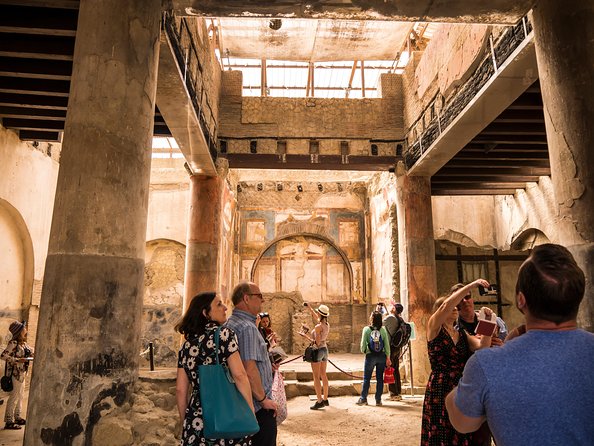
This tour is 2 hours and fairly compact, but you’ll be doing a walking circuit through outdoor ruins. Wear shoes that handle uneven ground.
Since food and drinks aren’t included, build your comfort plan. If you’re doing this in summer, choosing an earlier slot helps with heat, and packing water is a smart move.
Also use the free luggage store at the meeting point if you’re traveling with bags. It keeps you from carrying extra weight during the walk, which makes the experience feel easier from the start.
Finally, remember it’s in English. If English isn’t your strongest language, you’ll still likely understand the big visual beats, but you’ll get more value if you can follow the guide’s explanations clearly.
Who This Tour Fits Best
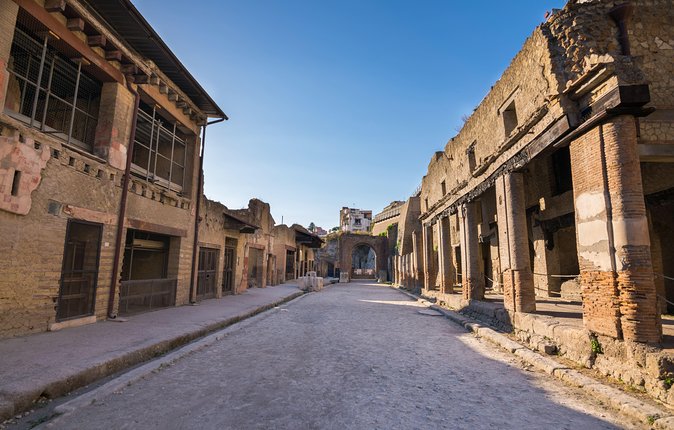
This one is a good match if you want a private experience and you like structured sightseeing with real interpretation. It’s also a strong pick for families because the stops are short and the pace is controlled.
If you’ve visited Pompeii already and want something less chaotic, this tour can feel easier to digest. Herculaneum’s smaller footprint helps you understand the place as a town rather than a list of famous spots.
If you’re on a tight schedule, 2 hours is a manageable window. You’ll see major named sections without losing the entire day to transportation and logistics.
Should You Book This Herculaneum Archaeologist Tour?
Book it if you want guided meaning, not just photographs. The private format, the 11-stop structure, and the mix of houses plus the Central Thermae area make it a value-friendly way to learn how the town worked.
Consider a second look if an archaeologist credential is your deal-breaker, since there has been at least one complaint about credentials not matching the advertised title. If you’re flexible and you’re mostly buying expertise plus a tight route, you’re likely to be very happy with the experience.
If you can, lock an earlier time slot and plan your budget for the entrance ticket separately. Do that, and you’ll spend your two hours focused on what you came for: seeing Herculaneum with the help of someone who knows what to point out.
FAQ
Where do we meet for the Herculaneum private tour?
You meet outside the ticket office of the archaeological site, in a red building.
How long is the tour?
The tour duration is about 2 hours.
Is the Herculaneum entrance ticket included?
No. Entrance tickets are not included. The listed entry prices are €16 for adults and €2 for EU citizens ages 18–25.
Is this tour private?
Yes. It’s a private tour/activity, so only your group participates.
What language is the tour offered in?
The tour is offered in English.
Is transportation included?
No. Transportation is not included.
Are food and drinks included?
No. Food and drinks are not included.
Is there luggage storage at the meeting point?
Yes. There is a luggage store for free at the meeting point.
Can service animals join?
Yes. Service animals are allowed.
What is the cancellation policy?
You can cancel for a full refund up to 24 hours in advance of the experience start time. If you cancel less than 24 hours before, the amount paid is not refunded.