REVIEW · NAPLES
Naples: Half-Day Pompeii Tour
Book on GetYourGuide →Operated by BLU WELCOME TRAVEL · Bookable on GetYourGuide
Pompeii in half a day feels oddly doable. This tour is built around getting you from Naples into the ruins fast, with skip-the-line entry and a guided route that keeps the focus tight. I like that you get brief photo stops built into the flow, so you’re not just staring at your feet while moving from crowd to crowd.
The best part is the guided sequence through major highlights like the thermal baths, the Lupanare brothel frescoes, the Macellum market area, and the House of Faun. The main drawback is pacing: one past customer called out a rushed end-of-tour window for shopping or food, so if you want extra free time on your own, you should go into this day expecting a schedule.
In This Review
- Key highlights worth knowing before you go
- A half-day Pompeii plan that actually fits Naples
- Naples pickup and the ride to Pompeii: your day starts with time saved
- Skip-the-line entry: what that time gain is really worth
- Inside Pompeii: from thermal baths to the House of Faun
- The thermal baths: daily life you can picture fast
- Lupanare brothel frescoes: why the art gets remembered
- The Macellum and its tabernae: the market rhythm
- Famous workshops: industry in plain view
- The Basilica: civic space, not just a building
- The House of Faun: what an elite residence teaches you
- Route changes, maintenance swaps, and why it affects your expectations
- Photo stops: how to use the brief pauses without losing the flow
- Pacing, guides, and the one thing you should watch for
- Group size, live guiding, and audio plans that matter
- Weather and what to wear: small choices that save your day
- Price and value: is $105 a fair deal for this structure?
- Should you book this half-day Pompeii tour?
- FAQ
- How long is the Pompeii visit during this tour?
- Does this tour really skip the ticket line?
- What languages are the guide and commentary offered in?
- Is pickup included from Naples?
- What happens if a building is closed for restoration?
- Can I cancel or pay later?
Key highlights worth knowing before you go
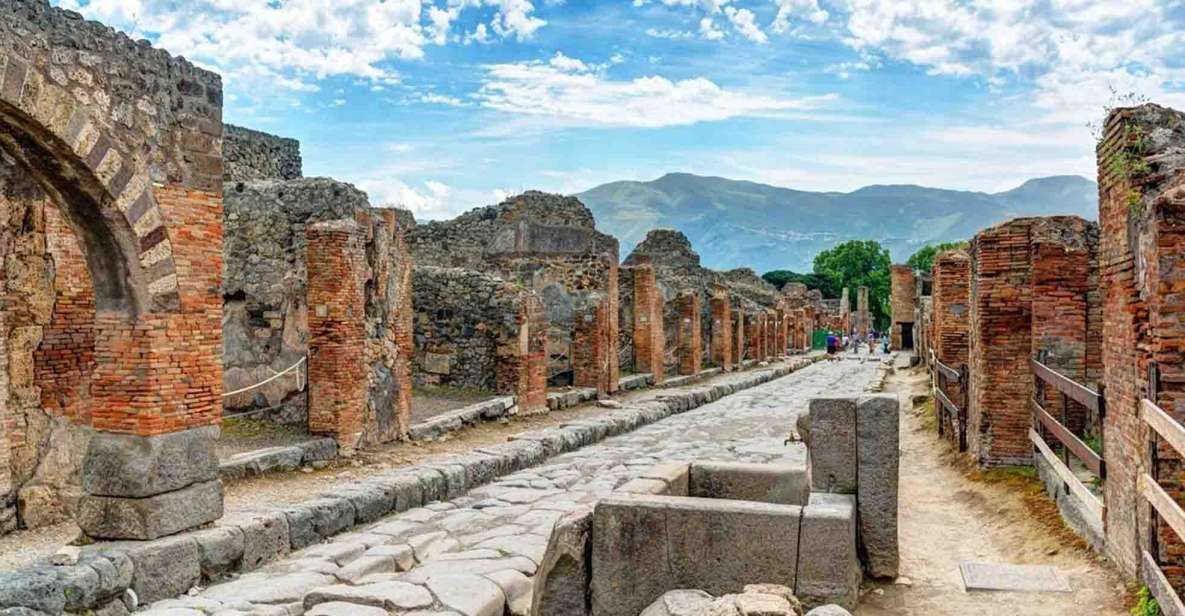
- Skip-the-line entry so you lose less time at the ticket office
- About 1.5 hours inside Pompeii with a guided route that shifts by crowds and weather
- Big-name stops in one sweep: thermal baths, Lupanare frescoes, Macellum, workshops, Basilica, House of Faun
- Photo-friendly timing with brief pauses during the walk
- Restoration work won’t kill the tour: the guide swaps in an alternative building if needed
- English or Italian live guiding, with audio support for smaller groups
A half-day Pompeii plan that actually fits Naples
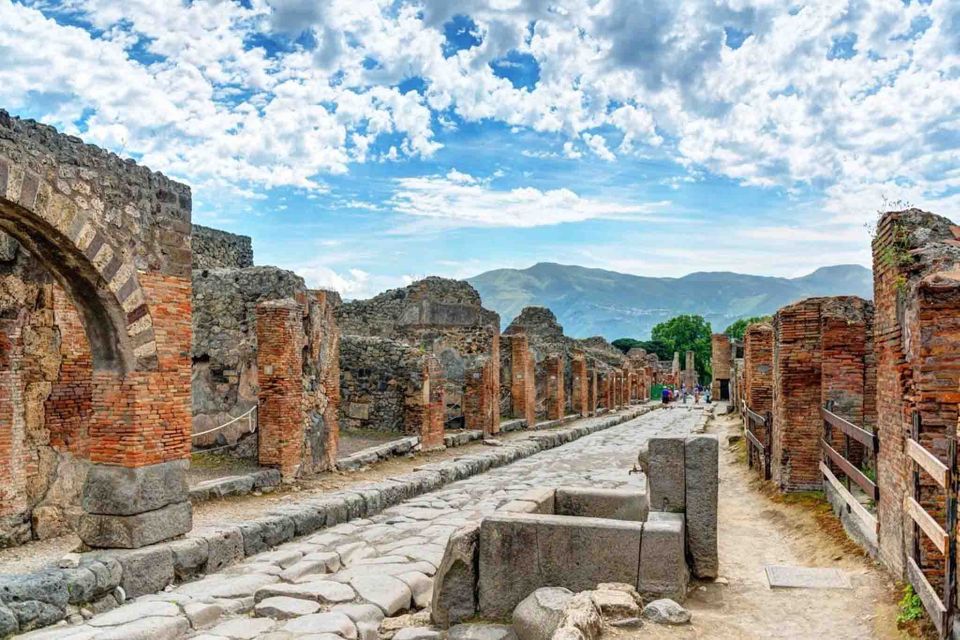
If you’re staying in Naples, Pompeii can either feel like a quick detour or a whole-day project. This tour chooses the quick-detour approach, but it doesn’t feel like a drive-by. In four hours total, you’re set up for a structured visit: transfer time out of Naples, then a concentrated guided walk inside the ruins, then back to Naples.
That short format matters. Pompeii is large, and the site can overwhelm you if you’re wandering without a plan. Here, you get a route that targets the places people remember—yet you’re not stuck in one long lecture. You’ll get facts on what you’re seeing, plus enough stops to orient yourself visually.
One more nice touch: the tour runs in all weather conditions. That means you don’t have to gamble your day based on a forecast. You do need to show up prepared, though, because you will be walking.
You can also read our reviews of more tours and experiences in Naples



Naples pickup and the ride to Pompeii: your day starts with time saved
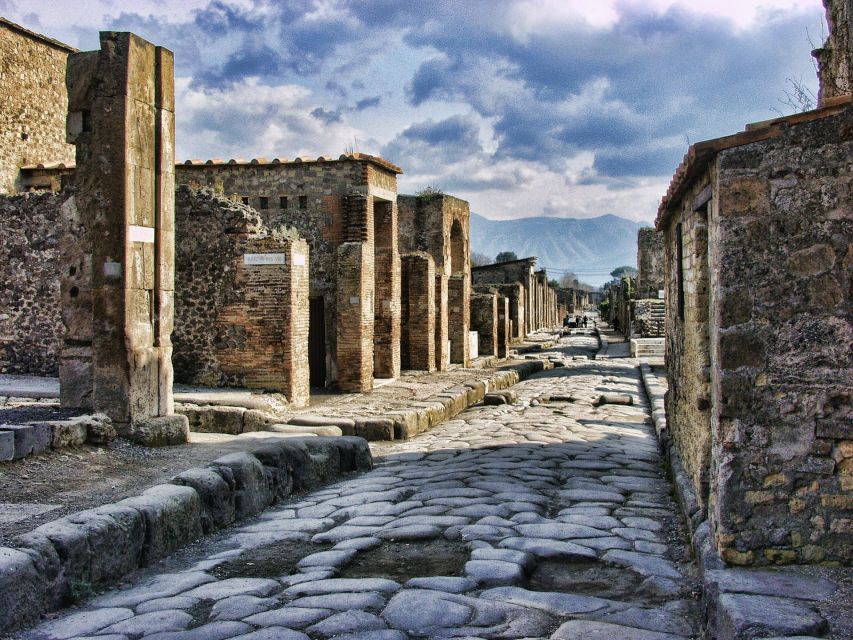
The day begins with a driver picking you up in Naples at your accommodation or a selected meeting point. You also get commentary on board during the transfer, which is a practical win. Even a short ride helps you get oriented before you hit the archaeological zone.
Then you meet your archaeological guide in Pompeii. The handoff matters because Pompeii can feel chaotic when you arrive. With a guide waiting, you reduce that first-stress moment of figuring out where to enter, how the route works, and what order to see things in.
This is also where the “half-day” format shows its value. You’re not sitting around for hours. You’re moving.
Skip-the-line entry: what that time gain is really worth
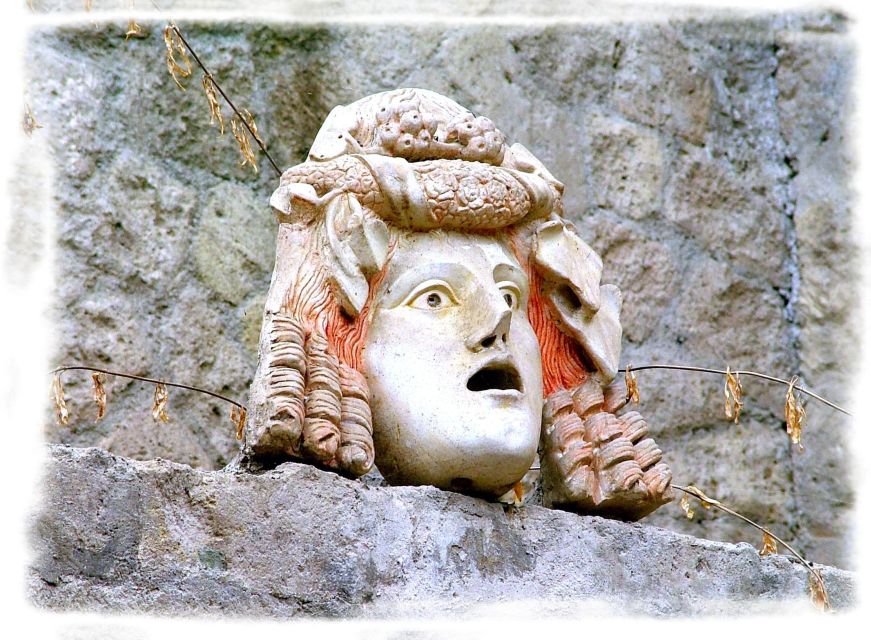
Skip the line at the ticket office is not a small perk. In busy seasons, that bottleneck can quietly eat up the exact hours you hoped to spend inside. By removing that delay, the tour protects the core experience: the guided walk.
Once inside, your guide leads you through the most interesting areas and gives context as you go. That pacing is important for understanding Pompeii. The ruins aren’t just pretty leftovers; the way buildings relate to each other—markets, public areas, baths, and private houses—helps the whole place make sense.
Also, because the route can change based on crowds and weather, skip-the-line entry acts like a buffer. If you get rerouted slightly, you’re less likely to lose the guided coverage that makes the tour worthwhile.
Inside Pompeii: from thermal baths to the House of Faun
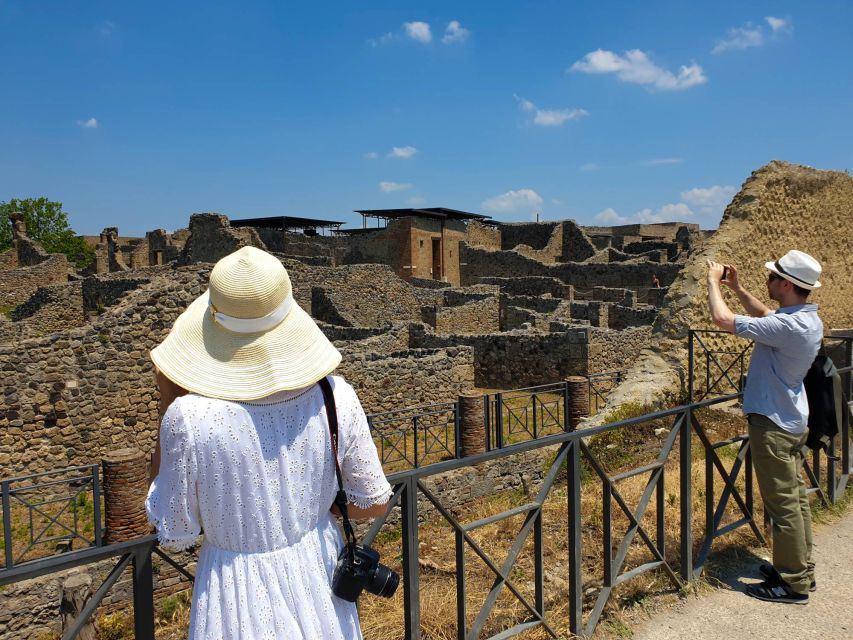
Your guided time inside the ruins lasts about 1.5 hours. That doesn’t sound like much until you see what you get packed into it: several signature areas, each with a clear explanation of what you’re looking at and why it matters.
Here’s the core sequence you can expect, with a practical note on what each stop tends to feel like:
The thermal baths: daily life you can picture fast
You’ll start with the thermal baths, which is one of the quickest ways to make Pompeii feel real. Baths were social spaces as much as they were practical ones. When your guide points out the layout and how the spaces relate, you begin to understand how Romans used these buildings every day.
For a short tour, baths are a smart anchor. Even if you don’t know ancient architecture terminology, you can still see the functions in the layout.




Lupanare brothel frescoes: why the art gets remembered
Next come the frescoes of the Lupanare brothel. This stop tends to stick with people because it’s visually specific and emotionally jarring—exactly the kind of detail that helps Pompeii feel human rather than abstract.
Your guide will explain what you’re looking at, not just ask you to stare. That makes a difference, because otherwise this area can feel like shock value. With context, it becomes part of a larger picture: how public and semi-private spaces worked in a city where walls carried messages.
The Macellum and its tabernae: the market rhythm
The Macellum is the market area, including the tabernae—shops tied to commerce. This stop helps you shift from “wow, ruins” to “oh, this was a working city.”
If you’ve ever wondered how people ate, bought, and lived in the same places we now walk through on stone streets, this is where the answer clicks. Your guide’s commentary helps you connect the built environment to daily routines.
Famous workshops: industry in plain view
Pompeii’s workshops show another side of life: making, selling, and crafting. Seeing these spaces on a guided route matters because the guide can point out how the areas functioned together, rather than leaving you with a set of unrelated ruins.
For photos, workshops can be tricky because of crowd angles, but your tour includes brief photo stops. Use them wisely: stand where you can capture more than one element, not just one wall.
The Basilica: civic space, not just a building
The Basilica is a public building tied to civic life. Your guide will walk you through why it mattered in the city’s routine—how people used major public spaces and why those spaces were built to host activity.
In a half-day tour, civic sites like this are useful because they broaden your understanding beyond homes and entertainment. They remind you that Pompeii wasn’t only domestic life. It was administration, meeting places, and formal public activity.
The House of Faun: what an elite residence teaches you
You’ll also see the House of Faun. This kind of household gives you a window into status and domestic design. Your guide will highlight what’s significant about the space, and you’ll likely leave thinking more about daily comfort and display than just politics or commerce.
For most people, this is where Pompeii stops feeling like a checklist and starts feeling like a city with neighborhoods and social layers.
Route changes, maintenance swaps, and why it affects your expectations
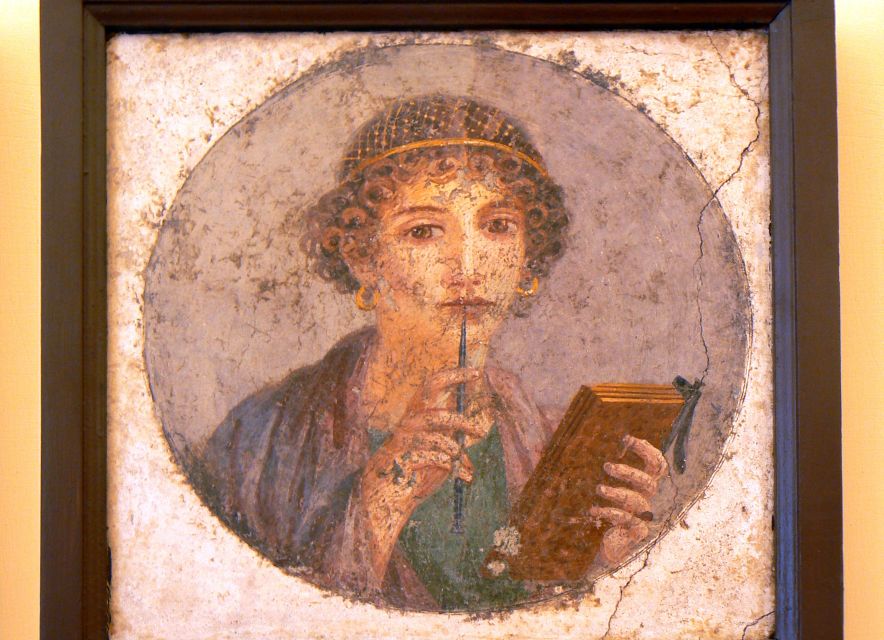
Pompeii is still an active restoration site. If certain villas or buildings are under maintenance, your guide replaces the visit with an alternative building.
This is one of those details that matters more than it sounds. It means you won’t necessarily see exactly the same photo-worthy structure as someone else did—but the tour is still designed to deliver the main themes: baths, market life, art, civic spaces, and elite homes.
I’d treat this as a normal part of visiting Pompeii, not a failure. What you want is consistent guided coverage, and the structure is there to keep that happening.
Photo stops: how to use the brief pauses without losing the flow
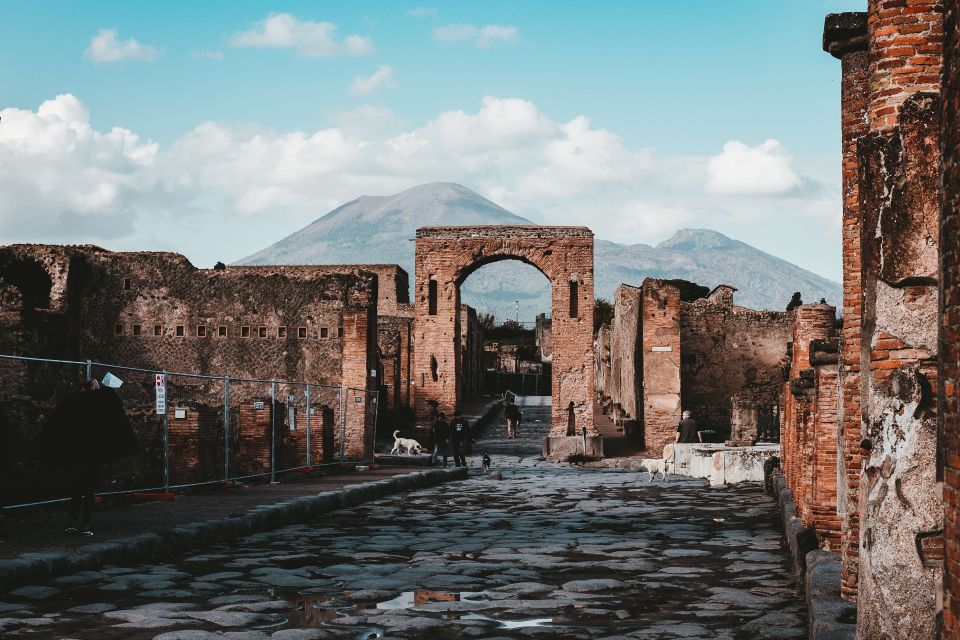
Your tour includes chances to take several photos during brief stops. That’s good news if you’re the type who wants images for later, but it also means you should plan to move quickly between shots.
A simple strategy: take one wider photo to anchor the setting, then one closer shot for a detail your guide mentions. That way, you’ll have both the context and the memorable element after the day ends.
Also, crowds can shape what’s possible. The tour route depends on crowd levels and weather, so sometimes the best angle isn’t the one you’d pick alone. Let the guide’s timing guide you.
Pacing, guides, and the one thing you should watch for
This is where the review feedback becomes useful. The guide experience seems to vary by booking. One review highlighted Nancy as a great tour guide, with strong storytelling and a solid sweep of the more interesting places. Another praised a guide named Alessandra for showing things that are a bit less touristy.
That tells me the “quality” lever here is the guide style. If your guide is the kind who connects what you see to how the city functioned, the half-day feels satisfying. If the group pacing gets rushed, the experience can feel too compressed.
One critique also stood out: a coordinator named Teresa was described as rude and rushed, with the tour ending with only about 10 minutes for shopping or food before getting back on the bus for a next group. You can’t control that part of the operation, but you can protect yourself.
My advice: don’t schedule anything right after you’re back in Naples. Build in buffer time for the way the day ends. If you want snacks or souvenirs, grab what you need during the planned window and accept that there may not be extra time.
Group size, live guiding, and audio plans that matter
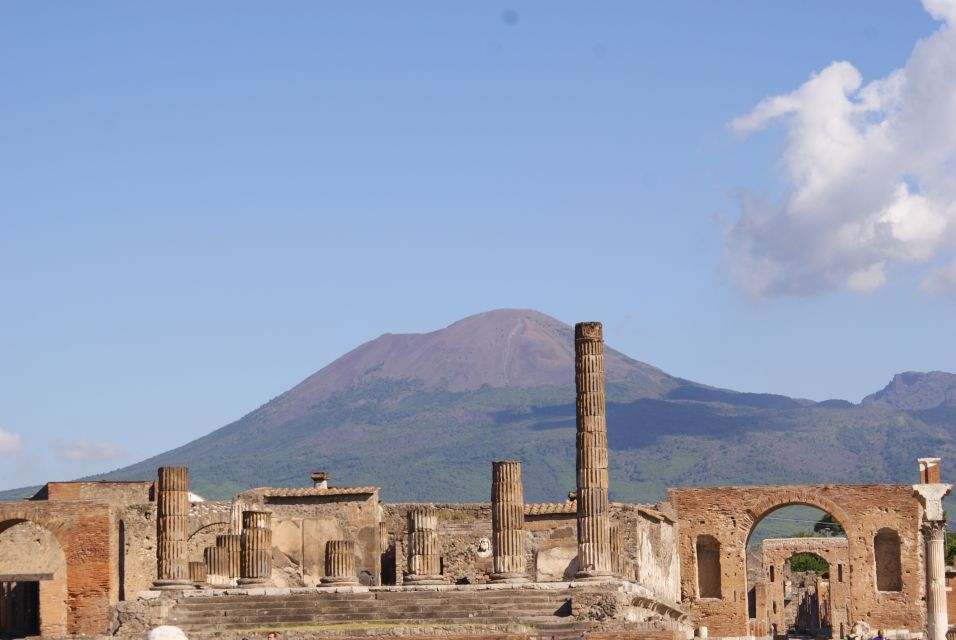
You’ll get a live guide in English or Italian. The tour operates with a minimum of 6 participants, and groups up to 5 get audioguides instead.
That matters for what you’re getting. With live guiding, you can ask quick questions or follow along with explanations tailored to what you’re seeing. With audio, you’ll still get information, but it’s less flexible and can be harder to sync with the group’s exact pace.
If you really want guided interpretation—especially for areas like the Lupanare frescoes and the civic context—aim for a booking that’s likely to meet the minimum group size. If you end up in an audioguide group, just know the experience will feel more like self-guided touring with structure.
Weather and what to wear: small choices that save your day
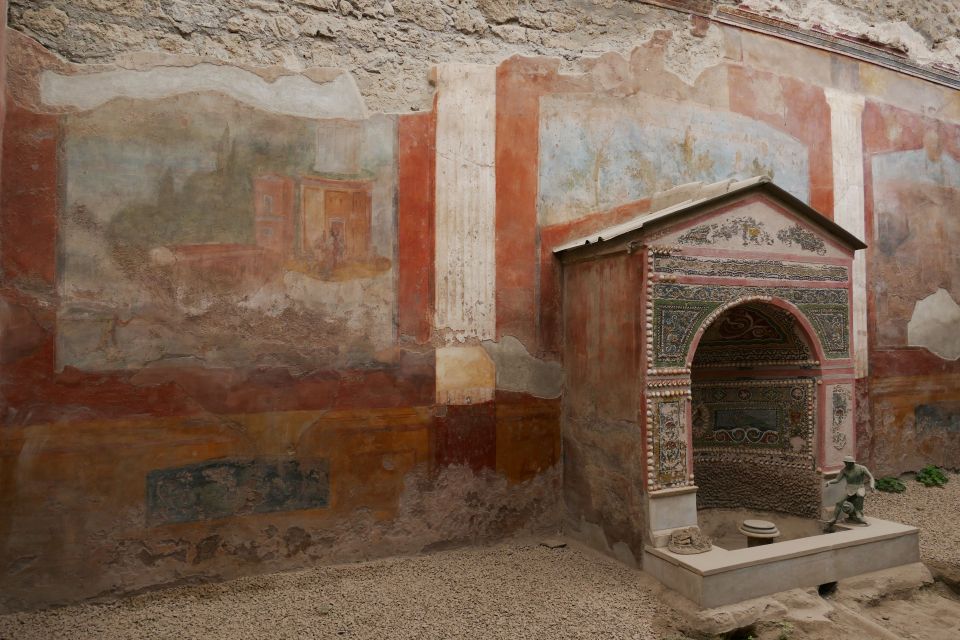
The tour runs in all weather. That’s convenient, but it also means you’ll want to treat your clothing like part of the plan.
Bring comfortable walking shoes. In summer, bring a hat and sunscreen. In rainy weather, bring an umbrella. And regardless of season, plan to walk for the guided portion inside Pompeii, where surfaces can be uneven.
Also, bring your passport or ID card. It’s listed as required.
Price and value: is $105 a fair deal for this structure?
$105 per person for a four-hour experience may sound steep until you break down what you’re paying for. This price includes round-trip transfer from Naples, skip-the-line entrance, and guided commentary (or audioguides depending on group size). You’re not just buying entry into Pompeii; you’re buying time, transportation, and interpretation.
What’s not included is lunch. That’s normal for half-day tours, but it does affect your overall value. If you’re hungry after a concentrated 1.5-hour ruin sprint, you’ll want a snack plan for Naples so you don’t end up paying extra at the last minute.
So is it worth it? For most people, yes—if you value a guided hit of the major sites without wasting time on logistics. If you already know Pompeii well and want total freedom to linger, you might prefer DIY. But if your goal is to leave Pompeii feeling you actually understood what you saw, this structure is the kind that tends to pay off.
Should you book this half-day Pompeii tour?
Book it if you want a smart Naples-to-Pompeii day with a guide-led route through the core highlights, plus skip-the-line entry. It’s a good match for limited time, first-timers who want context, and anyone who prefers a fixed plan over wandering.
Consider a different option if you hate rigid pacing or you want long, unhurried free time for shops and food. One past customer mentioned a rushed end window, so build in buffer time and don’t rely on extra flexibility.
Finally, pick this tour with the mindset that the guide experience makes the difference. If you get a strong guide—one named Nancy was specifically praised—this half-day can feel like you grabbed the important parts of Pompeii and came away with real understanding.
FAQ
How long is the Pompeii visit during this tour?
The time inside Pompeii lasts around 1.5 hours. The full tour duration is about 4 hours.
Does this tour really skip the ticket line?
Yes. It includes skip-the-line entrance, so you avoid waiting at the ticket office.
What languages are the guide and commentary offered in?
The live guide is available in English and Italian. For smaller groups (up to 5 participants), audio-guides are provided.
Is pickup included from Naples?
Yes. Pickup is included at your Naples accommodation or a selected meeting point.
What happens if a building is closed for restoration?
If ongoing maintenance work affects certain villas or buildings, the guide will replace that visit with an alternative building.
Can I cancel or pay later?
Yes. There is free cancellation up to 24 hours in advance for a full refund, and you can reserve now & pay later.