REVIEW · NAPLES
Naples: Hands-On Pasta Class Making Gnocchi & Tagliatelle
Book on GetYourGuide →Operated by Naples bay tour · Bookable on GetYourGuide
Handmade pasta in Naples beats watching. I love the hands-on focus on soft potato gnocchi and the way the chef has you working step by step, not just observing. I also like the pay-off: you sit down to eat your own creations with homemade tomato sauce and a drink included.
One possible drawback: it’s only a 2-hour class, so you’ll move at a steady pace. If you want a slow, unhurried cooking evening, plan to come for the skills first, then celebrate after.
In This Review
- Key things to know before you go
- Why this Naples pasta class is worth your time
- Getting to Naplesbay Cooking Lab (near the Duomo)
- The gnocchi lesson: soft potato dumplings, step by step
- Tagliatelle-style ribbon pasta: rolling and cutting with confidence
- Sauce-making and the appetizer-and-drink rhythm
- What you eat at the end: two pastas and two sauce moments
- The chef factor: humor, questions, and group energy
- Price and value: what $41 buys you in real terms
- Logistics that matter: timing, pace, and who it’s for
- Small planning tips so you enjoy every minute
- Should you book? My practical recommendation
- FAQ
- What is the duration of the Naples pasta class?
- How much does it cost?
- Where do I meet for the class?
- What food and drinks are included?
- What languages are offered for instruction?
- Is the class suitable for kids or wheelchair users?
- Is there free cancellation?
Key things to know before you go
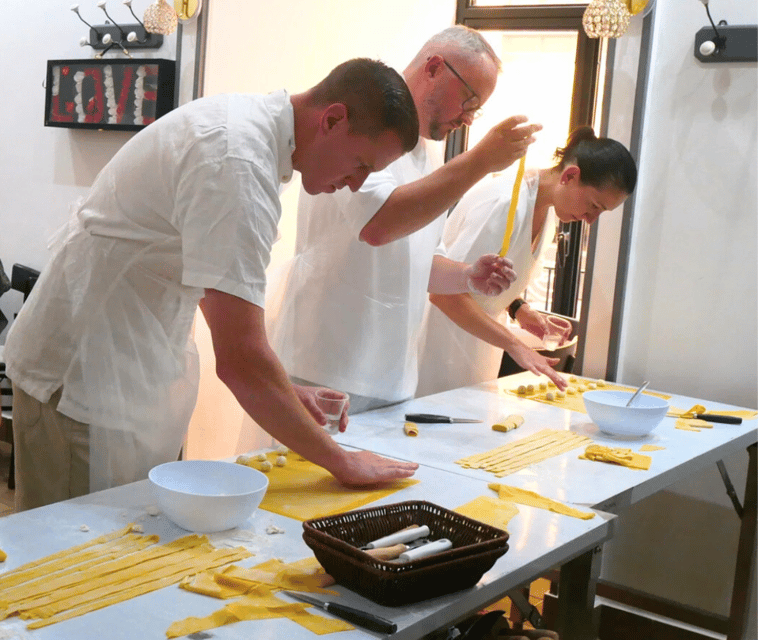
- Soft potato gnocchi done the right way: you learn how to get light, tender dumplings that actually hold sauce.
- Fresh ribbon pasta practice: you mix, knead, roll, and cut tagliatelle/fettuccine-style ribbons using traditional tools.
- San Marzano-style sauce workflow: you make a tomato sauce with high-quality ingredients like San Marzano DOP tomatoes and basil.
- You eat what you make: appetizer and drink come mid-class, then you finish with your pasta and warm sauce.
- Chefs with personality: from what I’ve seen in real departures, the instructors often bring humor and keep questions moving.
- Practical extras: tools, apron, chef hat, and even a chef diploma souvenir, plus free luggage deposit.
Why this Naples pasta class is worth your time
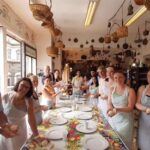
A good pasta class does two things well: it teaches technique, and it gets you eating without delay. This one hits both. You’re not just tasting your way through Naples cuisine. You’re making gnocchi and fresh ribbon pasta from scratch with guidance in a working kitchen in the historical center area.
What I like most is the focus on texture. Gnocchi can go wrong fast: too dense, too heavy, or falling apart. Here, the whole lesson is about getting that soft, pillowy feel and learning what to look for as you shape and cook. Then you move to ribbon pasta, where the dough handling matters just as much as the final cut.
And yes, the meal matters. You’ll have an appetizer and a drink before sitting down to your pasta, so you’re fueled for the last push: eating what you made, while the sauces are still at their best.
You can also read our reviews of more tours and experiences in Naples
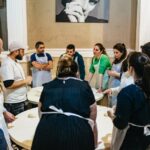
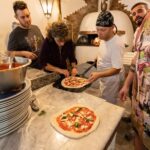
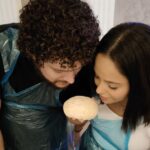
Getting to Naplesbay Cooking Lab (near the Duomo)
You meet at Naplesbay Cooking Lab, in the historical center, with the Duomo Cathedral nearby for orientation. That’s a practical setup. It means less time lost on transfers and more time actually cooking.
Plan on arriving a few minutes early, since you’ll need a quick moment to get oriented and get your apron and tools. The class provides what you need: kitchen tools, an apron, and a chef hat—so you don’t show up juggling utensils you don’t have.
Also, you get free luggage deposit. That’s not a small detail in Naples. If you’re touring before or after, dropping bags without stress makes the whole day run smoother.
The gnocchi lesson: soft potato dumplings, step by step
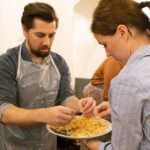
The star is soft potato gnocchi. You start with dough work built around potatoes, then you shape the dumplings using the method your chef teaches. This isn’t “here’s the recipe, good luck.” You’ll learn what the dough should feel like and how to handle it so it stays tender rather than turning rubbery.
This is where the chef’s role really matters. In real sessions, the instructors tend to keep things moving with clear explanations and a lighter tone. Some classes are led by chefs like Daniele, who’s known for being engaging and funny, or Alex, who keeps an eye on questions during the process. Even if your chef is different on your day, the teaching style is the same: you’re actively working, constantly.
For you, that means the lesson sticks. If you’ve ever cooked at home from a written recipe and wondered why the gnocchi didn’t match the photo, pay attention to the “feel” part: dough consistency, shaping rhythm, and how you manage working time. That’s the secret sauce—only it’s not in the tomato pot.
Tagliatelle-style ribbon pasta: rolling and cutting with confidence
After gnocchi, you switch to fresh ribbon pasta: tagliatelle (often described as fettuccine-style ribbons). You mix and knead the dough, then roll it out and cut long, silky strips with traditional tools.
This is a good second skill to learn because it’s both forgiving and measurable. You can see progress as you roll and cut. Your ribbons should be consistent in thickness and length, and the pasta should feel pliable, not overly dry or stiff.
Here’s what you should watch for:
- Dough that tears when rolled tends to mean it needs more time or correct handling.
- Cuts that look uneven usually mean the dough thickness is uneven.
- Sauce clinging well usually depends on a clean surface finish and correct cooking.
Again, you’re not stuck in a chair watching someone else do it. The whole class is built around you doing the work—so you leave with muscle memory, not just a new appreciation for Italian cooking.
Sauce-making and the appetizer-and-drink rhythm
You’ll also make a homemade tomato sauce using high-quality ingredients, including San Marzano DOP tomatoes, extra virgin olive oil, basil, and a touch of sea salt. As it cooks, the kitchen fills with the classic aroma of simmered tomatoes—simple ingredients, done carefully.
The rhythm is smart. You’ll get an appetizer and one included drink mid-experience, before you settle in for your main meal. That keeps energy up while you’re hands-on with dough. It also means you’re less likely to feel “hangry” when the last tasting portion comes out.
For the meal, you’re served warm tomato sauce with the pasta you prepared. And you’ll have your drink alongside it—either alcoholic or non-alcoholic, depending on what you choose.


What you eat at the end: two pastas and two sauce moments
This class is designed around two pasta experiences and their sauce pairings. The focus is on gnocchi and fresh ribbon pasta, and the included package also names a second fresh pasta element as ravioli alongside tagliatelle.
So your final plate may look like a tasting of multiple items, with tomato sauce used as the unifying flavor. The big takeaway for you: you’ll leave knowing how each pasta type behaves with sauce. Gnocchi tends to cling differently than ribbon pasta. Ravioli (if included in your specific day’s format) adds another texture and sauce-carrying style.
Either way, you’re eating your own work right there. That’s the difference between a cooking demo and a real class. It’s easier to remember what went right when you’re tasting the result minutes after learning it.
The chef factor: humor, questions, and group energy
One reason these classes earn top marks is the atmosphere. In sessions I’ve heard about, chefs tend to be engaging and quick to respond. There’s often laughter, and the pace stays lively—so it doesn’t turn into a stiff lecture.
For example, Chef Daniele is specifically mentioned as having humor and keeping the session moving without getting too technical. Chef Alex is described as attentive and available to answer questions. And in family-focused departures, instructors like Lucas have been praised for making the experience work well in a group setting.
You don’t need to speak Italian fluently to enjoy this. Instructors can work in Italian, Spanish, French, and English, and the class is structured around doing the steps, which reduces language friction.
Price and value: what $41 buys you in real terms
At $41 per person for 2 hours, it’s not just “a cheap activity.” It’s a meal plus skills. You get:
- Ingredients turned into multiple fresh pasta items
- An appetizer and a included drink mid-class
- A lunch or dinner with the pasta you prepared
- Tools, apron, and chef hat
- A chef diploma souvenir
- Free luggage deposit
When you put it that way, the price starts to make sense. You’re paying for instruction, kitchen setup, ingredients, and the full eating portion. In many Naples food experiences, you pay mostly for tasting. Here, you pay for making, then eating.
If you want a single “best value” cooking class in Naples, this is the kind that can justify itself even if your cooking skills are starting from zero.
Logistics that matter: timing, pace, and who it’s for
This is a hands-on class with steady movement. Plan your day around the 2-hour block, and don’t schedule something tight right before or after unless you’re confident about walking times in the historical center.
It’s also not listed as wheelchair accessible, so if mobility is a concern, you’ll want to choose an alternative format.
Who it suits best:
- You want real cooking skills, not just photos of pasta.
- You like learning through touch: dough feel, shaping, rolling.
- You want a fun indoor option on a rainy Naples afternoon.
- You’re traveling with family or friends and want shared activity time.
Who might not love it:
- If you’re looking for long, slow explanations or a purely leisurely dinner, the class pace may feel like a sprint.
Small planning tips so you enjoy every minute
- Wear comfortable clothes. You’ll knead and handle dough, and you don’t want to fight stiff fabric or shoes you hate.
- Be ready to get flour or sauce on your sleeves at least once. That’s part of cooking.
- If you’re excited to recreate gnocchi or ribbons at home, take mental notes on the texture cues. The “feel” is what makes your results improve later.
And if you’re worried about technique, relax. The class structure is designed so you learn while doing, with support as you go.
Should you book? My practical recommendation
I think you should book this if you want a Naples food experience that’s active, social in a good way, and actually teaches you how Italian pasta behaves. The gnocchi focus plus the fresh tagliatelle work is a strong combo. Add the homemade tomato sauce and the included meal, and it becomes a full evening worth of value in about two hours.
Skip it only if you’re mainly looking for a passive tasting or if you can’t handle a hands-on, step-by-step pace. Otherwise, it’s exactly the kind of class that makes Naples feel personal: you leave with a skill you can repeat, plus dinner you didn’t have to plan.
FAQ
What is the duration of the Naples pasta class?
The class runs for 2 hours.
How much does it cost?
The price is $41 per person.
Where do I meet for the class?
You meet at Naplesbay Cooking Lab, located in the heart of Naples’ historical center, a short walk from Duomo Cathedral.
What food and drinks are included?
You get an appetizer, one alcoholic or non-alcoholic drink, and lunch or dinner with the pasta you prepared. You’ll also work with ingredients for the pasta and homemade tomato sauce.
What languages are offered for instruction?
The instructor can work in Italian, Spanish, French, and English.
Is the class suitable for kids or wheelchair users?
Participants under 18 must be accompanied by a parent or legal guardian. The tour is not wheelchair accessible.
Is there free cancellation?
Yes. You can cancel up to 24 hours in advance for a full refund.