REVIEW · NAPLES
Naples: Premium Pizza-Making Class at a Pizzeria
Book on GetYourGuide →Operated by Timonfaya Travel Lanzarote · Bookable on GetYourGuide
Neapolitan pizza starts with four humble ingredients. In this Naples-class style cooking lesson in Campania, you’ll learn the real rhythm of dough-making, from kneading to stretching, then watch it turn into Margherita in a wood-fired oven. The best part is the setting: you’re taught in a World Champion pizzeria, so technique matters, not just theory.
Two things I love here: you get a hands-on station instead of hovering, and you finish by eating what you made, not just watching others bake. One possible drawback: it’s a fast, 2-hour format, so if you’re expecting long rests and slow fermentation from start to finish, plan to treat the class as technique training rather than a full-day dough journey.
In This Review
- Quick Take: What Makes This Class Worth It
- A World Champion Pizza Lesson, Without the Stuffiness
- Your 2-Hour Clock: What You’ll Do (and Why It Feels Efficient)
- Making Neapolitan Dough: Four Ingredients, No Shortcuts
- Staglio and Panetti: The Step That Changes Everything
- Toppings in the Real Neapolitan Style: Less Noise, Better Ingredients
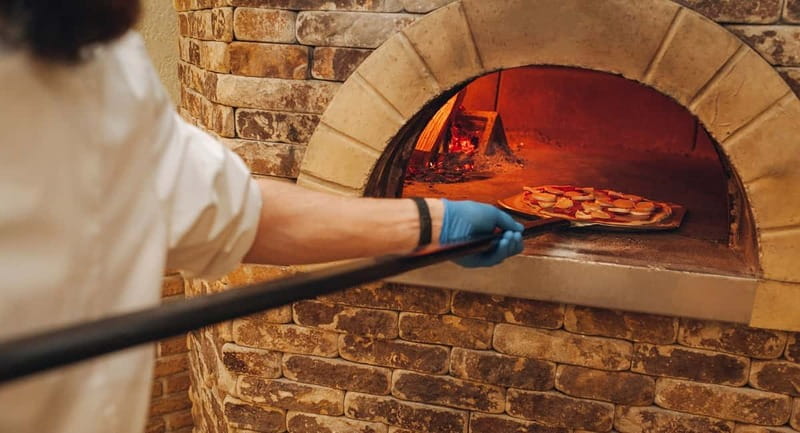
- Wood-Fired Baking: From Dough to Margherita Fast
- Sweet Finish and Limoncello: Fried Dough Bites with Chocolate Spread
- Price and Value: Is $67.19 for 2 Hours Fair?
- Small Group Energy: Why It Matters for Your Dough
- Practical Tips Before You Go
- Who This Class Suits (and Who Might Prefer Something Else)
- Should You Book This Naples Pizza-Making Class?
- FAQ
- How long is the pizza-making class?
- What will I make during the class?
- Where does the class take place?
- Do I get to eat the pizza I make?
- What ingredients are used for the pizza?
- Are drinks included?
- Is there English help during the class?
- What is the cancellation policy?
Quick Take: What Makes This Class Worth It
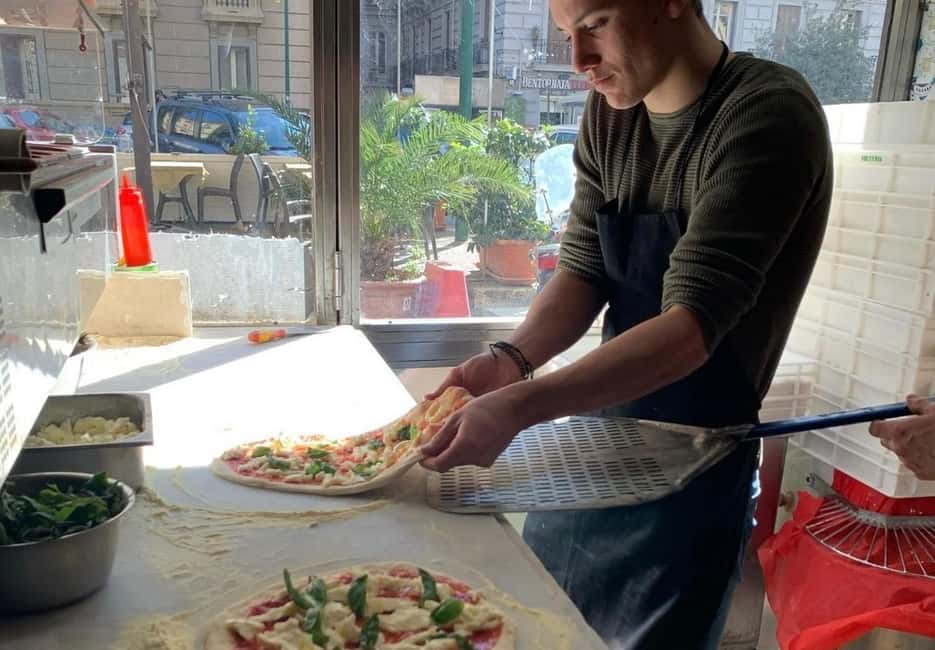
- World Champion pizzeria teaching you real Neapolitan technique
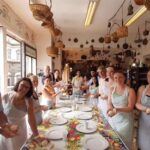
- Your own workstation in a small group
- Staglio to form panetti, the step that affects shape
- San Marzano tomatoes, buffalo mozzarella, basil, and DOP extra virgin olive oil
- Wood-fired oven baking and a Margherita you topped yourself
- Sweet course using the same dough, plus limoncello
A World Champion Pizza Lesson, Without the Stuffiness
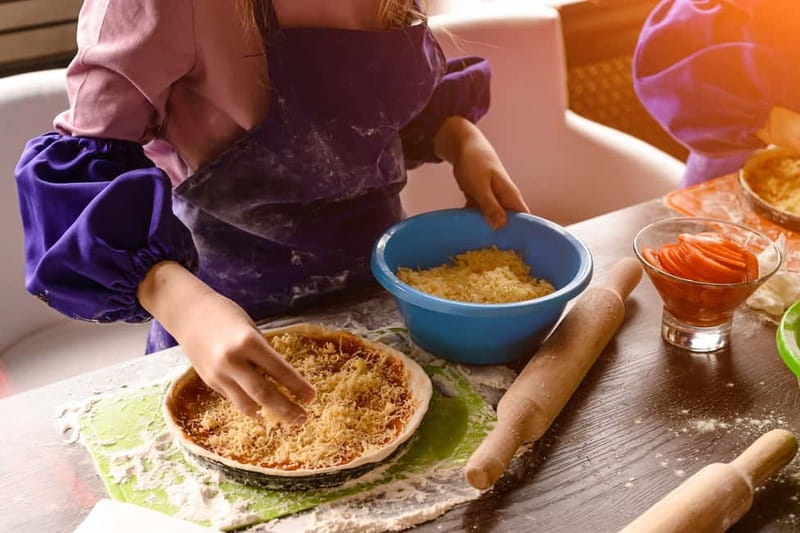
Naples takes pizza seriously. That’s why this class feels different from generic cooking demos. You’re not just copying a recipe off a card—you’re learning the logic behind dough, portions, and handling.
You’ll be working in a real pizzeria environment tied to a 2017 World Pizza Championship win. That matters because Neapolitan pizza isn’t about fancy ingredients. It’s about restraint: simple components treated with care. In your hands, four basics—water, flour, salt, and yeast—become the foundation of everything you’ll eat.
And yes, the experience is social in a good way. Hosts and guides (you may meet people like Francesca, Lucia, Federica, Dora, or Sabrina) help keep things flowing, especially when the pizzaiolo is speaking Italian and instructions need translation. You end up with both the food and the story of why locals care.
You can also read our reviews of more tours and experiences in Naples

Your 2-Hour Clock: What You’ll Do (and Why It Feels Efficient)
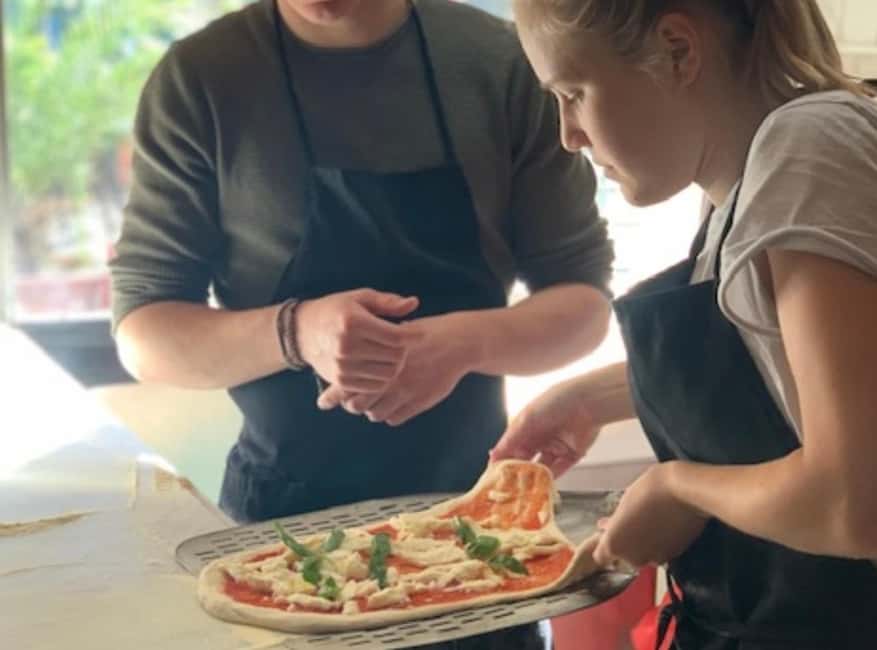
The class runs about 2 hours, so the pacing is tight. The trade-off for that is focus: you’ll learn key steps in a short window, then bake and eat while it’s all still fresh.
Here’s the typical flow you can expect:
- Dough from scratch: you’ll start with the four ingredients and learn how to combine them properly.
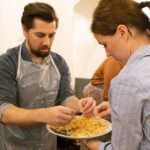
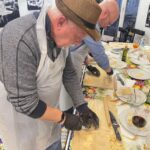
- Hands-on kneading and shaping: this is where your technique gets corrected in real time.
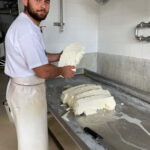
- Portioning with staglio: you learn the ancient technique used to create panetti (individual dough portions).
- Topping your pizza: you’ll add ingredients like San Marzano tomatoes and buffalo mozzarella.
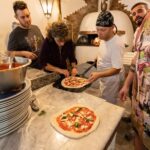
- Wood-fired baking: your Margherita goes into a traditional oven.
- Sweet finish: you’ll make and eat fried dough bites with chocolate spread from the same dough batch.
- Drinks and small local extras: you’ll also have a glass of wine, beer, or water, plus limoncello.
If you like activities that are structured but not rushed into chaos, this one hits the sweet spot. You’ll leave with confidence to try again at home, especially because the class includes a digital recipe.
Making Neapolitan Dough: Four Ingredients, No Shortcuts
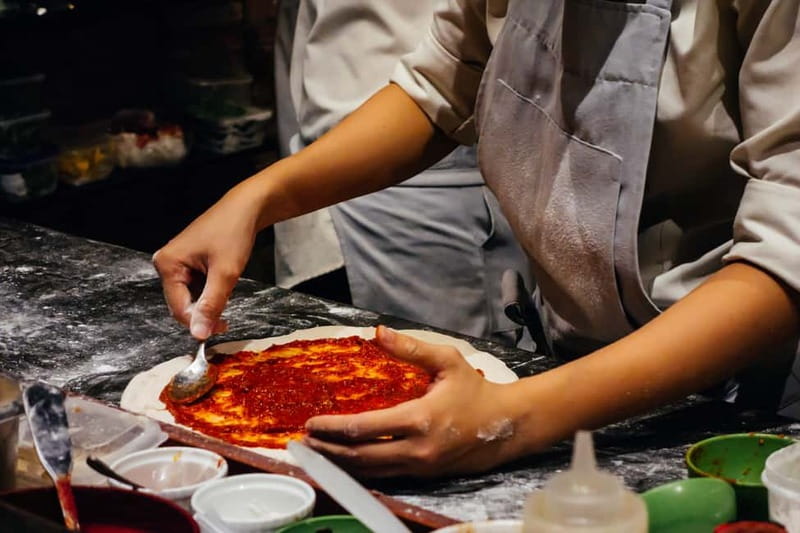
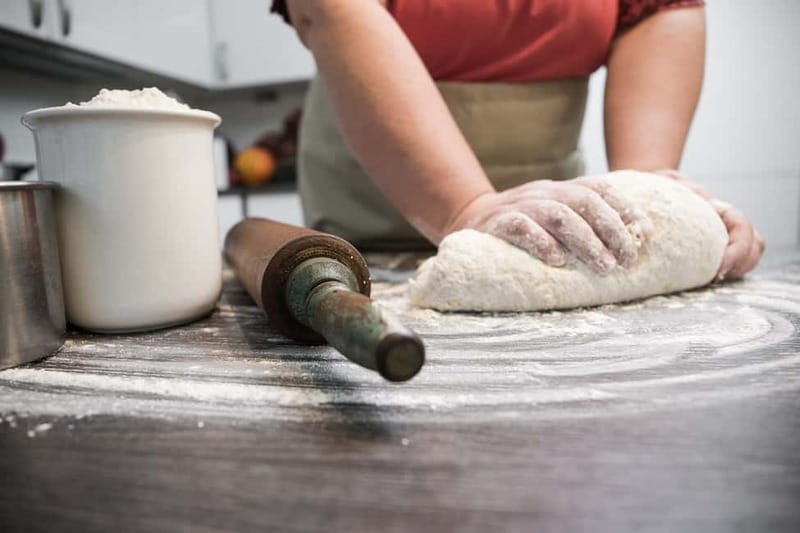
This class is built around an idea you’ll hear in Naples again and again: good pizza starts simple. Your dough begins with water, flour, salt, and yeast. That’s it. No oils in the story. No secret powders. Just correct handling.
What you’ll learn with your hands is how to:
- combine ingredients until the dough holds together
- knead so the texture develops properly
- stretch and shape without tearing the dough’s structure
You’ll get guidance as you work, and the small group setup helps. When there are fewer people at the stations, it’s easier for your pizzaiolo or host to correct your shaping before you lock in a mistake.
Also, pay attention during the explanation parts. Some hosts (like Francesca or Lucia in the experience descriptions) talk about pizza-making history in Naples and why ingredient quality and simple ratios matter. It’s not fluff—it helps you understand what to replicate later.
Staglio and Panetti: The Step That Changes Everything
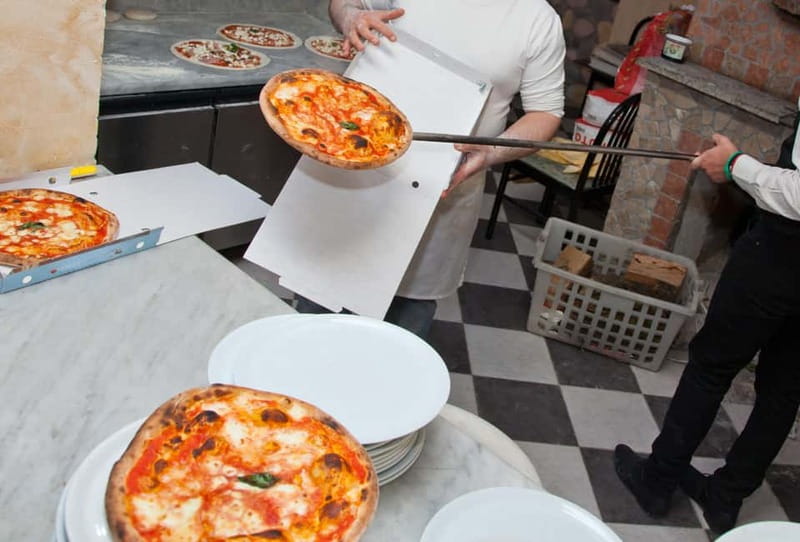
One of the most “only-in-Neapolitan-pizza” parts of the class is staglio, the technique for creating panetti, the individual dough portions. It’s ancient in practice and technical in feel.
Why you should care: how you portion and handle the dough affects the final shape and texture. You might notice that dough you handle gently behaves differently from dough you rush or compress.
This step also reinforces that pizza isn’t just a topping game. In Neapolitan style, the dough is the star. You learn to treat your panetti as living dough—something you prepare, rest, and respect rather than smash flat and hope for the best.
And because you’re working at your own station, you get to feel what the technique does. That’s the difference between watching a video and actually shaping dough in your own hands.
Toppings in the Real Neapolitan Style: Less Noise, Better Ingredients
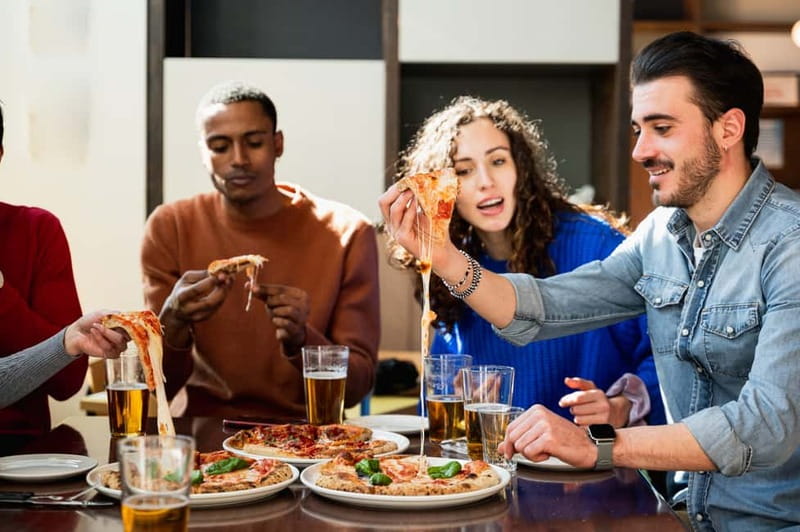
After your dough work, the class pivots to toppings. This part is where the “simple” promise becomes real.
You’ll top your pizza using ingredients described as:
- San Marzano tomatoes
- buffalo mozzarella
- basil
- DOP extra virgin olive oil
That ingredient list isn’t random. It’s the kind of lineup Neapolitans care about because the flavors stay clean. Instead of hiding behind heavy sauces or complicated mixes, your toppings support the dough and bake.
You’ll learn how to place toppings so you don’t weigh the pizza down. You’ll also get instruction on what the pizzaiolo considers the right balance. In a place where pizza is judged by texture and balance, small handling details matter more than you might expect.
One practical bonus: when you eat what you made, you get instant feedback. If a topping distribution makes the crust soggy, you’ll know right away.


Wood-Fired Baking: From Dough to Margherita Fast
Your pizza bakes in a traditional wood-fired oven. That environment changes how the pizza sets—fast heat, quick turnaround, and a crust that forms with intensity.
This is also where the class feels like a “real pizzeria night” rather than a kitchen lesson. The oven isn’t a gimmick. It’s the final step that turns your dough work into the finished Neapolitan look: soft center, lively edges, and a crust that doesn’t taste like it came from a home compromise.
You’ll sit down and enjoy your handcrafted Margherita, with the meal experience wrapped into the 2-hour format. That’s not just convenient. It also means you can learn while things are fresh, then taste the results while your technique memory is still sharp.
Sweet Finish and Limoncello: Fried Dough Bites with Chocolate Spread
This class doesn’t stop at savory. You’ll finish with a sweet twist made using the same dough: crispy fried pizza dough bites filled with the world’s most famous chocolate spread.
This is fun, because it shows Neapolitan dough’s versatility. You’re not leaving thinking pizza is only one shape and one topping style. You’re learning how that dough can be transformed for street-food style treats too.
You’ll also enjoy a glass of local wine, water, or beer, plus limoncello. In Naples, that pairing makes sense. Sweet dough plus citrus liquor is a classic way to end an evening meal without making the whole experience feel like dessert only.
One thing to consider: you’ll likely be full by the end. A couple of people felt the fried course could be more than expected if you already ate a full meal. So if you’re the type who prefers lighter endings, go into it knowing you’re getting a second course built from the dough.
Price and Value: Is $67.19 for 2 Hours Fair?
At $67.19 per person for about 2 hours, the value depends on what you compare it to.
Here’s what’s included, and why it changes the math:
- a hands-on class in a World Champion pizzeria
- your own workstation in a small group setting
- a full meal: your savory pizza plus the sweet course made from the same dough
- a drink: one glass of wine, water, or beer
- limoncello
- a digital recipe you can take home
So you’re not paying just for instruction. You’re paying for an actual meal with guided coaching, plus the ingredients and oven use. If you love learning by doing, not just eating, this kind of class makes sense. If you’re only chasing pizza for dinner, you might skip it and eat in a pizzeria instead.
But if you’re the type who wants to recreate pizza at home, the class can be cost-efficient because the technique is the product. You’re leaving with a process you can repeat, not a single slice experience.
Small Group Energy: Why It Matters for Your Dough
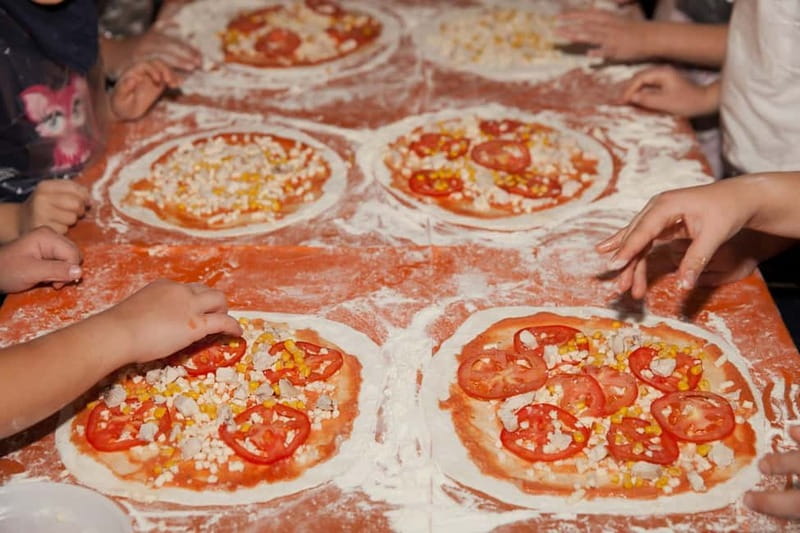
The class is designed for small groups, and you’ll see why that’s a big deal the moment you start kneading. People mention small groups (even as small as four), and that usually means:
- you get more direct attention
- you make fewer mistakes in shaping
- you keep moving instead of waiting your turn
Language support is another practical plus. The instructor setup is English and Italian, and the hosts often translate pizzaiolo instructions live. Guides like Sabrina were described as having excellent English and helping explain local thinking around pizza and technique, so you don’t miss the why behind the steps.
If you’re traveling with friends, solo, or as a couple, this class works well. It’s social enough to feel fun, but structured enough that you’re not wandering around hoping someone explains what you’re supposed to do next.
Practical Tips Before You Go
A few things I’d do to make this class easier:
- Arrive with a clear appetite. You’ll bake and eat, then end with fried dough bites and limoncello.
- Wear comfortable clothes. Dough work is hands-on, and you’ll be leaning and moving.
- Watch for the staglio and panetti moment. That step is easy to rush, but it’s central to Neapolitan style handling.
- Ask one question during the topping section. If you’re trying to repeat this at home later, your best payoff is knowing what matters most for topping balance.
And if you’re sensitive to getting too full from fried sweets, consider pacing yourself with the meal and saving your energy for the chocolate bites.
Who This Class Suits (and Who Might Prefer Something Else)
This is ideal if you want:
- a hands-on food activity in Naples
- a short, high-impact lesson in Neapolitan dough technique
- a meal that’s part of the experience, not an add-on
It also suits families and mixed-age groups better than some cooking tours, because the steps are guided and you have your own station.
You might skip this if:
- you only want a quick pizza dinner with no technique focus
- you’re hoping for a long multi-day style fermentation process with no time constraints
- you dislike fried sweets or heavy second courses
Should You Book This Naples Pizza-Making Class?
Yes—if you want real technique, a world-champion pizzeria setting, and a meal that includes both savory and sweet made from the same dough. The $67.19 price feels reasonable because you’re getting guidance, oven access, and a full food finish with drinks.
I’d especially book it if you plan to cook at home later. The digital recipe, plus the fact you learn staglio and how to handle dough, gives you something to practice instead of just a memory of taste.
FAQ
How long is the pizza-making class?
The experience is about 2 hours, and you should check availability for the starting times.
What will I make during the class?
You’ll make a complete Neapolitan pizza from scratch, including dough made from water, flour, salt, and yeast, and you’ll also make a sweet course using the same dough.
Where does the class take place?
It takes place in Campania, Italy, at a real pizzeria setting described as a World Pizza Championship pizzeria.
Do I get to eat the pizza I make?
Yes. You’ll bake and then sit down to enjoy the Margherita you handcrafted, plus the sweet dessert course.
What ingredients are used for the pizza?
The class description includes San Marzano tomatoes, buffalo mozzarella, basil, and DOP extra virgin olive oil.
Are drinks included?
Yes. You’ll get one glass of wine, water, or beer, and you’ll also have limoncello liquor.
Is there English help during the class?
Yes. The instructor is listed as speaking English and Italian, and a host/translator can help explain the pizzaiolo’s instructions.
What is the cancellation policy?
Free cancellation is available up to 24 hours in advance for a full refund.