REVIEW · NAPLES
Naples: the magic of Christmas and Nativity scenes
Book on GetYourGuide →Operated by APS Progetto Sophia · Bookable on GetYourGuide
Neapolitan Christmas starts small and gets surprisingly emotional. This 2-hour guided walk follows the presepi from their medieval roots to the present-day workshops that still make the figures by hand, plus a stop at a collection famous for the tiniest nativity scenes you can look at with a magnifying glass.
I especially loved how the tour links art and belief in one thread. You’ll hear how sacred and everyday life have mixed in Naples for centuries, then you’ll see it in places like Sant’Anna dei Lombardi and the Museodivino collection. A second highlight for me was the variety of scale: you’re not just seeing a standard stable scene, but everything from room-sized work to miniature worlds.
One thing to consider: it’s a short tour, so you’ll look and learn quickly, but you won’t have much free time to browse every single workshop stall along the final stretch.
In This Review
- Key moments you’ll remember
- Why Naples presepi feel different from other Christmas traditions
- Starting point near Museodivino: you get oriented fast
- Museodivino and the SAME collection: the tiniest presepi lesson
- Sant’Anna dei Lombardi and Rossellini’s 15th-century nativity
- Santa Maria del Purgatorio ad Arco: where sacred meets street life
- Via San Gregorio Armeno: workshops, street market energy, and what to look for
- The surprises that make this feel like Naples, not a checklist
- Price and value: is $29 worth it for 2 hours?
- Who this tour fits best
- Should you book Naples: the magic of Christmas and Nativity scenes?
- FAQ
- Where does the tour meet?
- How long is the tour?
- How much does it cost?
- What is included in the tour?
- Where does the tour finish?
- Is there a live guide?
- What languages are available?
- Do you get to see the tiniest nativity scenes up close?
- Can I reserve and pay later?
- Is free cancellation available?
Key moments you’ll remember
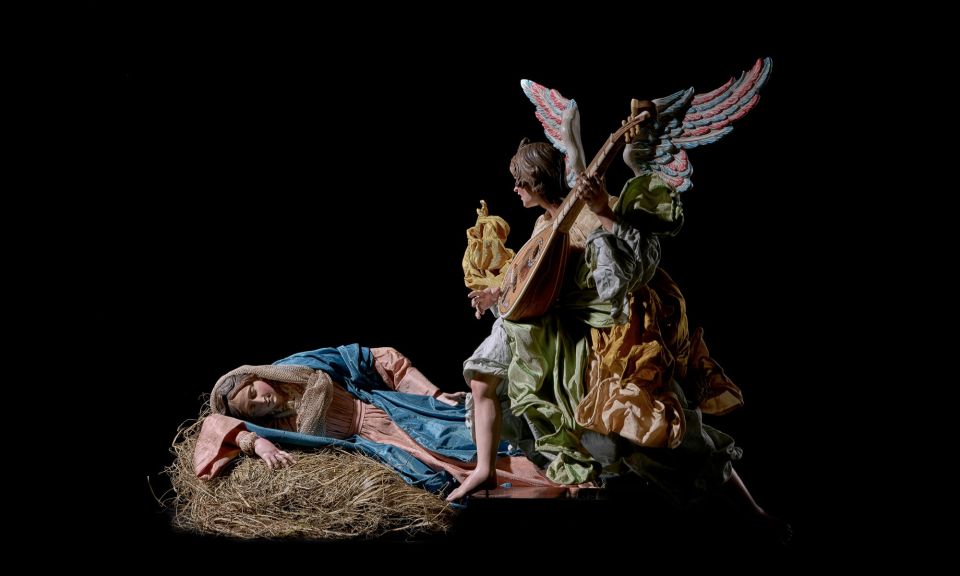
- Museodivino’s miniature nativity scale: magnifying-glass viewing of the smallest scenes in the world
- SAME collection inside Museodivino: a focused stop that makes the history feel concrete
- Sant’Anna dei Lombardi and Rossellini’s 15th-century nativity: a special ticketed highlight in a monumental setting
- Street storytelling on Via San Gregorio Armeno: you end among active artisan workshops
- Neapolitan Christmas beyond the stable: you can encounter scenes staged like chapel spaces or small interiors, not just a classic manger
Why Naples presepi feel different from other Christmas traditions
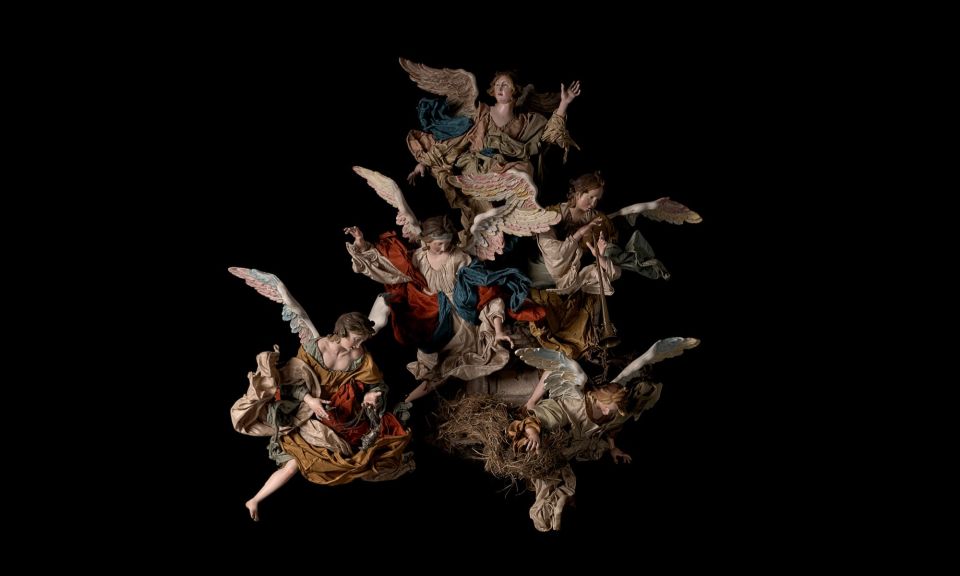
If you think nativity scenes are all the same, Naples corrects that idea fast. Here, the presepe tradition is a long-standing Neapolitan cultural practice, not only a religious decoration. People come from around the world specifically to see how artists build tiny streets, tiny faces, and tiny drama.
What makes this tour work is that it connects the artistic choices to the city itself. Naples has a way of mixing the sacred with the ordinary, and the presepe tradition reflects that. You’ll be walking through layers of time, from older roots to Renaissance influences, and then right into the modern workshops that keep the craft alive.
The pacing is also smart: you don’t just stare at displays. You’re guided through what to notice, so you leave understanding why each choice matters. That is where a good guide like Gianni (and also the style described by guides such as Silvir) really changes the experience, because they help you read the scenes like a story.
You can also read our reviews of more tours and experiences in Naples.

Starting point near Museodivino: you get oriented fast
The tour starts at Via S. Giovanni Maggiore Pignatelli, 1b, with the practical meeting point set at Museodivino. That matters because the whole story begins indoors, where you can see how scale and technique work before you step into the street.
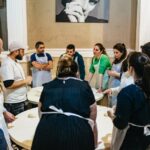
Expect a guided visit rather than a casual wander. You’ll be moving between key stops where the tour focuses your attention, especially on details you might miss if you were sightseeing on your own. This is particularly helpful in Naples, where street life and craft markets can pull you in every direction.
You’ll also end in Via San Gregorio Armeno, so you get a clean path from museum to workshops. That’s ideal if you want to keep your Naples day coherent instead of chasing scattered nativity shops later.
Museodivino and the SAME collection: the tiniest presepi lesson
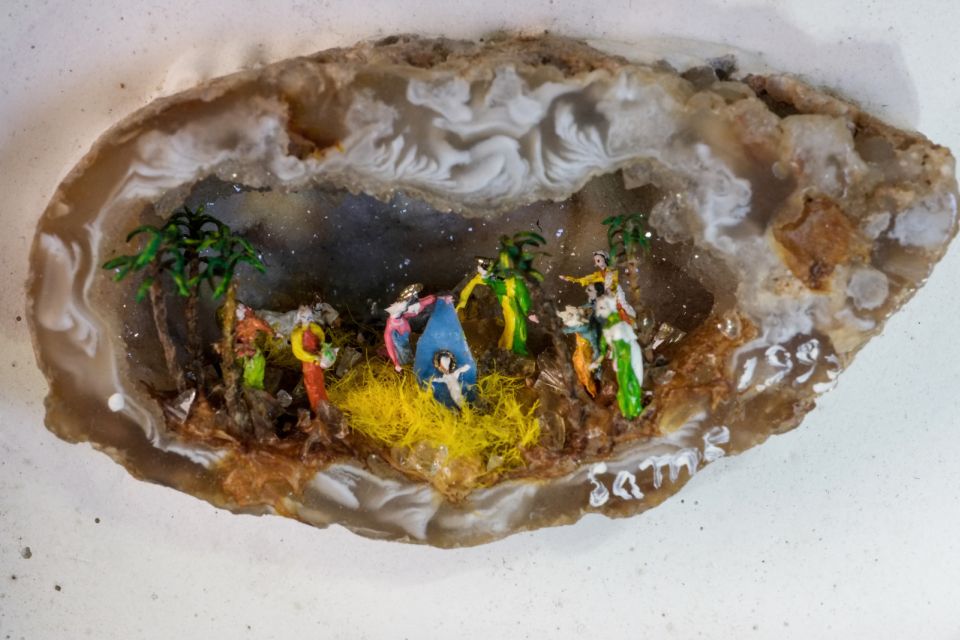
Museodivino is where the tour flips nativity viewing on its head. The big draw is the collection of incredibly small presepi figures and staged scenes, where you can peer through a magnifying glass to actually see what makes the miniatures convincing.
This stop is more than a novelty. Seeing figures so small forces you to notice craftsmanship: the proportions, the facial details, the textures, and how artists use limited space to suggest story. You start understanding why Neapolitans take presepi seriously as an art form, not only as decoration.
SAME is highlighted here as a key collection within Museodivino. The effect is a “show, then explain” rhythm. First you witness the scale, then you learn how the tradition evolved into a way to express devotion and creativity at once.
In the experience of recent visitors, this is also where surprise moments can show up. One guest described a special miniature setting made with unusual natural elements (even materials like walnut shells, cherry stones, and a hemp seed were mentioned), which makes the room feel like a science lab for Christmas storytelling.
Sant’Anna dei Lombardi and Rossellini’s 15th-century nativity
After Museodivino, you’ll head to the Sant’Anna dei Lombardi complex for a guided visit. This is a meaningful shift: you move from miniature viewing to a monumental setting that can hold something far more historical and ceremonial.
A ticket is included for Rossellini’s beautiful 15th-century nativity, housed in the complex. That alone is a strong value point. A guided nativity-focused tour becomes more than “cute holiday art” when it includes a dated, preserved work and you can place it on a timeline.
Sant’Anna dei Lombardi is also referenced as a place where traces of the Florentine Renaissance can still be seen. That gives the story extra depth because you’re learning how outside artistic currents influenced Neapolitan craft and representation. You’ll understand why Naples’ presepi feel both local and connected to broader Italian art history.
Practical advice: take your time here. Don’t rush past the background details. Even if you feel you’re moving quickly, this is one stop where small elements matter, because they help show how the tradition matured over centuries.
Santa Maria del Purgatorio ad Arco: where sacred meets street life
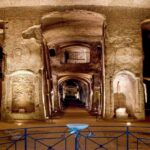
The experience also includes a visit described as Visita al Complesso di Santa Maria del Purgatorio ad Arco. Even if you’ve seen lots of church interiors in Italy, this kind of stop is useful because it reinforces the tour’s main idea: Neapolitan presepi are not separated from real life.
Neapolitan culture has a way of holding contradictions. Sacred meaning doesn’t erase everyday human color; it absorbs it. That’s exactly the mix the presepe tradition represents, and it helps you see the art as something made for people living in the same city.
This is where the tour’s tone can become more than educational. In one account, a chapel visit was described as an amazing surprise. While that isn’t guaranteed in every moment, the general takeaway is solid: the tour is structured, but it allows room for meaningful side stops that add atmosphere.
If you like your sightseeing with context and mood, this is a good stop to slow down and look up, not just at the nativity-related details.

Via San Gregorio Armeno: workshops, street market energy, and what to look for
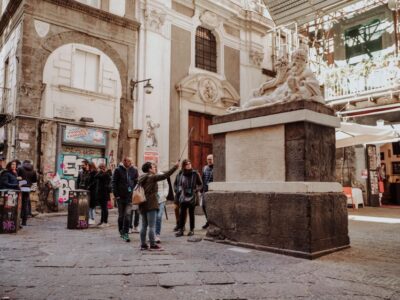
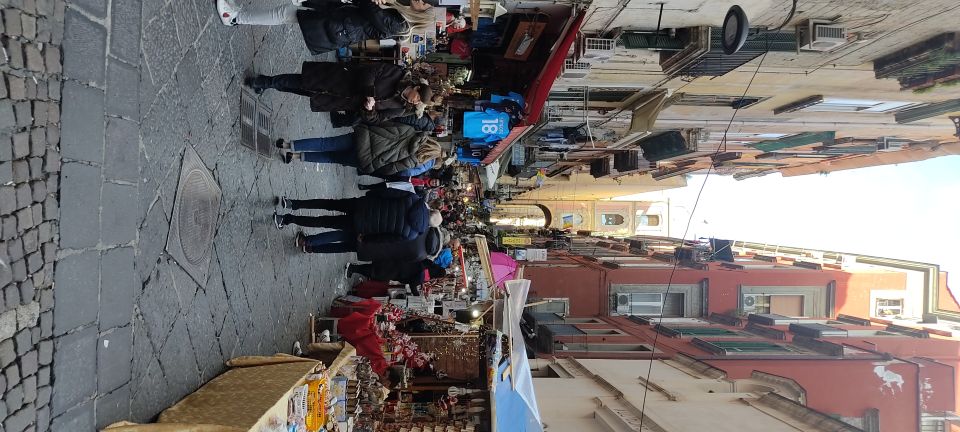
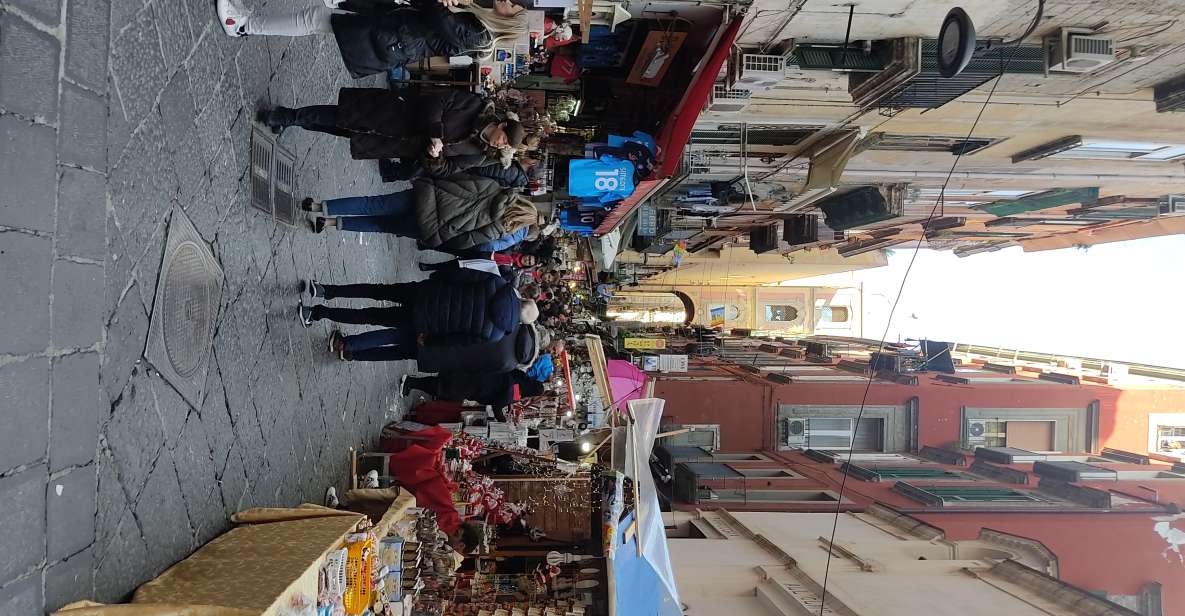
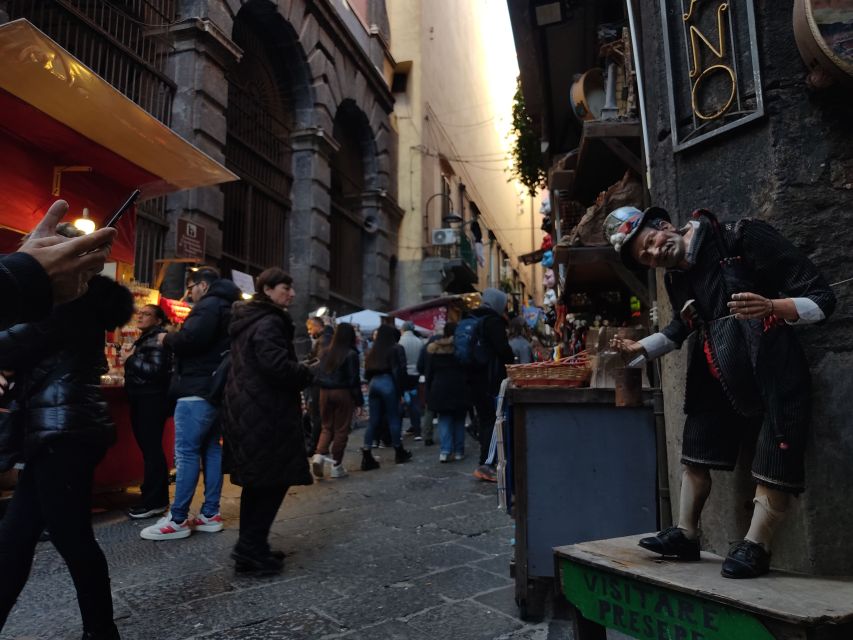
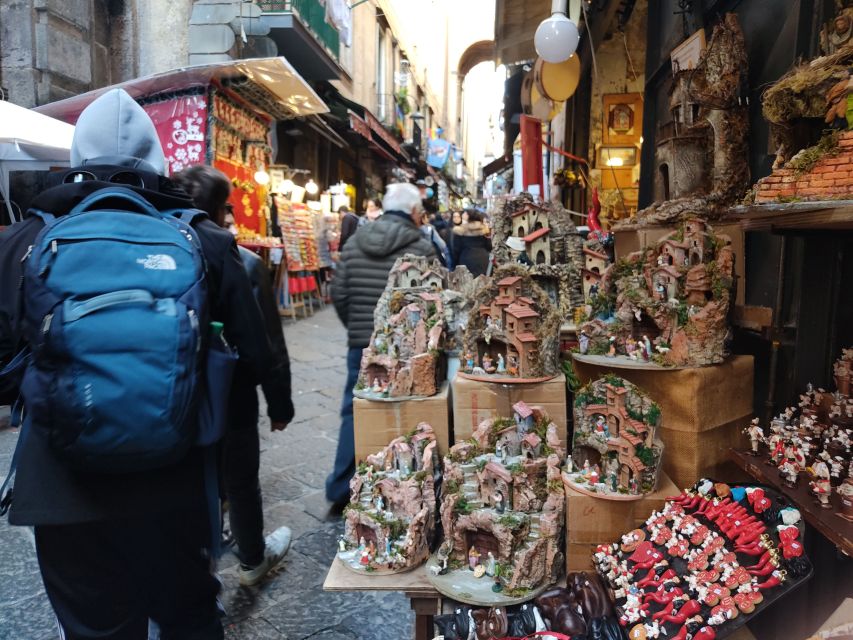
The tour ends on Via San Gregorio Armeno, the famous street associated with nativity artisans and presepi workshops. This is where you see the tradition as something living, not locked behind glass.
What I like about reaching this street at the end is simple: you’re primed to notice things instead of just snapping photos. You’ll know what to look for in styles, materials, and how the scenes are built to tell a story in miniature.
In Naples, it’s also common for the market experience to be more “street stalls and workshops” than a formal shopping area. One visitor described it as a market made up of stalls along the street selling wooden presepi scenes and related items. That means you might feel like you’re walking through an artist’s workspace, not a soulless souvenir row.
A tip that makes a difference: don’t treat purchases as the point. Use the end street time to compare styles. Then, if you want to buy, you can make a more informed choice about quality and craftsmanship.
The surprises that make this feel like Naples, not a checklist
A straight nativity tour can sometimes feel like a timed slideshow. This one seems designed to avoid that, because it can include moments that feel like you’re getting a glimpse of how locals experience Christmas.
One memorable example from recent visitors is a stop at a small coffee-house where you can see how real Neapolitan coffee is made. Even if you drink espresso at home, this is the kind of local ritual that changes how you remember the day.
There’s also mention of seeing multiple nativity scenes presented in different environments, including scenes set in a church and in an area similar to a cellar. The lesson isn’t just that the figures are small. It’s that the setting shapes how you read the scene, and Neapolitan artists use spaces the way painters use light.
If you like tours that are more than facts, that surprise factor is part of the value.
Price and value: is $29 worth it for 2 hours?
At about $29 per person for a 2-hour guided experience, you’re paying for three things at once: interpretation, access, and guided viewing. You’re not just paying to walk around.
You get a guided tour focused on the tradition of the nativity in Naples, a guided visit inside Museodivino that includes the SAME collection, and a ticket connected to Rossellini’s 15th-century nativity at Sant’Anna dei Lombardi. That combination is what makes the price feel reasonable.
If you tried to do this on your own, you’d likely spend time figuring out where to go, then spend more time wandering without knowing what matters. With a guide, you’re given a storyline and specific details to notice in each place.
The only cost consideration is your own pace. If you need long free time to browse every artisan stall at the end, this format may feel tight because the tour duration is set for guided stops.
Who this tour fits best
This tour fits you best if you like Christmas that’s also culture and art. It’s ideal for travelers who enjoy looking closely, asking why something is made a certain way, and learning how a craft survives because people keep using it.
It also works well if you’re short on time in Naples. Two hours is enough to get the story and hit the key “presepi zones”: the museum/collection side and then the artisan street side.
It might be less satisfying if you want a long shopping spree or a slow, unstructured museum day. Think of it as a focused guided experience, not an all-day holiday festival.
Should you book Naples: the magic of Christmas and Nativity scenes?
Yes, if you want a guided, art-focused look at Naples presepi that goes beyond the standard manger scene. The inclusion of Museodivino with magnifying-glass viewing and the ticketed Rossellini 15th-century nativity at Sant’Anna dei Lombardi gives you real substance for the time.
I’d book it especially if you enjoy stories where the details matter and you like ending with the living craft scene on Via San Gregorio Armeno. If you’re the type who likes to learn quickly, then walk with purpose, you’ll get a lot out of this $29 format.
FAQ
Where does the tour meet?
The meeting point is at Museodivino.
How long is the tour?
It lasts 2 hours.
How much does it cost?
The price is $29 per person.
What is included in the tour?
You get a guided tour focused on the tradition of the nativity in Naples, a guided visit to the SAME collection in Museodivino, and a ticket to Rossellini’s 15th-century nativity housed in the monumental complex of Sant’Anna dei Lombardi.
Where does the tour finish?
The tour finishes on Via San Gregorio Armeno.
Is there a live guide?
Yes, the tour includes a live tour guide.
What languages are available?
The guide is available in Italian, French, English, and Russian.
Do you get to see the tiniest nativity scenes up close?
Yes. You’ll peer through a magnifying glass to observe the smallest nativities in the world.
Can I reserve and pay later?
Yes, you can reserve now and pay later.
Is free cancellation available?
Yes, you can cancel up to 24 hours in advance for a full refund.