REVIEW · NAPLES
Pompeii ruins and the city of Naples with private transportation
Book on Viator →Operated by Askos Tours · Bookable on Viator
Pompeii hits different when the day runs smoothly. This private, full-day experience pairs skip-the-line Pompeii entry with personalized guidance so you can spend time learning instead of standing around. You also get a dedicated minivan and driver, plus a Naples sightseeing circuit that keeps the whole day feeling connected.
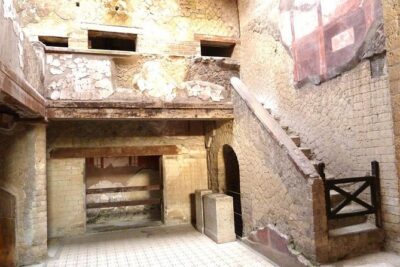
The payoff comes from how the guide explains what you’re seeing as you move from place to place. I especially like the way Pompeii feels less like ruins and more like daily life in 79 AD, with help from guides who know the site well (the archeologist Julia is a standout example from recent trips).
One thing to consider: the Pompeii ticket line item is shown as not included in the day-plan notes, but the tour package lists Pompeii admission fees under what is included. Double-check that you’re fully covered during booking so there are no surprises.
In This Review
- Key things to know before you go
- Private minivan: the easiest way to do Naples and Pompeii in one day
- Getting into Pompeii without the long queue
- Pompeii walkthrough: how the stops create a story, not a checklist
- Porta Marina to the heart of the city
- Basilica: the sheltered zone for commerce and activity
- Granai del Foro: marble tables, fountains, and casts
- Foro de Pompeya: the ancient main square
- Main street walk: the city spine
- Stabian Baths (Terme Stabiane): the oldest thermal complex you’ll tour
- Lupanar: the famous brothel in Pompeii
- Casa del Fauno: a big private residence
- Casa del Menandro: wealth in architecture and decoration
- Teatro Piccolo and Teatro Grande: Pompeii knew how to entertain
- Time for the overall walk-through feeling
- Naples in the second half: historic center, churches, and seaside views
- Lunch break in a traditional pizzeria
- Piazza del Gesù Nuovo: Baroque elegance
- Santa Chiara complex: a Gothic contrast point
- Spaccanapoli: Naples main street in a single spine
- Duomo di Napoli: the cathedral and San Gennaro area
- San Lorenzo Maggiore: a complex, fascinating church stop
- Museo Cappella Sansevero: the Veiled Christ
- The guide makes the difference: what Julia’s archaeologist approach adds
- Price and value: what you get for $605.07 per person
- Who should book this tour (and who might prefer something else)
- Practical tips so the day feels good
- Should you book this Pompeii and Naples private day trip?
- FAQ
- How long is the Pompeii and Naples tour?
- Is pickup included, and where does it happen?
- Is this tour private?
- What language is the tour guide?
- Is lunch included?
- What about tickets and admission fees?
- Where do we enter Pompeii?
- Do I need to bring anything for the day?
- Can children join the tour?
- What is the cancellation policy?
- FAQ
- Does the tour use a minivan?
- Are mobile tickets used?
- Is there an option to avoid waiting in lines at Pompeii?
Key things to know before you go
- Skip-the-line at Porta Marina: you enter Pompeii from the main entrance called Porta Marina.
- Private transportation from anywhere in Campania: port pick-up, hotel pick-up, and a driver who meets you with a sign.
- Pompeii stops that follow the city’s layout: you move through the forum area, homes, theaters, and the thermal complex.
- Naples historic-center time is real: Spaccanapoli, Duomo area sights, and Santa Chiara all fit in.
- Lunch is included: you stop for lunch at a traditional pizzeria in the historic center.
- Moderate walking expectations: comfortable shoes matter, and you should have a moderate fitness level.
Private minivan: the easiest way to do Naples and Pompeii in one day
If you want a day that feels efficient, this is the kind of plan you’ll like. You’re not left to coordinate trains, buses, or schedules across two big destinations. Instead, you ride in a modern minivan with a driver and a guide who stays with you for the full experience.
That private setup matters more in this area than you might think. Naples can be unpredictable for pickups, and Pompeii is a “go-now, walk-now” site once you’re inside. With a private vehicle, you start on your timeline, not someone else’s. You’re also dropped off again at the end at a port in Campania or your hotel or other accommodation, which keeps your evening simple.
Practical note: the meeting point is straightforward. The driver meets you holding a sign with your name, so you can avoid the awkward hunt in a busy port or street corner.
You can also read our reviews of more city tours in Naples



Getting into Pompeii without the long queue
Pompeii’s most frustrating moment is often the line. This tour is built to reduce that stress, using skip-the-line admission and an entry route through the main entrance called Porta Marina.
Once you’re in, the tour moves quickly but not randomly. The stops are grouped so you can start understanding what you’re looking at: commercial areas, public spaces, then the residential neighborhoods and entertainment spots, and finally the baths and the famous brothel area. That pacing is useful because Pompeii is huge. If you only see it as a list of famous buildings, it’s easy to feel lost. This route gives you a sense of place.
Also, the language is English, so you’re not relying on guesswork when the guide points out the details that change everything (like how rooms connect, how people used spaces, and what certain symbols suggest).
Pompeii walkthrough: how the stops create a story, not a checklist
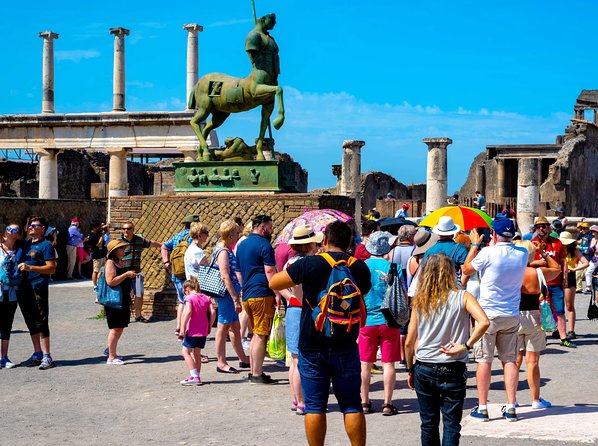
The Pompeii portion is where you’ll feel the value of having a guide instead of just tickets. You’re taken to a wide mix of areas, but the order is what helps. Each stop adds another layer to the city’s daily rhythm before the eruption ever comes into the picture.
Here’s what to expect as you move through the ruins:
Porta Marina to the heart of the city
You’ll start at the Pompeii Archaeological Park with entry from Porta Marina, then begin working your way through major zones. The goal isn’t to “see everything.” It’s to see enough of the city’s structure that your photos later make sense. When the streets, the forum, and the big public venues line up in your head, Pompeii stops being confusing.
Basilica: the sheltered zone for commerce and activity
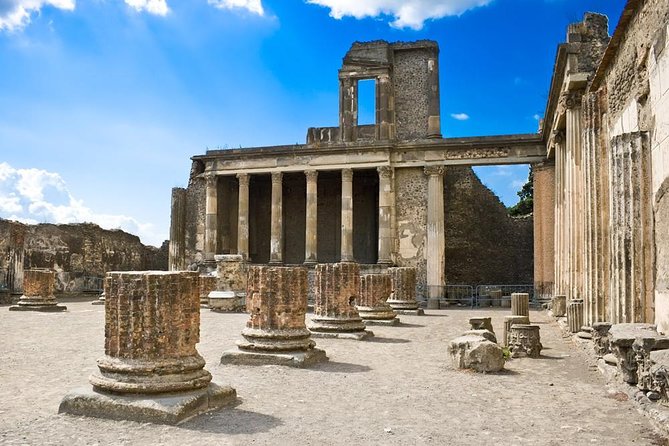
The Basilica stop is short, but it’s a smart one. You’ll stand in an open portico area that historically sheltered merchants and other daily business. Even if you only have 15 minutes, the guide can help you picture how people used covered space in a busy port-like setting. It’s not just architecture. It’s a clue about how people met, sold, and moved.
Watch for why the space feels central. It helps set up the next stops in the public core.
You can also read our reviews of more private tours in Naples






Granai del Foro: marble tables, fountains, and casts
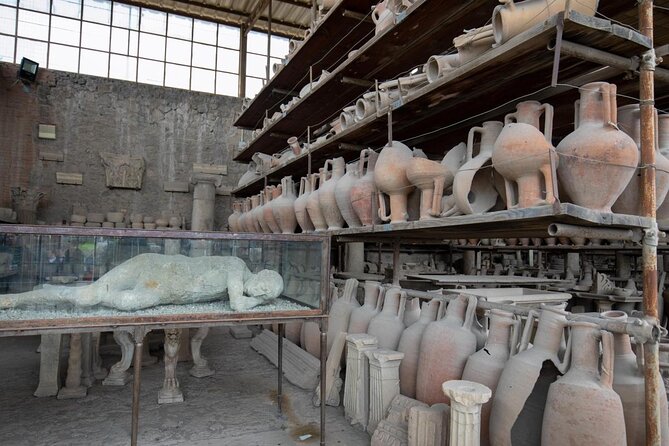
Next you’ll see the Granai del Foro. The granary is where you’ll learn about storage and public-facing features—marble tables and what were used around fountains near entrances. This is also where casts of victims are referenced, along with examples like a dog and a tree.
This is one of those stops where the guide’s framing matters. You get facts, but you also get help handling the emotional weight of the site. Plan for it: you’ll likely feel it more than you expected, even with a “short” timed visit.
Foro de Pompeya: the ancient main square
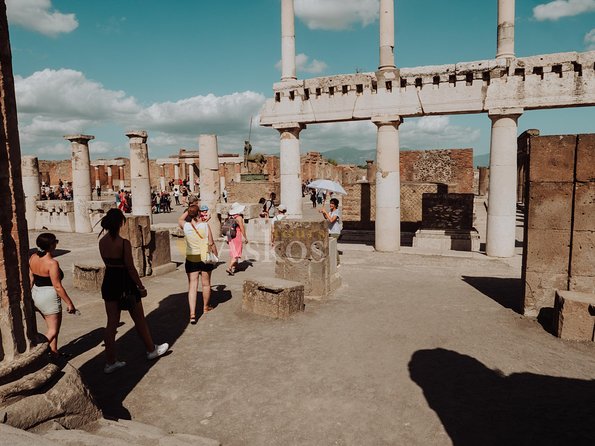
The Foro de Pompeya is the city’s public square energy. Ten minutes doesn’t sound long, but the forum is the kind of place where you quickly understand why Pompeii was a place for civic life. If you’ve been picturing it only as temples and houses, the forum helps show the city as a working public hub.
Main street walk: the city spine
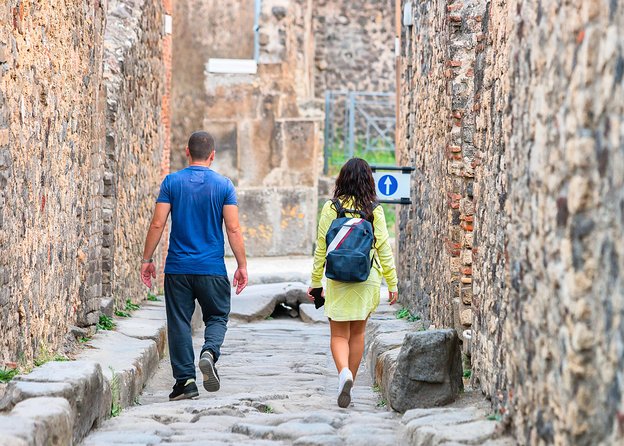
There’s also a walk through the main street of Pompeii. This is the connective tissue of the whole day. It helps you line up the major buildings you saw earlier and sets expectations for what comes next: entertainment spaces, baths, and private homes.
Stabian Baths (Terme Stabiane): the oldest thermal complex you’ll tour
The Stabian Baths take you to a vast thermal area. The guide points out that this is the oldest thermal complex in the city. Even if you’re only there about 15 minutes, you can grasp the scale and how the bath culture shaped daily routines.
A tour like this is great when you want context. Instead of seeing “ruins of a bath,” you’ll understand it as a social place—rooms, paths, and an everyday rhythm people built into their day.
Lupanar: the famous brothel in Pompeii
Then comes the Lupanar, the most famous brothel in the ruined Roman city of Pompeii. This stop is short, but it’s one of the most talked-about parts of Pompeii. With a guide, you’ll get more than the sensational headlines. You should leave with a clearer sense of how the city tolerated and organized different parts of life, not just the more glamorous buildings.
If you’re uncomfortable with sexual content, this stop is the one to mentally prepare for.
Casa del Fauno: a big private residence
Moving into residential life, the Casa del Fauno is one of the larger and more impressive private houses in Pompeii. At 15 minutes, you won’t tour every room, but you’ll still see why it mattered: size, layout, and the kind of wealth that shows up in domestic design.
Casa del Menandro: wealth in architecture and decoration
The Casa del Menandro is even more about riches. It’s described as one of the richest and most magnificent houses in Pompeii in terms of architecture, decoration, and contents. This stop helps you understand what “status” looked like when it was carved into everyday spaces.
Teatro Piccolo and Teatro Grande: Pompeii knew how to entertain
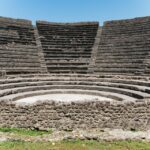
You’ll also get a look at the Teatro Piccolo (time to view) and then the Teatro Grande, Pompeii’s most important theater. Ten minutes at the theater sounds brief, but theaters are built for impact. With a guide, you can connect what you see to how people gathered for performances and public life.
Time for the overall walk-through feeling
By the time you’ve gone from the forum spine to entertainment, baths, and homes, the day starts clicking. You’ll feel like you’re moving through a city block at a time, not hopping between unrelated “big sights.”
Naples in the second half: historic center, churches, and seaside views
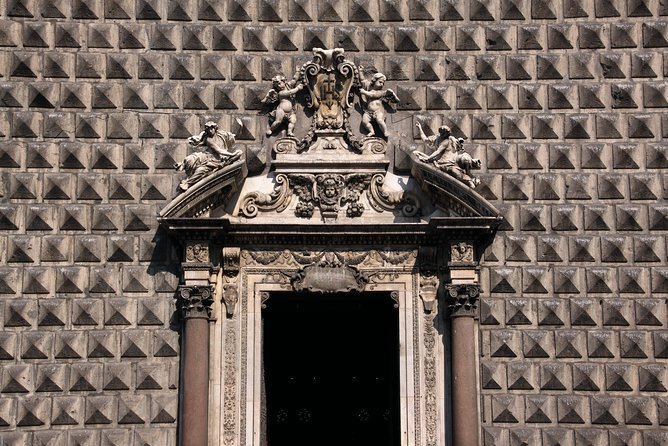
After Pompeii, you transfer back to Naples and the tour shifts from Roman city structure to Neapolitan street life and viewpoints.
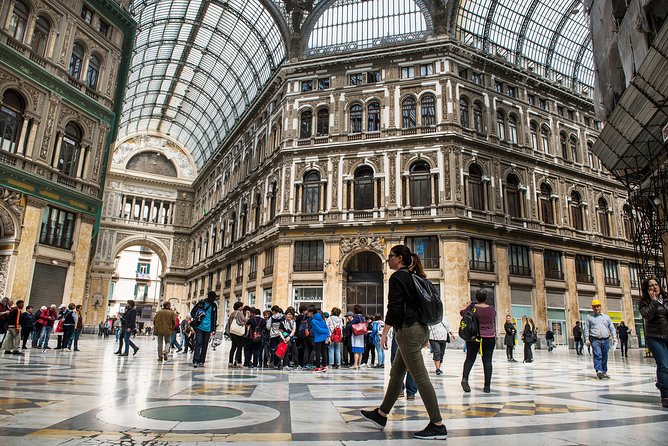
There’s a panoramic tour of the monumental quarter and the seaside, which is useful because Naples can feel chaotic unless you get an overall view first. Once you see it from above or from a wider angle, the street plan is easier to understand when you start walking.
Lunch break in a traditional pizzeria
You’ll stop for lunch in a traditional pizzeria in the historic center, with about an hour for the meal. Lunch is included, which helps this tour feel more realistic as a day plan. You don’t have to hunt for food in a tight schedule.
Keep in mind: one hour passes fast. If you’re the type who likes to linger, you might want to order quickly once you sit down.
Piazza del Gesù Nuovo: Baroque elegance
At Piazza del Gesù Nuovo, you’ll see the church of Gesu’ Nuovo, a striking Baroque building. The mention of diamond-shaped ashlars on the façade gives you something specific to look for. The interiors in marble are the kind of detail that rewards attentive wandering, even with a short stop.
Santa Chiara complex: a Gothic contrast point
Then you’ll head to the Complesso Monumentale di Santa Chiara. This is one of Naples’ most beloved churches, but what makes it interesting is the contrast: it represents a more austere Gothic chapter in the city’s story, set in a walled complex that feels like a calm pocket.
It’s a good change of pace after the busier streets around the center.
Spaccanapoli: Naples main street in a single spine
Next is Spaccanapoli, the straight and narrow historic street locals call Naples splitter. The name comes from its length and its way of dividing the historic center from above.
Even with about 20 minutes, this is the kind of walk where you start noticing how neighborhoods feel different within a small distance.
Duomo di Napoli: the cathedral and San Gennaro area
At Duomo di Napoli, you’ll see a 14th-century French Gothic church built by the Angevins. It’s also the seat of the Naples Archdiocese. You’ll spend around 20 minutes here, and the guide can point you toward the crypt and the chapel of San Gennaro.
If you’re curious about San Gennaro, this is also where the festival linked with the famous ceremony takes place three times a year. Even if you’re not visiting during the festival, it adds context to why this cathedral matters.
San Lorenzo Maggiore: a complex, fascinating church stop
The Basilica di San Lorenzo Maggiore is another short but interesting stop. It’s described as one of Naples’ most fascinating churches, with complex history. This is a good pick for people who enjoy seeing how layers of time stack up in a single place.
Museo Cappella Sansevero: the Veiled Christ
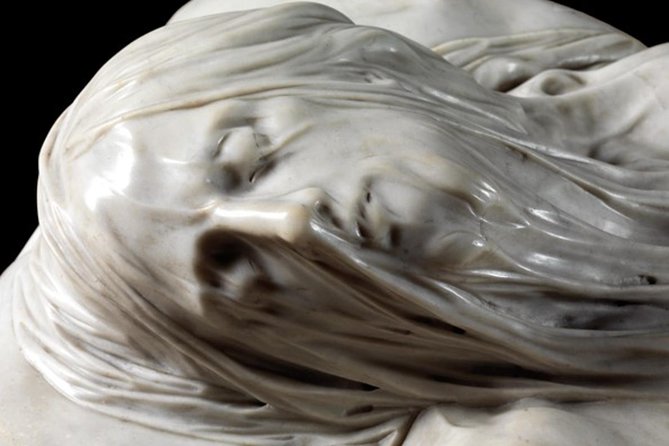
Finally, you’ll visit the Museo Cappella Sansevero, known for the Veiled Christ among other masterpieces. With a timed stop, you’ll probably have enough time to focus on the main highlight and absorb the overall atmosphere.
If you love art that plays with illusion, texture, and form, this is where your camera roll gets good.
The guide makes the difference: what Julia’s archaeologist approach adds
One of the most praised aspects of this tour is how the guide brings Pompeii to life. In particular, Julia is described as an archeologist who has worked at the Pompeii site and led tours for about a decade.
That kind of background shows in the way she explains what daily life looked like: societal norms and culture, and the human scale of the residents on that fateful day in 79 AD. Instead of treating the ruins like a museum diagram, you’re guided to think like a person walking those streets—what you might do in a public area, how you might move through homes, and how social life worked in a place like Pompeii.
So if you care about understanding Pompeii rather than just collecting photos, this is a real strength.
Price and value: what you get for $605.07 per person
At $605.07 per person for about seven hours, this isn’t a budget outing. But it’s also not just a basic ticket-and-train day.
You’re paying for:
- Private transportation by modern minivan with a driver
- Guidance for the whole day by a professional guide in English
- Pompeii admission fees handled as part of the package
- A structured route that covers Pompeii’s major zones plus Naples’ historic highlights
- Lunch included in the historic center
Where this becomes good value is in time and stress. Naples-to-Pompeii logistics can eat your day. Here, the planning is done for you, and you get a tight schedule that still covers plenty of ground.
If you’re traveling as a couple or small group and you’d otherwise hire a private driver or burn time figuring out connections, the price can start to look reasonable.
Who should book this tour (and who might prefer something else)
This tour fits best if you:
- Want Pompeii plus Naples in one day, without transport headaches
- Like learning as you walk, especially if Pompeii storytelling matters to you
- Prefer a paced, guided route over self-directed roaming
- Are okay with a full day that includes short timed stops inside big sites
You might want a different format if you:
- Want lots of unstructured time in Pompeii (this plan is structured)
- Are sensitive to the content associated with the Lupanar
- Don’t enjoy walking through multiple major sites back-to-back
Practical tips so the day feels good
- Wear comfortable shoes. Pompeii and Naples both involve uneven ground and lots of walking.
- In summer, bring a hat, sunscreen, and a bottle of water. Pompeii heat can be real.
- If you have moderate fitness needs, plan your energy carefully. This is doable with the right pace, but it’s still a day packed with stops.
- You can travel with service animals if needed.
Also, think about your photo strategy. In a site like Pompeii, you’ll want a mix: a quick overview shot at each major stop, then a slower moment if you’re able.
Should you book this Pompeii and Naples private day trip?
Yes, if you want a guided Pompeii day that doesn’t feel like logistics homework. The skip-the-line entry, the private minivan setup, and the way the guide explains what you’re seeing (including the strong Julia-style storytelling) are the big reasons to choose this.
If you’re the type who thrives on self-guided exploration and long unbroken time, you might feel rushed. But for most people who want a memorable, organized day mixing Pompeii and Naples highlights, this is a solid, sensible pick.
FAQ
How long is the Pompeii and Naples tour?
It runs for about 7 hours.
Is pickup included, and where does it happen?
Yes. Pickup is offered from any port in Campania, your hotel, or other accommodation. The driver meets you holding a sign with your name.
Is this tour private?
Yes. It is a private tour/activity, so only your group participates.
What language is the tour guide?
Guidance is offered in English.
Is lunch included?
Yes. Lunch is included during a 1-hour stop at a traditional pizzeria in the historic center.
What about tickets and admission fees?
Pompeii admission fees are listed as included in the package. You’ll also visit several sites where admission is listed as free on the day plan.
Where do we enter Pompeii?
You enter Pompeii from the main entrance called Porta Marina.
Do I need to bring anything for the day?
You should wear comfortable shoes. In summer, bring a hat, sunscreen, and a bottle of water.
Can children join the tour?
Children must be accompanied by an adult.
What is the cancellation policy?
Free cancellation is available up to 24 hours in advance for a full refund.
FAQ
Does the tour use a minivan?
Yes. Transportation is provided by a modern minivan, with a driver included.
Are mobile tickets used?
Yes. A mobile ticket is offered.
Is there an option to avoid waiting in lines at Pompeii?
Yes. The tour highlights skip-the-line admission to Pompeii.