REVIEW · NAPLES
Private Natural Wine Vs Byodinamic and Organic Wine Tour
Book on Viator →Operated by NAPOLI WINE TOURS · Bookable on Viator
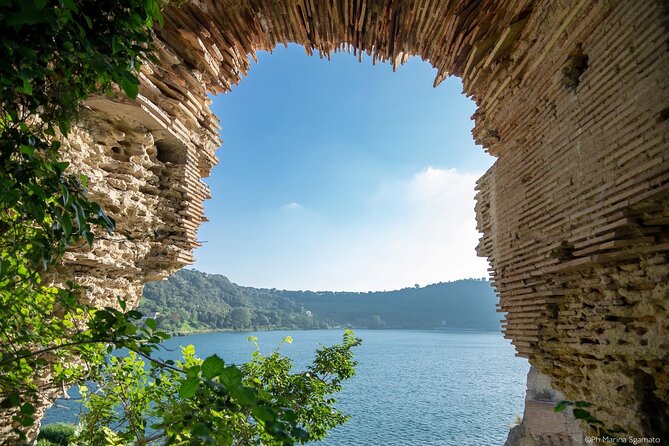
A natural wine day in Naples should feel like a lesson you enjoy. This one pairs a vineyard visit in Campania with a dedicated bilingual sommelier (Andrea), hands-on tasting training, and a very practical look at conventional, organic, biodynamic, and natural wine. You also get a scenic detour around Lake Averno, a volcanic lake in the Campi Flegrei area that sets the tone fast.
Two things I really like: first, the sommelier time is exclusive to your group, so the explanations match your level and pace. Second, the tour uses the Wine Aroma Set, so you learn how to spot aromas and even common defects and faults instead of just guessing what you smell.
One consideration: this is not a casual sip-and-chat outing. The day has structured comparisons (including ancestral method vs Charmat and organic/biodynamic vs conventional), plus a short history presentation, so if you want only a laid-back tasting, this may feel a bit more classroom than you expect.
In This Review
- Key points at a glance
- A Naples private natural wine tour that actually teaches you
- Lake Averno and the Campi Flegrei setting before the vines
- Tenuta Sorrentino Vesuvio: the vineyard walk that turns wine terms into reality
- Andrea’s lesson on wine history: world, Italy, and Campania
- Natural vs organic vs biodynamic vs conventional: how the comparisons work
- Tasting lunch: ancestral method vs Charmat, plus organic/biodynamic comparisons
- The Wine Aroma Set: turning smelling into a real skill
- Food-wine pairing tips you can use back home
- Price and time: what you’re paying for at $300.67
- Who this tour suits best
- Should you book this private wine tour?
- FAQ
- What time does the tour start?
- How long is the tour?
- Is this tour private?
- Is pickup included?
- What wine styles or methods are included in the tastings?
- Do we get food with the wine?
- Does the guide teach tasting and pairing techniques?
- What is the Wine Aroma Set for?
- Is there any presentation besides the vineyard and tastings?
- Can I cancel for a full refund?
Key points at a glance
- Exclusive bilingual guidance from Andrea so you can ask questions without racing the clock
- Wine Aroma Set training for aromas, defects, and wine faults
- Clear comparisons between conventional, organic, biodynamic, and natural approaches
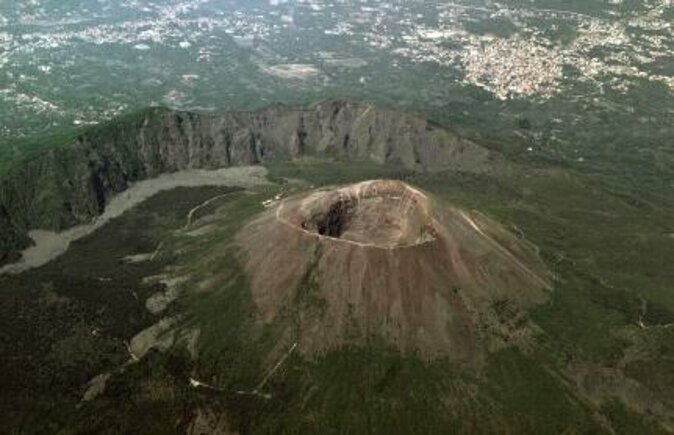
- Vineyard time at Tenuta Sorrentino Vesuvio with hands-on inspection and learning
- Campi Flegrei stop at Lake Averno before the wine portion
- Tasting lunch pairing farm-to-table food with multiple wine styles and methods
A Naples private natural wine tour that actually teaches you
If you care about wine but don’t want to feel like you need a PhD, I think this format hits the sweet spot. The day is private, and the guide focus is tight: you’re not stuck waiting for a large group to catch up. That matters because wine tasting is slower than it looks on social media.
Andrea’s teaching style is built around inspection techniques—how to look at the wine, how to smell it, and how to think about what you’re tasting. He also tunes explanations to the guests’ comfort level, which is rare on wine tours. You’re free to stay on the basics or push into deeper questions about how production choices change what ends up in the glass.
And yes, the tour is fun. But the fun comes from understanding what you’re doing. When you start recognizing aromas and learning what counts as a defect or fault, wine tasting stops being random guessing. It becomes a skill.
You can also read our reviews of more private tours in Naples

Lake Averno and the Campi Flegrei setting before the vines
The day starts with a morning tour plan out of Naples (start time is 9:00 am), then you move toward the producer in Campania with private transfer included. On the way, you get a 30-minute travel segment tied to the Campi Flegrei area and Lake Averno.
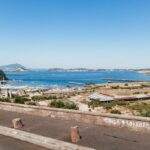
Lake Averno is described as the second largest lake in Campania, formed by an extremely old volcanic basin (from a volcano that’s now extinct). That ancient, geological setting is more than scenery. It gives you a mental frame for why soil, environment, and micro-conditions matter for grape growing and ultimately for wine character.
If you like travel that links nature to food and drink, you’ll appreciate this setup. It also helps with pacing: you’re not instantly inside the tasting room. You have time to get your bearings, see the region’s character, and then transition to the vineyard.
Tenuta Sorrentino Vesuvio: the vineyard walk that turns wine terms into reality
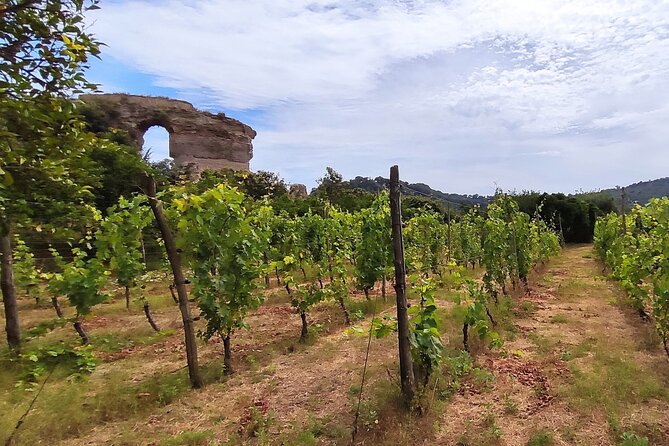
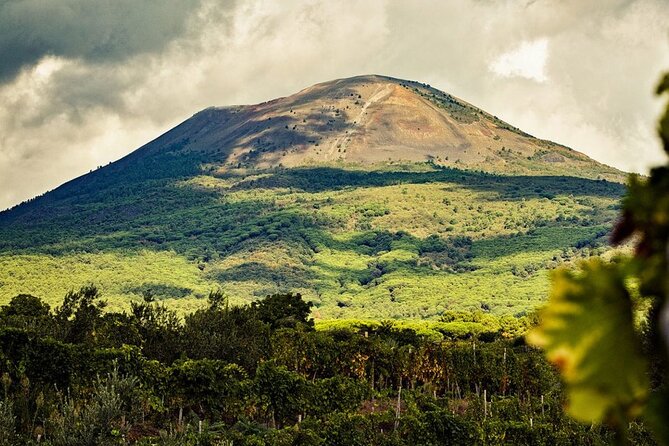
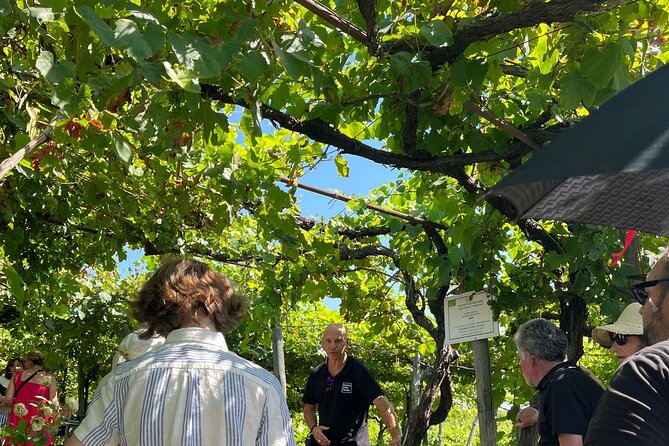
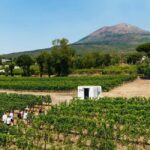
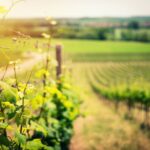
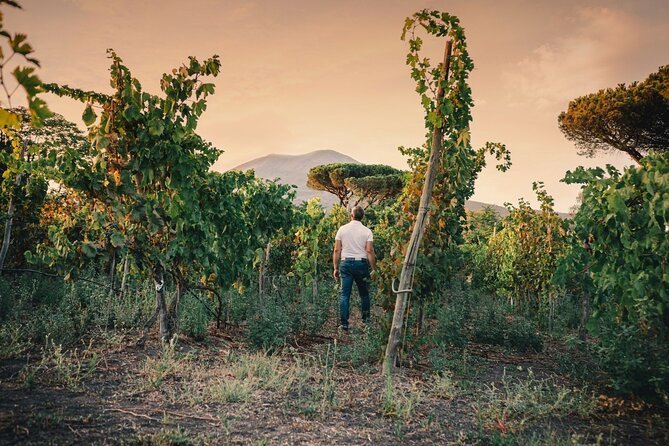
Once you reach the producer area, you begin with an in-depth vineyard tour at Tenuta Sorrentino Vesuvio. The value here is that you’re not learning wine types in a vacuum. The vineyard visit is where the tour connects production methods to what’s happening in the field—like vine planting choices, soil realities, and the general logic of how a winery works.
This part is also where the day begins doing what many tastings only pretend to do: differentiating conventional versus organic, then biodynamic, then natural wine production. You’ll get an attent differentiation rather than a vague “some wines are healthier” explanation. The goal is to help you understand why someone would choose each path, and what those choices can mean for flavor, stability, and style.
Practical tip: bring comfortable walking shoes. Even when vineyards are not long hikes, you’ll want grip and comfort for uneven ground around grape rows. And if you’re someone who usually avoids farm visits because you don’t want to feel rushed, a private format like this helps. You can ask questions as you go, not after the fact.
Andrea’s lesson on wine history: world, Italy, and Campania
After the vineyard portion, you get a short anthropological introduction to the history of wine—covering the wider world, then Italy, and finally Campania. It’s supported with a PowerPoint presentation on a tablet.
This is a smart inclusion for two reasons. First, it gives you context for why wine styles and production philosophies evolved the way they did. Second, it helps you connect modern terms like natural wine to older regional wine culture, rather than treating everything like a brand-new trend.
A small detail, but useful: you’re not stuck with only technical definitions. The history framing can make the comparisons during tasting lunch feel more coherent—like you’re learning the “why” behind what you’re tasting.
Natural vs organic vs biodynamic vs conventional: how the comparisons work
The tour’s tasting plan is built around method and production differences, and it keeps the comparisons organized. You start by learning about production approaches (conventional, organic, biodynamic, and natural). Then during lunch, the day shifts into tasting comparisons that are easier to track.
Here’s what you should expect conceptually as you move through the day:
- Conventional: usually means the winemaking choices follow standard winery practices (the tour will help you understand how to read those choices in the glass).
- Organic: focuses on farming restrictions and how that connects to vine health and fruit character.
- Biodynamic: often takes a more holistic approach to agriculture; the tour’s breakdown helps you understand what to look for when tasting.
- Natural: generally aims for minimal intervention; your tasting training helps you notice how that can change aroma, texture, and clarity.
The biggest win is not just learning definitions. It’s learning what to pay attention to when you taste. Andrea’s focus on inspection techniques means you learn how to build your own tasting notes based on what’s in the glass, not just on what the name on the label claims.
You can also read our reviews of more wine tours in Naples
Tasting lunch: ancestral method vs Charmat, plus organic/biodynamic comparisons
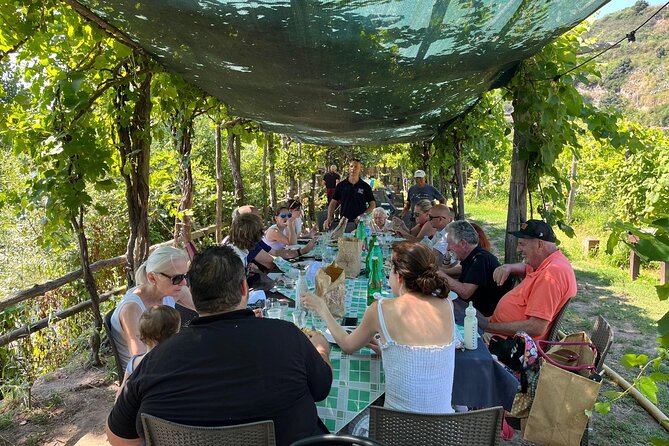
By the time lunch arrives, you’re ready for the part most people came for: tasting with food. This experience includes a tasting lunch featuring comparisons of Ancestral method wines versus Charmat method wines, along with comparisons of organic and biodynamic wines against conventional wines.
The food is described as farm-to-table, and the key point is the pairing. You’re not just eating and sipping randomly. Andrea walks you through food-wine pairing techniques, which is where the learning becomes useful in real life. You’ll understand why certain wine styles work with certain food textures and flavors.
Two practical things to consider:
- Expect your palate to change during the meal. Start with the lighter or more subtle expressions first, and save bolder or more intense wines for later (Andrea’s instruction will guide the order you should follow).
- If you’re sensitive to strong bubbles or very dry styles, tell Andrea early. Since he tunes to your level, he can steer your attention and explain what to look for rather than forcing you to just endure a style you don’t love.
The Wine Aroma Set: turning smelling into a real skill
This tour’s most distinctive teaching tool is the Wine Aroma Set. It’s designed to help you understand wine aromas as well as common defects and faults.
Why that matters: smell is the fastest way to get better at wine tasting, but it can also be the most confusing. Some aromas feel like a guessing game. The Aroma Set gives you a structured way to connect what you smell with what it means in wine terms.
You’ll learn a method of inspection that goes beyond “what notes do you get?” It’s closer to: how do you approach wine aromas, how do you identify when something is off, and how do you describe it in a way that makes sense to others. Even if you never become a wine judge, this kind of training boosts your confidence.
And yes, it’s just plain fun. It’s like having a tasting cheat sheet you can use while you’re tasting.
Food-wine pairing tips you can use back home
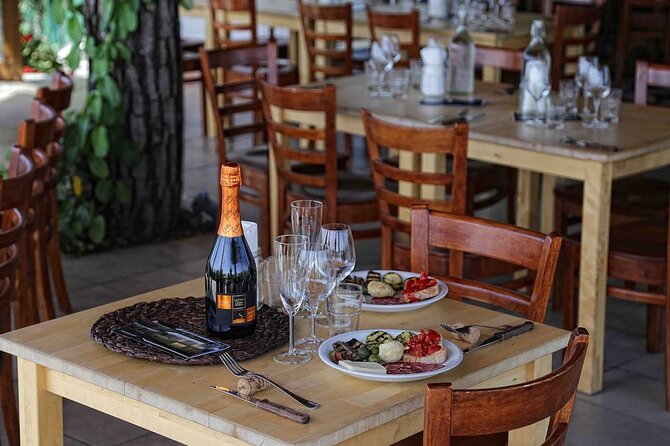
The pairing portion of the tour isn’t only about tasting what someone served. Andrea’s instruction on food-wine pairing techniques is practical enough that you can take it with you.
Here are the kinds of skills you should come away with:
- How to match wine structure (like acidity and body) to food textures
- How to think about balance so the wine doesn’t taste too sharp or too flat next to the meal
- How to recognize when a pairing fails and what adjustment would fix it next time
If you like cooking, even casually, this helps. You stop buying wine only by label or price and start choosing based on the role wine plays at the table.
Also, since Andrea is bilingual, you can ask follow-ups without losing nuance. That’s especially helpful if you want deeper explanations on production choices and what you’re experiencing in the glass.
Price and time: what you’re paying for at $300.67
At $300.67 per person for about 6 hours 30 minutes, the price is not bargain-bin territory. But it also isn’t just paying for wine samples.
You’re paying for:
- Private transfer to the producer in Campania
- A full vineyard tour
- A dedicated bilingual sommelier exclusively for your group
- A guided comparison of multiple wine categories (including conventional, organic, biodynamic, natural)
- Lunch with tasting pairings (including ancestral method vs Charmat)
- The Wine Aroma Set training experience
- A short history presentation supported by a PowerPoint on a tablet
So the value calculation is about instruction quality and structure. If you want to learn rather than simply consume, this price starts to make sense. If you only want light tasting with minimal explanation, you could probably find cheaper options—but you’d lose the core teaching tools that are central to this tour.
Who this tour suits best
This is a strong match if you:
- Want a private Naples wine day without feeling rushed
- Like learning through tasting, not just listening
- Are curious about natural wine specifically, but also want fair comparisons with other approaches
- Enjoy farm-to-table dining and pairing education
It may be less ideal if you:
- Prefer unstructured wandering with zero formal comparison
- Want only a short tasting rather than a 6.5-hour planned experience
Should you book this private wine tour?
If you like the idea of a guided day that turns wine styles into something you can actually taste and describe, I’d book it. The combination of Andrea’s exclusive bilingual teaching, the Wine Aroma Set, and the structured comparisons at lunch makes the experience feel purposeful, not random.
Add the scenic stop at Lake Averno and you get a Naples-area day that feels connected to place, not just itinerary boxes. For most wine-curious people, this is the kind of tour where you don’t just leave full—you leave with better tasting instincts.
FAQ
What time does the tour start?
The tour starts at 9:00 am.
How long is the tour?
It lasts about 6 hours 30 minutes.
Is this tour private?
Yes. It is a private tour/activity, and only your group participates.
Is pickup included?
Pickup is offered, and a private transfer is included to reach the producer in Campania.
What wine styles or methods are included in the tastings?
You’ll taste Ancestral method wines and Charmat method wines, plus comparisons involving organic and biodynamic wines alongside conventional wines. The tour also distinguishes between conventional, organic, biodynamic, and natural wine production.
Do we get food with the wine?
Yes. The tour includes a tasting lunch with farm-to-table food paired with the wine tastings.
Does the guide teach tasting and pairing techniques?
Yes. A professional bilingual sommelier teaches wine inspection techniques and food-wine pairing techniques, and will go deeper if requested.
What is the Wine Aroma Set for?
The Wine Aroma Set is used to help you understand wine aromas as well as defects and faults.
Is there any presentation besides the vineyard and tastings?
Yes. There’s a short anthropological introduction to the history of wine, presented with a PowerPoint on a tablet.
Can I cancel for a full refund?
Yes. Free cancellation is available if you cancel at least 24 hours before the experience’s start time for a full refund.