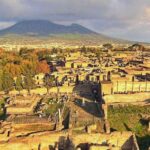
Vesuvius froze a whole city in time. On this 2-hour guided visit, I love how you move through near-unchanged rooms and streets and how the walk ends with the unforgettable charred boat pavilion from the shoreline. It’s Roman life you can actually picture, not just read about.
One thing to plan for: the big archaeological park entrance fee is not included. You’ll add €16.00 per person on top of the tour price.
In This Review
- Key things to look forward to
- Why Herculaneum feels different from Pompeii
- Price and logistics you should know before you go
- Starting at the Herculaneum Ticket Office: setting the pace
- Parco Acheologico di Ercolano: houses, fresco colors, and daily routines
- The ancient beach and the terrace of Marco Nonius Balbo
- Casa dei Cervi: the House of Deer and why it’s so memorable
- The House of the Wooden Partition: Partem Domus lignea
- Neptune and Amphitrite mosaics: Casa di Nettuno e Anfitrite
- Casa Sannitica, the decumanus maximus, and what makes the city work
- The College of the Augustales: worship, status, and the emperor cult
- Casa d’Argo and the boat pavilion: where the story lands
- Who this tour suits best (and who might want a different plan)
- Should you book Secret Herculaneum?
- FAQ
- Is the entrance fee to Herculaneum included?
- How long is the tour?
- What languages is the tour offered in?
- What’s included in the tour price?
- Where do we meet, and where does the tour end?
- What group size should I expect?
- Do I need good weather for this experience?
- Is the tour suitable for people who use wheelchairs?
- Can I cancel for a full refund?
- Do I need a printed ticket?
Key things to look forward to
- Small group (max 10) keeps questions easy and pace calm
- Archaeologist-led explanation turns artifacts into stories you can repeat
- UNESCO Parco Acheologico di Ercolano shows houses, shops, and civic spaces in one walk
- Preservation wins big: fresco colors, mosaics, and even a wooden interior feature
- Boat pavilion with a preserved vessel links the eruption to daily coastal life
- Compact site layout makes “two hours” feel doable instead of exhausting
Why Herculaneum feels different from Pompeii
Herculaneum is the quieter twin. It’s smaller than Pompeii, but that’s the point: you see more per minute because the site doesn’t demand hours of sprinting from one end to the other.
The big difference is preservation. Where Pompeii gives you ruins and outlines, Herculaneum can show more complete spaces—doors, rooms, and decorative surfaces—so you get a clearer sense of how people lived day to day.
If you’re the type who likes to understand how a city worked (not just stand in front of walls), you’ll appreciate the tour’s stop-by-stop rhythm through homes, public spaces, and the waterfront.
You can also read our reviews of more tours and experiences in Naples.

Price and logistics you should know before you go
The tour itself is priced at $34.84 per person for about two hours. The catch is that the Archaeological Park of Herculaneum entrance (€16) is separate, so budget accordingly.
Also, this is an English tour with a mobile ticket. That’s convenient, but it’s still worth arriving with time to check in and get oriented, especially since the tour is capped at just 10 people—small groups don’t like waiting around.
Plan for good weather. This experience depends on it, so if conditions are poor, it may shift or be refunded.
Starting at the Herculaneum Ticket Office: setting the pace
The tour meets at the Herculaneum Ticket Office in 80056 Ercolano and returns there at the end. It’s a straightforward meeting point, and that matters because you don’t waste precious time hunting for your group.
Pace is the main practical factor. The itinerary is built around many short stops (around 10 minutes each). That works well if you want a guided overview fast, but it also means you’ll want sturdy shoes—this is a walking site with steps and uneven surfaces.
One more small tip: if your guide speaks softly, don’t be shy about moving a little for a better sightline. On a short tour, hearing the key explanations makes the difference.
Parco Acheologico di Ercolano: houses, fresco colors, and daily routines
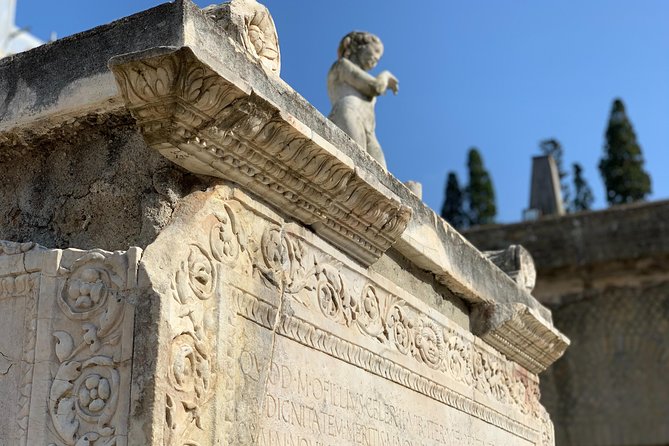
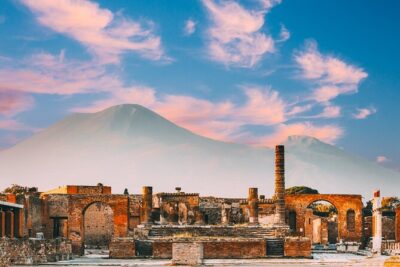
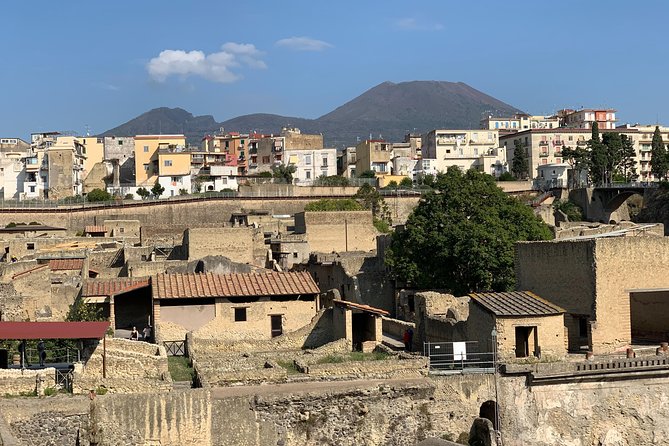
This is the heart of the visit: the Parco Acheologico di Ercolano, a UNESCO site and one of the best-preserved ancient cities in the world. It was buried during the 79 AD eruption of Mount Vesuvius, and that catastrophic timing is what makes today’s visit so striking.
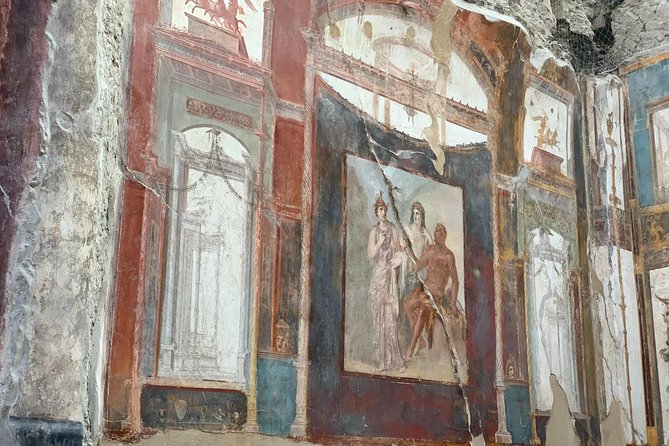
Your tour introduces you to the idea that Herculaneum still feels like a place you could walk through. You don’t just look at foundations—you can see how spaces were laid out, including rooms with decoration that still shows warm fresco tones.
A standout for me is the way the guide connects everyday life to specific buildings. You’ll spend time around civic and communal spaces like a gymnasium and baths, where people gathered to talk about everything from politics to business. That’s the kind of context that makes the site feel human.
Practical note: the entrance ticket for the park is not included in the tour price, so have that ready. Once you’re inside, it’s easy to find a free map at the kiosk at entry, and it helps you follow along as you hop between areas.
The ancient beach and the terrace of Marco Nonius Balbo
After the main park orientation, you step toward the water. The tour includes the ancient beach, described as the only waterfront of an almost entirely preserved Roman city. It’s a great change of scenery because it turns the eruption from an abstract event into something tied to daily travel, work, and leisure.
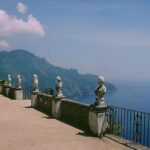
Then comes the terrace of Marco Nonius Balbo—a viewpoint that reflects civic pride. In Herculaneum, prominent citizens weren’t just rich; they funded and shaped public-looking spaces, including a sea-facing terrace built to honor a leading patron.
Even if you don’t go deep on names and dates, don’t skip this stretch. The sea views and the terrace position help you understand why the city’s layout mattered—people planned around coastline access and sightlines.


Casa dei Cervi: the House of Deer and why it’s so memorable
Next you’ll see Casa dei Cervi, or the House of Deer. The name comes from two marble groups showing deer being attacked by dogs—one of those details that sounds simple until you’re standing in front of it.
This stop is valuable because it anchors the tour in wealth and taste. Herculaneum’s most preserved residences show how owners used art and sculpture to project status and personality.
Expect the guide to connect the decoration and layout to Roman domestic life. You’ll get a clearer sense of where guests might have been received, where daily routines happened, and how public-facing and private parts of the home were separated.
The House of the Wooden Partition: Partem Domus lignea
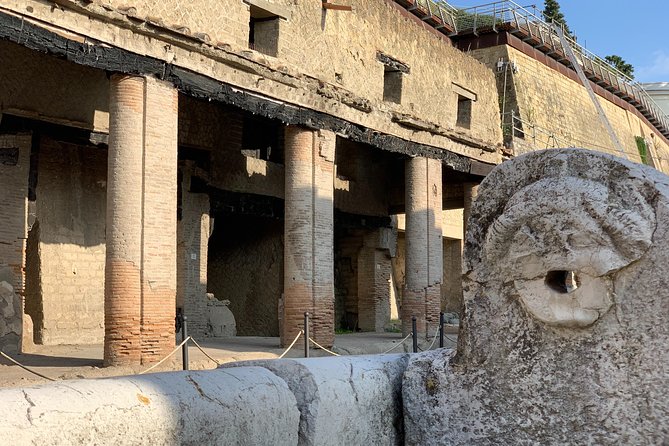
One of the coolest moments is Partem Domus lignea – Casa del Tramezzo di Legno, the House of the Wooden Partition. It’s named for a folding wooden structure discovered in the atrium area, designed to separate the atrium from the tablinum (the household’s study-like space).
This is the kind of detail that makes Herculaneum feel different from many other Roman sites. Wood doesn’t usually survive, so when you encounter an interior feature tied to movement and privacy, it adds a whole layer of realism to what the space was like.
This stop also trains your eye. Once you understand that some spaces were meant to shift and separate, you start seeing the home as a system—not just a static set of rooms.
Neptune and Amphitrite mosaics: Casa di Nettuno e Anfitrite
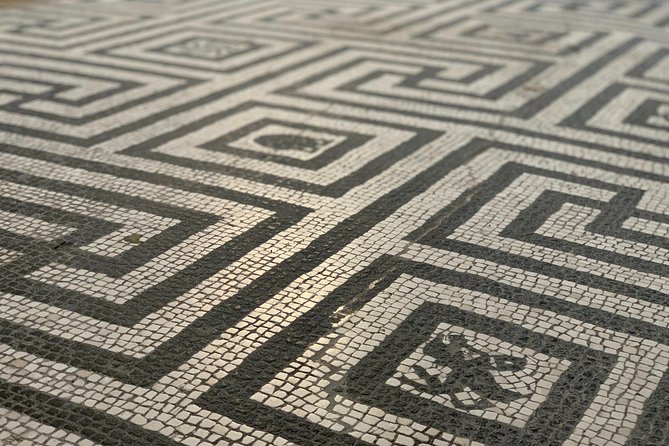
In Casa di Nettuno e Anfitrite, you’ll find a striking mosaic with Neptune and his companion. The tour frames this as the home of a wealthy merchant, which helps interpret why a mythological theme would be so prominent in a private residence.
Mosaics like this aren’t just decoration. They’re storytelling in stone and tile, a way to signal connections to culture and identity—right in the middle of everyday life.
If you’re the type who loves “small art, big meaning,” this is a stop worth slowing down for. It’s also one of the clearest examples of why Herculaneum is often more satisfying than a generic ruins visit.
Casa Sannitica, the decumanus maximus, and what makes the city work
Not all stops are about the fanciest homes. Casa Sannitica is popular because it’s considered one of the oldest dwellings on the site. That gives you a time-depth angle: you start to sense how the city evolved, not just what it looked like right before 79 AD.
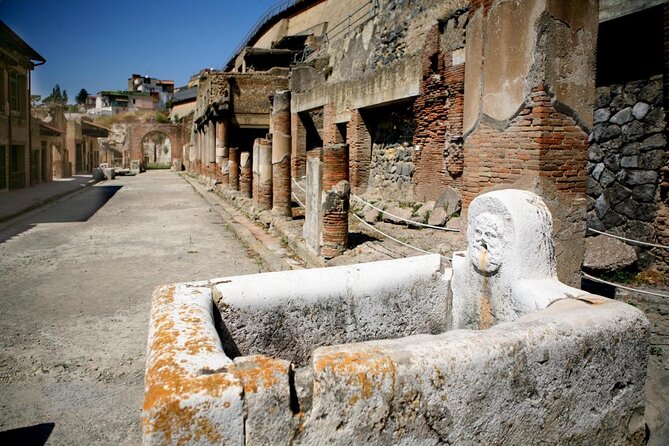
Then the tour points you to the decumanus maximus, the main street of Roman cities, and explains why the most prestigious houses lined it. This is where city planning clicks into place.
Walking along a principal street—especially one where elite residences sit side-by-side—gives context for power, commerce, and social visibility. You understand not just who lived in these homes, but why they were built right where people could see them.
The College of the Augustales: worship, status, and the emperor cult
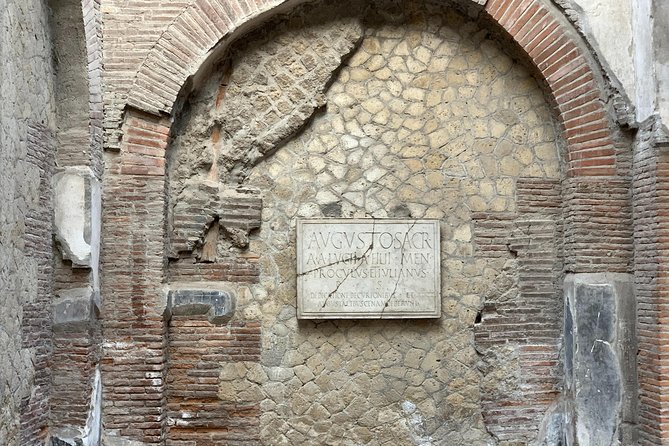
The College of the Augustales includes the sacellum used for rites connected with emperors. The Augustales were priests who tended these forms of worship.
This stop is important because it adds a civic-religious dimension. So many ruin visits focus only on houses and streets. Here you also see how religion and political loyalty were built into public life.
If you want a quick way to understand Roman society, this is one of the most direct parts of the tour. The guide’s explanations make it clearer how these worship spaces weren’t abstract rituals—they were part of how people organized identity and status.
Casa d’Argo and the boat pavilion: where the story lands
Casa d’Argo is named for a now-disappeared fresco that depicted Argo Panoptes, the giant with a hundred eyes. Even though the fresco itself is gone, the tour uses it to show how imagery and myth were woven into household prestige.
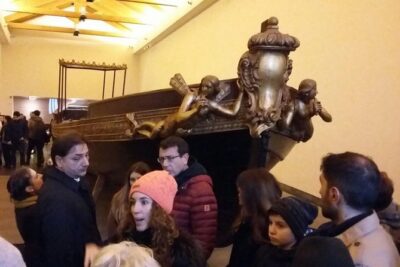
Then you reach the grand finale: Salone della Barca di Ercolano, the boat pavilion. Here, a charred boat found along the beach during excavations in 1981 is preserved, and it’s one of the most moving artifacts on the whole route.
This is the stop that usually sticks with people. You can feel the practical reality of coastal living: boats, work, and movement along the shoreline. The eruption doesn’t just destroy—it interrupts ordinary routines right at the water’s edge.
It’s also a great last stop because it ties together the whole tour theme: Herculaneum’s preservation isn’t only about decorative art. It also preserves evidence of everyday activity.
Who this tour suits best (and who might want a different plan)
This tour is ideal if you want a structured way to see a lot of key buildings in about two hours, without turning the day into a logistics puzzle.
I’d especially recommend it if:
- you like Roman cities where homes are preserved enough to understand layouts
- you want a clear comparison angle between Herculaneum’s scale and Pompeii’s wider ruins
- you enjoy guided explanations that answer real questions, not just a scripted march
It may be less ideal if you’re hoping to wander freely without stopping. The tour uses frequent short visits, so there’s limited time for long solo detours.
Also, wear shoes with grip. One review note that keeps repeating in my mind: you should be able to handle steps and stairs.
Should you book Secret Herculaneum?
Yes—if you’re aiming to understand Herculaneum, not just check a box. The price is reasonable for what you get: a tight route through the site’s most meaningful homes and civic places, guided by an archaeologist plus a certified guide.
Here’s the decision checklist I’d use:
- You’re okay paying the €16 park entrance fee separately.
- You want an English guide to connect artifacts and spaces into one story.
- You like small groups (up to 10) and short stops with lots of explanation.
If you’re in Naples and have a day to spare, this is one of the more efficient ways to get a deep feel for how Romans lived in 79 AD—especially because Herculaneum’s preservation makes the past feel painfully close.
FAQ
Is the entrance fee to Herculaneum included?
No. The Archaeological Park of Herculaneum entrance is €16.00 per person and is not included in the tour price.
How long is the tour?
The tour is approximately 2 hours.
What languages is the tour offered in?
The tour is offered in English.
What’s included in the tour price?
It includes a certified guide and an archaeologist.
Where do we meet, and where does the tour end?
You meet at the Herculaneum Ticket Office (80056 Ercolano) and the tour ends back at the meeting point.
What group size should I expect?
This activity has a maximum of 10 travelers.
Do I need good weather for this experience?
Yes. The experience requires good weather, and if it’s canceled due to poor weather, you’ll be offered a different date or a full refund.
Is the tour suitable for people who use wheelchairs?
Wheelchair use must be reported 24 hours before the visit. The information also notes that most travelers can participate, but reporting ahead is important.
Can I cancel for a full refund?
Yes, you can cancel up to 24 hours in advance for a full refund.
Do I need a printed ticket?
You’ll receive a mobile ticket. Confirmation is received at booking.