Naples has a way of grabbing you fast. This walking tour gives you structure for the chaos and still leaves room for the city’s character. I especially liked the start at Piazza del Plebiscito and the way the guide connects landmarks to everyday Neapolitan life. One thing to consider: it’s a 4-hour walk, and admission tickets aren’t included for some major sights.
You’ll get a real local rhythm here—coffee stops, church squares, and the side streets that most people miss when they rush from one photo spot to another. The best part is that you’re not just checking boxes; you’re learning how neighborhoods fit together, from Centro Storico to Spaccanapoli.
If you want museums with long interior time, plan for that separately. This tour focuses on seeing, walking, and understanding, with photo stops and guided explanations.
In This Review
- Key highlights to expect on this Naples walking tour
- Where the tour starts: Gran Caffè Gambrinus and Piazza del Plebiscito
- Royal Palace, San Francesco da Paola, and the city’s big-sky views
- Galleria Umberto I and the Royal Theatre: Naples in style
- Toledo Street to Centro Storico: the UNESCO context you’ll actually use
- Quartieri Spagnoli (Spanish Quarter) and Pignasecca market
- Spaccanapoli and Piazza del Gesù: the street that cuts the city
- Piazza Bellini and the view toward Neapolis
- Via San Gregorio Armeno: crib shops on a street with soul
- Naples Cathedral finish: San Gennaro area and Santa Maria Assunta
- Price and value: what $407.83 gets your group
- Who should book this Naples Grand Tour, and who might not
- Practical tips before you go
- Should you book this tour?
Key highlights to expect on this Naples walking tour
- Piazza del Plebiscito to the UNESCO Centro Storico in one smart, guided route
- Gran Caffè Gambrinus as the mood-setting meeting and early stop
- Quartieri Spagnoli (Spanish Quarter) plus a pause at Pignasecca market
- Spaccanapoli and the Baroque church area around Piazza del Gesù
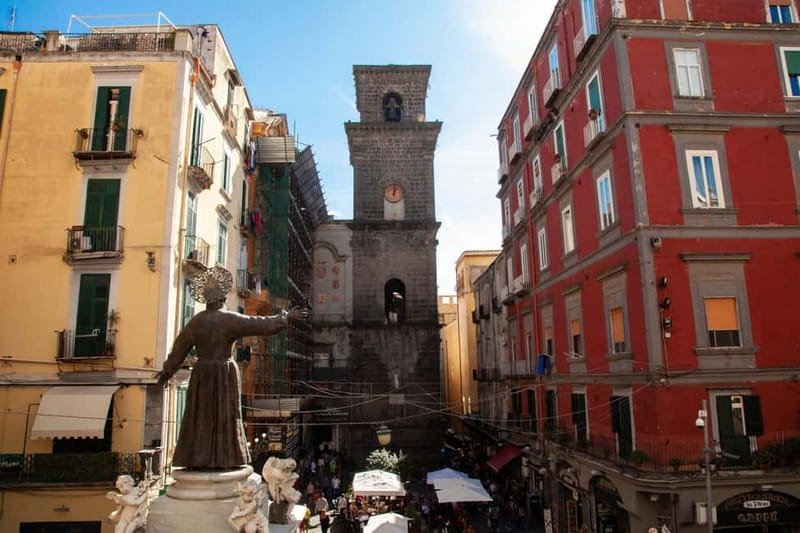
- Via San Gregorio Armeno for the famous crib shops
- Neapolitan coffee included, with food tasting along the way
Where the tour starts: Gran Caffè Gambrinus and Piazza del Plebiscito
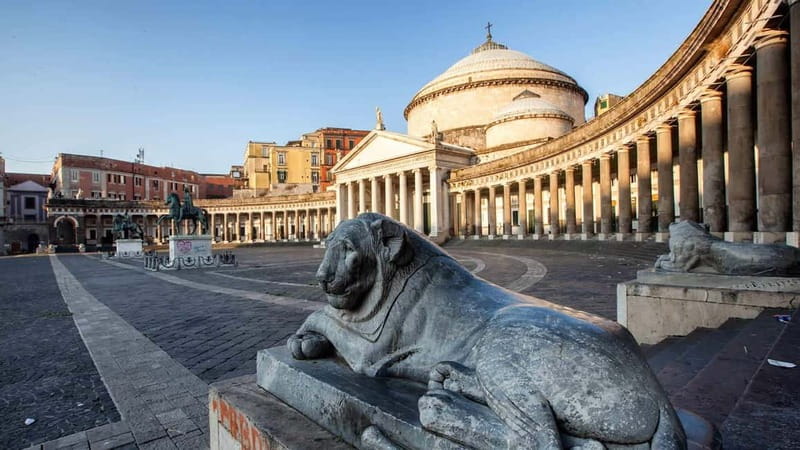
Meet your guide at the corner of Grand Caffè Gambrinus, the guide will be wearing a pin for the local partner company. It’s a great starting point because Piazza del Plebiscito is open, easy to orient in, and it instantly tells you what kind of city Naples is: grand spaces right next to old-world streets.
You’ll begin with an overview of Naples and then get your first set of “what you’re looking at” facts right in the square. This matters. Naples can feel overwhelming at street level, so having context early makes every alley you hit later feel intentional, not random.
From here, the tour heads toward big, recognizable landmarks first—then slowly funnels you into the older, tighter quarters where the city’s personality really shows up.
You can also read our reviews of more city tours in Naples



Royal Palace, San Francesco da Paola, and the city’s big-sky views
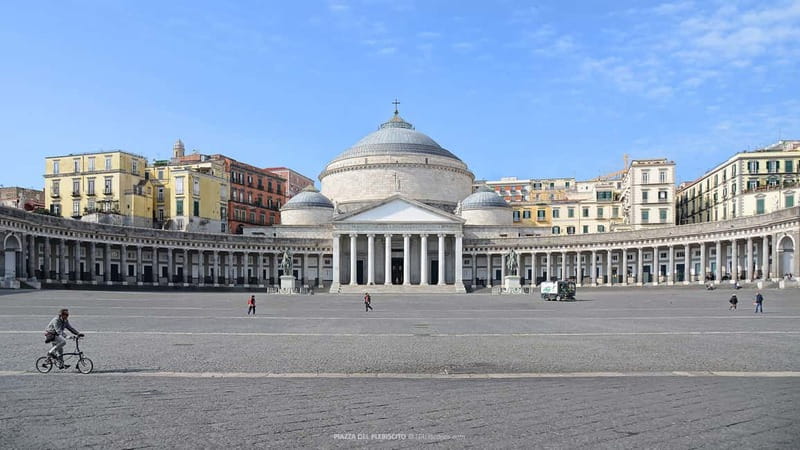
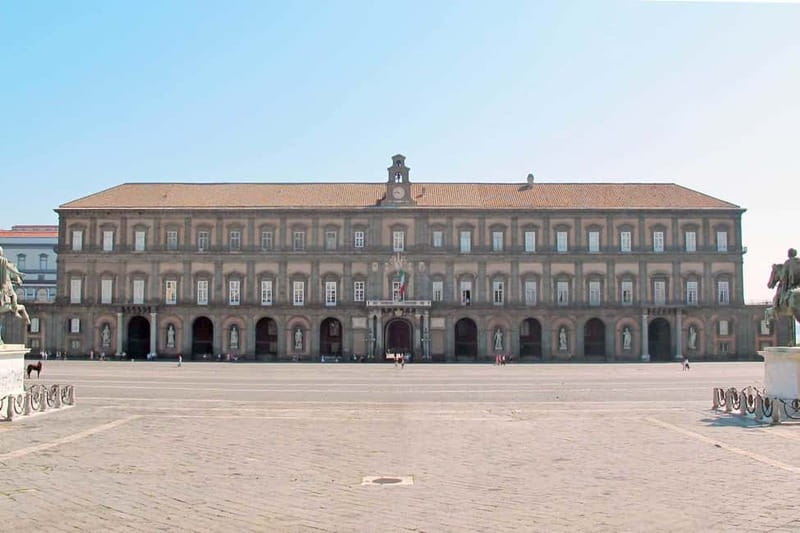
After the Piazza del Plebiscito intro, you’ll visit the Royal Palace of Naples for a photo stop and guided walk-through from the outside. Even if you don’t buy a ticket to explore deeper, you’ll get the historical framing that helps you understand why this area sits at the center of official Naples.
Right after that, you’ll move to Basilica Reale Pontificia San Francesco da Paola. Churches can be tricky on a walking tour—people tend to skim them. The guide’s job here is to point out what to notice and how Baroque and royal-era design reflects the values of the time.
Why I like this sequence for you: it sets the contrast. You see Naples when it wants to look formal and powerful, then you head toward places that look messy, lived-in, and deeply personal.
Galleria Umberto I and the Royal Theatre: Naples in style
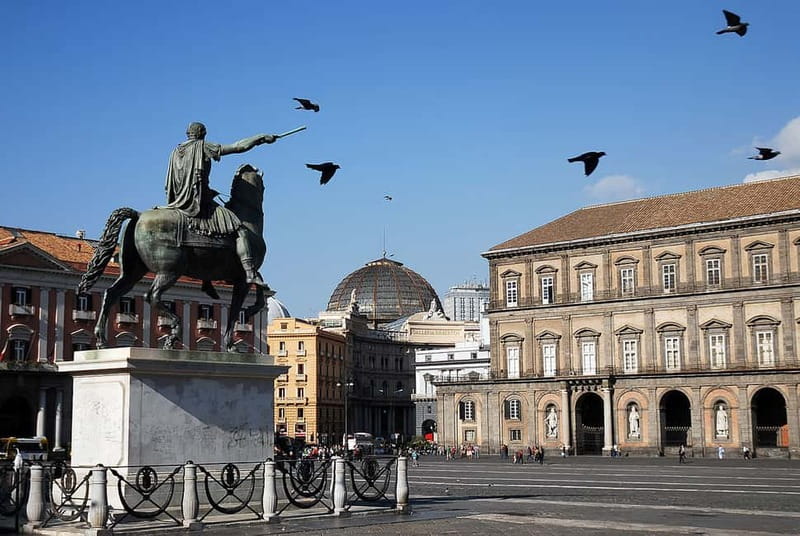
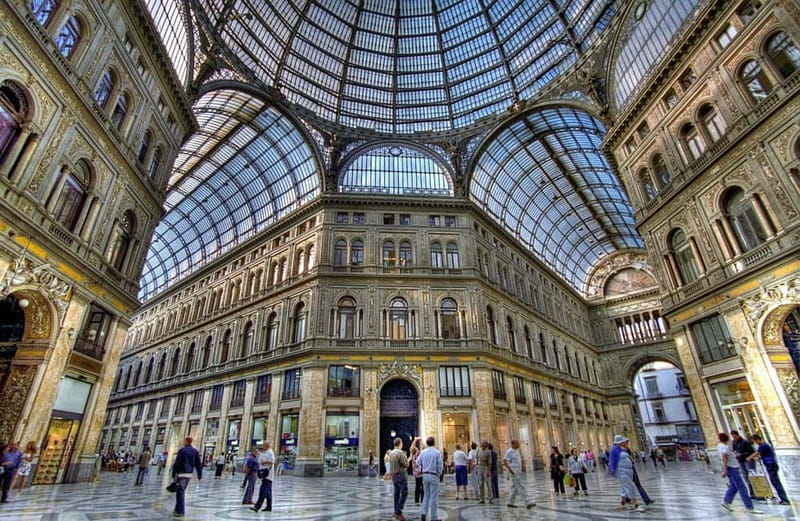
One of the highlights is Galleria Umberto I, covered, elegant, and built for strolling. It’s the kind of place where a guided explanation helps you understand it as more than “pretty architecture.” You’ll learn how it fits into Naples’s public life and why people used to gather in spaces like this instead of just passing through.
Then the tour includes a stop at the Royal Theatre of Saint Charles. This is a good “big-feel” moment without requiring you to spend hours waiting in lines. You’ll get to register what makes the theater important to the city and how culture and society grew around performance spaces.
If you’re the type who likes details, you’ll enjoy how the guide ties these stops to daily Neapolitan identity, not just to dates and rulers.
Toledo Street to Centro Storico: the UNESCO context you’ll actually use
Next comes Toledo Street, one of Naples’s major thoroughfares, with a guided walk. Toledo is where you feel the city’s movement—shops, flow, and the sense that Naples works at a human pace, even when it’s crowded.
Then you enter the Centro Storico, which is designated a UNESCO World Heritage site. This is where the tour becomes more than a sightseeing loop. You’ll stroll through the older lanes and see notable churches while learning how the historical center functions as a living neighborhood.
A practical tip: this is not a “big-bus” style stop where you get dropped off and left to interpret on your own. You’re guided through the logic of the streets, so even if the area is visually intense, you’ll know what you’re looking at and why it matters.
One consideration: the tour includes breaks and walking time, but it’s still a half-day. If you want to go inside every church that looks amazing, you’ll likely need to come back on your own time.
Quartieri Spagnoli (Spanish Quarter) and Pignasecca market
The tour heads into Quartieri Spagnoli, also known as the Spanish Quarter. This area is famous for its dense streets and strong local feel. On a walking tour, it’s exactly the kind of place where a guide makes all the difference because you can understand the layout and the neighborhood identity instead of just admiring the grit.
You’ll get a break time and photo stop here, then continue to Pignasecca market. Market stops are where your senses get a real upgrade. Expect a taste of local life and the kind of snacks and specialties that make Naples food culture make sense fast.
The tour also includes typical Neapolitan caffè along the way. Coffee in Naples isn’t a side quest. It’s part of the tempo—quick, social, and woven into the day.
If you’re sensitive to crowds or noise, just plan for a lively atmosphere. This is a real neighborhood. It’s not a theme park.


Spaccanapoli and Piazza del Gesù: the street that cuts the city
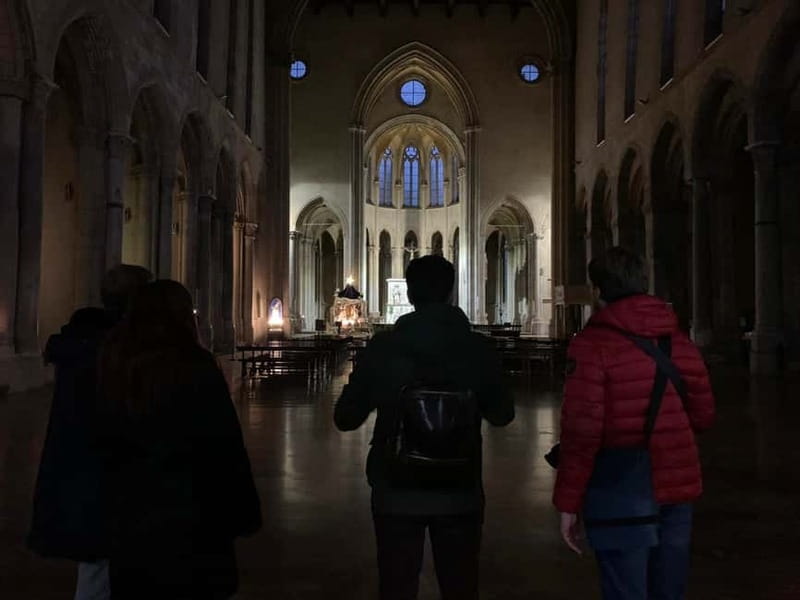
Then you reach Spaccanapoli, often described as the spine of old Naples. This is one of those streets where you’ll feel the city’s layers stacked over each other—churches, signs, and narrow geometry that turns walking into a constant visual surprise.
The tour includes a guided segment here, plus a visit to Gesu Nuovo Church (around Piazza del Gesù). Gesu Nuovo is a perfect example of why Naples shines with details: Baroque flourishes that make the street feel theatrical, even when you’re just passing by.
For you, the value is timing. You see this after the Spanish Quarter and market area, so the shift from street-level energy to a church-square moment feels like a story beat, not a random change.
Piazza Bellini and the view toward Neapolis
A stop at Piazza Bellini gives you a different kind of Naples payoff: you’ll be able to see the Greek walls of Neapolis. Even if you’re not a classics expert, this is the kind of sight that makes you rethink the city’s timeline. Naples didn’t start here as a single unified “Naples.” It grew over older worlds.
Guides often point out what to look for visually. That’s important here, because the stones you might overlook on your own become meaningful once you know what they represent.
Via San Gregorio Armeno: crib shops on a street with soul
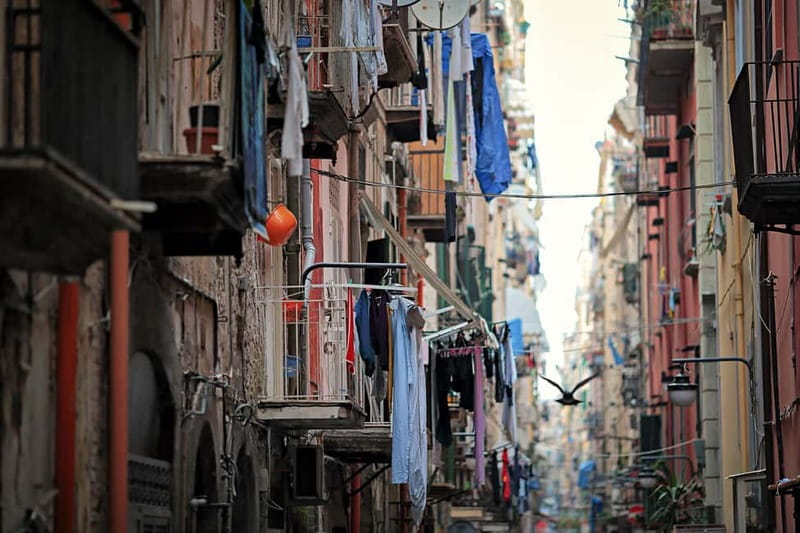
Next up is Via San Gregorio Armeno, famous for its crib shops. This is the street where Naples shows you a tradition that is both local and artistic—crafts and scenes tied to how families celebrate.
This stop is especially worth it if you’re traveling during the season when Nativity displays are everywhere. Even outside peak holiday time, the shops give you a window into Neapolitan devotion to making traditions visible.
The guided portion helps you connect the craft to the culture. Without that, it can turn into “look, souvenirs,” instead of something more interesting: a living art form.
Naples Cathedral finish: San Gennaro area and Santa Maria Assunta

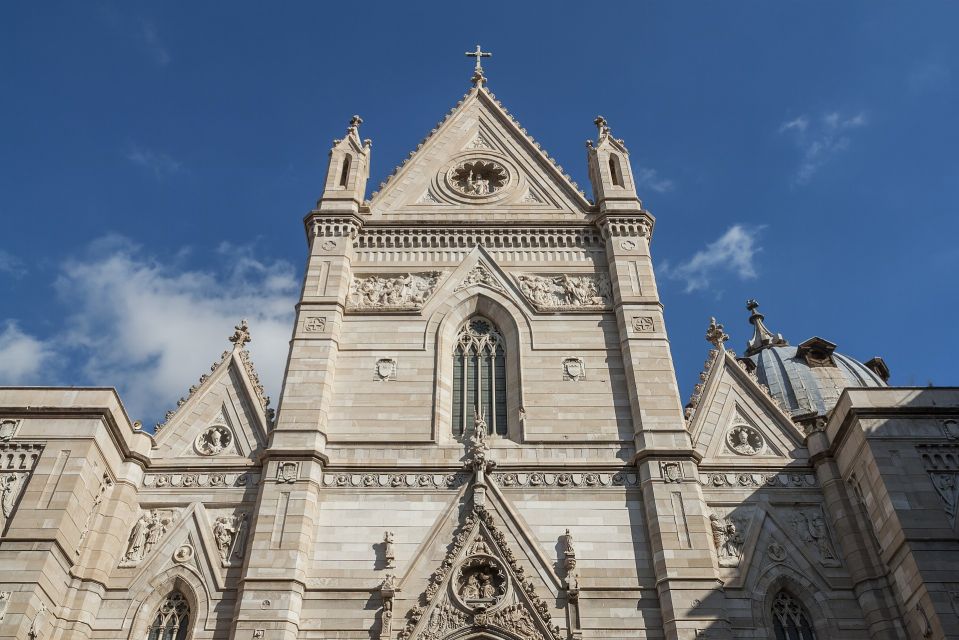
The tour ends at the cathedral area—Naples Cathedral and Cathedral Santa Maria Assunta—with a guided visit. This is a strong finishing move because it brings you back to one of Naples’s central spiritual landmarks after a day spent moving through neighborhoods, squares, and street traditions.
One more note: the activity info indicates the tour ends back at the meeting point. In practice, the route finishes around the cathedral complex area. Either way, you’ll be in a very central part of Naples for your next meal, gelato, or onward plans.
Price and value: what $407.83 gets your group
The price is listed as $407.83 per group up to 5 for a 4-hour guided experience. That structure can be a good value if you’re traveling as a small party and want one guide to adapt the pace to your questions.
Also, the tour keeps group sizes reasonably tight: it notes a maximum of 13/14 per guide and includes headsets if the group exceeds 11 people. That matters in a city where streets can be noisy and you don’t want to constantly strain to hear.
What you get included:
- Professional tour guide
- Neapolitan coffee
- Tips and recommendations
- Headsets if needed
- Professional guidance in English, Italian, French, and Spanish
What’s not included:
- Admission tickets
- Transportation tickets
So here’s the value math I’d do for you: if you’d otherwise spend money on a similar walking tour plus pay for a couple guided experiences or timed entry tickets, this can work out well. But if your main goal is interior access to major sites, you may need to budget extra for admissions on your own.
A nice detail from past experience feedback: the guide experience can be excellent. I’ve seen praise for guides like Pascal and Enrica, with notes about how much more they made the streets feel like a story instead of a checklist.
Who should book this Naples Grand Tour, and who might not
This tour is a strong fit if you want:
- A guided Naples walking route that hits major landmarks and old neighborhoods
- The UNESCO Centro Storico context without needing to study beforehand
- Food-and-coffee breaks, including Neapolitan caffè
- A guide-led connection between squares, churches, markets, and street traditions
It may not be the best match if:
- You want lots of time inside museums or to linger for long periods at each site
- You’re hoping tickets for major attractions are included (they aren’t)
- You prefer a slower pace with fewer stops
Good news: even with a packed schedule, the stops are chosen to build a narrative. You’re not bouncing randomly across the map. The city’s spine makes sense by the end.
Practical tips before you go
- Wear comfortable shoes. The tour includes walking through narrow historic streets and uneven sidewalks.
- Bring a light layer. Naples weather can shift, and churches and covered areas can feel cooler.
- If you’re picky about coffee, don’t worry—you’ll get Neapolitan caffè as part of the tour.
- Have a plan for photos. You’ll have photo stops at key points, but narrow streets don’t always allow easy standstill shooting.
Should you book this tour?
If your priority is seeing Naples highlights with context—and you like walking neighborhoods where daily life is part of the scenery—this is a smart booking. The route links major squares, UNESCO history, Spanish Quarter street energy, market time, and street traditions like Via San Gregorio Armeno into one coherent half-day.
I’d especially recommend it if you’re a first-timer to Naples (or if you’ve visited before but mostly stayed on the surface). The guided approach—plus coffee and food tasting—helps you leave with a stronger sense of what makes Naples Naples.
If you want a ticket-heavy itinerary with lots of interior time, consider this as your “orientation and culture” day, then build the rest of your trip with extra museum stops afterward.