REVIEW · POMPEII
Private Day Tour of Pompeii, Sorrento and Positano with Pick Up
Book on Viator →Operated by A DRIVE INTO THE BLUE · Bookable on Viator
One day can feel like a time machine. This private tour links Pompeii with the Amalfi Coast scenery, then folds in real time for Sorrento and Positano. You get door-to-door transport and a guide who helps the ruins make sense fast, not after you’ve already walked past the clues.
I especially like that it’s private (your group only) and the day is paced with short, clear stops—so you see a lot without feeling like you’re being herded. The main consideration is the time and ticket reality: it’s an 8–9 hour day with Pompeii entry not included (you pay on top), plus some walking in an active archaeological site.
In This Review
- Key Points You’ll Feel on This Tour
- A Private Day That Links Pompeii to the Amalfi Coast
- Pickup That Actually Works (Hotels, Ports, Trains, Airports)
- Pompeii Archaeological Park: Your First 2 Hours of Roman Shock
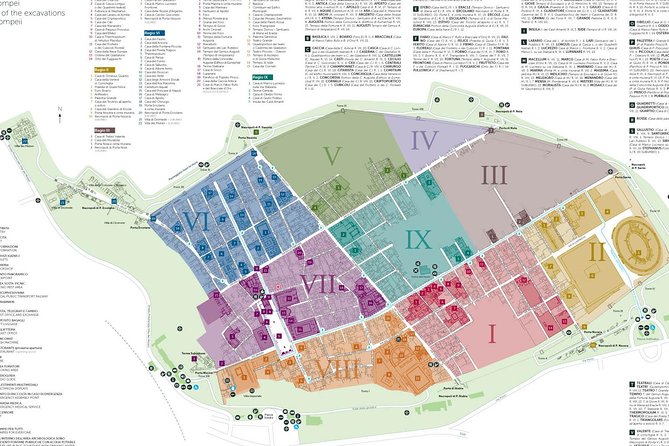
- Seven-Gates Energy: Vittoria Gate and the City’s Layout
- The Forum: Where Power, Trade, and Daily Life Collide
- Thermopolium VI: Eating in Pompeii Was a Real Thing
- Casa del Fauno: The Scale of a Big Household
- Casa dei Vettii: Prosperity Painted on the Walls
- Stabian Baths: How Pompeians Moved Through Heat
- Lupanar: Adult-Themed Reality Check
- Teatro Grande and the Roman Amphitheater: Sound, Spectacle, Stone
- The Amalfi Coast Segment: Positano by Way of Views
- Santa Maria Assunta and Positano Beach Time
- Sorrento: Piazza Tasso and Via San Cesareo Shopping Stroll
- Price and Value: Why €18 Pompeii Ticket Still Isn’t the Whole Story
- What to Expect From the Day’s Pace (And Where It Can Feel Tight)
- Practical Tips Before You Go
- Who This Tour Suits Best
- Should You Book This Private Pompeii and Coast Tour?
Key Points You’ll Feel on This Tour
- Private pickup and round-trip transport across the Sorrento and coast area, including cruise and train meeting options
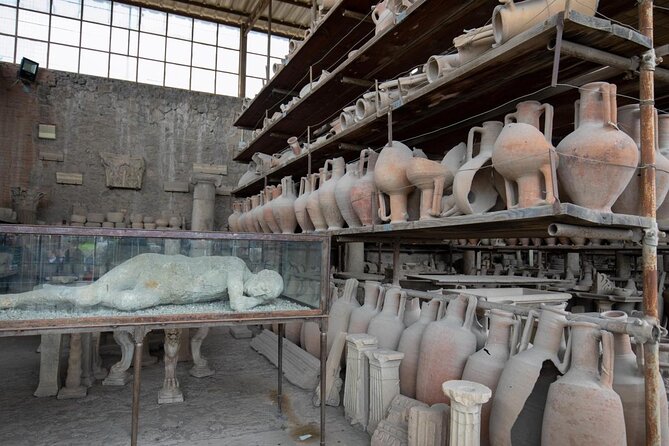
- Guided Pompeii option at the ruins, which is the difference between seeing stones and understanding them
- Compact Pompeii highlights (Forum, baths, famous houses, theater, amphitheater) in a single day
- Photo-friendly stops en route and time built in for coastal viewpoints
- Positano and Sorrento with actual wandering time, not just quick photo stops
- Pompeii ticket cost extra (plan ahead so you don’t lose momentum)
A Private Day That Links Pompeii to the Amalfi Coast
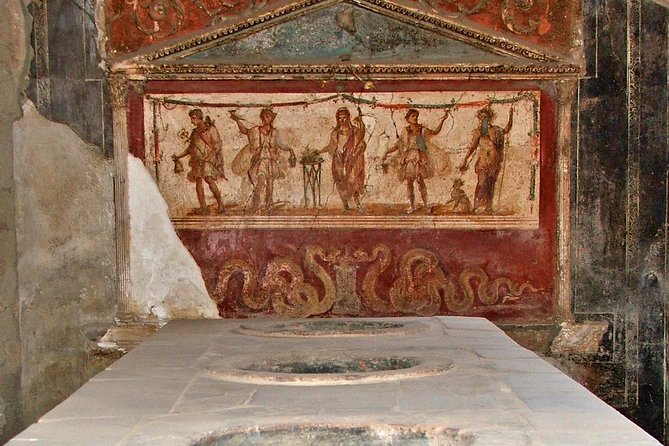
Pompeii hits differently when you’re not stuck in a big group. This is built for comfort and control: you travel in your own vehicle, you meet at a pickup point closest to you, and you move from ruins to coastline without the hassle of public transit.
The route also makes practical sense for most visitors. You get the heavy-hitter Roman experience first at Pompeii, then you ease into the softer pace of Sorrento and Positano, where the scenery does some of the work for you.
You can also read our reviews of more private tours in Pompeii



Pickup That Actually Works (Hotels, Ports, Trains, Airports)
This tour is set up around convenience. Pickup can be from Campania region hotels and also from ports, the train station, or the airport, depending on where you’re arriving from.
If you’re staying in tight streets where a car can’t pull up, the driver meets you at the spot accessible by vehicle closest to your accommodation. If you’re on a cruise, the pickup references docking in the Naples area, Salerno, and the Amalfi Coast region—so you’re not left guessing where to go at the dock.
You’ll also get an agreed return point, either back to the same pickup spot or another drop-off location in the excursion area.
Pompeii Archaeological Park: Your First 2 Hours of Roman Shock
Your time at the Pompeii Archaeological Park is about two hours. The most important planning note: the Pompeii admission ticket is not included, listed at €18.00 per person.
That means you should treat Pompeii like a timed, ticketed attraction. If you can, plan to have your ticket ready so you spend your limited hours walking the ruins, not standing in line. Pompeii rewards focus, and two hours can feel short if you arrive without a plan.
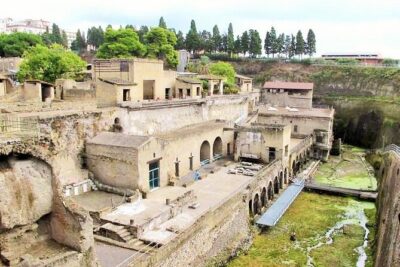
What you’ll likely do in this window is get your bearings, then follow the route through the core sights that show how the city functioned—public life in the center, daily commerce, and the homes and leisure spaces that made Pompeii a real place, not a museum in your imagination.
Seven-Gates Energy: Vittoria Gate and the City’s Layout
Right away, the tour starts using landmarks to show Pompeii as a city with entrances, movement, and neighborhoods. A quick stop at Hotel Vittoria gate (about 5 minutes) highlights the west side access and calls attention to why these gates matter: they’re part of how people entered and left the city.
Even in a brief stop, the goal is clarity. You’re being oriented so when you reach the busier public areas, you can connect where you are with the story of Pompeii’s urban design.
The Forum: Where Power, Trade, and Daily Life Collide
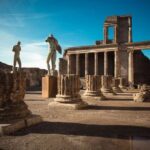
Next comes the heart of civic life: the Foro de Pompeya. This stop is around 15 minutes and focuses on the Forum as the core of daily routines—where administration and justice played out, business happened, markets operated, and citizens worshiped.
A good guide here can be the difference between reading plaques and actually understanding relationships. The Forum wasn’t just a big open space; it was the staging area for the systems that ran Roman society.
Right after, you have a smaller stop at the Basilica (about 5 minutes). This space served business and law, and it connects to the Forum through five entrances separated by tuff pillars. The quick pace works well because it keeps the mental map in place: Forum first, then law and commerce in the adjacent setting.



Thermopolium VI: Eating in Pompeii Was a Real Thing
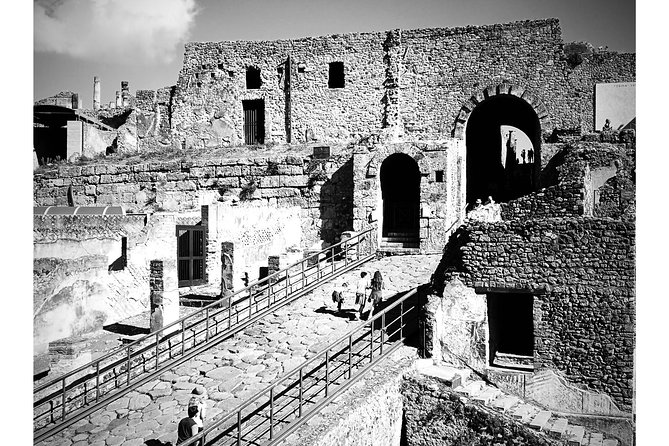
The tour includes a short look at Thermopolium VI, a small hot food shop (about 5 minutes). This is one of those stops that makes the whole day feel more human.
It’s not a grand monument, but it’s a reminder that people ate street food and bought quick meals. When you’re looking at public buildings all morning, this kind of detail keeps Pompeii from becoming all politics and architecture.
Casa del Fauno: The Scale of a Big Household
Then you’ll step into domestic life at Casa del Fauno (about 10 minutes). This is one of Pompeii’s larger houses, covering roughly a whole block—about 3,000 square meters—and tracing back, in its original layout, to the 2nd century BC.
The value of a stop like this is perspective. You start to see wealth and lifestyle through the size and planning of space, not just through the dramatic ruins. You’re learning how Pompeii’s rich and powerful lived, and how homes functioned as private worlds inside a public city.
Casa dei Vettii: Prosperity Painted on the Walls
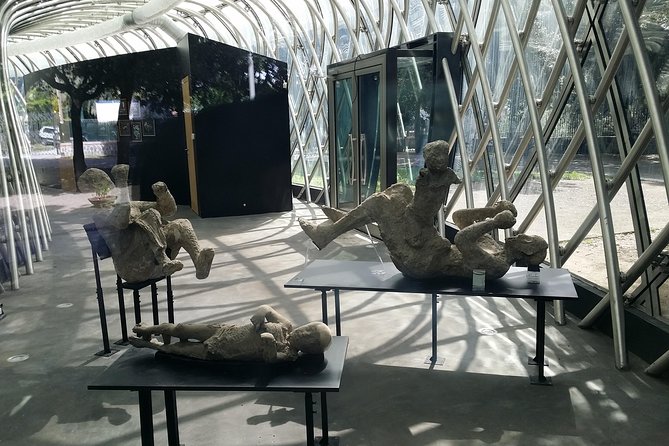
Casa dei Vettii is another 10-minute stop, and it’s chosen for a reason: it’s one of the richest and most famous houses in Pompeii.
You’ll hear about the protection theme tied to Priapus, and how a painting near the door symbolized prosperity. The tour also points out the brothers Aulus Vettius Restitutus and Aulus Vettius Conviva (freedmen who became rich through trade). That kind of naming isn’t trivia—it helps you understand who benefited from Pompeii’s economy and why the owners wanted their status visible.
This is also a good stop for photos, but keep your time tight. Pompeii doesn’t care about your schedule, so your guide’s time management is key.
Stabian Baths: How Pompeians Moved Through Heat
A change of pace comes with Stabian Baths (Terme Stabiane) (about 10 minutes). This isn’t just a pool and columns; it’s a map of thermal stages and body routines.
You’ll see the pool on the left and a colonnade on the right leading into men’s quarters, then the sequence of rooms: apodyterium (dressing room), then frigidarium (cold), tepidarium (medium), and calidarium (hot). It’s a practical look at daily leisure and the city’s infrastructure for comfort.
Lupanar: Adult-Themed Reality Check
The tour stops at the Lupanar, Pompeii’s brothel (about 10 minutes). The tour explains it as a two-floor building where the ground floor held rooms with built-in beds, and the upper level included the owner’s space.
There’s a lot of detail about payment and depictions on walls and in the corridor. If you’re traveling with kids or someone sensitive to adult content, this is the one part you should mentally flag in advance.
It’s also historically useful. Pompeii wasn’t a sanitized postcard—this is evidence of economics, slavery, and how commerce and desire functioned in a Roman city.
Teatro Grande and the Roman Amphitheater: Sound, Spectacle, Stone
Next is entertainment architecture: Teatro Grande (about 10 minutes) and Anfiteatro Romano (about 10 minutes).
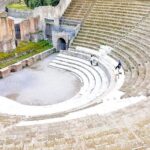
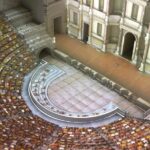
Teatro Grande uses the natural slope to shape the auditorium and organizes access through corridors and sectors. The stop is short, but it’s the kind of structure where a guide can help you visualize where people sat and how events worked.
Then you’ll see the Roman amphitheater, described as the oldest of known Roman amphitheaters, built around 70 BC. It’s timed near the founding of the colony, and the tour ties it to magistrates Caius Quinctius Valgus and Marcus Porcius—not just dates, but political connections.
If you love architecture, this pair of stops gives you both the emotional side of public life and the engineering logic behind it.
The Amalfi Coast Segment: Positano by Way of Views
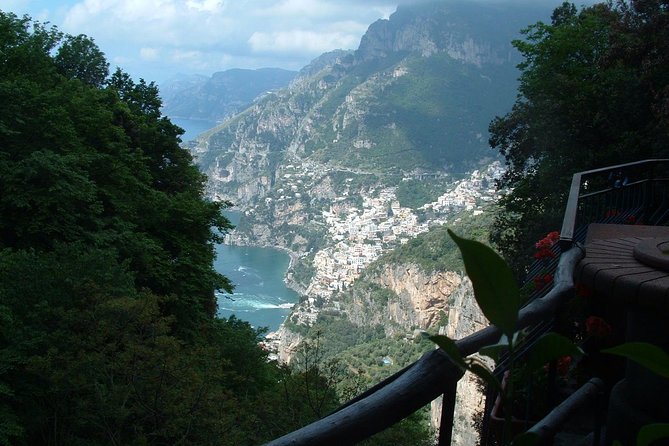
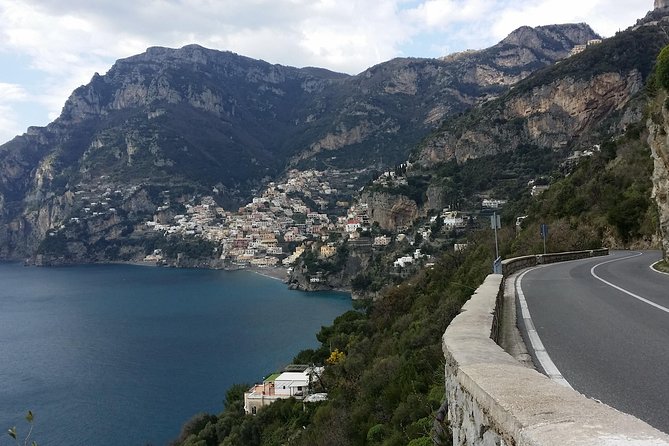
After Pompeii, the tour turns toward the Costiera Amalfitana and focuses on Positano. This part matters because it shifts from ruins to scenery, and the roads can be part of the experience.
You get about 1 hour 20 minutes in Positano, and the itinerary includes a church stop, beach time, and time in the town atmosphere.
If you get carsick easily, plan for it. The drive involves twisty coastal roads, and the vehicle comfort helps, but it’s still motion and curves.
Santa Maria Assunta and Positano Beach Time
In Positano, you’ll visit Chiesa di Santa Maria Assunta (about 10 minutes). The highlights are specific: a dome made of majolica tiles and a 13th-century Byzantine icon of the black Madonna.
Then you’ll get time at Spiaggia di Positano Marina Grande (about 20 minutes). This is short but well chosen. It’s enough for a breather, photos, and a reset after Pompeii’s intensity.
This is also a good stage to take stock of what you want to do with your photos. Positano is built for angles—if your guide spots good pull-off viewpoints, take them.
Sorrento: Piazza Tasso and Via San Cesareo Shopping Stroll
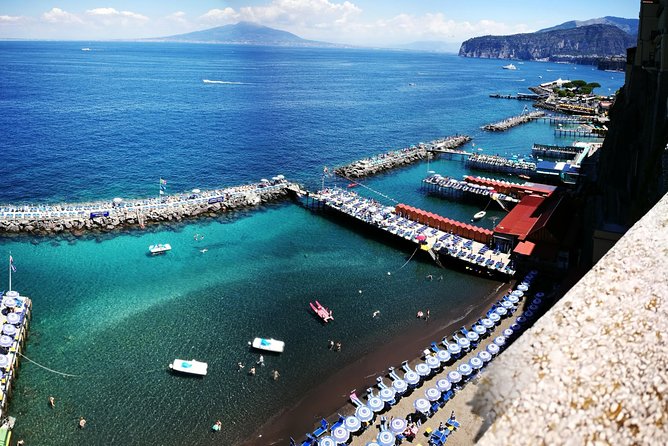
Then you swing to Sorrento, where the pacing shifts again. You have about 1 hour 40 minutes at Piazza Tasso and roughly 20 minutes along Via San Cesareo.
Piazza Tasso is the social hub—where you can pause, people-watch, and regroup before the end of the day. Via San Cesareo is the shopping road, which gives you a practical option if you want snacks, gifts, or a quick browse without building a whole separate plan.
The key here is not over-planning. Use this time to wander at your speed, then leave yourself enough buffer to get back to the car on time.
Price and Value: Why €18 Pompeii Ticket Still Isn’t the Whole Story
At $181.41 per person, this tour isn’t priced like a bare-bones coach ride. What makes it feel like value is the mix of costs it covers and the time it protects.
You’re paying for a private day plus pickup and round-trip transport across the Sorrento and nearby coast zones. You also get bottled water, and a driver who handles traffic and timing.
Most importantly, you can choose a professional guide at the ruins (if that option is selected). That’s where the Pompeii time turns from sightseeing into understanding, especially with a short schedule.
Yes, you must add the Pompeii entry fee yourself (€18.00 per person). But compared to losing time to ticket lines, it’s worth planning ahead so the day stays focused on the big sights.
What to Expect From the Day’s Pace (And Where It Can Feel Tight)
The stops are short—often 5 to 15 minutes—so the tour is built around highlights rather than deep, slow exploration. That approach works best if you want a wide sampler and a guide-led route that keeps you moving.
If you love doing everything slowly, you might wish you had more time in Pompeii or more time in one town. But this itinerary is designed to prevent that common problem in Amalfi-area trips: you end up spending half a day stuck in transit and never fully enjoy either place.
A small practical plus is that the vehicle keeps you comfortable, and guides and drivers have handled hot or rainy conditions effectively by adjusting the day to keep you on schedule.
Practical Tips Before You Go
A few things will help you enjoy this day more:
- Plan your Pompeii ticket in advance since it’s not included and you have limited time on-site.
- Wear shoes you can walk in for hours, because even with a guide route, Pompeii involves real uneven terrain.
- Bring a light layer if you’re sensitive to sudden coastal weather changes.
- Pack motion-sickness help if you know twisty drives affect you.
- Ask for lunch timing so you don’t get rushed at the end; the day has to fit Pompeii, Positano, and Sorrento.
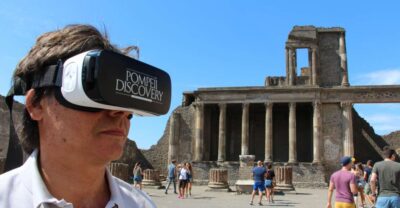
Also, if you want help using the route for your interests, good guides often use visuals (some use iPad-style aids) and make explanations fit your pace—less lecture, more story.
Who This Tour Suits Best
This is a great match if you:
- want a private day without navigating buses and transfers
- care about Pompeii but don’t want to “figure it out” alone
- want a realistic taste of the Amalfi Coast without losing the whole day to travel time
- are traveling in a small group and want pickup flexibility
It’s also a strong choice for families, as long as everyone is okay with the adult-themed stop at the Lupanar.
Should You Book This Private Pompeii and Coast Tour?
Book it if you want a high-structure day that protects your time: private pickup, guided Pompeii highlights (when selected), and real wandering in Sorrento and Positano.
Skip it or choose a different format if you want slow, museum-style exploring, or if you’d rather spend more than a couple hours at Pompeii. And double-check your Pompeii ticket plan before the day starts—because once you’re on the clock, that €18 fee is only the start of what controls your timing.
If you want one smart day that mixes Roman ruins and coastal charm, this private route is a solid way to do it.