REVIEW · NAPLES
Herculaneum: Skip-the-Line Entry Ticket with Audio Guide
Book on GetYourGuide →Operated by Tempio Travel Sorrento · Bookable on GetYourGuide
Herculaneum feels frozen in time. This skip-the-line ticket comes with an audio guide and a map, so you can wander Roman streets, villas, fountains, and the theatre at your own speed. I also love how well-preserved details like wall paintings, statues, and even wooden doors make everyday life feel close instead of distant.
The one thing to watch is orientation: the audio cues don’t always line up cleanly with where you are on-site. The map matters, or you’ll spend energy backtracking instead of sightseeing.
Key highlights you’ll care about
- Audio guide that works across the site in multiple languages
- Market, fountains, theatre, and temples that show how daily life worked
- Villas buried in Vesuvius ash with striking preserved interiors
- A moving seafront area tied to the eruption’s human tragedy
- Smaller than Pompeii, easier to pace without rushing
In This Review
- Herculaneum’s Ruins: Why This Roman Town Feels More Human Than Pompeii
- Skip-the-Line Entry and Audio Guide Pickup at the Park Office
- Your Self-Guided Walk: Market Lanes, Public Fountains, and the Theatre
- Ash-Buried Villas: Frescoes, Statues, and Wooden Doors You Can Actually See
- The Seafront Tragedy: How the Site Links Rooms to Rescue Hopes
- Comparing Lives: Slaves’ Housing Versus Lavish Roman Rooms
- Temples and God Images: Reading a Roman World Through Art
- Museum Time and the Boat/Antiquarium Stop Near the Exit
- How Long to Plan and When to Go to Avoid Stress
- Price and Value: Is the $15 Audio Ticket Worth It?
- Who Should Book This Herculaneum Ticket (and Who Might Skip It)
- Should You Book This Herculaneum Skip-the-Line Audio Ticket?
- FAQ
- What languages is the audio guide available in?
- What should I bring for my visit?
- Where do I go to start the experience?
- How long does the visit take?
- Is a live guide included?
- Is there free cancellation?
Herculaneum’s Ruins: Why This Roman Town Feels More Human Than Pompeii
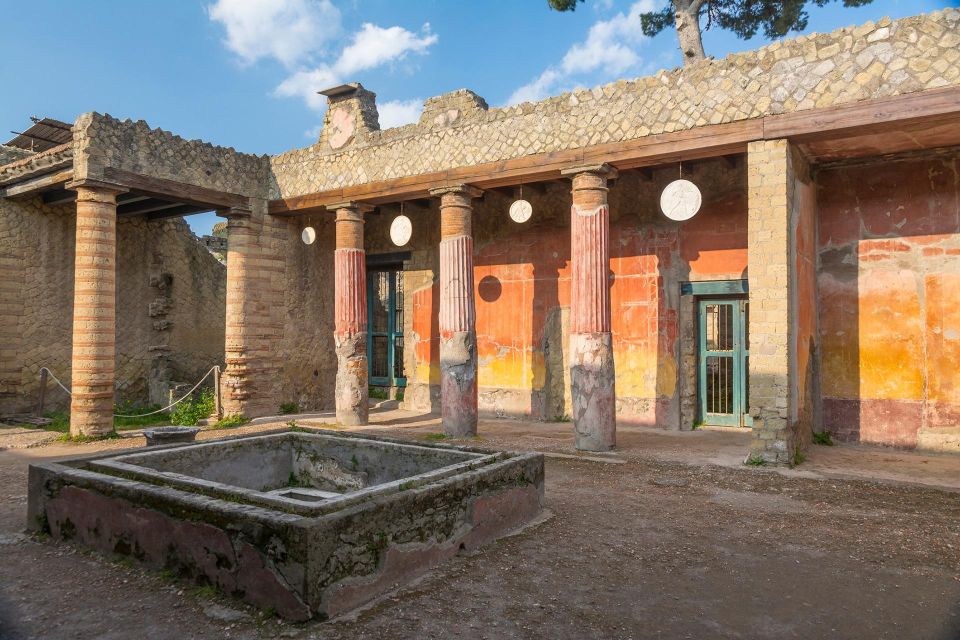
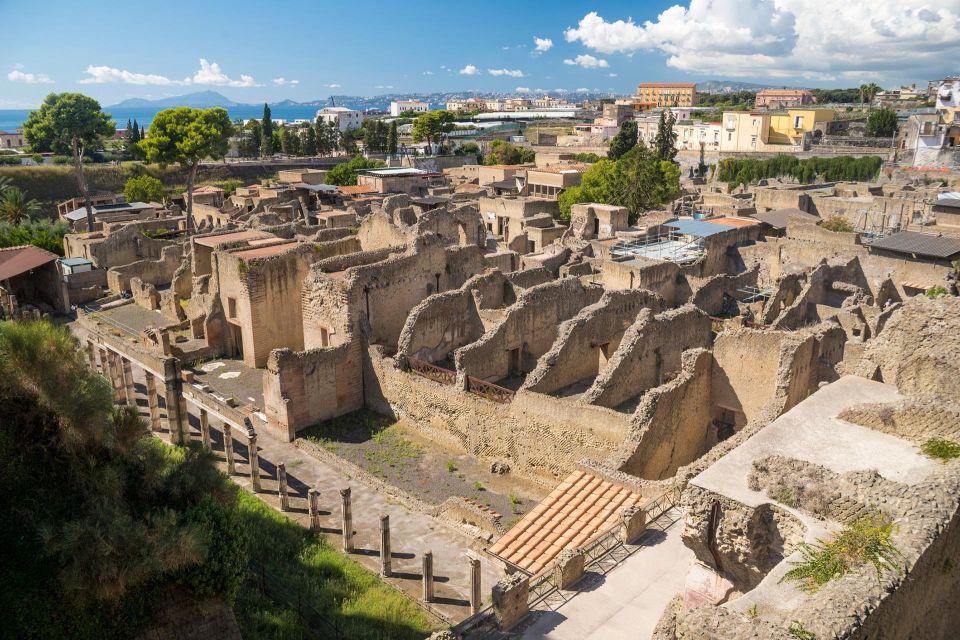
Herculaneum is the quieter cousin of Pompeii, and that’s a good thing. Instead of a sprawling city you have to tackle like a checklist, you get a compact archaeological park where details survive in a way that’s hard to imagine. When you stand near preserved rooms and see frescoes still clinging to walls, you get a real sense of what people ate, built, and celebrated.
This is also one of the most dramatic Roman-history stories you can walk through. The whole site is tied to the 79 AD eruption of Vesuvius, when volcanic ash buried neighborhoods and preserved them. One of the most powerful stops is the area linked to the victims who perished hoping for rescue from the sea. It’s the kind of exhibit that slows your steps, even if you came just for the ruins.
If Pompeii sometimes feels like you’re reading ruins through crowds, Herculaneum often feels like the city is waiting for you to notice it. The park layout makes self-guided pacing realistic. You can linger in one house, then move to the next street corner without feeling trapped by a rigid tour route.
Skip-the-Line Entry and Audio Guide Pickup at the Park Office
The experience starts at the Herculaneum ticket office. You show your ticket there and get set up with the audio guide and map so you can start exploring right away. The attraction is designed for independent wandering, which means you spend your time looking at Roman life, not listening to someone lecture while you wait.
Here’s the practical truth: the “skip-the-line” part is helpful, but the on-site flow can still feel confusing at peak times. Some people have reported they were directed through more than one line stage to collect audio and then complete entry. Translation: arrive with your ticket ready, and don’t assume there will be one obvious line labeled Skip-the-Line.
Also, bring your passport or ID card. The site may ask you to leave ID or use it to access the audio device. Comfortable shoes matter too. The walking is on cobblestones, and you’ll likely handle steep steps as you move between levels and houses.
Once you have the audio and map, the plan is simple: pick a starting point, follow the map, and use the audio prompts for context on what you’re seeing.
You can also read our reviews of more tours and experiences in Naples


Your Self-Guided Walk: Market Lanes, Public Fountains, and the Theatre
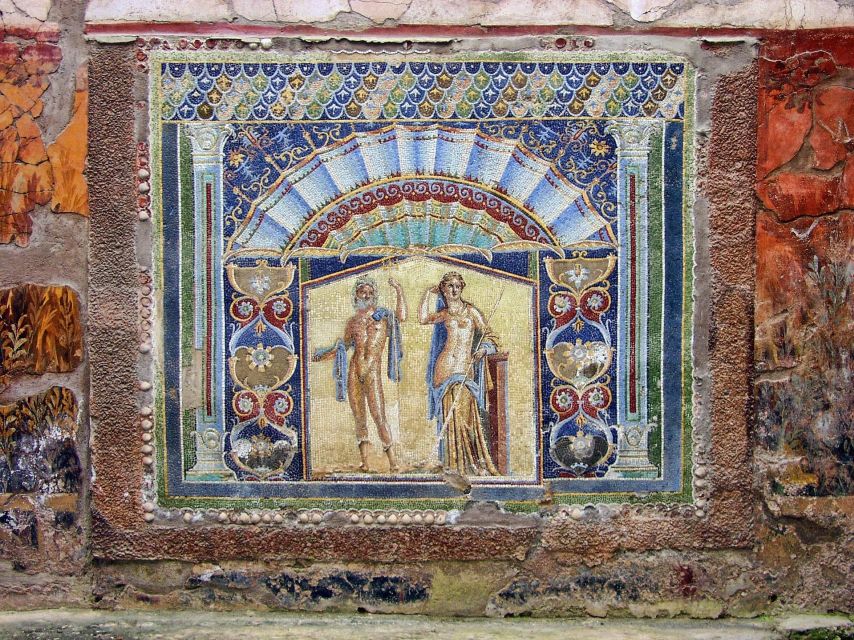
The park’s layout makes it easy to build your own route around the areas that interest you most. One of the big wins here is that you’re not boxed into a single path. The map helps you navigate through the market area, the public fountains, and the theatre zone.
Start with the market-street feel. Even if you don’t know Roman shopping words, the layout helps you picture foot traffic and commerce. Think of it as a working neighborhood where goods moved, people bargained, and daily life happened in the open. The audio guide adds the story piece, explaining what you’re looking at and why those spaces mattered.
Next, pause at the public fountains. Water infrastructure is one of those things that sounds boring until you see it in context. In Roman towns, fountains and shared water points weren’t just functional. They were meeting spots that shaped how neighborhoods worked. When the audio adds details here, it helps you connect the dots between architecture and routine.
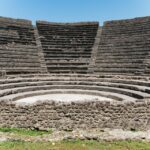
Then, head toward the theatre. Even when you’re not in a dramatic Roman-movie moment, you can feel why a theatre space mattered: it’s where culture and community gathered. It also helps you widen the lens from household survival to how a city organized itself socially.
Ash-Buried Villas: Frescoes, Statues, and Wooden Doors You Can Actually See
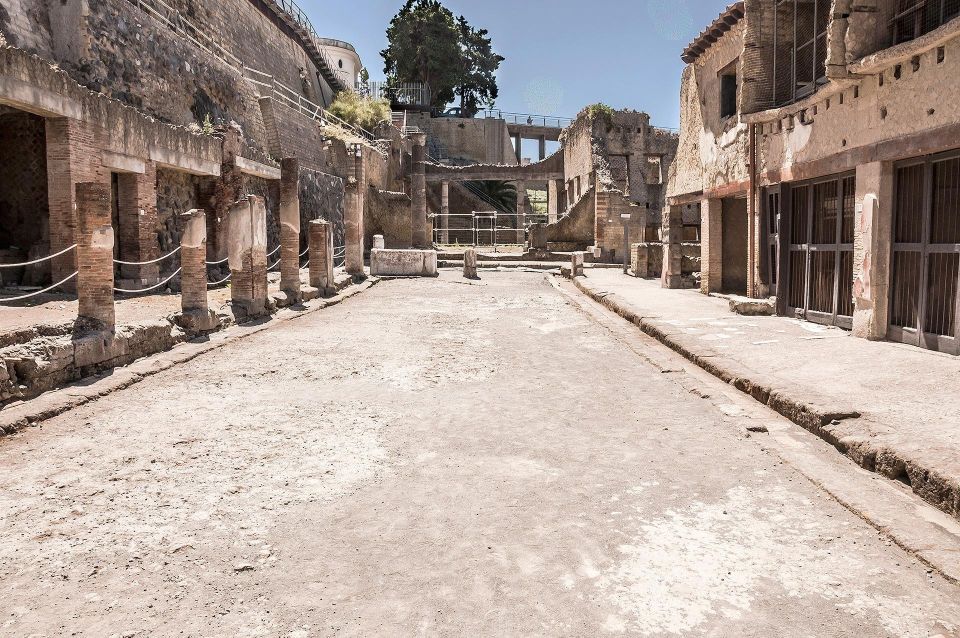
If you love visual detail, Herculaneum is a strong choice. This site is known for interiors that survived in remarkable condition compared with what you usually see in open-air ruins. You can spot preserved painting fragments and statues in ways that make the place feel like it’s still mid-discovery.
The core theme you’ll keep encountering is the volcanic ash that buried Herculaneum during the Vesuvius eruption in 79 AD. That ash is the reason certain rooms and decorative elements didn’t get the full destruction you’d expect. Instead of only foundations, you often see wall decoration and room structures that let you imagine daily movement through space.
One of the standout details is the preservation of wooden elements—yes, wooden doors and beams. Seeing that kind of material integrity is a moment of surprise, because most ruin sites give you stone and guesswork. Here, you’re closer to what the house actually felt like inside.
Tip for using the audio effectively: don’t treat it like a GPS that must match exact numbering. Some visitors have found that audio cue numbers don’t always match site numbering perfectly. So use the map first, then treat the audio as the story layer rather than a strict marker. If you miss the perfect cue, you can still catch the meaning because the visuals stay the star.
The Seafront Tragedy: How the Site Links Rooms to Rescue Hopes
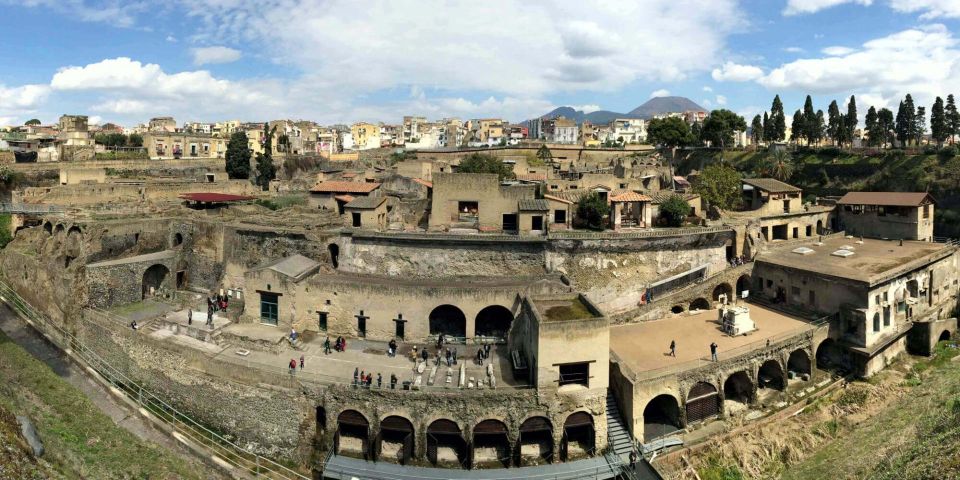
Not every Roman ruin is this emotionally direct. Herculaneum includes an area associated with about 300 people who perished while hoping for rescue from the sea. The effect is sobering because the site doesn’t feel like a distant chapter in a textbook. You’re walking through the physical geography of fear, weather, and last chances.
The audio guide adds context to what you’re seeing—why people ended up here, what the eruption meant for everyday routes, and how the coastline factored into escape attempts. Even if you skip the audio in a few spots, don’t rush past this section. You’ll notice how the park gives you time to process.
If you’re the kind of person who likes history with human weight, this is one of the best parts of the park. If you prefer your museum days lighter, plan a short pause elsewhere afterward so the emotional stop doesn’t drain your energy for the rest of the visit.
Comparing Lives: Slaves’ Housing Versus Lavish Roman Rooms
One of the most educational experiences you can have at Herculaneum is seeing the contrast between living spaces. The site includes areas that help you compare the housing of enslaved people with the more lavish spaces of wealthy Romans.
This matters because it’s not just about architecture. It’s about power—who lived where, how much privacy people had, and what “comfort” meant in a Roman city. When the audio guide connects these spaces to daily routines, you start seeing the social structure written into the building design.
As you walk, look for how rooms connect, how space is partitioned, and how decoration changes as you move from one type of home to another. You don’t need a degree to make those comparisons. The contrast is physical. The audio simply gives you the language to understand what you’re noticing.
If you’re traveling with teens or anyone who thinks ruins are all the same, this contrast is a great way to make the site more personal. It turns buildings into stories about people.
You can also read our reviews of more guided tours in Naples



Temples and God Images: Reading a Roman World Through Art
Herculaneum also includes temples and depictions of ancient gods. This is where the audio guide can be especially helpful, because the visual symbolism doesn’t always translate instantly if you don’t know the names or the cultural role of these deities.
As you stand near temple-related spaces, pay attention to how art is used to communicate beliefs. Roman religion wasn’t only about ceremonies. It was also about what you lived around every day—images that reinforced identity and values inside the city’s walls.
This stop can feel like a mini-history lesson without needing a formal guide. The audio provides fascinating facts and stories designed to make those images make sense in context, even when you’re walking at your own pace.
Museum Time and the Boat/Antiquarium Stop Near the Exit
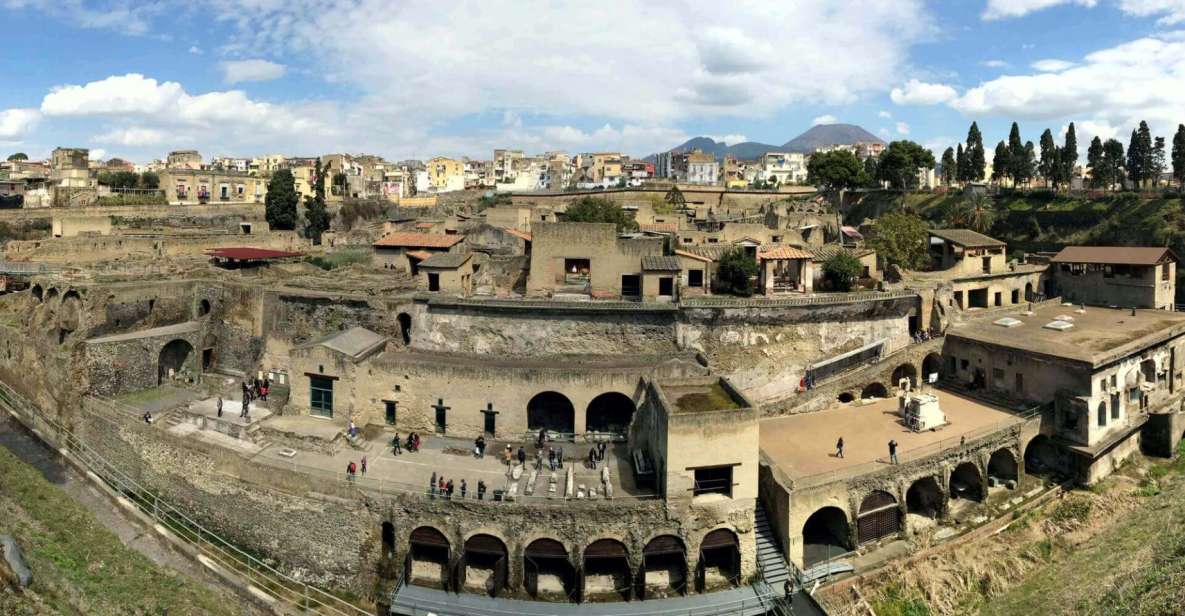
Plan on spending time at the on-site museum area near the entrance or exit. The museum helps you connect what you see outdoors with what archaeologists found, including artifacts that bring the eruption story to life in a different way.
One review highlight specifically called out a boat and an antiquarium stop. That combination is useful because outdoor ruins show the city in place, while museum items help you understand objects removed, studied, and preserved. Together, they give you a fuller picture of life before the ash fell and what survived after.
If you only do the open-air areas, you might leave feeling like you got the setting but missed the objects that make it real. Add museum time and you’ll likely understand the site better by the time you leave.
How Long to Plan and When to Go to Avoid Stress
A one-day visit works well here, but give yourself enough time to do more than hurry. Many people come out with a 3 to 4 hour visit when they actually slow down and follow the audio. Because the terrain includes cobbles and steps, it’s smarter to plan for comfort than to treat it as a sprint.
Timing helps too. Going earlier often means fewer crowds. One practical benefit of arriving early is that the park feels more breathable, and it’s easier to concentrate on the details. If you go later, you can still have a good visit, but you’ll want to keep your route flexible so you don’t spend time weaving through bottlenecks.
Also remember: some areas can be closed temporarily. It doesn’t ruin the visit, but it can change what you’re able to see. If you have your heart set on a specific room or exhibit, build buffer time so you can pivot.
And a small fun note: cats often roam the site calmly, and they can become part of the rhythm of your walk. It’s not a reason to visit, but it adds a local, living-feeling touch.
Price and Value: Is the $15 Audio Ticket Worth It?
At about $15 per person, the value is strong because you’re buying three things together: entry, an audio guide, and a map. If you were planning to pay for entry and then pay for a separate guide or rental system, this package saves you time and avoids extra decision fatigue.
The real question isn’t the price. It’s how you like to travel.
If you enjoy self-guided wandering, the audio is a big part of why this ticket is worth it. You can stop in houses, pause by fountains, and keep moving without waiting for a person holding a microphone. The ability to linger is especially useful in Herculaneum, where the details reward slower looking.
If you prefer high-precision navigation, be aware the audio numbering may not perfectly match the site cues. That doesn’t make the guide useless—it just means you should use the map and visuals as your primary anchors. If you hate any uncertainty at all, you may be happier with a live guide.
One extra note: some visitors have been offered upgrades to a guided tour by name, including Tony and Fabio in reported cases. That kind of upgrade can fix the orientation problem instantly, and it also adds humor and pacing that fits hot days. If an upgrade is offered during your visit, it’s worth considering.
Who Should Book This Herculaneum Ticket (and Who Might Skip It)
Book this if you want:
- A smaller, calmer Roman ruin day than the Pompeii-style experience
- A visit built around everyday-life details like markets, fountains, and house interiors
- Multi-language audio support (English, French, German, Italian, Spanish)
You might skip it if:
- You only like tours where every audio cue perfectly matches the exact location
- You strongly prefer live interpretation from start to finish
- You’re likely to get frustrated by any on-site signage gaps or temporary closures
This is also a great pick for a Naples-area day trip. Some people use trains such as EAV from Naples Garibaldi and then walk around 12 minutes from the station. Pair it with Pompeii if you want two very different looks at the same volcanic event.
Should You Book This Herculaneum Skip-the-Line Audio Ticket?
Yes—if you like exploring at your own pace and you’re excited by preserved Roman interiors, this ticket is a smart buy. The combination of entry plus an audio guide plus a map at this price is practical, and Herculaneum’s preservation makes the time feel well spent.
Just go in with the right mindset. Use the map early, expect the audio to be helpful context rather than a GPS perfection tool, and wear shoes you can walk on for hours. If you want extra certainty, consider a guided upgrade if one is offered.
FAQ
What languages is the audio guide available in?
The audio guide is available in English, French, German, Italian, and Spanish.
What should I bring for my visit?
Bring a passport or ID card and wear comfortable shoes.
Where do I go to start the experience?
Show your ticket at the Herculaneum ticket office.
How long does the visit take?
The experience is listed as 1 day, with starting times depending on availability.
Is a live guide included?
No guide is included. You get an audio guide and a map.
Is there free cancellation?
Yes. Free cancellation is available up to 24 hours in advance for a full refund.