REVIEW · POMPEII
Pompeii and Herculaneum small group Excursion from Naples
Book on Viator →Operated by Askos Tours · Bookable on Viator
Two Roman cities. One well-run day. This Naples-to-Pompeii-and-Herculaneum shore excursion saves you time with fast-track entry and door-to-site transport, so your energy goes into the ruins instead of lines. You also stay in a small group (max 20), which helps the guide keep things moving and make explanations land.
I particularly like the archaeologist-led style, the kind that helps you see connections between public spaces and private homes, with guides such as Rafael, Gennaro, and Giulia steering the walk. Another thing I really appreciate is the time split: about two hours at Pompeii and about two hours at Herculaneum, with guided stops at the big visual targets. One thing to plan around: meals and drinks are not included, so lunch is on you.
In This Review
- Key points to know before you go
- Two cities in one day: why this Naples format works
- Price and what you actually get for $173.27 per person
- Meeting in Naples and getting to the sites with less stress
- Pompeii Archaeological Park: where the day starts and why it’s the anchor
- The Pompeii landmarks that bring the city to life
- Basilica: the civic heart in a few steps
- Forum of Pompeii: the big public stage
- Via dell’Abbondanza: street life, not just monuments
- House of Menander: art, status, and domestic detail
- Granaries of the Forum: food logistics in plain sight
- Stabian Baths: how people spent time
- Lupanar: a difficult but historically relevant stop
- House of the Faun and the theaters: the city’s scale
- Transition time: staying sharp as the schedule moves
- Herculaneum Archaeological Park: the calmer second act
- Herculaneum highlights you’ll likely remember
- House of the Deer and terrace viewpoints
- College of the Augustales: belief and civic roles
- Casa del Rilievo di Telefo: art as storytelling
- Partem Domus lignea: wooden house structure
- House of the Skeleton: what preservation means
- Central Thermae: the thermal life
- House of the Black Salon and more homes
- The guide makes or breaks the ruins: the real standout
- Pace, walking, and what to bring for a long day
- Lunch and breaks: planning the part that’s not included
- Who this tour is best for (and who should consider something else)
- Should you book Pompeii and Herculaneum with Askos Tours?
Key points to know before you go
- Skip-the-line entry helps you spend more time inside Pompeii and Herculaneum
- Archaeologist-led guidance turns the ruins into a real picture of Roman life
- Small group size (up to 20) keeps the pace organized and questions easy
- A full day with two long site visits (about 2 hours each) instead of a rushed drive-by
- Lots of landmark stops at Pompeii (Forum, baths, theaters, and houses) and Herculaneum (thermae and homes)
- Port-style pickup and minibus transport reduce hassle from Naples
Two cities in one day: why this Naples format works
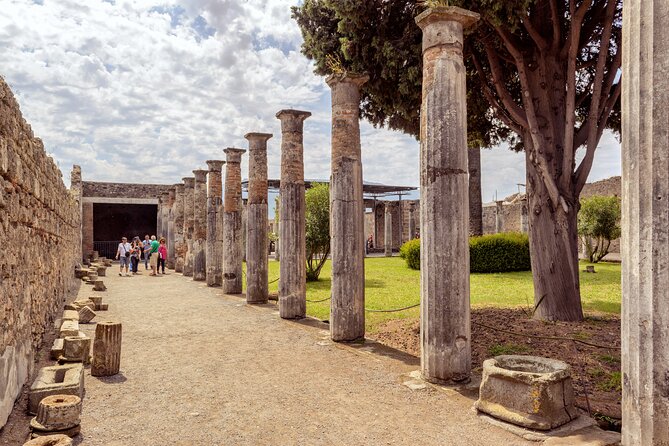
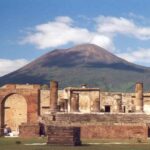
Pompeii and Herculaneum are both famous for the same reason: Mount Vesuvius froze everyday life in time. But they feel different on the ground. Pompeii is bigger and more dramatic, with wide public spaces and major temples and theaters. Herculaneum is often read as the tighter, more intimate neighbor—smaller streets, many homes preserved with more detail.
Trying to do both on your own can turn into a logistics puzzle. This tour keeps it simple: you get transport from Naples and a guided plan that hits the core highlights at both sites. The result is a day that feels complete without turning into a marathon of independent ticketing and navigation.
You can also read our reviews of more tours and experiences in Pompeii.

Price and what you actually get for $173.27 per person
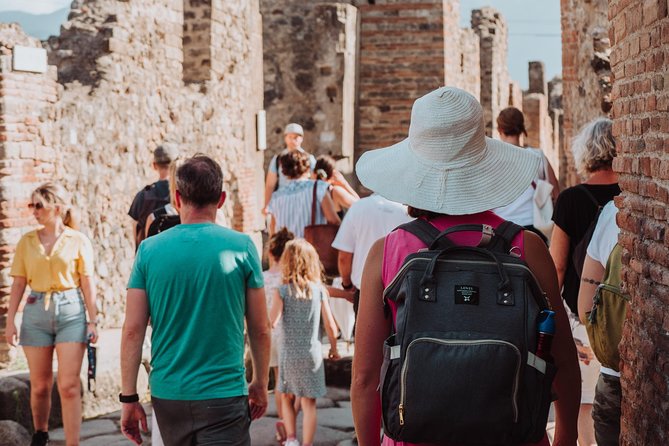
At $173.27 per person, this is not a cheap outing. What makes it feel more reasonable is that it is built around time-savings you cannot easily recreate yourself during peak periods. You get skip-the-line style entry, plus round-trip style transportation by minibus with professional driver help.
You’re also paying for something less visible: interpretation. Archaeology sites can look like ruins if you only read signage. With an archaeologist guide, you get context on what you’re seeing—how streets, markets, baths, theaters, and homes fit into daily Roman routines.
One detail that matters for value: entrance is included for Pompeii, and Herculaneum’s entry fee is included as well (listed at €16 per person). So you’re not doing the math later while standing in line or searching for ticket booths.
Meeting in Naples and getting to the sites with less stress
The meeting point is Starhotels Terminus in Naples, near Piazza Giuseppe Garibaldi. From there, you travel by minibus with a professional driver and assistance. That matters because the drive to the archaeological parks can eat up your day if you’re juggling trains, buses, or rideshare apps.
Also, the tour is set up as a shore excursion, which usually means they expect you to be on a schedule and coordinate timing around port arrival windows. You’re not left guessing when you should be where.
Plan for the reality of site rules too. Masks are mandatory during the visit, and the operation includes temperature checks for entry. If you forget your own mask, you’ll be scrambling right when you want to be focused on the ruins.
Pompeii Archaeological Park: where the day starts and why it’s the anchor
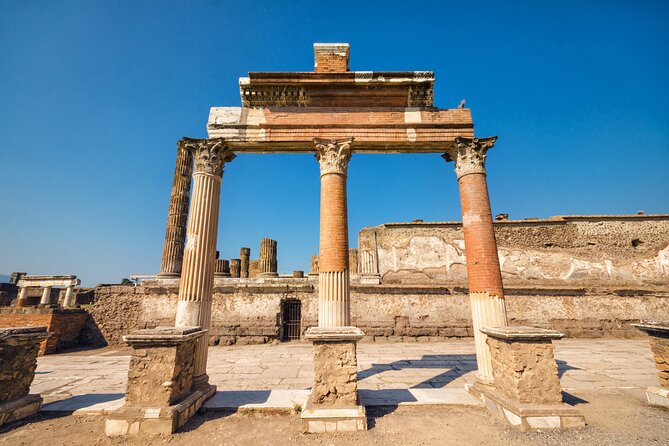
You spend about two hours at Pompeii Archaeological Park with your guide. That time window is a sweet spot: long enough to see major public areas and several landmark structures, but short enough that the group doesn’t get stuck wandering in the weeds.
Pompeii’s big advantage is its variety. In one visit you can move from civic spaces to entertainment venues to everyday street scenes and then into houses. That range is perfect for a guided format because each stop can connect back to how the city worked.
And yes, you’ll walk. You’ll do a lot of “look up, look around, remember where you are.” That’s not a downside so much as part of the payoff—Pompeii is best when you move through it.
The Pompeii landmarks that bring the city to life
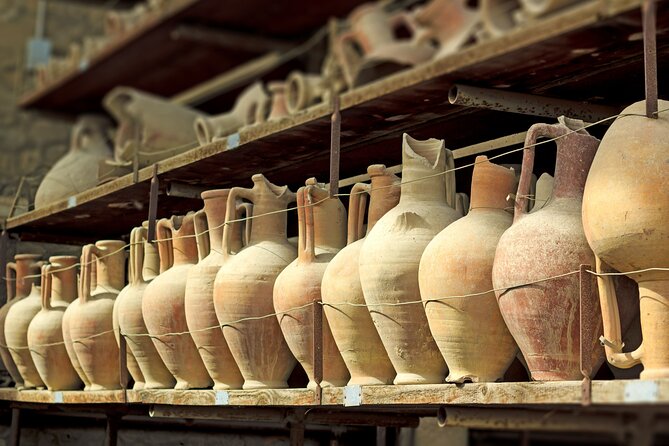
After the initial entry into the park, the tour hits a sequence of high-impact sites. Here’s what each one adds, and what you should watch for.
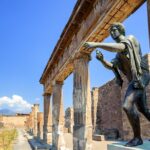

Basilica: the civic heart in a few steps
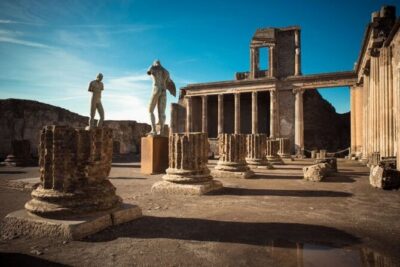
You pause at the Basilica. Even with limited time here, it’s a clue to Pompeii’s social setup. Basilicas functioned as central spaces tied to civic life—where people gathered for business and community activity.
If you’re the type who likes to understand why places were built, this quick stop gives you a framework for the rest of the day.
Forum of Pompeii: the big public stage
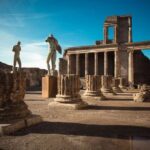
Next comes the Forum area, where the tour spends about ten minutes. The Forum is where politics, religion, and commerce intersected. When your guide explains what buildings meant and how people used them, the Forum stops feeling like a “square with columns” and starts feeling like a daily routine.
It’s especially helpful here because the guide can point out how small details—layout, proximity, and building roles—signal who would have gone where.
Via dell’Abbondanza: street life, not just monuments
You then walk along Via dell’Abbondanza, one of Pompeii’s signature streets. A street stop is smart because it changes your perspective. You’re no longer only looking at grand architecture; you’re seeing the rhythm of movement and the idea of neighborhoods and storefronts.
This is also where you’ll start mentally mapping Pompeii as a lived-in place instead of a museum.
House of Menander: art, status, and domestic detail
The House of Menander is another short stop (around ten minutes). What makes a house visit valuable is that Pompeii isn’t just public life—it’s also private ritual, decoration, and hierarchy inside homes.
A guide helps you read the home layout so you don’t just see rooms. You learn what the spaces likely meant for daily routines and guests.
Granaries of the Forum: food logistics in plain sight
Granaries might sound boring until someone explains why they matter. These are stops that help you understand supply chains—how a city gets fed and how storage is organized.
When your guide connects this to street activity and the Forum, the ruins stop being a collection and start acting like a system.
Stabian Baths: how people spent time
You’ll see the Stabian Baths in about ten minutes. Baths weren’t only about hygiene. They were social hubs—places to talk, unwind, and pass the time.
This stop is useful if you want more than political history. It’s a reminder that leisure had an infrastructure in Roman life.
Lupanar: a difficult but historically relevant stop
The tour includes the Lupanar, a short look at the building associated with sex work. This stop can feel awkward, but it’s historically part of how cities functioned.
I suggest approaching it with a realistic mindset: you’re not there for titillation. You’re there to understand the full human story, including the uncomfortable parts.
House of the Faun and the theaters: the city’s scale
The House of the Faun is another marquee home you’ll see. It’s one of those Pompeii stops that helps you grasp how wealth and design shaped living spaces.
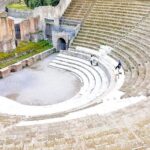
Then you reach the performance spaces: Odeon (Teatro Piccolo) and Teatro Grande, each with brief viewing time. These theaters are built for spectacle and community. If you’ve ever wondered how Romans gathered for public entertainment, these stops give you a clear answer fast.
Transition time: staying sharp as the schedule moves
Between Pompeii and Herculaneum, the tour keeps a structured pace. That is the point of a guided small-group day: you’re not losing time deciding what to do next.
If you tend to get “lost” in ruins, take advantage of the guide’s rhythm. Listen first, then look. The guide names places and explains what to notice, and you’ll get more out of each short stop.
Herculaneum Archaeological Park: the calmer second act
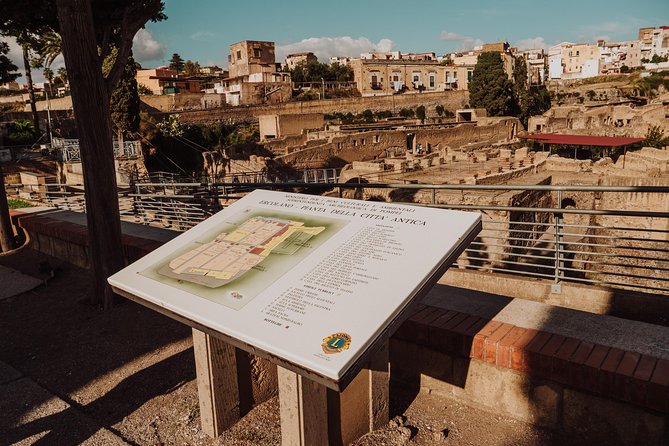
You get about two hours at Herculaneum Archaeological Park too. This is where the day often clicks for people because Herculaneum can feel more personal. The buildings are closer together, and the details inside homes can feel more intimate.
Your guide uses this time to interpret what you’re seeing in a tighter urban setting. It’s a nice contrast to Pompeii’s bigger, more expansive layout.
Herculaneum highlights you’ll likely remember
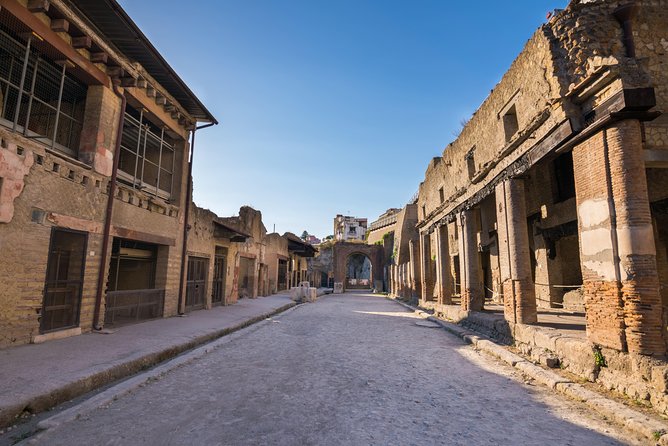
Herculaneum’s stops are many, but each is focused. Here are the major ones and what to look for.
House of the Deer and terrace viewpoints
You’ll stop at the House of the Deer and then at La Terrazza di M. Nonio Balbo. Terraces matter because they show how elevation and views shaped daily living and status.
Even in a short stop, the terrace gives you a sense of how Herculaneum looked from different angles.
College of the Augustales: belief and civic roles
The College of the Augustales is a stop that helps you understand how religious or semi-religious organizations fit into the city’s civic life. If you like connecting architecture to community structure, this one pays off.
Casa del Rilievo di Telefo: art as storytelling
You’ll see the House of the Relief of Telephus. The value here is learning how art works in domestic settings. Instead of guessing, you’ll have a guide explaining what the imagery communicates.
Partem Domus lignea: wooden house structure
The tour includes Partem Domus lignea (Casa del Tramezzo di Legno), a quick look related to wooden partition structures. Even when time is tight, it’s a reminder that not every Roman building detail was stone and that domestic architecture had multiple materials and layouts.
House of the Skeleton: what preservation means
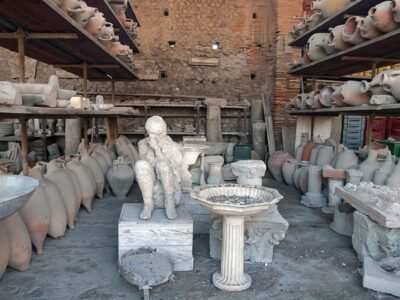
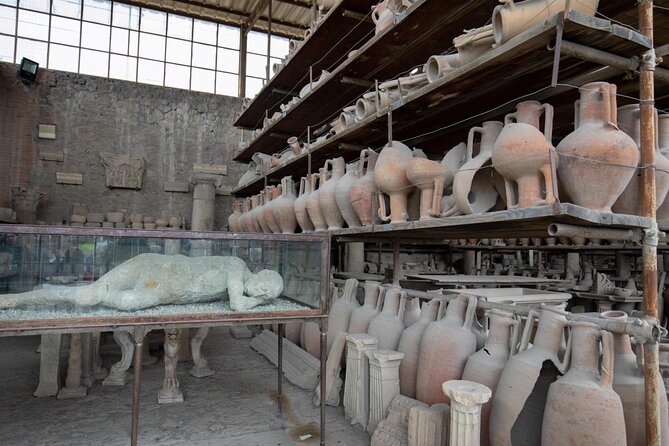
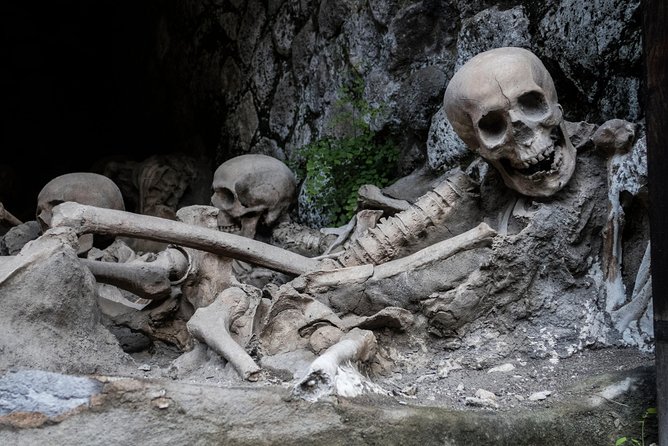
The House of the Skeleton is one of those stops that hits emotionally because it represents tragedy in a direct way. You might find this one heavy. Take the moment to actually look, then let the guide contextualize what you’re seeing.
Central Thermae: the thermal life
You’ll visit Central Thermae in about ten minutes. Baths again show up because leisure and hygiene were major parts of social life. In Herculaneum, this stop tends to feel more grounded in how residents lived.
House of the Black Salon and more homes
You also see the House of the Black Salon (a quick look), plus several additional homes: Casa Sannitica, Casa del Bel Cortile, and House of the Grand Portal.
These domestic stops are where the guided explanation really helps. The outside of a house can look similar to another at first glance. A guide helps you identify what makes each one distinctive—layout, decorative focus, and the sense of how space was used.
The guide makes or breaks the ruins: the real standout
The most praised part of this tour is the guide. Names that came up again and again include Rafael, Gennaro, Michele Lamberti, Giulia, Vincenzo, Diego, and even Michael. The common theme is style: they keep things organized, add humor, and explain what you’re looking at in a way that feels clear rather than like a lecture.
This is more than personality. Pompeii and Herculaneum can overwhelm you because there is so much to see. A skilled archaeologist guide helps you filter. They steer you toward the right structures in the right order so you leave with a working mental map, not just a pile of images on your phone.
I also like that many of the guides are known for pace control. They keep the group together and adjust explanations depending on who in the group already knows some basics and who doesn’t.
Pace, walking, and what to bring for a long day
The format is fast. You’re moving through lots of sites with multiple short stops, and the day is built for efficiency. That’s great if you want maximum value, but it means you should dress and pack like you’re going to be on your feet.
Bring comfortable walking shoes and a water plan. Since meals and drinks are not included, you’ll want a strategy for hydration and energy.
Also bring your own mask as required for the visit, plus any essentials you’ll want if you pause for photos and explanations.
Lunch and breaks: planning the part that’s not included
Meals and drinks are not included. That means you’ll likely need to handle lunch on your own between Pompeii and Herculaneum or during the built-in time windows.
Here’s my practical advice: before the day starts, decide what you’ll do for lunch. If you wait until you’re hungry, you’ll burn time and end up with something that doesn’t fit your schedule. A snack you can eat quickly and a place plan near your route can save the day.
If you’re traveling with a group, you might also want a simple plan for bathroom breaks. The tour keeps a structured rhythm, so being ready helps.
Who this tour is best for (and who should consider something else)
This is a great fit if you want an organized introduction to both sites in one day. It’s especially good for first-timers who don’t want to figure out tickets, route planning, and what to prioritize.
It’s also a smart choice if you care about interpretation. You’ll get archaeologist guidance at the key moments, including civic spaces, baths, theaters, and a variety of houses.
Consider another option if you want long, slow exploration of just one site. Two hours sounds long until you realize Pompeii and Herculaneum each contain much more than one day can cover. This tour is built for breadth, not deep, unhurried wandering.
Should you book Pompeii and Herculaneum with Askos Tours?
If you want the best possible shot at seeing Pompeii and Herculaneum in a single day with an archaeologist guide and skip-the-line style entry, I think this is a strong book. The price can look high, but when you factor in included entrance, guided interpretation, and transport that reduces hassle from Naples, it starts to feel like paying for time and clarity.
I’d book it if:
- You want a curated tour that hits the major landmarks without you guessing what matters
- You like the idea of learning from guides such as Rafael or Giulia, known for keeping things engaging
- You prefer small-group organization over a giant bus with no real chance to ask questions
I might pass if:
- You want meals included and a fully self-contained day package
- You plan to take extremely slow photos and explore every side corridor without a schedule
Overall, this is one of those tours that works because it respects your time. You get enough structure to understand what you’re seeing, then enough freedom inside the time blocks to actually enjoy the ruins.