REVIEW · NAPLES
Vesuvius – Herculaneum – Pompeii Excavations Tour
Book on GetYourGuide →Operated by Ncc Napoli Mutotravel · Bookable on GetYourGuide
One mountain, two buried towns, and a long view of Naples. That mix is what makes this tour so satisfying: you get the spectacle first, then the “how could this happen so fast” reality right after.
I especially like the Vesuvius climb for the top-of-the-world perspective over Pompeii and the Bay of Naples. I also love the contrast with Herculaneum, where you walk through a city that was preserved in a way you rarely see in archaeology.
The main thing to consider is that admission tickets are not included, so you’ll need to budget for entrance fees on top of the tour price.
In This Review
- Key points worth knowing
- A One-Day Roman Reality Check from Naples
- Getting Picked Up at the Naples Port and Riding in Comfort
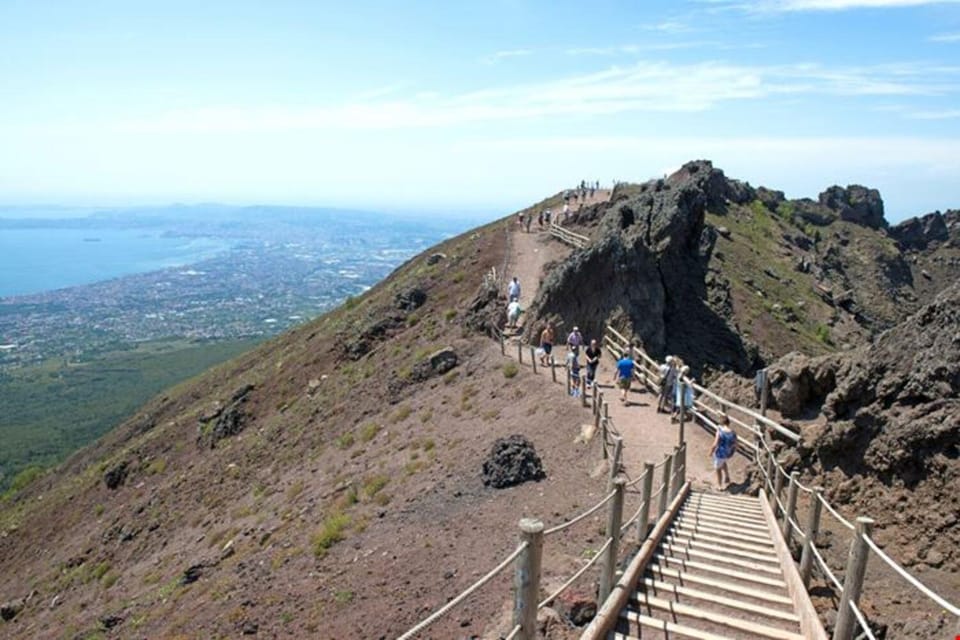
- Climbing Vesuvius for the View Over Pompeii and the Bay
- Herculaneum: What Ash Preservation Looks Like Up Close
- Pompeii Excavations: The Basilica, Baths, Theater, and More
- Guides and Stories: How to Make the Ruins Feel Personal
- Price and Value: What $95 Covers and What It Doesn’t
- How the Day Flows (and Where Time Can Feel Tight)
- Who This Tour Suits Best (and Who Might Want Something Different)
- Should You Book This Vesuvius–Herculaneum–Pompeii Tour?
- FAQ
- Are entrance tickets included in the price?
- How long is the tour?
- Where does the pickup happen?
- How will I know where to meet the guide or staff?
- What transportation is provided?
- Is bottled water included?
- Can I get a refund if my plans change?
- Is payment required right away?
- Are there different starting times?
- What stops are included?
Key points worth knowing
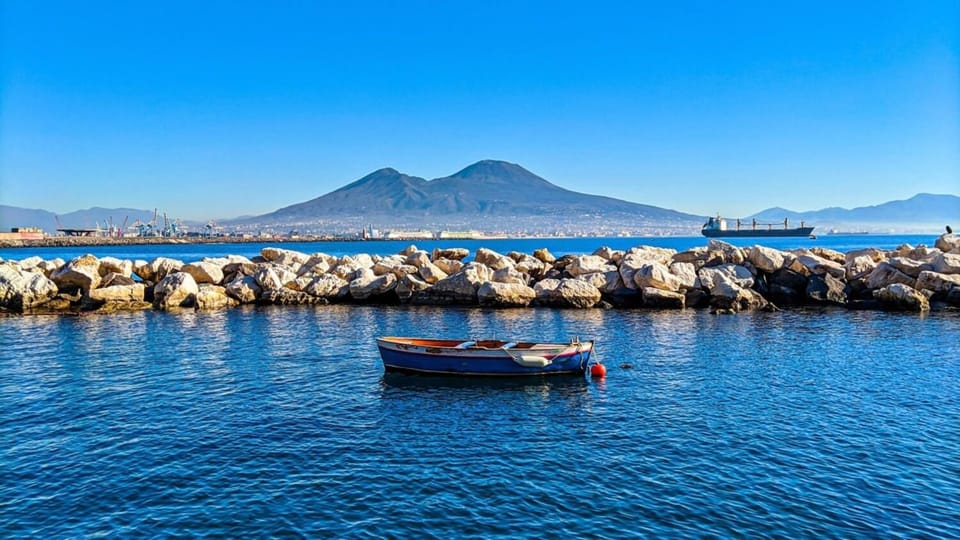
- A three-stop Roman day that fits Vesuvius, Herculaneum, and Pompeii into one organized outing
- Panoramic payoff from the crater area with views that make the eruption feel real
- Herculaneum’s ash-preserved streets and spaces help you picture daily life
- Pompeii highlights are guided with purpose, including the basilica, baths, theater, and more
- Round-trip transport from Naples is handled for you, with a professional driver
- You stay comfortable and on schedule, with a spotless Mercedes-style ride mentioned in feedback
A One-Day Roman Reality Check from Naples
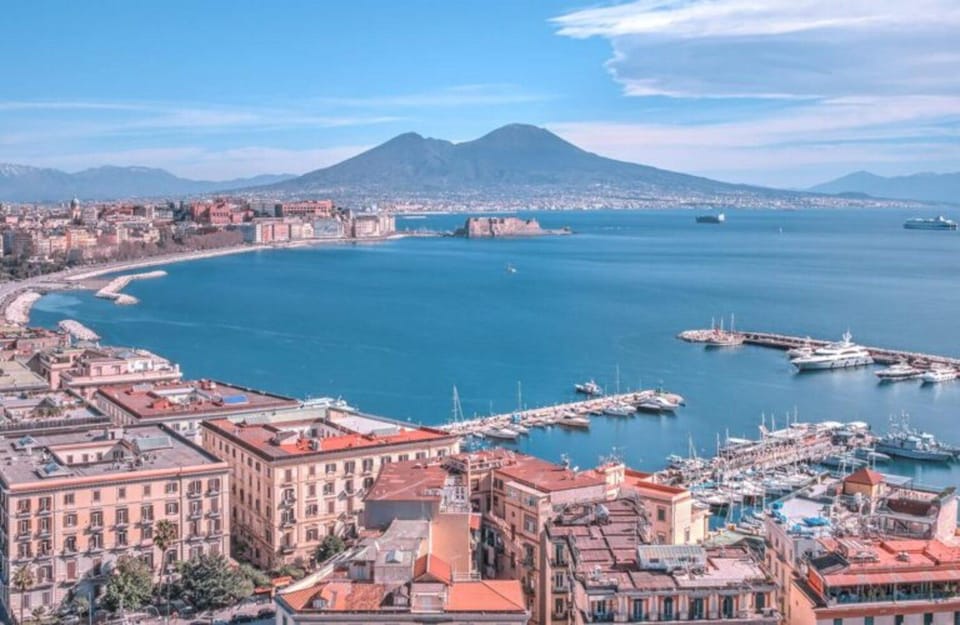
This is the kind of day trip that gives you instant context. You don’t just wander ruins. You start with the volcano, then you move to the towns it erased, and you end where daily life is still mapped out in stone.
The best part is the rhythm. Vesuvius helps you understand the geography. Herculaneum shows preservation at street level. Pompeii adds the scale—public buildings, markets, and the theater where people gathered.
And yes, it’s a lot for one day. But it’s also a day that saves you from the headache of planning three separate visits, figuring out transport, and losing time.
You can also read our reviews of more tours and experiences in Naples.


Getting Picked Up at the Naples Port and Riding in Comfort
You’re picked up at the Port of Naples, outside the Cruise Terminal near the main exit. Staff will be waiting with a banner showing the name tied to your reservation—useful if you’re arriving with a crowd and don’t want to play guessing games.
The transfer is round-trip, and the vehicle is described as a Mercedes with modern comfort. You also get bottled water, which sounds small until you’re halfway through a long day and realize water matters more than you think.
This part may sound boring, but it’s not. A good driver is a big deal around these roads. In feedback tied to this tour, the professionalism of drivers—named Luigi and Antonio in the comments—comes up repeatedly, especially for navigating narrow roads with confidence. You feel that as less stress and fewer delays.
Climbing Vesuvius for the View Over Pompeii and the Bay
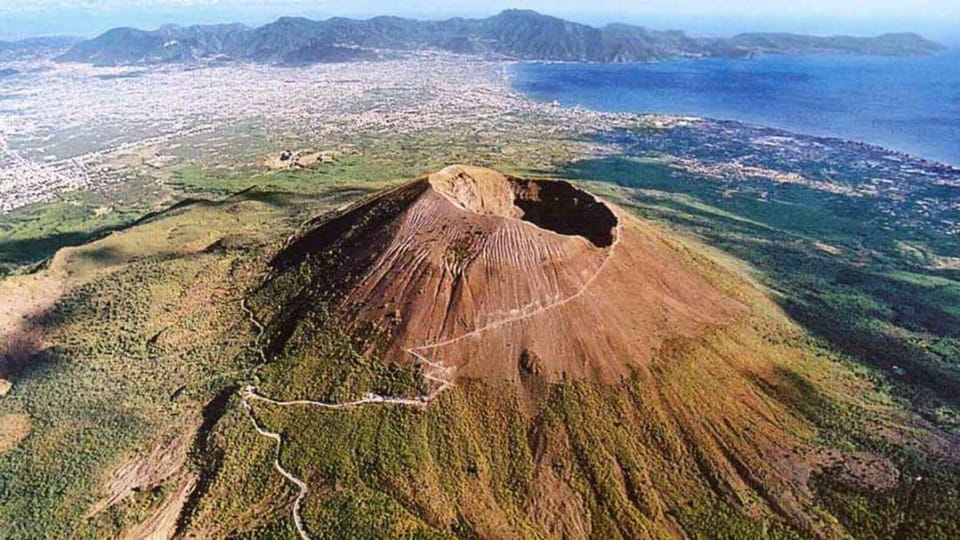
Vesuvius is where the day turns from history to reality. The tour takes you up the mountain so you can enjoy panoramic views of Pompeii and the Bay of Naples from above.
When you look down from that height, the eruption story changes. It stops being an abstract disaster from a textbook and turns into a real event shaped by terrain—routes, distance, and how quickly things could go wrong. Even if you know the basic facts, the view adds emotional weight.
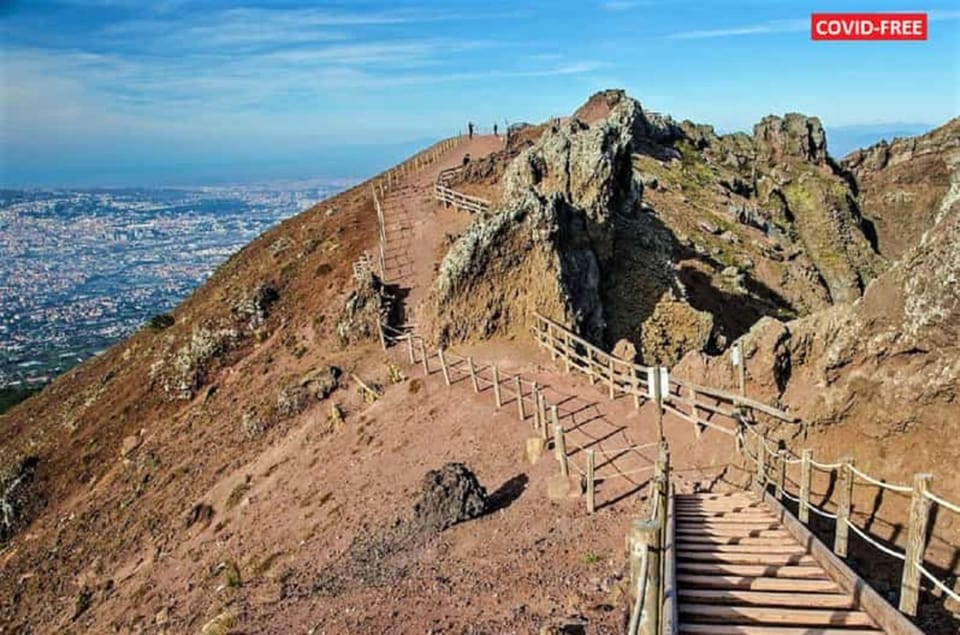
What to keep in mind: this is an active stop. You’ll want sturdy shoes and a willingness to climb. Also, mountain weather can change. Dress in layers so you’re not trapped feeling either too hot or too cold as conditions shift.
Herculaneum: What Ash Preservation Looks Like Up Close
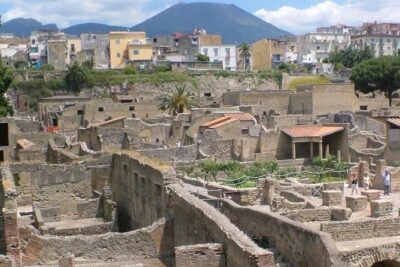
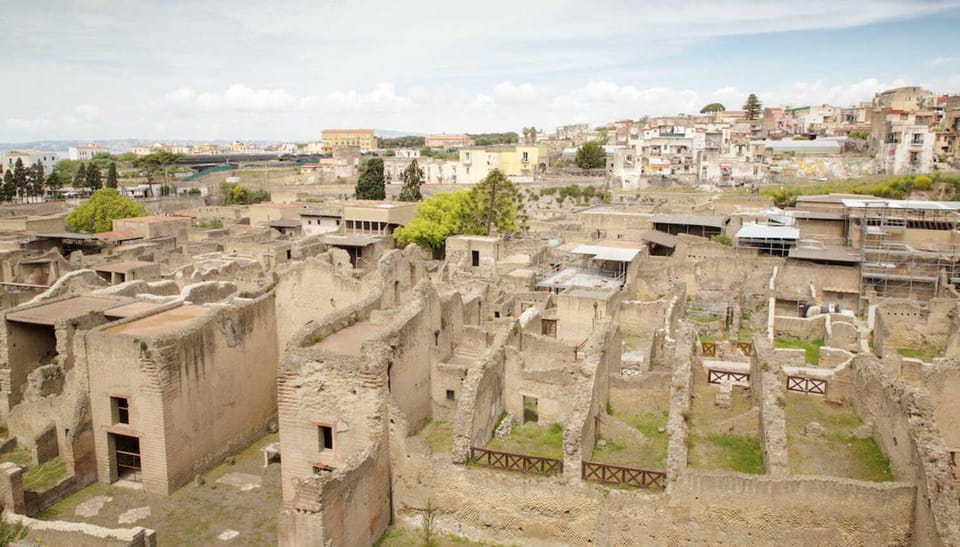
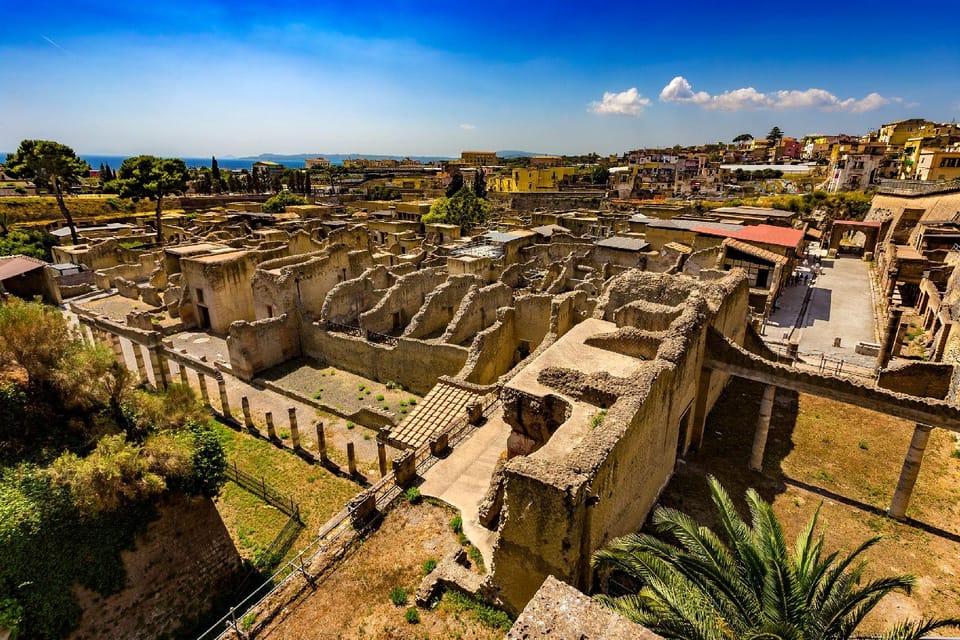
Next comes Herculaneum, and it’s the stop that often surprises people most. It’s not just ruins on a hillside—it’s an ancient city that was destroyed by the eruption in 79 AD and then remarkably preserved under ash.
You’ll walk around the ancient city and see how preservation can make the past feel closer. Buildings and spaces weren’t just flattened; many details stayed readable. That’s a rare advantage for travelers because you can connect what you see to the idea of everyday routines—rooms, corridors, and the layout of a functioning town.
Herculaneum also helps you compare two kinds of ruin. After Vesuvius, the preserved details give your imagination something concrete to latch onto. You stop thinking only about the disaster and start thinking about the people who lived there—how they moved, worked, and gathered in ordinary ways.
Pompeii Excavations: The Basilica, Baths, Theater, and More
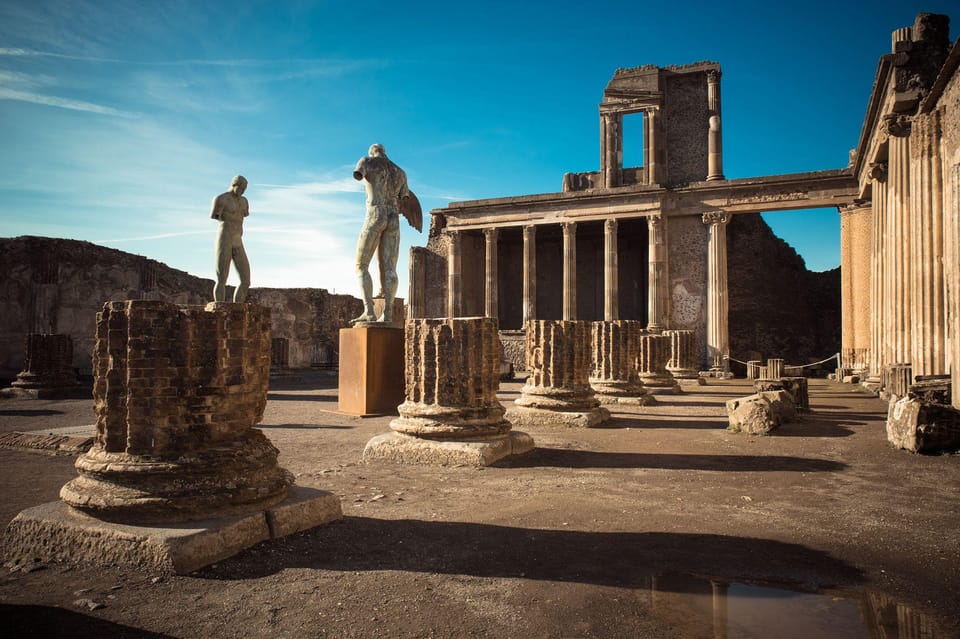
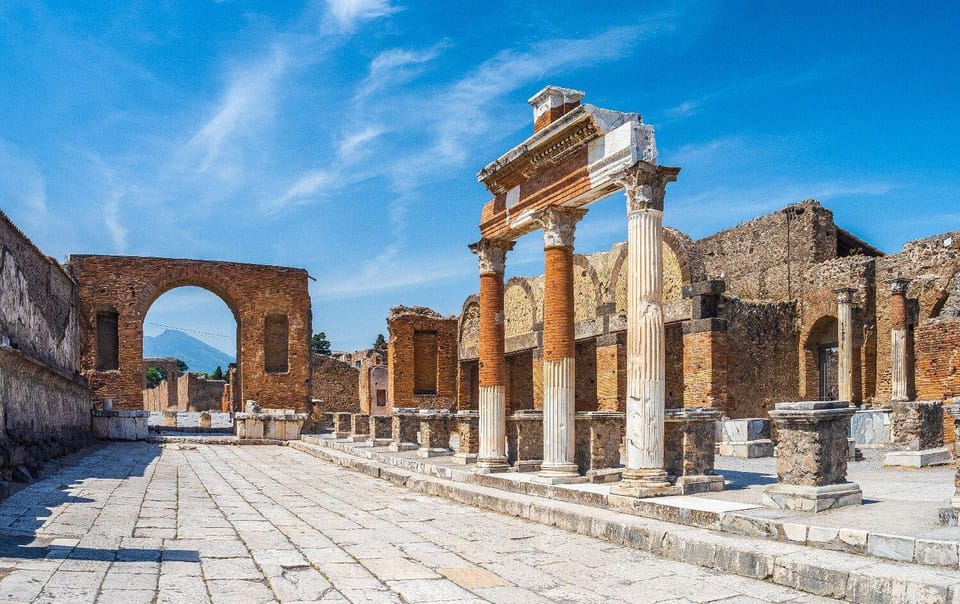
You end with the archaeological site of Pompeii. This is the big one, and the tour focuses on recognizable highlights so you’re not stuck trying to decode everything on your own.
You’ll visit major stops such as:
- the basilica, which served as an economic and legal center
- baths, showing how public life blended with daily hygiene and social time
- temples, reflecting the religious side of the city
- the oven, a clue to the rhythm of food preparation and domestic life
- the great Theater of Pompeii, where crowds would have gathered for performances
The payoff here is not only what you see, but what you understand. A guided approach matters in Pompeii because the city is huge. Without context, it’s easy to wander past the buildings that tell you the most.
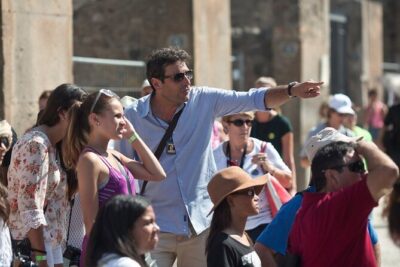
The tour also includes anecdotes from an archaeological guide. The key value is that the stories focus on the people who lived in Pompeii, not just on famous names or dramatic dates. That human layer helps you connect the buildings to real behavior—how a city worked and how residents spent time before the eruption ended everything.


Guides and Stories: How to Make the Ruins Feel Personal
I like tours that treat ruins like a living system. This one does that by pairing key sites with explanations tied to daily life.
The archaeological guide’s role is central. When someone points out why a basilica functioned as both economic and legal space, you start noticing how public buildings shaped power and routine. When the theater is discussed as a gathering place, you get a better sense of community life beyond private homes.
And it’s not just facts. The story style—talking about the people who lived there—turns the day into something you can remember at dinner later, not only the names of places.
If you’re the kind of person who learns best by hearing how things worked, you’ll feel at home here. If you prefer only self-paced wandering, you may want to add extra time on your own. But the guided structure is a big part of the value.
Price and Value: What $95 Covers and What It Doesn’t
The price is $95.00 per person, and the value comes from the parts that reduce your stress.
Included:
- Round-trip transportation from Naples
- Bottled water
Not included:
- Entrance tickets for the sites
That means your true day cost will depend on the admission fees. Still, for many people, pre-planned transport is worth a lot. You avoid hiring separate cars, timing multiple transfers, and dealing with the added friction of coordinating arrival times.
In other words, the tour price pays for the structure: getting you from Naples to three major stops in a single day with professional handling. You’re still responsible for entrances, but the hardest “moving pieces” are handled.
Also note the duration is 8 hours. For a three-site day, that’s a clear time commitment. It’s long enough to see real highlights without turning into a full-on all-day marathon that kills your energy.
How the Day Flows (and Where Time Can Feel Tight)
This tour runs as a single-day circuit: pick-up in Naples, then Vesuvius, then Herculaneum, then Pompeii. The order matters because each stop builds understanding.
- Start with Vesuvius for the viewpoint and the eruption context.
- Move to Herculaneum for preserved, walkable detail.
- Finish in Pompeii with guided highlights that show the city’s public and communal life.
The trade-off is that you don’t get to linger forever at every corner. This is not a slow museum crawl. It’s a “see the key things, learn them well, keep momentum” kind of day.
If you’re someone who needs lots of downtime or hates moving quickly, you’ll want to set expectations. Bring a snack if you can, wear comfortable shoes, and plan to enjoy the day in bursts rather than expecting endless time at one site.
Who This Tour Suits Best (and Who Might Want Something Different)
This tour is a strong fit if you:
- want a structured day without planning transport between major sites
- like guided interpretation, especially archaeological explanations
- enjoy dramatic views plus human-scale walking ruins
- are traveling from the Naples port and want a one-day solution
It’s also good for first-time visitors who need orientation fast. Vesuvius makes the eruption tangible. Herculaneum shows what “preservation” really means. Pompeii gives the bigger city picture with major public buildings and a theater.
You might want a different option if you’re:
- not up for a climb at Vesuvius
- hoping for a fully self-paced day where you never feel the schedule
- trying to minimize all additional costs, since admission tickets aren’t included
Should You Book This Vesuvius–Herculaneum–Pompeii Tour?
I’d book it if you want the best version of a classic route: volcano viewpoint, ash-preserved walking ruins, then Pompeii’s most meaningful highlights with an archaeological guide.
The strongest reasons are practical. Round-trip Naples transportation saves time. A professional driver reduces road stress. The guided Pompeii focus helps you see more than random corners. And the overall plan gives you context that feels like a story, not three unrelated stops.
Just be honest about the reality of an 8-hour day with multiple sites. Bring the right shoes, expect a climb, and budget for entrance tickets. If you do that, you’ll likely leave with the kind of memory that sticks because it’s tied to views, spaces, and people—not just dates.
FAQ
Are entrance tickets included in the price?
No. Admissions are excluded, so you’ll need to purchase entrance tickets separately.
How long is the tour?
The duration is listed as 8 hours.
Where does the pickup happen?
Pickup is included at the Port of Naples, outside the Cruise Terminal near the main exit.
How will I know where to meet the guide or staff?
Staff wait with a banner showing the name of the client indicated in the reservation, for easy identification.
What transportation is provided?
Round-trip transportation is provided in a Mercedes vehicle, and the tour description also mentions a professional driver.
Is bottled water included?
Yes. Bottled water is included.
Can I get a refund if my plans change?
Yes, free cancellation is offered up to 24 hours in advance for a full refund.
Is payment required right away?
No. The offer includes reserve now & pay later.
Are there different starting times?
Starting times are available, and you need to check availability to see what’s offered.
What stops are included?
The tour includes Vesuvius, Herculaneum, and the Pompeii archaeological excavations.