REVIEW · POMPEII
Pompeii 3 Hours Walking Tour Led by an Archaeologist
Book on Viator →Operated by Askos Tours · Bookable on Viator
Pompeii feels chaotic without a plan. This 3-hour private walking tour uses an archaeologist-led guide to connect streets, homes, and public buildings into one clear story, so you stop seeing piles of stone and start seeing real daily life. The one drawback is simple: the site is huge and sun-exposed, so you’ll want proper hats, sunscreen, and a steady walking pace.
I like the way the route hits both “big name” stops (theaters, the forum area) and the small-but-memorable details (granary spaces, casts, and how public buildings worked). You also get a customizable private experience, not a cattle-car shuffle, which matters when Pompeii is crowded with distractions and not enough shade. If you’re mainly looking for a slow meander with lots of free time to wander off-track, this tighter format may feel a bit brisk.
In This Review
- Key Highlights You’ll Actually Feel on the Ground
- Why a 3-hour Pompeii Walk Beats Wandering Alone
- Meet at Porta Marina Superiore: Fast Orientation and Easy Start
- Basilica and the Foro: Where Merchants and Politics Collide
- Granaries of the Forum and the Casts: Everyday Life Meets the Horrific
- The House of Menander: Pompeii’s Luxury, Made Legible
- Stabian Baths and the Brothel Lane: Leisure, Bodies, and Rules
- House of the Faun and Pompeii’s Attention to Detail
- Odeon, Teatro Piccolo, and Teatro Grande: Finish With the City’s Stage
- Price and Logistics: Is $256.99 Worth It?
- Practical Tips for a Sun-Baked, Shoe-Scratching Day
- Should You Book This Pompeii Archaeologist-Led Tour?
- FAQ
- FAQ
- How long is the Pompeii walking tour?
- Is the tour private?
- What language is the tour offered in?
- Where do we meet the guide?
- What about entrance tickets—are they included?
- Is transportation to and from Pompeii included?
- Does the tour run in rain?
- Is there somewhere to store luggage at the meeting point?
- Is the tour suitable for children?
- What is the cancellation policy?
Key Highlights You’ll Actually Feel on the Ground
- Archaeologist-led explanations that turn ruins into daily routines, not just dates and facts
- Forum-area focus: Basilica, main square, and the granaries near it for a strong “how the city ran” arc
- Homes with real character at the House of Menander and House of the Faun
- Thermal baths plus the Lupanar so you see both public leisure and the city’s most famous sex-work site
- Theaters at the end of your route (Teatro Piccolo and Teatro Grande) for a satisfying grand finale
- Included admission tickets at key stops, so you don’t spend your limited time figuring out entrances
Why a 3-hour Pompeii Walk Beats Wandering Alone
Pompeii is one of those places where “not getting lost” is really “understanding what you’re looking at.” A good guide helps you read the city: where people gathered, where they worked, and how power showed up in architecture. In three hours, this tour aims to give you that structure fast.
I especially like that the pacing doesn’t skip the essentials. You’ll hit the forum zone and major public buildings, but you also move through residential and leisure areas that show how Romans lived day to day. It’s a smart mix because Pompeii isn’t just one kind of attraction.
The other thing you’ll notice is the tone. Reviews highlight lively teaching and humor, plus time for questions, which makes the ruins feel less like a school field trip. Just keep in mind Pompeii demands walking and sun management, so your comfort depends on your preparation.
You can also read our reviews of more walking tours in Pompeii



Meet at Porta Marina Superiore: Fast Orientation and Easy Start
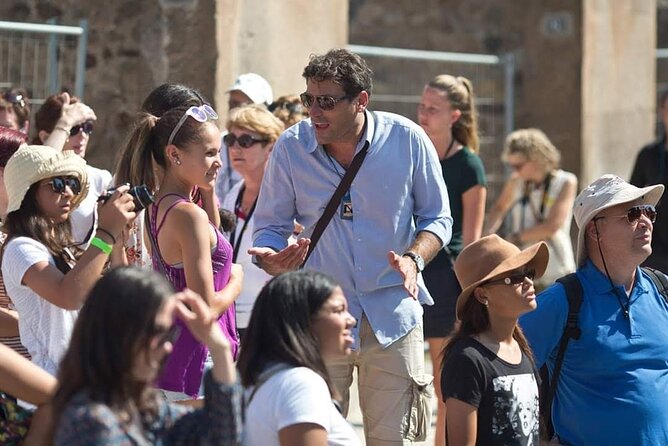
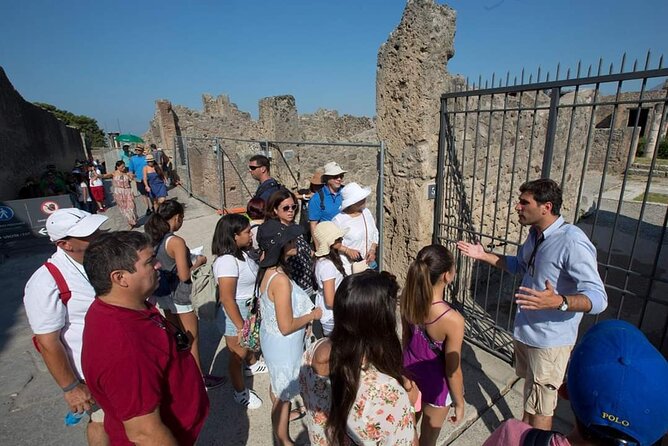
You meet at the main entrance of the Pompeii archaeological site called Porta Marina Superiore. The guide holds a sign for Askos Tours, which makes the start feel straightforward instead of guesswork.
Start logistics can make or break Pompeii day. Here, the meeting place includes a free luggage store, so you can travel lighter and avoid dragging bags across uneven ground. The tour also runs rain or shine, so the plan is steady even when weather does what weather does.
One more practical note that matters: the start and end are tied to Via Villa dei Misteri, 1, and the guide can help you figure out how to get back after you leave the ruins. That’s helpful if you’re trying to keep your day flowing instead of improvising a late-afternoon transit puzzle.
Basilica and the Foro: Where Merchants and Politics Collide
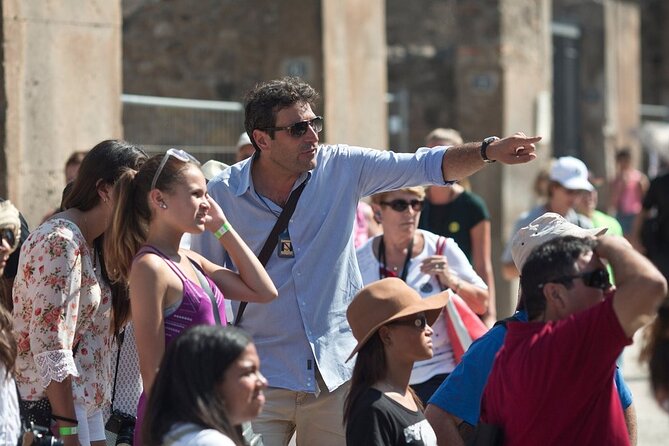
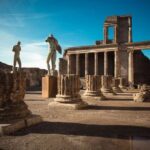
Your tour’s early stops set the stage. You begin with the Basilica, described as an open portico that sheltered merchants and other activities. This isn’t just a pretty facade; it’s a clue about how commerce worked in Pompeii—people didn’t just trade in warehouses. They traded under cover where the city gathered.
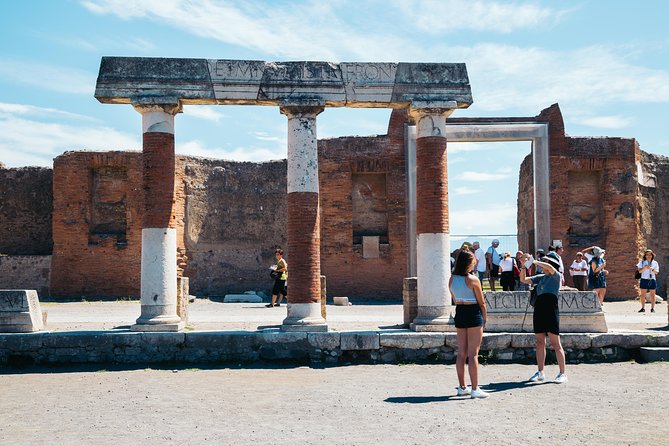
Then you move to the Foro de Pompeya, the city’s main square. Expect a quick but meaningful look at the public heart of Pompeii: the kind of place where locals would connect news, business, and civic life in one location. Seeing the Basilica and the Foro close together helps you understand how public spaces functioned as one system.
Time here is tight—about 20 minutes each for the Basilica and the Foro—so you’ll want to pay attention early. If you ask good questions at the start, the rest of the walk tends to make more sense because you’ll recognize patterns when you see similar layouts later.
Granaries of the Forum and the Casts: Everyday Life Meets the Horrific
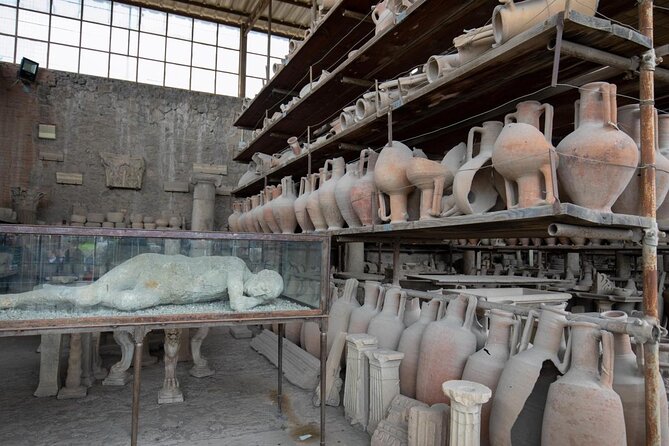
Next you’ll reach the Granaries of the Forum, a stop that’s equal parts useful and unforgettable. You’ll see marble tables and stone features tied to fountains that adorned house entrances, which gives you a sense of what “nice” looked like even in the city’s daily infrastructure.
This area also includes casts connected to the eruption: not only people, but also a dog and even a tree. That detail tends to land hard, because it shifts the story from an abstract disaster into a specific snapshot of what got caught in the catastrophe.
A practical upside: this stop includes an admission ticket fee. That means you’re paying for access right where it’s most worthwhile, rather than using your time later to hunt for the right entrances. The time allotment is about 20 minutes, which is enough to absorb the space without feeling stuck in one emotional corner too long.
If you’re the type who likes to understand the science and the consequences, ask your guide how eruption events affected structures and surfaces. Several guides featured on this tour have backgrounds spanning archaeology and art history, and that cross-training can make the explanation more vivid than a purely technical one.
The House of Menander: Pompeii’s Luxury, Made Legible
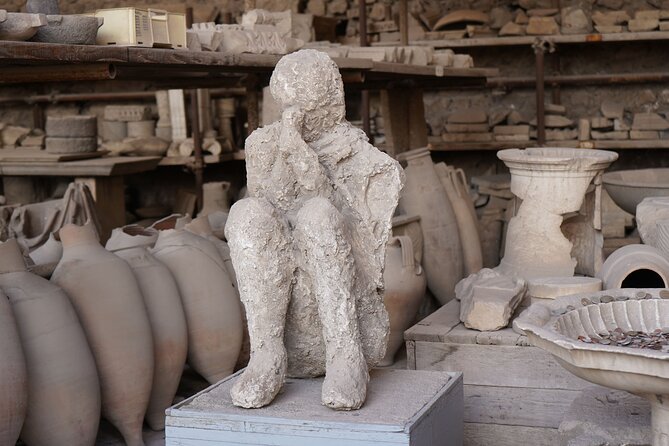
Now you switch from public life to private space, and the House of Menander is a strong choice for that. The property is described as one of Pompeii’s richest homes, with standout architecture, decoration, and contents.
What you’ll want to watch for in a house like this is contrast. Pompeii gives you plenty of “big” ruins, but a wealthy residence shows you how wealth expressed itself in daily routines: the look of rooms, how visitors moved through the home, and what kind of artwork and finishing mattered to the owners.
This stop is around 20 minutes. That’s short, but it’s the right amount for getting the gist—especially on a three-hour tour where you still need to cover baths, theaters, and more. If you want more time inside, this format might leave you wanting a longer second visit.
You can also read our reviews of more tours and experiences in Pompeii



Stabian Baths and the Brothel Lane: Leisure, Bodies, and Rules
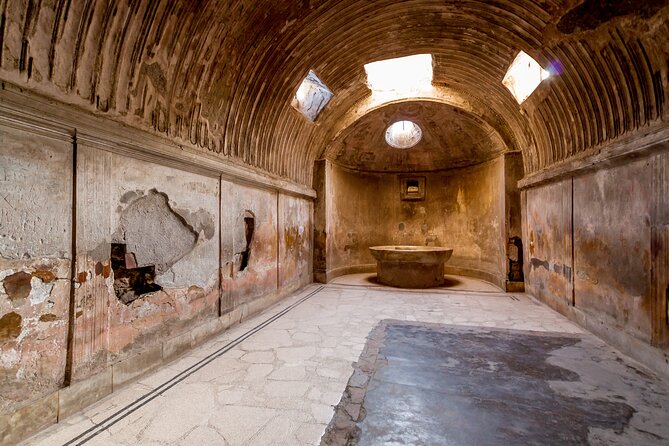
If you want Pompeii to feel real, the Stabian Baths help. They occupy a large area and are described as the oldest thermal complex in the city. Baths were social places, not just places to get clean, so the space tells you about routines and rhythms of Roman leisure.
From there, you’ll visit the Lupanar, described as Pompeii’s most famous brothel. It’s not comfortable subject matter, but it’s historically valuable because it shows how the city organized and branded sex work in an urban setting.
The pairing is interesting because it gives you two sides of the city’s “pleasure economy.” Baths reflect a public form of leisure, while the Lupanar points to services tied to nightlife and money. Seeing both within a single walking arc helps you avoid a one-note Pompeii.
One timing note: Stabian Baths gets about 25 minutes, while the Lupanar is about 20 minutes. If you’re tired from sun and stone, take it easy in the Lupanar segment—your feet will thank you.
House of the Faun and Pompeii’s Attention to Detail
Next is the House of the Faun, described as one of Pompeii’s largest and most impressive private residences. If the House of Menander is “luxury explained,” the House of the Faun is more like “scale and ambition in stone.”
Look at the size and the layout. Big homes in Pompeii don’t just impress; they explain hierarchy. You’ll see hints of how rooms were designed for receiving, moving, and displaying status. Even when you’re only allowed a limited amount of time, a guide can help you spot what matters.
It’s another 20-minute stop, so think of it as a highlight rather than a deep museum-style walkthrough. For most people, that’s the sweet spot inside a broader city walk.
Odeon, Teatro Piccolo, and Teatro Grande: Finish With the City’s Stage
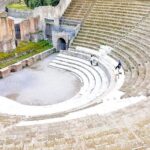
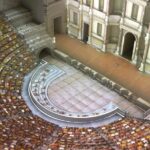
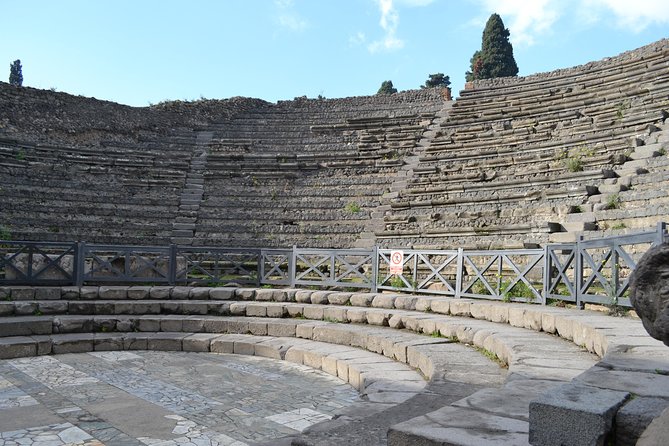
The tour wraps with Pompeii’s performance spaces. You’ll get a quick look at the Odeon / Teatro Piccolo (about 5 minutes), then move to the Teatro Grande, described as Pompeii’s most important theater (about 20 minutes).
Even if you’re not a theater person, these spots are crucial for understanding Roman civic life. A theater wasn’t only entertainment—it was a way the city gathered, where culture and power met in a single public space.
You’ll likely appreciate the pacing here because the route builds momentum. Starting with commerce and the square, then moving through homes and leisure, and ending with the theater makes Pompeii feel like one functioning city rather than separate attractions.
Price and Logistics: Is $256.99 Worth It?
At $256.99 per person for a roughly three-hour private walking tour, you’re paying for three things: an academic-level guide, admission access at key points, and a tighter route than you’d likely manage alone. There are group discounts, which can help if you’re traveling with friends or family.
Does that price feel high? In Pompeii, it can, especially because you’re already paying for site entry in various ways. But here, admission is included at stop points like Porta Marina Superiore and the Granaries of the Forum. That can save you time and decision stress, which is worth real money when your hours are limited.
Transportation isn’t included, so you’ll need to handle getting to the meeting point on your own. Also, the tour is outdoors and exposed, so you’ll want to plan for sun and walking before you feel the cost.
If you value clarity—someone pointing out what you’re seeing and why—this is the kind of tour that pays off quickly. If you mostly want freedom to roam, you might prefer a self-guided strategy and spend less.
Practical Tips for a Sun-Baked, Shoe-Scratching Day
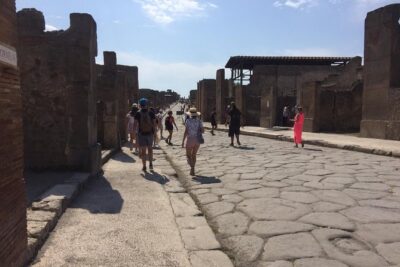
Pompeii is vast and minimally shaded, so plan like you’re walking through open-air archaeology class. Bring sunscreen and a hat, and wear comfortable shoes you’re ready to scuff on stone.
A few more smart moves:
- Arrive with a water plan, because stops are short and the route is active.
- Use the free luggage storage if you have heavy bags; it’s there for a reason.
- Pace yourself early. If you’re wiped by midday, the theater stops will feel harder than they should.
- If rain happens, don’t assume the tour cancels. It runs rain or shine, so pack for wet stone.
Also, since it’s private and customizable, don’t be shy about asking what you care about most. If you’re more into houses, say so. If you want more about everyday life, focus your questions in the forum-and-baths sections.
Should You Book This Pompeii Archaeologist-Led Tour?
I think you should book if you want your Pompeii visit to feel structured and meaningful in a short window. This tour’s strength is the mix of public spaces, homes, leisure areas, and theaters, all tied together by guides with strong academic backgrounds. Names that show up in past experiences include Daniela Mantice, Nicoletta, Anna Sorrento, Monica (a PhD archaeologist), Antonella, and Lia—people who can explain the city’s look, function, and layers of meaning.
Skip it if you’re set on wandering slowly, spending long minutes alone in a single area, or you hate outdoor heat and walking. Three hours in Pompeii is enough to feel like you learned a lot, but not enough for a full, unhurried museum-like experience.
If you’re deciding late, remember this tour is popular—on average it’s booked about 50 days in advance—so securing your preferred date can be smart.
FAQ
FAQ
How long is the Pompeii walking tour?
It lasts about 3 hours.
Is the tour private?
Yes. It’s a private experience, and only your group participates.
What language is the tour offered in?
The tour is offered in English.
Where do we meet the guide?
Meet at the main entrance of the Pompeii archaeological site called Porta Marina Superiore, where the guide holds a sign with Askos Tours.
What about entrance tickets—are they included?
Admission ticket fees are included. Your itinerary also indicates admission ticket included at the Pompeii Archaeological Park stop and at the Granaries of the Forum stop, while other stops are marked as free.
Is transportation to and from Pompeii included?
No. Transportation isn’t included.
Does the tour run in rain?
Yes. The tour takes place rain or shine.
Is there somewhere to store luggage at the meeting point?
Yes. There is a safe luggage store for free at the meeting place.
Is the tour suitable for children?
Children must be accompanied by an adult.
What is the cancellation policy?
Free cancellation is available up to 24 hours in advance for a full refund. If you cancel less than 24 hours before the start time, the amount paid isn’t refunded.