REVIEW · NAPLES
From Naples: Herculaneum, Vesuvius, and Pompeii Trip
Book on GetYourGuide →Operated by VISITING CAMPANIA S.R.L. · Bookable on GetYourGuide
A volcano and two UNESCO ruins in one day is a lot. What makes it work is the organized transport and built-in site time that keeps the day moving. I like that you’re picked up in Naples and sent directly into the action, and I also like that the tour includes entry tickets plus an audio guide for Pompeii. One possible drawback: doing three major sites in 8.5 hours can feel rushed if you want to linger deeply in any single place.
If your priority is seeing all the headline stops without the headache of buses, ticket lines, and last-minute planning, this is a sensible route. You’ll spend real time on Mount Vesuvius and then switch gears to the Roman remains at Herculaneum and Pompeii. Just know there’s no in-depth person guide included, so you’ll rely on the Pompeii audio guide and your own pace.
In This Review
- Key highlights that actually matter
- A one-day loop through 79 A.D., built for low stress
- Naples pickup at Via Galileo Ferraris 40 (and what to look for)
- The drive to Vesuvius: where the day starts feeling real
- Mount Vesuvius free time: 1.5 hours, crater access, and smart pacing
- Herculaneum in 2 hours: smaller, preserved, and easier to breathe
- Pompeii ruins with an audio guide: how to get the most from your time
- How the timing works (and when 3 sites can feel like too much)
- Price and value: what you’re really paying for
- Practical tips before you go (so the day feels smooth)
- Who this tour suits best
- Should you book this Naples to Pompeii, Herculaneum, and Vesuvius trip?
- FAQ
- How long is the trip from Naples?
- Where do I meet the tour in Naples?
- Can I find the meeting point using Google Maps?
- What sites are included in the day?
- Is the Vesuvius stop at elevation or lower?
- Are entrance tickets included?
- Is an audio guide included?
- Do I need an ID to get the audio guide?
- Is food included?
- Is the tour suitable for people with mobility impairments?
Key highlights that actually matter
- Pickup in Naples at Hotel Ramada (Via G Ferraris n.4) with a clear meeting point
- Comfortable transfers between Vesuvius, Herculaneum, and Pompeii (with scheduled drives)
- Vesuvius time including a stop at about 1000 meters and free time to reach the crater area
- UNESCO sites with ticket support so you’re not stuck lining up
- Pompeii audio guide included in multiple languages, rented with a valid ID
- A realistic 8.5-hour format that balances big-name stops with enough browsing time
A one-day loop through 79 A.D., built for low stress

This tour follows one simple idea: you can’t miss the eruption story at Vesuvius, and you shouldn’t skip either of the two big companion sites that showcase what the Romans lost. The result is a day trip that hits Mount Vesuvius plus both Herculaneum and Pompeii, all tied to the famous disaster in 79 A.D.
What I like is the practical pacing. You get free time at each location instead of getting swept along at a sprint. The format is also designed to keep logistics tidy: pickup is in Naples, transfers are handled, and the experience ends back at the same point you started (Via Galileo Ferraris, 40).
The other thing that makes it feel smoother is that you’re not trying to DIY the hard parts. This kind of day can go off the rails fast when ticket lines, transport timing, and group coordination don’t match. Here, the schedule is built around getting you through each site in a predictable window.
And yes, you are packing a lot in. If you’re the type who wants to take notes, compare details house to house, and spend extra time at museums, you may feel the pinch. If you want the big highlights with minimal friction, the structure is a good fit.
You can also read our reviews of more tours and experiences in Naples.


Naples pickup at Via Galileo Ferraris 40 (and what to look for)
Your day starts at Via Galileo Ferraris, 40. The meeting point is also described with coordinates you can plug into Google Maps: 40.8505189, 14.2747942. Pickup is at Hotel Ramada, Via G Ferraris n.4, and your bus is identified with the logo Around Vesuvio.
That last detail matters more than it sounds. When you’re meeting outside, you want the exact sign to confirm you’re on the right vehicle. Using the coordinates also helps because Naples streets can look almost identical from the sidewalk.
Plan for the day to feel like a moving checklist. You’re not doing one stop after another from the same parking lot. You’re transferring by coach, and the timetable includes drive segments between sites. That’s part of the tradeoff: the bus takes the strain off you, but you’ll still be sitting and switching locations several times.
Also bring the basics: passport or an ID card. This comes up for the audio guide process at Pompeii. And keep luggage small. Oversize luggage isn’t allowed, and you should bring only a little bag.
The drive to Vesuvius: where the day starts feeling real
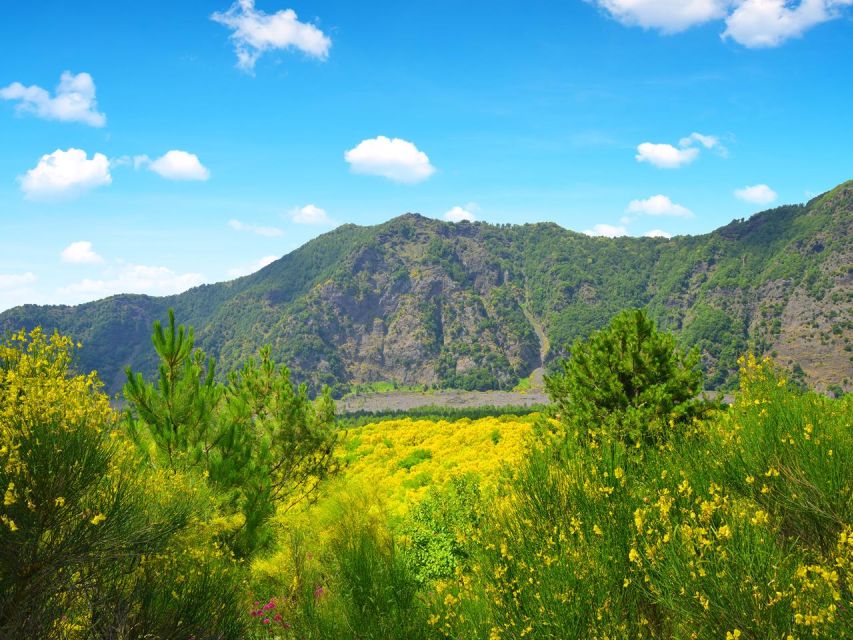
After pickup, there’s a coach transfer of about 40 minutes to the volcano area. This timing is useful because it gets you there with enough day left to enjoy the views and still have time afterward.
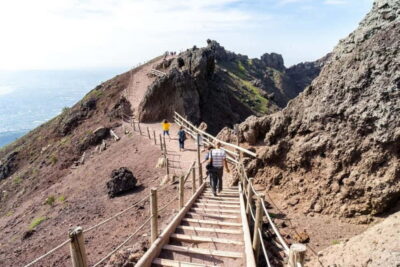
The tour stops at around 1000 meters of height, and then you get free time for about 1.5 hours on Mount Vesuvius. Your included transfers get you positioned at elevation, but the crater area is something you’ll reach on your own during the allotted time.
This is one of those “plan to move, not just stand” stops. Even if you take it easy, Vesuvius involves shifting terrain and walking. The time window is long enough to get a couple of passes at viewpoints and still make progress toward the crater area, but it’s not a half-day hike.
Value-wise, I’d say this is the best way to do Vesuvius on a tight schedule. You get the experience without losing the whole day to transport and climbing logistics, and you’re not choosing between the volcano and the ruins. You’re getting both, which is the entire point of doing a structured day trip.
Mount Vesuvius free time: 1.5 hours, crater access, and smart pacing
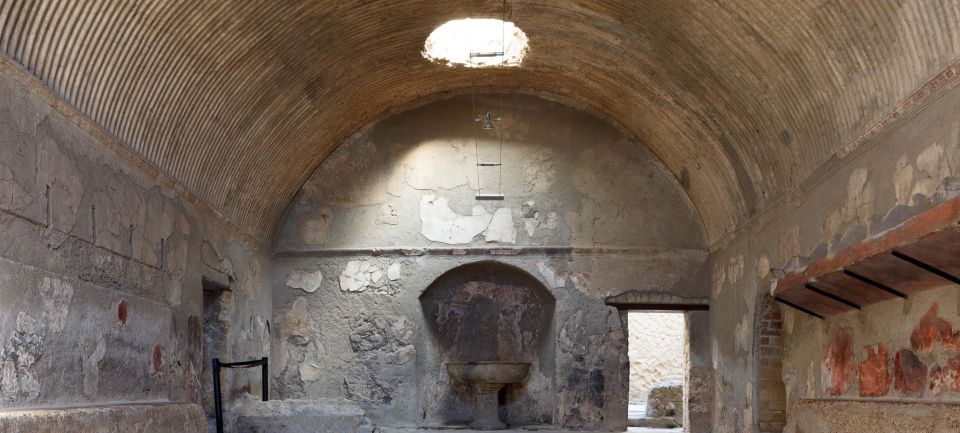
At Vesuvius you’ll spend roughly 1.5 hours with free time to explore and to reach the crater area. Tickets for the Vesuvius National Park are included, including an entrance ticket listed as €11.68.
A small but important detail: the tour is set up so you start at elevation (about 1000 meters). That helps you avoid burning your time just getting up to where the views begin. It also makes the timing more predictable for the rest of your day.
Here’s how I’d pace it if I were guiding a friend:
- First, take in the big lookouts quickly so you don’t waste later time chasing your favorite angle.
- Then work your way toward the crater area with your remaining time in mind.
- Leave a little buffer for the return walk, since you’ll need to be back on time for the next coach.
And one practical note: the tour format doesn’t mention a person guide at the volcano stop. The included driver is English, but during free time, it’s your call. If you want more spoken explanation, you’ll likely use your own reading beforehand or rely on what’s displayed on site.
Herculaneum in 2 hours: smaller, preserved, and easier to breathe
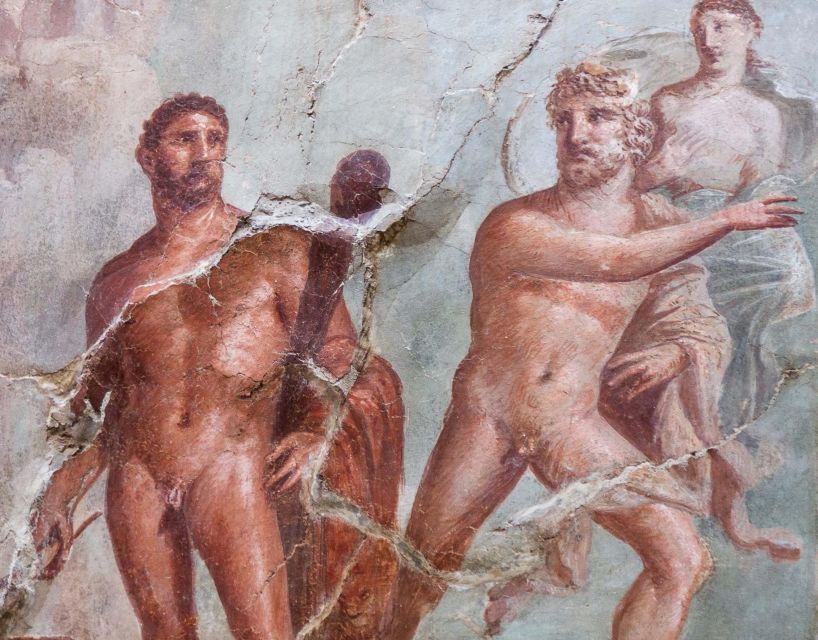
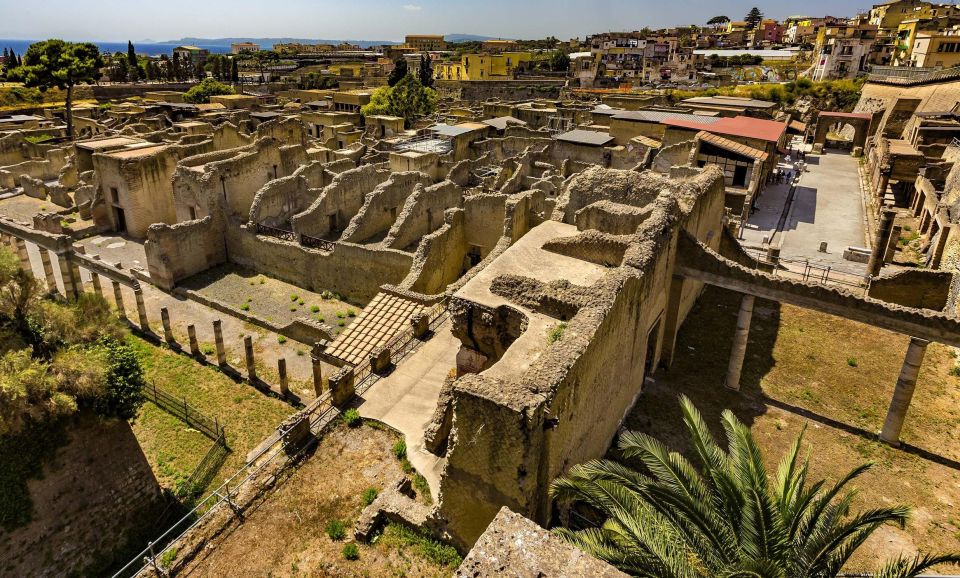
Next is a transfer of about 30 minutes to Herculaneum, where you’ll have about 2 hours of free time at the archaeological site.
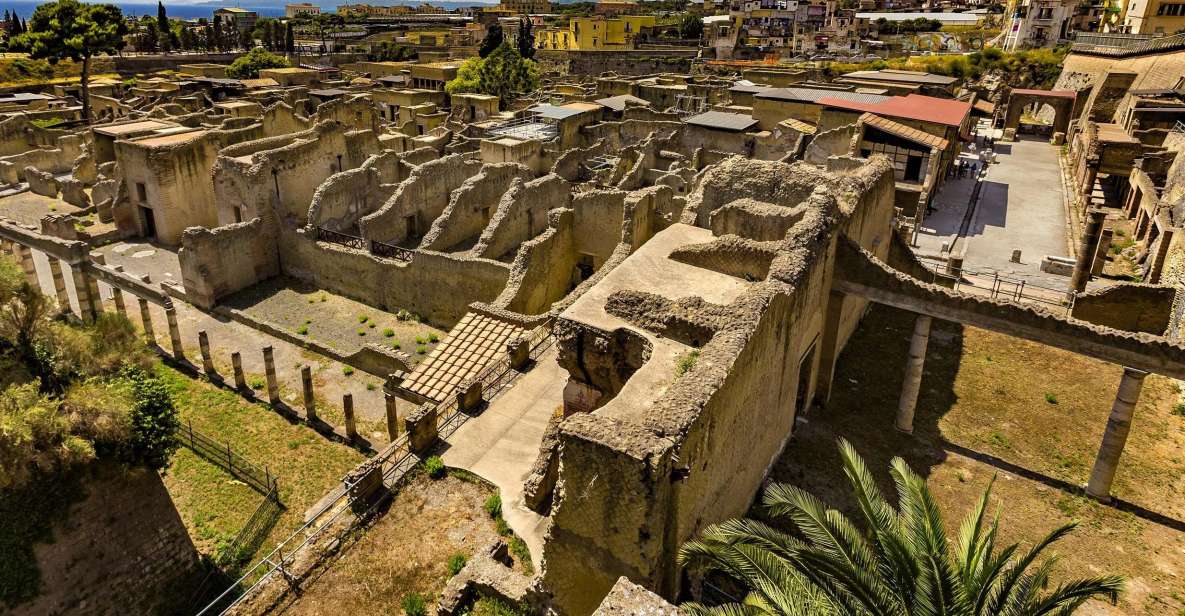
Why this stop works in a one-day itinerary: compared with Pompeii, Herculaneum often feels easier to manage for pacing. You still see streets, buildings, and Roman-era layouts, but you’re less likely to get stuck in a massive crowd crush for every single step. The tour gives you a real chunk of time to walk and absorb.
The experience promise here is preservation. The sites were famously affected by the eruption, and Herculaneum is known for what remained intact through time. The tour is built around letting you enjoy these World Heritage sites with autonomy—meaning you’re not trapped in a rigid script.
Also, Pompeii is the one with the audio guide included. At Herculaneum, the plan is simply free time with transfers and ticket entry support. That’s fine, but it’s worth setting expectations: you’ll be reading signs, using your own context, or planning to jump into Pompeii’s audio guide for deeper guidance.
The biggest risk at Herculaneum is less about the site and more about schedule squeeze. If you spend too long at Vesuvius (for example, lingering late for crater views), you’ll feel it here. With 2 hours, you can still see a lot, but you should keep moving between major areas rather than hopping randomly.


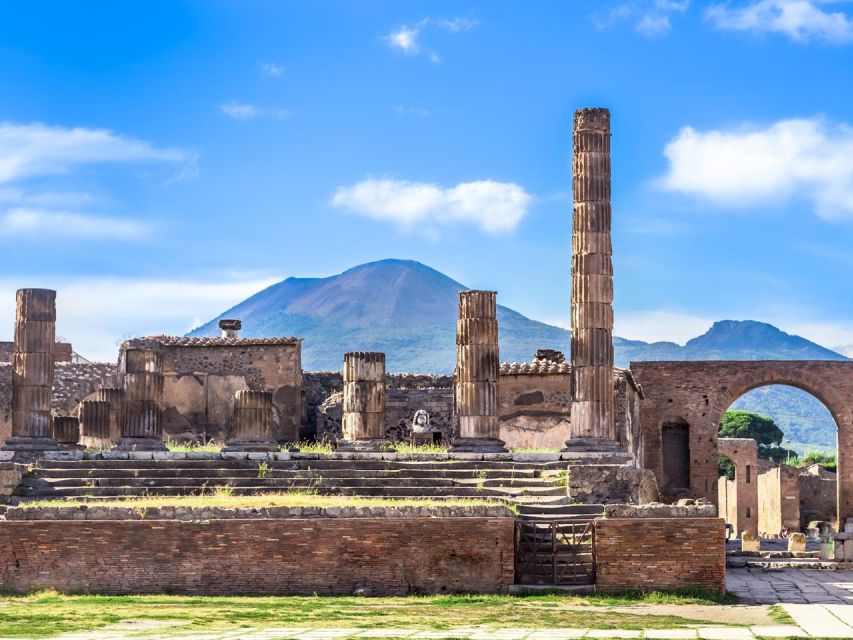
Pompeii ruins with an audio guide: how to get the most from your time

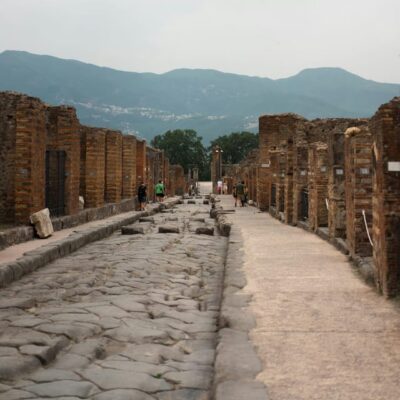
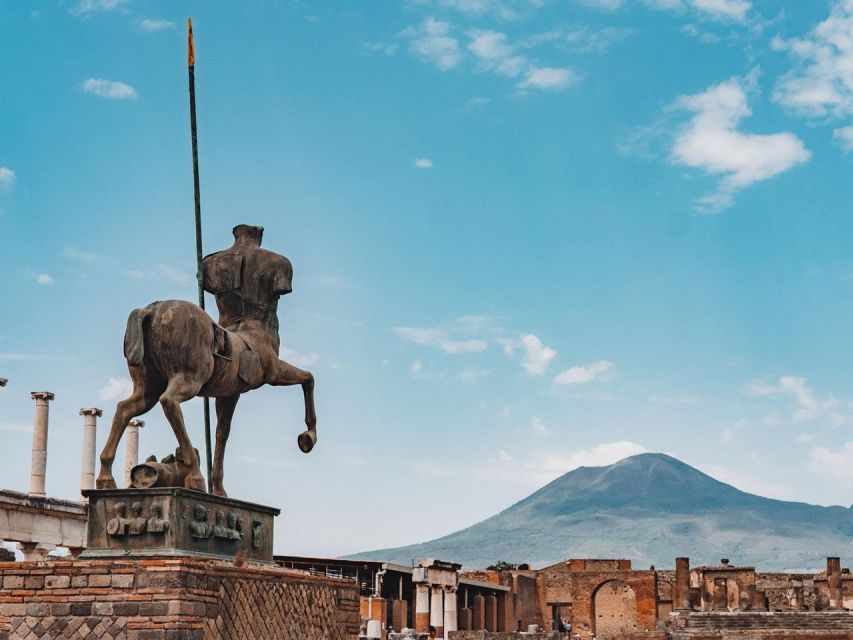
After another 30-minute transfer, you arrive at Pompeii, where you get about 2 hours of free time to explore the ruins.
Tickets for Pompeii are included (listed as €20.00), and the tour also says you get skip-the-ticket-line support. That alone can save a chunk of your limited time, especially during peak hours.
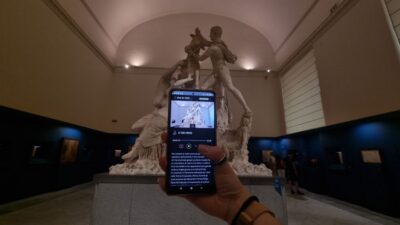
The tour includes audioguides for Pompeii, and they’re offered in many languages, including English plus Chinese, Dutch, French, German, Hebrew, Italian, Portuguese, Russian, and Spanish. One key detail: you need a valid ID document to rent the audio guide.
Here’s how I’d use the audio guide if I wanted the most value:
- Start early in the route so you’re listening while the main scenes are still ahead of you.
- Use it to decide what to linger on. If the audio mentions a room or viewpoint, that’s your cue to slow down for photos and details.
- Don’t let the audio turn into a speed-run. It’s better to miss a couple stops than to rush past everything.
Also, this is where the tour format shows its limits. The itinerary is built for autonomy, and the included guidance is mostly audio rather than a live person guide. That can be totally fine if you like exploring at your pace. If you’re the type who wants real-time explanations and story-telling, you might find yourself wishing for more spoken interpretation.
Still, the audio guide helps you connect what you’re seeing—architecture, painted surfaces, and the layout of daily life—with the bigger eruption story. In a half-day window, that connection matters.
How the timing works (and when 3 sites can feel like too much)
The total duration is about 8.5 hours, with planned travel time between stops. The schedule includes:
- ~40 minutes to Vesuvius
- ~1.5 hours free time at Vesuvius
- ~30 minutes to Herculaneum
- ~2 hours free time at Herculaneum
- ~30 minutes to Pompeii
- ~40 minutes back toward Naples
That adds up fast, and it explains the most common tradeoff: doing Pompeii + Herculaneum + Vesuvius in one day means you won’t be able to go slow at all three. You’re choosing breadth over depth.
So who should do this? If you’re visiting for a short stay and want the big three without having to plan transport and tickets, this is efficient. It’s also a good option for first-timers who want the lay of the land before deciding what to revisit.
Who might want a different plan? If you already know you’ll want to spend serious time inside specific houses, comparing artwork, or studying street layouts carefully for a few hours in one place, the time limits may frustrate you. You’ll probably still enjoy it, but you won’t get that calm, unhurried deep exploration.
A smart move is to decide your priority before you go. Maybe you want Pompeii to be the main event and use Herculaneum more as a steady complement. Or maybe you’re a volcano person and treat Pompeii as the best photo and audio-guided hits. The tour gives you the framework; your priorities decide how satisfying it feels.
Price and value: what you’re really paying for
The price is $152.93 per person. That number isn’t just covering entry tickets. It includes pickup and return transfer from Naples, coach transport between all three sites, and ticket handling support—plus audio guide inclusion for Pompeii.
Let’s break down the value lens:
- You’re buying time and stress reduction. Naples-to-ruins logistics can get complicated, and a one-day plan only works if transport is handled.
- Tickets are included, including Vesuvius National Park (€11.68) and Pompeii (€20.00), and the tour also states entrance tickets for the archaeological sites.
- You skip ticket lines, which matters on a day where you only have a few hours per site.
What’s not included is also part of the value equation: food and beverages aren’t included, and there’s no person guide included. So you’ll want to plan your own lunch (or snacks) nearby and bring water.
If you’re traveling solo or as a couple and you’d otherwise need a private driver or separate tickets plus transport arrangements, this kind of all-in bundle often looks more reasonable. If you already have transport sorted and you don’t mind ticket lines, it may feel pricey. But for most visitors doing a tight Naples itinerary, the structure is exactly what you’re paying for.
Practical tips before you go (so the day feels smooth)
This is one of those tours where small preparation makes a big difference. Here’s what will help you enjoy it more:
- Bring passport or ID so you can rent the Pompeii audio guide.
- Keep your bag small. Oversize luggage isn’t allowed, and you’ll want something you can carry comfortably.
- Wear shoes you can walk in. You’ll be walking around Vesuvius and both archaeological sites.
- Plan meals yourself. The tour doesn’t include food or beverages, so you’ll want snacks or a simple lunch strategy.
- Set expectations for autonomy: you’ll be exploring mostly on your own during site free time.
If you’re the type who loves photos, start with your shot list. Vesuvius and Pompeii both reward early planning because the best angles take time. If you wait until late, the day’s schedule may squeeze you.
Who this tour suits best
This tour is a strong match if you:
- Want a single-day introduction to Vesuvius, Herculaneum, and Pompeii without building your own plan
- Like exploring at your own pace with free time at each stop
- Plan to use the Pompeii audio guide to connect sites to what you’re seeing
- Value organized transfers and on-time logistics over a slower, deep-dive day
It’s probably not the best match if you:
- Need wheelchair-level accessibility support (it’s listed as not suitable for people with mobility impairments)
- Want a live person guide throughout the day (a person guide isn’t included)
- Want lots of time for one site, because this itinerary spreads time across three big destinations
Should you book this Naples to Pompeii, Herculaneum, and Vesuvius trip?
I’d book this tour if you’re looking for a clean, coordinated day with transport handled and the freedom to wander inside each site for about the right amount of time. The structure is designed for visitors who want the highlights—especially if your time in Naples is limited.
I’d think twice if you’re hoping for a slow, detailed exploration where you can spend extra time in one location. In that case, you might be happier choosing a less packed plan or returning to one site later.
If you do book, go in with a simple strategy: treat Vesuvius as your view-and-crater window, treat Herculaneum as your calmer walk-through, and treat Pompeii as your audio-guide guided centerpiece.
FAQ
How long is the trip from Naples?
The duration is about 8.5 hours.
Where do I meet the tour in Naples?
The meeting point is at Via Galileo Ferraris, 40 (also connected to pickup at Hotel Ramada, Via G Ferraris n.4).
Can I find the meeting point using Google Maps?
Yes. You can use coordinates 40.8505189, 14.2747942.
What sites are included in the day?
You visit Mount Vesuvius, Herculaneum, and Pompeii.
Is the Vesuvius stop at elevation or lower?
The transfer stops at about 1000 meters of height.
Are entrance tickets included?
Yes. Entrance tickets are included for the archaeological sites and Vesuvius National Park. The Vesuvius National Park entrance ticket is listed as €11.68, and the Pompeii ticket is listed as €20.00.
Is an audio guide included?
An audio guide is included for Pompeii. Languages listed include English plus several others.
Do I need an ID to get the audio guide?
Yes. It’s important to bring a valid ID document to rent the audio guide.
Is food included?
No. Food and beverages are not included.
Is the tour suitable for people with mobility impairments?
The tour is listed as not suitable for people with mobility impairments.