REVIEW · ARCHAEOLOGICAL SITE OF HERCULANEUM
Herculaneum 2-Hour Private Guided Tour
Book on GetYourGuide →Operated by Tempio Travel Pompei Tickets · Bookable on GetYourGuide
Vesuvius stops you in your tracks. A private guided tour of Herculaneum turns the ruins into a clear story, from where the city stood to what the eruption did next, with guides like Daniela and Alessia guiding the walk in smooth, human terms. You also get the practical win of meeting at the site and getting in without the usual ticket bottleneck.
I love two things most: the murals and wall art that still feel colorful even after two millennia, and the way your guide explains why this site preserved so much better than Pompeii. The one consideration is simple—2 hours can feel short, especially if you’re the type who wants to ask every question (and many people do, especially with kids).
In This Review
- Key things you’ll notice on this Herculaneum tour
- Herculaneum’s “why this place looks different” magic
- Getting in smoothly: skip-the-line without the stress
- What a 2-hour private route feels like on the ground
- The eruption story you’ll actually remember
- Murals and artwork: where the past looks almost present-day
- Wealth in Herculaneum: why it can feel richer than Pompeii
- Family-friendly benefits that aren’t just marketing
- Price and value: $283.21 per group up to 8
- Practical tips before you go (so the tour stays smooth)
- Languages and guide style: what to expect from the human side
- Should you book the private 2-hour Herculaneum tour?
- FAQ
- Is this tour really private?
- How long is the Herculaneum tour?
- What languages are available for the guide?
- Where does the tour start and end?
- Is transportation or meals included?
- Do I need an entrance ticket?
- Are big bags allowed?
- What should I bring for entry?
- Is there a discount or free day?
Key things you’ll notice on this Herculaneum tour
- Private group up to 8: small enough for questions, flexible enough for families.
- Skip the ticket line: your guide meets you at the ticket area and helps you get in fast.
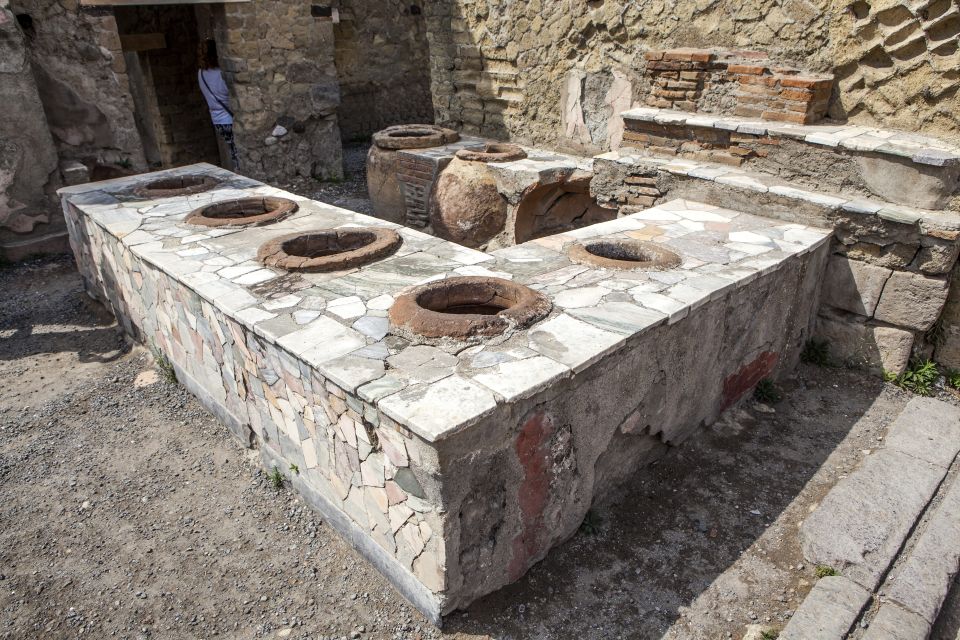
- Ash and deeper burial: Herculaneum’s location meant better preservation of buildings and details.
- Murals you can actually see: colorful artwork from wealthy homes still stands out.
- A vivid eruption story: your guide connects what you see to Vesuvius and its impact.
- Multiple languages: Spanish, English, French, Italian, German.
Herculaneum’s “why this place looks different” magic
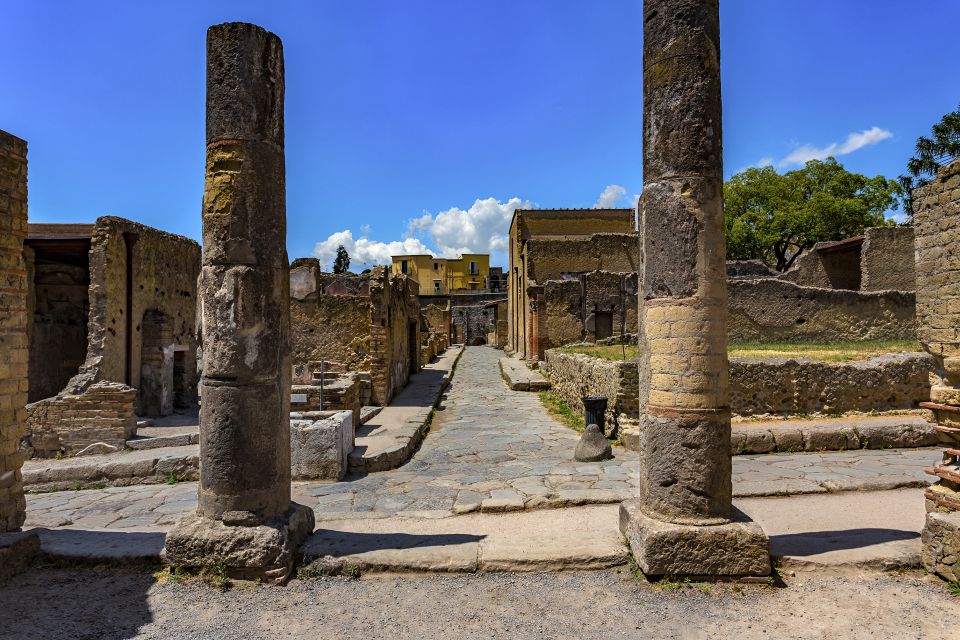
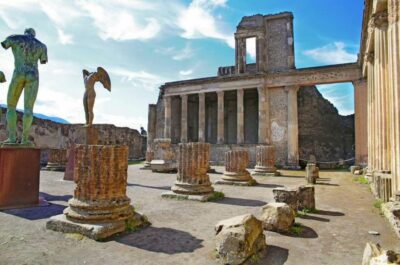
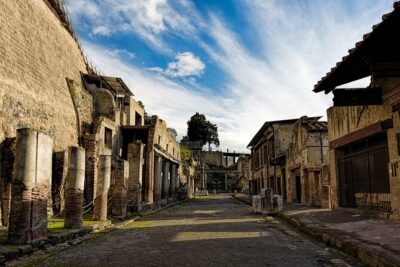
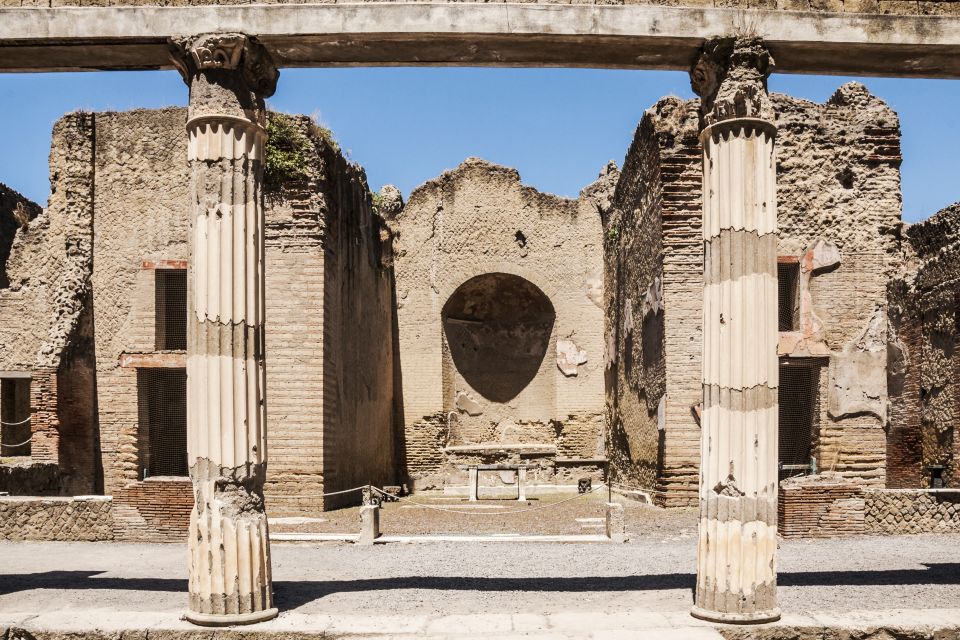
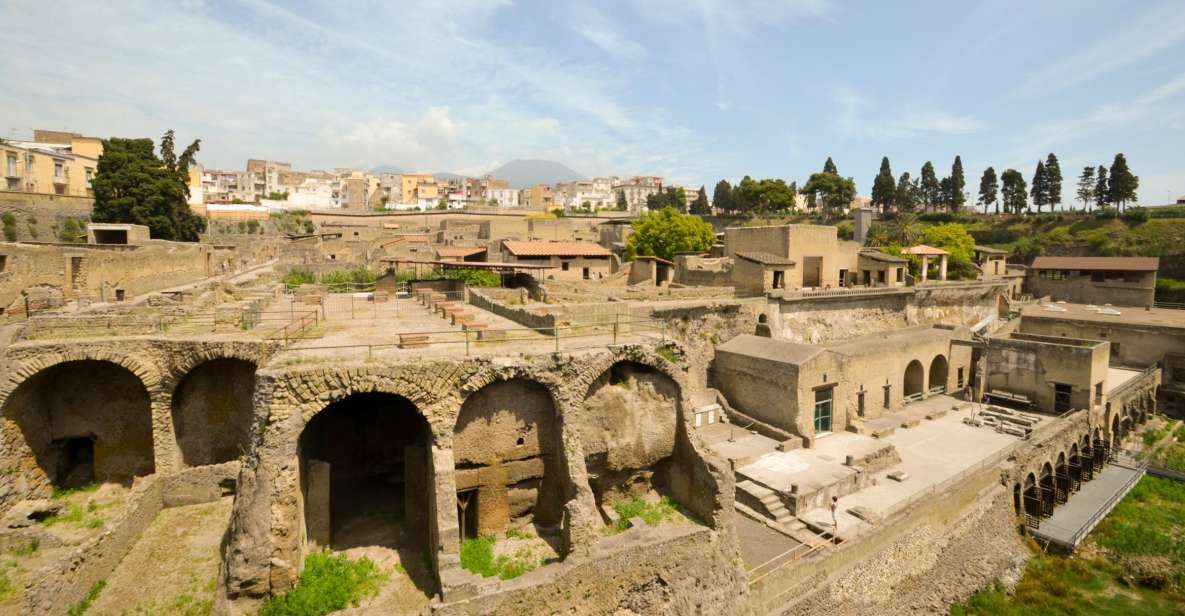
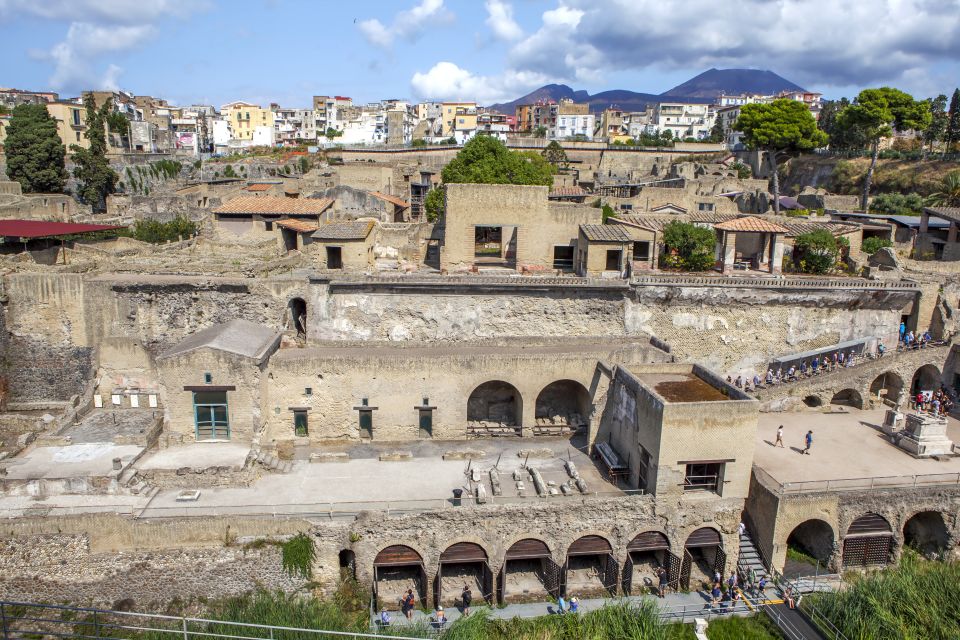
Herculaneum and Pompeii are linked by the same catastrophe. But standing in Herculaneum, the whole feel changes. The city was closer to Mount Vesuvius, and it was buried in a way that preserved architecture and surfaces better—so you don’t just get shapes and ruins. You get a stronger sense of how things actually looked.
That’s the first reason this tour is such good value: you’re not wandering through an ancient site hoping it clicks. Your guide gives you the map in your head. They point out details as you go and explain why they matter, using the ruins as evidence instead of just reciting dates.
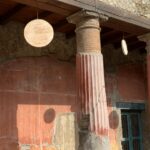
And yes, the art is a big part of it. Herculaneum is famous for colorful murals and other artwork from homes of wealthy Romans. In a quick visit, that kind of visual impact is exactly what you want, because it makes the whole city feel personal rather than academic.
You can also read our reviews of more guided tours in Archaeological Site Of Herculaneum
Getting in smoothly: skip-the-line without the stress
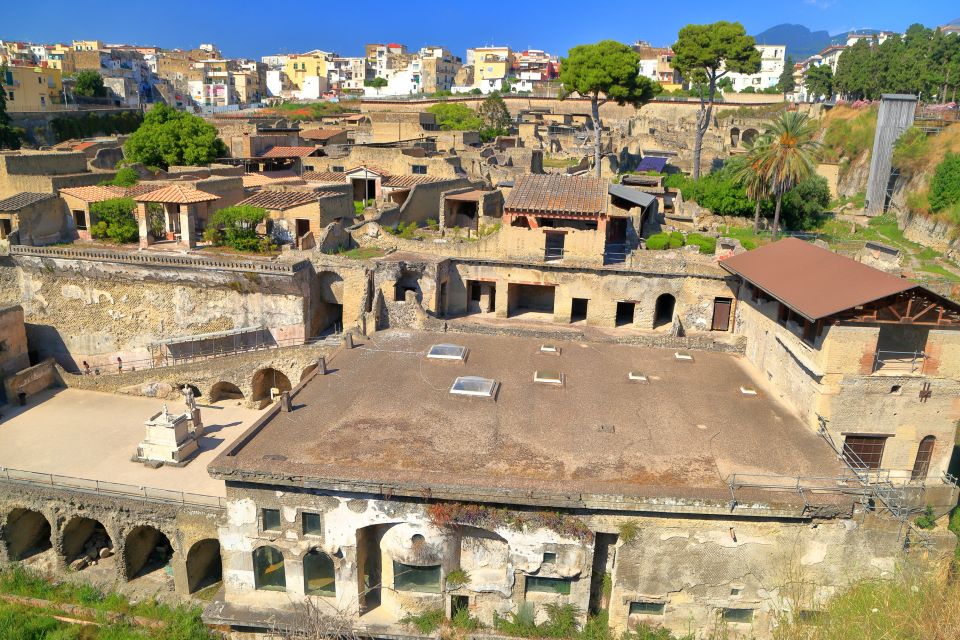
This is one of those tours where “practical” is actually part of the experience. You meet your guide at the Herculaneum site, and your guide comes with tickets so you can slip past the ticket line instead of waiting.
That matters more than you might think. When you’re visiting a site like this, time is your real currency. In two hours, you want your walking time to be spent looking at walls, floors, and art—not standing in line while the day heats up.
You’ll want to be ready to move. Wear comfortable shoes. The tour is short, and the site is not made for slow, barefoot sightseeing.
What a 2-hour private route feels like on the ground
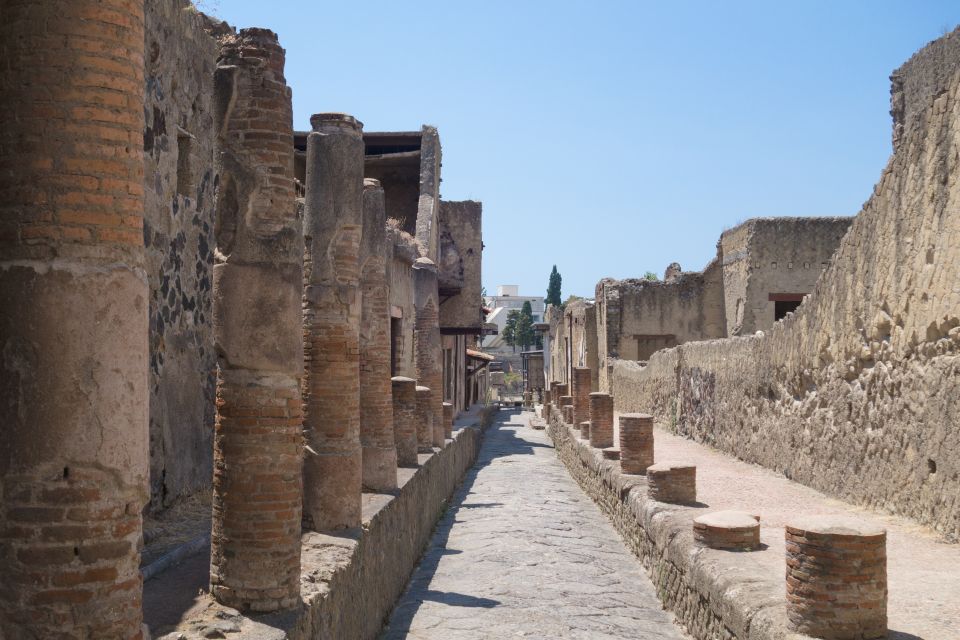
The tour is built for a focused visit: around two hours at the archaeological site with a private guide. That means you’re not stuck in a long, rigid group schedule. You can pause, ask, and get clear answers without being shooed along.
I like this pacing because it suits real travel life. You get enough time to understand the big story of the eruption and the city’s layout, and you still leave before the visit turns into “I’m tired but I should keep going.”
A typical flow looks like this:
- You start with context—where you are and what you’re about to see.
- Then you move through key areas, stopping often to talk about specific architecture and details.
- The guide connects it all back to Roman daily life, and then ties it to what the eruption did to the city.
Even if the route varies, the focus stays consistent: a guided walk through the ancient city with attention to art, buildings, and what survived.
The eruption story you’ll actually remember
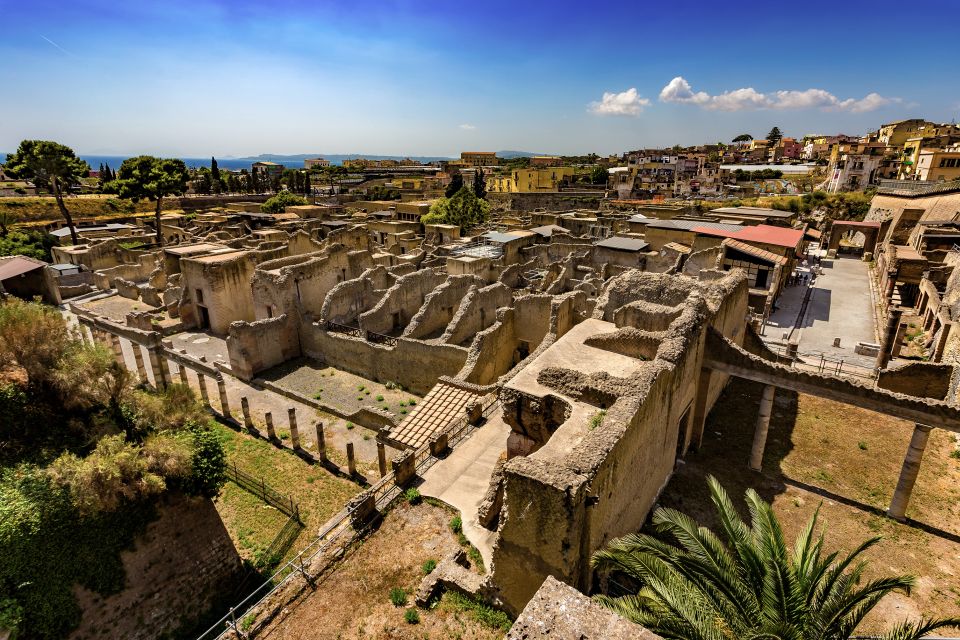
The eruption of Vesuvius isn’t just a dramatic headline. Your guide explains it in a way that matches what you can see in front of you. That’s the difference between hearing about Vesuvius and understanding what it meant for a living neighborhood.
One of the most useful points your guide makes is tied to location and burial. Herculaneum sat closer to Vesuvius, and it was buried deeper—by lava, not just ash in the same way. The result is that many architectural elements survived more clearly than at Pompeii, and that’s why you can spot details here that make the city feel less like a skeleton and more like a snapshot.
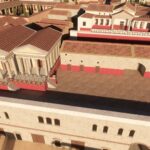
If you’re the kind of person who likes pictures, you may get extra help from the guide’s visual tools. Some guides—like Daniela—have used an iPad for visualizations of how buildings might have looked in the first century AD. That’s a smart trick for a site like this: it bridges the gap between what’s broken and what was once complete.
Murals and artwork: where the past looks almost present-day
This tour’s most obvious highlight is the murals and artwork. And the reason they hit so hard at Herculaneum is simple: they still look vivid.
In wealthy Roman homes, wall art wasn’t just decoration. It helped define spaces, set a mood, and show status. When your guide points out what you’re looking at and explains what it likely meant in everyday life, the artwork becomes a clue—not just something pretty to photograph.
I also like that the guide ties the art back to Roman culture. You don’t just hear what was there—you learn what it suggests about how people lived, what mattered to them, and how the city’s social classes were reflected in the spaces they built.
You can also read our reviews of more private tours in Archaeological Site Of Herculaneum
Wealth in Herculaneum: why it can feel richer than Pompeii
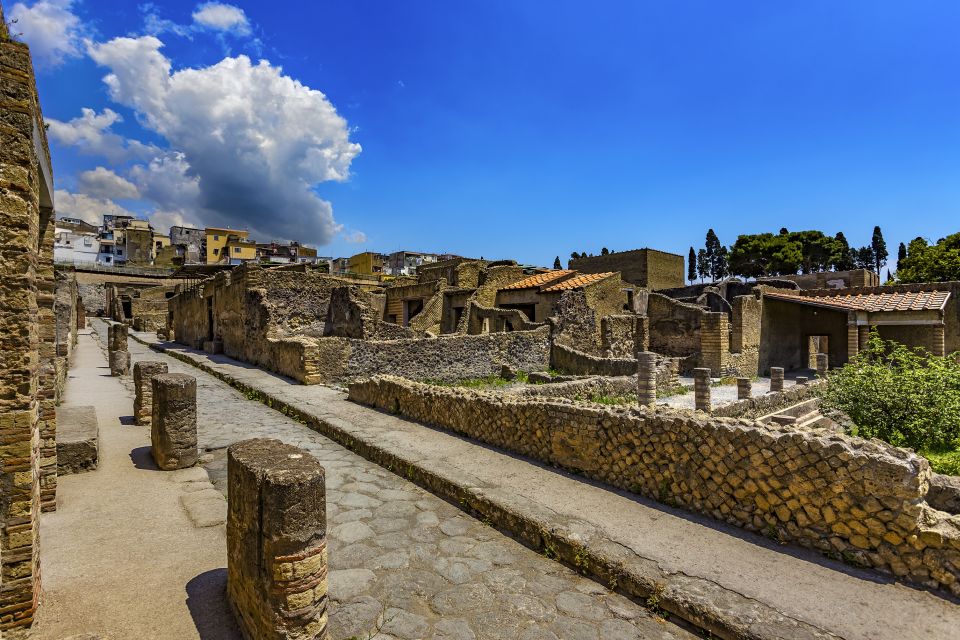
A common surprise is that Herculaneum wasn’t just smaller. It’s often described as wealthier than Pompeii, and your guide uses the ruins to make that idea feel real.
How do you tell? Through the scale of buildings, the kinds of homes you see, and the presence of artwork associated with more comfortable living. Your guide frames these features as evidence that the city wasn’t only populated—it was prosperous in its own way.
This matters if you’ve only heard the Pompeii story. Herculaneum gives you a different angle on Roman life right next to the same volcanic event.
Family-friendly benefits that aren’t just marketing
If you travel with kids, this is the kind of site where a private guide can make the difference between fun and boredom. The tour structure is flexible, and guides often take extra time answering questions.
I especially like the way some guides have handled families. For example, guides like Daniela have been patient with children and spent extra time addressing their questions. Another guide named Teresa (described as a PhD student of archaeological studies) is the type who can explain complex ideas in a way that keeps attention even during a hot day.
And yes, it can get hot. With a shorter, guided route and a focus on what to look for, kids tend to stay curious rather than simply overheated.
If your group includes teens or adults who don’t usually care about ruins, the key is the guide’s ability to make Roman daily life understandable. When the guide uses the ruins as a story platform, people who expect a lecture often end up having a good time.
Price and value: $283.21 per group up to 8
The price is listed as $283.21 per group, up to 8 people. That number sounds high until you do the math for private time.
Here’s how to think about the value:
- If you fill the group size (8 people), the cost works out to roughly $35 per person for guided time.
- If you come as 2 people, it’s closer to $140 per person, which is more like what you’d pay for a high-end private museum tour.
So the real question is who your group is. This tour is best value when you can share it—families, friends, or couples traveling together. It’s less of a bargain if you’re traveling solo or as a couple and you’re comparing it to standard group tours.
I also think the skip-the-line element and the ability to ask questions are part of the “value” story. Two hours is tight, and private routing turns those two hours into more looking, less waiting.
Practical tips before you go (so the tour stays smooth)
A few things are worth planning for, because they affect your comfort and your pace.
What to bring
- Passport or ID card (important for guests under 18)
- Comfortable shoes (seriously—this is a walk)
What not to bring
- Luggage or large bags
This matters because some sites are strict about bag sizes. If you’re coming from Naples or another nearby stop, keep your packing lean for the day—think daypack, not travel trunk.
Special note on free entry
On the first Sunday of each month, entrance is free of charge. But tickets can’t be reserved ahead of time, so entry is not guaranteed. If that weekend matters to you, plan early and expect uncertainty.
Languages and guide style: what to expect from the human side
Your private guide can be Spanish, English, French, Italian, or German. That’s a big deal here because Herculaneum rewards clear explanation. If you can understand every turn of the story, the site becomes more than a photo stop.
From what I’d look for in a great guide, your guide should do two things well:
- explain why preservation happened (location and burial effects)
- connect artwork and architecture to Roman life
And in the examples of guides associated with this experience—people like Daniela, Alessia, Teresa, and Anna—you can see a pattern: lots of patient answering, a clear teaching voice, and ways to make the place easier to visualize.
Should you book the private 2-hour Herculaneum tour?
I’d book this if you want:
- a short, high-impact visit that’s actually explained
- time-efficient entry with skip-the-line help
- a private setup that works for families and question-askers
- a focus on preserved murals and the Roman life behind them
I might skip the private version if you already know the story of Vesuvius and you’re comfortable exploring on your own, or if you’re looking for a longer, slower day. The main tradeoff is that 2 hours can move fast—so it’s not the best pick if you want to linger for hours and read everything like a museum catalog.
FAQ
Is this tour really private?
Yes. This is a private group tour (up to 8 people), with a live guide.
How long is the Herculaneum tour?
The tour duration is 2 hours.
What languages are available for the guide?
The guide language options listed are Spanish, English, French, Italian, and German.
Where does the tour start and end?
You meet your private guide at Herculaneum, and it ends back at the meeting point. The exact meeting point may vary depending on the option booked.
Is transportation or meals included?
No. Transportation to Herculaneum and meals and drinks are not included.
Do I need an entrance ticket?
You can have an entrance ticket included if selected as an extra, but it depends on your option. The private guided tour is included.
Are big bags allowed?
No. Luggage or large bags are not allowed.
What should I bring for entry?
Bring a passport or ID card. Guests under 18 must bring their IDs.
Is there a discount or free day?
Entrance is free on the first Sunday of each month, but tickets can’t be reserved ahead of time, so entry isn’t guaranteed.