REVIEW · ARCHAEOLOGICAL SITE OF HERCULANEUM
Herculaneum: Tickets & Tour with a Local Archaeologist
Book on GetYourGuide →Operated by Grand Tour Experience · Bookable on GetYourGuide
Herculaneum feels like time stood still. This 2-hour visit uses skip-the-line access plus a licensed archaeologist guide to show you what you’re actually looking at: preserved villas, rooms, and everyday details from Roman life. It’s one of the few places where the burial from Vesuvius didn’t erase everything.
The two things I like most are the hands-on explanations from archaeologists and the way the site’s preservation turns ruins into scenes. You’ll see frescoes, mosaics, and even the human remains that make the tragedy impossible to treat like a photo-op. One thing to watch: it’s a walking tour on uneven ancient surfaces and there can be stairs and tight spots, so it’s not a relaxed stroll.
If you want “just ruins,” you won’t get that. You’ll want to move with the group, listen closely (headsets may be provided), and accept that some of the most memorable moments are heavy ones—like the House of Skeletons and the Boat House story.
In This Review
- Key Highlights You’ll Care About
- Herculaneum’s preservation is the whole point
- Meeting at Biglietteria Ercolano and getting your bearings
- Casa dei Cervi (House of the Deer): the villa you can actually read
- Casa di Nettuno ed Anfitrite: decor, symbolism, and how Romans played house
- Sacellum of the Augustales: where religion meets real neighborhood life
- House of Skeletons: the tragedy explained without turning it into spectacle
- Casa dell’Albergo and the lived-in feel of Roman streets
- What you actually get from a local archaeologist (and why it’s worth paying)
- Who this tour suits best (and who might want a different plan)
- Should you book this Herculaneum ticket with a local archaeologist?
- FAQ
- How long is the Herculaneum ticket and local archaeologist tour?
- What does it cost?
- Where do I meet for the tour?
- Do you skip the ticket line?
- Who is guiding the visit?
- Which languages are available?
- What’s included in the price?
- What should I bring?
- Is the tour wheelchair accessible?
- What is the meeting time?
Key Highlights You’ll Care About
- Skip-the-line entry so you spend time inside, not in queues
- Licensed archaeologist guides who explain what ordinary visitors miss
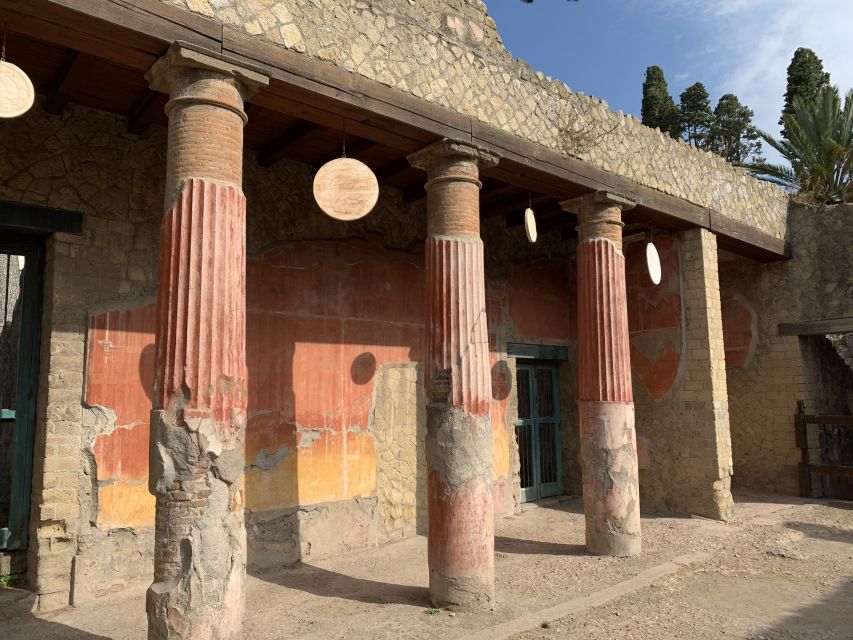
- Exceptional preservation of frescoes, mosaics, and even everyday objects
- Original Roman streets and public spaces that help you picture daily life
- Somber stop at the skeletons, explained in context instead of sensationalized
Herculaneum’s preservation is the whole point
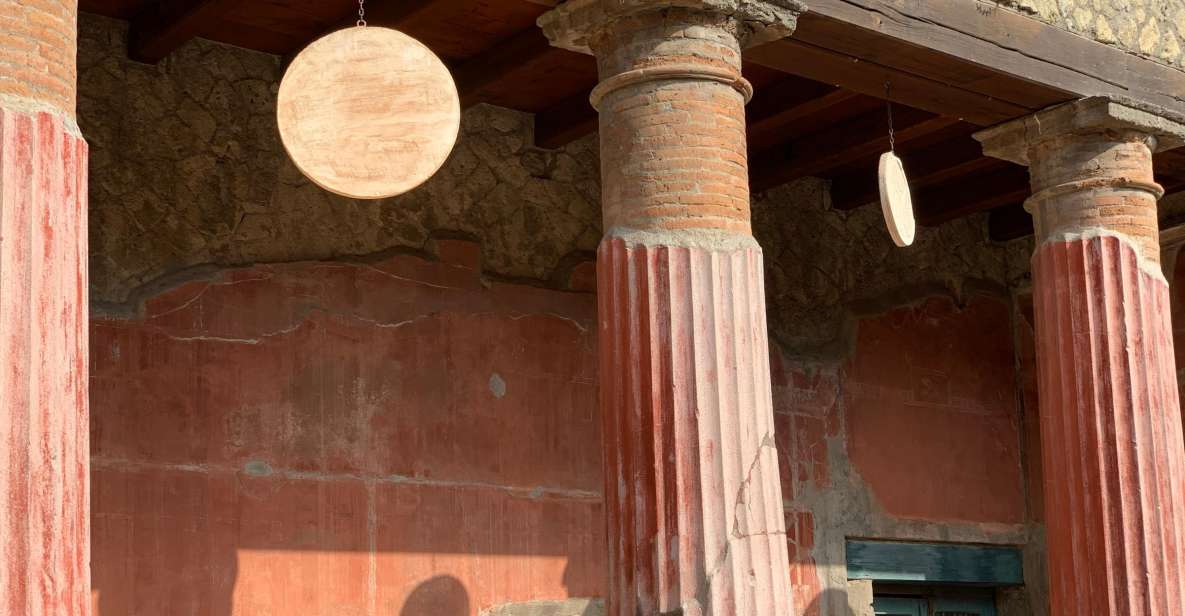
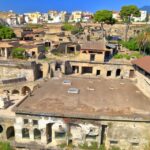
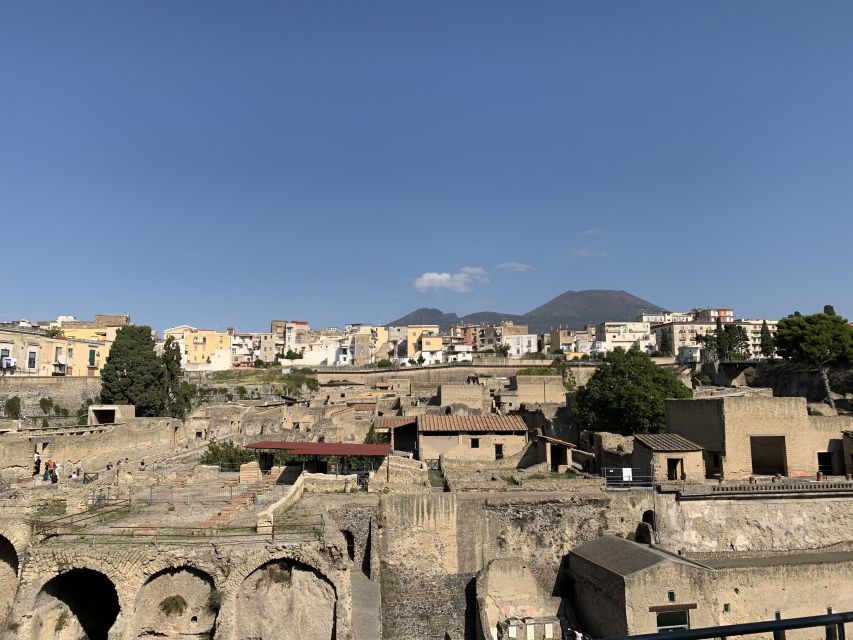
Most Roman ruin sites are mostly walls and outlines. Herculaneum is different because the eruption burial conditions helped protect far more than stone. That means you can walk past structures and picture how rooms worked, how people moved through homes, and how public life ran.
I love how a good guide makes the preservation meaningful instead of “wow, cool.” A licensed archaeologist can point out why certain materials survived, what that survival suggests about the final days, and how the layout reflects Roman habits. That’s also why Herculaneum often lands as a stronger contrast to Pompeii for people who want real context—not just big names and famous viewpoints.
And the site doesn’t shy away from the human side. You’ll encounter remains left where people fell, including skeletons. You should be ready for that. It’s not grim storytelling for shock value; it’s part of understanding what the eruption did to actual lives.
You can also read our reviews of more tours and experiences in Archaeological Site Of Herculaneum
Meeting at Biglietteria Ercolano and getting your bearings
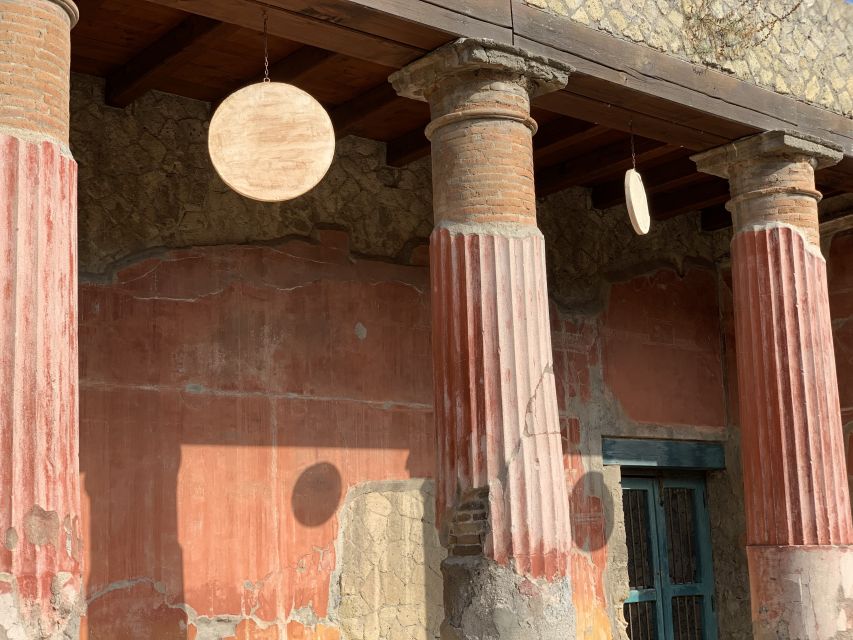
You’ll meet at Biglietteria Ercolano. Plan to arrive about 10 minutes early so you can check in and get your group sorted before you start moving. The timing matters because Herculaneum is compact enough that you can lose an hour just by stumbling into the wrong spot.
This tour runs about 2 hours, which is a sweet spot for Herculaneum. You’ll cover multiple highlights without the “ruins marathon” feeling. It’s also long enough for your guide to connect the dots—how villas relate to street life, how household rooms connect to religious corners, and how public baths fit the daily rhythm.
A small practical note: bring your passport or ID card and water. The tour is outdoors and you’ll feel it, especially if you’re visiting in warmer months. If you’re planning to take photos, you’ll get photo stops, but the main value is what your guide points out while you’re standing in place.
Casa dei Cervi (House of the Deer): the villa you can actually read
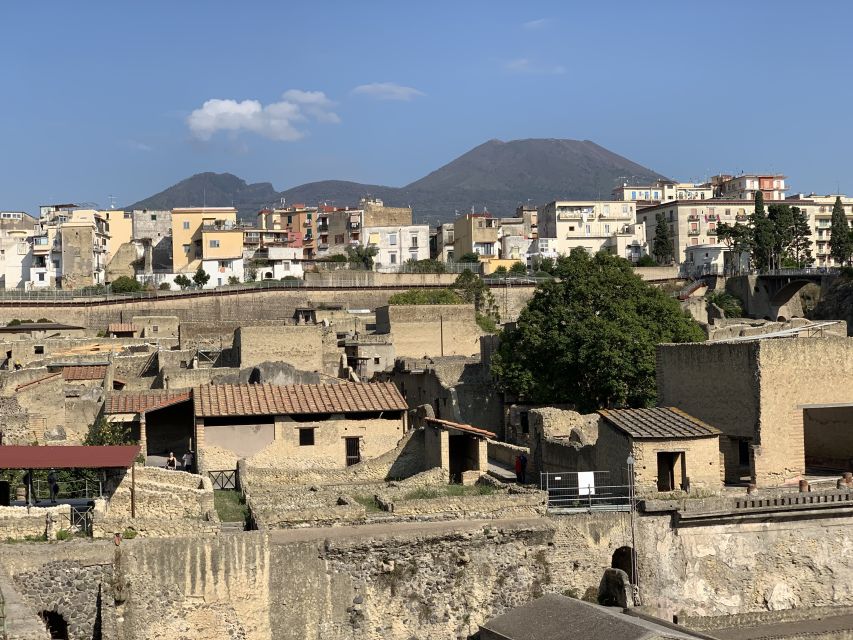
Your first major stop is Casa dei Cervi—the House of the Deer. This is the kind of place where the difference between “seeing ruins” and “understanding ruins” becomes obvious fast.
In a guide-led experience, the villa stops being a bunch of rooms. You start noticing how the layout shapes daily movement: where you’d gather, where light and decoration would land, and how the home’s style signals status. Because Herculaneum preserved details well, you’re not just viewing blank stone—you’re looking at the kind of surfaces that once carried decoration like frescoes and mosaics.
What makes this stop worthwhile is how a licensed archaeologist can interpret clues you’d otherwise overlook. Even if you know Roman history in a general way, a good guide helps you see the house as a machine for living. You’re learning how art, architecture, and social life show up in the same small space.
Potential drawback: villas like this can tempt you to rush. Give your guide a chance to guide your eyes. If you spend the entire time photographing doorways without listening, you’ll miss the point of the preservation.
Casa di Nettuno ed Anfitrite: decor, symbolism, and how Romans played house
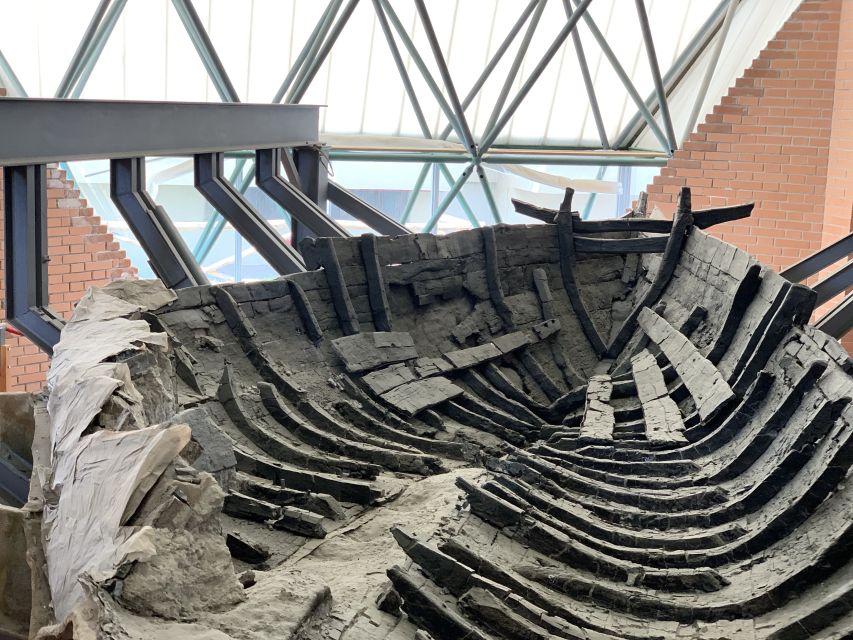
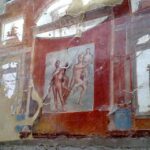
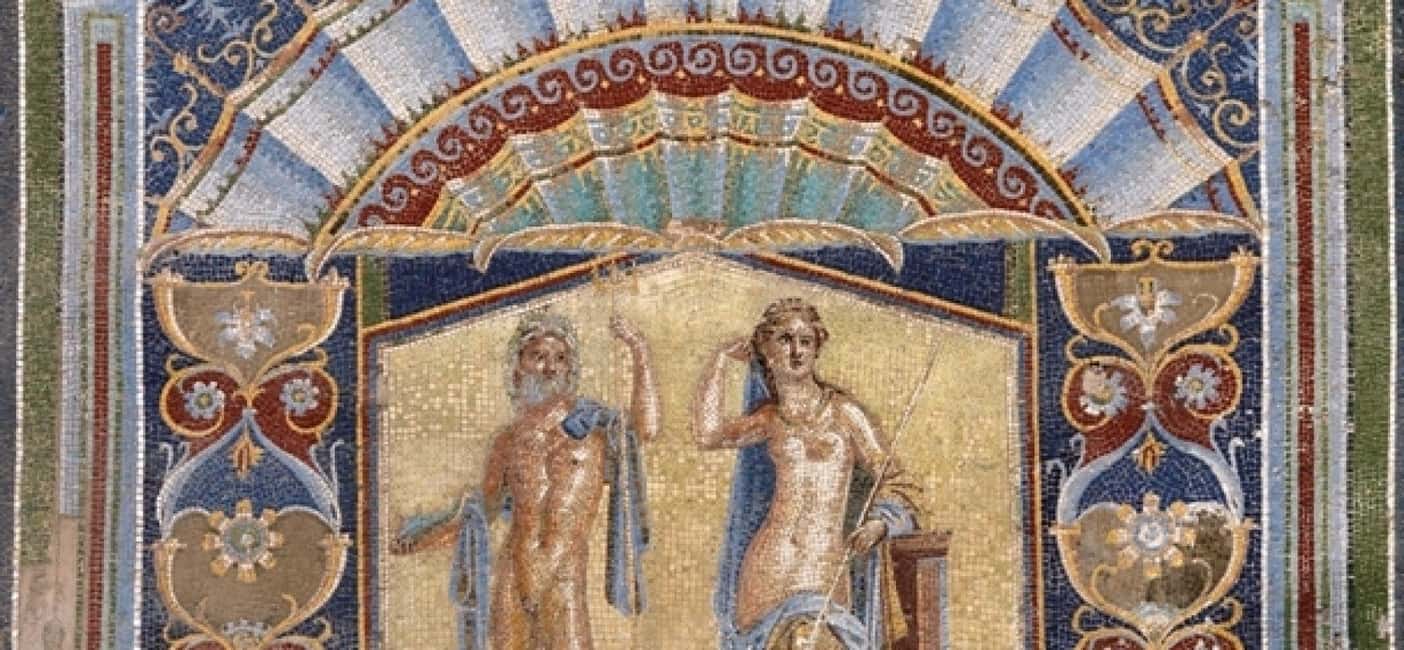
Next up is Casa di Nettuno ed Anfitrite. This villa name already hints that you’re looking at a home where decoration mattered. In Herculaneum, that’s a big deal because frescoes and mosaics often survive in ways you’ll never see in many other excavations.
Here’s what you should look for: how the artwork relates to the room. A guide can connect themes and imagery to what household members cared about—religion, mythology, status, and identity. Without that guidance, it’s easy to treat the artwork like wallpaper. With guidance, you start to see what the homeowner wanted visitors to notice.
I also like how villa stops work together. By the time you reach Casa di Nettuno ed Anfitrite, you’ve already learned the basics of reading a preserved Roman home. So the second villa feels less like a repeat and more like a comparison: different priorities, different taste, different choices—same Roman way of organizing life.
Sacellum of the Augustales: where religion meets real neighborhood life
Then you’ll visit the Sacellum of the Augustales. A small shrine inside a city tells you a lot about who people were and what they did when they weren’t working or eating.
This stop is useful because it shifts the focus away from wealthy households and toward communal identity. It’s the kind of place where you can learn how religious practice showed up in daily space—how devotion, civic roles, and local culture intersected.
The strength here is interpretation. A trained guide can explain why a shrine’s placement and features matter, and how it fits into the wider city plan. It’s also a moment to slow down. After the villas, a shrine can feel quieter, and that helps the site make emotional sense.
Possible consideration: if you’re the type who wants only household drama or only tragedy stories, this shrine can feel less dramatic. Stick with it. It often becomes the key to understanding the city’s “normal” heartbeat.
House of Skeletons: the tragedy explained without turning it into spectacle
One of the tour’s signature stops is the House of Skeletons. This is where the story of Vesuvius becomes brutally personal. You’re not just seeing ruins from a distant war; you’re seeing the aftermath of a sudden disaster where people were caught where they stood.
What I find important: a good archaeologist guide frames what you see in context. The guide helps you understand what the preservation means—where victims were found, how the eruption unfolded, and why Herculaneum’s burial conditions protected so many layers. That’s how the moment becomes educational instead of just unsettling.
If you prefer to keep an emotional distance, that’s okay. You don’t have to force yourself into a “teachable moment” mindset. But I do recommend you stay present for the explanation, even if you’re quiet. The moment hits harder when you understand what you’re looking at.
In the reviews shared with me, many people also singled out the contrast between how Herculaneum and Pompeii feel. The tone here is noticeably more solemn, and your guide tends to mark those moments with respect.
Casa dell’Albergo and the lived-in feel of Roman streets
You’ll also see Casa dell’Albergo, Herculaneum, then continue across the archaeological site for more walking and a photo stop along the way. This portion is where the tour starts to feel like a real neighborhood, not a checklist.
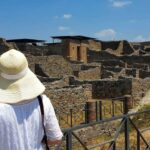
Herculaneum’s streets and public spaces are the magic thread. As you walk, you can connect villas to community life and public buildings to how people spent their day. The tour description highlights public baths and ancient water systems, and those are exactly the kinds of details that make a city feel functional.
This tour also helps you grasp the scale of daily routines. You picture conversations in shops and taverns because you’re seeing the layout where those activities would have happened. Your guide helps you build a mental map, so the site doesn’t feel like a jumble of attractions.
In terms of pacing, 2 hours is tight but doable if you follow your guide’s lead. If you stop constantly to read every sign and take every photo, you’ll likely feel rushed later. Let the guide do the filtering—then pause for your own photos where it matters to you.
What you actually get from a local archaeologist (and why it’s worth paying)
The price for this tour is $58 per person for about 2 hours, and the value comes from one thing: the guide isn’t there to entertain you with generic facts. The experience is built around interpretation from a licensed expert archaeologist, often with advanced academic training. Names that came up in the guidance roster include PhD-trained specialists such as Dr Rafaelle Romano and Raffaele, plus popular local guides like Enrica, Carlo, Giovanni, Riccardo, and Ornella.
That matters because Herculaneum is easy to misunderstand. The preservation is so strong that it can trick you into thinking everything is obvious. It’s not. Your guide can explain:
- what survived and why that matters
- what decoration tells you about identity and status
- how public spaces like baths reflect civic life
- why the skeletons and other remains fit into the eruption story in a precise way
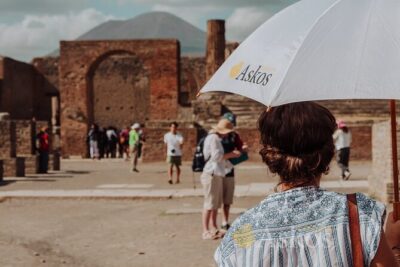
Headsets may be provided if the group exceeds 11 people. That’s practical value. Clear audio is huge in outdoor ruins where acoustics can vary and people can wander off mid-sentence. If you want the archaeology to land, you need to hear it.
One more reason this tour feels better than solo wandering: guides can point out what to look at in each room. Without that, you can easily spend time staring at the wrong detail.
Who this tour suits best (and who might want a different plan)
This is a great match if you want a focused site visit with real context. It works well for:
- people doing a Pompeii vs Herculaneum comparison
- history lovers who want more than dates and names
- families who want a shorter route but a deeper explanation (some visitors reported bringing kids to this site successfully)
- anyone who wants the emotional weight of the eruption handled with care and clarity
It may be less ideal if you need step-free access. The tour is not suitable for wheelchair users, and electric wheelchairs are not allowed. Also, you should be ready for walking on uneven ancient surfaces and possibly stairs, since reviews mention steps and paths around the site.
If you’re traveling in a small group, the tour often feels more tailored. Several people praised small-group pacing and guides adapting explanations to their interests.
Should you book this Herculaneum ticket with a local archaeologist?
If you’re choosing between a basic entry ticket and a guide, I’d lean guide for this site. Herculaneum rewards attention. The skip-line access and archaeologist-led storytelling make it feel like you’re reading the city instead of just looking at it.
Book this tour if you want:
- skip-the-line entry
- interpretation from a licensed archaeologist
- a route that hits major villas and the House of Skeletons
- a clear, human explanation of what survived from 79 AD
Consider another approach if you’re aiming for full freedom to wander slowly without listening to a structured explanation. With only 2 hours, the tour is meant to cover key zones, not to let you linger endlessly.
FAQ
How long is the Herculaneum ticket and local archaeologist tour?
The tour lasts about 2 hours.
What does it cost?
It’s listed at $58 per person.
Where do I meet for the tour?
You meet at Biglietteria Ercolano (the ticket office).
Do you skip the ticket line?
Yes. The tour includes skip-the-line entrance tickets.
Who is guiding the visit?
You get a guided tour with a licensed guide (a local archaeologist expert).
Which languages are available?
The live guide is available in Spanish, English, Italian, and French.
What’s included in the price?
Included are the guided tour, skip-the-line entrance tickets, and headsets if the group exceeds 11 people.
What should I bring?
Bring passport or ID card and water.
Is the tour wheelchair accessible?
No. It’s not suitable for wheelchair users, and electric wheelchairs are not allowed.
What is the meeting time?
Arrive at the ticket office about 10 minutes before the tour starts.