REVIEW · CAMPANIA
Lezione di Cucina : Pasta Fresca
Book on Viator →Operated by Casa Scarica Cooking Class · Bookable on Viator
Fresh pasta lessons in Gragnano feel hands-on, especially when you’re standing next to a local chef. In this Cooking Class at Casa Scarica, you learn southern Italian techniques in Campania, with fresh dough you knead and shape yourself.
I love two things right away: the class is genuinely hands-on, not a sit-and-watch demo, and you end with a meal where you get to taste what you made. I also like the practical souvenir angle: you take home recipes for three pasta dishes, so you can reproduce the flavors later.
One consideration: timing can get messy if your booking is routed through a third party. In at least one case, the chef was fantastic, but arrival was late by over an hour, so do yourself a favor and confirm the plan close to departure—especially if you’re arriving from elsewhere.
In This Review
- Key things you’ll do (and why they matter)
- Where Casa Scarica Cooking Class meets you in Gragnano (10:00 start)
- The dough lesson: kneading fresh pasta with chef Giuseppe
- Gnocchi alla sorrentina: tomato sauce, potato, and mozzarella
- Ravioli with ricotta: filling changes with the time of year
- Tagliatelle with butter, sage, and Parmigiano
- Pizza, lemons, and dessert: what you’ll taste beyond the pasta
- Lunch buffet, drinks, and the formal dress code
- Price and value: is $120.41 fair for a 3-hour lesson?
- Timing, third-party confusion, and how to avoid a slow start
- Who should book this pasta fresca class?
- Should you book Casa Scarica’s Pasta Fresca class?
- FAQ
- What time does the class start?
- How long is the Cooking Class: Pasta Fresca?
- Is the tour offered in English?
- What’s included in the price?
- Are alcoholic drinks included?
- Is there a vegetarian option?
Key things you’ll do (and why they matter)
- Knead like a pro: You’ll get step-by-step instruction for pasta dough, not just vague tips.
- Make your own pasta: Each participant produces the pasta during class, so you’re actively cooking the whole time.
- Southern Campania flavors: Tomato, mozzarella, ricotta, sage, and Parmigiano show up in very traditional combinations.
- Season-based ravioli: The ravioli filling can change depending on when you come.
- End with the tasting table: You don’t just snack on lessons—you eat lunch buffet-style.
- Extra farm-style options: If you contact them a few days before, you can add a mozzarella production visit.
Where Casa Scarica Cooking Class meets you in Gragnano (10:00 start)
You’ll meet at Casa Scarica Cooking Class, Via Roma 25, 80054 Gragnano (NA). The start time is 10:00am, and the schedule is built around the kitchen session first, with food and tasting following.
Here’s the useful part for planning: if things are arranged earlier, you may also be able to visit a pasta factory before the cooking starts. It’s not a guaranteed “every day at 9:00” promise based on what you’re given, so treat it as a bonus if it happens. Either way, you’re coming for the practical pasta skills.
The atmosphere tends to be structured. You’ll introduce yourselves when you arrive, then the chef leads you straight into pasta work. The good news is that it’s offered in English, and you’re doing a private session just for your group, which usually means fewer people to manage and more chances to ask questions.
Practical tip: Gragnano is a working place, not a show. If you’re coming from another town, give yourself buffer time to find the address and settle in before 10:00. And because the stated dress code is formal, think clean and more “nice dinner” than “athletic gear.”
You can also read our reviews of more tours and experiences in Campania.



The dough lesson: kneading fresh pasta with chef Giuseppe
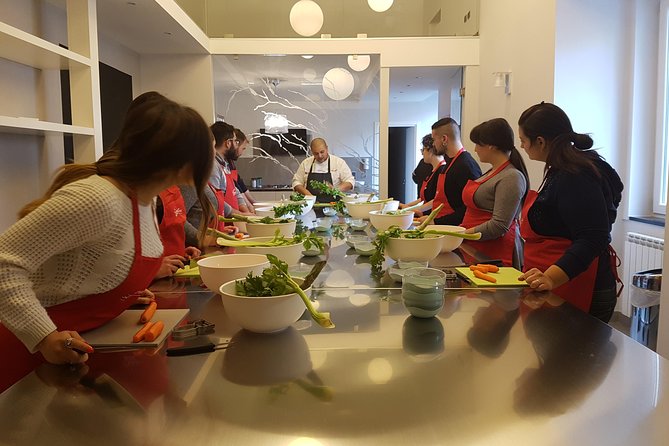
The heart of this experience is the dough work. You’ll get detailed, guided instruction on how to knead pasta, and the class is set up so each participant makes their own product. That matters because kneading isn’t just technique—it’s how you get the texture that lets sauces cling.
You’ll cook together as a group, which keeps things moving and builds rhythm. At this class, you’re not stuck doing only one step like rolling or cutting. You’re learning the full workflow: mixing, kneading, and shaping—then cooking and eating what you produced.
In one instance, the chef who taught the class was Chef Giuseppe, and the session was widely appreciated for his teaching style. Even without relying on any one chef’s specific identity, the focus stays the same: clear instruction, hands-on participation, and learning by doing.
Why this is valuable: fresh pasta turns into a skill you can reuse. If you’ve ever tried making pasta once and ended up with dough that tore or sauce that slid off, you already know why kneading guidance matters. This class gives you a repeatable feel for dough consistency.
Gnocchi alla sorrentina: tomato sauce, potato, and mozzarella
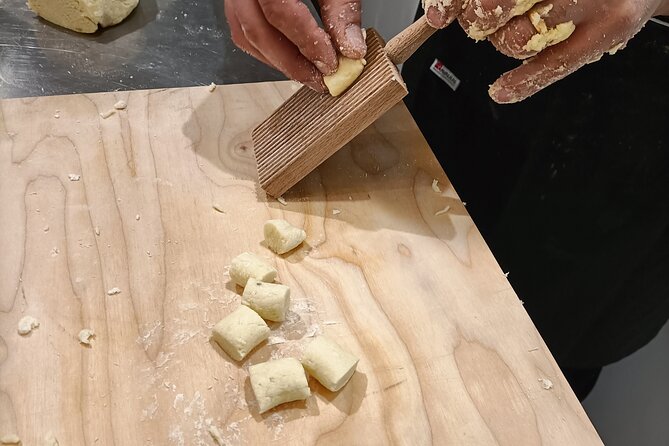
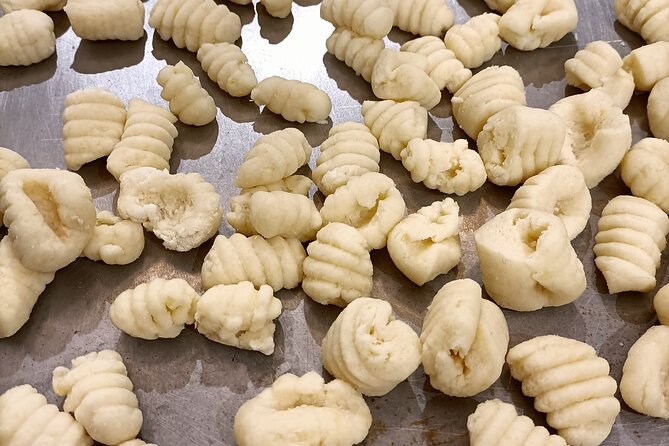
You’ll make and taste gnocchi alla sorrentina, which is one of those Campania dishes that feels both comforting and specific. The concept is simple: potato gnocchi with tomato sauce and mozzarella.
What to watch for during the class is the balance. Gnocchi can turn gummy if handled too roughly or too long. It can also turn dry if the dough gets off. Your chef’s kneading and handling guidance is what helps you get gnocchi that are light enough to work with the sauce, not fight it.
Since the class is collaborative, you’ll cook parts together and then enjoy the results at the table. The tasting is not “bonus samples”—it’s built into the meal structure. In other words, you learn and then immediately eat, which is the fastest way to connect technique to flavor.
Also keep in mind the class highlights mention locally sourced tomatoes and lemons. Even if the exact tomato/lemons show up in multiple courses, that local-ingredient approach is what gives southern Italian food its recognizable punch: fresh-tasting acidity and a sauce that tastes alive, not flat.
Ravioli with ricotta: filling changes with the time of year
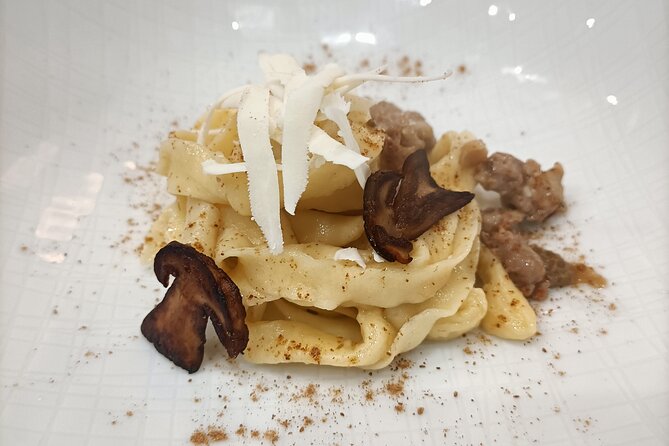
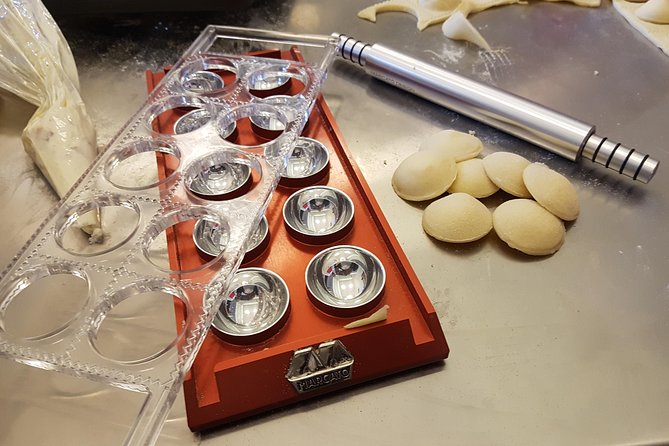
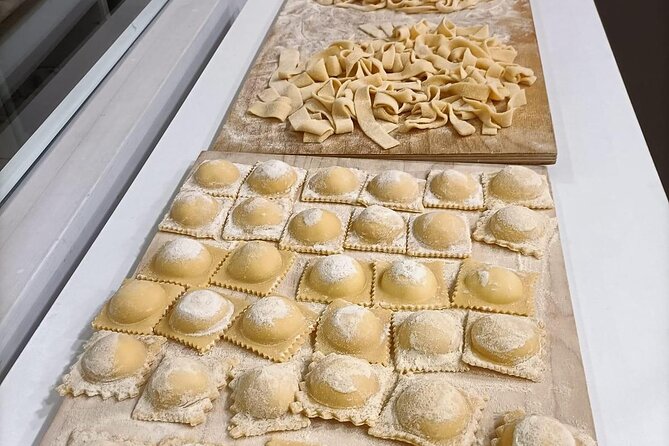
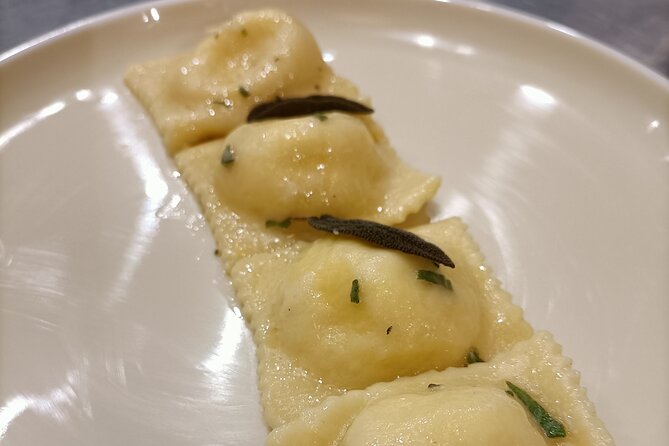
Next up is ravioli—fresh stuffed ravioli with ricotta cheese plus a sauce. The important detail is that the ravioli filling and/or sauce can depend on which period you come, so it’s not one rigid menu everywhere.
This is a good thing for your expectations. If you’re planning a trip and want the exact same ravioli every day, you might be disappointed. But if you’re traveling like a curious eater, “season-based” choices are exactly what makes cooking classes feel less like a factory and more like real kitchen life.
During the class, you’ll get to work on the ravioli process and then taste what you made. Ravioli is also a great test of technique: the dough has to be rolled to the right thickness, and the filling has to be portioned so the pasta cooks through without turning watery.
If you’re vegetarian, this is also where you can ask questions at booking. The tour data says a vegetarian option is available, and you should flag your needs ahead of time so the kitchen can plan accordingly.
Tagliatelle with butter, sage, and Parmigiano
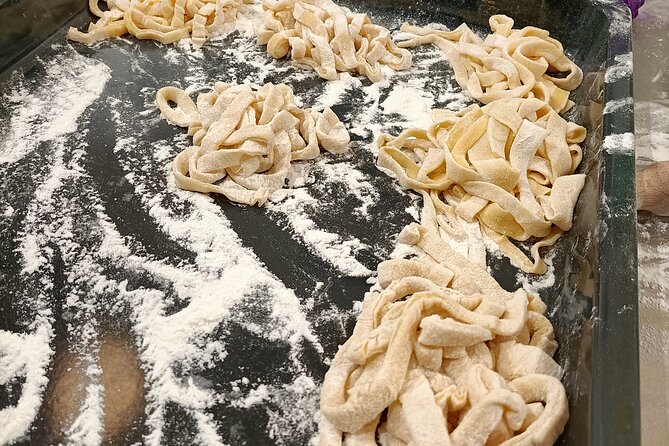
The third pasta you’ll focus on is tagliatelle, served with butter and sage and Parmigiano. This course is where you’ll feel the difference between “made pasta” and “store-bought pasta.” Tagliatelle holds onto sauces differently, and the simple combination of sage, butter, and cheese highlights how well your dough handled heat.
It’s also one of the most approachable pasta styles for home cooks to replicate. Even if you don’t copy the exact sauce every time, understanding how fresh pasta behaves with a light sauce is hugely useful.
And because the class includes tasting during lunch, you’ll immediately learn whether your texture and thickness are right. That feedback loop is a big deal for cooking classes. It’s one thing to be told the dough should feel elastic; it’s another thing to see how it chews after cooking and whether the sauce clings the way you expect.
The class also promises take-home recipes for three pasta dishes. Tagliatelle is a great one to use at home because it’s forgiving in many kitchens.





Pizza, lemons, and dessert: what you’ll taste beyond the pasta
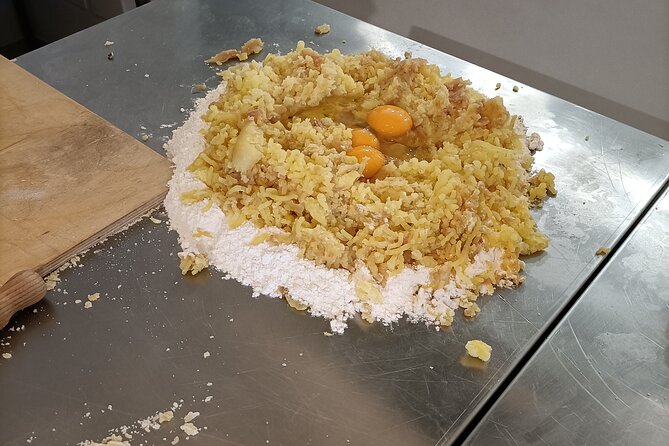
Your highlights mention that the class uses locally sourced tomatoes and lemons to make pizza, pasta, and dessert. That means you’re not only doing traditional pasta shaping—you’re likely also experiencing the flavor logic behind southern Italian cooking.
Pizza in this context is probably not about racing through the dough and hoping for the best. It’s more about how tomato and dough interplay, and how lemons can brighten flavors. Lemons in southern cooking often show up as a way to cut heaviness—so even if the meal is rich, it doesn’t feel heavy.
Dessert with lemons also fits the overall pattern: sweet without being dull. Again, the exact dessert item isn’t specified in the menu details you have, so don’t expect a detailed recipe card for it—but do expect the kitchen to follow that tomato-and-lemon logic.
What I like about including these extra items: it turns the class into a broader food lesson, not just one dish you can brag about and forget. When you taste how ingredients shift across courses, you remember the cooking much longer.
Lunch buffet, drinks, and the formal dress code
Lunch is included, and you’ll eat it as part of the experience. The included list specifically notes lunch buffet and bottled water. That’s your baseline.
Alcohol is not included, and it’s available to purchase. The stated minimum drinking age is 18, so plan accordingly if you’re traveling with anyone younger. Coca cola and Fanta are also not included, meaning the drink setup is more limited than at a full restaurant menu.
Dress code is listed as formal. This can be surprising for a cooking class. The practical fix is easy: wear something neat that you don’t mind getting small splashes on. If you bring a nice shirt and expect zero mess, you’ll feel tense the whole time—so choose something you like but can handle.
If you have dietary needs, the class asks you to advise them at booking time. A vegetarian option exists, which is reassuring, but always flag your needs in advance so the kitchen can plan.
Price and value: is $120.41 fair for a 3-hour lesson?
At $120.41 per person for about 3 hours, you’re paying for time with a chef, hands-on instruction, ingredients, and a meal. That can sound steep until you compare it to what “doing it yourself” costs: flour, durum or semolina ingredients, ricotta, mozzarella, butter, sage, Parmigiano, plus the tools and your time trying to recover from mistakes.
Here, you get something that money alone can’t buy: a guided kneading process and direct feedback from the person teaching the class. If you’ve ever ruined pasta dough once, you know how quickly ingredients and frustration add up.
You also take home recipes for three pasta dishes, which adds real long-term value. It turns the class into something you can reference later instead of one fun morning that disappears.
And since it’s a private tour/activity for your group, the experience has a different feel than a large public cooking class. Private doesn’t automatically mean “better,” but in practice it usually helps with attention and pacing.
Net: I think the price makes sense if your goal is genuine technique and a proper lunch, not just food tasting.
Timing, third-party confusion, and how to avoid a slow start
One important real-world issue to plan around: a cooking class can run late if the communication chain is tangled. In one documented case, the school wasn’t working with a certain marketplace anymore, and the group waited over an hour past schedule.
I’m not saying this will happen to you. I am saying you should reduce the risk.
Do this:
- Confirm your pickup/arrival details with Casa Scarica shortly before your class.
- If you’re arriving from another town, keep your morning flexible.
- If you’re unsure about the address, do a quick look at the route the day before.
Also note: confirmation is received at booking, and the start time is clearly listed as 10:00am. So if there’s uncertainty, it’s not on you to guess—message them.
If the class includes the pasta factory visit, that’s a bonus, but don’t schedule tight connections after 1:00pm. A small buffer is just smart here.
Who should book this pasta fresca class?
This is a strong match if you want to learn southern Italian cooking in a practical way. You’ll enjoy it most if you like working with your hands and you’re willing to take instructions seriously for dough texture.
It’s also a good fit for:
- Couples, small groups, and friends who want a shared activity and a meal afterward
- Vegetarians (vegetarian option is available if you request it)
- People who want recipes to bring home and cook again
It’s less ideal if:
- You hate mess and want zero hands-on contact
- You need a rigid, fixed menu with no seasonal changes (ravioli can vary depending on the period)
Kids are welcome, but children must be accompanied by an adult. And since alcohol is not included, this can be easier to manage for families, assuming everyone follows the stated drink-age rules.
If you want more than pasta, you can contact them a few days before to help arrange other activities, including a visit to see mozzarella production.
Should you book Casa Scarica’s Pasta Fresca class?
I’d book it if your goal is technique plus lunch, not just a photo op. The strongest reasons: you make your own pasta, you get detailed guidance on kneading, and the experience ends with a meal you can actually evaluate.
I would only hesitate if your trip is very tight time-wise or you rely on a third-party booking with uncertain messaging. If you choose this class, add a quick confirmation step and give yourself a time cushion in Gragnano.
Do that, and you’ll walk away with at least three dishes worth repeating at home—gnocchi alla sorrentina, ravioli, and tagliatelle—plus a clearer feel for dough than most casual cooking experiences ever manage.
FAQ
What time does the class start?
The class starts at 10:00am at Casa Scarica Cooking Class in Gragnano.
How long is the Cooking Class: Pasta Fresca?
It lasts about 3 hours.
Is the tour offered in English?
Yes, it’s offered in English.
What’s included in the price?
The price includes bottled water and a lunch buffet.
Are alcoholic drinks included?
No. Alcoholic drinks are available to purchase, and the minimum drinking age is 18.
Is there a vegetarian option?
Yes. Vegetarian options are available if you request them at the time of booking.